Skip to content
Luggage Manufacturer for Bulk Custom Orders
Develop custom luggage for travel brands, retail programs, import teams, and private label collections with material review, sample control, QC, packing, and delivery planning.
- Support for carry-on luggage, checked luggage, luggage sets, hard-shell suitcases, softside luggage, trolley cases, kids’ luggage, and travel accessory programs.
- Review shell material, size set, wheel system, trolley handle, lock, zipper or frame, lining, logo method, packing rules, and delivery schedule before bulk work begins.
- Built for travel product lines, retail luggage collections, private label programs, corporate travel gifts, import groups, and bag brands expanding into luggage and travel accessories.
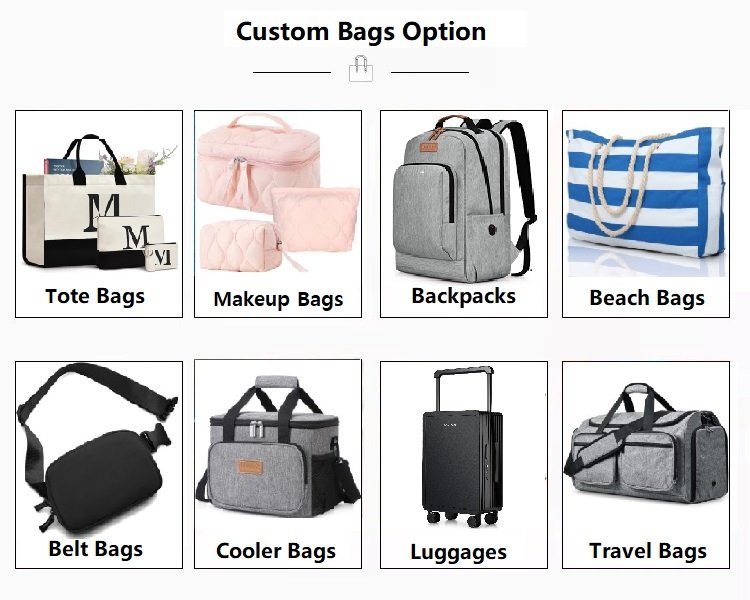
- Jundong also supports related travel products such as backpacks, duffel bags, toiletry bags, packing cubes, passport wallets, and other travel-ready bag items.

Bulk Luggage For Serious Travel Programs
Travel Luggage Brands
Travel luggage brands need stable-size sets, reliable components, and a clean product identity. A carry-on case, checked case, and 3-piece luggage set should share a consistent color story, wheel system, handle feel, logo style, and lining direction. Jundong helps review shell material, size planning, component selection, sample approval, packing, and repeat records before bulk work. This is useful when a brand wants to build a luggage line that can be restocked later instead of treating each model as a separate one-time project.
Retail Private Label Lines
Retail private label luggage programs need clear SKU control from the start. A single collection may include 20 inch, 24-inch, and 28-inch sizes; several colors; hangtags; warranty cards, barcode labels; retail cartons and warehouse labels. Jundong can review product records, color names, logo positions, carton marks, and packing list rules before production. Retail luggage must look consistent on shelf, scan correctly in the warehouse, and arrive with protected shell surfaces.
Import And Wholesale Teams
Import and wholesale luggage projects need stable order planning, clear quantity split and reliable carton records. A bulk order may include multiple sizes, color groups and component options. Material choice, wheel type, lock type, logo method, carton dimensions and shipping plan should be reviewed early. Jundong helps connect sample details with bulk records, so shell color, wheel system, lining, label files and outer cartons follow the approved plan more closely.
Corporate Travel Programs
Corporate travel luggage is often used for employee gifts, event gifts, banking projects, airline programs, hotel campaigns, or membership rewards. These projects usually need controlled logo placement, clean packaging, strong delivery timing, and simple distribution labels. A 20-inch carry-on or softside trolley case may look easy to plan, but the logo method, carton mark, barcode, gift note, and final delivery date should be confirmed before production. Jundong can review these details before sample approval.
E-Commerce Luggage Sellers
E-commerce luggage projects need packing strength, SKU accuracy, and product-photo consistency. A suitcase may face long shipping, warehouse handling and return risk before reaching the final user. Shell protection, wheel protection, carton quality, barcode labels, size labels, and product records all matter. Jundong can review luggage structure, packing method, carton size, weight, label placement, and color split before bulk packing, helping the product arrive cleaner and easier to receive.
Bag Brands Expanding Luggage
Bag brands often add luggage to complete a travel product family. A luggage line may need to match backpacks, duffel bags, toiletry bags, packing cubes, passport wallets and travel accessories. The suitcase does not need to copy the fabric bag exactly, but material tone, logo system, color direction and packing style should feel connected. Jundong can review luggage together with related travel bags, helping brand teams build a more complete collection.
Control Luggage Risks Before Bulk Work
Luggage quality depends on structure, components, and packing, not only appearance. Shell, wheels, trolley handle, lock, zipper, color, logo and carton protection should be reviewed before bulk work.

Shell Cracks
A suitcase shell must handle impact, compression, packing pressure, and travel handling. PC, ABS, PC+ABS, and PP all perform differently in weight, flexibility, surface feel, and impact response. A beautiful shell surface is not enough if the material thickness, corner strength, or packing protection is poorly planned. Jundong reviews shell material direction, size use, surface finish, color target, and packing protection before sampling, so the final suitcase is planned around real travel pressure instead of only showroom appearance.
- Review PC, ABS, PC+ABS or PP direction.
- Check shell thickness and corner pressure zones.
- Plan surface protection for packing.
- Keep color and finish records.
- Compare early bulk shells with approved sample.
Weak Wheels
Wheels are one of the first parts users notice and one of the easiest parts to complain about. A luggage wheel should roll smoothly, turn cleanly and stay stable under load. Wheel size, wheel housing, axle quality, screw fixing, noise and rolling resistance all affect user experience. Jundong reviews wheel type and installation area during sample planning. For spinner luggage and checked luggage, the wheel system should be checked before wider production continues.
- Review single or double spinner wheel options.
- Check wheel housing and fixing points.
- Test rolling smoothness by hand.
- Watch noise, wobble and alignment.
- Keep wheel records by style and size.
Loose Trolley Handle
A trolley handle should extend smoothly, lock clearly and feel stable when pulled. A loose or shaky handle can make the whole suitcase feel weak, even when the shell looks strong. Handle height, tube material, button feel, lock position, inside fixing and installation alignment all matter. Jundong reviews trolley handle selection with luggage size and weight. For 24 inch and 28 inch checked luggage, handle stability should be checked carefully because larger cases create more pulling force.
- Check handle extension and lock points.
- Review tube strength and alignment.
- Test button feel and return action.
- Match handle length with luggage size.
- Inspect early bulk pieces before full output.
Lock And Zipper Failure
Locks, zippers and frames control opening security. A suitcase may use TSA lock, regular combination lock, zipper closure, aluminum frame or expandable zipper. Poor lock alignment, tight zipper corners or weak frame closing can affect daily use quickly. Jundong reviews lock type, zipper route, puller size, frame closure and inside construction before sample approval. For travel brands and retail lines, lock and zipper feel should match product level, not simply function as basic parts.
- Confirm TSA lock or closure style.
- Review zipper route and corner stress.
- Check puller size and grip feel.
- Inspect frame or lock alignment.
- Test opening and closing before packing.
Color And Logo Difference
Luggage often appears in multiple sizes and colors, so color consistency and logo placement matter. A 20 inch carry-on, 24 inch checked case and 28 inch large case should look like one family. Shell color, fabric panel color, zipper color, lining tone, wheel color and logo position should follow approved records. Jundong reviews color names, surface finish, logo method, logo position and approval photos before bulk work. This helps avoid a mixed look across a full luggage set.
- Confirm color name and approved sample.
- Review logo position by size.
- Match lining, zipper and wheel tone.
- Check each size in a set.
- Save approval photos for repeat orders.
Packing And Delivery Damage
Luggage is large, structured and easier to scratch during transport than many soft bags. Poor packing can damage shell surface, wheels, handles or corners before the product reaches the warehouse. Carton size, inner protection, wheel protection, dust cover, barcode placement, carton mark and pallet plan should be reviewed before final packing. Jundong can review packing rules early, especially for retail luggage sets, e-commerce orders and import shipments where carton condition and label accuracy affect receiving.
- Plan carton size and inner protection.
- Protect wheels, handles and corners.
- Match barcode with SKU and size.
- Check carton marks before sealing.
- Review shipping route and warehouse labels.
Plan Luggage Around Channel Needs
Retail Luggage Lines
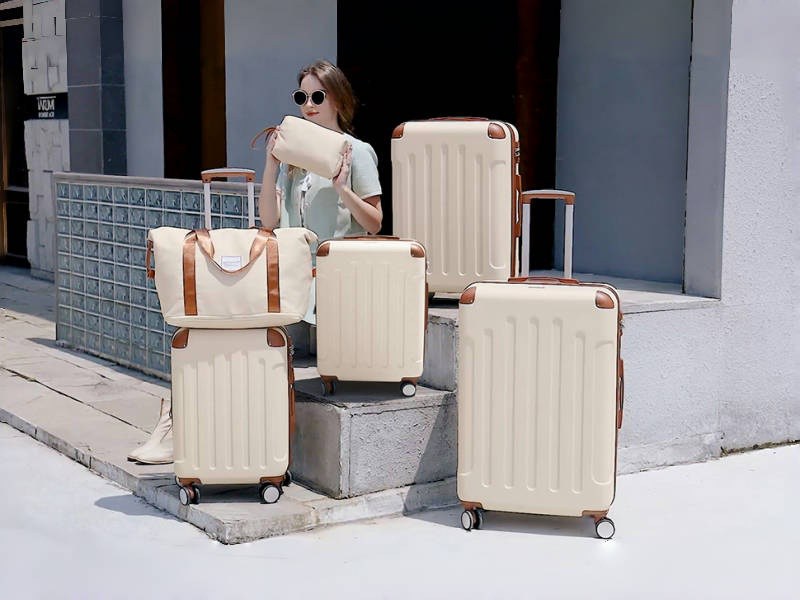
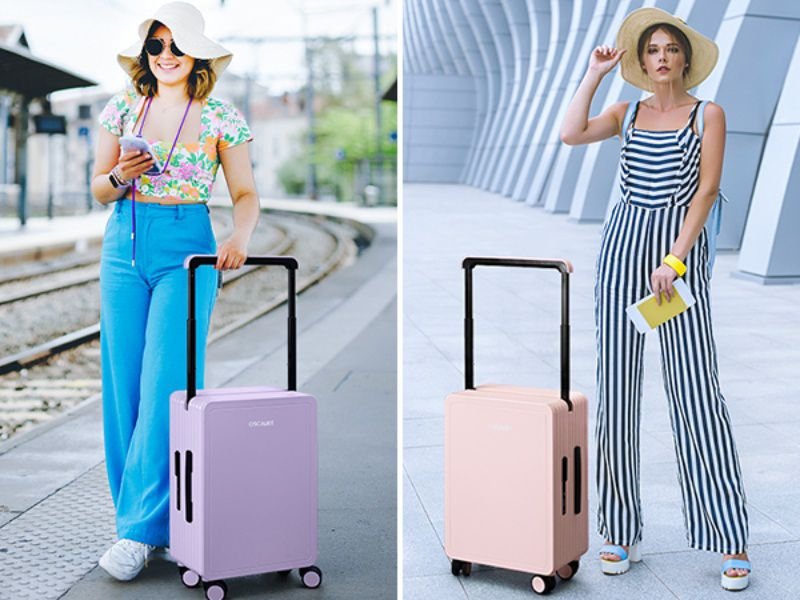
Retail luggage lines need a strong shelf impression and clear SKU control. A retail collection may include carry-on luggage, checked luggage, 3-piece luggage sets, matching colors, and shared logo details. The outside should look consistent, and the inside should feel organized when opened. Jundong can review shell material, surface finish, size set, logo position, lining color, hangtag, warranty card, barcode, and carton mark before production. Retail projects should also plan repeat records so popular colors, sizes, or sets can be replenished with fewer repeated decisions.
Travel Brand Programs
Travel brands usually care about product family consistency. A suitcase may need to sit beside backpacks, duffel bags, packing cubes, toiletry bags, passport wallets, and luggage tags. The suitcase does not need to use the same material as every bag, but the color direction, logo language, lining tone, and packing style should feel connected. Jundong can review luggage development together with related travel bags and accessories, making the full collection easier to present in retail, online listings, and brand catalogs.
DTC E-Commerce Orders
E-commerce luggage orders need strong packing and clean product records. A suitcase may pass through warehouse handling, courier movement and possible return inspection before reaching the traveler. Shell protection, wheel protection, carton strength, barcode position, SKU label, size label and product-photo consistency all matter. Jundong can review carton size, gross weight, inner protection, label placement, color split and packing list before bulk shipment. For online luggage programs, reducing visible shipping damage is as important as making the suitcase look good in photos.
Corporate Travel Gifts
Corporate travel luggage is often used for employee rewards, banking gifts, airline programs, hotel campaigns, conference gifts or membership programs. These projects need clean logo display, controlled material level, clear delivery timing and easy distribution. A 20 inch carry-on, softside trolley case or luggage set should be planned with logo method, carton mark, gift card, barcode, packing quantity and target arrival date. Jundong can review these details before sample approval, helping the order move from sample to delivery with fewer late packing changes.
Luggage Types For Bulk Custom Orders
Different luggage types need different shell materials, size planning, wheel systems, trolley handles, locks, lining, and packing rules. A clear product type helps sample work move faster and keeps bulk details easier to control.
Checked Luggage
Checked luggage must handle heavier loading and rougher travel handling than a carry-on case. A 24 inch or 28 inch checked case needs stronger shell planning, reliable wheels, stable trolley handle, reinforced handles and better packing protection. Shell surface, corners, wheel housing and lock area should be reviewed carefully. Jundong checks material direction, component choice, inside divider, compression strap, zipper or frame closure and carton protection before bulk work. For checked luggage, a good sample should be reviewed with loading, handling and shipping pressure in mind, not only appearance.

Carry-On Luggage
Carry-on luggage is often the core style for travel brands, retail luggage lines, and corporate travel programs. A 20-inch carry-on should balance weight, structure, wheel height, inner capacity, and airline use. Hard-shell carry-ons may use PC, ABS, PC+ABS, or PP, while softside carry-ons may use Oxford fabric, polyester, or nylon with lining support. Jundong reviews shell or fabric direction, spinner wheels, trolley handle, TSA lock, logo position, lining, divider, and carton size before sample approval. For retail or e-commerce programs, carry-on luggage also needs clean barcode, SKU, and outer carton records.

Luggage Sets
Luggage sets usually include 20 inch, 24 inch and 28 inch cases, sometimes with matching carry-on and checked sizes. The main challenge is consistency across sizes. Color, shell texture, wheel style, handle system, lock position, lining, logo and carton labels should feel like one family. Jundong can review size set planning, material records, logo position by size, SKU labels, color-separated cartons and packing sequence before production. For retail luggage sets, the 3-piece combination should be planned around shelf presentation, warehouse receiving and later replenishment.

Aluminum Frame Luggage
Aluminum frame luggage often feels more premium because it uses a frame closure instead of a standard zipper system. It can create a cleaner front view and stronger opening structure, but weight, cost, frame alignment and lock fitting need careful review. Jundong can review frame type, shell material, lock position, hinge feel, inner divider and corner pressure before sampling. For bulk orders, frame closing accuracy is important. A frame that looks refined in photos must still open and close smoothly after production and packing.

Hard-Shell Suitcases
Hard-shell suitcases are popular for retail, travel brands and e-commerce channels because they give a clean, structured look. Common shell choices include PC, ABS, PC+ABS and PP. Each material has different weight, impact response, surface feel and cost level. Hard-shell projects need close review of shell thickness, corner zones, wheel housing, handle fixing, lock placement and outer surface protection. Jundong reviews these details with the approved sample and production records. For bulk orders, early shell pieces should be checked before full assembly continues.

Softside Luggage
Softside luggage gives more flexible storage and often works well for business travel, wholesale programs and travel accessory collections. Fabric choice, sewing strength, zipper route, front pocket, lining, inner support and corner structure matter more than shell molding. Oxford fabric, polyester, nylon and reinforced fabric panels are common choices. Jundong reviews fabric weight, seam strength, zipper access, trolley handle installation, wheel base, inner divider and packing fold before sample approval. For softside trolley cases, structure should stay neat when loaded and should not collapse too easily.

Kids Luggage
Kids luggage needs a lighter structure, safer corners, smooth wheels and a cheerful design direction. A children’s suitcase may use ABS, PC+ABS, PP or fabric depending on age group, channel and style. Handle height, wheel stability, zipper puller, inner straps, print method and packing protection should be reviewed carefully. Jundong can support kids luggage planning with shell color, printed artwork, character-style graphics, inner lining, handle comfort and carton protection. For children’s products, materials, sharp edges and small parts should be checked with extra care.

Front-Pocket Luggage
Front-pocket luggage is useful for business travel and e-commerce product lines because it provides quick access to laptops, documents or travel items. The front panel adds function but also creates structure pressure. The pocket should open smoothly without weakening the shell or making the case too front-heavy. Jundong reviews front pocket depth, laptop size, zipper route, hinge or panel support, lining, weight balance and wheel stability before sample approval. For carry-on front-pocket luggage, real-use testing with documents or a laptop size board is important.

Business Trolley Cases
Business trolley cases need a cleaner look and more organized internal structure. They may include laptop compartment, document pocket, front access, spinner wheels, TSA lock, telescopic trolley handle and refined logo detail. Softside and hard-shell options can both work, depending on brand direction. Jundong reviews body size, front organization, handle stability, wheel smoothness, lock placement, logo method, lining and packing before sample approval. For business travel programs, luggage should feel professional, stable and easy to use in airports, hotels and offices.

Choose Luggage Materials By Structure And Use
Luggage material affects weight, impact response, surface finish, cost, logo method, packing protection, and long-term repeat orders. Material should be reviewed with size, component system, and channel needs before sampling begins.


| Material | Best For | Structure Feel | Cost Level | Control Detail | Logo Fit |
|---|---|---|---|---|---|
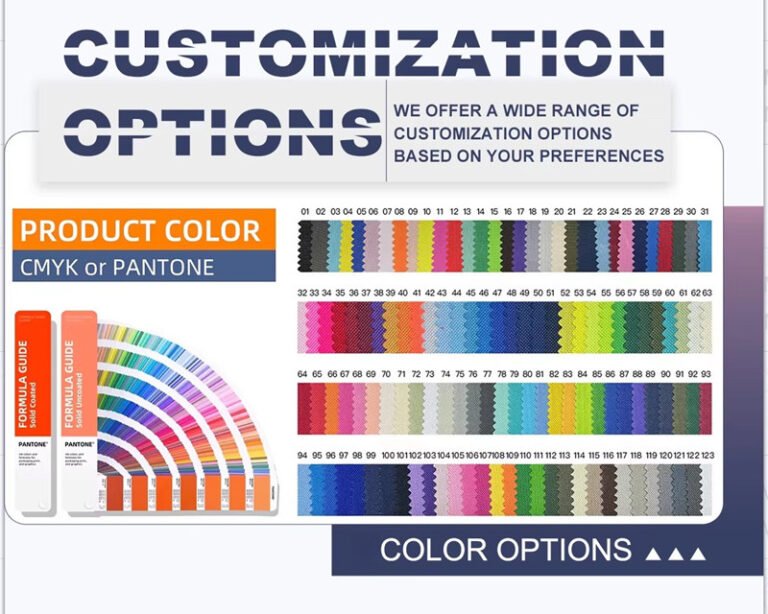
| PC | Mid-to-premium hard-shell luggage, carry-ons, checked cases | Flexible, strong, clean surface | Higher | Review shell thickness, corner zones and surface protection | Metal plate, UV printing, embossed detail |
| ABS | Cost-controlled hard-shell luggage, retail programs, promo travel cases | Firm, lighter structure, polished look | Lower to medium | Check impact response, surface marks and packing protection | Metal plate, silk screen, UV print |
| PC+ABS | Retail luggage sets, balanced hard-shell projects | Balanced between cost and shell performance | Medium | Review blend quality, color consistency and corner pressure | Metal plate, UV print, logo plate |
| PP | Lightweight hard cases, molded luggage, selected luggage sets | Tough, flexible, resilient | Medium | Review molding, shape stability and hardware installation | Embossed detail, logo plate, inner label |
| Aluminum Frame | Premium luggage, business cases, high-end retail lines | Rigid, structured, refined | Higher | Check frame alignment, closing feel, weight and lock fitting | Metal plate, engraved logo, inner label |
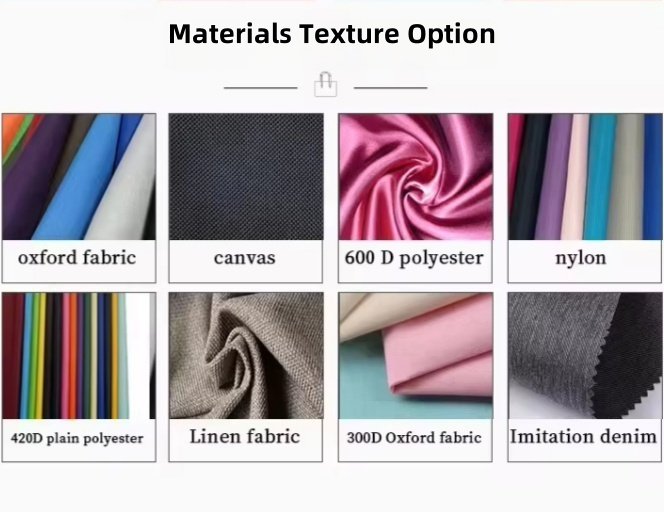
| 600D / 900D Oxford | Softside luggage, trolley bags, travel programs | Structured fabric feel, durable hand | Medium | Review coating, seam strength, zipper route and lining | Woven label, rubber patch, embroidery |
| Nylon | Lightweight softside luggage, business trolley cases | Smooth, light, technical | Medium to higher | Check wrinkle risk, sewing tension and surface marks | Heat transfer, woven label, rubber patch |
| Polyester | Softside luggage, cost-controlled programs, fabric cases | Stable, easy to source, flexible | Lower to medium | Review fabric density, coating, color and abrasion zones | Screen print, woven label, embroidery |
| RPET Lining | Eco-focused luggage interiors and retail programs | Clean inner finish, fabric-based | Medium | Confirm material proof, color and label wording | Inner woven label, care label |
| EVA / Foam Support | Softside luggage structure, front panels, protection areas | Padded, supportive, shape-building | Added cost | Review thickness, rebound and sewing pressure | Not a main logo surface; supports structure |
Material selection should not start with price alone. A 20-inch carry-on, 28 inch checked case, softside trolley bag and an aluminum-frame suitcase have very different material needs. A hard-shell case needs shell thickness, corner strength and surface protection. A softside case needs fabric strength, seam quality, and inner support. A luggage set needs consistent color and finish across sizes.
For bulk custom luggage, material records should include shell or fabric name, color reference, surface finish, lining, wheel color, handle color, lock type, logo method and packing protection. These records make approved samples easier to repeat when the same luggage line returns in new colors or restock orders.
Build Luggage Around Core Components
Shell Structure
The shell is the main body of hard-shell luggage. PC, ABS, PC+ABS and PP each respond differently to impact, weight and surface finishing. A shell should look clean, but it also needs balanced thickness, stable corners, correct drilling positions and enough support around wheel and handle areas. Jundong reviews shell material, surface texture, corner zones, color direction and packing protection before sample approval. For luggage sets, shell finish should stay consistent across 20 inch, 24 inch and 28 inch sizes.
- Review material, thickness and shell finish.
- Check corner and wheel housing zones.
- Confirm drilling positions before assembly.
- Keep color and surface records by size.
- Protect shell surface during packing.
Wheel System
Wheels decide how the suitcase feels during use. Spinner wheels should turn smoothly, roll quietly and stay stable under load. Double spinner wheels often feel more stable for medium and large luggage, while wheel housing and axle strength affect long-term performance. Jundong reviews wheel size, wheel housing, screw fixing, color, rolling feel and alignment during sample development. For checked luggage, wheels should be checked with more care because heavier loading creates more stress.
- Review single or double spinner options.
- Check wheel housing and screw fixing.
- Test rolling feel and turning direction.
- Watch noise, wobble and alignment.
- Save wheel records for repeat orders.
Trolley Handle
A trolley handle should extend smoothly, lock cleanly and feel stable when pulled. Handle tube material, height setting, button feel, lock position and internal fixing affect the full luggage experience. A suitcase with a weak trolley handle feels cheap even if the shell looks strong. Jundong reviews trolley handle choice with luggage size, weight and channel use. For 24 inch and 28 inch luggage, handle stability matters more because a larger case creates stronger pulling force.
- Check extension and return movement.
- Review lock points and button feel.
- Match handle height with luggage size.
- Inspect inside fixing and alignment.
- Compare early bulk pieces with approved sample.
TSA Lock
A TSA lock is common for travel luggage, especially for retail and international travel programs. Lock position, installation area, button feel and alignment should be reviewed before bulk production. A lock should open and close cleanly without forcing the zipper or frame. Jundong reviews TSA lock type, placement, fixing method and operation feel during sample approval. For luggage sets, lock position should stay visually consistent across different sizes.
- Confirm TSA lock type and placement.
- Check button feel and opening action.
- Review fixing strength around the lock.
- Match lock position across size sets.
- Inspect operation before packing.
Zipper Or Frame
Zipper luggage and frame luggage need different structure planning. Zipper cases need smooth zipper route, strong zipper tape, proper puller size and careful corner control. Aluminum frame luggage needs frame alignment, hinge feel, lock fitting and closing accuracy. Jundong reviews zipper or frame structure with shell material, lining and packing plan. A suitcase should open smoothly, close cleanly and keep its shape after loading.
- Review zipper route or frame structure.
- Check corner stress and opening feel.
- Confirm puller size or frame alignment.
- Test closing before final packing.
- Keep closure records by style.
Top And Side Handles
Top and side handles are used during lifting, loading and travel handling. Handle comfort, fixing strength, inside support and surface protection should be reviewed with luggage size and expected loading. A large checked case needs stronger handle support than a light carry-on. Jundong reviews handle material, fixing points, sewing or screw strength, return feel and position before sample approval. For softside luggage, handle stitching and reinforcement areas need extra review.
- Review top and side handle positions.
- Check lifting comfort and fixing strength.
- Match handle support with luggage size.
- Inspect sewing or screw areas.
- Protect handle surface during packing.
Lining And Divider
Luggage interior affects real travel use. A clean lining, divider panel, mesh pocket, zipper pocket and compression strap make a suitcase easier to organize. Inner structure should not reduce capacity too much or create weak sewing areas. Jundong reviews lining fabric, divider layout, pocket size, zipper smoothness, strap position and inner label placement during sample development. For retail luggage collections, lining color should also connect with shell color and brand style.
- Review lining color and fabric choice.
- Check divider, mesh pocket and zipper pocket.
- Confirm compression strap position.
- Avoid bulky inner sewing zones.
- Match inner label with brand record.
Corner Protection
Corners carry high pressure during travel, shipping and storage. Hard-shell luggage needs strong corner zones and suitable carton protection. Softside luggage may need reinforced fabric, piping or padded support around corners. Jundong reviews corner shape, shell thickness, frame pressure, stitch reinforcement, edge protection and packing method before production. For checked luggage and large-size cases, corner review should happen early because small corner weakness can grow into visible damage after transport.
- Check shell or fabric corner strength.
- Review pressure zones near wheels and handles.
- Add protection where structure needs support.
- Match carton protection with luggage size.
- Inspect early finished pieces carefully.
Plan Sizes Before The Sample Starts
Luggage size planning affects capacity, airline use, carton size, shipping cost, retail display and set consistency. A clear size plan helps avoid late changes after mold, shell, lining and packing work begins.

20 Inch Carry-On
A 20 inch carry-on is often the first style to launch because it works for short trips, business travel, cabin use and corporate travel gifts. The key is balance. The suitcase needs enough internal capacity while keeping weight, wheel height and trolley handle structure under control. Front-pocket versions also need a quick-access layout for laptop or documents without making the suitcase too front-heavy.
Jundong reviews outer dimensions, wheel height, shell thickness, lining structure, handle position and carton size during sample planning. For retail and e-commerce programs, 20 inch carry-on luggage should also have clean barcode placement, SKU label rules and surface protection. A small size does not mean simple production; the structure needs to make every centimeter useful.
24 Inch Checked Case
A 24 inch checked case is a strong middle size for retail luggage lines and travel collections. It offers more capacity than carry-on luggage while remaining easier to handle than a large 28 inch case. The structure needs stronger wheels, stable trolley handle, clear interior divider and protected corners. Packing should also be reviewed because the case is large enough to face higher transport pressure.
Jundong reviews shell material, wheel choice, handle length, inner divider, compression strap, zipper or frame closure and carton protection before sample approval. For luggage sets, 24 inch should visually match 20 inch and 28 inch while keeping its own functional balance. It often becomes the size users compare most carefully in store or online listings.


28 Inch Large Luggage
A 28 inch suitcase needs more strength planning because it carries heavier loads and faces stronger pressure during travel and shipping. Shell thickness, corner structure, wheel housing, trolley handle fixing, side handle support and carton protection all become more important. A large case should not feel unstable when loaded or dragged across uneven surfaces.
Jundong reviews the 28 inch structure with loading pressure in mind. Wheel system, trolley handle, lock area, zipper route, divider panel and compression strap should be checked together. For retail sets, the large size also needs clear carton marks and warehouse labels to avoid receiving confusion. A good 28 inch case should feel strong without becoming unnecessarily heavy.
3-Piece Luggage Sets
A 3-piece luggage set is not just three sizes placed together. The set needs shared color, shell finish, wheel style, trolley handle system, lock design, lining, logo position and packing records. The 20 inch, 24 inch and 28 inch cases should look connected, but each size also needs its own structure check.
Jundong reviews luggage sets by size, color and SKU. Logo placement should be adjusted by size, not forced into one fixed position. Carton marks should clearly separate each size and color. When sets are sold together, packing sequence and carton rule should be planned early. When sizes are sold separately, barcode and SKU records must be clean enough for retail or warehouse handling.

Match Logo Craft With Luggage Surface
Luggage branding should match shell material, fabric surface, curve, size, component position and packing style. A logo method should look clean on the sample and stay stable during bulk work.
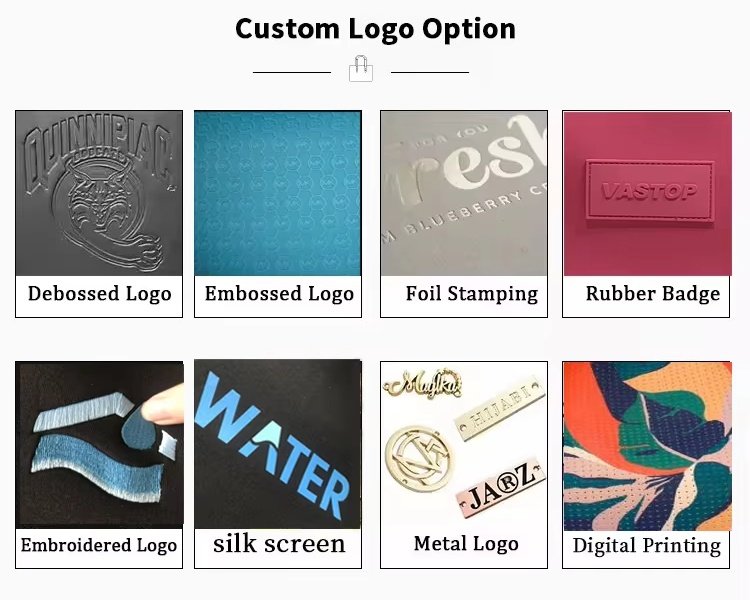
| Logo Method | Best Surface | Best Luggage Type | Visual Effect | Bulk Control Detail |
|---|---|---|---|---|
| Metal Plate | PC, ABS, PC+ABS, PP, aluminum frame, selected fabric panels | Hard-shell luggage, business trolley cases, luggage sets | Premium, structured, clear | Check plate size, plating color, fixing strength and surface protection |
| Embossed Logo | Selected hard shells, PU panels, leather trims | Premium luggage, trolley cases, travel sets | Raised, tactile, refined | Review mold detail, height, placement and shell response |
| Debossed Logo | PU trim, leather trim, softside panels, handle patches | Softside luggage, business cases, gift programs | Subtle, clean, professional | Check pressure depth, material rebound and position near seams |
| UV Printing | Hard-shell surfaces, selected coated panels | Graphic luggage, licensed-style artwork, retail cases | Colorful, detailed, high-visibility | Test surface adhesion, color accuracy and scratch protection |
| Silk Screen Printing | ABS shells, fabric panels, selected flat areas | Promotional luggage, corporate travel cases | Direct, visible, cost-stable | Review ink coverage, edge clarity and rubbing risk |
| Heat Transfer | Fabric panels, nylon, polyester, coated softside areas | Softside luggage, travel accessory sets | Smooth, clean, graphic | Check adhesion, temperature setting and edge lifting risk |
| Woven Label | Fabric luggage, inner lining, softside pockets | Softside luggage, travel collections | Textile, clean, brand-ready | Confirm label size, fold type, stitching line and placement |
| Rubber Patch | Oxford, nylon, polyester, softside panels | Travel luggage, sport travel sets, outdoor-inspired lines | Dimensional, durable, casual | Review patch thickness, stitch position and color match |
| Inner Label | Lining, divider, mesh pocket, inner panel | All luggage types | Quiet, polished, brand-controlled | Confirm label artwork, language, size and sewing position |
| Custom Puller Logo | Zipper pullers, selected closure systems | Softside luggage, zipper hard-shell cases | Small detail, premium close-up | Review puller mold, plating, grip feel and zipper compatibility |
Logo placement should be reviewed by luggage size. A logo that looks balanced on a 20 inch carry-on may look too small on a 28-inch checked case. A metal plate may need extra support behind the surface. UV printing may need scratch protection. A woven label or inner label may be better for softside luggage and lining areas.
For bulk custom luggage, logo records should include artwork file, size, color, method, position, material surface, approval photo, and packing protection. For luggage sets, logo position should be checked across every size before full production begins. Strong branding is not only a visible mark; it is a controlled detail repeated across the full product line.
Turn Luggage Ideas Into Production Plans
A custom luggage project may start from a reference photo, existing suitcase, sketch, shell color target, component list or product file. Jundong reviews structure, material, components, logo, packing and order records before sample work begins.
Start From Reference

Many luggage projects begin with a reference image, online product link or style direction. A reference can show suitcase shape, shell texture, wheel type, trolley handle position, lock style, logo area, interior layout and packing direction. Jundong reviews the reference and separates what can stay, what should change and what needs structure adjustment before development begins.
For carry-on luggage, the review may focus on outer size, wheel height, trolley handle, TSA lock, lining and logo position. For checked luggage, shell strength, wheel housing, side handle and carton protection need closer attention. For luggage sets, Jundong reviews how 20 inch, 24 inch and 28 inch sizes can share the same design language without forcing every detail into the same position.
A reference review helps prevent weak early samples. It also helps the project team understand whether the style can use existing shell options, needs adjusted components or requires a more detailed structure review before cost and timing are confirmed.
Develop From Sample

A physical suitcase sample gives more reliable information than a photo alone. Material feel, shell thickness, wheel smoothness, trolley handle stability, lock alignment, zipper route, frame closure, inner divider, stitching, logo depth and packing fit can all be checked directly. Jundong can review which details should remain, which details should be improved and which details should be rebuilt for repeatable bulk production.
Developing from a sample does not mean copying without thinking. A brand may want the same general look with better wheels, a stronger trolley handle, a cleaner lining, a different shell material, new colors, a metal logo plate, RFID-style travel accessories, barcode labels or retail carton rules. These changes should become clear development notes before sample work begins.
A good sample-based review also protects the later order. The approved suitcase should become a measurable reference for shell color, component style, handle length, wheel type, lock model, lining, logo position, carton size and SKU label rules.
Build A Travel Line

A luggage project often works better when it is planned as part of a full travel line. One program may include carry-on luggage, checked luggage, luggage sets, backpacks, duffel bags, toiletry bags, packing cubes, passport wallets and luggage tags. These products do not need the same material, but they should share a connected brand language.
Jundong can review luggage together with related travel bags and accessories. This is useful for brands expanding from soft bags into hard luggage, or from luggage into a wider travel product collection. Shell color, fabric tone, lining color, logo method, label style, hangtag, barcode rule and carton mark can be planned as one product system.
When a travel line is managed with shared records, later color updates and repeat orders become easier. The team does not need to restart every detail for every item. Instead, the approved material, logo, packing and color records can guide the next suitcase, travel bag or accessory order.
Build A Luggage Sample Before Bulk Work
A luggage sample should confirm real structure, not only appearance. Shell material, wheels, trolley handle, lock, zipper or frame, lining, logo, packing and carton rules should be checked before bulk approval.

Project Review
Sample work starts with product type, size, reference photos, shell or fabric direction, component needs, logo artwork, packing request, quantity by size and color, destination and target arrival date. A complete product file is helpful, but clear photos and notes can also start the review.
Jundong reviews these details before confirming the sample path. A hard-shell carry-on may need shell material, wheel system, TSA lock, lining and carton size review. A softside trolley case may need fabric weight, zipper route, sewing strength, front pocket and inner support review. A 3-piece luggage set needs size records and color consistency from the beginning.
- Send front, back, side, inside and wheel details.
- Confirm size: 20 inch, 24 inch, 28 inch or custom size.
- Share shell or fabric preference.
- Mark wheel, handle, lock and lining needs.
- Include packing, barcode and delivery details early.
Material And Mold Check
Material and mold review decides whether the project can move quickly or needs deeper development. Existing shell options may shorten the path, while new shapes, special textures, custom molded parts or exclusive structures may need more review. PC, ABS, PC+ABS, PP, aluminum frame and softside fabric all require different checks.
Jundong reviews material direction, shell or fabric availability, color target, surface texture, mold option, component fit and packing protection before sample work continues. For luggage sets, each size should be checked separately because a detail that works on 20 inch may need adjustment on 28 inch.
- Confirm existing shell or new design direction.
- Review material and surface finish.
- Check mold option and size availability.
- Match material with wheel, handle and lock.
- Plan surface protection before sample approval.
Component Selection
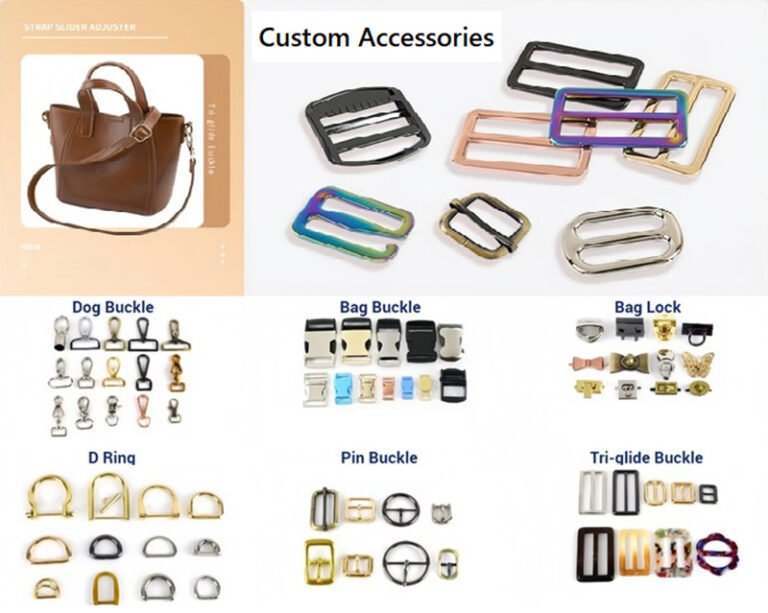
Luggage components shape the user experience. Wheel type, trolley handle, TSA lock, zipper, puller, frame, top handle, side handle, lining, divider, strap and inner pocket should be selected before sample assembly. A weak component can lower the perceived value of the full suitcase.
Jundong reviews component selection by size and use. Checked luggage needs stronger wheels and handle support. Business trolley cases may need smoother front access and cleaner lining. Kids luggage may need lighter components and safer corners. Component choice should match product level, target channel and expected loading.
- Select wheel type and wheel housing.
- Review trolley handle height and stability.
- Confirm lock, zipper or frame closure.
- Check top and side handle support.
- Match inner divider with travel use.
Logo Trial
Logo work should be tested on the chosen surface. Metal plate, UV printing, silk screen, embossed logo, debossed trim, woven label, rubber patch, inner label and custom puller logo all respond differently to shell, fabric or trim material. Logo size and position should also be reviewed by luggage size.
Jundong checks logo method before bulk records are fixed. A metal plate may need stronger backing. UV printing may need scratch protection. A woven label may fit softside luggage better than hard-shell surfaces. For luggage sets, logo position should be checked across 20 inch, 24 inch and 28 inch so the full set looks balanced.
- Confirm artwork, size and method.
- Test logo on selected surface.
- Review position by size.
- Check color, depth, edge and fixing.
- Save approval photos for bulk reference.
First Sample
Regular luggage samples depend on structure, material, component choice and whether existing shell options are used. Simple existing structures can move faster after details are confirmed. New shell shape, special colors, front-pocket structure, aluminum frame, custom parts or gift packing may need more time. The first sample should confirm real use and production direction.
Jundong checks shell or fabric feel, wheel rolling, trolley handle movement, lock operation, zipper or frame closing, lining layout, logo result, carton fit and packing protection. A sample should not be approved only because it looks attractive in photos. It should be handled, opened, rolled, lifted and reviewed with packing needs in mind.
- Check shell or fabric feel.
- Test wheels, handle, lock and closure.
- Review lining, divider and straps.
- Inspect logo under normal light.
- Check carton fit and surface protection.
Revision Record
Luggage revisions should be clear and measurable. Useful notes include “move logo 20 mm higher,” “change wheel housing,” “adjust trolley handle height,” “increase front pocket depth,” “change lining color,” “improve carton protection” or “separate barcode by size.” Vague changes create repeated sampling and unclear bulk records.
Jundong turns approved revisions into production records. These records may include shell material, color, size, wheel type, trolley handle model, lock type, zipper or frame detail, lining, logo file, logo position, carton size, barcode rule and packing photo. Clear records make the approved sample easier to repeat.
- Mark revision areas on photos.
- Use sizes and measurements when possible.
- Confirm whether change affects cost or timing.
- Save final approval photos.
- Use records for bulk and repeat orders.
Keep Approved Luggage Details Stable
Approved Sample Records
An approved luggage sample should become a production reference, not just a photo. The record should include shell or fabric material, color reference, size, wheel model, trolley handle model, lock type, zipper or frame structure, lining, divider, strap, logo file, logo position, carton size, barcode rule, SKU label and packing method.
Jundong keeps the approved sample and related records for production comparison. This helps the cutting, logo, assembly, inspection and packing teams follow the same direction. For luggage sets, records should be separated by 20 inch, 24 inch and 28 inch because logo position, wheel pressure, handle length and carton size may differ by size.
- Keep one approved physical sample.
- Save material, color and finish records.
- Record wheel, handle, lock and closure details.
- Separate records by size and color.
- Connect logo, barcode and carton files.
Pre-Production Check
Pre-production checking catches changes before wider work begins. After sample approval, details may still change: final color split, order quantity, logo file, lock type, lining color, hangtag, barcode list, carton mark or destination. These details should be checked before shell, fabric, component and packing work move forward.
Jundong reviews final production details against the approved records. For multi-size orders, each size should be checked separately. For multi-color luggage, shell color, fabric shade, wheel color, handle color, zipper color, lining color and label files should not be mixed. Clear pre-production checking helps reduce avoidable differences between approved sample and bulk output.
- Confirm final quantity by size and color.
- Check material, component and lining records.
- Review logo and label files before bulk work.
- Confirm carton mark and barcode list.
- Prepare packing rules before final assembly.
First Bulk Review
The first finished pieces should be checked before the full order continues. Luggage review should include shell surface, wheel rolling, trolley handle movement, lock operation, zipper or frame closing, top and side handle strength, lining, divider, logo, carton fit and label accuracy. Early review protects the order before mistakes spread across hundreds or thousands of pieces.
Jundong compares early finished pieces with the approved sample and records. For carry-on luggage, size, wheel height and trolley handle feel may be key review areas. For checked luggage, wheel system, side handle, shell surface and carton protection need closer attention. For luggage sets, every size should be reviewed so the full collection looks connected.
- Compare early pieces with approved sample.
- Check wheels, trolley handle, lock and closure.
- Inspect shell surface and logo placement.
- Review lining, divider and straps.
- Confirm carton, barcode and SKU labels.
Production Steps For Custom Luggage Orders
Bulk luggage production should follow approved samples, material records, component files, logo approvals and packing rules. Each step should protect structure, appearance and delivery accuracy.
Material Preparation

Material preparation sets the base quality for the full luggage order. Hard-shell luggage may need PC, ABS, PC+ABS, PP or aluminum frame parts. Softside luggage may need Oxford fabric, polyester, nylon, lining, EVA support, zippers and reinforcement panels. Before cutting or assembly begins, material color, surface finish, thickness, lining tone, wheel color, handle color, lock type and logo surface should be checked against approved records.
Jundong reviews materials by style, size and color before wider production moves forward. For luggage sets, 20 inch, 24 inch and 28 inch pieces should be separated clearly. For multi-color orders, shell or fabric shade should be matched with zipper, wheels, handles, lining and labels. Good material preparation reduces later differences in appearance, hand feel and packing presentation.
Shell Or Fabric Setup

Hard-shell and softside luggage follow different setup paths. Hard-shell suitcase work may involve shell forming, trimming, drilling, wheel housing positions, handle holes, lock area and surface protection. Softside luggage work focuses on fabric cutting, panel shaping, sewing preparation, zipper routes, front pocket planning, inner support and reinforced stress areas.
Jundong reviews shell or fabric setup before full assembly. A hard-shell case should keep drilling positions and component areas accurate, because wheel, handle and lock installation depend on these positions. A softside trolley case should keep panels aligned, seams clean and support layers stable. Structure setup is not only about shape; it affects how the suitcase rolls, opens, closes and survives transport.
Component Assembly

Component assembly brings the suitcase to life. Wheels, trolley handle, TSA lock, zipper, frame, top handle, side handle, corner parts, divider, straps and pockets should be installed according to approved records. A suitcase may look strong from outside, but weak wheel fixing, loose handle alignment or poor lock placement can quickly lower product value.
Jundong checks component assembly during production. Wheel installation should stay straight and secure. Trolley handle movement should feel smooth. Lock and zipper areas should align cleanly. Handles should have enough support for lifting. For larger checked cases, component stability needs closer review because load pressure is higher than on small carry-on cases.
Logo Process

Logo work should follow the approved artwork, position and method. Luggage may use metal plate, UV printing, silk screen printing, heat transfer, woven label, rubber patch, debossed trim, embossed shell detail, inner label or custom puller logo. Each method needs a different process order. Some logos must be finished before assembly, while others are added during final finishing or packing preparation.
Jundong checks logo output before larger batches continue. Metal plates should be straight and secure. UV or printed artwork should match color and surface approval. Woven labels and inner labels should sit in the right position. For luggage sets, logo placement should be reviewed by size so the full collection looks balanced, not randomly scaled.
Interior Fitting

Interior fitting affects real travel use. Lining, divider, mesh pocket, zipper pocket, compression strap, elastic band, inner label and care card placement should make the suitcase easy to organize. The inside should look clean when opened and should not reduce capacity unnecessarily. Sewing, zipper and strap positions should also match the size of the suitcase.
Jundong reviews interior fitting during sample and bulk work. For retail luggage, lining color and logo label should connect with the outer product style. For business trolley cases, front organization and document pockets should feel clean and easy to access. For luggage sets, interior details should stay consistent across sizes while still respecting the different capacity needs of each case.
Final Packing

Packing should protect the suitcase and support receiving accuracy. Luggage packing may include dust cover, polybag, protective film, wheel protection, corner protection, individual carton, barcode sticker, SKU label, warranty card, hangtag, carton mark and warehouse label. Packing should begin from approved records, not from last-minute decisions.
Jundong reviews carton size, inner protection, label placement, size mark, color mark and packing list before shipment. For e-commerce and retail projects, carton condition and barcode accuracy matter strongly. For luggage sets, each size and color should be separated clearly. Good packing helps protect shell surface, wheels, handles and warehouse receiving flow.
Test The Parts That Affect Real Travel Use
Shell Surface Check
Shell surface affects first impression and retail value. QC should review color, texture, scratches, pressure marks, uneven gloss, corner marks and surface protection. PC, ABS, PC+ABS and PP can show different surface behavior during forming, assembly and packing. Jundong checks shell appearance against the approved sample and color record. For luggage sets, shell color and finish should be checked across each size so the 20 inch, 24 inch and 28 inch cases look connected.
- Review color, texture and gloss.
- Check scratches, pressure marks and corner marks.
- Compare each size with approved sample.
- Inspect shell after assembly and before packing.
- Protect surface during carton packing.
Loaded Drop Review
A suitcase may look fine when empty, but travel pressure appears when it is loaded. Loaded drop review helps check shell response, corner strength, wheel area, handle area, lock zone and carton protection. It is especially important for checked luggage and large cases. Jundong reviews drop-related risk during sample and bulk inspection planning. The goal is not to overstate performance, but to identify weak areas before the order is completed.
- Review corners, wheel zones and handle zones.
- Check shell or fabric response after pressure.
- Inspect lock and zipper area after impact.
- Match carton protection with luggage size.
- Review early pieces before wider output.
Wheel Rolling Chec
Wheel quality affects daily travel more than many decorative details. QC should check rolling smoothness, turning direction, wheel noise, wobble, wheel housing strength and screw fixing. Poor wheel performance can make a new suitcase feel old immediately. Jundong checks wheels during sample review and early bulk work. For 24 inch and 28 inch luggage, wheel stability should be reviewed with extra care because the expected load is higher.
- Test rolling by hand.
- Check turning direction and smoothness.
- Review noise, wobble and alignment.
- Inspect wheel housing and screws.
- Compare wheel feel with approved sample.
Trolley Handle Check
Trolley handle inspection should review extension, return movement, button feel, lock points, tube alignment, shaking level and inside fixing. A strong shell cannot compensate for a weak handle. The handle should extend clearly and return smoothly without rough movement. Jundong reviews trolley handle parts before and after assembly. For luggage sets, handle length and visual position should be consistent by size record.
- Check extension and return movement.
- Review button feel and lock points.
- Inspect tube alignment and shaking.
- Match handle record by size.
- Check early finished pieces before packing.
Lock And Zipper Check
Locks, zippers and frames decide opening security and user confidence. TSA locks should align well and operate smoothly. Zippers should move around corners without tight pulling. Aluminum frame closures should close accurately without forcing. Jundong checks lock position, zipper route, puller feel, frame alignment and opening action during sample and bulk review. If closure feels rough, the suitcase may feel unfinished even when the outside looks premium.
- Check TSA lock operation.
- Test zipper route and puller grip.
- Review frame alignment and closing feel.
- Inspect corners and stress areas.
- Test before final packing.
Handle Pull Check
Top and side handles are used when lifting luggage into cars, onto belts and into storage areas. Handle pull check reviews fixing strength, comfort, return movement, stitching or screw position and support structure behind the handle. A large suitcase needs stronger handle support than a carry-on. Jundong reviews handle areas during assembly and finished inspection. For softside luggage, sewing reinforcement near handles needs extra attention.
- Inspect top and side handle fixing.
- Check comfort and return action.
- Review screw or stitch strength.
- Match support with luggage size.
- Check handle surface before packing.
Interior Inspection
Interior inspection checks lining, divider, mesh pocket, zipper pocket, compression straps, elastic bands, inner labels and sewing cleanliness. A clean interior helps the suitcase feel organized and well finished. Lining should not wrinkle heavily, block pockets or reduce capacity unnecessarily. Jundong reviews interior fitting by style and size. For retail luggage, inner labels, care cards and lining color should follow approved records.
- Check lining surface and sewing.
- Review divider and mesh pocket.
- Test inner zipper and straps.
- Confirm inner label position.
- Compare lining color with records.
Packing Drop Review
Packing protects the suitcase before it reaches the warehouse or store. QC should review carton strength, inner protection, dust cover, wheel protection, corner protection, barcode placement, SKU label and carton mark. Poor packing can create damage even when production is correct. Jundong reviews packing method before shipment. For e-commerce and retail luggage programs, carton accuracy and label clarity are part of the delivery experience.
- Review carton and inner protection.
- Protect wheels, corners and handles.
- Match barcode with style, size and color.
- Check carton mark before sealing.
- Confirm packing list before shipment.
Order Planning Examples For Luggage Programs
Different luggage programs need different control priorities. The examples below show how quantity, size, material, components, logo, packing and delivery details can be planned before bulk work.

800 pcs Carry-On Luggage
An 800 pcs carry-on luggage order may use a 20 inch PC+ABS shell, four double spinner wheels, TSA lock, telescopic trolley handle, inner divider, compression straps, metal logo plate, barcode sticker and individual carton. The main goal is to create a clean travel case for retail or corporate travel use.
For this type of order, the review should focus on shell surface, wheel smoothness, trolley handle movement, lock operation, logo plate fixing and carton fit. The carry-on should feel light enough for short trips while still looking structured. If the order includes two colors, shell color, zipper color, wheel color, lining and barcode labels should be separated before production. A sample should confirm real rolling, lifting, opening and packing experience.
1,500 pcs 3-Piece Luggage Sets
A 1,500 pcs luggage set order may include 20 inch, 24 inch and 28 inch hard-shell cases using ABS or PP, matching colors, shared wheel style, same trolley handle family, TSA lock, inner divider, compression straps, metal logo plate, size labels and color-separated cartons. The main challenge is keeping the full set connected while each size remains functional.
For a 3-piece set, the 20 inch carry-on should feel light and easy to handle. The 24 inch case should balance capacity and stability. The 28 inch case should receive extra review on shell strength, wheel housing, side handle and carton protection. Logo placement should be adjusted by size. Barcode and SKU records should clearly separate each size and color, especially if the sets may also be sold as individual pieces later.
3,000 pcs Corporate Travel Trolley Cases
A 3,000 pcs corporate travel trolley case order may use softside fabric or cost-controlled hard-shell material, with a clean logo, simple lining, reliable wheels, stable trolley handle, carton labels and distribution-friendly packing. The project may support employee gifts, banking programs, airline campaigns, hotel rewards or conference travel packages.
For corporate travel luggage, delivery control and logo consistency are as important as product appearance. The logo should look stable across the full order, and the carton label should support fast distribution. If the project uses softside trolley cases, sewing strength, zipper route, front pocket and handle reinforcement need careful review. If it uses hard-shell luggage, shell surface, wheel fixing, lock operation and carton protection become key control areas.
What These Examples Show
A luggage order should not be planned by size and unit price alone. An 800 pcs carry-on order focuses on light use, smooth wheels and a clean branded look. A 1,500 pcs luggage set focuses on size consistency, color records, SKU control and carton planning. A 3,000 pcs corporate trolley case focuses on logo stability, delivery timing and distribution accuracy.
Jundong can review luggage type, size, material, component system, logo method, quantity by size and color, packing files, destination and target arrival date before sample work begins. Clear early planning helps reduce repeated sample changes, late packing pressure and avoidable differences between approved sample and bulk output.
Prepare Luggage Packing Before Shipment
Luggage packing should protect the shell, wheels, handle, corners and labels. For retail, e-commerce and import programs, packing also controls barcode accuracy, SKU sorting, warehouse receiving and repeat order records.


| Packing Need | Used For | Files Needed | Control Detail |
|---|---|---|---|
| Dust Cover | Hard-shell luggage, premium luggage sets, retail cases | Cover size, material, logo file if needed | Protect shell surface from scratches during storage and shipment |
| Protective Film | Glossy shells, printed shells, metal plate styles | Film position, removal rule, surface area | Reduce surface marks before retail display or warehouse receiving |
| Wheel Protection | Spinner luggage, checked luggage, large-size cases | Protection method, carton position, size rule | Protect wheel housing and reduce pressure during carton handling |
| Corner Protection | Hard-shell cases, aluminum frame luggage, checked cases | Corner insert size, material, placement | Support high-pressure zones during transport and stacking |
| Individual Carton | Carry-ons, checked luggage, luggage sets | Carton size, carton mark, product size, color code | Match each carton with size, color, SKU and packing list |
| Barcode Sticker | Retail, e-commerce, warehouse receiving | Barcode file, SKU code, sticker size, position | Keep style, size, color and barcode correctly connected |
| Hangtag / Warranty Card | Retail luggage, travel brands, corporate programs | Artwork, language, paper type, attachment method | Confirm wording and placement before final packing |
| Carton Mark | Import shipments, retail distribution, wholesale orders | PO number, item code, size, color, quantity | Help warehouse teams receive and sort cartons faster |
| Color And Size Sorting | Luggage sets, multi-color programs, retail collections | Quantity by size, quantity by color, carton rule | Reduce mixed-carton issues and support later replenishment |
| Pallet / Warehouse Label | Large shipments, retailer warehouses, e-commerce programs | Warehouse label, pallet rule, destination note | Improve receiving flow when carton volume is high |
Luggage packing has two jobs: protect the product and keep the receiving process clear. A suitcase may be made correctly, but weak carton protection, wrong barcode, mixed colors or missing size labels can still delay warehouse receiving or damage the launch plan. This is especially important for 20-inch carry-ons, 24 inch checked cases, 28 inch large luggage and 3-piece luggage sets.
Jundong reviews packing details before final packing starts. Carton size, dust cover, protective film, wheel protection, corner support, barcode, SKU label, hangtag, warranty card and carton mark should follow approved records. For luggage sets, each size should be separated clearly. For retail and e-commerce programs, barcode and SKU accuracy should be checked before cartons are sealed.
Good packing records also make repeat orders easier. When a luggage line returns in a new color, saved carton dimensions, barcode rules, label position, size codes and packing photos can guide the next order. This helps maintain a cleaner launch, a smoother warehouse process and a more stable brand presentation.
Plan Quantity, Cost And Delivery With Clear Records
Luggage cost and timing depend on size, material, shell option, wheel system, trolley handle, lock, logo method, packing and shipment route. A reliable review needs details by size and color.
| Planning Item | Typical Review | Cost / Schedule Impact | What To Confirm |
|---|---|---|---|
| Standard MOQ | Custom luggage projects are commonly reviewed from 500 pcs per design | Lower quantities may limit shell, material, component and color options | Luggage type, size, quantity by color |
| Existing Shell Options | Existing sizes and structures can make development smoother | Usually faster than a new shell or special structure | 20 / 24 / 28 inch size, shell texture, component fit |
| Higher Quantity Orders | Cost-sensitive luggage or multi-size sets may need 1000 pcs or more | Helps absorb component setup, carton planning and material purchasing | Target price, size split, color split, packing level |
| Sample Fee | Depends on structure, material, component, logo and packing sample needs | Can be refunded or deducted when the bulk order reaches 2,000 pcs after review | Sample goal, logo method, carton sample, revision needs |
| Sample Time | Existing-style luggage samples are usually faster after details are confirmed | New shell, front pocket, aluminum frame, special colors or custom parts need longer | Material, size, shell option, components, logo, packing |
| Bulk Time | Regular luggage bulk work is often planned around 20–30 days after sample and material approval | Multi-size sets, special colors, complex parts or late packing files may extend timing | Final quantity, color split, component approval, label files |
| Shell / Fabric Material | PC, ABS, PC+ABS, PP, aluminum frame, Oxford, nylon, polyester | Material affects weight, impact response, price and surface protection | Material sample, color record, surface finish, lining |
| Component System | Wheels, trolley handle, TSA lock, zipper, frame, handles, interior divider | Better components improve use feel but affect cost and lead time | Wheel type, handle model, lock type, zipper or frame |
| Logo Method | Metal plate, UV print, silk print, woven label, rubber patch, inner label | Mold, plate, print or label preparation may affect sample timing | Artwork, size, position, color, approval photo |
| Delivery Route | Express for samples, air or sea for bulk depending on urgency and order size | Luggage volume strongly affects freight planning | Destination, target arrival date, carton size, gross weight |
Luggage orders should be planned by size and color, not only by total quantity. A 1,500 pcs single-size order is planned differently from a 1,500 pcs 3-piece luggage set split across several colors. Size split affects shell preparation, wheel and handle quantities, carton dimensions, barcode records and warehouse labels.
Cost also changes with structure. A simple softside trolley case, a PC+ABS carry-on, a PP 3-piece luggage set and an aluminum frame suitcase do not share the same cost logic. Wheel type, trolley handle, TSA lock, zipper or frame, lining, logo method, dust cover, carton strength and label files all affect the final plan.
Delivery should be planned from the target arrival date. Samples are often shipped by express, commonly around 5–7 days depending on courier arrangement and destination. Air freight can support urgent bulk orders, often around 7–12 days after shipment arrangement. Sea freight is more suitable for planned larger luggage orders and commonly takes around 40–45 days depending on route, destination port and onward delivery.
Make A Luggage Sample First?
A reliable custom luggage order should be confirmed before bulk production starts. The sample helps check shell strength, wheel smoothness, handle stability, zipper performance, lining quality, logo position, and packing details. When the structure, color, size, and branding are approved early, the whole project becomes easier to quote, sample, produce, inspect, and deliver.
Client Testimonials
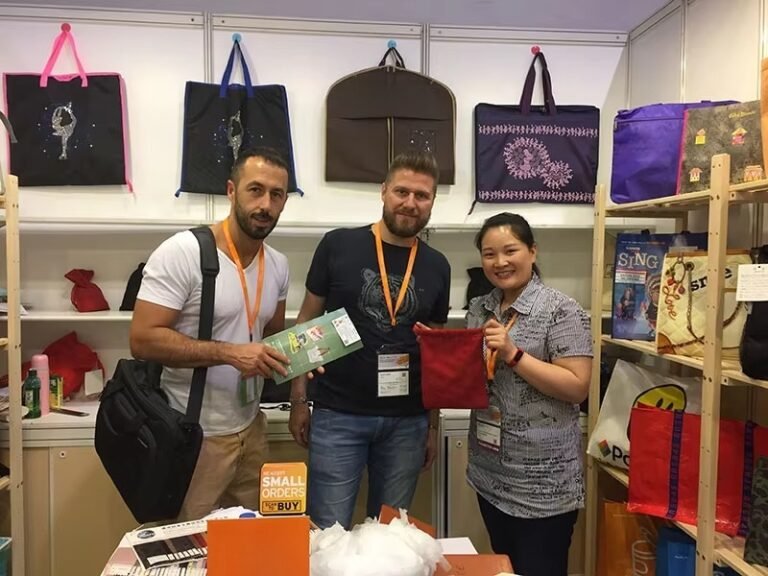
800+ brand Clients Trust Jundong


FAQs About Bulk Custom Luggage
Before starting a bulk custom luggage order, most travel brands and retail program teams need clear details about luggage type, shell material, size set, wheels, trolley handle, TSA lock, logo method, sampling, QC, packing, and shipment timing. The FAQs below focus on the decisions that affect real production and delivery, so your team can move from idea to sample with fewer unclear steps.

Can Jundong produce luggage for bulk custom orders?
Certainly. Jundong can support bulk custom luggage projects, including carry-on luggage, checked luggage, 3-piece luggage sets, hard-shell suitcases, softside trolley cases, kids luggage and business travel cases. The review can start from a reference photo, physical sample, size target, shell color, component list, logo artwork or product file. Before sampling, Jundong reviews shell or fabric material, wheels, trolley handle, TSA lock, zipper or frame, lining, logo method, packing rule and delivery plan. With 20+ years of OEM/ODM project experience in Guangdong, Jundong is especially suitable for brands that need luggage together with travel bags and accessories.
What MOQ should we plan for custom luggage?
For standard custom luggage projects, 500 pcs per design is a realistic planning level. Some existing styles may be reviewed more flexibly when the structure, material and logo method are simple. For cost-sensitive luggage, multi-size sets, special shell colors, custom parts or complex packing, 1000 pcs or more may be more practical. Quantity should be shared by size and color. A 1,000 pcs single-color carry-on is much easier to plan than 1,000 pcs split across 20 inch, 24 inch and 28 inch sizes in several colors. Size and color split affects material, components, carton size, barcode files and delivery planning.
Can Jundong make both hard-shell and softside luggage?
Absolutely. Jundong can review both hard-shell luggage and softside trolley luggage for bulk custom projects. Hard-shell styles may use PC, ABS, PC+ABS, PP or aluminum frame structures, while softside styles may use Oxford fabric, polyester, nylon, lining, EVA support and reinforced panels. The two product types require different control details. Hard-shell luggage needs shell thickness, wheel housing, lock area and surface protection review. Softside luggage needs fabric strength, sewing quality, zipper route, front pocket and handle reinforcement review. The best choice depends on the travel use, retail level, cost target, packing route and expected loading.
Which shell material works best for custom luggage?
Sure. PC is often better for mid-to-premium hard-shell luggage where flexibility, impact response and clean surface feel matter. ABS is useful for cost-controlled retail or promotional travel cases. PC+ABS can balance shell performance and cost. PP can work well for lightweight molded luggage and selected luggage sets. Aluminum frame luggage gives a more structured, premium look, but weight, frame alignment and cost need closer review. The best material should be chosen with luggage size, wheel system, trolley handle, lock type, logo method and packing protection together. Material should never be decided by price alone.
Can Jundong develop from our sample, photo or design file?
Definitely. A luggage project can begin from a physical sample, reference photo, online link, sketch, color target, logo file or full product file. A physical sample is useful because shell thickness, wheel smoothness, trolley handle stability, lock alignment, zipper route, lining and packing fit can be checked directly. A photo can also work when supported by clear notes. Jundong reviews what can remain, what should change and what needs structure adjustment before sampling starts. Useful information includes size, material, wheel type, handle requirement, lock type, logo method, quantity by size and color, packing needs and target arrival date.
How long does luggage sampling usually take?
In most cases, luggage sample timing depends on whether the project uses an existing structure or needs deeper development. Existing-style luggage can move faster after details are confirmed. New shell shapes, front-pocket structures, aluminum frames, custom colors, special components, printed shells or gift packing usually need more time. The sample should confirm real use, not only appearance. Jundong checks shell or fabric feel, wheel rolling, trolley handle movement, lock operation, zipper or frame closing, lining layout, logo result and carton fit. Sample fee can be refunded or deducted when the bulk order reaches 2,000 pcs after project review.
Can you customize wheels, trolley handles and TSA locks?
Of course. Wheels, trolley handles and locks can be reviewed based on luggage size, product level and travel use. Carry-on luggage may need lighter wheels and a smooth handle feel, while 24 inch and 28 inch checked luggage need stronger wheel housing, handle support and lifting strength. TSA lock position, zipper route, frame closure and button feel should also be checked during sample approval. A suitcase with weak wheels or a shaky trolley handle can hurt the full product impression. Jundong reviews component selection before assembly and compares early finished pieces with the approved sample.
How do you control sample-to-bulk consistency?
Certainly. Jundong turns the approved luggage sample into clear production records. These records may include shell material, color, size, surface finish, wheel model, trolley handle model, lock type, zipper or frame structure, lining, divider, logo position, barcode, SKU label, carton size and packing method. Before wider production begins, material, components, logo files and packing files are checked again. Early finished pieces are compared with the approved sample before full output continues. This process helps reduce avoidable differences in shell color, wheel feel, handle movement, logo placement, lining and carton labels.
Can Jundong support barcodes, SKU labels and retail packing?
Absolutely. Jundong can support dust covers, protective film, wheel protection, corner protection, individual cartons, hangtags, warranty cards, barcode stickers, SKU labels, carton marks, color sorting and warehouse labels. For retail and e-commerce luggage, packing is part of the product plan, not a late add-on. A correct suitcase with a wrong barcode or mixed carton can still create warehouse problems. Packing files should be confirmed before final packing starts. For luggage sets, each size and color should have clear barcode, SKU and carton records so warehouse teams can receive and sort cartons more smoothly.
What should we send for an accurate luggage quote?
For an accurate luggage quote, send luggage type, size, shell or fabric preference, reference photos, wheel requirement, trolley handle requirement, lock type, zipper or frame preference, logo artwork, preferred logo method, quantity by size and color, packing needs, destination and target arrival date. A full product file is helpful, but clear photos and notes are enough for an early review. If the project involves a 3-piece luggage set, front pocket, aluminum frame, special shell color, custom puller, retail barcode, warehouse label or gift packing, mention these details early. A detailed review gives a more reliable quote than a simple request for “custom luggage price.”
Start Your Luggage Bulk Review
Share your luggage idea, reference photo, existing sample image or product file with Jundong. The team can review shell material, size set, wheels, trolley handle, lock, zipper or frame, lining, logo method, sample path, quantity by size and color, packing files and delivery route before bulk work begins. Clear early details help reduce repeated sample changes, late packing pressure and avoidable differences between approved sample and bulk production.
Please prepare:
- Luggage type: carry-on, checked luggage, luggage set, hard-shell suitcase, softside trolley case, kids luggage or business trolley case
- Size plan: 20 inch, 24 inch, 28 inch or custom size
- Shell or fabric material preference
- Reference photos or existing sample photos
- Wheel type, trolley handle and lock requirement
- Zipper, frame, lining, divider and strap details
- Logo artwork, logo method and logo position
- Quantity by size and color
- Barcode, SKU label, hangtag, warranty card and carton mark needs
- Destination and target arrival date
Files can be sent through the inquiry form or by email when attachments are easier to share: info@jundongfactory.com