 Skip to content

Air travel has its own dictionary — and one of the most confusing terms for many travelers is “checked bag.” Every ticket includes a baggage allowance, but what exactly qualifies as a checked bag? Why do airlines charge so differently for them, and how does this influence how luggage is designed and sold worldwide?
For travelers, the difference between carry-on and checked luggage can affect convenience, cost, and even trip safety. For buyers, retailers, and OEM factories like Jundong, understanding these standards is essential to creating compliant, globally sellable luggage that meets both airline and consumer needs.
A checked bag is any piece of luggage stored in an airplane’s cargo hold rather than in the cabin. It is typically larger than a carry-on, with size limits around 62 linear inches (157 cm) and weight limits between 23–32 kg (50–70 lbs) depending on the airline. Checked bags are tagged, handled, and retrieved at baggage claim after landing.
As airlines continue tightening cabin space and weight policies, the checked bag remains the reliable travel companion for long trips, families, and business travelers. Let’s unpack what makes it essential — and how luggage manufacturers like Jundong design the perfect checked bags to fit every rule and brand need.
What Size and Weight Are Allowed for Checked Bags?
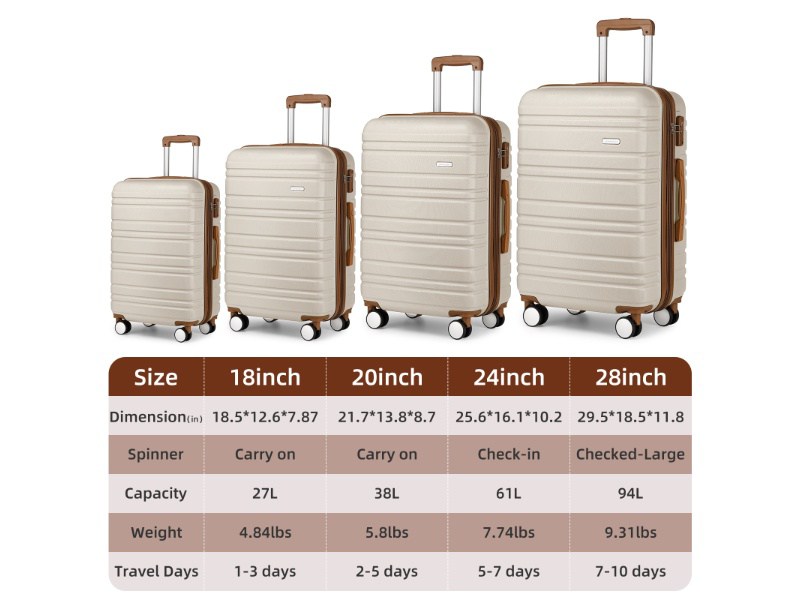
Most airlines limit checked bags to 62 linear inches (length + width + height) and 23 kg (50 lbs) in weight. Premium classes or international routes may allow up to 32 kg (70 lbs). Oversized or overweight bags incur extra fees, which vary by airline and destination.
Size and weight are the foundation of all airline baggage rules. Every manufacturer and traveler needs to know these numbers to avoid costly surprises.
How Big and Heavy Can a Checked Bag Be?
For most airlines, the maximum dimension is 62 inches (157 cm) — measured by adding the bag’s length, width, and height. The standard weight is:
Economy Class: 23 kg / 50 lbs
Business & First Class: 32 kg / 70 lbs
If your bag exceeds these, it’s considered oversized or overweight — leading to fees that can range from $50 to $200 per bag.
| Airline | Max Size (inches) | Weight Limit (kg) | Excess Fee (USD) |
|---|---|---|---|
| Delta | 62 | 23 | 100 |
| Lufthansa | 62 | 23 | 150 |
| Emirates | 62 | 32 | 75 |
| AirAsia | 62 | 20–25 | 50–100 |
| Qantas | 62 | 32 | 70 |
Comparison of Checked Bag Policies by Major Airlines
Different regions follow slightly different norms:
North America: Focuses on size and number of bags
Europe & Asia: Emphasizes weight-based systems
Middle East: Allows more generous weight limits for long-haul routes
Which Airlines’ Checked Baggage Policies Should You Know?
Airlines like Delta, Emirates, and Lufthansa define industry benchmarks. Budget carriers such as Ryanair and AirAsia impose tighter weight limits to reduce fuel costs, influencing how lightweight luggage is designed for those markets.
Oversized and Overweight Luggage Fees Explained
Fees depend on both excess weight and dimension. For instance, a 70 cm hard-shell case might pass dimension tests but exceed 23 kg — meaning extra charges. Jundong helps brands design luggage that meets global compliance standards to minimize such risks for end users.
How to Design OEM Checked Bags That Meet Global Airline Standards
Manufacturers like Jundong test luggage for:
Total size fit (≤157 cm)
Durability under 25–32 kg load
Handle and wheel performance after 500+ cycles
This ensures every OEM or private-label checked bag fits both airline and market expectations.
What Items Can and Can’t You Put in a Checked Bag?
Checked bags can contain clothes, shoes, liquids, and non-fragile items. Prohibited items include lithium batteries, power banks, flammable substances, and valuables like jewelry or electronics.
Security and safety regulations determine what can travel below the cabin.
Airlines rely on X-ray scanning and explosive trace detection to keep checked luggage safe.
How TSA and Airline Security Screen Checked Luggage
All checked baggage undergoes automated screening. If something suspicious appears (like dense electronics or flammable liquids), your bag may be manually opened.
To prevent delays:
Avoid wrapping gifts tightly.
Keep electronic devices in carry-ons.
Use TSA-approved locks for inspections.
Common Packing Mistakes That Cause Delays or Damage
- Packing fragile items without protection.
- Overstuffing the bag — causing zippers to burst.
- Mixing liquids and clothes without sealing bottles properly.
Manufacturers like Jundong design padded interiors, compression straps, and waterproof linings to prevent these common issues.
How to Design Compartments and Padding for Safer Checked Bags
A well-designed checked bag includes:
Reinforced corners to handle conveyor impacts
Foam-padded sections for glass or electronics
Dual zippers and TSA locks for security
These small details improve customer satisfaction and reduce returns for retailers.
How Is a Checked Bag Different from a Carry-On?
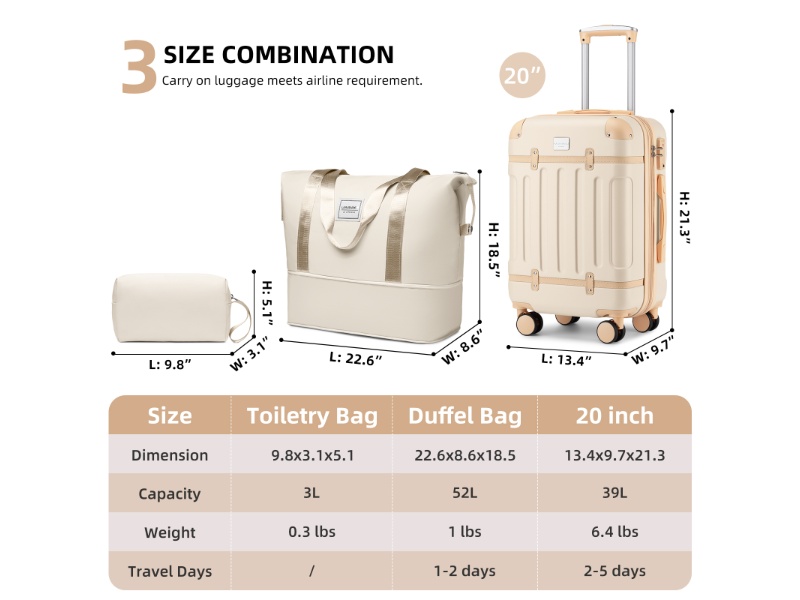
Checked bags are stored in the aircraft’s cargo hold, while carry-ons stay in the cabin. Checked bags are larger, heavier, and can hold restricted items but require check-in and retrieval after landing.
The main distinction lies in accessibility and capacity.
| Feature | Carry-On | Checked Bag |
|---|---|---|
| Storage | Cabin overhead | Cargo hold |
| Weight Limit | 7–10 kg | 23–32 kg |
| Accessibility | During flight | After landing |
| Security Check | Manual + X-ray | Automated + sealed |
| Fees | Often free | Usually charged |
Benefits and Drawbacks of Checked Bags vs. Carry-Ons
Benefits:
More packing space
Fewer restrictions on liquids or tools
Less cabin hassle
Drawbacks:
Higher fees
Risk of loss or delay
Longer airport process
Why & When Do Travelers Prefer Checked Bags?
Checked bags dominate for:
Family or long-haul travel
Business trips requiring multiple outfits
Luxury or bulk-item travel
A 2024 travel data report from Statista shows 72% of international travelers check at least one bag, despite rising fees. For brands, this means consistent market demand for large, durable luggage options.
Which Type Should You Choose for Business or Leisure Travel?
Business travelers may combine a small carry-on with a 24–28-inch checked suitcase. Leisure travelers tend to prefer mid-size (25-inch) models for convenience.
How Travelers Combine Both for Efficiency
Savvy flyers now “hybrid pack” — essential items in carry-ons, heavy or spare items in checked bags. Manufacturers design luggage sets (one carry-on + one checked bag) to cater to this behavior — a popular OEM request at Jundong Factory.
What Are the Best Materials and Features for Checked Luggage?

Hard-shell checked bags made from polycarbonate or ABS offer better impact resistance, while nylon or EVA soft-shell models provide flexibility and lighter weight.
The material you choose defines both performance and perception.
For manufacturers and brands, balancing durability, weight, and aesthetics is key.
Common Materials Used — ABS, PC, Nylon, EVA, and Aluminum
| Material | Advantages | Ideal Use Case |
|---|---|---|
| ABS | Affordable, lightweight | Budget luggage |
| Polycarbonate (PC) | High impact resistance | Premium collections |
| Nylon / Oxford | Flexible, expandable | Soft travel bags |
| EVA | Hybrid strength and style | Lifestyle or business luggage |
| Aluminum | Ultra-durable, luxury look | Executive markets |
Why Durability and Weight Matter in Long-Haul Travel
Each kilogram matters. Heavier bags reduce packing capacity and increase fees.
PC and EVA bags are now the global favorite due to their 30% lighter weight than traditional ABS.
OEM Design Considerations for Custom Branding and Longevity
Jundong engineers every checked bag with:
Reinforced handles and wheels
Multi-layer shell molds
Pantone-matched color customization
Logo engraving or rubber patch branding
Each sample undergoes:
Vibration testing (20,000 cycles)
Drop testing from 1.2 meters
Zipper strength evaluation
These quality standards ensure OEM partners receive durable, airline-compliant luggage ready for retail or eCommerce.
How Do Airlines Handle Checked Bags During Travel?
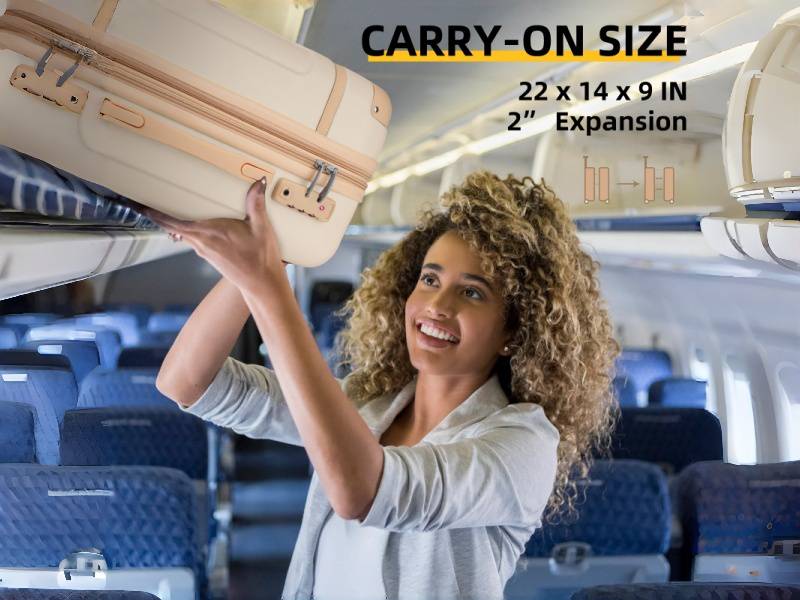
Airlines tag, scan, and transport checked bags via conveyor systems from check-in to cargo hold. Each bag is tracked digitally to reduce loss and ensure safe arrival.
The Journey of a Checked Bag
- Check-in: Bag weighed, tagged, and recorded.
- Security Screening: X-ray scan and automated routing.
- Cargo Loading: Loaded into containers by weight priority.
- Transit: Stored under pressure and temperature control.
- Arrival: Unloaded and sent to baggage claim.
How Lost or Damaged Bags Are Tracked and Compensated
Modern airlines use RFID tags to track each bag.
If lost, compensation is based on the Montreal Convention, often up to $1,700 USD per passenger.
How Smart Luggage Technology Is Changing the Checked Bag Experience
Smart luggage now integrates:
GPS tracking chips
USB charging ports
Digital locks synced with mobile apps
Jundong offers OEM integration for brands targeting the smart travel market, combining technology with classic durability.
What Luggage Brands Can Learn from Airline Handling Systems
Frequent loading impacts durability — hence, impact-absorbing shell design and reinforced wheel systems are essential.
Jundong replicates airline handling conditions in product testing to ensure longevity and customer trust.
How Can You Customize or Manufacture Checked Bags for Your Brand?
Jundong provides OEM/ODM checked bag manufacturing with options for logo placement, material selection, Pantone colors, and personalized packaging for global buyers.
Logo Printing, Mold Customization, and Private Label Options
Embossed metal logos for premium appeal
Heat transfer or rubber patch branding
Custom zipper pulls and linings
Packaging with brand labels or QR tracking
Jundong’s Experience in Global Luggage OEM Projects
With 20+ years in luggage manufacturing, Jundong supplies:
Travel brands
Retail chains
Online sellers (Amazon, Shopify)
Corporate gifting programs
Services include:
Free design assistance
Low MOQ (100 pcs)
Fast sampling (7 days)
Bulk production (15–25 days)
Which Checked Bag Sizes Are Most Popular Among Global Buyers
| Market | Best-Selling Sizes (inches) | Notes |
|---|---|---|
| U.S. & Canada | 28″, 29″ | Family & business travel |
| Europe | 25″, 26″ | Compact, train-friendly |
| Asia | 24″, 25″ | Lightweight preference |
OEM buyers often request complete luggage sets (20” + 25” + 29”) for retail bundles.
FAQ Section
Q1: What is the standard size for a checked bag?
62 linear inches (157 cm) total, including handles and wheels.
Q2: Do airlines charge for checked luggage?
Yes, most airlines charge per piece, though premium fares may include one free checked bag.
Q3: Can I lock my checked bag?
Yes, use TSA-approved locks for inspection access.
Q4: What happens if my checked bag is overweight?
It incurs extra fees or may need to be repacked at the counter.
Q5: How can I order custom checked bags from Jundong?
Contact Jundong’s team to discuss OEM/ODM designs, get free samples, and receive quotes.
Final Call to Action
A great checked bag isn’t just luggage — it’s a travel partner that represents your brand’s reliability and quality.
At Jundong, we bring 20+ years of manufacturing experience to every custom luggage project.
✅ Free design & sampling
✅ OEM/ODM service with low MOQ
✅ Global shipping & fast production
✅ Custom logo & packaging solutions
Ready to design your own checked luggage line?
👉 Contact Jundong Factory today to start your OEM project and get a free design consultation.