Skip to content

Backpack Manufacturer for Bulk Custom Orders
Develop custom backpacks with material review, sample control, bulk production, QC, packing, and delivery planning.
- Guangdong custom bag factory with 20+ years of OEM/ODM experience in mid-to-high-end bag projects.
- Support for custom backpacks, laptop backpacks, travel backpacks, school backpacks, business backpacks, outdoor backpacks, and private label backpack lines.
- Review fabric, capacity, shoulder straps, back panel, laptop compartment, zipper system, logo method, packing rules, and delivery schedule before bulk work begins.
- Built for retail lines, travel gear programs, education projects, corporate orders, import groups, wholesalers, and long-term brand collections.
Bulk Backpacks For Serious Programs
Retail Bag Brands
Retail bag brands need backpacks that look consistent in product photos, store displays, and later replenishment. A retail backpack should review fabric hand feel, body shape, zipper smoothness, label placement, hangtag position, barcode area, and carton sorting before production.
Jundong can review the style from a reference photo, sample, or design file and then check the material level, logo method, compartment layout, color split, and private label packing so the finished backpack feels like a planned product line rather than a simple logo item.
Travel Gear Programs
Travel gear programs usually need better storage, reliable zippers, and comfortable carrying. A travel backpack may include a laptop compartment, a front organizer pocket, a luggage strap, a hidden back pocket, bottle pockets, padded shoulder straps, and a cleaner back panel.
Jundong can review capacity, compartment access, zipper route, shoulder strap thickness, back panel support, and packing volume before sampling. For travel lines, a balanced structure can be more valuable than adding too many pockets.
Laptop And Tech Lines
Laptop and tech backpacks need more careful structure review because the device compartment is often the main selling feature. Common planning details include a 13-inch, 14-inch, 15.6-inch, or 16-inch laptop fit, a padded divider, soft lining, a bottom lift, a zipper opening, and cable or accessory space.
Jundong can review laptop protection with material, foam, lining, back panel, and shoulder strap design. For bulk orders, the laptop compartment should be checked as a functional zone, not only as an inner pocket.
School And Education
School backpack programs need strong daily-use details. Student backpacks often face heavy books, repeated zipper use, rough handling, bottle pockets, and tight delivery dates before a school term or campaign.
Jundong can review fabric durability, reinforced bottom, shoulder strap comfort, zipper pullers, side mesh pockets, name label, logo position, and color sorting before bulk work. A school backpack should feel sturdy, be easy to pack, and be simple to identify during distribution.
Import And Wholesale
Import and wholesale teams care about stable cost, carton packing, delivery schedule, and repeat order consistency. A backpack order may include several colors, size versions, or related styles, so material preparation, cutting separation, logo checking, label matching, and carton marks need early planning.
Jundong can review quantity by color, target material, MOQ logic, packing style, outer carton rules, and forwarder handover details before sample approval and bulk scheduling.
Corporate And Projects
Corporate and project backpacks often need clear logo placement, controlled cost, easy packing, and firm arrival timing. These backpacks may be used for staff kits, conferences, travel campaigns, training programs, or brand promotions.
Even when the structure is simple, the order should still review shoulder strap comfort, zipper movement, logo visibility, packing method, and carton marks. Jundong can suggest fabric, logo method, and packing direction based on use, quantity, and delivery date.
Control Backpack Risks Before Bulk Work

Sample-Bulk Difference
A backpack sample may look correct, yet bulk pieces can still drift when fabric, lining, zipper, shoulder straps, back panel, logo position, and packing rules are not recorded clearly. Jundong connects approved sample details with material notes, color standards, logo files, sewing details, and packing records before full production. This helps reduce avoidable differences between the first sample, early bulk pieces, and final packed goods.
Weak Shoulder Straps
Shoulder straps carry the most visible comfort risk. A strap may look thick in photos but still feel stiff, narrow, or unstable after loading. Strap width, foam thickness, curve, binding, webbing adjuster, and anchor stitching should be reviewed before approval. For school, travel, and laptop backpacks, strap performance can affect real product value quickly. Jundong checks the shoulder strap structure together with the back panel, handle, and load areas.
Poor Laptop Protection
Laptop compartments should be planned as protective zones, not only inner sleeves. Size fit, padding, lining, zipper opening, bottom lift, and back panel support all matter. A 15.6-inch laptop compartment must still allow easy access and avoid sharp seam pressure. For business and tech backpacks, weak laptop protection can damage product trust. Jundong reviews device size, foam, lining, and access before sample approval.
Unstable Bag Shape
A backpack that collapses too much may look weak in product photos and retail displays. Shape depends on fabric stiffness, lining, foam, panel cutting, pocket layers, bottom support, and packing method. Extra pockets can increase value, but too many layers may make the body bulky or uneven. Jundong reviews body structure, panel balance, and bottom support before sampling so the backpack can keep a cleaner shape during use and packing.
Logo And Label Errors
Logo and label errors can affect the whole order even when the backpack itself is well-made. Common risks include logo shift, wrong thread color, patch position error, missing care label, wrong barcode, or mixed SKU sticker. Jundong reviews logo files, label artwork, position records, and the first output before wider production. For private label backpacks, the logo, woven label, hangtag, barcode, and carton mark should follow one clear record.
Late Packing Files
Packing files should not arrive after the finished goods are waiting. Backpacks may need OPP bags, hangtags, woven labels, care labels, barcode stickers, SKU stickers, carton marks, retail inserts, or warehouse labels. If these files are late, the packing stage slows down, and delivery pressure increases. Jundong can review packing rules before bulk completion, especially for multi-color, multi-SKU, retail, school, and corporate programs.
Backpack Types For Bulk Custom Orders
Different backpack types need different material, structure, comfort, and packing decisions. A clear product direction helps the sample stage move faster and makes bulk production easier to control.
Travel Backpacks
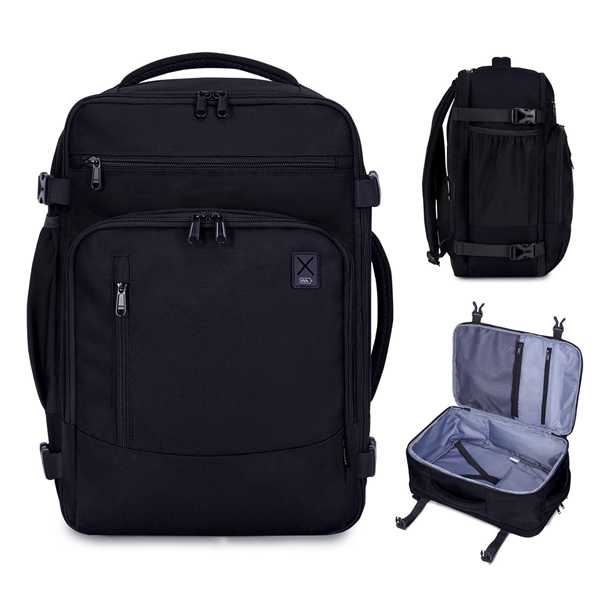
Travel backpacks should balance capacity, comfort, and organized storage. A strong design may include a laptop compartment, clothes space, front organizer, hidden back pocket, luggage strap, side bottle pocket, and wider shoulder straps.
Nylon, Oxford fabric, polyester, and RPET can all work depending on product level and budget. For bulk orders, Jundong checks compartment access, back panel support, zipper strength, strap comfort, packing volume, and carton planning to ensure the finished backpack supports real travel use rather than just looking large.
School Backpacks

School backpacks need daily durability, comfortable straps, and easy identification. Students use zippers repeatedly, carry books, place bags on the floor, and often need bottle pockets or name labels.
Good planning should include a review of fabric strength, reinforced bottom, shoulder strap width, zipper puller size, side mesh pocket, logo position, and color sorting. Jundong can develop school backpack orders with polyester, Oxford fabric, canvas, or RPET based on grade level, order quantity, packing method, and target delivery date.
Laptop Backpacks
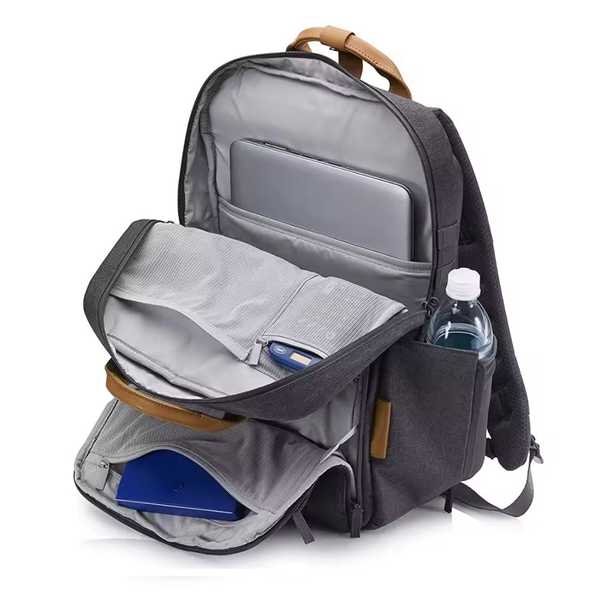
Laptop backpacks need more than a padded sleeve. The full structure should protect the device, carry daily items, and still look clean for retail or commuting use.
Common details include a 13-inch, 14-inch, 15.6-inch, or 16-inch laptop fit; a padded compartment; soft lining; back panel support; a front organizer pocket; and smooth zipper access. For bulk custom orders, Jundong reviews laptop size, foam, lining, shoulder strap, zipper route, logo method, and packing before sample approval.
Business Backpacks

Business backpacks need a cleaner shape, smooth access, and controlled branding. Many business backpack orders require laptop protection, document space, an anti-theft back pocket, subtle logo placement, darker fabric colors, and a stable body structure.
Nylon, 1680D polyester, PU trim, or structured Oxford fabric can create different levels of finish. For bulk production, Jundong reviews panel balance, zipper route, shoulder strap comfort, handle strength, logo position, inner divider, and retail packing needs before final approval.
Drawstring Backpacks

Drawstring backpacks are simple, but bulk orders still need control. Fabric weight, drawcord quality, corner reinforcement, logo size, bottom stitch, and packing method can change the final result.
Polyester, nylon, Oxford, RPET, or mesh can be reviewed depending on activity, school, sports, or promotional use. Jundong can help plan drawstring backpack orders for large distribution programs, with attention to printing area, shoulder cord comfort, seam strength, carton packing, and color separation.
Outdoor Backpacks

Outdoor backpacks need stronger fabric, better stress control, and functional pocket planning. A light outdoor daypack may use 600D Oxford, ripstop polyester, nylon, mesh panels, coated fabric, or reinforced bottom material.
Useful details include side mesh pockets, a front elastic cord, adjustable straps, a breathable back panel, and stronger zipper pullers. Jundong reviews weight, capacity, fabric coating, stitching at stress areas, buckle quality, and packing method before bulk work, especially when the order supports hiking, camping, or sports retail programs.
Private Label Backpacks
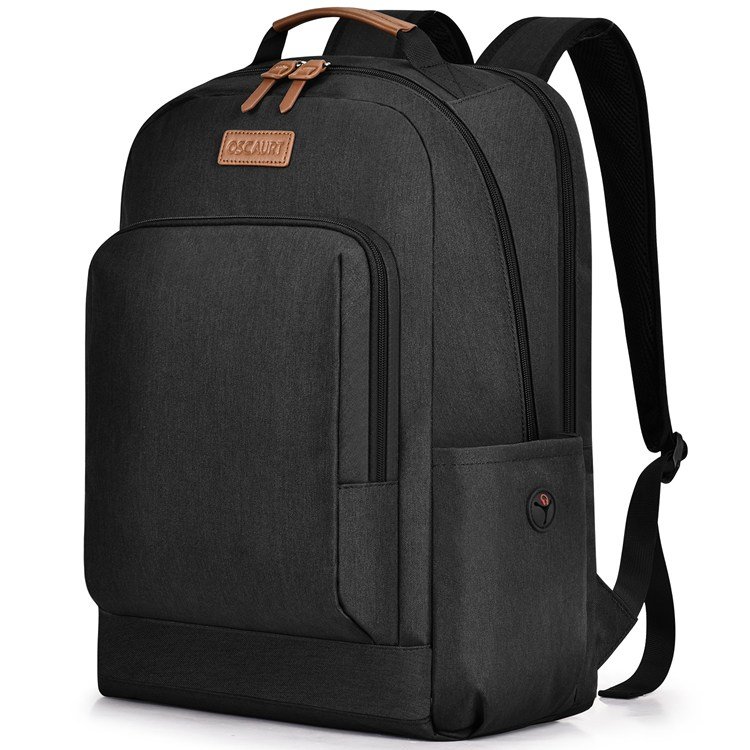
Private label backpacks need product records that can support repeat orders. A program may include several colors, a shared structure, a woven label, a care label, a hangtag, a barcode sticker, a SKU sticker, a carton mark, and retail packing.
The goal is not only to finish one order but also to keep material, color, logo, structure, and packing files organized for later replenishment. Jundong can review design files, label placement, color names, packing rules, and SKU split before production begins.
Sports Backpacks
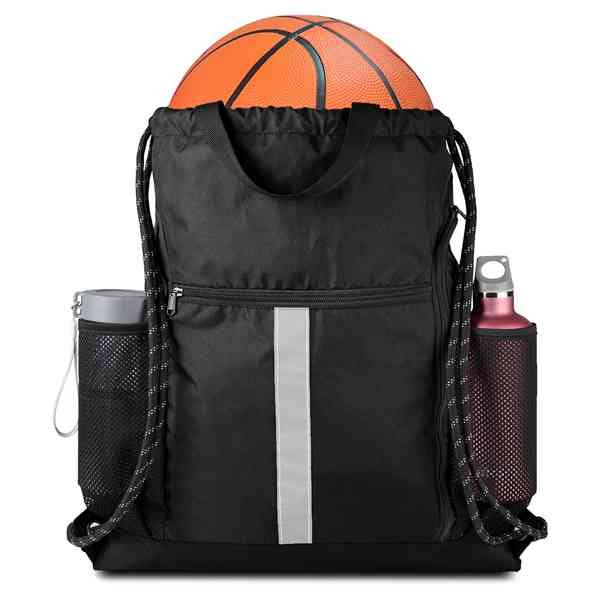
Sports backpacks should be light, easy to carry, and quick to access. Gym, team, running, cycling, or training programs may need shoe space, a wet pocket, a bottle pocket, breathable mesh, reflective detail, or easy logo visibility.
Material choice should match use intensity and cleaning needs. Jundong can review the compartment plan, shoulder strap shape, zipper puller, mesh quality, logo method, and packing before sampling. For larger orders, function checking should include zipper access, strap comfort, and storage layout.
Anti-Theft Backpacks

Anti-theft backpacks need structured planning around zipper position, hidden pockets, laptop protection, and body shape. A strong anti-theft design should not become difficult to use.
Common features include a back zipper pocket, a hidden side pocket, a covered main zipper, a cut-resistant-looking fabric effect, a stronger back panel, and an inner organizer. Jundong reviews function, sewing order, zipper access, compartment layout, logo placement, and sample testing before bulk production. These details are important for travel, commuting, and tech-focused backpack programs.
Design Backpacks Around Real Use
Retail Shelf Ready
Retail backpacks need a clean shape, stable finish, and clear brand presentation. Product photos, store displays, and packaging all show details that a simple sample review may miss. Fabric hand feel, front panel balance, zipper route, logo position, hangtag location, barcode area, and fold shape should be reviewed early.
A retail backpack that collapses too much may look weaker in listing photos. A bag with too many pocket layers may become bulky inside the carton. Jundong can review body structure, material stiffness, label placement, and packing presentation before sample approval, so the final product supports both visual selling and warehouse handling.
Daily Commuting
Daily commuting backpacks should feel easy to carry, open, and organize. A commuter may need laptop space, a document pocket, a charger area, a bottle pocket, soft shoulder straps, and a back panel that does not feel harsh after long wear. For city use, the backpack should balance a slim appearance with enough storage.
A simple outside design can still have useful internal compartments. Jundong can review capacity, shoulder strap curve, handle strength, zipper access, back pocket, and inner organizer before sample work. The goal is to make the bag feel reliable during everyday movement, not only attractive in a product photo.
Laptop Protection
Laptop protection should be reviewed as a system. A padded compartment alone is not enough if the bottom, lining, zipper opening, or back panel is weak. The compartment should match the planned device size, such as 13-inch, 14-inch, 15.6-inch, or 16-inch.
Bottom lift, foam thickness, soft lining, and easy access can change the real protection level. Jundong can review the laptop fit with panel structure, shoulder strap support, and internal pocket layout. For tech and business backpacks, a clear laptop protection review helps avoid late changes after the first sample.
School Distribution
School backpack projects often need durability, clear color sorting, and delivery discipline. These orders may support back-to-school programs, education projects, school stores, donation programs, or campus events. Strong fabric, a smooth zipper, a reinforced bottom, a comfortable shoulder strap, a side bottle pocket, and clear logo placement are common needs.
Packing can also matter: color-separated cartons, carton marks, quantity labels, and simple distribution packing help receiving teams work faster. Jundong can review material, size, color split, logo method, packing plan, and target delivery date before sample approval.
Outdoor Activity
Outdoor activity backpacks need stronger stress planning than casual daypacks. Even a light outdoor bag may need better shoulder strap anchors, stronger zipper pullers, water-resistant fabric, a breathable back panel, side compression straps, mesh pockets, or a reinforced bottom. The design should not become heavy without reason.
Jundong can review fabric denier, coating, buckle level, webbing placement, pocket function, and sewing reinforcement before production. For hiking, camping, sports retail, or active travel programs, function should be tested through strap, zipper, and pocket use, not only by appearance.
Corporate Programs
Corporate backpacks often need controlled branding, predictable packing, and fixed delivery timing. These orders may support conferences, employee onboarding, training programs, travel campaigns, or partner gifts.
The structure may be simpler than a retail backpack, but logo placement, zipper quality, shoulder strap comfort, and carton packing still matter. Jundong can review embroidery, heat transfer, screen printing, and woven label or patch options based on fabric and quantity. For deadline-driven orders, packaging files, carton marks, destination, and target arrival date should be confirmed early.
Choose Materials By Backpack Function
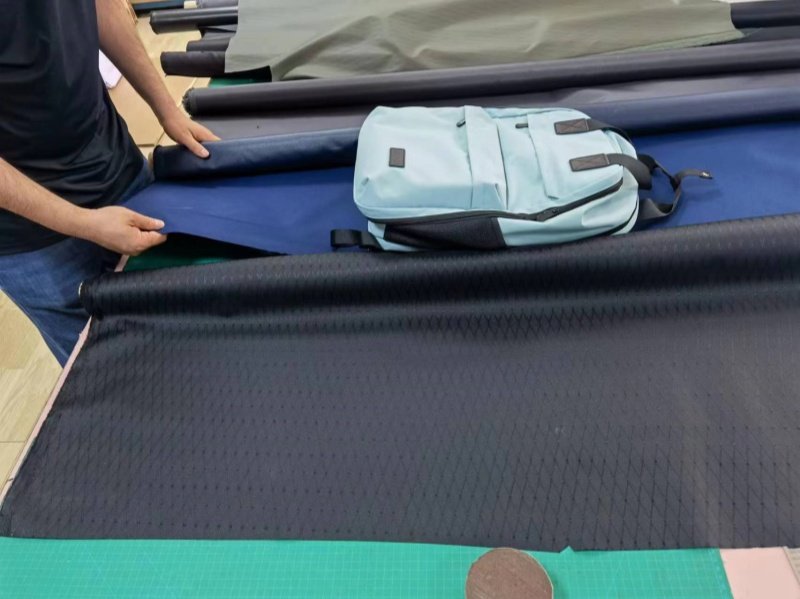
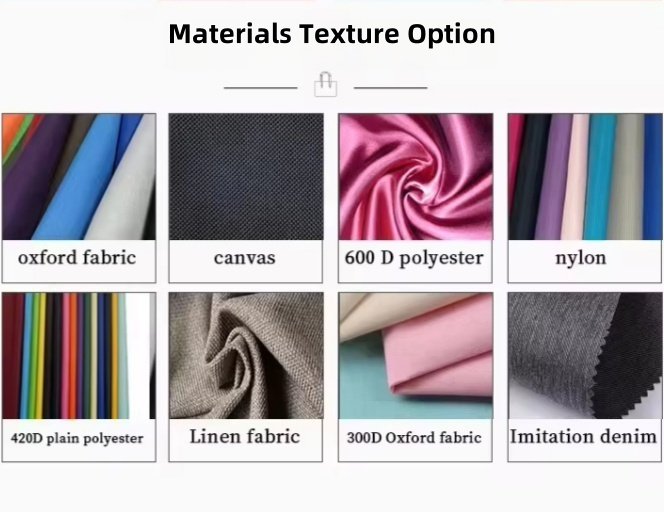
Backpack material affects shape, cost, durability, printing, sewing thickness, packing volume, and long-term reorder stability. Material should match use, structure, and brand level before sampling begins.

| Material | Best Fit | Hand Feel | Structure Level | Bulk Control Detail | Logo Fit |
|---|---|---|---|---|---|
| 300D Oxford | Light school bags, simple daypacks, corporate backpacks | Light, smooth, cost-friendly | Light to medium | Check coating, tearing risk and lining match | Screen print, heat transfer, woven label |
| 600D Oxford | School backpacks, outdoor daypacks, sports backpacks | Durable, textured, stable | Medium | Watch color shade, seam bulk and coating consistency | Screen print, embroidery, rubber patch |
| 900D / 1000D Oxford | Outdoor, utility, tactical-style backpacks | Strong, heavier, structured | Medium to high | Review sewing thickness, weight and folded packing | Rubber patch, woven label, embroidery |
| 1680D Polyester | Business, tool-inspired, durable travel backpacks | Firm, dense, premium utility feel | High | Control panel shape, seam thickness and edge finish | Embroidery, woven label, metal plate |
| Nylon | Travel, commuter, tech and lifestyle backpacks | Smooth, lighter, cleaner look | Medium | Review coating, wrinkle, color and zipper match | Heat transfer, embroidery, woven label |
| Canvas | Lifestyle, vintage, casual retail backpacks | Natural, warm, slightly heavier | Medium | Check shrinkage, color variation and embroidery support | Embroidery, woven label, screen print |
| RPET | Eco-focused retail, travel and education programs | Similar to polyester, clean finish | Light to medium | Confirm material proof, color availability and label wording | Heat transfer, woven label, embroidery |
| PU | Fashion, business trim, premium front panels | Polished, smooth, refined | Medium | Protect surface from scratch and crease during packing | Embossed logo, metal plate, woven label |
| Mesh | Side pockets, back panels, breathable zones | Light, breathable, flexible | Support material only | Avoid using as main load-bearing fabric | Woven label, patch, limited print use |
| Neoprene | Padded details, soft tech areas, protective pockets | Soft, flexible, cushioned | Soft support | Review thickness, odor control and edge binding | Heat transfer, rubber patch, woven label |
| Coated Fabric | Outdoor, travel, water-resistant look | Smooth or technical, depends on coating | Medium to high | Check coating mark, seam handling and folding marks | Heat transfer, patch, woven label |
Material choice should be reviewed with the backpack structure. A 600D Oxford school backpack may need stronger bottom stitching and side mesh pockets. A nylon commuter backpack may need cleaner zipper alignment and softer shoulder straps. A 1680D polyester business backpack may look more structured, but sewing thickness should be reviewed before bulk production.
For retail lines, the material should also match photography, hangtag, packing, and carton compression. For travel and tech backpacks, the material should be reviewed with the laptop compartment, back panel, handle, and zipper path. For school or corporate programs, the material should balance cost, durability, and delivery schedule.
Build Backpacks Around Carrying Comfort
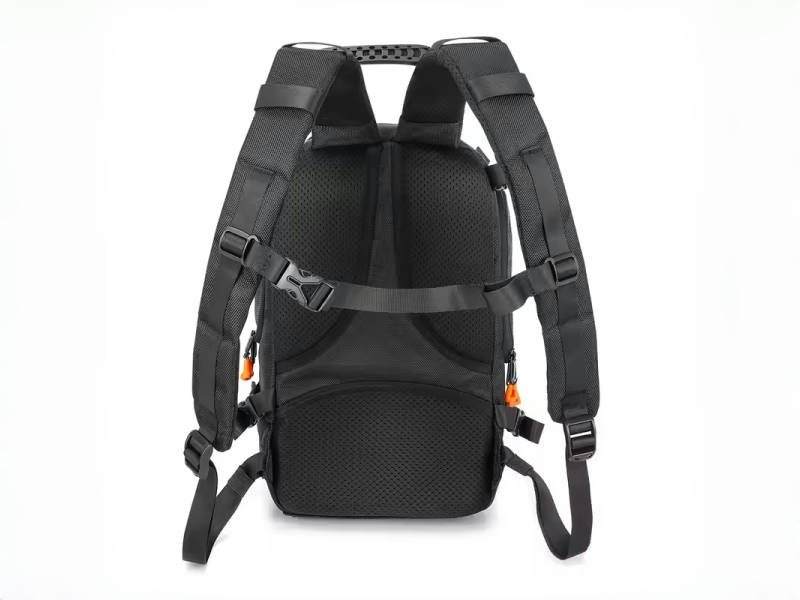
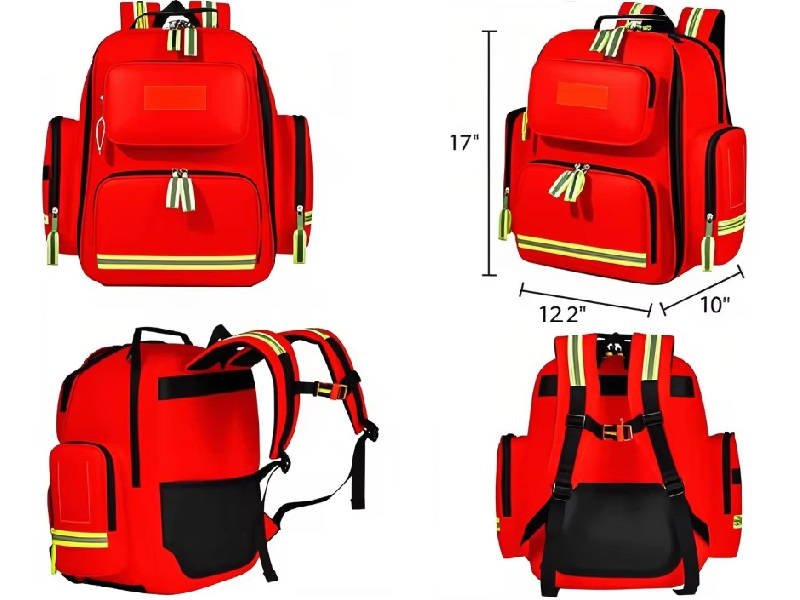
Backpack structure decides how the product feels after loading, wearing, opening, packing, and restocking. Shoulder straps, back panel, compartments, bottom, handle, and stress zones should be reviewed before sample approval.

Shoulder Straps
Shoulder straps are one of the first details people feel after a backpack is loaded. A strap can look wide in photos but still feel hard, flat, or unstable during daily use. Strap width, foam thickness, curve, edge binding, webbing adjuster, and anchor stitching should match the planned use.
A laptop backpack may need thicker padding and a cleaner curve. A school backpack may need softer straps for daily carrying. A travel backpack may need wider support to reduce shoulder pressure.
Back Panel
The back panel affects comfort, shape, and perceived product value. A flat, thin back panel may work for a simple promotional backpack, but laptop, travel, and business styles usually need better support. Foam, mesh, quilting, airflow channels, and panel stiffness should match the product level.
A thick back panel can improve comfort, but it can also increase packing volume. Jundong reviews the back panel structure together with shoulder straps, the laptop compartment, and carton packing, so comfort and shipment needs stay balanced.
Main Compartment
The main compartment should fit real use, not only the volume on paper. A travel backpack may need clothing space, a laptop section, and a front organizer. A school backpack may need book capacity and easy opening. A business backpack may need document space and a cleaner interior.
The opening angle, zipper path, lining, pocket layers, and seam thickness all affect usability. Jundong reviews compartment size, access direction, and internal organization before sampling so the product does not become difficult to load or inspect.
Front Pocket Layout
Front pocket layout changes both function and appearance. A large front organizer can make the backpack more useful, but extra layers may pull the front panel out of shape. Small pockets can improve access for keys, cards, charger cables, or travel documents. For retail styles, front pocket symmetry and zipper position affect product photos.
For school and corporate projects, simple pocket layouts may be more efficient. Jundong reviews pocket depth, opening size, zipper smoothness, and panel balance before bulk work begins.
Bottom Support
The bottom area carries wear, weight, and packing pressure. A backpack placed on the floor many times needs stronger material, cleaner seams, and a better bottom shape. School, travel, and laptop backpacks often need reinforced bottom panels or stronger stitching near the bottom corners.
A weak bottom can make the backpack lose shape quickly. Jundong reviews bottom fabric, seam allowance, inner support, and carton folding direction before production, especially for orders with heavier loading or retail display needs.
Handle And Stress Points
Top handles, shoulder strap anchors, side seams, and load-bearing areas should be checked as stress points. A handle may look simple, but it often carries the full weight when the backpack is lifted. Reinforcement material, stitch pattern, bar tack, webbing thickness, and seam placement all matter.
Jundong reviews stress areas before sample approval and checks them again during early bulk production. These small structural details can decide whether a backpack feels dependable after repeated carrying.
Plan Laptop Compartments With Real Protection
Laptop Size Planning
Laptop fit should be confirmed before the first sample. Common project sizes include 13-inch, 14-inch, 15.6-inch, and 16-inch laptops, but the compartment should not be planned only by screen size. Actual device width, height, thickness, and the use of a protective case (13-inch) can change the fit. A compartment that is too tight can make daily access annoying. A compartment that is too loose may reduce the protective feeling.
Jundong can review the target laptop size together with backpack body width, zipper opening, back panel shape, and inner pocket layout. If one backpack needs to support several laptop sizes, the inner sleeve should be planned with enough height and width while keeping the device stable. For retail and travel lines, the laptop zone should also look clean when photographed open because the inner structure often appears in product listings.
Padding, Lining, and Bottom Lift
Protection depends on more than a padded divider. Foam thickness, soft lining, seam placement, back panel support, and bottom lift all affect how the device sits inside the backpack. For laptop backpacks, a 2–3 cm bottom lift is often reviewed to help keep the device away from direct base impact. Soft lining can reduce surface friction, while stable foam keeps the compartment from collapsing.
Jundong reviews padding with real structure, not just the material name. A thick divider may look safe, but creates too much bulk if the backpack body is slim. A thin divider may look clean but feel weak during daily commuting. The best choice depends on device size, product level, target weight, body shape, and packing method. For bulk orders, the laptop sleeve should be checked for size, lining position, stitch neatness, and foam stability.
Access, Zipper, and Security
Laptop access should feel smooth. The zipper opening should allow the device to enter and leave without scraping corners or forcing the body shape. Business backpacks may use a separate laptop zipper. Travel backpacks may combine laptop space with a main compartment. Anti-theft backpacks may place laptop access closer to the back panel. Each layout affects sewing order, zipper route, and user experience.
Jundong can review whether the compartment opens from the top, side, or back. For larger laptops, zipper length and opening angle matter. For commuting styles, quick access may be more important. For travel styles, protected access and hidden positioning may matter more. Before approval, the sample should be tested with a real laptop or size board, not only measured flatly.
Laptop Zone Checkpoints
Laptop compartments need specific bulk checks because small differences can change fit and protection. The main checks include sleeve width, sleeve height, foam thickness, lining alignment, bottom lift, zipper access, seam pressure, and back panel support. If the backpack includes several sizes or colors, each version should follow the same laptop zone record.
For bulk production, Jundong can compare the first finished pieces with the approved sample. The laptop zone should be inspected before packing because it may be difficult to check clearly after backpacks are folded or filled with paper. For private label laptop backpacks, inner label, care label, and compartment tag positions should also be checked to avoid blocking access or creating uncomfortable seams.
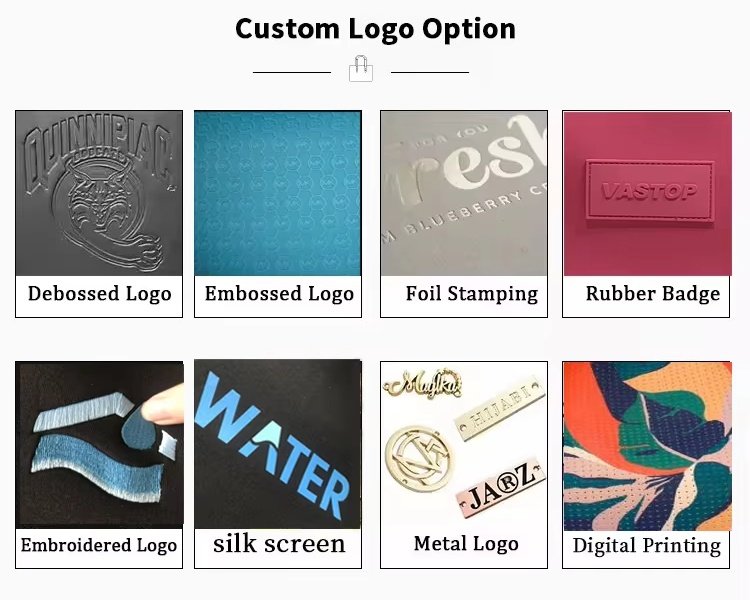
Match Logo Method With Backpack Material
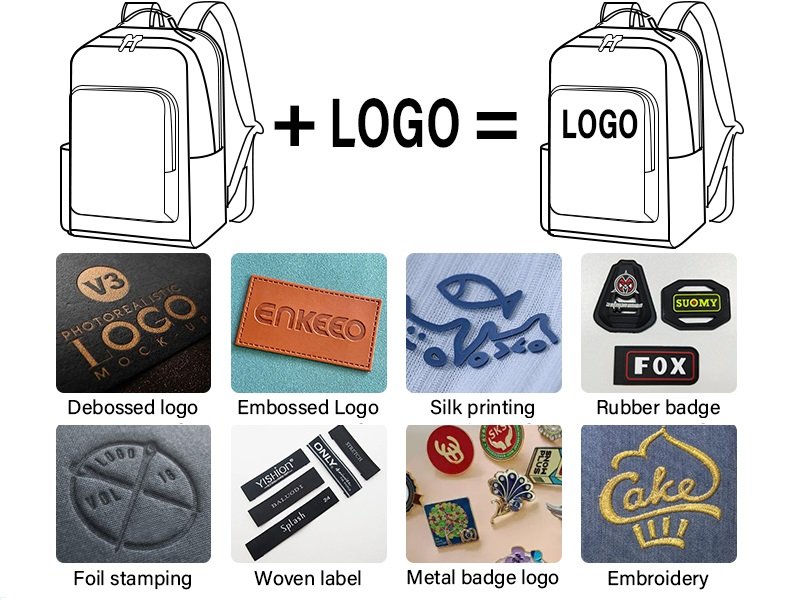
The logo method should match the fabric, panel shape, product level, and order size. A good brand application plan should look clean on the sample and remain easy to inspect during bulk work.

| Check Area | Why It Matters | What To Check |
|---|---|---|
| PVC Surface | Clear material shows small flaws more easily. | Scratches, dents, fogging, pressure marks, stains, and surface consistency. |
| Transparency | Clear bags are chosen for visibility, display, or security use. | Clear effect, material consistency, and whether packing affects visibility. |
| Thickness And Feel | Thickness affects shape, softness, cost, and durability. | Material thickness, hand feel, flexibility, and fit for the bag style. |
| Finished Size | Size affects capacity, event use, retail packing, and expectations. | Width, height, depth, handle drop, opening size, and tolerance. |
| Sewing Line | Visible stitching affects the finished look. | Stitch length, seam direction, thread color, skipped stitches, and loose ends. |
| Edge Finish | Poor edges affect appearance, safety, and lifespan. | Binding, heat sealing, folding, corners, and rough areas. |
| Zipper Function | A clear bag still needs smooth daily use. | Zipper movement, puller strength, opening direction, and alignment. |
| Handle And Strap | Carry parts affect user experience and complaints. | Width, length, reinforcement, stitching, and hardware position. |
| Logo Position | Branding errors are obvious on clear material. | Size, placement, color, clarity, and consistency. |
| Packing Method | Poor packing can create marks or mixed-SKU issues. | Polybag, insert card, carton quantity, labels, carton marks, and SKU separation. |
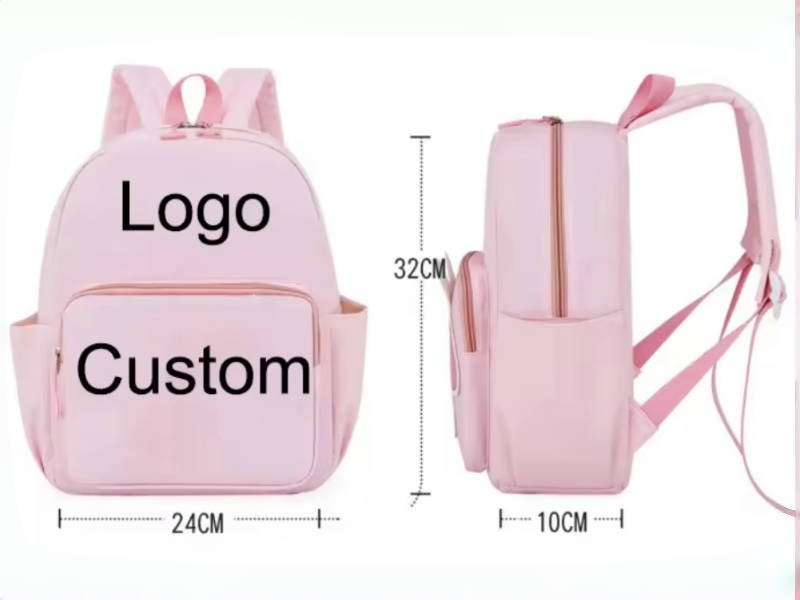
Logo placement should be reviewed before sample setup. Backpack front panels, zipper curves, pocket seams, shoulder strap anchors, and handle areas can limit logo size or placement. A large logo may work on a simple front panel but look crowded on a multi-pocket travel backpack.
For larger custom backpack orders, logo records should include the artwork file, size, color, position, process, and approval photo. Retail and private label programs may use more subtle branding, such as a woven label, a leather patch, a metal plate, or tonal embroidery. Corporate and school programs may prefer clearer logo visibility through screen printing, heat transfer, or embroidery.
Confirm The Sample Before Bulk Work
Project Review
Sample development starts with project review. Useful files include reference photos, sample photos, target size, laptop size if needed, material direction, logo file, expected quantity, packing notes, destination, and target arrival date. A complete tech pack helps, but it is not required for the first review.
Clear notes about what should change from the reference are often enough to begin. Jundong reviews these details before quoting the sample path and preparing material options.
Material Selection
Material selection should happen before sample cutting. Fabric, lining, zipper, webbing, foam, buckle, label, and packaging materials all affect sample results. A 600D Oxford school backpack and a nylon commuter backpack require different structural controls. A PU-trim business backpack needs more surface protection.
A travel backpack with coated fabric may need extra checks on fold marks and seam handling. Jundong reviews material together with the backpack structure, not as a separate decoration choice.
Structure Setup
Structure setup turns a backpack idea into a usable product. The sample should confirm body size, shoulder strap width, back panel support, main compartment, front pocket, side pocket, handle, bottom support, and laptop compartment, if needed.
Structure should be checked with real items, not only flat measurements. A backpack may look balanced when empty, but feel wrong after loading. Jundong reviews the structure before sewing and again after the first sample is finished.
Logo Trial
A logo trial should be planned with the material and panel shape. Screen printing, heat transfer, embroidery, woven labels, rubber patches, PVC patches, leather patches, metal plates, and reflective logos all need different preparation.
A logo may look good on artwork but appear too large near a zipper, seam, or curved front pocket. Jundong reviews logo size, color, position, and method before the sample is fully assembled, so the first sample can show a more realistic brand effect.
First Sample
Regular backpack sampling often takes about 5–7 days after the main details are confirmed. Simple structures may move faster. Complex compartments, special fabrics, custom hardware, molded patches, metal plates, laptop protection details, or retail packing samples may need more time.
The first sample should check body shape, material feel, shoulder straps, back panel, laptop zone, zipper access, logo result, and packing direction. A sample should be judged as a working production reference, not only a display item.
Revision Record
Sample revisions should be specific, measurable, and useful for production. Better comments include “increase shoulder strap foam by 2 mm,” “move logo 3 cm upward,” “widen laptop sleeve by 1.5 cm,” “change zipper puller size,” or “add bottom reinforcement.”
Vague comments slow down the sample room and create misunderstandings. For bulk custom backpack orders, revision notes should become part of the production record, so corrected details are not lost after approval.
Production Steps For Custom Backpack Orders
Backpack production needs controlled steps from material preparation to packing. Each step should follow the approved sample, project files, and final order records.
Material Preparation
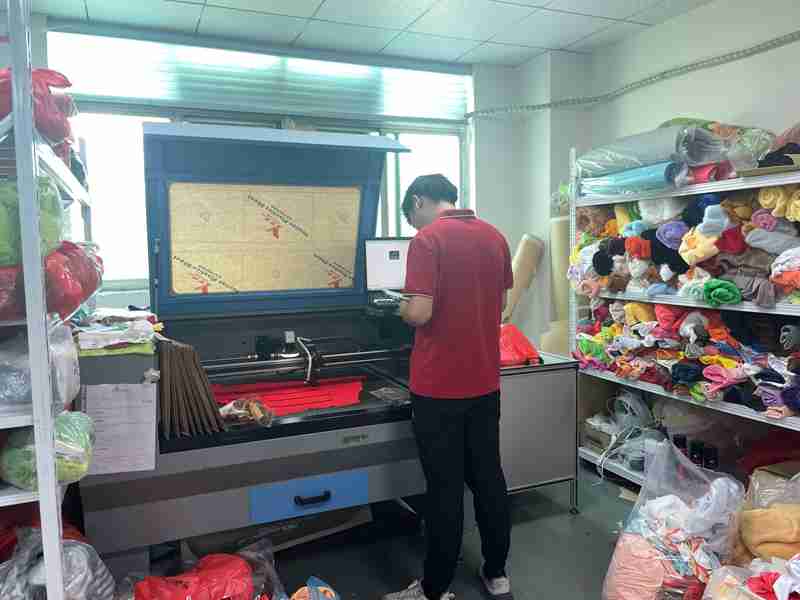
Material preparation sets the foundation for the full order. Fabric, lining, zipper, puller, webbing, buckle, foam, mesh, label, hangtag, and packing materials should be checked before cutting begins.
Jundong reviews material against the approved sample and order records before production moves forward. Fabric color, coating, weight, surface mark, lining color, zipper tape, and shoulder strap webbing should stay aligned.

Cutting And Panel Sorting
Backpack cutting is more complex than cutting a simple pouch. A full backpack may include a front panel, back panel, side panels, bottom panel, shoulder strap parts, handle parts, laptop sleeve pieces, pocket pieces, lining pieces, and foam parts.
Jundong checks cutting patterns with the approved sample and final size records. Laptop compartment pieces, shoulder strap parts, and front pocket pieces should be grouped clearly before sewing.

Logo Process
Logo work should be controlled before full assembly. Screen printing, heat transfer, embroidery, woven labels, rubber patches, PVC patches, leather patches, metal plates, and reflective logos each need different preparation.
Jundong checks the first logo output before the larger output continues. Logo size, color, position, edge quality, stitch density, or patch fixing method should match the approved record.

Sewing Assembly
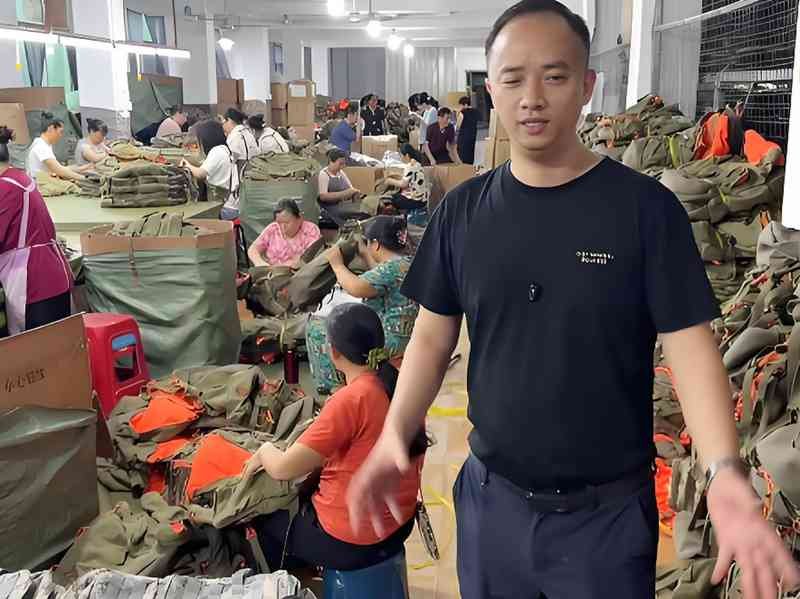
Sewing turns cut panels into a working backpack. The main control areas include shoulder strap anchors, handle reinforcement, zipper seams, bottom corners, laptop sleeve, front pocket, side mesh pocket, and back panel. Backpack sewing usually includes more layers than a waist bag or tote bag, so seam thickness, stitch tension, and sewing order matter.
Jundong checks the sewing flow against the structure needs. A laptop backpack should protect the device without making the body bulky.

Function Checking
Function checking focuses on how the backpack works after assembly. Zippers should open smoothly. Shoulder straps should adjust properly. Handles should feel secure. Pockets should hold planned items. Laptop compartments should fit the agreed device size. Side mesh pockets should stretch without tearing. Buckles and adjusters should move cleanly.
Jundong checks early-finished pieces before the full order continues. Function checking helps catch tight zippers, short straps, weak handles, small pockets, rough lining, or difficult laptop access.
Packing Preparation
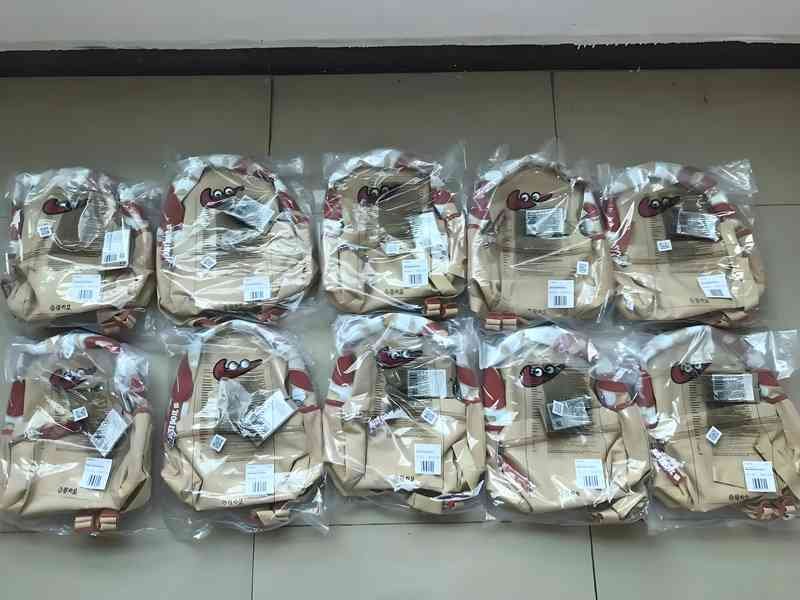
Packing preparation should begin before finished goods pile up. Retail backpacks may need individual OPP bags, hangtags, barcode stickers, SKU labels, care labels, carton marks, and color-separated cartons. Import and wholesale orders may need carton size, gross weight, packing list, and forwarder handover details.
Jundong prepares the packing according to the order plan. Multi-color and multi-SKU orders should be sorted by style, color, and label before final sealing.
Quality Checks For Bulk Backpack Orders
Backpack quality should be checked across material, sewing, comfort, laptop protection, hardware, and packing. A finished backpack should match the approved sample in both look and real use.
Fabric And Color
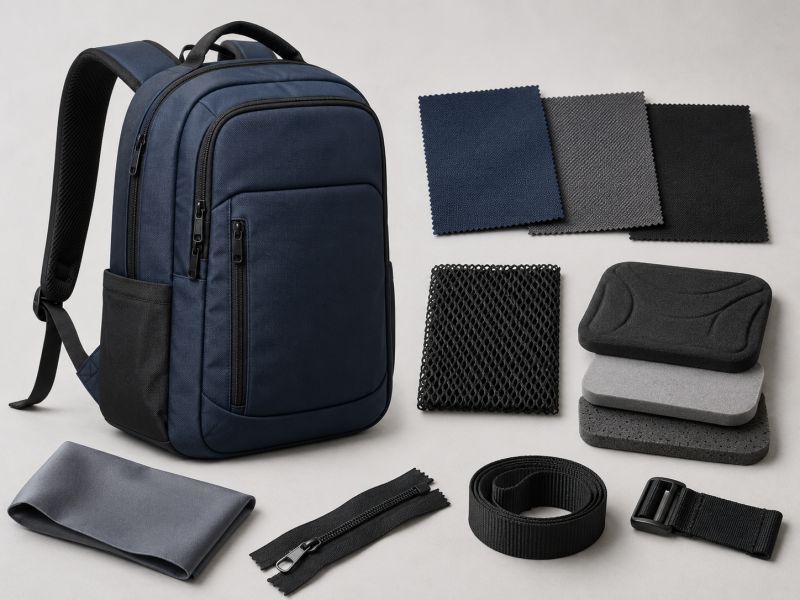
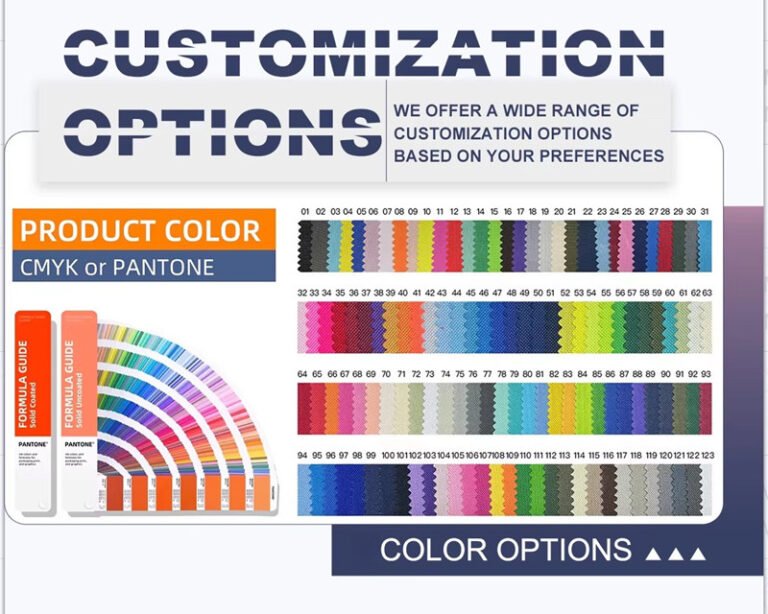
Fabric and color checking should happen before cutting, especially for multi-color backpack orders. Oxford, polyester, nylon, canvas, RPET, PU, mesh, and coated fabric can all show shade differences under different light or surface textures. Lining, zipper tape, webbing, and label colors should also match the approved direction. A small fabric difference may look acceptable on one piece, but it
becomes more visible across hundreds or thousands of backpacks.
- Compare the fabric with the approved sample or color record.
- Check lining, zipper tape, and webbing together.
- Separate materials by color before cutting.
- Review coating, surface marks, and fabric weight.
- Keep material records for repeat orders.
Stitching affects appearance, structure, and carrying strength. Backpack sewing includes curved panels, thick seams, zipper areas, pocket layers, shoulder strap anchors, and bottom corners. Uneven stitching can distort the body shape or make the backpack look less refined. Shape checking should include front panel balance, side panel alignment, bottom stability, and pocket symmetry. The first finished pieces should be compared with the approved sample before the full order continues.
- Check stitch length and thread tension.
- Review front panel and side panel balance.
- Inspect bottom corners and pocket alignment.
- Watch thick seam areas.
- Compare early finished pieces with the approved sample.
Stitching And Shape

Shoulder Strap Strength

Shoulder straps carry the backpack’s load and affect user comfort immediately. QC should check strap width, foam, curve, webbing, adjuster, binding, and anchor reinforcement. Weak stitching near the top panel can reduce confidence even if the main body looks correct. For school, laptop, and travel backpacks, shoulder strap strength should be checked together with handle strength and back panel support. A backpack should feel secure when lifted and worn.
- Check shoulder strap sewing and bar tack areas.
- Test strap adjustment path.
- Review foam thickness and strap curve.
- Inspect anchor points near the top panel.
- Try loading when structure requires it.
Laptop compartments need their own checking standard. Sleeve width, sleeve height, padding, lining, bottom lift, zipper access, and seam pressure should follow the approved sample. A compartment that is too tight can make the backpack hard to use. One that is too loose may reduce protection. For 13-inch, 14-inch, 15.6-inch, or 16-inch planning, device fit should be checked with a real laptop or size board during sample and early production review.
- Confirm laptop sleeve size.
- Check padding and lining position.
- Review bottom lift and seam pressure.
- Test zipper opening and access angle.
- Inspect each size or color version.
Laptop Compartment

Zipper And Hardware

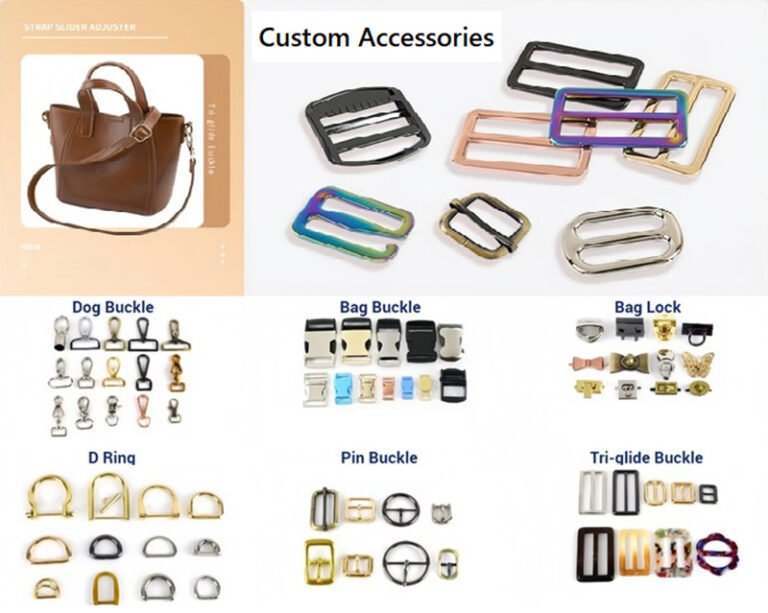
Zippers, pullers, buckles, adjusters, and metal parts affect daily use. Zippers should move smoothly around corners and main openings. Pullers should feel easy to grip. Buckles and adjusters should match webbing width. Metal parts should be checked for surface finish and fixing strength. For business and travel backpacks, hardware feel can strongly affect product value. For school and corporate orders, hardware should be reliable and easy to use.
- Open and close each zipper by hand.
- Review zipper curve and tape alignment.
- Check puller size and finish.
- Match buckle and adjuster with webbing.
- Inspect metal plates or hardware attachments.
Packing accuracy protects the finished order after production. Backpacks may need individual OPP bags, hangtags, barcodes, SKU stickers, care labels, carton marks, warehouse labels, and color-separated cartons. A packing mistake can delay store receiving or warehouse sorting, even when every backpack is correctly made. Final packing checks should compare product quantity, color split, SKU record, packing list, and carton marks before shipment.
- Confirm packing method by order record.
- Match the barcode, SKU, and color.
- Check the hangtag and label position.
- Separate cartons by style and color.
- Inspect carton mark and outer carton condition.
Packing Accuracy

Order Planning Examples For Backpack Programs
Different backpack orders need different control priorities. These examples show how quantity, material, structure, logo, packing, and delivery details may be planned before bulk work begins.
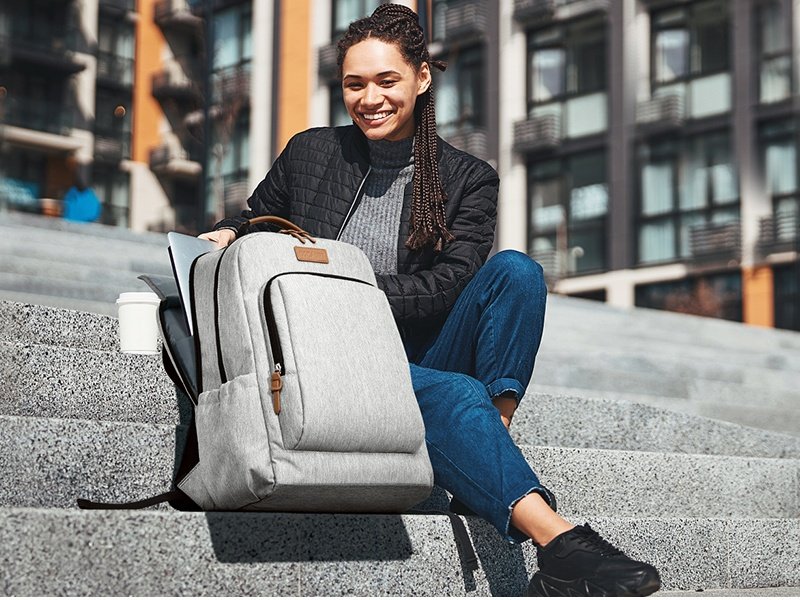


800 pcs Laptop Backpacks
A corporate laptop backpack order of 800 pcs may use 600D Oxford fabric, a 15.6-inch padded laptop compartment, an embroidered front logo, an individual OPP bag, and clear carton marks.
This kind of project usually needs a clean professional look, stable logo placement, and a delivery plan connected to an event, onboarding program, or internal distribution date. The key review areas are laptop sleeve size, shoulder strap comfort, zipper smoothness, handle strength, and logo position.
1,500 pcs. Travel Backpacks
A 1,500-piece travel backpack project may use nylon fabric in two colors, a luggage strap, a hidden back pocket, a front organizer, a woven label, a barcode sticker, and color-separated cartons. This type of order often needs better structure control because travel use involves loading, airport handling, quick access, and longer wearing time.
The key review areas are compartment access, zipper route, back panel support, strap comfort, hidden pocket placement, and carton volume.
3,000 pcs. School Backpacks
A 3,000-piece school backpack order may use polyester or 600D Oxford fabric, a reinforced bottom, side mesh pockets, a screen-printed logo, a name label, and color-separated cartons. This type of order usually needs stronger control over durability, cost, color sorting, and delivery timing. The structure should be simple enough for efficient production, but strong enough for daily student use.
The key review areas are fabric strength, zipper puller, shoulder strap width, bottom corner stitching, side mesh pocket quality, and packing separation.
A good backpack plan should not start with price only. The 800-piece corporate order focuses on laptop fit, logo, and delivery. The 1,500 pcs. Travel order focuses on structure, SKU, and travel function. The 3,000-piece school order focuses on durability, color sorting, and distribution timing. Each order needs a different control path.
Jundong can review reference photos, target size, material direction, logo files, quantity by color, packing needs, destination, and target arrival date before preparing the sample path. Clear early planning helps reduce repeated changes, late packing pressure, and avoidable bulk differences.
Prepare Private Label Packing Before Final Production
Backpack packing should be planned before finished goods arrive at the packing area. Retail, school, travel, corporate, and private label programs often need labels, barcodes, SKU sorting, and carton rules to match the product record.
| Packing Need | Used For | Files Needed | Control Detail |
|---|---|---|---|
| Individual OPP Bag | Retail, online, wholesale and warehouse handling | Bag size, sealing direction, warning wording if needed | Keep each backpack clean, folded and protected before carton packing |
| Hangtag | Retail shelf, brand story, travel and lifestyle programs | Artwork, size, hole position, string type | Check tag position so it does not cover logo, zipper or front pocket |
| Woven Label | Private label, retail lines, school and travel backpacks | Label artwork, size, fold type, sewing position | Confirm direction, stitch position and color before full assembly |
| Care Label | Retail, export and school programs | Material wording, care wording, language version | Confirm wording before sewing because late changes affect production flow |
| Barcode Sticker | Retail receiving, online inventory and warehouse scanning | Barcode file, SKU code, sticker size | Match barcode with style, color and packing list |
| SKU Sticker | Multi-color or multi-style backpack orders | SKU list, color name, sticker position | Separate colors and styles before final carton sealing |
| Carton Mark | Import, wholesale and warehouse receiving | Carton mark file, PO number, style code, color code | Match carton mark with carton number, color split and packing list |
| Color Sorting | School, retail and private label programs | Final quantity by color, carton packing rule | Reduce mixed-color confusion during receiving and distribution |
| Retail Insert Card | Store display, gift sets, product presentation | Insert artwork, paper type, size, fold line | Review card fit before packing so it does not deform the backpack |
| Warehouse Label | Appointed logistics or channel warehouse | Forwarder label, warehouse code, receiving label | Place labels on the correct carton side for easier receiving |
Private label backpack orders often fail at the final stage because packing files arrive late. A finished backpack may be correct, but missing barcode files, unclear SKU names, wrong carton marks, or late hangtag artwork can hold the order in the packing area. Jundong reviews packing needs earlier, especially for multi-color, multi-SKU, and retail programs.
Good packing records also support repeat orders. When the same backpack returns in a new color or updated SKU, saved label files, barcode rules, color names, carton marks, and packing notes help the next order move faster. For larger programs, packing accuracy protects store receiving, warehouse sorting, and replenishment.
Plan Quantity, Cost, and Delivery With Clear Records
Backpack order planning should connect quantity, material, structure, logo, packing, and delivery timing. A reliable quote needs enough product details before the price and schedule can be reviewed properly.
Quantity And MOQ Planning
the For standard custom backpack projects, 500 pcs per design is a realistic starting level. Some simple existing structures may be reviewed at 200–300 pcs case by case, while very low-unit-price basic styles, custom-molded patches, special fabric colors, or complex multi-SKU programs may need 1000 pcs or more. Quantity should be shared by style and color, not only as one total number.
An order of 2,000 pcs in one color is planned differently from 2,000 pcs split into four colors. Color split affects fabric purchasing, cutting, logo setup, label matching, carton marks, and packing time. For a retail backpack line, SKU names and color codes should be shared early. For a school or corporate program, distribution date and carton rules should be reviewed together with quantity.
Sample Cost And Timing
Regular backpack samples usually take about 5–7 days after main details are confirmed. Simple structures can move faster. Complex laptop compartments, special material, molded rubber patches, metal plates, custom zipper pullers, retail packing samples, or several color versions may need more time. The sample fee can be refunded or deducted when the bulk order reaches 2,000 pcs, based on project review.
Sample timing should not be judged only by speed. A good sample should confirm material, body shape, shoulder straps, back panel, laptop compartment, zipper route, logo method, and packing direction. Rushing a sample without enough details can create extra revisions later. Clear files at the start help the sample team move faster and reduce avoidable changes.
Bulk Production Schedule
Regular bulk backpack production often needs about 20–30 days after sample approval and material confirmation. Timing depends on quantity, material availability, structure complexity, logo method, color split, packing files and season. A simple corporate backpack order can move faster than a multi-compartment travel backpack with several colors, barcodes, and retail inserts.
Backpack production has many linked steps: material preparation, cutting, logo processing, sewing, function checking, final inspection, and packing. Late changes to hangtags, barcodes, logo files or carton marks can affect final shipment even when sewing is on schedule. Jundong reviews production records and packing files before bulk work, so the schedule is planned around real order details.
Cost Drivers
Backpack cost is shaped by material, size, structure, logo, packing, and order scale. A 600D Oxford school backpack, a nylon travel backpack, and a 1680D polyester business backpack cannot be priced by the same rule. Laptop padding, back panel foam, shoulder strap thickness, side pockets, hidden zipper pockets, bottom reinforcement, and custom pullers all affect labor and material use.
The logo method also changes the cost. Screen printing and heat transfer often fit larger basic programs. Embroidery, woven labels, rubber patches, metal plates, leather patches, and reflective logos can improve product value but need more setup and checking. Packing may also add labor when each piece needs an OPP bag, hangtag, barcode, SKU sticker, and carton sorting.

Delivery Planning
Delivery planning should begin before packing. Express shipment is often used for samples and urgent small parcels, commonly around 5–7 days depending on the destination and courier arrangement. Air freight may be reviewed for urgent bulk orders and often takes around 7–12 days after shipment arrangements. Sea freight is usually more suitable for planned larger orders and commonly takes around 40–45 days from departure, depending on the route, destination port, and onward delivery.
Destination, target arrival date, carton size, gross weight, trade terms, and forwarder choice should be shared early. If a brand uses an appointed forwarder, carton information, packing list, shipping marks, and pickup plan should be prepared before handover. Good delivery planning starts from the arrival date, not only from the factory finish date.
Make a sample first ?
A useful custom backpack should match more than a logo. It should match the people who will carry it, the items it will hold, the use scene it will serve, and the way it needs to be packed, shipped, received, and reordered. When size, fabric, laptop compartment, shoulder strap, back panel, zipper structure, pocket layout, logo method, label details, barcode rules, and carton marks are clear from the beginning, the whole project becomes easier to quote, sample, produce, inspect, and deliver.
Client Testimonials
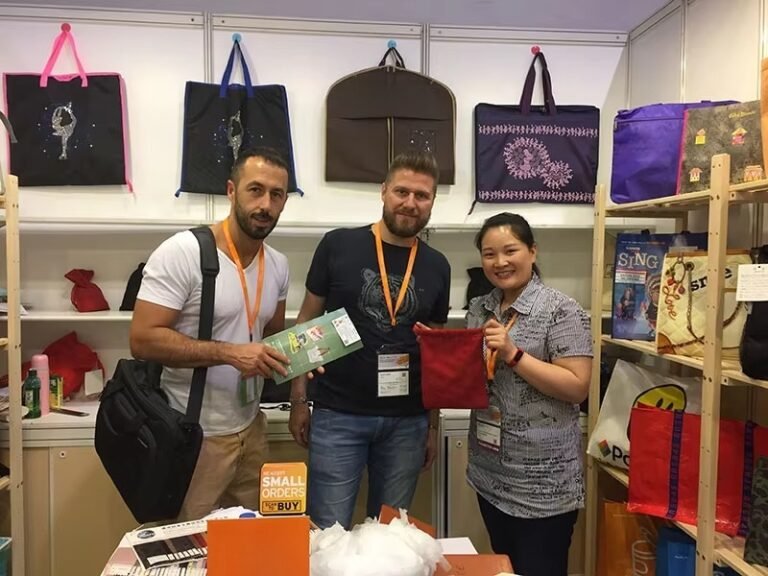
800+ brand Clients Trust Jundong


FAQs For Bulk Custom Backpack Orders
Before placing a custom backpack order, brand and procurement teams usually want clear details about MOQ, sample timing, material choice, laptop protection, logo methods, sample-to-bulk control, packing, delivery, and repeat orders. The FAQs below focus on decisions that affect real backpack projects, not generic product claims.

Can Jundong produce backpacks for bulk custom orders?
Certainly. Jundong develops custom backpacks for bulk programs, including laptop backpacks, travel backpacks, school backpacks, business backpacks, outdoor backpacks, sports backpacks, drawstring backpacks, and private label backpack lines. Projects can start from a reference photo, sample, sketch, tech pack, or product idea. The team reviews fabric, size, shoulder straps, back panel, laptop compartment, zipper system, logo method, labels, packing, and delivery plan before production begins. For larger orders, the value is not only making backpacks but also keeping approved details organized from sample to bulk work and later replenishment.
What MOQ should we plan for custom backpacks?
For standard custom backpack projects, 500 pcs per design is a realistic planning level. Some simple existing structures may be reviewed at 200–300 pcs, case by case. Very low-unit-price basic styles, special fabric colors, molded rubber patches, custom zipper pullers, or complex multi-SKU orders may need 1000 pcs or more. MOQ depends on material, structure, logo method, color split, packing, and order value. The best way to start is to share quantity by style and color, because one color at 2,000 pcs is planned very differently from five colors sharing the same total.
Can you develop from our sample, sketch, or tech pack?
Absolutely. A physical sample, sketch, or tech pack can all help the development team understand size, structure, function, and product level. A sample is useful for checking hand feel, zipper quality, shoulder strap curve, back panel, pocket depth, and laptop compartment. A sketch can show the intended design direction, while a tech pack helps confirm measurements and construction details. Jundong can review what should be kept, improved, or changed before sampling. If only reference photos are available, send front, back, side, inside, and wearing views with notes.
How long does backpack sampling take?
Usually, regular backpack sampling takes about 5–7 days after the main details are confirmed. Simple backpack structures may move faster, while complex laptop compartments, special fabric, molded patches, metal plates, custom zipper pullers, multi-color samples, or retail packing samples may need extra time. Sampling should confirm more than shape. It should review material, shoulder straps, back panel, laptop protection, zipper access, logo effect, and packing direction. If the bulk order reaches 2,000 pcs, the sample fee can be refunded or deducted based on project review.
Which materials are best for bulk backpacks?
Sure. Material should follow use, structure, and product level. 600D Oxford often works well for school, sports, and daily-use backpacks. Nylon can create a cleaner travel or commuter look. 1680D polyester gives stronger structure for business or utility-style backpacks. Canvas supports lifestyle and vintage designs. RPET works for eco-focused programs. PU can lift retail appearance but needs surface protection during packing. Mesh is better for side pockets or breathable back panels, not as the main load-bearing fabric. Jundong reviews fabric together with lining, zipper, webbing, foam, logo method, and packing plan.
Can you make laptop backpacks with padded compartments?
Definitely. Jundong can develop laptop backpacks with padded compartments for 13-inch, 14-inch, 15.6-inch, or 16-inch devices. Laptop protection should be reviewed as a full zone, not only as an inner sleeve. Key details include foam thickness, soft lining, bottom lift, zipper opening, back panel support, and sleeve size. A 2–3 cm bottom lift is often reviewed to help keep the device away from direct base impact. For bulk work, the laptop sleeve width, height, lining alignment, and access angle should be checked against the approved sample.
How do you control sample-to-bulk consistency?
Of course. Jundong connects the approved sample with material records, color notes, size details, zipper and hardware information, shoulder strap records, laptop compartment size, logo files, label placement, and packing rules. Before wider production continues, the first finished pieces should be compared with the approved sample. Key checks include body shape, front panel balance, strap position, zipper smoothness, logo placement, laptop sleeve, and packing accuracy. For repeat orders, saved records help new colors or replenishment follow the earlier approved standard more closely.
Can one order include several colors or SKUs?
Certainly. One custom backpack order can include several colors or related SKUs when quantity, material supply, and packing records support it. The key is to share a clear split by style and color before production planning. Multi-color orders need stronger control over material purchasing, cutting separation, zipper tape color, lining color, logo checking, barcode files, SKU stickers, and carton marks. For retail and private label programs, color names and SKU codes should be fixed before packing starts, so warehouse receiving and later replenishment can run more smoothly.
Can Jundong support private label packing and barcodes?
Absolutely. Jundong can support individual OPP bags, hangtags, woven labels, care labels, barcode stickers, SKU stickers, carton marks, color sorting, and warehouse labels. For retail backpacks, packing is part of the product plan because it affects store receiving, online inventory, warehouse sorting, and replenishment. Packing files should be confirmed before finished goods enter the packing area. Late barcode files, wrong carton marks, or missing hangtag artwork can delay shipment even when backpacks are already sewn. Early packing review keeps the final stage cleaner.
What should we send for a useful backpack quote?
For a useful backpack quote, send reference photos, target size, backpack type, material direction, logo file, logo position, laptop size if needed, quantity by color, packing needs, destination, and target arrival date. A complete tech pack is helpful, but not required for the first review. If the backpack needs hidden pockets, a luggage strap, a padded back panel, a reinforced bottom, side mesh pockets, or retail packing, mention these details early. A quote based on real product details is more reliable than a quick number based on “custom backpack” only.
Start Your Backpack Bulk Review
Share your backpack idea, reference photo, sample image, or product file with Jundong. The team can review material, structure, laptop compartment, logo method, sample path, order quantity, packing rules, and delivery plan before production begins. Clear early details help reduce repeated revisions, late packing pressure, and avoidable differences between sample and bulk work.
Please prepare:
- Reference photos or sample photos
- Backpack type and target size
- Laptop size if needed
- Material preference or expected hand feel
- Logo artwork and logo position
- Quantity by style and color
- Packing, label, barcode, and carton mark needs
- Target arrival date and destination
- Retail, travel, school, outdoor, laptop, or corporate use notes
Files can be sent through the inquiry form or by email when attachments are easier to share: info@jundongfactory.com