 Skip to content
Custom Travel Bags for Brands, Retailers, and Travel Programs
Custom travel bags, weekender bags, duffel bags, toiletry bags, packing cubes, shoe bags, and travel organizer sets for retail lines, corporate gifts, hotel programs, airline projects, e-commerce brands, and long-term travel product collections.
- Sampling Before Bulk Travel Bag Production
- Travel Bags Built for Retail, Gift, and Travel Programs
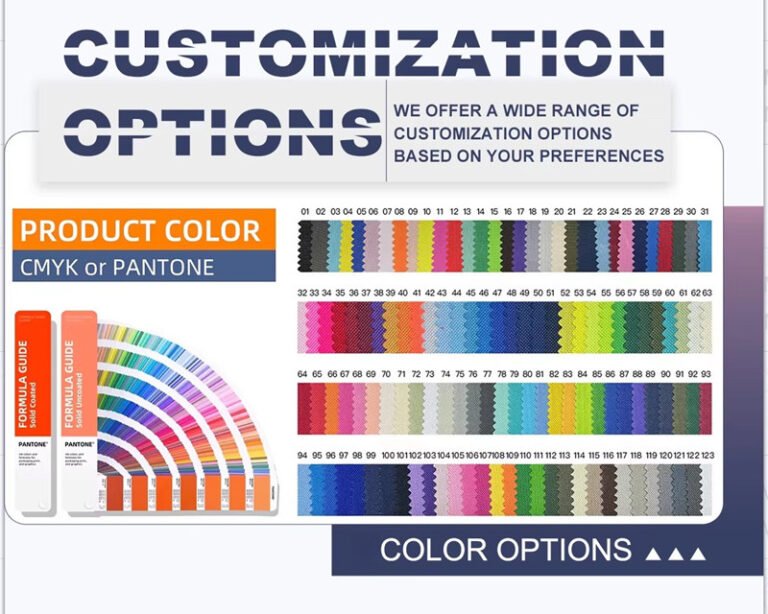
- Logo, Private Label, Hangtag, Barcode, and SKU Support
- Export Packing for Retailers, Brands, and Travel Programs
- Full Line Support: Duffels, Weekenders, Toiletry Bags, Packing Cubes
- Functional Compartments for Shoes, Toiletries, Wet or Dry Items, and Organizers

Custom Travel Bags for Brand and Retail Programs
Travel bags are not simple carry items for brand and retail projects. They are used during weekend trips, business travel, gym routines, hotel stays, airline programs, employee gifts, online retail orders, and seasonal product launches. A good travel bag should look brand-ready, carry well, organize items clearly, and stay useful after repeated use.
Jundong supports custom travel bags for retail travel lines, corporate gift programs, hotel amenity projects, airline travel sets, e-commerce private labels, sports travel collections, promotional gift kits, and long-term accessory programs. Each project can be adjusted by bag style, material, lining, compartment layout, zipper, handle, shoulder strap, trolley sleeve, logo detail, label, retail packing, barcode, SKU, carton mark, and export packing.
A better travel bag project starts with the real channel and use scene:
- Will the bag be sold in retail, given as a corporate gift, or included in a travel program?
- Will users carry clothing, shoes, toiletries, cosmetics, electronics, documents, or gym gear?
- Does the bag need to feel premium, lightweight, sporty, natural, or practical?
- Does it need retail packaging, barcodes, SKU labels, or gift set packing?
- Will the project include one bag, a full travel set, or a long-term product line?
- Will future orders need new colors, new labels, or matching accessories?
A custom travel bag should support the way people pack, move, store, and reuse the product. When the style, structure, material, and packaging match the channel, the product becomes easier to sell, easier to gift, and easier to reorder.

| Project Type | Better Travel Bag Direction |
|---|---|
| Retail travel line | Consistent style, hangtag, barcode, SKU control |
| Corporate gift program | Clean logo, practical function, gift-ready packing |
| Hotel or airline project | Compact travel pouch, toiletry bag, amenity set |
| E-commerce private label | Differentiated design, clear packing, repeatable specs |
| Sports travel program | Duffel bag, shoe pocket, wet/dry storage |
| Lifestyle brand collection | Canvas, PU detail, woven label, natural look |
| Travel accessory set | Packing cubes, toiletry bag, shoe bag, organizer pouch |
| Long-term product line | Saved specs, color updates, repeat order records |
Travel Bag Styles for Gifts, Retail, and Travel Use
Different travel projects need different bag styles. A corporate travel gift may need a clean duffel bag or toiletry kit. A retail travel line may need matching weekender bags, packing cubes, shoe bags, and organizer pouches. A hotel or airline program may need compact amenity bags, toiletry pouches, or travel kits. An e-commerce private label may need a clear product family that can grow into new colors, sizes, and sets.
Choosing the right style starts with the user journey. Weekend travelers need enough room for clothing, toiletries, shoes, and small electronics. Business travelers may need a cleaner shape, inner pockets, and trolley sleeve. Gym travelers may need a shoe compartment and wet/dry storage. Retail partners may look for clear packaging, easy shelf display, and SKU separation. Gift programs may need a product that feels useful but not too bulky to ship.
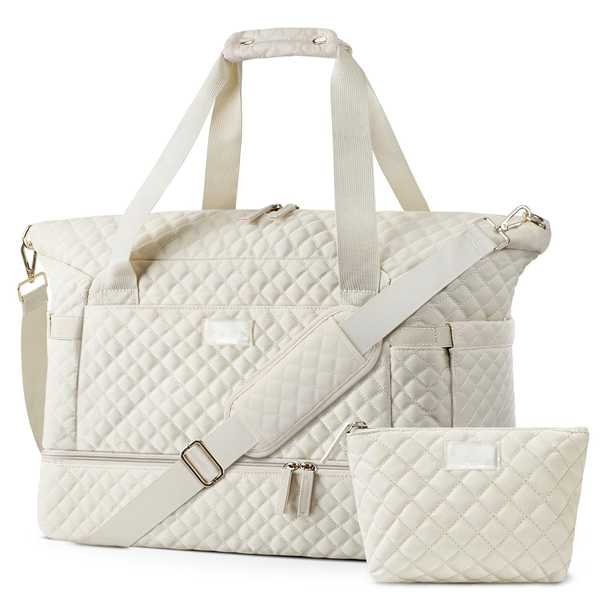
Weekender Travel Bag
A weekend travel bag suits short trips, overnight stays, and city breaks. It provides enough space for clothing, keeps a stable shape, and can include a shoulder strap for easy carrying.

Business Travel Duffel
A business travel duffel suits short work trips and carry-on use. A clean shape, inner pockets, and trolley sleeve help organize clothes, documents, and travel items.
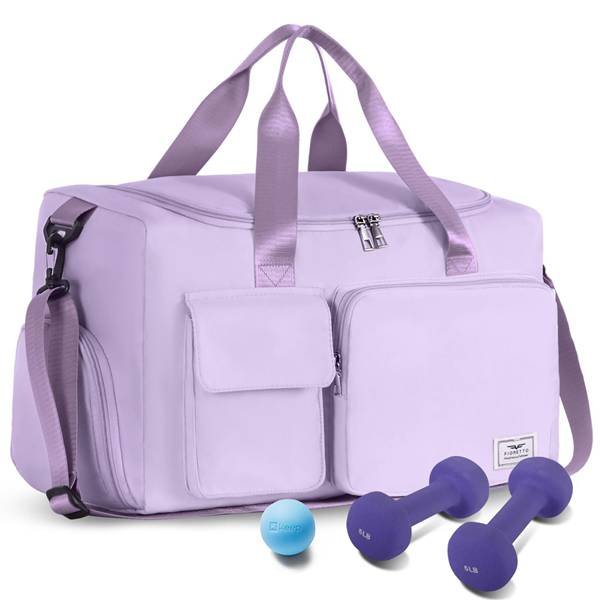
Sports Travel Bag
A sports travel bag suits gym, fitness, and active travel use. Shoe pockets, wet and dry areas, and strong handles help separate shoes, clothes, towels, and personal items.
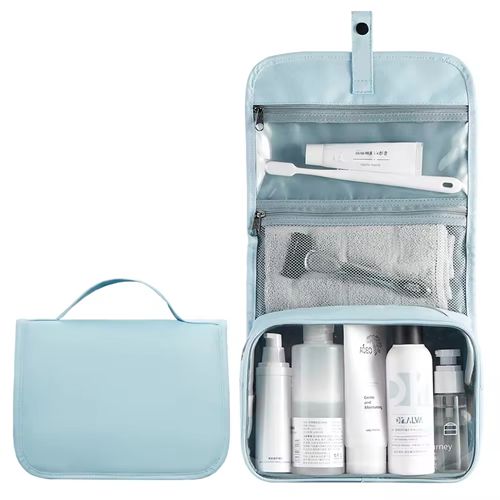
Hotel Toiletry Bag
A hotel toiletry bag suits airline programs, hotels, resorts, and amenity sets. Compact size, easy packing, and logo details make it practical for branded guest use.

Matching Travel Set
A matching travel set suits retail collections and brand travel programs. Hangtags, barcodes, SKU labels, and color series help with display, stock control, and repeat orders.
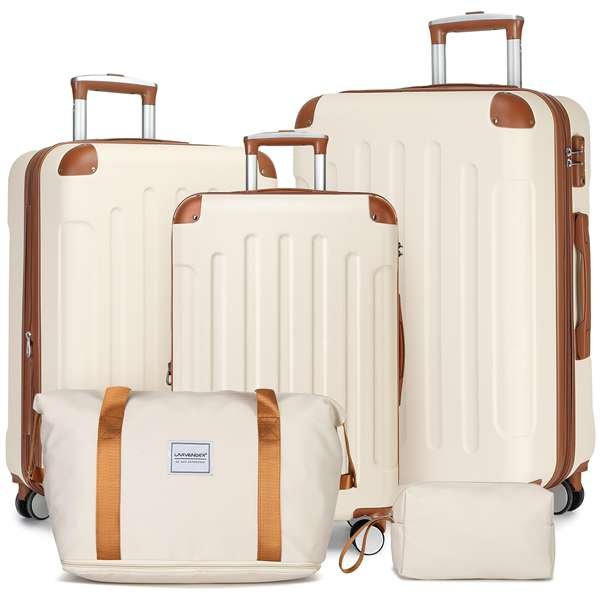
Travel Organizer Set
A travel organizer set suits e-commerce private label programs. Clear product family design, repeated specifications, and easy packing help build a neat travel storage collection.

Travel Gift Set
A travel gift set can combine a duffel bag and toiletry bag for company gifts, travel promotions, hotel campaigns, and branded packing projects.
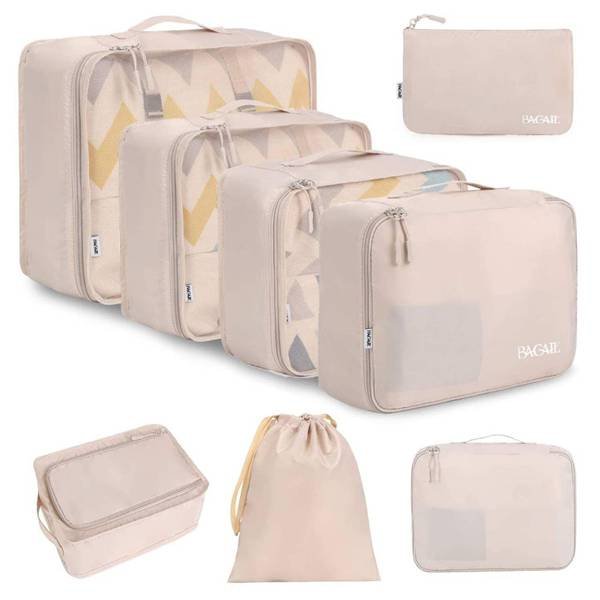
Packing Cube Set
A packing cube set helps users sort clothing, underwear, accessories, and travel items by size or use. It keeps luggage cleaner and easier to manage.
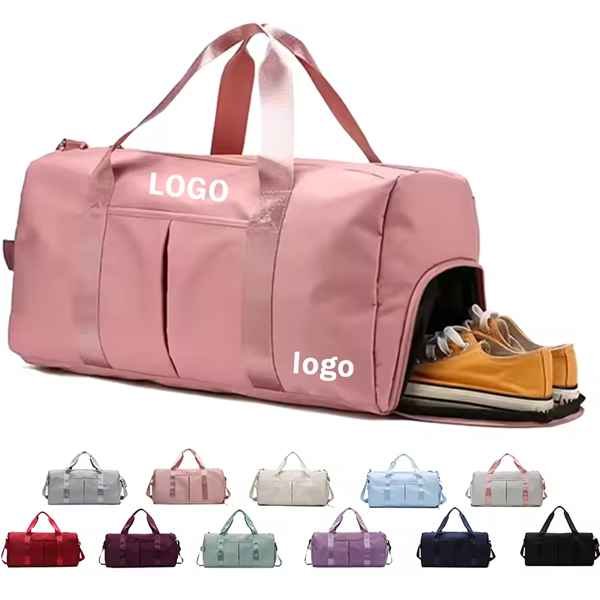
Travel Shoe Bag
Keeps shoes separate from clean clothing. Compact shape and easy-clean material make it practical for travel and sports packing.

Light Travel Pouch
A light travel pouch suits chargers, cosmetics, toiletries, small accessories, and daily travel items. Simple structure and flexible size make it practical for many travel programs.
Travel bag product options can include travel duffel bags, weekender bags, carry-on duffel bags, toiletry bags, Dopp kits, packing cubes, shoe bags, laundry bags, garment bags, organizer pouches, foldable travel bags, passport wallets, and travel pouch sets.
These styles can support hotel programs, retail travel lines, e-commerce collections, gift sets, sports travel, light storage, and private label travel projects.
Materials for Durable and Brand-Ready Travel Bags
Travel bag material affects weight, handfeel, structure, durability, water resistance, logo result, packing volume, and retail value. A travel pouch, gym duffel, weekend bag, toiletry kit, and premium gift set should not use the same material plan.
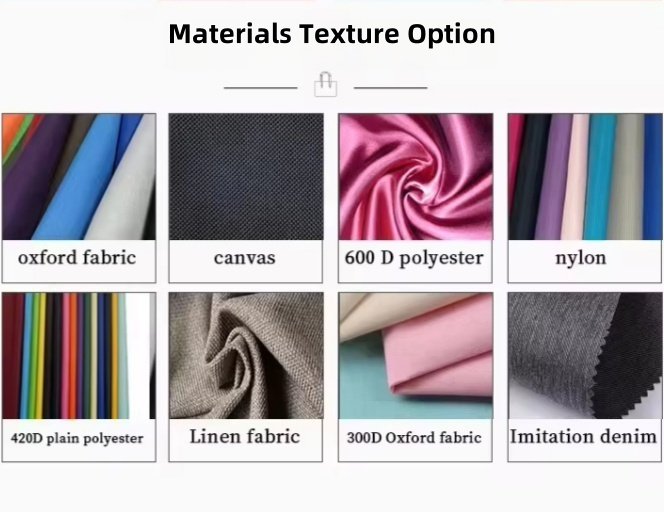
Polyester is a practical choice for corporate gifts, promotional travel bags, and cost-sensitive retail products. Nylon gives a smoother, lighter, and sportier feel, making it suitable for gym travel, outdoor travel, and compact organizers. Oxford fabric works well for travel duffels and weekend bags that need better structure and wear resistance. Canvas creates a natural lifestyle look for retail and gift programs. PU leather can add a business or premium appearance, especially for handles, patches, trims, and gift-style products. PVC or TPU coated fabric is useful for toiletry bags, wet/dry pouches, and easy-clean areas. Mesh works well inside packing cubes and organizer pockets because it helps users see contents. RPET can support reusable travel programs where a recycled material story fits the brand.
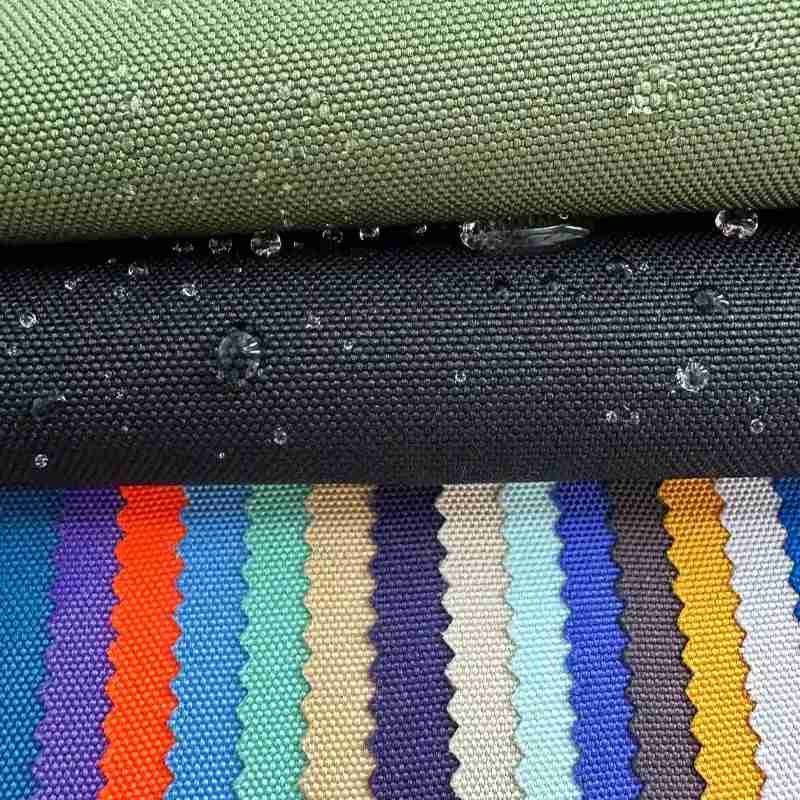
Polyester
Polyester suits gift, promotion, and basic retail travel bags. It is light, cost-friendly, easy to print, and practical for bulk programs.

Nylon
Nylon suits lightweight travel bags, sports bags, and organizer styles. It offers a smooth feel, light weight, and water-splash resistance.

Canvas
Canvas suits lifestyle retail bags and gift programs. Its natural texture and reusable feel help create a relaxed, practical brand image.

Oxford fabric
Oxford fabric suits duffel bags, weekenders, and gym travel bags. It provides stronger structure, wear resistance, and better daily durability.

PU leather
PU leather suits business gifts and premium travel details. It gives bags a cleaner appearance and a more refined brand tone.

Mesh
Mesh suits packing cubes and inner organizer pouches. Its breathable and visible structure helps users find contents quickly during travel.

RPET
RPET suits reusable travel lines and eco-style collections. Its recycled material story supports brands that need a greener product direction.

PVC / TPU coated fabric
PVC or TPU-coated fabric suits toiletry bags and wet/dry pouches. It offers easy cleaning and better water-resistant performance.
Good material decisions help travel bags match real use. Fabric weight, lining, coated areas, mesh panels, zipper, hardware, handle, strap, logo method, padding, and carton volume should be reviewed together before production.
This helps improve durability, packing efficiency, cleaning performance, brand appearance, and daily user experience.
Compartments, Shoe Storage, and Wet/Dry Function
The inside of a travel bag often decides whether users keep using it. A good travel bag should help people separate clothing, shoes, toiletries, wet items, electronics, cosmetics, documents, and small accessories without making the bag hard to pack.
Functional layout should match the travel purpose. A weekend bag may need a wide main compartment, inner zipper pocket, and detachable shoulder strap. A gym travel bag may need shoe storage and a wet/dry pocket. A business travel bag may need a laptop sleeve, trolley sleeve, and clean outer shape. A toiletry bag may need coated lining, elastic loops, mesh pockets, and easy-clean details. Packing cubes need size grouping, breathable mesh, and zipper quality. A travel gift set may need several matching pieces that feel connected through material, color, and logo detail.
| Function | Better Use | Design Detail |
|---|---|---|
| Main compartment | Clothing, towels, travel items | Wide opening and stable shape |
| Shoe compartment | Gym, sports, weekend travel | Separate space and easy-clean lining |
| Wet/dry pocket | Swimwear, towels, toiletries | Coated lining or water-resistant section |
| Toiletry pocket | Personal care items | Easy-clean surface and small organizers |
| Mesh organizer | Packing cubes and inner pockets | Breathability and content visibility |
| Laptop sleeve | Business travel | Padding and stable placement |
| Trolley sleeve | Carry-on travel | Fits luggage handle and improves mobility |
| Inner zipper pocket | Keys, cards, small items | Secure small-item storage |
| Side bottle pocket | Gym or outdoor travel | Easy access and stable placement |
| Detachable strap | Duffels and weekenders | Flexible carry style |


Before sampling, confirm what users will pack, whether shoe storage, wet/dry space, toiletry storage, laptop protection, a trolley sleeve, large capacity, or multiple compartments are needed.
Cleaning method, folding structure, gift-set packing, travel use scene, and logo placement should also be reviewed early for smoother sample development.
Size Planning for Weekend, Business, and Gift Travel Bags
Travel bag size should match the real use, not just a popular sample. A weekend bag, business travel bag, gym duffel, toiletry kit, packing cube set, and corporate gift bag all need different capacity logic.
A weekend travel bag may need room for clothing, shoes, toiletries, chargers, and small accessories. A business travel bag may need a clean profile, laptop space, document storage, and a trolley sleeve. A gym travel bag may need more depth for shoes, towels, bottles, and wet items. A toiletry bag should fit bottles, brushes, cosmetics, shaving tools, or amenity items without becoming bulky. Packing cubes need size grouping so users can separate tops, bottoms, underwear, accessories, and laundry.
Size also affects cost, carton volume, retail display, and shipping efficiency. A bag that is too small may feel limited. A bag that is too large may increase material use and freight cost without adding value. For gift programs, the size should feel useful but still be easy to pack, store, and distribute.

| Use Scene | Better Size Direction | Key Detail |
|---|---|---|
| Weekend trip | Medium to large weekender bag | Clothing, shoes, toiletries, chargers |
| Business travel | Carry-on style travel bag | Laptop, documents, trolley sleeve |
| Gym travel | Duffel with depth | Shoes, towel, bottle, wet/dry pocket |
| Hotel amenity kit | Compact toiletry pouch | Small bottles and personal care items |
| Airline travel set | Lightweight organizer set | Easy packing and low carton volume |
| Retail travel line | Size family | Small, medium, large SKU options |
| Corporate gift | Practical but not bulky | Easy gift packing and delivery |
| Packing cubes | Multi-size set | Clothing sorting and suitcase fit |
| Shoe bag | Footwear-based sizing | Sneaker, formal shoe, or travel slipper fit |
Before sampling, confirm the main items to be packed, number of travel days, target use, and product format, such as carry-on, weekend travel, gym, sports, business trips, or gift programs. Shoe size, bottle size, laptop protection, document storage, packing cube dimensions, retail package size, inner compartment layout, folding needs, carton quantity, and carton volume should also be reviewed early for smoother sample development.
Logo, Labels, Private Label, and Retail Packaging
Travel bags carry a brand for a long time. The logo, label, zipper puller, tag, and packing details should feel consistent with the product level and sales channel.
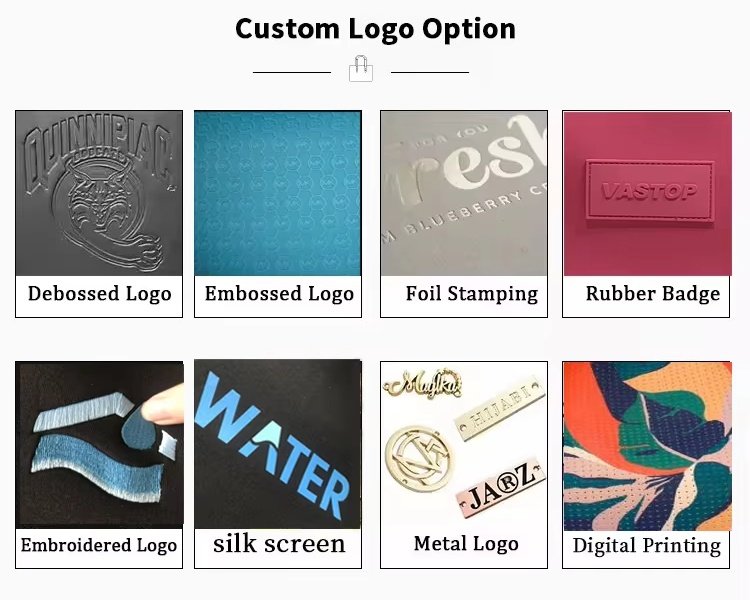
A simple corporate travel gift may need clean embroidery, heat transfer, or a woven label. A retail travel line may need hangtags, barcode stickers, SKU labels, care labels, inner labels, and individual packing. A premium weekender bag may use PU patches, metal plates, custom zipper pullers, or subtle tonal branding. A toiletry bag or packing cube set may need smaller labels, size marks, and set packing.
Brand detail should match the material and use. Embroidery can look strong on canvas or thicker fabric. Heat transfer works well for clean logos on many synthetic materials. Woven labels and rubber patches can create a durable brand mark without covering a large area. Custom zipper pullers can add detail to travel bags, toiletry kits, and organizer pouches. Hangtags and barcodes help retail and warehouse handling.
Embroidery
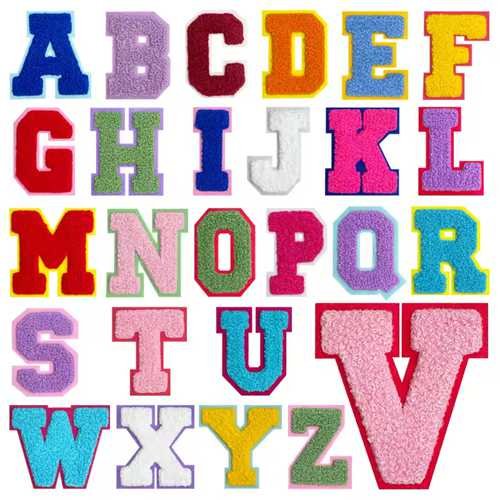
Embroidery suits canvas, Oxford, and premium gift bags. It gives logos a textured, durable, and higher-value brand look.
Heat transfer

Heat transfer suits clean logos on synthetic fabrics. It works well for colorful artwork, smooth surfaces, and small branding details.
Screen printing
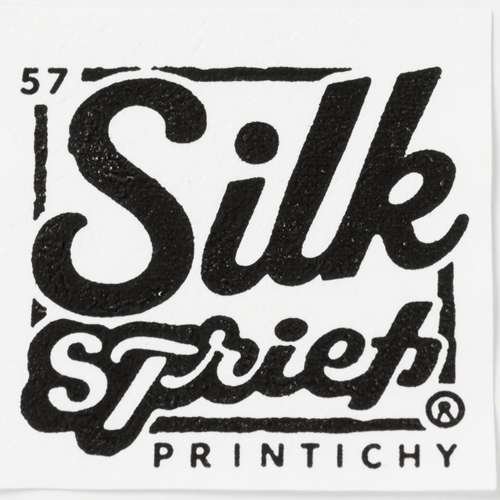
Screen printing suits simple logos and larger runs. It offers clear color, stable placement, and practical cost control.
Woven label
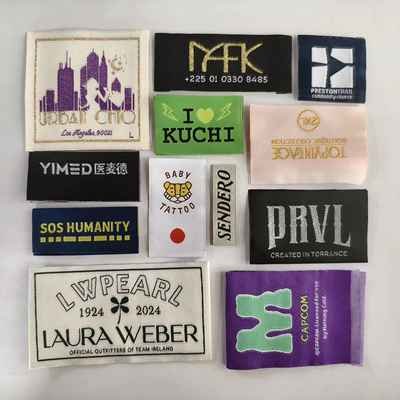
Woven labels suit retail travel lines and private label projects. They add product identity, size details, and brand recognition.
Rubber patch
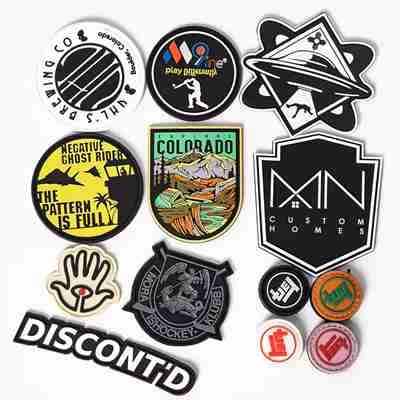
Rubber patches suit sports, outdoor, and durable travel bags. They create a strong, modern, and flexible logo effect.
PU patch

PU patches suit lifestyle and premium travel styles. They add a refined leather-like detail for bags, pouches, and sets.
Metal plate
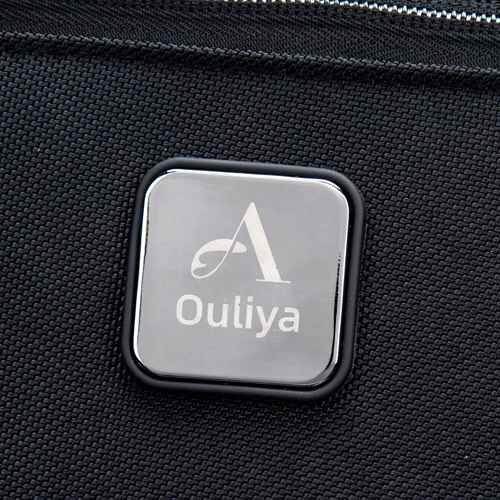
Metal plates suit business gifts and higher-value styles. They give travel bags a clean, polished, and premium appearance.
Custom zipper puller

Custom zipper pullers suit duffels, toiletry bags, and organizer pouches. They improve function, detail, and brand visibility.
Inner label
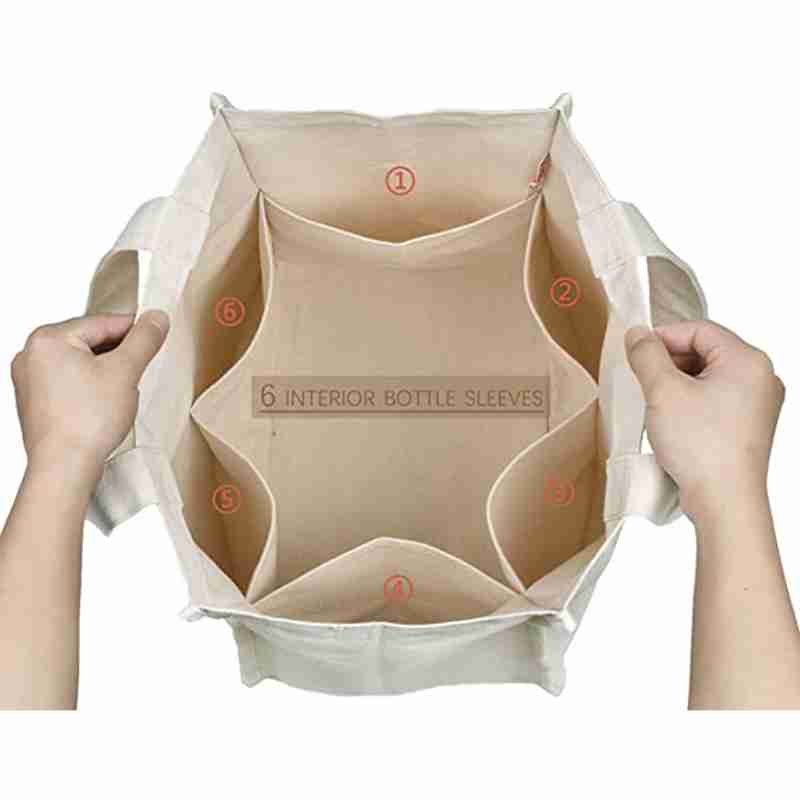
Inner labels show product identity, size, or version details. They help manage styles, colorways, and repeat orders.
Care label

Care labels suit retail and reusable travel products. They show cleaning guidance, material details, and daily use instructions.
Hangtag

Hangtags support retail display and product information. They can show features, material, branding, barcode, and care notes.
Barcode / SKU label

Barcode and SKU labels help store, warehouse, and online channel control. They support sorting, scanning, packing, and delivery.
Before production, confirm the logo method and position, main label, inner label, hangtag size, attachment method, barcode format, SKU rules, care instructions, and material notes. Gift box, individual bag, set packing, color versions, size versions, retail channel needs, warehouse receiving rules, and carton details should also be reviewed early.
Travel Gift Sets, Packing Cubes, and Accessory Programs
Many travel projects work better as a set instead of a single bag. A matching travel set can create higher retail value, better gift appeal, and a more complete brand experience.
A retail brand may build a travel line with weekender bags, toiletry bags, packing cubes, shoe bags, laundry bags, and organizer pouches. A corporate gift program may combine a duffel bag with a toiletry kit or packing cube set. A hotel or airline project may use amenity pouches, compact wash bags, passport wallets, and small travel organizers. An e-commerce brand may start with one travel pouch and later add matching colors, sizes, and accessories.
Set planning helps control visual consistency. Materials, color, zipper, label, logo position, lining, and packing should feel connected across the collection. If the products are sold as a set, the sizes should nest or pack together neatly. If they are sold separately, the SKU system and packaging should make each item easy to identify.
| Set Type | Possible Items |
|---|---|
| Weekend travel set | Weekender bag + toiletry bag + shoe bag |
| Corporate gift set | Duffel bag + packing cube + logo pouch |
| Hotel/airline set | Amenity bag + toiletry pouch + small organizer |
| Retail travel accessory set | Packing cubes + laundry bag + shoe bag |
| Sports travel set | Gym duffel + wet/dry pouch + shoe bag |
| Lifestyle brand set | Canvas weekender + organizer pouch + cotton shoe bag |
| E-commerce starter line | Travel pouch + toiletry bag + packing cube |
| Premium gift set | PU-trimmed travel bag + gift box + insert card |

For travel set planning, confirm matching material, color story, zipper, label, logo style, packing cube size groups, shoe bag size, and laundry bag dimensions. Gift box, sleeve packaging, barcode, SKU rules, set packing, individual packing, and future add-on products should also be reviewed early for better collection control.
Cost Planning for Bulk Custom Travel Bag Orders
Custom travel bags have more cost variables than simple flat bags. Material, lining, structure, compartments, zipper quality, hardware, padding, handle strength, logo method, retail packaging, carton volume, and order quantity all affect the final cost.
A practical cost plan should protect the parts users rely on during travel: zipper movement, handle strength, shoulder strap comfort, compartment layout, lining durability, and bag shape. Lower cost should not come from weakening these areas too quickly. Instead, cost can often be managed through smarter material choice, suitable size, simpler structure, standard hardware, efficient logo method, and clear packing plan.
Different projects need different cost logic. A corporate travel gift may need clean branding and practical use without too many compartments. A retail weekender bag may need stronger fabric, better zipper, hangtag, barcode, and individual packing. A packing cube set may need lighter fabric but stable zipper and clear size grouping. A toiletry bag may need coated lining and easy-clean construction.
Outer material

Outer material affects bag appearance, durability, weight, and cost. Fabric choice should match travel use, brand style, and target price.
Bag size

Bag size affects material use, capacity, carton volume, and shipping cost. Larger travel bags need careful size and packing review.
Lining

Lining affects structure, cleaning, and product feel. Smooth, coated, or padded lining can improve daily use and storage function.
Compartments

Compartments add storage function and better organization. More pockets can improve user experience but may increase sewing time and labor cost.
Shoe / wet pocket
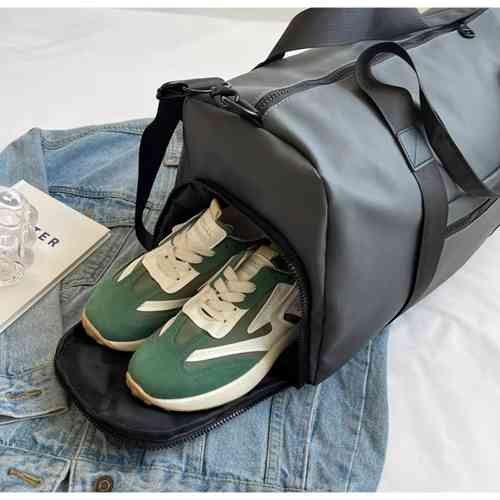
Shoes or wet pockets improve practical travel use. They add material, lining, zipper work, and sewing steps to the bag.
Zipper quality
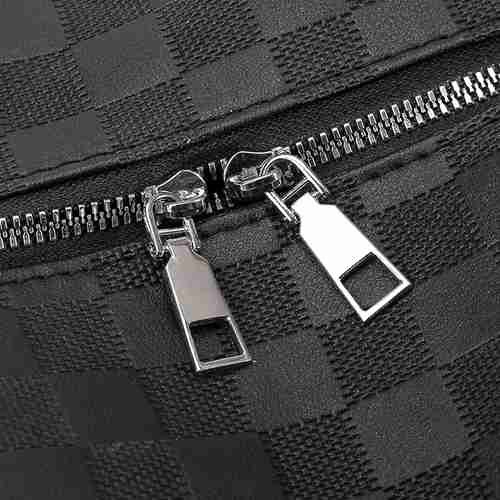
Zipper quality affects daily use, product value, and customer experience. Smooth zipper movement helps reduce complaints after repeated opening.
Hardware
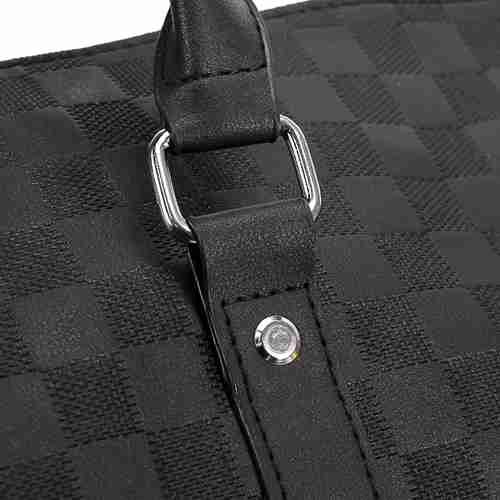
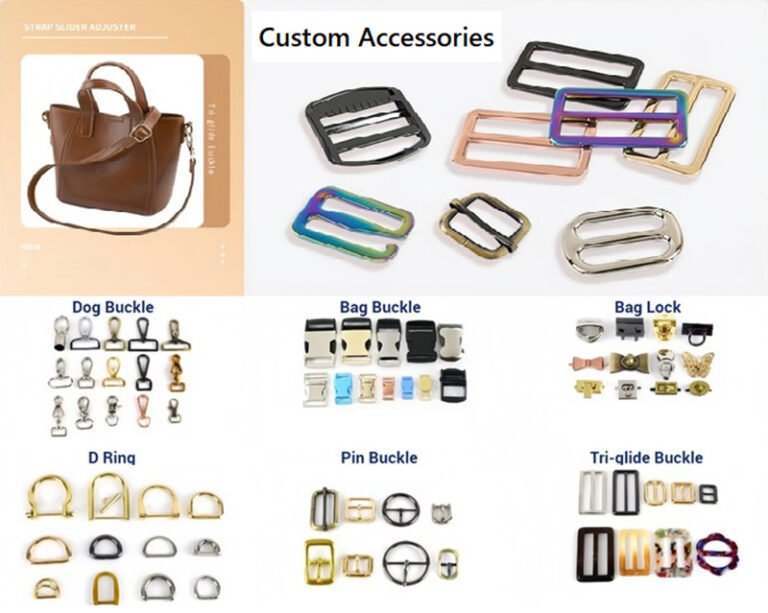
Hardware such as buckles, hooks, rings, and plates affects bag cost, strength, appearance, and overall product grade.
Handle / strap

Handle and strap design affects carrying comfort and load strength. Webbing width, padding, stitching, and length should match bag capacity.
Padding
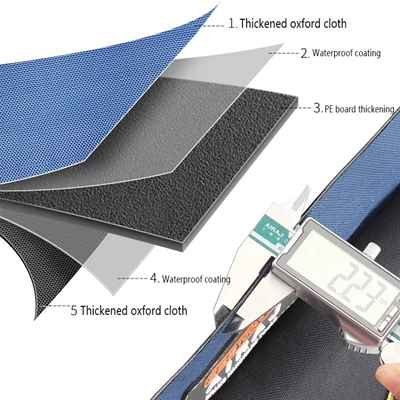
Padding adds comfort and protection but increases thickness, weight, carton volume, and packing space for travel bag orders.
Logo method

The logo method affects cost, surface effect, durability, and brand presentation. Printing, embroidery, patches, and labels suit different materials.
Retail packing

Retail packaging includes hangtags, barcodes, gift boxes, sleeves, and individual bags. These details add handling time and packing cost.
Quantity

Order quantity affects setup cost, unit price, material planning, and production flow. Larger orders can spread preparation costs more evenly.
To control travel bag cost, keep the structure close to real use and avoid unnecessary compartments. Use stronger materials only on stress areas, match hardware to the price level, and choose the logo method based on fabric, order size, and brand style.
Retail labels, packaging, carton volume, bulky shapes, material availability, and future reorders should also be reviewed early. This helps reduce waste, improve packing efficiency, and keep production more stable.
Sampling Before Travel Bag Production
A travel bag sample should confirm more than appearance. It should show how the bag carries, opens, closes, stores, separates items, displays the logo, fits into packaging, and supports the final sales channel.
For travel bags, sampling is especially useful because structure matters. A weekender bag may look attractive but feel too soft after loading clothes. A shoe compartment may look large but fail to fit the target shoe size. A toiletry bag may look clean outside but become hard to wipe inside. A packing cube may look simple but need better zipper movement and size grouping. A corporate travel gift may look good in photos but feel too bulky after gift packing.
Jundong supports sample development through material review, pattern adjustment, compartment checking, zipper testing, handle and shoulder strap review, logo proofing, label placement, and packing reference confirmation. The sample stage helps reduce mistakes before bulk production, especially for multi-SKU travel sets, private label travel bags, retail travel accessories, and corporate gift programs.

| Sample Detail | Why It Matters |
|---|---|
| Bag size | Confirms real travel capacity and packing volume |
| Material feel | Shows texture, weight, and brand positioning |
| Lining | Affects cleaning, structure, and product feel |
| Zipper movement | Decides daily ease of use |
| Compartments | Checks shoe storage, wet/dry pocket, inner pockets |
| Handle and strap | Affects carrying comfort and strength |
| Logo position | Keeps branding clean and balanced |
| Labels and tags | Confirms retail and private label details |
| Packing method | Checks polybag, gift box, set packing, carton fit |
| Loaded shape | Shows how the bag looks with real items inside |
The sampling path starts with bag style, target size, use scene, material idea, quantity, logo file, and packing needs. After that, fabric, lining, zipper, handle, strap, compartments, labels, and logo methods are confirmed.
The first sample is checked for size, structure, material, logo effect, and loading performance. Shape, pocket layout, zipper, handle length, label position, and packing details can be adjusted before final sample approval and bulk production.
Quality Checks for Travel Bags and Accessories
Travel bags are used with weight, movement, repeated opening, packing, and unpacking. Quality checks should cover more than surface appearance. Zippers, handles, shoulder straps, seams, compartments, lining, labels, and packing details all affect how the product performs after delivery.
Common risks include uneven fabric shade, weak zipper movement, loose pullers, rough lining, inaccurate compartment size, weak handle attachment, poor shoulder strap stitching, incorrect logo position, mixed colors, missing labels, wrong barcode, poor gift packing, and unclear carton marks. These problems are more serious when the order includes retail SKUs, travel gift sets, or several product versions.
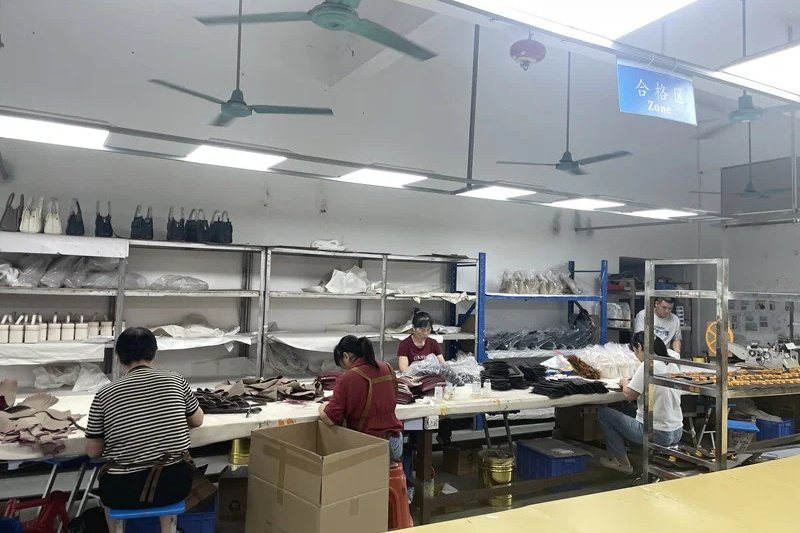
Quality review should start before cutting and continue through production and packing. Fabric, lining, and trims should be checked before sewing. Zipper, handle, strap, pocket, and compartment details should be reviewed during production. Finished goods should be checked against the approved sample. Packing should be checked by color, size, SKU, label, barcode, gift box, carton quantity, and carton mark.
Jundong works with a quality team of 80 inspectors, supporting checks across incoming materials, production, finished goods, and packing. For travel bag projects, this helps review structure, function, brand details, and shipping-ready packing before delivery.

| Inspection Area | What Gets Checked |
|---|---|
| Fabric | Shade, defects, coating, handfeel, thickness |
| Lining | Clean surface, attachment, seam finish |
| Cutting | Size accuracy and panel matching |
| Zipper | Smooth movement, puller strength, alignment |
| Handle | Stitching, strength, comfort, placement |
| Shoulder strap | Webbing, hooks, adjuster, attachment |
| Hardware | Buckles, D-rings, sliders, metal plates |
| Compartments | Shoe pocket, wet/dry pocket, mesh pocket, laptop sleeve |
| Logo | Position, color, clarity, durability |
| Labels | Inner label, care label, hangtag, SKU, barcode |
| Packing | Polybag, gift box, set packing, carton quantity |
| Carton marks | Item code, color, size, SKU, quantity, carton number |
Quality control should use the approved sample as the production reference. Material, trims, logo proof, zipper, handle, strap, compartments, finished size, and function should be checked at the right production stages.
Before shipment, labels, barcodes, SKU details, carton marks, packing method, and carton quantity should also be reviewed to reduce mistakes and keep bulk orders consistent.
Retail Labels, SKUs, Cartons, and Export Packing
For travel bags sold through retail, e-commerce, corporate gift channels, hotel programs, airline projects, or distributors, packing details can affect receiving, storage, shelf display, and repeat orders. A well-made bag can still create problems if labels, barcodes, SKUs, cartons, and packing lists are not clear.
Retail-ready travel bag orders may need hangtags, barcode stickers, SKU labels, care labels, inner labels, insert cards, individual polybags, gift boxes, set packing, color separation, size separation, and carton marks. If the project includes travel duffels, toiletry bags, packing cubes, shoe bags, and organizer pouches in one collection, each item should have clear identification.
Multi-SKU control is especially useful for retail and e-commerce projects. The same travel bag may have several colors, different sizes, different zipper pullers, different labels, or different channels. A clear SKU and carton plan helps warehouses receive, store, scan, and restock the products faster.
| Detail | Common Use |
|---|---|
| Hangtag | Retail display and product information |
| Barcode sticker | Store scanning and warehouse receiving |
| SKU label | Color, size, and product version control |
| Care label | Reusable travel products and retail lines |
| Inner label | Private label and product identity |
| Insert card | Gift message, care note, or brand story |
| Individual polybag | Cleaner delivery and basic protection |
| Gift box | Premium travel gift sets |
| Set packing | Packing cubes, toiletry kits, accessory bundles |
| Color/size separation | Multi-SKU retail or e-commerce projects |
| Carton marks | Item code, SKU, quantity, color, carton number |
| Packing list | Warehouse receiving and shipment checking |


Before production, confirm the sales channel, such as retail, e-commerce, gift, hotel, airline, or distributor use. Barcode format, SKU rules, hangtag layout, care label content, individual packing, set packing, gift box, or polybag should also be reviewed.
Mixed-SKU carton rules, carton quantity, carton mark format, warehouse labels, destination labels, destination country, and regional delivery needs should be checked early to support smoother packing, shipping, and receiving.
Guangdong Bag Factory for Long-Term Travel Bag Programs
Travel bag projects often grow over time. A brand may start with one weekender bag and later add toiletry bags, packing cubes, shoe bags, organizer pouches, or new colors. A retailer may need seasonal updates. A hotel or airline project may repeat amenity kits. A corporate gift program may reorder with a new logo, new color, or matching accessory set.
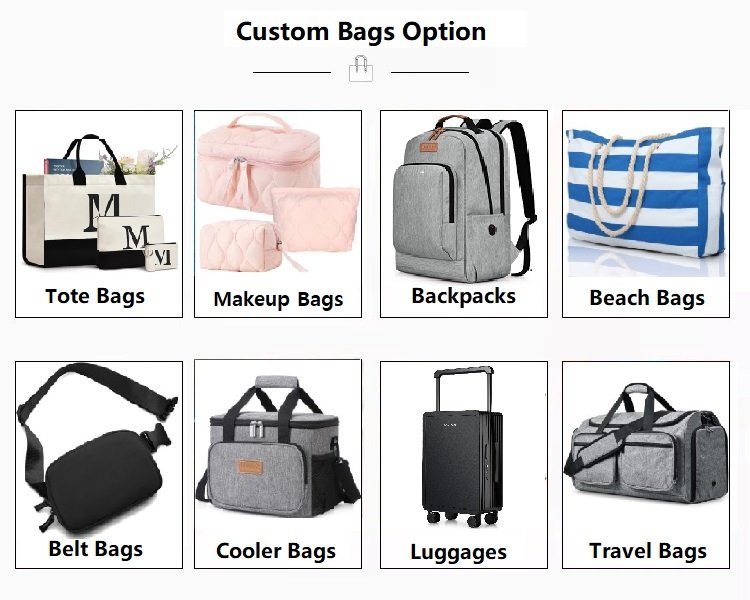
Jundong is based in Guangdong, China, with export sales support, product development, design assistance, an in-house sample room, over 600 staff, an 18,000 square meter facility, professional equipment, and a quality team of 80 inspectors. This setup supports travel bags, tote bags, backpacks, cosmetic bags, cooler bags, drawstring bags, luggage, leather goods, and long-term private label or custom accessory programs.
For long-term travel bag work, records make future orders smoother. The approved sample, material type, fabric weight, lining, zipper type, hardware, bag size, compartment layout, logo file, label layout, barcode, SKU rule, packing method, carton quantity, and carton mark format should stay organized. These details help future orders stay closer to the approved standard while allowing color updates, set expansion, or channel-specific packaging.
| Program Need | Practical Support |
|---|---|
| Retail travel line | Multi-color, multi-size, barcode, SKU records |
| Corporate gift program | Logo update, gift packing, repeat order records |
| Hotel or airline set | Amenity bag, toiletry pouch, compact travel kit |
| E-commerce private label | Product family, packaging, SKU control |
| Travel accessory collection | Packing cubes, shoe bags, pouches, laundry bags |
| Seasonal color update | Material and color references |
| New accessory expansion | Matching style, labels, and packaging |
| Repeat orders | Saved samples, material records, carton details |

For project review, please share the travel bag style or reference photo, target use, packed items, preferred material, lining, functions, logo, label, barcode, SKU, quantity, color options, packing method, delivery deadline, and destination country.
Clear starting details help match the right structure, size, material, logo method, label system, packing style, carton plan, and production path. Project details can also be sent to info@jundongfactory.com.
Make a sample first ?
A useful custom travel bag should match real packing needs, brand style, sales channel, and travel use. When size, material, lining, compartments, logo method, labels, barcode, SKU, and packing details are clear from the beginning, the project becomes easier to quote, sample, produce, inspect, and deliver.
Client Testimonials
800+ brand Clients Trust Jundong


Start Your Custom Travel Bag Project? Contact Us!
Your custom travel bag project may be simple, or it may need several layers of detail. A retail travel line may need matching duffel bags, toiletry bags, packing cubes, shoe bags, laundry bags, hangtags, barcode labels, SKU stickers, individual packing, and carton marks. A hotel, airline, or travel program may need compact bags with clear logo placement, easy packing, and practical daily use. An e-commerce or private label project may need stable sizing, repeated specs, color options, and packaging that supports storage, shipping, and online sales.
The best result usually starts with a clear project brief. You do not need to finalize every detail before contacting us. If you already have a logo file, reference photo, target size, material idea, color plan, packing method, or previous sample, that will help. If not, you can start with the basics: what the travel bag will hold, how many pieces you need, where it will be used, what brand details should be added, and when the goods need to arrive.
Jundong can help turn these early details into a workable custom travel bag specification. The review can include bag size, outer material, lining, zipper type, handle structure, shoulder strap, compartments, shoe pocket, wet/dry pocket, logo method, label options, packing style, sample timing, bulk lead time, QC checkpoints, barcode rules, carton marks, and shipment preparation.
For faster review, send your logo, quantity, use scene, preferred bag style, packed item size, packing needs, and delivery timeline to info@jundongfactory.com. If your project is still open-ended, share the goal first: retail travel collection, hotel amenity program, airline gift, sports travel set, e-commerce private label line, corporate gift, or travel promotion. A practical recommendation can start from there.
The right custom travel bag is not always the most complicated option. It is the option that fits the product, carries items comfortably, protects brand presentation, supports daily use, and can be produced at a realistic cost and timeline.
Custom Travel Bags Made Easy
At the Jundong factory, we make custom travel bag projects easier to start. Follow these three steps to get started:
- Tell us your travel bag style, use scene, quantity, material idea, logo needs, and delivery plan.
- We review the size, structure, fabric, lining, zipper, handle, compartments, labels, packing, and carton details.
- After the sample is approved, we move forward with bulk production, inspection, packing, and shipment preparation.
FAQs, You ask, we answer
Choosing custom travel bags becomes easier when the main project details are clear from the beginning. The right solution may change depending on travel use, sales channel, bag size, material, lining, compartment layout, logo method, label system, packing style, and delivery plan.
These FAQs cover the practical details often reviewed before sampling, including travel duffel bags, weekender bags, toiletry bags, packing cubes, shoe bags, laundry bags, organizer pouches, retail packaging, barcode labels, SKU rules, carton marks, MOQ, lead time, and bulk quality control.


Certainly, brands and retailers can customize a wide group of travel bags, including travel duffel bags, weekender bags, carry-on duffels, toiletry bags, Dopp kits, packing cubes, shoe bags, laundry bags, garment bags, organizer pouches, foldable travel bags, passport wallets, and travel gift sets. The best choice depends on the channel, user type, price level, packing method, and whether the project is a single item or a full travel collection.
For retail brands, a travel bag project often works better as a product family. A weekender bag can be matched with a toiletry bag, shoe bag, packing cube set, or laundry pouch. This creates a more complete shelf story and gives the brand more room for different price points. For corporate gift programs, a practical duffel bag, toiletry kit, or organizer set can work well because users can take it on short trips, gym days, business travel, or weekend stays. For hotel and airline projects, compact amenity pouches, toiletry bags, and lightweight organizer sets are often easier to pack and distribute. For e-commerce private labels, travel sets can help create bundled offers and repeat purchase options.
The product type should match what the user will pack. A gym travel bag may need a shoe compartment and a wet/dry pocket. A business travel bag may need a clean shape, a laptop sleeve, and a trolley sleeve. A toiletry bag may need an easy-clean lining and small organizers. Packing cubes should focus on size grouping and zipper movement. A foldable travel bag should stay light, compact, and easy to store.
A useful starting point is this:
| Project Need | Suitable Travel Products |
|---|---|
| Retail travel line | Weekender bag, toiletry bag, packing cubes, shoe bag |
| Corporate gift | Duffel bag, Dopp kit, travel organizer |
| Hotel/airline program | Amenity pouch, toiletry bag, compact travel kit |
| E-commerce private label | Travel pouch set, packing cubes, foldable bag |
| Sports travel | Gym duffel, shoe bag, wet/dry pouch |
The safest path is to start with the target user and sales channel, then build the product type around real packing behavior.
Sure, the best material for custom travel bags depends on how the bag will be used, how often it will be carried, what it needs to hold, and how the brand wants the product to feel. A lightweight packing cube, a gym travel duffel, a premium weekender bag, and a toiletry pouch should not use the same material plan.
Polyester is a practical option for corporate gifts, promotional travel bags, basic retail products, and cost-sensitive programs. It is light, easy to print, and suitable for many travel pouch and duffel styles. Nylon gives a smoother and lighter handfeel, making it useful for sport-style travel bags, compact organizers, and outdoor travel products. Oxford fabric is a strong option for duffel bags, weekenders, and gym travel bags because it gives better structure and wear resistance. Canvas works well for lifestyle brands, retail gift lines, and reusable travel collections because it has a natural texture and a stronger perceived value. PU leather can add a cleaner business look, especially for trims, patches, handles, or premium gift products. PVC or TPU-coated fabric works well for toiletry bags, wet/dry pouches, and easy-clean areas. Mesh is useful for packing cubes and inner organizer pockets because users can see the contents. RPET can support projects that want a recycled material story.
Material choice should also consider lining, zipper, hardware, handle webbing, and logo method. A strong outer fabric with a weak zipper can still disappoint users. A premium logo detail on a low-grade lining can feel mismatched. A water-resistant outer fabric may still need a coated inner lining if the bag carries toiletries or wet items.
A practical material review should include:
| Material | Better Use |
|---|---|
| Polyester | Gift, promotion, basic travel bags |
| Nylon | Lightweight travel and sport-style bags |
| Oxford fabric | Duffels, weekenders, gym bags |
| Canvas | Lifestyle retail and reusable gifts |
| PU detail | Business and premium styling |
| PVC / TPU-coated fabric | Toiletry bags and wet/dry storage |
| Mesh | Packing cubes and organizer pockets |
| RPET | Reusable and recycled-material programs |
The best material is the one that matches the user, the channel, the price level, and the expected number of trips.
Absolutely, compartment planning should start from what users carry and how they pack. A travel bag becomes much more useful when it separates clean clothes, shoes, toiletries, electronics, documents, wet items, and small accessories in a way that feels natural.
A weekender bag usually needs a wide main compartment for clothing, an inner zipper pocket for small items, and sometimes a side pocket for chargers or documents. A gym travel bag may need a shoe compartment to keep footwear away from clean clothing, plus a wet/dry pocket for towels or swimwear. A business travel bag may need a padded laptop sleeve, a document pocket, and a trolley sleeve so it can sit on a rolling suitcase. A toiletry bag may need elastic loops, mesh pockets, coated lining, and a wide opening so users can find bottles and personal care items easily. Packing cubes should focus on size grouping, visible mesh, zipper quality, and how well they fit inside suitcases.
The challenge is to add function without making the bag too complicated or too expensive. Too many pockets can increase labor and confuse the user. Too few pockets can make the bag feel basic. The right layout depends on the travel purpose and price level.
A practical planning table can help:
| Function | Best For | Design Check |
|---|---|---|
| Shoe compartment | Gym, sports, weekend bags | Shoe size, lining, airflow |
| Wet/dry pocket | Swimwear, towels, toiletries | Coated lining and seam finish |
| Laptop sleeve | Business travel | Padding and stable placement |
| Mesh organizer | Packing cubes and inner pockets | Visibility and breathability |
| Toiletry pocket | Personal care items | Easy-clean lining and small pockets |
| Trolley sleeve | Carry-on travel | Luggage handle fit |
| Inner zipper pocket | Keys, cards, cables | Secure small-item storage |
Before sampling, it helps to list the real items users will carry. This turns structure planning from guesswork into a more reliable product decision.
Definitely, the right size for a custom travel bag depends on travel length, packing items, user group, channel, and shipping plan. A weekend bag, gym duffel, business travel bag, toiletry pouch, packing cube, and corporate gift set all need different-sized logic.
For weekend travel, the bag should hold clothing, toiletries, shoes, chargers, and small accessories without becoming difficult to carry. For business travel, the bag may need a cleaner shape, a laptop area, a document pocket, and a trolley sleeve. For gym travel, extra depth may be useful for shoes, towels, bottles, and wet items. For toiletry bags, the size should fit bottles, brushes, cosmetics, shaving tools, or amenity items while still staying compact. For packing cubes, a size set is often better than one size because users need to separate tops, bottoms, underwear, laundry, and accessories.
Size also affects carton volume and freight cost. A bag that is too small may feel limited and reduce user satisfaction. A bag that is too large may increase material use, packaging space, and shipping cost without adding much real value. For retail products, size should also work with shelf display, barcode placement, and packaging style. For gift programs, the bag should feel useful while still being easy to pack and distribute.
A simple size review can start here:
| Use Case | Size Focus |
|---|---|
| Weekend travel | Clothing, shoes, toiletries, small electronics |
| Business travel | Laptop, documents, clean shape, trolley sleeve |
| Gym travel | Shoes, towel, bottle, wet/dry area |
| Toiletry bag | Bottles, brushes, cosmetics, and easy-clean lining |
| Packing cubes | Small/medium/large grouping |
| Gift set | Useful capacity with efficient packing |
The safest method is to test the sample with real packing items. A few centimeters can change how the bag looks, carries, folds, packs, and ships.
Of course, matching travel sets and packing cube programs are often a strong choice for brands, retailers, corporate gift teams, hotels, airlines, and e-commerce private labels. A set can create higher perceived value than a single item and gives the brand more room to build a travel product line.
A common retail set may include a weekender bag, toiletry bag, shoe bag, and packing cubes. A corporate gift set may combine a duffel bag with a Dopp kit or organizer pouch. A hotel or airline set may use a compact amenity pouch, wash bag, eye mask pouch, or small organizer. A sports travel set may include a gym duffel, shoe bag, and a wet/dry pouch. An e-commerce brand may start with packing cubes, then add a toiletry bag, laundry bag, and travel pouch in matching colors.
Set planning requires consistency. Materials, colors, zipper style, logo position, labels, lining, and packaging should feel connected. If the pieces are sold together, they should nest or pack neatly. If they are sold separately, each product needs its own SKU, barcode, hangtag, and packing rule. A set can also be built in phases: start with one best-selling item, then add matching pieces later.
A practical set plan may look like this:
| Set Type | Possible Items |
|---|---|
| Weekend set | Weekender bag + toiletry bag + shoe bag |
| Corporate gift set | Duffel bag + Dopp kit + logo pouch |
| Hotel/airline set | Amenity pouch + wash bag + small organizer |
| Sports travel set | Gym duffel + wet/dry pouch + shoe bag |
| Retail accessory set | Packing cubes + laundry bag + organizer pouch |
| E-commerce starter set | Travel pouch + packing cubes + toiletry bag |
Matching travel sets work best when the products share a clear style but still solve different packing needs.a
Certainly. The best logo and private label details for travel bags depend on the material, product level, sales channel, and how visible the brand should feel during use. A travel bag used as a corporate gift may need a clean logo. A retail weekender bag may need a full label system. A hotel or airline travel kit may need compact branding that feels neat and easy to pack.
Common branding methods include embroidery, heat transfer, screen printing, woven labels, rubber patches, PU patches, metal plates, custom zipper pullers, inner labels, care labels, hangtags, barcode stickers, SKU labels, insert cards, and gift packaging. Each option gives a different look. Embroidery works well on canvas, Oxford fabric, and thicker travel bags. Heat transfer can create a clean logo on many synthetic fabrics. Woven labels are practical for private label travel lines, toiletry bags, packing cubes, and organizer pouches. Rubber patches suit sporty or outdoor-style travel bags. PU patches and metal plates can create a more premium look for weekender bags, business travel gifts, and lifestyle collections.
Private label details should match the product’s price level. A premium bag with weak labels feels unfinished. A basic promotional travel pouch with too many expensive details may push the cost too high. For retail or e-commerce projects, hangtags, barcodes, SKU labels, and care labels are not just decoration. They help stores, warehouses, and online channels identify the product correctly.
A practical branding plan can follow this logic:
| Product Type | Good Branding Detail |
|---|---|
| Weekender bag | Embroidery, PU patch, metal plate, custom zipper puller |
| Duffel bag | Heat transfer, rubber patch, woven label |
| Toiletry bag | Woven label, small patch, inner label |
| Packing cubes | Size label, woven label, barcode sticker |
| Corporate gift | Clean logo, insert card, simple gift packing |
| Retail line | Hangtag, SKU label, barcode, care label |
For stronger results, confirm logo placement, label size, color matching, barcode format, and packing layout before sampling.
Sure, the standard MOQ for many custom travel bag projects is usually around 500 pcs per design. This quantity is more practical for material preparation, pattern work, cutting, sewing, logo setup, packing, and quality checking. It also helps spread setup costs across more units, which is useful for retail travel lines, corporate gift programs, hotel and airline travel kits, e-commerce private labels, and long-term travel accessory projects.
For simple travel pouch styles, packing cubes, shoe bags, or basic toiletry bags, 200–300 pcs may be reviewed when the material, size, structure, logo method, and packing are simple. Larger or more structured bags, such as weekender bags, travel duffels, gym travel bags, and bags with shoe compartments or wet/dry pockets, often need more setup because they involve more panels, zippers, lining, hardware, handles, straps, and structure checks.
MOQ also depends on how many colors, sizes, labels, or SKUs are involved. A 500-piece order in one color is easier to arrange than the same total quantity split into five colors, three logo versions, and several carton packing rules. For multi-SKU retail projects, each version needs to be reviewed by material, label, barcode, packing, and production setup.
For trial programs, keeping the structure simple is usually the safest path. For retail launches, seasonal gift programs, travel accessory sets, and repeat orders, 500 pcs and above usually give better room for material planning, stable production, and more workable unit cost.
A clear project brief helps MOQ review: product type, target size, material, logo method, quantity by color, label needs, packing method, and delivery schedule.
Generally, sampling for custom travel bags takes about 5–7 days after the main details are confirmed. For some simple pouches, packing cubes, shoe bags, or basic toiletry bags, 2–3 days may be reviewed when material, size, structure, logo method, and packing details are already clear. Bulk production commonly takes about 20–30 days after sample approval and final order details are confirmed.
The actual timeline depends on bag complexity. A simple travel pouch moves faster than a weekender bag with lining, a shoe compartment, a wet/dry pocket, a shoulder strap, a custom zipper puller, an inner label, a hangtag, a barcode, and a gift box. The more trims, panels, compartments, colors, SKUs, and packaging details involved, the more time should be reserved.
Sampling is especially valuable for travel bags because the structure must be tested. The sample stage helps check material feel, bag size, zipper movement, handle strength, strap comfort, pocket layout, logo position, label placement, packing method, and loaded shape. If the bag is for retail, the sample should also be reviewed with a hangtag, barcode, SKU label, and individual packing. If the project is a travel set, each piece should be checked for size matching and set packing.
For seasonal retail launches, corporate gift deadlines, hotel or airline programs, and e-commerce release dates, schedule planning should start early. It is safer to work backward from the required delivery date and leave time for sample review, possible revision, bulk production, inspection, packing, and shipping.
Early approval of material, logo, zipper, label, and packing details is the best way to protect the timeline.
Definitely, cost control for bulk custom travel bags should protect the parts users rely on most: zipper movement, handle strength, shoulder strap comfort, compartment layout, lining quality, bag shape, and practical size. Lowering cost by weakening these areas can make the product feel cheaper, reduce resale, and hurt retail or gift value.
The main cost factors include outer fabric, lining, fabric weight, bag size, number of panels, compartments, shoe pocket, wet/dry pocket, zipper quality, hardware, handle webbing, shoulder strap, padding, logo method, custom zipper puller, labels, hangtags, barcode stickers, gift box, polybag, carton volume, and order quantity.
Cost can often be managed through structured planning instead of simply cutting quality. A travel bag does not need every possible compartment. It needs the right compartments. A corporate gift duffel may only need a clean main space, inner pocket, and good logo detail. A retail weekender may justify better fabric, a smoother zipper, and a stronger handle. A packing cube set can use lighter fabric, but should keep zipper quality and size grouping stable. A toiletry bag should protect easy-clean lining rather than adding unnecessary outside details.
Helpful cost-control choices include:
| Cost Area | Practical Control Method |
|---|---|
| Material | Choose fabric level based on use frequency |
| Structure | Keep useful compartments, remove unused ones |
| Zipper | Match zipper quality to product level |
| Hardware | Use practical hardware instead of over-designed parts |
| Logo | Select a method that fits the material and quantity |
| Packing | Choose retail packing only where the channel needs it |
| Carton volume | Avoid oversized shapes that raise freight costs |
| SKU count | Reduce too many low-quantity versions |
The best cost plan is not the cheapest version. It is the version that matches the channel, works for real travel use, and can be repeated reliably.
Of course. Custom travel bag orders can support retail labels, hangtags, barcode stickers, SKU labels, care labels, inner labels, insert cards, individual polybags, gift boxes, set packing, carton marks, packing lists, color separation, size separation, mixed-SKU rules, and destination-specific export packing.
These details are especially useful for retail brands, e-commerce private labels, corporate gift programs, hotel and airline travel sets, promotional distributors, and multi-product travel accessory lines. A well-made travel bag can still create trouble after delivery if the barcode is wrong, SKU label is unclear, colors are mixed, set packing is incomplete, or carton marks do not match warehouse receiving rules.
For retail and e-commerce projects, each color, size, or set version may need its own SKU and barcode. For travel gift sets, each piece may need a label, while the full set may need one outer barcode. For hotel and airline projects, cartons may need destination, program name, item code, quantity, and carton number. For distributor orders, mixed-SKU packing rules should be confirmed early to avoid confusion.
A clear packing plan helps receiving teams scan, store, count, and restock products faster. It also helps later reorders because the same label, SKU, carton, and packing references can be used again.
A practical preparation list includes:
| Packing Detail | Why It Helps |
|---|---|
| Hangtag | Retail display and product information |
| Barcode | Store scanning and warehouse receiving |
| SKU label | Color, size, and version control |
| Care label | Reusable product guidance |
| Inner label | Private label identity |
| Gift box | Higher-value gift presentation |
| Set packing | Keeps travel accessories grouped |
| Carton marks | Supports export and warehouse checking |
| Packing list | Helps quantity review before delivery |
Retail and export details are best confirmed before production, not after the bags are finished.