 Skip to content
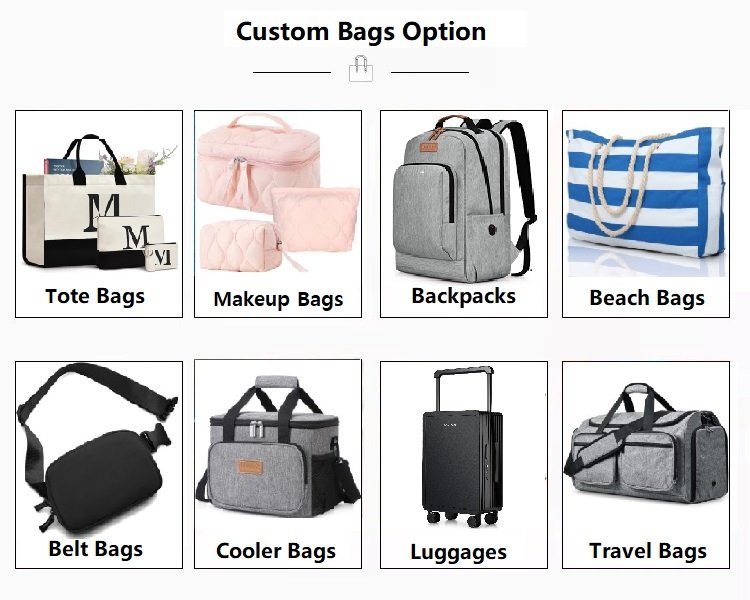
Custom Lunch Cooler Bags for Food and Beverage Brands
Custom insulated lunch cooler bags for food, beverage, meal prep, grocery, dairy, coffee, restaurant, and wellness brands that need practical capacity, easy-clean interiors, logo branding, retail packing, and stable bulk production.
- Built Around Food and Drink Use: Capacity can be reviewed around lunch boxes, bottles, cans, ice packs, meal kits, grocery items, dairy samples, coffee bottles, and beverage promotions.
- Cooler Bag Styles for Brand Programs: Options include classic lunch coolers, cooler tote bags, beverage cooler bags, foldable insulated bags, meal prep bags, and private label retail styles.
- Logo, Label, and Retail Packing Support: Brand details can include screen printing, heat transfer, woven labels, rubber patches, hangtags, barcode labels, SKU stickers, and carton marks.
- Sample-to-Bulk Quality Control: Jundong supports sample revision, material confirmation, logo approval, incoming inspection, production checks, finished product inspection, and packing review with 80 quality inspection staff.

Built for Food, Drinks, Samples, and Daily Carry
A lunch cooler bag for a food or beverage brand has to do more than hold a meal. It needs to fit real products, carry comfortably, support temperature control, and present the brand clearly in daily use.
For a meal prep brand, the bag may need room for stacked lunch boxes and ice packs. For a beverage campaign, it may need to hold cans, bottles, cold brew coffee, juice, yogurt drinks, or tasting samples. For a grocery promotion, it may need a wider opening, stronger handles, and reusable shopping bags. For a restaurant chain, the bag may serve as a member gift, staff lunch bag, or seasonal takeaway gift.
The best result starts with the real contents. What will go inside? Will the bag hold food boxes flat? Will bottles stand upright? Does it need space for cutlery, napkins, snacks, or ice packs? Will it be given away at stores, sold at retail, packed with samples, or used by staff every day?
A good insulated lunch cooler bag should feel practical from the first use. It should open easily, clean easily, carry safely, fold or pack efficiently, and keep the logo visible without looking forced.

| Use Scene | Bag Direction |
|---|---|
| Meal prep kits | Multi-compartment lunch cooler |
| Beverage tasting | Cooler tote with bottle or can space |
| Dairy and yogurt campaigns | Compact insulated cooler bag |
| Coffee and juice brands | Small insulated tote |
| Grocery promotions | Reusable cooler shopping bag |
| Restaurant gifts | Branded zipper lunch bag |
| Staff lunch programs | Classic insulated lunch tote |
| Retail private label | Hangtag-ready lunch cooler |
Cooler Bag Styles for Different Brand Programs
Food and beverage projects do not all need the same cooler bag. A daily lunch bag, a beverage sampling tote, a grocery cooler, and a retail private label lunch bag each need a different shape, opening, lining, and packing method.
A classic insulated lunch bag works well for staff gifts, school lunch, restaurant promotions, and simple brand giveaways. A cooler tote gives more space for grocery promotions, food samples, drinks, and picnic use. A beverage cooler bag can be planned around cans, bottles, cold brew, juice, sparkling water, or small dairy products. A foldable insulated bag helps when packing volume and campaign quantity matter.
For food brands that sell meal kits, wellness meals, or fitness meals, a multi-compartment lunch cooler can separate lunch boxes, snacks, cutlery, and ice packs. For retail programs, a private label lunch cooler may need a clean shape, hangtag space, barcode label, individual packing, and repeatable size standards.

Classic insulated lunch bag
Cost-friendly insulated lunch bags work well for staff gifts, daily meals, simple food campaigns, and easy logo branding.

Foldable insulated bag
Foldable insulated bags reduce storage and carton volume, making them practical for large campaign quantities and compact shipping.

Cooler tote bag
Cooler tote bags offer larger capacity and stronger visual space, ideal for grocery, picnic, food promotion, and drink carrying.

Multi-Pocket Lunch Bag
Multi-pocket lunch bags separate lunch, snacks, cutlery, drinks, and ice packs for cleaner daily food organization.

Meal prep cooler bag
Meal prep cooler bags fit fitness meals, wellness food, lunch boxes, ice packs, and organized multi-compartment packing.

Beverage cooler bag
Beverage cooler bags are designed for cans, bottles, tasting events, drink sets, and capacity planning by container count.

Private label lunch cooler
Private label lunch coolers support retail shelves, repeat programs, hangtags, barcode labels, packing rules, and carton marks.

Backpack Cooler Bag
Backpack cooler bags provide hands-free carrying for outdoor, commuting, picnic, delivery, and portable brand programs.
Insulation, Lining, and Easy-Clean Interior Choices
The inside of a lunch cooler bag matters as much as the outside. For food and beverage use, the lining must support daily cleaning, food storage, drink spills, ice pack use, and repeated opening.
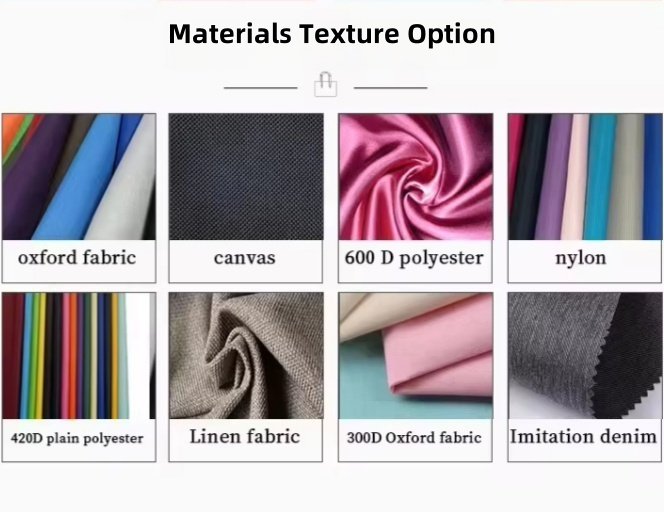
A common structure includes outer fabric, insulation layer, lining, zipper closure, handle system, and bottom support. The outer fabric may use polyester, Oxford fabric, RPET, cotton canvas, non-woven material, or other options based on cost and brand style. The insulation layer may use EPE foam, pearl cotton, sponge, or other foam materials to support thermal performance. The inner lining may use PEVA, aluminum foil, or other wipeable surfaces.
PEVA lining is often used for lunch cooler bags because it is smooth and easy to wipe. Aluminum foil lining gives a shiny thermal look and is often used for budget-friendly insulated bags. EPE foam helps add thickness and insulation support. Zipper closure can help reduce air exchange better than open-top designs.
For real use, easy cleaning is key. Lunch boxes may leak sauce. Yogurt cups may spill. Ice packs may create moisture. Drink bottles may sweat. The inner seam, lining attachment, zipper opening, and corner shape all affect how easy the bag is to wipe after use.
| Bag Part | Common Direction |
|---|---|
| Outer fabric | Polyester, Oxford, RPET, non-woven, canvas |
| Insulation layer | EPE foam, pearl cotton, sponge, foam layer |
| Inner lining | PEVA, aluminum foil, wipeable lining |
| Closure | Zipper, hook-and-loop, roll-top, flap |
| Bottom | PE board, EVA insert, reinforced panel |
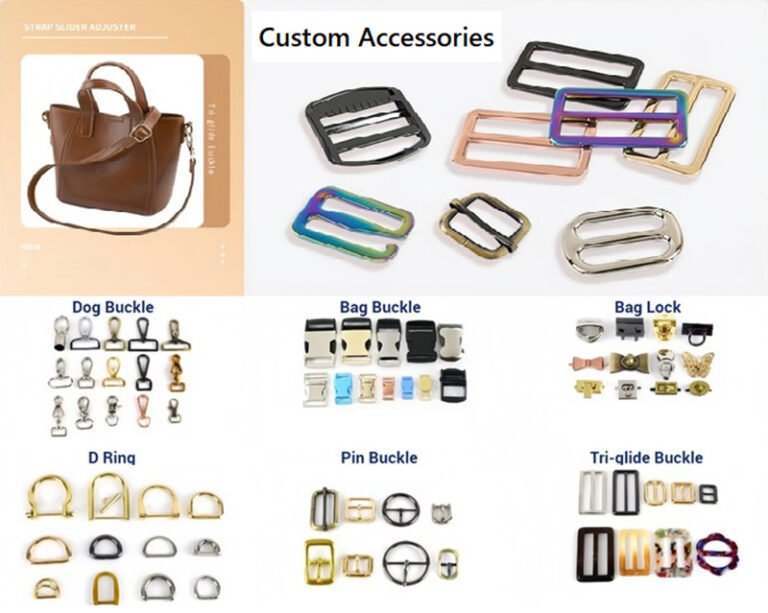
| Handle | Webbing handle, padded handle, shoulder strap |
A practical lunch cooler bag should match real food use, not just appearance. The right outer fabric, insulation layer, PEVA or aluminum foil lining, zipper closure, reinforced bottom, and handle structure can improve cooling performance, cleaning ease, daily durability, logo presentation, and retail packing quality.

Capacity Planning for Food and Drinks
Cooler bag size should be planned from the inside out. Exterior dimensions alone do not tell whether the bag can hold the real product well.
A lunch box needs flat space. A drink bottle needs height. Cans need side-by-side width. Yogurt cups may need upright storage. Ice packs need extra room. If the bag will be used for a meal kit, it may need space for lunch boxes, snacks, sauce packs, cutlery, and a cold pack. If it will be used for a beverage campaign, bottle height, can count, and carrying weight need to be checked first.
The bag should not be too tight. If food boxes are squeezed, the bag becomes hard to use. If bottles move too much, the user may feel the bag is unstable. If the bag is too large, it may increase material cost, carton volume, and freight cost.
For large orders, size planning also affects packing. A foldable cooler bag may save space in the carton. A structured cooler tote may look better for retail, but takes up more space. A tall beverage cooler may work well for bottles but not for lunch boxes. These trade-offs are worth reviewing before sampling.
| Product Type | Size Detail to Check |
|---|---|
| Lunch box | Length, width, height, and flat placement |
| Bottle | Height, diameter, upright fit |
| Cans | Quantity, side-by-side width, weight |
| Yogurt cup | Upright storage and lid protection |
| Ice pack | Flat space or side pocket |
| Meal kit | Boxes, cutlery, sauce, snacks |
| Grocery items | Opening width and handle strength |
| Retail packing | Folded size and carton count |

Logo Branding for Food and Beverage Campaigns
A lunch cooler bag can carry the brand far beyond the store, event table, or first product launch. When the bag is useful, people may take it to work, school, picnics, grocery trips, road trips, or daily lunch routines.
Logo and artwork should match how the bag will be used. A food brand may want a clean woven label or full-color seasonal graphic. A beverage brand may need bold front placement for sampling events. A coffee brand may prefer a minimalist patch. A grocery or restaurant program may need hangtags, barcodes, and repeat color standards.
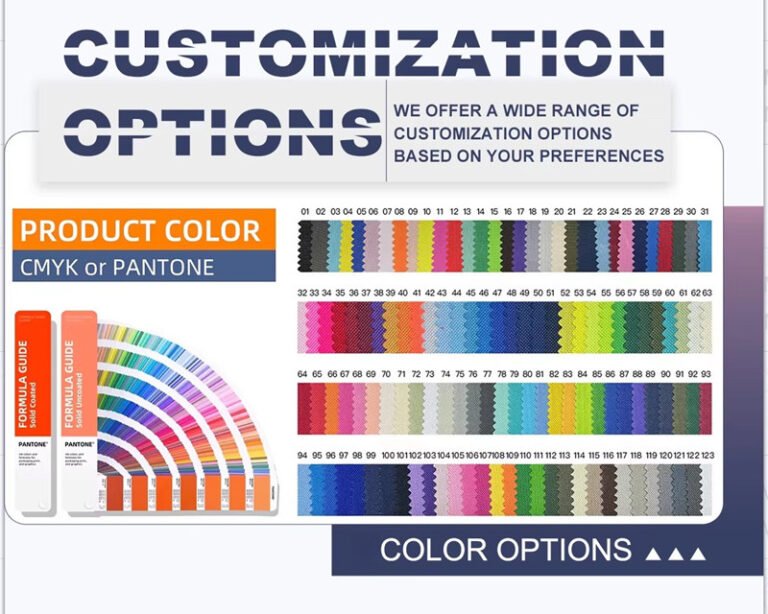
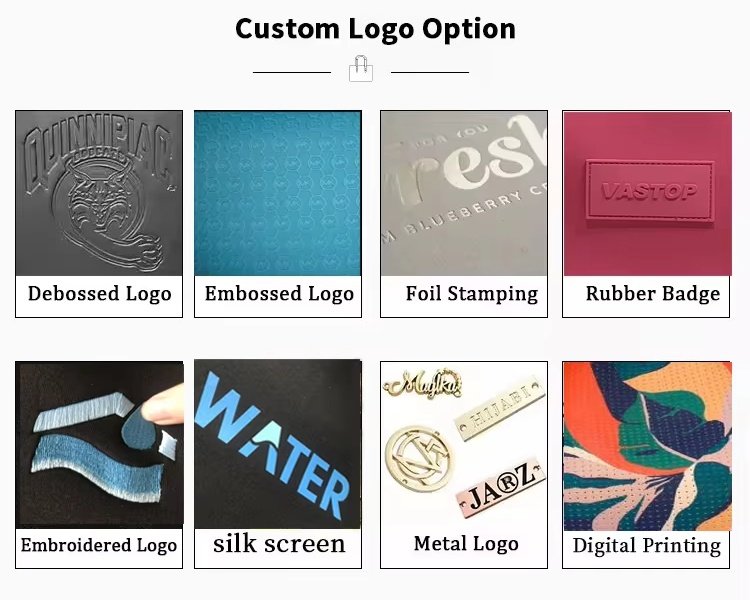
Branding options include screen printing, heat transfer, full-color artwork, woven labels, rubber patches, embroidery, custom zipper pullers, color matching, and printed patterns. The choice depends on the outer fabric, bag shape, order quantity, artwork complexity, and how long the item is expected to be used.
Logo placement should be practical. Avoid heavy fold lines, high-friction corners, zipper stress areas, and spots that may be hidden when the bag is carried. If the bag is foldable, the logo position should be checked after folding. If the bag will be sold in retail, the hangtag and barcode area should also be planned.
Full-Color Artwork

For colorful graphics, gradients, food illustrations, or campaign visuals, heat transfer or printed panels can show richer details. It works better when the design needs strong visual impact on the bag surface.
Premium Small Mark

For a refined brand detail, embroidery or rubber patches can create a stronger tactile finish. This direction suits premium lunch coolers, gift sets, retail lines, and higher-value food or beverage promotions.
Simple Logo Placement
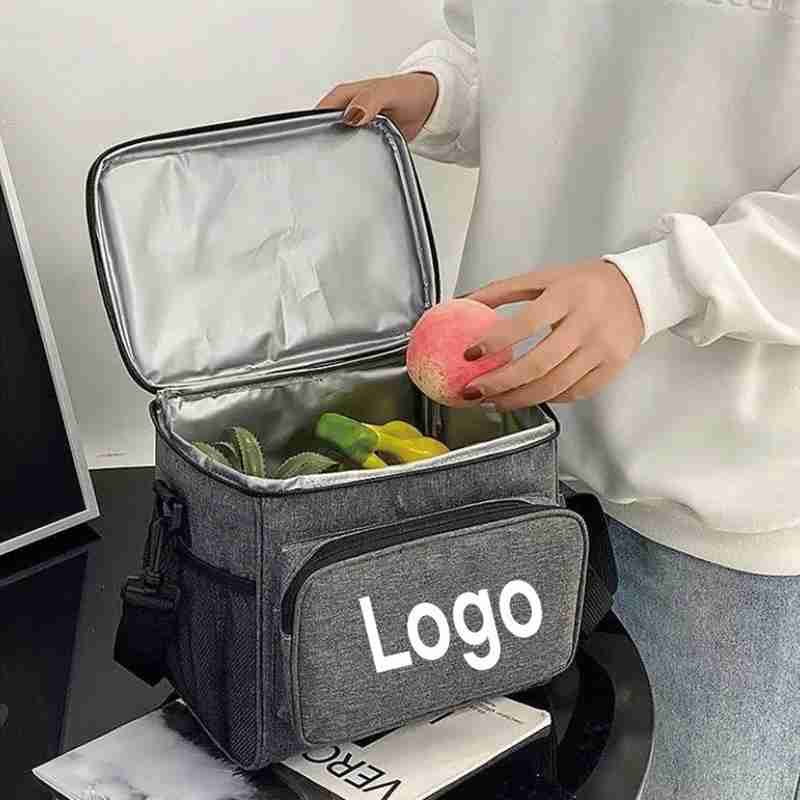
For clean brand presentation, simple logos usually work well with screen printing or woven labels. This option suits daily lunch cooler bags, staff gifts, food promotions, and cost-controlled programs.
Seasonal Campaign Design

Seasonal lunch cooler bags can use custom patterns, matched colors, or themed artwork. This helps holiday promotions, limited programs, event gifts, and food brand campaigns look more coordinated.
Retail Sale Details

For retail sales, hangtags, barcode labels, and SKU labels should be planned early. These details help store display, inventory sorting, product scanning, and repeat order management.
Private Label Setup

Private label lunch coolers often need woven labels, care labels, carton details, and consistent packing rules. This helps brand teams keep each batch aligned with retail and distribution needs.
Woven Label Or Patch

For a softer branded look, woven labels and rubber patches add texture, improve brand recognition, and work well on daily-use cooler bags, retail collections, and repeat programs.
Co-Branded Event Layout

For co-branded events, a front logo plus side label can show both brands clearly. This layout works well for joint campaigns, tasting events, delivery programs, and promotional food projects.
Retail Packing, Store Distribution, and Sample Kits
A lunch cooler bag project does not end when the bag is sewn. For food and beverage brands, packing often decides how smoothly the goods are received, counted, stored, displayed, and handed out.
A cooler bag may be packed for retail shelves, store giveaways, beverage sampling, meal kit promotions, employee gifts, grocery campaigns, or seasonal food bundles. Each use needs a different packing rule. A retail item may need a hangtag, barcode, SKU sticker, care label, and individual polybag. A store promotion may need carton marks by store, region, color, or event date. A sample kit may need the bag folded with inserts, coupons, product cards, or other brand materials.
Packing details are best confirmed before bulk production is finished. If barcode labels, hangtags, paper cards, or carton labels are added too late, extra handling and repacking may happen. Clear packing also helps warehouse teams and store teams find the right goods faster.
For food and beverage projects, packing should be practical, clean, and easy to process. It should protect the product, support brand presentation, and reduce confusion during distribution.
Confirm hangtag position, barcode size, SKU sticker placement, polybag size, care label, carton quantity, regional marks, mixed color packing rules, sample kit insert order, and delivery batch plan before bulk lunch cooler bag production.

| Use Case | Packing Detail |
|---|---|
| Retail sale | Hangtag, barcode, SKU sticker, individual polybag |
| Store giveaway | Carton mark by store or region |
| Beverage sampling | Event batch label and counted packing |
| Meal kit promotion | Bag folded with inserts or a coupon card |
| Employee gift | Simple individual packing and carton label |
| Grocery campaign | Mixed color or SKU packing |
| Private label line | Care label, woven label, carton mark |
| Warehouse receiving | Packing list and clear outer carton label |
Bulk and Repeat Programs for Food Brands
Food and beverage brands often use lunch cooler bags more than once. A successful cooler bag may come back as a summer drink campaign, school lunch promotion, grocery gift, dairy sampling pack, restaurant member gift, coffee brand seasonal item, or employee wellness program.
For this reason, the first order should be planned with repeat use in mind. Once the size, lining, insulation, outer fabric, logo method, color, handle length, hangtag, barcode, packing rule, and carton mark are confirmed, they can become the reference for future projects.
Repeat orders do not always have to be identical. A brand may keep the same bag structure and change the artwork for a new season. A beverage company may keep the same cooler tote but change the color for a new flavor launch. A grocery chain may keep the same private label lunch cooler and add new SKU labels or hangtags.
Bulk projects also need clear version control. If one order includes different colors, sizes, labels, or store destinations, each version should be separated by clear packing rules. This reduces mixing, relabeling, and distribution problems.
| Brand Program | Cooler Bag Direction |
|---|---|
| Summer beverage launch | Bottle or can cooler tote |
| Dairy sampling campaign | Compact insulated cooler bag |
| Grocery store promotion | Reusable cooler shopping bag |
| Restaurant member gift | Branded zipper lunch bag |
| Coffee seasonal drop | Small insulated tote |
| Meal prep program | Multi-compartment cooler bag |
| Employee wellness gift | Classic insulated lunch tote |
| Private label retail line | Barcode and hangtag-ready lunch cooler |
For repeat custom lunch cooler bag orders, keep the approved sample, bag size, capacity notes, outer fabric, color record, insulation layer, lining material, logo file, logo placement, hangtag layout, barcode format, packing photo, carton mark format, and first-order revision notes. These records help future batches stay consistent.

Sample Review and Quality Checks Before Bulk Orders
A lunch cooler bag sample should be checked with real food and drink items, not only viewed from photos. A bag may look correct from the outside, but the lunch box may not sit flat, the bottle may be too tall, the zipper may pull tightly, or the lining may not clean as easily as expected.
Before bulk production, the sample helps confirm capacity, lining choice, insulation thickness, handle comfort, zipper performance, logo position, folding method, and packing volume. For food and beverage brands, this step is especially useful because the bag often needs to match real product dimensions and a fixed campaign schedule.
Jundong supports sample development, sample revision, material confirmation, color confirmation, logo approval, and pre-production sample review. Standard sampling is usually around 5–7 days, and some simple styles may be arranged faster depending on materials and structure.
Quality checks should cover more than appearance. The lining should be checked for attachment and cleanliness. The zipper should open smoothly. The handle should feel stable when loaded. The logo should be visible and not distorted by folding. The finished bag should match the approved size, color, material, and packing rule.
Capacity
Check whether lunch boxes, bottles, cans, and ice packs fit properly. Correct capacity helps avoid tight packing, wasted space, and poor user experience.
Zipper
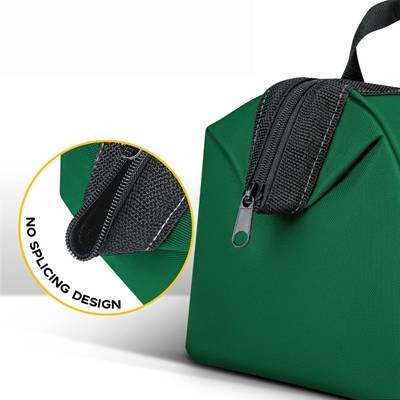
Test zipper opening, closing, and corner tension. A smooth zipper improves daily use and reduces problems around curved corners or thick insulated seams.
Insulation

Check insulation thickness and structure balance. The right insulation layer supports cooling performance while keeping the lunch cooler bag practical to carry.
Lining

Review the lining surface, attachment, and easy-clean feel. Smooth PEVA or foil lining helps handle spills, moisture, and daily food use.
Bag shape

Review standing shape and product fit. A stable lunch cooler bag should hold food containers neatly without collapsing or losing structure.
Logo

Check logo size, position, color, and fold impact. Clear logo placement keeps brand presentation clean after packing, folding, and daily use.
Packing

Confirm folded size, polybag fit, and carton quantity. Good packing control helps reduce shipping issues, storage waste, and retail handling problems.
Handle
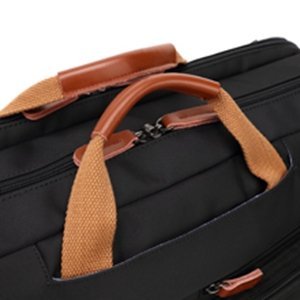
Review handle comfort and loaded carry feel. Strong webbing, padded handles, or shoulder straps help support meals, drinks, and ice packs.
Before confirming a custom lunch cooler bag sample, test it with real lunch boxes, upright bottles, cans, and an ice pack. Fill the bag, check zipper movement, carry it with estimated load, wipe the lining, fold the sample, and review carton quantity, packing volume, and storage efficiency.
Why Jundong Fits Lunch Cooler Bag Projects
Custom lunch cooler bag projects need more than a bag shape and a logo. For food and beverage brands, the project may involve product fit, insulation choice, easy-clean lining, sample testing, logo placement, retail packing, barcode labels, carton marks, and repeat order standards.
Jundong supports custom bag projects from Guangdong with product development, design support, a professional sample room, multi-material sourcing, production coordination, quality checks, and export packing support. This helps food brands, beverage brands, grocery programs, restaurant chains, gift companies, and private label operators turn a cooler bag idea into a product that can be sampled, reviewed, produced, packed, and reordered with clearer standards.
For lunch cooler bags, early review can cover lunch box size, bottle height, can quantity, ice pack space, lining type, insulation layer, zipper opening, handle strength, logo method, hangtag position, barcode rule, and carton packing.
Jundong has 600+ staff, an 18,000㎡ factory base, professional equipment, and 80 quality inspection staff. The team supports checks across incoming materials, production, finished goods, and packing. Standard MOQ is usually 500 pcs, while some simple styles may be reviewed from 200–300 pcs depending on structure, material, and schedule. Standard sampling is usually around 5–7 days, and regular bulk production is usually around 20–30 days after details are confirmed.
For faster review, send the cooler bag style or reference photo, lunch box, bottle, can, or ice pack size, target capacity, lining and insulation preference, logo file, brand color, quantity, packing request, delivery date, and destination country. If the project is early, a reference image, estimated quantity, and use scene are enough to begin.
| Project Need | Support Direction |
|---|---|
| Food or drink product fit | Capacity review by real item size |
| Cooler structure | Outer fabric, insulation, lining, closure |
| Brand visibility | Logo method, label, color, artwork |
| Sample control | Prototype, revision, material confirmation |
| Bulk order quality | Material, sewing, lining, zipper, packing checks |
| Retail packing | Hangtag, barcode, SKU, individual packing |
| Repeat programs | Saved sample, specs, logo, and packing references |
| Export delivery | Carton marks, labels, mixed or partial shipment support |

Make a sample first ?
A useful custom lunch cooler bag should match more than a logo. It should fit the meals, drinks, bottles, cans, ice packs, delivery needs, retail channel, and brand campaign it will serve. When size, insulation, lining, handle, packing, barcode, and carton details are clear from the beginning, the project becomes easier to quote, sample, produce, inspect, and deliver.
Client Testimonials
800+ brand Clients Trust Jundong


Start Your Lunch Cooler Bag Project? Contact Us!
Your custom lunch cooler bag project may be simple, or it may need several layers of detail. A beverage promotion may need a compact insulated bag sized for cans or bottles. A meal kit program may need dividers, space for ice packs, and leak-resistant lining. A retail food brand may need hangtags, barcode labels, SKU stickers, individual packing, and carton marks. A delivery or catering project may need stronger handles, reinforced seams, easy-clean interiors, and stable insulation performance.
The best result usually starts with a clear project brief. You do not need to finalize every detail before contacting us. If you already have a logo file, product size, food container dimensions, drink bottle size, material reference, or previous sample, that will help. If not, you can start with the basics: what the cooler bag will hold, how many pieces you need, where it will be used, what brand details should be added, and when the goods need to arrive.
Jundong can help turn these early details into a workable custom lunch cooler bag specification. The review can include bag size, insulation layer, PEVA or aluminum foil lining, zipper type, handle structure, logo method, label options, packing method, sample timing, bulk lead time, QC checkpoints, barcode rules, carton marks, and shipment preparation.
For faster review, send your logo, quantity, use scene, food or beverage container size, packing needs, and delivery timeline to info@jundongfactory.com. If your project is still open-ended, share the goal first: retail sale, food delivery, beverage event, meal kit program, corporate gift, picnic promotion, wellness food project, or private label lunch cooler line. A practical recommendation can start from there.
The right custom lunch cooler bag is not always the most complicated option. It is the option that fits the product, keeps food and drinks easier to carry, protects brand presentation, supports daily use, and can be produced at a realistic cost and timeline.
Custom Lunch Cooler Bags Made Easy
At Jundong factory, we make complexity simple! Follow these three steps to get started immediately:
1. Tell Us Your Needs
Provide us with detailed information about your requirements, supply design drawings or tech packs, reference images, and share your ideas.
2. Get Solutions and a Quote
We will customize the best solution based on your needs and drawings, and provide a specific quote within 24 hours.
3. Confirm for Mass Production
Once we receive your confirmation and deposit, we will commence mass production and take care of the subsequent shipping arrangements.
FAQs, You ask, we answer
Choosing custom lunch cooler bags becomes easier when the key details are clear from the beginning. The right solution may change depending on food container size, drink bottle shape, insulation needs, lining material, logo method, retail packing, delivery use, event giveaway, or private label program.
These FAQs cover the practical details often reviewed before sampling, including bag capacity, PEVA or aluminum foil lining, ice pack space, zipper structure, handle strength, barcode labels, carton marks, MOQ, lead time, packing rules, and bulk quality control.

Custom lunch cooler bags are used by food and beverage brands for product sampling, meal kits, beverage promotions, retail gifts, staff lunch programs, grocery campaigns, restaurant membership gifts, and private label product lines.
For a food brand, the bag may carry lunch boxes, salads, snacks, sauces, yogurt cups, cheese packs, fresh fruit, or chilled samples. For a beverage brand, it may hold cans, bottles, cold brew coffee, juice, sparkling water, or dairy drinks. For a restaurant chain, the same product can become a member gift, seasonal promotion item, or staff meal bag. For grocery and retail programs, lunch cooler bags can be used as reusable insulated shopping bags or value-added gifts.
The biggest value is not only temperature support. A good lunch cooler bag also keeps the brand visible in daily life. People may reuse it for work, school, picnics, road trips, grocery visits, or family activities. That gives the brand more exposure than a disposable package.
For project planning, the use scene should come before the design. A dairy sampling cooler may need a compact size and ice pack space. A beverage promotion bag may need a bottle height and stronger handles. A meal prep cooler may need a flat bottom and several compartments. A retail lunch cooler may need a hangtag, barcode label, individual packing, and carton marks.
So the best starting question is not “What size do you have?” It is “What food or drink will the bag carry, and how will people receive it?” Once that is clear, the bag style, lining, capacity, logo method, and packing plan can be reviewed more accurately.
Use Scene Table
| Use Scene | Better Bag Direction |
|---|---|
| Beverage sampling | Cooler tote with bottle or can space |
| Meal prep program | Multi-compartment lunch cooler |
| Dairy campaign | Compact insulated cooler bag |
| Restaurant gift | Branded zipper lunch bag |
| Grocery promotion | Reusable cooler shopping bag |
| Staff lunch program | Classic insulated lunch tote |
Certainly, the best lunch cooler bag style depends on the product type, capacity need, distribution method, and brand position. A food brand selling meal kits may need a multi-compartment lunch cooler, while a yogurt or dairy campaign may work better with a compact insulated cooler bag. A grocery promotion may need a larger cooler tote, and a restaurant gift may only need a clean zipper lunch bag with a clear logo.
For daily lunch or employee gifts, a classic insulated lunch bag is often practical. It is easy to carry, cost-friendly, and simple to brand. For grocery and retail food promotions, a cooler tote bag may work better because it offers more space for boxed products, drinks, snacks, or fresh goods. For meal prep and wellness brands, compartments are useful because lunch boxes, cutlery, snacks, and ice packs need to stay organized.
For beverage or cold drink campaigns, the bag should be planned around bottles or cans. A tall insulated tote may hold bottles better, while a wider cooler bag may work better for cans. If the campaign quantity is large, foldable insulated bags can reduce storage and carton volume, which may help control shipping and warehouse space.
Food brands should also think about how the bag will be presented. A retail-ready lunch cooler may need a hangtag, barcode label, paper card, individual polybag, and stable carton packing. A giveaway bag may only need simple packing, but the logo should still be visible and the bag should be easy to reuse.
The smartest choice is to match the bag style with the real product and the final handout method. That keeps the product practical instead of just attractive in a photo.
Style Guide
| Food Brand Need | Suggested Style |
|---|---|
| Staff gift | Classic insulated lunch bag |
| Meal prep kit | Multi-compartment cooler bag |
| Dairy sample | Compact insulated cooler |
| Grocery promotion | Cooler tote bag |
| Beverage campaign | Bottle or can cooler bag |
| Large giveaway | Foldable insulated bag |
| Retail line | Private label lunch cooler |
Of course, the best lining for an insulated lunch cooler bag depends on cleaning needs, cost target, food or drink type, and expected use. PEVA lining and aluminum foil lining are two common directions, while other wipeable lining options can also be reviewed depending on the project.
PEVA lining is often chosen because it gives a smooth, easy-to-wipe interior. It works well for lunch boxes, snacks, fruit, yogurt cups, drink bottles, and ice packs. For brands that care about a cleaner interior feel, PEVA is usually a strong option. It can make the bag feel more polished than basic foil lining, especially for retail or private label lunch cooler bags.
Aluminum foil lining is often used in cost-friendly insulated lunch bags and promotional cooler bags. It has a visible thermal look and is familiar to many users. It can be a practical choice for large campaigns, event giveaways, and basic food or beverage storage. However, the finished feel depends on lining thickness, seam handling, insulation layer, and bag structure.
The lining should not be selected alone. It works together with the insulation layer, usually EPE foam, pearl cotton, sponge, or another foam material. The zipper closure, bottom support, bag size, and opening shape also affect how the bag performs in daily use.
For food and beverage brands, easy cleaning is often more important than people expect. Sauce, condensation, melted ice pack water, yogurt, juice, or coffee drops may touch the interior. A wide opening and smooth lining help users wipe the bag faster.
| Lining Type | Better For |
|---|---|
| PEVA lining | Easy-clean lunch bags, retail styles, private label projects |
| Aluminum foil lining | Cost-friendly insulated bags and giveaways |
| Wipeable lining | Food samples, staff lunch, and daily use |
| Thicker lining setup | Better structure and a more premium feel |
Absolutely. Custom lunch cooler bags can be designed to hold lunch boxes, bottles, cans, yogurt cups, snacks, cutlery, and ice packs, but the size and structure need to be planned around the real contents before sampling.
A lunch box needs enough flat-bottom space. If the bag is too narrow, the box may tilt or squeeze. A bottle needs enough height, especially for juice, coffee, water, dairy drinks, or sparkling beverages. Cans need side-by-side width, and the total weight should be reviewed to determine if the bag will hold several cans. Ice packs need extra room, either flat against the side, under the food container, or in a separate compartment.
For food and beverage projects, the inside capacity matters more than the outside measurement. A bag may look large from the outside, but thick insulation, lining, and seams can reduce usable space. That is why real product sizes should be checked early.
If the bag is for a beverage campaign, it helps to confirm whether the brand wants 2-can, 4-can, 6-can, or bottle-based capacity. If the bag is for meal prep, confirm the lunch box dimensions, number of boxes, snack space, sauce packs, and ice pack position. If the bag is for retail shelves, also check the folded size, hangtag placement, and carton quantity.
Capacity planning also affects cost. A larger bag uses more material and may take more carton space. A smaller bag may save cost, but can fail if the product does not fit well. The best size is the one that holds the product comfortably without wasting space.
Capacity Planning Table
| Item | What to Check |
|---|---|
| Lunch box | Length, width, height, and flat placement |
| Bottle | Height, diameter, upright fit |
| Can | Quantity, total weight, side-by-side width |
| Ice pack | Size, position, extra room |
| Yogurt cup | Upright fit and lid protection |
| Cutlery | Front pocket or inner sleeve |
| Retail packing | Folded size and carton count |
Sure, the right size for a custom lunch cooler bag should be chosen by the real contents, not only by a standard catalog size. Start with what the bag needs to carry: lunch boxes, drink bottles, cans, yogurt cups, fruit, snacks, ice packs, cutlery, sample packs, or grocery items.
Measure the product length, width, height, and final placement direction. A lunch box may need to lie flat. A drink bottle may need to stand upright. A 6-can cooler needs enough width and load support. A meal prep bag may need stacked boxes and a side or top space for an ice pack. If the bag is too small, the user will struggle with packing. If it is too large, the project may waste material, carton space, and freight cost.
The opening size also matters. A bag may technically fit the lunch box, but if the zipper opening is too narrow, the user will still find it difficult to use. The same is true for cleaning. A wider opening helps users wipe the lining more easily after food or drink use.
For food and beverage brands, size planning should also consider distribution. A structured cooler tote may look better for retail but take more carton space. A foldable insulated bag may be easier for large campaigns and store distribution. A compact bag may work well for dairy sampling or coffee promotions, while a larger cooler tote may suit grocery or picnic programs.
Before sampling, it is helpful to send the product size, expected capacity, and use scene. A simple photo with a ruler can already speed up the review.
Size Planning Checklist
| Step | What to Confirm |
|---|---|
| 1 | Product size and weight |
| 2 | Flat or upright placement |
| 3 | Ice pack position |
| 4 | Opening width |
| 5 | Handle or shoulder strap needed |
| 6 | Folded size and carton volume |
| 7 | Retail or giveaway packing |
Definitely. Custom lunch cooler bags can carry food and beverage brand logos through screen printing, heat transfer, full-color artwork, woven labels, rubber patches, embroidery, custom zipper pullers, hangtags, barcode labels, and SKU stickers. The best branding method depends on the outer fabric, bag shape, artwork complexity, order quantity, and final use.
For a simple logo on a polyester or Oxford fabric lunch bag, screen printing is often practical. For colorful seasonal graphics, product launch artwork, or co-branded campaigns, heat transfer or printed panels may work better. For a cleaner retail look, woven labels, rubber patches, or embroidery can add more texture. If the cooler bag will be sold as a private label product, hangtags, barcodes, care labels, and carton marks should be planned together with the logo.
Logo placement is not only about beauty. A logo should avoid heavy fold lines, zipper stress areas, bottom corners, and positions that may rub often during carrying. If the bag is foldable, the logo should be checked after folding. If the bag will be placed on retail shelves, the front visual area and hangtag direction should be reviewed together.
For food and beverage brands, brand color can also matter. A coffee brand may prefer a simple neutral color and a small patch. A juice brand may need bright seasonal graphics. A dairy brand may want a clean and fresh look. A grocery campaign may need clear logo visibility from a distance.
A logo sample or placement proof before bulk production helps reduce color, position, and proportion issues.
Branding Options
| Branding Need | Suitable Method |
|---|---|
| Simple logo | Screen printing or woven label |
| Full-color graphic | Heat transfer or printed panel |
| Premium small mark | Embroidery or rubber patch |
| Retail sale | Hangtag, barcode, SKU sticker |
| Private label line | Woven label, care label, carton mark |
| Seasonal campaign | Custom color and artwork |
Certainly. Custom lunch cooler bags can be packed for retail shelves, grocery stores, restaurant promotions, beverage sampling, employee gifts, warehouse receiving, and multi-store distribution. Packing is not a small detail for food and beverage projects. It often decides how smoothly the goods move after production.
For retail sale, a lunch cooler bag may need a hangtag, barcode label, SKU sticker, care label, individual polybag, and outer carton mark. For grocery promotions, cartons may need to be separated by store, region, color, size, or campaign date. For beverage sampling, counted bundles or event batch labels can help teams distribute goods faster. For sample kits, the cooler bag may be packed with inserts, coupons, product cards, or other brand materials.
Packing details should be confirmed before bulk production is finished. If barcode labels or hangtags are added after the goods are already packed, extra handling and repacking may happen. Clear packing rules can reduce confusion at warehouses, stores, events, and distribution centers.
For food and beverage brands, the packaging method should match the final channel. A giveaway bag may use simple bulk packing. A private label retail item needs a cleaner presentation. A multi-store campaign needs carton marks that are easy to read. A seasonal food promotion may need different packaging versions for different regions.
Jundong can support hangtags, labels, instruction cards, warning labels, individual packing, carton marks, mixed shipment, and partial shipment based on project needs.
Packing Reference
| Use Case | Packing Detail |
|---|---|
| Retail shelf | Hangtag, barcode, individual polybag |
| Store giveaway | Store or region carton mark |
| Beverage sampling | Counted bundles and event label |
| Sample kit | Inserts, coupon card, product card |
| Private label | Care label, SKU sticker, carton mark |
| Warehouse receiving | Packing list and clear outer label |
Sure, Jundong’s standard MOQ is usually 500 pcs per custom lunch cooler bag design, while some simple styles may be reviewed from 200–300 pcs depending on structure, material, logo method, and production schedule. This flexibility helps brands test a new campaign or private label idea before moving into larger quantities.
MOQ is affected by several factors. A simple insulated lunch bag with standard fabric, basic lining, and one logo method is easier to arrange than a multi-compartment meal prep cooler with custom color, special lining, printed artwork, hangtags, barcodes, and retail packing. The more customized the structure and materials are, the more setup work is needed.
For early-stage projects, starting with a simpler structure can help reduce risk. A classic insulated lunch tote, foldable cooler bag, or compact beverage cooler may be easier for pilot runs. Once the product is approved by the brand team, store team, or end users, the next order can add more features, colors, labels, or packaging details.
For established food and beverage programs, 500 pcs and above usually provide better room for material planning, logo setup, packing preparation, and production efficiency. Larger orders can also make more sense when the project includes store distribution, retail launch, seasonal campaign, or repeat supply.
The best way to review MOQ is to share the bag style, size, material direction, logo method, quantity target, and delivery timeline. If the project is simple, lower trial quantities may be reviewed. If it is complex, the MOQ should be planned around production stability and cost efficiency.
MOQ Reference
| Project Type | MOQ Direction |
|---|---|
| Simple trial style | 200–300 pcs may be reviewed |
| Standard custom design | Usually 500 pcs |
| Retail private label | Often 500 pcs and above |
| Multi-SKU project | Depends on each design and color |
| Large campaign | Better efficiency at higher quantities |
Of course, the sample should be checked for product fit, lining, insulation, zipper, handle strength, logo placement, packing method, and carton volume before bulk production starts. For custom lunch cooler bags, checking only the outside appearance is not enough.
Start with real products. Place the actual lunch box, bottle, can, yogurt cup, ice pack, or sample kit inside the bag. Check whether the items sit flat, stand upright, or move too much. A cooler bag that looks roomy from the outside may lose usable space because of insulation thickness, lining seams, and zipper structure.
Then check the interior. The lining should feel smooth and easy to wipe. The seams should be clean. The corners should not trap food residue easily. If ice packs or cold drinks will be used, moisture exposure should be considered. The zipper should open and close smoothly after the bag is filled, not only when the bag is empty.
Carry testing is also useful. Add the estimated load and lift the bag by the handles or shoulder strap. The bag should feel balanced, and the handle stitching should not look stressed. If the bag will be folded for packing, fold the sample and check whether the logo, lining, zipper, and shape still work well.
For branding, confirm logo size, color, position, and material surface. For packing, confirm individual polybag, hangtag, barcode, SKU label, carton quantity, and carton marks. These checks can prevent costly corrections after mass production has started.
Pre-Production Checklist
| Check Area | What to Review |
|---|---|
| Capacity | Real food and drink fit |
| Lining | Easy-clean surface and seam finish |
| Insulation | Thickness and structure |
| Zipper | Smooth opening after filling |
| Handle | Strength under expected load |
| Logo | Size, color, position |
| Packing | Polybag, tag, barcode, carton mark |
Absolutely. The same lunch cooler bag can be reordered for seasonal campaigns, product launches, store promotions, employee gifts, grocery programs, and private label retail lines. In fact, repeat orders are often the smartest way for food and beverage brands to reduce development time and keep brand presentation consistent.
The key is to save the right standard from the first order. This includes approved sample, bag size, outer fabric, insulation layer, lining material, logo file, logo placement, print color, zipper style, handle length, hangtag layout, barcode rule, packing photo, carton quantity, and carton mark format.
Repeat orders do not always need to be exact copies. A beverage brand may keep the same cooler tote structure but change the color for a new flavor launch. A coffee brand may keep the same lunch cooler shape and add seasonal artwork. A grocery chain may keep the same private label format but update the SKU label, hangtag, or carton mark. A restaurant group may use the same bag for summer, back-to-school, and holiday promotions with different visual details.
This approach saves time because the structure has already been checked. Capacity, lining, logo placement, and packing method do not need to be rebuilt from the beginning. It also helps the brand create a recognizable product system over multiple campaigns.
For repeat programs, it is useful to review material availability before each new production run, especially if a special color, custom lining, or seasonal artwork is used. Small updates can be made, but the main structure stays stable.
Reorder Standards to Save
| Reference Item | Why It Helps |
|---|---|
| Approved sample | Keeps shape and capacity clear |
| Material record | Helps match fabric and lining |
| Logo file | Keeps brand artwork consistent |
| Packing photo | Repeats folding and labeling |
| Barcode rule | Supports retail and warehouse flow |
| Carton mark format | Helps store or regional distribution |
| Revision notes | Improves the next campaign |