 Skip to content
Privacy is the battleground of the digital age—and in cryptocurrency, it’s a central concern. While Bitcoin and most altcoins operate on transparent blockchains, anonymous crypto wallets promise to shield user identities and transaction details from prying eyes. But what exactly qualifies a wallet as “anonymous,” and how do these tools balance secrecy with security and legality?
An anonymous crypto wallet is any non‑custodial wallet that leverages privacy‑enhancing technologies—like coin mixing, stealth addresses, and Tor integration—to obscure user identities and transaction metadata. Unlike standard wallets, which expose wallet addresses and balances on public ledgers, anonymous wallets route transactions through multiple nodes or use privacy coins (e.g., Monero, Zcash) to break blockchain linkage.
Imagine Sarah, a human‑rights activist in a repressive regime, sending funds to at‑risk communities without fear of surveillance. Anonymous wallets empower such use-cases—but not without trade‑offs and questions of legality. Let’s explore their types, mechanics, compatible coins, advantages, drawbacks, and how to pick or even custom‑build your own privacy‑focused wallet.
Which Cryptocurrencies Are Compatible with Anonymous Wallets?
Privacy coins like Monero (XMR), Zcash (ZEC), and Dash natively incorporate stealth addresses, ring signatures, or shielded pools for built‑in anonymity. Major coins—Bitcoin, Ethereum—can gain privacy via coin mixers (e.g., CoinJoin) and off‑chain solutions (Lightning Network). Choosing a wallet depends on the coins you hold and the level of privacy you need.

Privacy Coins vs. Mixed Coins
- Monero (XMR): Ring Signatures: Mixes spender’s outputs with decoys. Stealth Addresses: One‑time addresses hidden on chain. Bulletproofs: Shorter confidential transaction proofs for efficiency.
- Zcash (ZEC): Shielded Pools (zk-SNARKs): Zero‑knowledge proofs hide sender, receiver, and amount. Transparent Addresses: Optional—users can choose public or private transactions.
- Dash: PrivateSend (CoinJoin variant): Combines multiple users’ transactions into one.
- Bitcoin/Ethereum via Mixers & Layers: CoinJoin (Wasabi, Samourai): Participants pool inputs/outputs anonymized by mixing. Lightning Network: Off‑chain channels mask small‑value transactions; less traceable.
- Emerging Privacy Chains: Grin & Beam (MimbleWimble): Compact confidential transactions without stealth addresses.
Compatibility Table:
| Coin | Native Privacy | Mixing Support | Wallet Examples |
|---|---|---|---|
| Monero (XMR) | Yes | N/A | Monerujo, Cake Wallet |
| Zcash (ZEC) | Optional | – | Zecwallet, Shielded Zenva |
| Dash | Yes | – | Exodus, Dash Core Wallet |
| Bitcoin (BTC) | No | Yes | Wasabi, Samourai |
| Ethereum (ETH) | No | Yes (e.g., Tornado Cash) | MetaMask+Tornado plugin |
When selecting a wallet, verify it supports your coin’s privacy features or mixing protocols.
How Do Anonymous Crypto Wallets Maintain Privacy?
They employ techniques such as coin mixing, which shards and recombines outputs; stealth addresses, generating one‑time public keys; zero‑knowledge proofs (zk-SNARKs) to conceal transaction details; and Tor/I2P integration to mask IP addresses. Some wallets also use PayJoin—a two‑party CoinJoin that blends payments with merchant transactions—offering stronger privacy with less coordination overhead.

Anonymous wallets integrate a toolkit of privacy mechanisms:
- Coin Mixing / CoinJoin Wasabi Wallet (BTC): Waikiki CoinJoin implemented on desktop; fee-based, trustless. Samourai Wallet (BTC): Whirlpool CoinJoin pools with Chaumian blinding; Tor‑only connectivity.
- Stealth Addresses & Ring Signatures Monero: Every transaction creates one‑time keys; ring size defaults to 11, blending funds.
- Zero‑Knowledge Proofs Zcash Shielded Pools: Transactions validated without revealing any transaction data on chain.
- Network‑Level Anonymity Tor & I2P: Wallets route connections through onion routers, hiding IP‑to‑address links.
- Off‑Chain Channels Lightning Network: Small, rapid payments occur off‑chain; only channel opening/closure hit public ledger.
- Advanced Protocols PayJoin (P2EP): Sender and receiver jointly build a transaction, concealing output ownership. CoinSwap: Proposals to swap coins across multiple hops without shared UTXOs.
Critical Perspectives:
Scalability vs Privacy: High anonymity often raises fees or slows confirmations.
Regulatory Tension: Mixing services face legal scrutiny; some jurisdictions deem them illicit.
Usability Trade‑Offs: Privacy features can complicate UX and increase technical burden.
Understanding these layers helps users choose the right mix of privacy, performance, and complexity.
Are Anonymous Crypto Wallets Legal and Safe?
Legality varies: privacy tools like CoinJoin and Tor are legal in most jurisdictions, but regulators increasingly target mixing services and privacy coins under AML laws. Safety depends on open‑source audits, community trust, and rigorous key management. Always use non‑custodial wallets where you control your private keys, and combine hardware wallets for secure offline key storage.

Legal Landscape:
- Regulatory Stance: EU/MiCA: Privacy coins listed under AML concerns; KYC/transaction monitoring mandated. US FinCEN: Mixers flagged as MSBs; Tornado Cash sanctions precedent. Asia: Varies by country—Japan restricts privacy coins, Singapore more open.
- AML & KYC Considerations: Exchanges delist or delimited privacy coins. Self-hosted wallets reduce counterparty risk but limit liquidity on regulated venues.
- Security Best Practices: Non‑Custodial Control: Hold private keys offline (hardware wallets). Open‑Source Code: Prefer wallets audited by reputable firms (e.g., Kudelski Security). Multi‑Sig Setups: Require multiple keys for spending—ideal for organizational funds.
- Risk Management: Software Vulnerabilities: Privacy code is complex—audit history matters. Phishing & UX Pitfalls: Tor browsers and custom nodes add attack surface.
- Insurance & Recovery Plans: Few providers insure privacy wallets; create offline backups of seed phrases. Use BIP‑39 passphrase extension for an extra security layer.
Balancing privacy, legality, and security requires careful wallet and protocol selection.
Do Anonymous Wallets Have Any Disadvantages?
Yes—higher fees for mixing and shielded transactions, reduced liquidity as exchanges limit privacy coins, slower confirmation times, and increased technical complexity. Some networks impose minimum ring sizes or shielded pool restrictions today, limiting volume. Also, privacy‑enhancing protocols can draw regulatory scrutiny, potentially freezing or monitoring services.
Transaction Costs & Performance:
- Mixing Fees: Wasabi fees ~0.3–0.6%; Monero network fees higher for larger ring sizes. Zcash shielded tx more expensive than transparent ones.
- Network Throughput: Shielded pools can slow block validation; older wallets still lack hardware acceleration.
- Usability Challenges: Tor integration complicates connectivity. Seed phrase recovery of stealth address wallets is non‑standard.
- Liquidity & Exchange Support: Many exchanges freeze or delist privacy coins. Users often need DEXs or P2P platforms, raising counterparty risk.
- Regulatory & Reputation Risks: Use of mixers can flag accounts for suspicious activity. Privacy coins seen as vehicles for illicit finance.
- Complex Setup & Monitoring: Non‑technical users may misconfigure privacy settings, inadvertently revealing data.
These trade‑offs highlight that ultimate privacy often comes at the cost of convenience, cost, and compliance simplicity.
Are Anonymous Crypto Wallets Right for You?
If you value strong financial privacy, operate in jurisdictions with surveillance risk, or manage sensitive funds, anonymous wallets can be essential. However, if you need high liquidity, low fees, and simple setup, standard non‑custodial wallets with optional mixing may suffice. Assess your risk tolerance, technical comfort, and regulatory environment before diving into full anonymity.
Self‑Assessment Criteria:
- Privacy Needs: Activists, journalists, and high‑net‑worth individuals benefit most. Casual traders may prefer easier on‑ramps.
- Technical Proficiency: Comfort with Tor, command‑line or advanced wallet UIs. Ability to troubleshoot connectivity or mixing errors.
- Regulatory Context: Residency in jurisdictions hostile to privacy tools may restrict exchange access. Businesses requiring KYC discourage mixing.
- Operational Costs: Ongoing fees for privacy transactions. Potential tax or compliance overhead tracking mixed funds.
- Alternatives & Hybrids: Use standard wallets with periodic mixing. Leverage privacy‑preserving layer‑2 or sidechains.
Decision Matrix:
| Factor | Anonymous Wallet | Standard Wallet + Mixer |
|---|---|---|
| Privacy | High | Moderate |
| Liquidity | Low | High |
| Usability | Complex | Familiar |
| Fees | Higher | Lower |
| Compliance Risk | High regulatory risk | Lower |
For many, a hybrid approach—using standard wallets and mixing selectively—strikes the best balance.
Do Anonymous Crypto Wallets Support Customization and Branding?
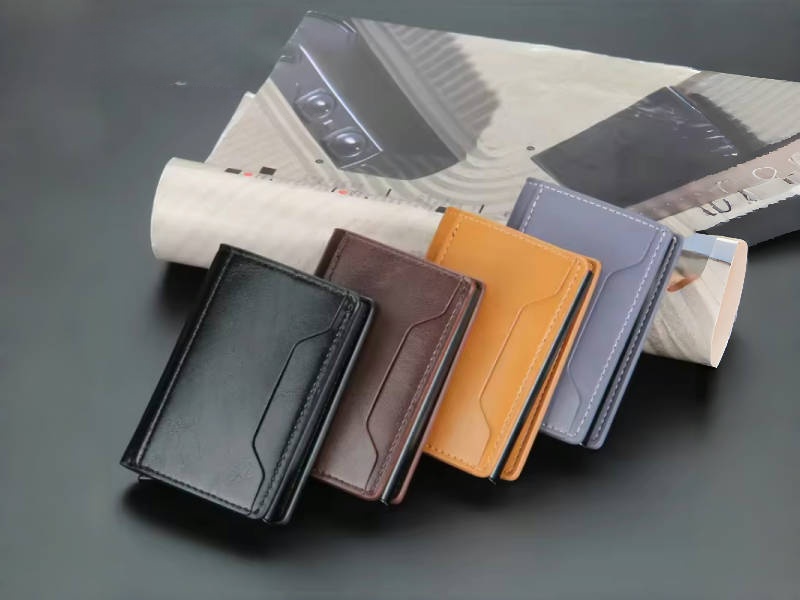
Yes—through OEM/ODM partnerships, you can develop branded hardware wallets with built‑in privacy modules, or white‑label software wallets incorporating Tor support and custom coin lists. Jundong’s 20‑year factory expertise extends to secure device enclosures, custom UI/UX, and compliance with global manufacturing standards.
Jundong’s OEM/ODM Offerings:
- Hardware Wallet Customization: Secure Element Chips: Integration with privacy coin firmware. Form Factor: Pocket‑sized dongles, metal‑cased modules, or custom carry cases.
- Software Wallet Branding: White‑Label Apps: Custom splash screens, themes, and supported asset lists. Privacy Features: Pre‑integrated Tor nodes, CoinJoin APIs, and lightning support.
- Quality & Compliance: Certifications: ISO 9001, ISO 27001; CE/FCC for electronic devices. Low MOQs: Starting at 200 units for wallets or branded hardware accessories.
- Logistics & Support: Rapid prototyping in 2–3 weeks; volume production in 6–8 weeks. End‑to‑end IP protection and secure shipping.
Case Study:
A privacy‑focused fintech firm commissioned 500 branded hardware wallets with Monero and CoinJoin support. Delivered in 45 days, these devices reinforced user trust and brand differentiation in a crowded market.
Conclusion
Anonymous crypto wallets offer powerful tools for financial privacy, but they demand careful consideration of coin compatibility, techniques, legal risks, and usability. Whether you opt for a fully anonymous wallet or a hybrid model with selective mixing, the key is matching your privacy needs with practical constraints.
Interested in developing a customized anonymous wallet solution—hardware or software—with your own brand and privacy features? Contact Jundong today for OEM/ODM wallet development: low MOQs, secure manufacturing, and complete customization to bring your privacy product to market.