Skip to content
Foldable Shopping Bag Factory for Custom Logo and Reusable Retail Programs
Custom foldable shopping bags, reusable grocery bags, folding tote bags, and compact retail bags for retail stores, trade shows, corporate gifts, loyalty programs, eco campaigns, e-commerce gifts, and private label projects. Jundong supports folding structure development, material selection, logo placement, sampling, bulk production, QC, packing, barcode labeling, and export coordination from Guangdong, China.
Foldable Bags for Real Reuse
A foldable shopping bag should not only fold small. It should open easily, carry real shopping items, return neatly into its pouch or pocket, and keep the logo visible during daily use.
For retail, supermarket, grocery, event, loyalty, and corporate gift programs, the bag must feel useful enough to be kept.
A good reusable foldable shopping bag needs to balance five things: folded size, carrying strength, logo display, fabric durability, and packing efficiency.
A trade show bag may need to be light and easy to distribute.
A supermarket reusable bag needs stronger handles and bottom seams.
A retail store bag may need barcode labels, hangtags, and clean folding.
A corporate gift bag may need a better pouch finish and dual logo placement.
An eco campaign bag may need RPET, reusable positioning, or a clear material story.
| Project Use | Better Bag Direction | Detail to Confirm |
|---|---|---|
| Supermarkets | Strong reusable grocery bag | Handle strength, bottom seam |
| Retail stores | Branded foldable tote | Barcode, hangtag, SKU label |
| Trade shows | Lightweight folding giveaway | Fast packing, large logo |
| Corporate gifts | Better pouch finish | Folded look, logo on pouch |
| Loyalty programs | Compact reusable bag | Easy folding, daily carry |
| Eco campaigns | RPET or reusable material direction | Material story, label wording |
| E-commerce gifts | Small folded add-on bag | Individual packing, carton count |
| Travel promotions | Nylon or ripstop compact bag | Pocket size, lightweight use |

Choose the Right Folding Style
The folding style decides how the user stores the bag after use. It also affects cost, logo display, packing method, sample complexity, and the final “keep or throw away” decision.
A foldable shopping bag becomes more useful when the folding method feels simple enough for daily life.
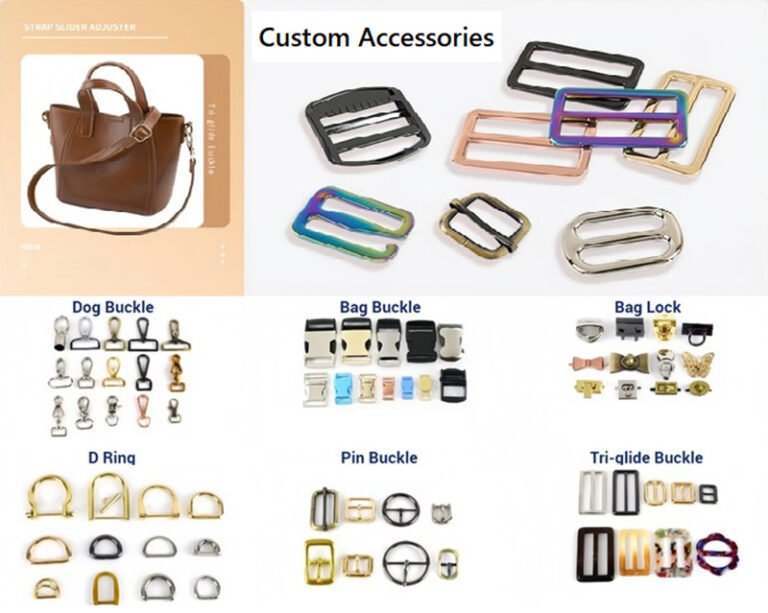
Built-in pocket folding is practical because the pocket stays attached to the bag. It reduces the risk of losing a separate pouch and works well for daily reusable grocery bags, supermarket programs, and compact retail bags.
A separate pouch can feel more giftable. It gives a cleaner, folded look and can carry a second logo. It is useful for corporate gifts, travel promotions, retail add-ons, and premium reusable programs.
A snap closure is simple and cost-friendly. It works well for promotional foldable shopping bags and bulk giveaway projects. Zipper pouch folding gives a cleaner finish and better protection, but adds cost and sewing steps.
Roll-up and clip styles are useful when the bag needs to be attached to a backpack, keyring, stroller, travel kit, or loyalty gift set.
| Folding Style | Better For | Note |
|---|---|---|
| Built-in pocket | Daily grocery and retail use | Pocket stays with the bag |
| Separate pouch | Corporate gifts, premium programs | Pouch can show a second logo |
| Snap closure | Budget promotional bags | Simple and fast to pack |
| Zipper pouch | Retail and gift programs | Cleaner folded look |
| Roll-up style | Travel and compact carry | Needs strap or elastic |
| Clip / hook pouch | Outdoor, travel, loyalty gifts | Easy to attach and carry |
Folding style should be reviewed with real material and bag size. A design that folds well in thin polyester may feel bulky in canvas or laminated non-woven fabric.
Material Choice for Foldable Bags
Material choice decides how small the bag folds, how much weight it can carry, how the logo prints, and how the bag feels in daily use.
The best material is not always the strongest or the cheapest. It is the one that fits the program, budget, and repeat-use expectation.
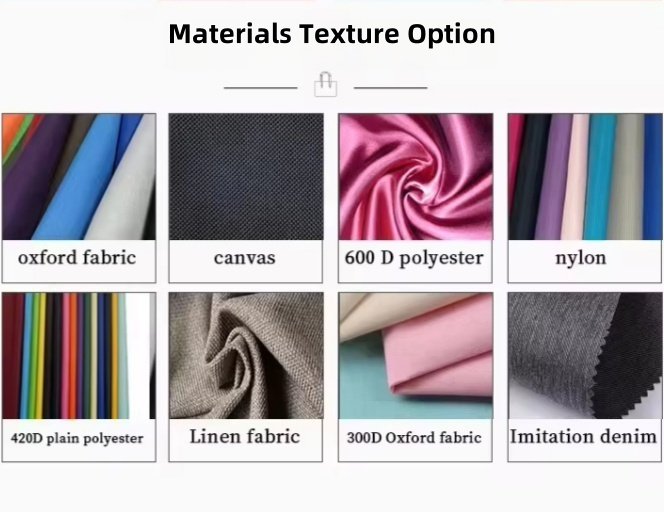
Polyester is a common choice for custom foldable shopping bags. It is lightweight, printable, easy to fold, and cost-friendly for promotional campaigns, events, travel gifts, and retail add-ons.
Nylon feels smoother and folds compactly. It works well for reusable grocery bags, travel shopping bags, loyalty gifts, and daily carry projects. Ripstop fabric can be considered when lightweight strength matters.
RPET is suitable for reusable retail programs and eco-positioned campaigns. It can support a material story, but label wording requirements should be checked before production.
Non-woven and laminated non-woven bags are often used for budget retail and grocery programs. Laminated material gives a stronger visual surface and a large print area, but the folded thickness should be reviewed.
Cotton and canvas create a natural retail feel, but they usually fold thicker and may not be ideal for pocket-sized designs.
| Material | Better For | Note |
|---|---|---|
| Polyester | Promotional foldable bags | Light, printable, cost-friendly |
| Nylon | Compact reusable bags | Smooth and easy to fold |
| RPET | Eco-positioned retail programs | Material story needs label review |
| Ripstop fabric | Travel and durable compact bags | Lightweight strength direction |
| Non-woven | Budget grocery programs | Simple and cost-controlled |
| Laminated non-woven | Retail display bags | Large print area, thicker fold |
| Cotton | Natural retail programs | Softer look, larger folded size |
| Canvas | Premium reusable bags | Strong, but less compact |

Logo Visible When Folded
A foldable shopping bag has two branding moments: when the bag is open for shopping and when it is folded into a pouch, pocket, snap bundle, or roll-up form.
Logo placement should work in both moments.
Many custom foldable shopping bag projects only check the main logo on the open bag. That is not enough. The folded pouch or pocket is often what users see first when receiving the bag as a gift, retail item, or campaign giveaway.
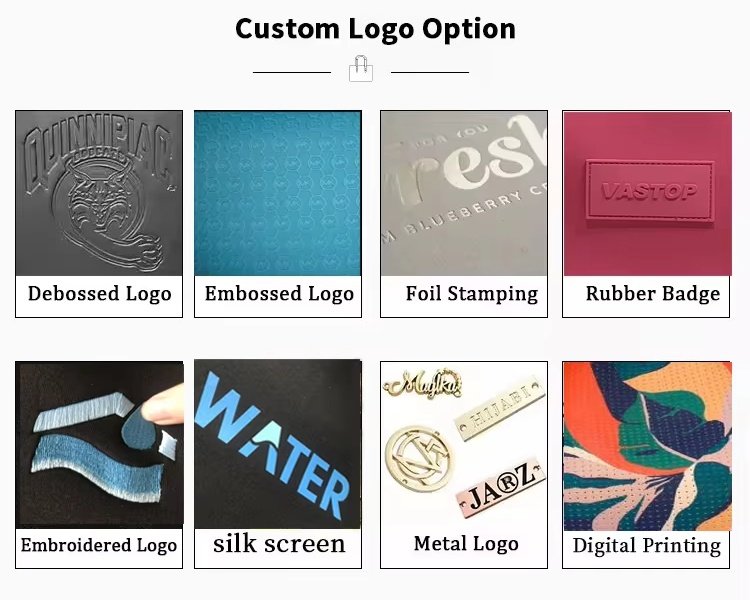
The open bag logo needs enough flat space and color contrast. It should stay visible when the bag is filled. The folded pouch logo needs to fit a much smaller area and should not be distorted by zipper seams, snap buttons, curved folds, or pouch edges.

For retail programs, the folded state may be more important at the sale. For supermarket or loyalty programs, the open bag logo may matter more during real use. For corporate gifts, both states should feel intentional.
| Branding Area | What to Check |
|---|---|
| Open bag front logo | Size, position, color contrast |
| Back logo | Optional campaign or sponsor mark |
| Folded pouch logo | Small-area readability |
| Built-in pocket logo | Placement after folding |
| Snap closure area | Logo clearance around button |
| Zipper pouch | Logo away from zipper seam |
| Fold line | Avoid crushing the main artwork |
| Hangtag | Adds retail or gift information |
| Barcode / SKU label | Supports selling and inventory |
Stronger Details for Daily Shopping
A foldable shopping bag is useful only when it can handle real shopping use. The bag should carry groceries, retail items, books, samples, gifts, or daily essentials without weak handles, loose seams, or uncomfortable carrying.
For reusable retail programs, strength and comfort are part of the brand experience.
Many foldable shopping bags look fine when empty, but the real test starts when users put products inside. A supermarket bag may carry canned food, bottles, vegetables, or boxed goods. A retail bag may carry apparel, shoes, books, cosmetics, or gift sets. A trade show bag may carry catalogs, samples, and water bottles.
That is why the handle, seam, and reinforcement details matter.
Handle length affects carrying comfort. A short handle may work for hand carry, but a longer handle may be better for shoulder use. Handle width affects pressure on the hand. The bottom seam and side seam affect loading stability. Bar-tack reinforcement helps strengthen. Repeated folding also needs to be considered because the bag is meant to be used again and again.
| Detail | What to Check |
|---|---|
| Handle length | Hand carry or shoulder carry |
| Handle width | Carrying comfort and pressure |
| Handle attachment | Stitching strength |
| Bottom seam | Load stability |
| Side seam | Shape and durability |
| Bar-tack reinforcement | Handle and corner strength |
| Fabric tear resistance | Reusable shopping performance |
| Repeated folding | Fold line durability |
| Pouch seam | Folded storage durability |
| Load expectation | Grocery, retail, gift, event use |
For orders, load expectations should be discussed before sampling. A lightweight event giveaway bag and a reusable grocery shopping bag should not follow the same strength standard.

Bulk Bags for Retail Programs
Foldable shopping bags work well for bulk programs because they are useful, compact, brandable, and easy to distribute. The best version depends on where the bag will be used and how they want the end user to keep it.
A supermarket program, retail store program, trade show campaign, and corporate gift project need different product choices.
For supermarkets and grocery stores, the bag should focus on carrying strength, reusable value, clear branding, and practical folding. Customers may keep it in a car, a handbag, a backpack, or a shopping cart.
For retail stores, foldable shopping bags can be sold, gifted, or used as part of a loyalty program. These projects often need barcode stickers, hangtags, SKU labels, clean folding, and carton sorting.
For trade shows and events, lightweight polyester foldable bags are often practical. They are easy to distribute and give a large logo area when opened. For corporate gifts, a separate pouch, zipper pouch, better fabric, or dual logo design can make the product feel more thoughtful.
For eco campaigns and reusable brand programs, RPET or other reusable material directions may support the brand message. The wording on labels, tags, and product descriptions should stay accurate and easy to verify.

| Program Type | Better Direction | Details to Confirm |
|---|---|---|
| Supermarkets | Strong reusable grocery bag | Handle, bottom seam, folded storage |
| Retail stores | Branded foldable tote | Barcode, hangtag, SKU label |
| Trade shows | Lightweight folding bag | Large logo, fast packing |
| Corporate gifts | Pouch-style foldable bag | Gift feel, folded logo |
| Loyalty programs | Compact daily-use bag | Easy folding, repeat use |
| Eco campaigns | RPET or reusable material direction | Material wording and label |
| School programs | Practical carry bag | Color, logo, packing groups |
| E-commerce gifts | Small folded add-on | Individual pack and carton count |
Control From Sample to Packing
A bulk foldable shopping bag project moves faster when the MOQ, sample timing, folding function, load expectation, logo method, packing rule, and delivery date are clear from the beginning.
These details help avoid weak samples, late changes, wrong labels, and shipment confusion.
For most custom foldable shopping bag projects, the standard MOQ is usually 500 pcs per design. Simple styles may be reviewed at 200–300 pcs, depending on available material, structure, logo method, and production schedule.
Sampling usually takes 5–7 days. Some simple samples may take 2–3 days when the fabric, size, folding method, and artwork are ready. Bulk production usually takes 20–30 days after approval, depending on quantity, logo process, folding structure, packing, and SKU complexity.
| Production Item | What to Confirm |
|---|---|
| MOQ | Quantity per design, color, or SKU |
| Sample time | Material, size, folding method, logo |
| Folding function | Opens and folds smoothly |
| Handle strength | Carrying expectation and reinforcement |
| Logo position | Open bag and folded pouch |
| QC checks | Size, seam, folding, load, logo, packing |
| Retail packing | Hangtag, barcode, SKU label, polybag |
| Carton mark | Destination, SKU, quantity, mixed packing |
| Delivery date | Event, launch, retail schedule |
For retail and distributor programs, packing accuracy can be as valuable as the bag itself. Barcode labels, SKU grouping, carton marks, and quantity checks help reduce receiving problems after delivery.

Why Choose a Bag Factory
A promotional platform can be useful for a quick logo order from existing styles. A foldable shopping bag factory is the better choice when the project needs folding structure development, material matching, sample revision, load control, private label packing, multi-SKU handling, export support, and repeat-order stability.
For reusable bag programs, production control matters before the first shipment and even more before the second order.
A foldable shopping bag looks simple, but a reliable bulk project involves many decisions: folding method, material, handle length, seam strength, pouch size, logo placement, barcode label, retail packing, carton marks, and reorder file.
A factory can review these details before production. This helps avoid common problems such as folded bags that are too bulky, handles that feel weak, logos hidden by fold lines, pouches that are hard to close, barcodes placed in the wrong spot, or repeat orders that do not match the approved sample.

| Need | Promotional Platform | Factory Support |
|---|---|---|
| Quick simple logo order | Convenient | Also possible for simple styles |
| Folding structure | Usually fixed styles | Built-in pocket, pouch, snap, zipper, roll-up review |
| Material choice | Limited options | Polyester, nylon, RPET, non-woven, cotton, canvas |
| Load control | Often basic | Handle, seam, bottom, reinforcement review |
| Logo planning | Basic proof | Open and folded logo placement |
| Retail packing | Limited support | Hangtag, barcode, SKU label, carton mark |
| Multi-SKU order | Harder to manage | Color, logo, packing, destination control |
| Repeat orders | May depend on stock | Approved sample and production records |
For brands, retailers, importers, supermarkets, event companies, and promotional companies, factory cooperation gives more control from idea to sample, from sample to bulk production, and from first order to repeat order.
Our Production Capabilities

Location: Guangzhou, near major ports
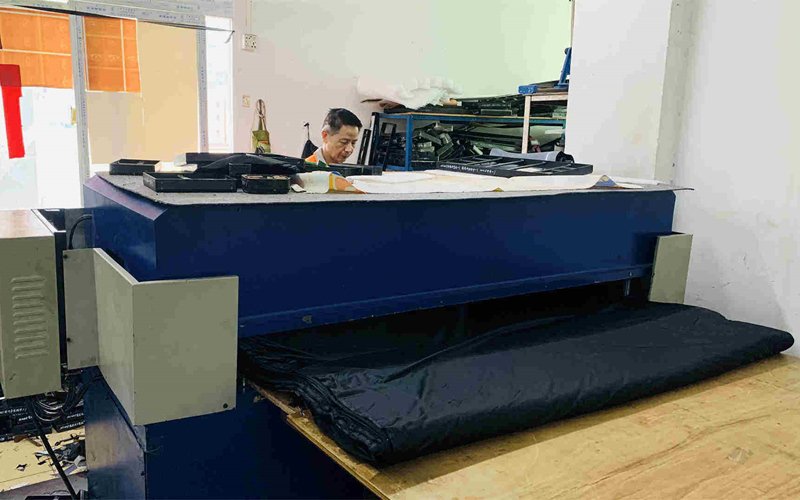
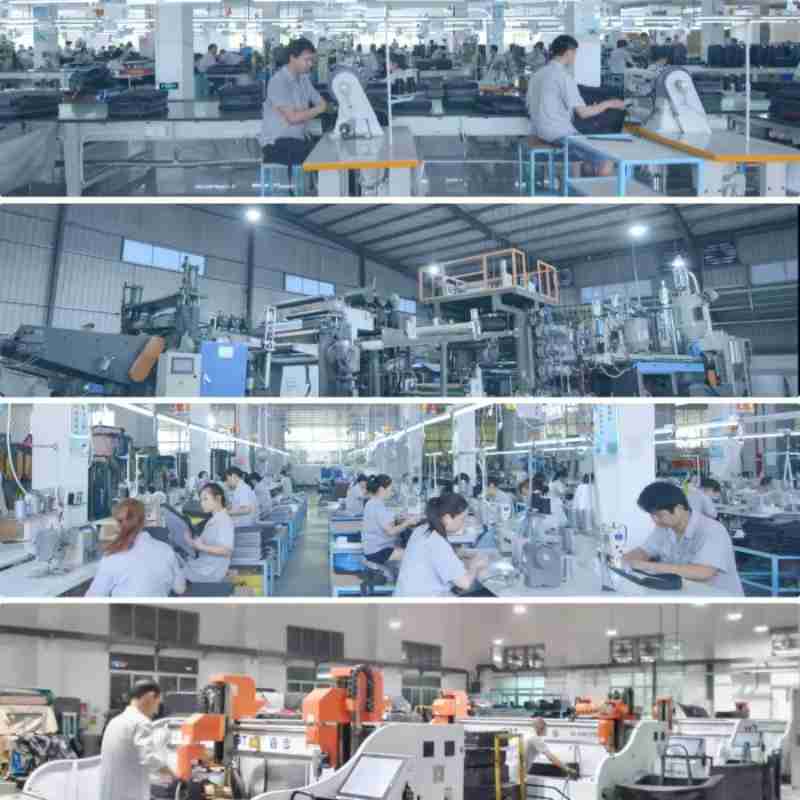
Cutting, sewing, printing, and assembly lines in-house
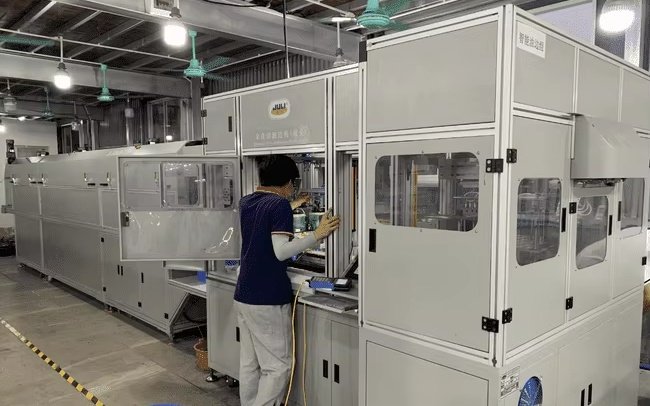
In-house material testing and R&D room
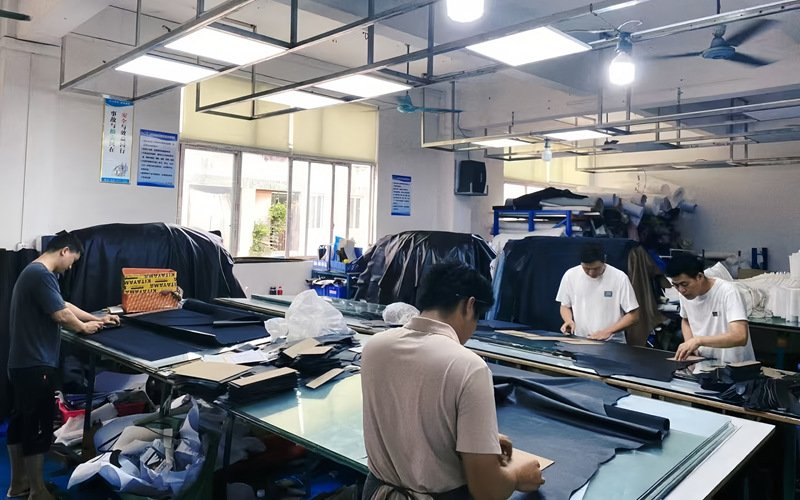
Sample development center
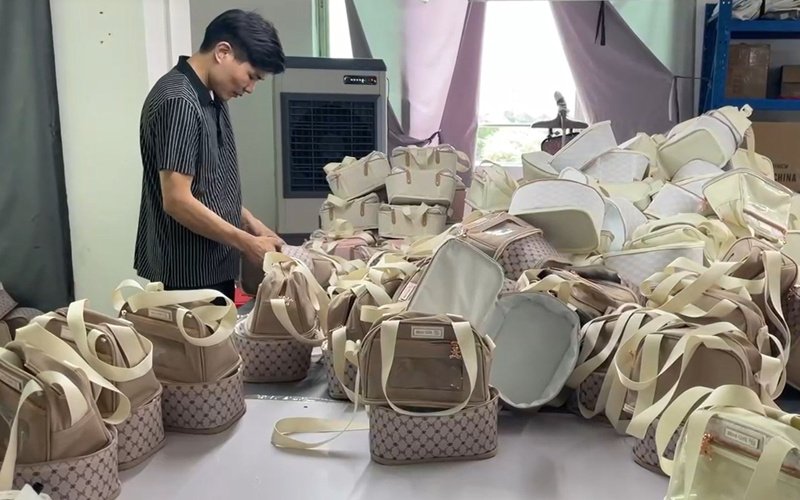
Dedicated QC team for inline & final inspection
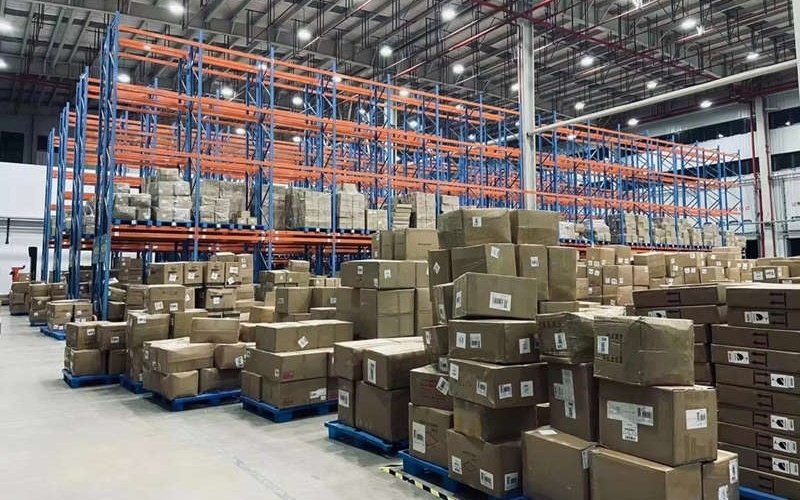
Custom packaging & labeling
Client Testimonials
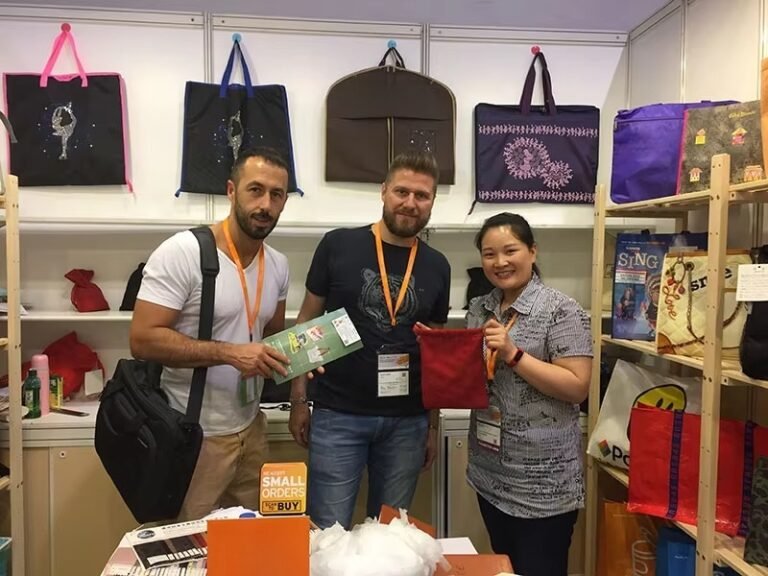
800+ brand Clients Trust Jundong





Make A Sample First?
See your idea come to life before mass production.
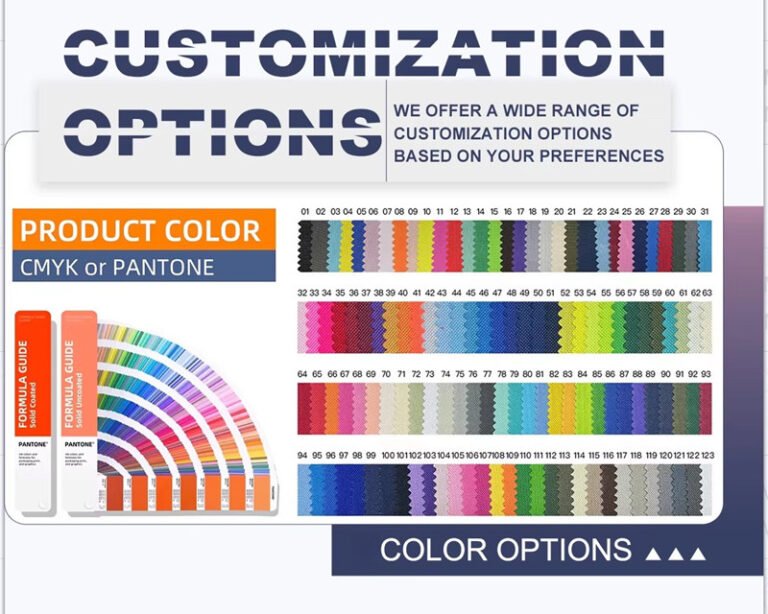
At Jundong Factory, we offer free design mockups and custom samples to ensure every detail is perfect — from material and color to logo placement and stitching.
Start your project with confidence today: info@jundongfactory.com.
structured Foldable Shopping Bag FAQ
What is a foldable shopping bag?
A foldable shopping bag is a reusable shopping bag designed to fold into a compact pouch, pocket, snap bundle, zipper pouch, roll-up shape, or clip-on form for easy storage and daily carry.
Certainly, the main value of a foldable shopping bag is not only that it can carry items. The stronger value is that users can keep it in a handbag, backpack, car, office drawer, suitcase, stroller, or checkout area and use it again when needed. That is why foldable shopping bags are widely used for supermarkets, grocery stores, retail programs, trade shows, corporate gifts, eco-campaigns, loyalty programs, and travel promotions.
A good foldable shopping bag should open quickly, carry real items, fold back neatly, and keep the logo visible in daily use. If the folding process is too hard, users may stop using it. If the material is too thin, the bag may feel weak. If the pouch is too small, folding becomes frustrating. If the logo only looks good when the bag is flat and empty, it may not perform well in real use.
| Foldable Bag Feature | Benefit |
|---|---|
| Compact folded size | Easier for users to keep and reuse |
| Large open capacity | Better for shopping and retail items |
| Custom logo area | Brand visibility during daily use |
| Pouch or pocket | Cleaner storage after folding |
| Strong handles | More reliable carrying experience |
| Retail packing option | Easier for stores, gifts, and campaigns |
For projects, a foldable shopping bag should be reviewed as both a packaging product and a reusable carry item. The best version is the one that users actually keep, carry, and use again.
Which folding style is best for reusable shopping bags?
The best folding style depends on how the bag will be used, stored, packed, and presented: built-in pocket, separate pouch, snap closure, zipper pouch, roll-up style, and clip pouch all serve different needs.
Sure, there is no single folding style that fits every project. A supermarket reusable bag, a trade show giveaway, a corporate gift, a travel shopping bag, and a retail add-on product may all need different folding logic.
A built-in pocket is practical for daily use because the storage pocket stays attached to the bag. Users cannot lose it easily. This makes it useful for grocery programs, loyalty campaigns, and retail reusable bags. A separate pouch gives a cleaner gift feeling and can carry a second logo. It works well for corporate gifts, travel promotions, and premium reusable programs.
Snap closure is simple and cost-friendly. It is good for large promotional orders when the bag needs to fold quickly without adding too many sewing steps. A zipper pouch gives a more refined folded look, but it adds cost and production checks. Roll-up styles are compact and travel-friendly. Clip or hook pouches can attach to backpacks, keyrings, strollers, or travel kits.
| Folding Style | Best Fit | Main Note |
|---|---|---|
| Built-in pocket | Grocery and daily reuse | The pocket stays attached |
| Separate pouch | Gifts and retail add-ons | The pouch can show the logo. |
| Snap closure | Budget bulk campaigns | Simple and fast |
| Zipper pouch | Premium retail programs | Cleaner folded look |
| Roll-up style | Travel and compact carry | Needs strap or elastic |
| Clip pouch | Outdoor and loyalty gifts | Easy to attach |
A practical rule: choose the folding style after checking material thickness and bag size. A structure that works well in thin polyester may become bulky in canvas or laminated non-woven fabric.
What material is best for foldable shopping bags?
The best material for foldable shopping bags depends on folded size, load expectation, logo method, handfeel, cost target, and reusable value.
Definitely, material choice is one of the most important decisions in a custom foldable shopping bag project. The bag has to fold small enough to be kept, but it also has to be strong enough for real use. If the material is too light, the bag may not feel reliable. If the material is too thick, folding becomes bulky.
Polyester is a common option for promotional foldable bags because it is lightweight, printable, and cost-friendly. It works well for events, corporate giveaways, travel gifts, and retail add-ons. Nylon feels smoother and folds compactly, making it suitable for grocery reuse, travel shopping bags, loyalty programs, and everyday carry.
RPET is useful for reusable retail programs and eco-positioned campaigns when the brand wants a material story. Non-woven material can support budget-friendly grocery or promotional programs. Laminated non-woven gives a stronger print surface and better structure, but the folded thickness should be reviewed. Cotton and canvas bring a natural retail feel, but they usually fold more loosely and may not suit pocket-sized designs.
| Material | Better For | Note |
|---|---|---|
| Polyester | Promotions and events | Light, printable, cost-friendly |
| Nylon | Compact reusable bags | Smooth and easy to fold |
| RPET | Reusable retail programs | Good material, story. |
| Non-woven | Budget grocery bags | Cost-controlled |
| Laminated non-woven | Retail display bags | Better print surface, thicker fold |
| Cotton | Natural retail feel | Softer, less compact |
| Canvas | Premium reusable bags | Strong but bulkier |
| Ripstop fabric | Travel and durable use | Lightweight strength direction |
A good factory reviews material with folding structure, handle strength, logo method, and packing method together. That is how the bag stays useful after the first use.
Can I print my logo on both the open bag and the folded pouch?
Logo printing can be placed on both the open foldable shopping bag and the folded pouch or pocket, but the artwork size, print method, fold line, zipper, snap, and pouch shape should be reviewed before sampling.
Absolutely. This is one of the strongest branding advantages of foldable shopping bags. The open bag can show a large logo during shopping, while the folded pouch can show a smaller logo when the bag is stored, gifted, displayed, or sold. This gives the brand two useful visibility moments.
For open bags, the logo usually needs a wider, flatter print area. The design should stay visible when the bag is filled with groceries, retail items, samples, or gifts. For folded pouches, the print area is smaller, so the logo must be simplified enough to remain readable. Small letters, thin lines, or complex artwork may need adjustment.
The folding structure affects logo planning. A built-in pocket may show the logo only after the bag is folded correctly. A separate pouch gives more control over logo placement. A snap closure may interrupt the print area. A zipper pouch requires space away from the zipper seams. A roll-up structure may create curved fold lines that affect the artwork.
| Logo Area | What to Check |
|---|---|
| Open bag front | Main logo size and position |
| Open bag back | Optional slogan or campaign mark |
| Folded pouch | Small logo readability |
| Built-in pocket | Final folded logo direction |
| Snap area | Clearance around button |
| Zipper pouch | Logo away from zipper seam |
| Fold line | Avoid crushing artwork |
| Hangtag | Extra retail message or barcode |
For the best result, check the logo in both states: opened and folded. A logo that works in both positions can make the bag feel more intentional and more valuable.
How much weight can a foldable shopping bag carry?
The load capacity of a foldable shopping bag depends on fabric strength, handle width, handle stitching, bottom seam, side seam, reinforcement, bag size, and intended shopping use.
Of course, a real number should not be a random number. A foldable shopping bag for trade show leaflets does not need the same strength as a reusable grocery bag for bottles, canned food, fruit, and boxed goods. Before confirming a design, the expected load should be matched with the use scene.
For lightweight promotional bags, the focus may be on foldability, low cost, and easy distribution. For reusable grocery bags, handle strength and bottom seams become more serious. For retail store bags, the load may include apparel, shoes, cosmetics, books, or gift sets. For corporate gifts, comfort and finish may matter as much as strength.
| Load Factor | Why It Matters |
|---|---|
| Fabric weight | Affects tear resistance and handfeel |
| Handle width | Affects comfort under weight |
| Handle length | Hand carry vs shoulder carry |
| Handle the stitching. | Controls stress |
| Bottom seam | Supports product weight |
| Side seam | Helps maintain bag shape |
| Bar-tack reinforcement | Strengthens high-stress areas |
| Bag size | Larger bags invite heavier loads |
| Folding pouch seam | Needs repeated folding durability |
A good foldable shopping bag should be reviewed with real use in mind. If users are likely to carry groceries, bottles, books, or boxed products, stronger fabric, reinforced handles, better bottom seams, and load-related sample checks are worth discussing before bulk production.
The safest approach is to define a target carrying scenario first, then develop the bag around that scenario.
What is the MOQ for custom foldable shopping bags?
The standard MOQ for most custom foldable shopping bags is usually 500 pcs per design, while selected simple styles may be reviewed at 200–300 pcs, depending on material, folding structure, logo method, and production schedule.
Certainly, MOQ is not only a quantity number. It affects material purchasing, cutting, printing setup, sewing line arrangement, handle reinforcement, folding pouch production, QC, packing, carton preparation, and unit cost.
A simple polyester foldable shopping bag with one-color logo printing is usually easier to produce in a lower quantity than a nylon zipper-pouch foldable bag with two logo positions, a custom hangtag, a barcode label, an individual polybag, and mixed carton packing.
For many retail, grocery, event, and corporate gift programs, 500 pcs per design gives a better balance between setup cost and production efficiency. Larger quantities often help reduce the unit cost because printing setup, pattern work, material preparation, and packing labor can be spread across more pieces.
| Quantity Level | Better For | Cost Note |
|---|---|---|
| 200–300 pcs | Selected simple trial orders | Possible when material and structure are simple |
| 500 pcs | Standard custom foldable bag projects | Better balance of cost and setup |
| 1,000+ pcs | Retail, event, grocery, loyalty programs | Better unit cost potential |
| 5,000+ pcs | Supermarkets, distributors, large campaigns | Needs clear SKU and packing plan |
For a faster MOQ review, you can send the bag size, folding style, material idea, logo artwork, logo position, quantity by color, packing method, and target delivery date. These details help the factory judge whether the project is a simple promotional order or a more structured reusable retail program.
How long does sampling and bulk production take?
Sampling for custom foldable shopping bags usually takes 5–7 days, while selected simple samples may take 2–3 days when material, size, folding method, and artwork are already confirmed. Bulk production usually takes 20–30 days after sample approval.
Sure, timing depends on the complexity of the bag. A simple foldable polyester tote with a built-in pocket and one-color logo can move faster than a nylon zipper-pouch style with two logo placements, reinforced handles, a retail hangtag, a barcode sticker, and multi-color packing.
Sampling is valuable because the folding function must be checked in real life. The bag should open easily, fold back smoothly, fit into the pouch or pocket, show the logo correctly, and feel comfortable when carried. If the bag is intended for grocery, supermarket, retail, or loyalty programs, handle strength and bottom seam should also be reviewed before bulk production.
| Stage | Typical Timing | What Affects It |
|---|---|---|
| Simple sample | 2–3 days possible | Ready fabric, simple folding, ready artwork |
| Regular sample | 5–7 days | Material, folding structure, logo, packing |
| Bulk production | 20–30 days | Quantity, SKU count, logo process, packing |
| Urgent project review | Case by case | Material stock, event date, production schedule |
For fixed-date projects, the target arrival date should be shared at the beginning. Trade shows, retail launches, supermarket campaigns, corporate gift programs, and seasonal promotions all need planning backward from the delivery date.
A practical tip: approve the folding effect, handle strength, logo position, and packing method at the sample stage. These are the details that can cause expensive changes if discovered after bulk production starts.
Can you support barcode labels, hangtags, and retail packaging?
Barcode labels, hangtags, SKU stickers, individual polybags, care labels, carton marks, and retail-ready packing can be supported for foldable shopping bag projects.
Absolutely. For retail, supermarket, distributor, e-commerce, and corporate gift programs, the bag itself is only one part of the order. Packing and labeling decide whether the goods are easy to receive, scan, store, display, ship, and reorder.
A simple event giveaway may only need bulk packing. A retail foldable shopping bag may need a hangtag, barcode sticker, SKU label, individual polybag, color sticker, pouch label, carton mark, and destination code. If one order includes several colors, several logos, or several delivery locations, these details become even more useful.
| Packing Detail | Why It Helps |
|---|---|
| Hangtag | Adds brand message and retail information |
| Barcode sticker | Supports scanning and inventory control |
| SKU label | Helps sort color, size, and style |
| Individual polybag | Keeps each folded bag clean |
| Care label | Supports product information |
| Pouch label | Helps identify folded bag versions. |
| Carton mark | Makes warehouse receiving easier |
| Destination code | Supports multi-location delivery |
| Mixed packing rule | Helps distributor and campaign orders |
Retail packaging should be discussed before bulk production. A barcode placed in the wrong position, a missing SKU label, or unclear carton marks can create problems even when the bag quality is good.
For better review, you can send barcode files, SKU lists, hangtag artwork, packing quantities per carton, destination requirements, and any warehouse receiving rules before sample approval.
Can you handle multi-color and repeated foldable bag orders?
Multi-color, multi-logo, multi-SKU, and repeat foldable shopping bag orders can be handled more smoothly when material references, folding-style records, logo positions, barcode rules, packing methods, and carton marks are controlled from the first order.
Of course. Larger ones often do not need just one foldable bag. A supermarket chain may need different colors for different campaigns. A retailer may need several SKUs. A corporate gift may need multiple logo versions. A distributor may need different carton marks by destination. A reusable bag program may need repeated production every season.
Without clear records, repeat orders can drift. The folded pouch may become slightly different. The logo may move. The handle length may change. The pouch may fold less neatly. Barcode placement may differ. Even small changes can affect retail handling and brand presentation.
| Record Type | What It Controls |
|---|---|
| Approved sample | Shape, size, folding method |
| Material reference | Fabric type, color, thickness |
| Logo placement sheet | Open bag and folded pouch logo |
| Handle specification | Length, width, stitching |
| Folding record | Pocket, pouch, snap, zipper, roll-up |
| Barcode and SKU file | Retail and warehouse handling |
| Packing rule | Polybag, hangtag, carton quantity |
| Carton mark standard | Destination and receiving control |
| QC checklist | Size, seam, folding, logo, packing |
Repeat production works best when the first approved sample becomes the production reference. For long-term retail, supermarket, event, or corporate programs, this record can save time and reduce avoidable changes in future orders.
Why choose a factory instead of a promotional product platform?
A foldable shopping bag factory is a better choice when you need folding structure development, material matching, load review, logo control, sample revision, retail packing, export support, multi-SKU handling, and repeat-order stability.
Definitely, promotional product platforms are convenient for quick logo orders from existing styles. If the project only needs a standard bag, simple logo, and fast online ordering, that route can work.
But reusable bag projects often need deeper control. The folding method must be tested. The material must fold without becoming bulky. The handle must match the load. The logo must work in open and folded states. The pouch, snap, zipper, or roll-up detail must feel easy for users. Retail packing, barcode labels, carton marks, and repeat-order records also need to be managed.
| Need | Promotional Platform | Factory Support |
|---|---|---|
| Quick simple logo order | Convenient | Also possible for simple styles |
| Folding structure | Usually fixed | Can review pocket, pouch, snap, zipper, roll-up |
| Material matching | Limited | Can compare polyester, nylon, RPET, nonwoven, and cotton |
| Load control | Basic | Handle, seam, bottom, reinforcement review |
| Logo planning | Basic proof | Open and folded logo placement |
| Retail packing | Often limited | Hangtag, barcode, SKU label, carton mark |
| Multi-SKU order | Harder to control | Color, logo, packing, destination records |
| Repeat order | May depend on stock | Approved sample and production files |
For brands, retailers, supermarkets, importers, event companies, and corporate gifts, factory-direct cooperation gives more control from idea to sample, from sample to bulk production, and from first order to repeat order.
A promotional platform helps you place an order. A factory helps you build a reusable bag program.
Everything You Need to Know Before Customizing Your Bags
Choosing a foldable shopping bag factory is not only about finding a low unit price. For reusable bag programs, you usually need to compare folding structure, material, logo visibility, handle strength, MOQ, sampling time, packing method, barcode labels, carton marks, and repeat-order stability before moving forward.
These FAQs answer the most often asked questions by retailers, supermarkets, grocery chains, importers, promotional product, corporate gift teams, event planners, eco-campaign, e-commerce sellers, and private label brands planning custom foldable shopping bags in bulk.