Skip to content
Premium Fabric Drawstring Bag Patterns for Bulk & Custom Orders
Unlock precise designs, flexible sizes, and professional-grade patterns tailored for your brand’s production needs.
Discover premium fabric drawstring bag patterns with multiple sizes and customizable options. Jundong Factory provides OEM/ODM services, eco-friendly materials, fast sampling, and strict QC, enabling brands to scale production with confidence.
1 Drawstring Bag Patterns for Brands
A fabric drawstring bag pattern is not only a sewing template. For brand programs, it decides the bag shape, storage capacity, fabric usage, drawcord position, logo area, sewing method, packing size, and final cost.
That is why a good pattern needs to work beyond the sample table.
It has to support repeat orders, multi-size collections, color variations, retail packing, event distribution, and private label presentation without losing shape or consistency.
Each project can be adjusted around:
- Finished bag size
- Flat or gusseted bottom
- Single drawcord or double drawcord closure
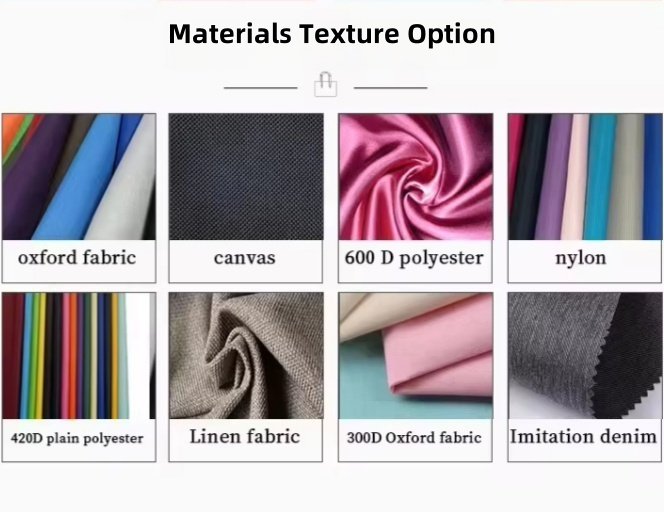
- Cotton, canvas, polyester, nylon, Oxford, non-woven, or recycled fabric
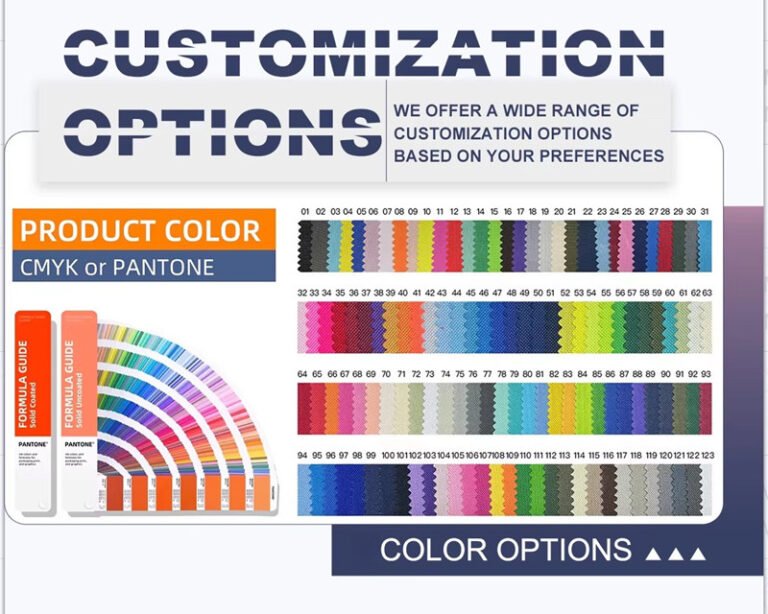
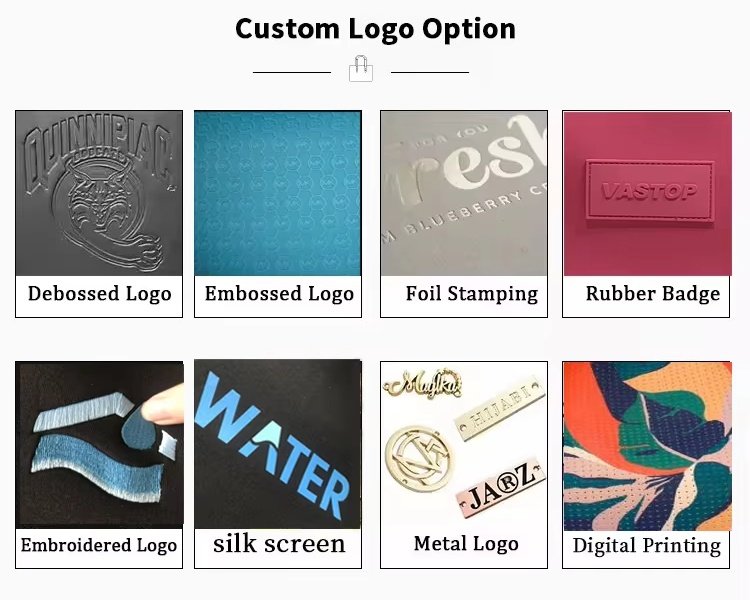
- Logo printing, embroidery, woven label, rubber patch, or heat transfer
- Corner reinforcement, eyelets, tacks, or inner seams
- Individual packing, set packing, barcode labels, carton marks, and shipping needs
For sourcing teams, the value is simple:
A clearer pattern reduces sample changes.
A better structure reduces bulk risk.
A practical bag design makes the product easier to price, produce, inspect, pack, and reorder.
This is suitable for:
- Custom drawstring bags for retail brands
- Fabric drawstring pouches for product packaging
- Cotton drawstring bags for gift sets
- Canvas drawstring bags for lifestyle collections
- Polyester drawstring backpacks for sports events
- Shoe dust bags for footwear brands
- Promotional drawstring bags for campaigns
- Travel laundry bags and packing bags
- Drawstring storage bags for subscription boxes

2 Drawstring Bag Pattern Options
Different drawstring bags need different patterns. A simple flat pouch may work for product packaging, but sports kits, shoe bags, travel organizers, and retail gift sets often need a stronger structure, better closure, or more controlled sizing.
A pattern needs to match the product’s job.
Below are common pattern directions used in fabric drawstring bag projects.
A well-planned pattern helps the bag fit the product without feeling too loose, too tight, or poorly shaped. For brand teams, this is where small details matter:
- Can the bag hold the product without distortion?
- Does the logo stay visible after the cord is tightened?
- Will the fabric wrinkle too much around the opening?
- Is the drawcord comfortable when used as a backpack?
- Does the bottom shape match the way the bag will be displayed?
- Can the same pattern support different colors or sizes later?

| Pattern Type | Best Fit | Key Design Details |
|---|---|---|
| Flat Drawstring Pouch | Gift packaging, jewelry, cosmetics, small accessories | Simple cutting, light fabric, clean logo area |
| Cotton Drawstring Bag | Retail sets, lifestyle items, eco gift packs | Soft handfeel, natural look, washable options |
| Canvas Drawstring Bag | Premium packaging, shoes, books, merchandise | Thicker fabric, stronger seams, better shape |
| Polyester Drawstring Backpack | Sports, schools, events, gym programs | Lightweight body, shoulder cord function, reinforced corners |
| Shoe Dust Bag | Footwear, travel, hotel amenities | Size control, smooth closure, soft fabric surface |
| Lined Drawstring Bag | Beauty sets, gift sets, delicate items | Outer fabric plus lining, cleaner inner finish |
| Gusseted Drawstring Bag | Bulky items, product bundles, retail kits | More capacity, better standing shape |
| Waterproof Fabric Bag | Outdoor, beach, swim, travel use | Coated fabric, seam planning, moisture resistance |
3 Sampling Decisions Before Production
A drawstring bag sample can look simple, but the wrong early decision may create cost, packing, or quality problems later. Before sampling, the sourcing and product teams need to confirm how the bag will be used, what it will carry, how it will be packed, and how the logo should appear after closing.
These details help build a pattern that works in real production.
For lightweight event bags, a flat body with reinforced corners may be enough.
For retail packaging, the bag may need cleaner seams, better fabric handfeel, and accurate color matching.
For sports drawstring backpacks, the cord path, corner strength, and shoulder comfort need more attention.
For shoe dust bags, size control and soft inner contact matter more than decoration.
Key Details to Confirm
| Decision Area | What to Check | Why It Affects the Project |
|---|---|---|
| Finished Size | Width, height, bottom depth, usable opening | Controls product fit and packing volume |
| Fabric Type | Cotton, canvas, polyester, nylon, Oxford, non-woven | Affects handfeel, weight, strength, and cost |
| Fabric Weight | Light, medium, heavy | Changes drape, shape, sewing difficulty, and freight |
| Closure Method | Single cord, double cord, backpack cord | Affects function and user comfort |
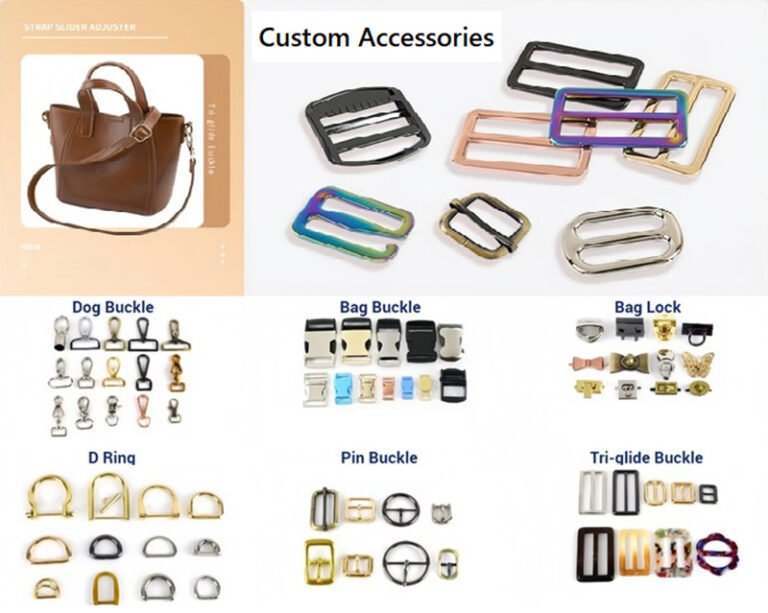
| Drawcord Material | Cotton rope, polyester cord, ribbon, flat webbing | Changes look, strength, and perceived value |
| Bottom Structure | Flat, boxed, gusseted, round bottom | Controls capacity and display shape |
| Reinforcement | Eyelets, tacks, corner tabs, double stitching | Helps reduce tearing in repeated use |
| Logo Method | Screen print, heat transfer, embroidery, woven label | Affects clarity, texture, durability, and cost |
| Packing Method | Individual bag, set packing, retail label, carton mark | Affects warehouse sorting and delivery |

4 Pattern Review to Sample Approval
A strong fabric drawstring bag project usually starts with pattern review, not direct sewing. This step helps find issues before fabric is cut in bulk.
The review checks whether the size, seam allowance, cord channel, bottom structure, reinforcement, logo area, and packing method can work together.
What Gets Checked Before Approval
- Product fit inside the bag
- Opening size after the drawcord is pulled
- Logo visibility after closing
- Fabric wrinkling and shrinkage risk
- Cord movement and knot security
- Corner strength and seam finish
- Color and material consistency
- Individual packing and carton layout
- Barcode, label, hangtag, and carton mark details
For many projects, sampling is where cost control and quality control begin. A well-reviewed sample can reduce back-and-forth changes, avoid wrong bulk fabric use, and create a clearer standard for future reorders.

A Practical Sample Path
Project details review
Bag size, use case, fabric direction, logo file, order quantity, packing style, and delivery plan are checked before sampling.
Material and structure advice
The team reviews whether cotton, canvas, polyester, nylon, Oxford, non-woven, or coated fabric is more suitable for the required handfeel, strength, and cost.
Pattern and technical setup
The bag pattern is prepared or adjusted with cutting size, seam position, drawcord path, bottom structure, reinforcement details, and logo placement.
Sample making
A physical sample is made for fit, appearance, closure, cord movement, stitching, logo clarity, and packing size.
Revision and approval
Changes can be made to size, fabric, cord length, logo method, seam finish, or packing setup before the approved sample is locked.
Pre-production confirmation
The approved sample becomes the main reference for bulk production, inspection, packing, and repeat orders.
5 Flexible Production & Batch Options
Our factory supports a wide range of production quantities, from pilot runs to full-scale campaigns. Each batch type is matched with materials, quality checks, and lead time guidance to streamline your procurement decisions.
Each batch undergoes the following:
- Pattern confirmation before cutting
- Fabric verification and preparation
- Stitching, reinforcement, and logo application
- Multi-stage in-process inspections
- Packing, labeling, and carton mark compliance
Teams receive clear batch guidance, ensuring consistent size, shape, and logo presentation across every order.
| Batch Type | Quantity | Typical Lead Time | Applicable Fabrics | Key Benefits |
|---|---|---|---|---|
| Pilot Run | 200–300 pcs | 3–5 days for sample | Cotton, Canvas, Polyester, Non-woven | Test designs, validate pattern, small campaigns |
| Standard Batch | 500 pcs | 7–12 days | Cotton, Canvas, Polyester, Oxford | Seasonal launches, retail packs, private label |
| Bulk Production | 1000+ pcs | 20–30 days | All supported fabrics | Campaigns, schools, subscription boxes, repeat orders |

6 Sustainable Material Options
Brands often require environmentally responsible solutions. Jundong offers multiple eco-conscious fabrics, with guidance on selection, durability, and production suitability.
Decision Tips:
- Combine fabric type with bag size and weight requirements
- Check cord compatibility and reinforcement needs
- Consider logo visibility and printing method
Eco-friendly bags support sustainable branding, engagement, and compliance with environmental programs.

| Fabric Type | Key Properties | Recommended Use | Benefits |
|---|---|---|---|
| Organic Cotton | Soft, breathable, washable | Retail sets, lifestyle packs | Eco-label compliance, premium feel |
| Recycled Polyester | Lightweight, durable | Sports packs, gym bags | Lower environmental impact, consistent color |
| Non-Woven Biodegradable | Lightweight, disposable | Event giveaways, campaigns | Biodegradable, recyclable, fast production |
| Coated/Waterproof | Water-resistant, durable | Travel organizers, outdoor kits | Protection against moisture, premium perception |
7 Multi-Stage Quality Assurance
Our factory applies structured quality checks at every stage to ensure consistency, reduce defects, and maintain brand presentation.
| QC Stage | Checkpoints | Benefit |
|---|---|---|
| Incoming Fabric | Color, texture, weight, defect inspection | Avoid material-related issues |
| Pattern Verification | Dimensions, proportions, logo placement | Prevent mismatch between design and production |
| In-Process | Stitching, reinforcement, cord alignment | Reduce production errors early |
| Final Inspection | Seam consistency, packaging, labels, carton marks | Ensure batch repeatability and delivery readiness |
Documentation and deviation tracking allow brand teams to have clear standards for bulk orders. Approved samples become a reference for production, packing, and QC of future runs.

8 Pattern Versatility Across Product Lines

A well-designed drawstring bag pattern can serve multiple applications. Jundong evaluates each pattern for:
- Volume and product fit
- Closure and cord functionality
- Logo positioning and visibility
- Reinforcement and seam integrity
- Packaging layout and batch repeatability
Common applications:
- Cotton or canvas retail gift bags
- Sports and gym drawstring backpacks
- Shoe dust bags for footwear collections
- Travel laundry and packing organizers
- Promotional campaign or event bags
This approach ensures brands can standardize production, reduce sampling iterations, and maintain consistent product quality across multiple lines.
9 Real Brand Case Studies
Understanding how patterns translate into successful products helps brands make confident decisions. Jundong has worked with multiple international clients across retail, lifestyle, sports, and promotional sectors. Each project demonstrates pattern versatility, material adaptability, and production consistency.
From these projects:
- Patterns must accommodate multiple sizes or color variants
- QC checkpoints reduce errors in bulk orders
- Early material testing prevents shipment delays
- Clear packing instructions improve warehouse efficiency
Brands using these case references can anticipate production challenges, compare costs, and ensure brand presentation matches design intent.
| Project | Product Type | Fabric | Batch Size | Key Success |
|---|---|---|---|---|
| European Sports Brand | Drawstring Backpack | Polyester | 1,200 pcs | Accurate cord path, reinforced corners, logo clarity |
| Lifestyle Retail Brand | Canvas Gift Bag | Cotton Canvas | 350 pcs | Consistent sizing, clean seams, repeatable batch |
| School Program | Drawstring Kit Bag | Oxford | 600 pcs | Standardized pattern for multiple colors, fast sample approval |
| Promotional Event | Non-Woven Giveaway Bag | Non-Woven | 5,000 pcs | Rapid production, low-cost material, consistent appearance |
| Footwear Brand | Shoe Dust Bag | Cotton | 1,000 pcs | Proper fit for shoes, soft handfeel, minimal waste |

10 Production Workflow Overview
Jundong’s production workflow is designed for transparency and efficiency. Every project follows a structured path from design to delivery.
Visual guides and clear documentation reduce miscommunication. Brands can plan lead time, material sourcing, and batch strategy based on this workflow.

| Step | Description | Key Benefit |
|---|---|---|
| Pattern Review | Verify size, closure, reinforcement, and logo placement | Reduce sample iterations, confirm feasibility |
| Fabric & Material Prep | Inspect incoming fabric, cut to pattern | Minimize defects, ensure handfeel |
| Sampling | Create first physical sample | Test fit, appearance, cord function, logo clarity |
| Approval | Confirm sample meets requirements | Reference for bulk production |
| Bulk Production | Batch sewing with in-process QC | Ensure consistency, reduce errors |
| Packing & Labeling | Apply hangtags, barcode, carton mark | Warehouse ready, brand-compliant |
| Final QC | Inspect stitching, dimensions, logo, packaging | Minimize returns, maximize repeat order reliability |
| Delivery | Coordinate shipment | On-time arrival, correct batch allocation |
11 Downloadable Sample Patterns
To support early-stage planning, Jundong offers downloadable pattern samples. Brands can preview:
- Dimensions and layout
- Drawcord paths and bottom structures
- Reinforcement and seam allowances
- Logo placement zones
These samples are suitable for:
- Product prototyping
- Internal design approval
- Cost estimation and material planning
Downloadable patterns allow your team to evaluate fit, fabric compatibility, and design intent before committing to sampling or bulk orders.

Our Production Capabilities

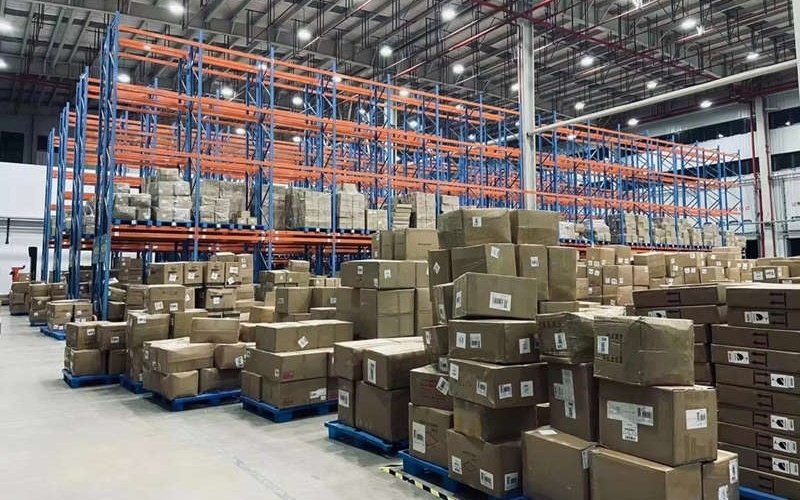
Location: Guangzhou, near major ports
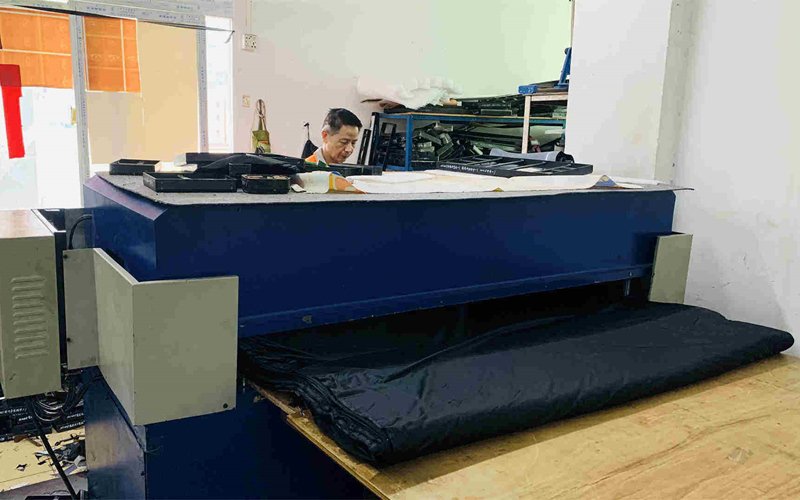
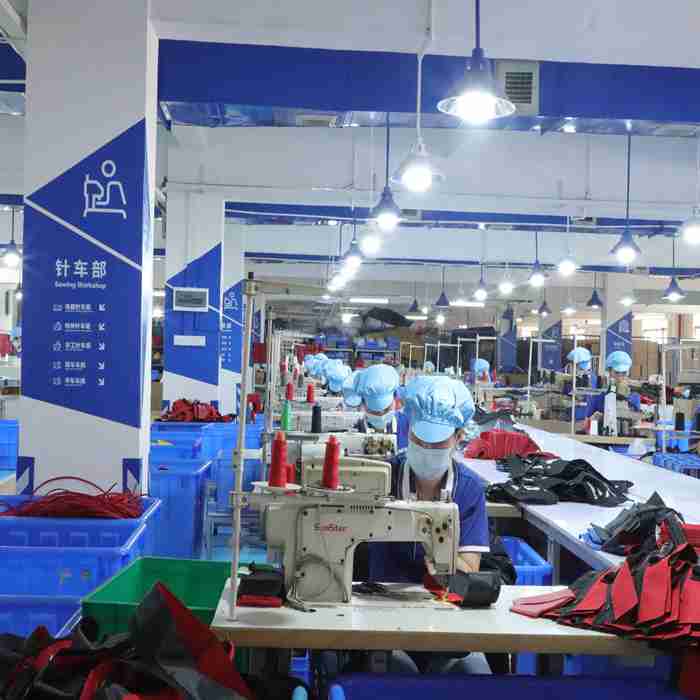
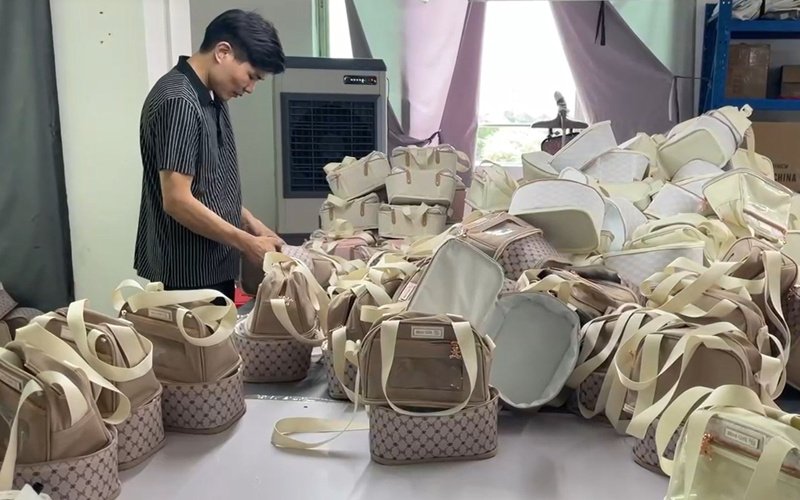
Cutting, sewing, printing, and assembly lines in-house
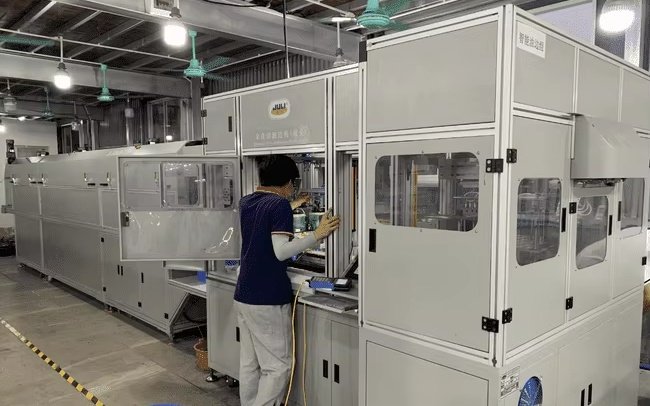
In-house material testing and R&D room
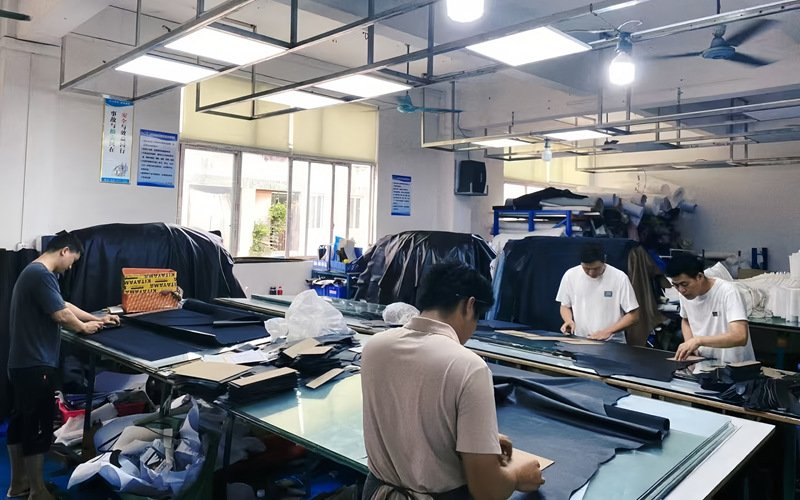
Sample development center
Dedicated QC team for inline & final inspection
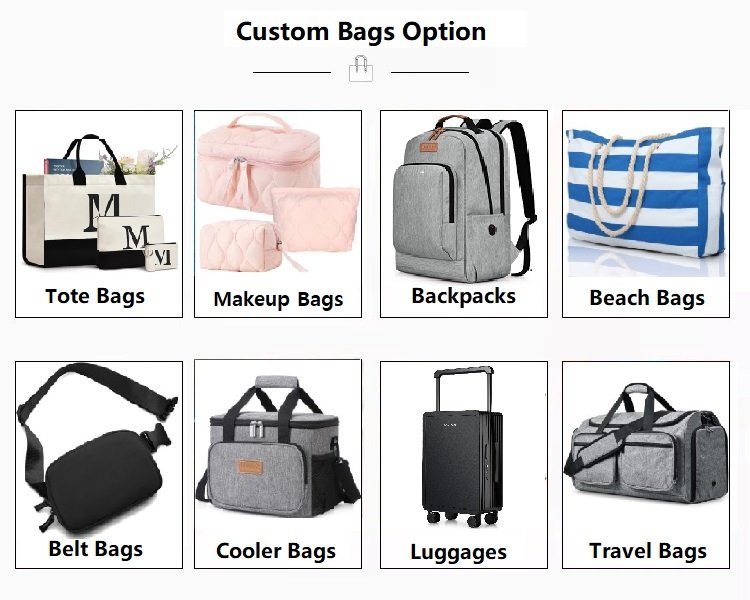
Custom packaging & labeling
Client Testimonials
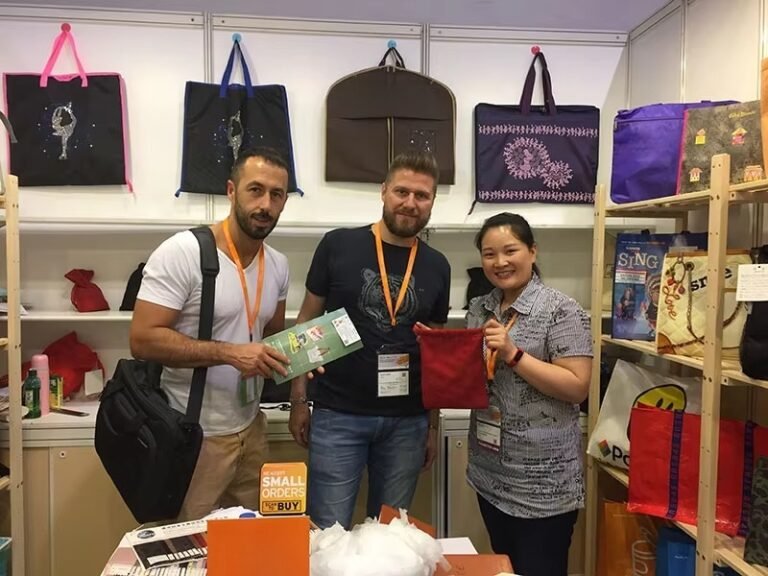
800+ brand Clients Trust Jundong



Make A Sample First?
See your idea come to life before mass production.
At Jundong Factory, we offer free design mockups and custom samples to ensure every detail is perfect — from material and color to logo placement and stitching.
Start your project with confidence today: info@jundongfactory.com.
structured Fabric Drawstring Bag FAQ
What is the typical lead time for a new fabric drawstring bag pattern and sample?
Certainly, a new pattern usually requires 5–7 days for a physical sample, depending on complexity and material availability. Simple flat pouches may be ready in as little as 3 days. After the approved sample, bulk production timelines vary: 20–30 days for 500+ pieces and 7–12 days for smaller runs of 200–500 pieces. Planning early allows you to coordinate fabric sourcing, logo application, and packaging efficiently. For private label programs, we often recommend aligning your sample approval and production schedule to ensure delivery meets campaign or retail launch dates.
Can the same pattern be used for different bag sizes or fabric types?
Absolutely. Most fabric drawstring bag patterns are scalable and adaptable. For instance, a standard canvas pattern can be adjusted to create small gift pouches, medium lifestyle bags, or large gym backpacks. Material changes—cotton, polyester, Oxford, or non-woven—may require minor reinforcement adjustments, seam allowance tweaks, or cord path modifications. Our design team evaluates the feasibility, ensuring that each variation maintains structural integrity, logo visibility, and packaging compatibility. Scaling patterns this way reduces sample iterations and shortens the time for multi-size or multi-material product lines.
What are the recommended fabrics for different uses of drawstring bags?
Definitely, fabric choice impacts bag durability, aesthetics, and user experience. We often recommend:
| Use Case | Suggested Fabrics | Benefits |
|---|---|---|
| Retail gift or lifestyle bags | Cotton, canvas | Soft feel, premium appearance, washable |
| Sports or gym bags | Polyester, Oxford | Lightweight, durable, resistant to abrasion |
| Travel organizers | Nylon, coated fabrics | Water-resistant, easy to clean |
| Shoe dust bags | Cotton, cotton blend | Soft surface protects shoes, maintains shape |
| Promotional giveaways | Non-woven | Cost-effective, fast production, biodegradable options |
Selecting the right fabric ensures the bag meets intended use, maintains logo quality, and supports long-term durability. Early consultation on fabric choice can prevent costly adjustments during bulk production.
What is the minimum order quantity (MOQ) for custom patterns?
Exactly. Our standard MOQ is 500 pieces per design. For simpler or pilot designs, we can arrange 200–300 pieces, although unit cost may be slightly higher due to smaller material runs. Low MOQ from 50 pieces is available for testing, seasonal projects, or limited editions. Larger orders naturally reduce per-unit cost and improve production efficiency. Early discussion of quantities allows the design and production teams to plan materials, pattern scaling, and packing accurately.
How are logos and labels applied on fabric drawstring bags?
Sure. Jundong supports multiple logo application methods:
- Screen Printing: High-resolution, suitable for simple color logos
- Embroidery: Adds texture and premium feel, durable on thick fabrics
- Woven Labels: Ideal for consistent branding across multiple products
- Heat Transfer or Rubber Patch: Flexible placement, suitable for delicate or coated fabrics
Each method is evaluated for fabric type, batch size, durability, and aesthetic effect. Placement considerations include cord path, seam lines, bottom structure, and fold areas. Planning logos early in the pattern design ensures clarity, visibility, and consistency for bulk production.
How can I ensure consistency in size and shape across multiple batches?
Definitely. Consistency starts with a carefully approved sample that serves as the benchmark for all production runs. At Jundong, each batch undergoes multiple checkpoints:
- Pattern confirmation and scaling
- Fabric inspection for color and weight consistency
- In-process stitching and reinforcement checks
- Final inspection comparing the product to the approved sample
We document every dimension, cord placement, and seam position, which reduces the risk of variation between batches. For example, a school sports drawstring bag line of 1,000 pieces achieved a size variation of less than 2 mm per bag. Early involvement in design review and sampling ensures that bulk production matches your expectations for uniformity, fit, and logo alignment.
What factors affect the unit cost of a drawstring bag?
Absolutely. Unit cost depends on multiple variables, which you can plan in advance:
- Fabric Type & Weight: Thicker canvas or coated polyester increases cost; cotton and non-woven are lower.
- Bag Size & Volume: Larger bags require more material and stitching time.
- Closure & Reinforcement: Double drawcords, gusseted bottoms, and reinforced corners increase labor and material cost.
- Logo Method: Embroidery is more expensive than screen printing; woven labels or rubber patches add additional cost.
- Batch Quantity: Larger orders lower unit cost due to material and labor efficiency.
- Packaging Requirements: Individual polybags, set packaging, hangtags, barcode labels, and carton marks add extra cost per unit.
Planning these variables early helps brands estimate production cost accurately and optimize patterns, materials, and batch sizes. For example, increasing the batch from 200 to 500 pieces typically reduces unit cost by 15–25%, depending on fabric and printing method.
Can patterns accommodate special features like inner pockets or waterproof lining?
Certainly. Jundong patterns are flexible and can incorporate additional features without compromising bag integrity. Inner pockets, separate compartments, mesh inserts, or waterproof lining can be designed into the pattern. The process involves:
- Adjusting the main panel and gusset dimensions
- Planning cord channels to avoid interference
- Reinforcing seams at load
- Ensuring logo placement remains visible and undistorted
Adding these features may affect lead time and unit cost slightly, but it ensures that the final bag meets functional, aesthetic, and brand requirements. Prior consultation allows the design and production teams to balance complexity, usability, and cost effectively.
How is quality checked for drawstring bags before shipment?
Exactly. Quality inspection is multi-layered at Jundong to ensure reliable delivery:
- Incoming Materials: Color, texture, weight, and defect inspection
- In-Process: Seam strength, reinforcement, cord placement, and dimensional checks
- Pre-Packaging: Logo clarity, folding accuracy, packaging compliance
- Final Batch Audit: Random checks across bulk production, ensuring size, shape, and appearance match approved samples
For example, a 1,500-piece campaign batch underwent four QC stages, and the deviation rate in stitching and size was under 1%. Documented QC reports are provided with each shipment, enabling brands to verify consistency.
How do I choose the right drawstring bag pattern for a new product line?
Of course. Selecting the correct pattern involves evaluating intended use, product dimensions, fabric, batch quantity, and desired branding effect. Consider:
- Size & Capacity: Ensure it fits the product without distortion
- Closure & Cord Style: Single, double, or backpack style depending on function
- Fabric Compatibility: Handfeel, weight, and durability aligned with use case
- Logo Placement & Visibility: Must remain clear after closure and during handling
- Packaging & Display Needs: Ensure the pattern supports folding, polybag, or retail-ready packaging
Jundong’s team can review your product line, recommend pattern adjustments, and provide sample suggestions to streamline sampling, production, and consistent quality for repeated orders.
Everything You Need to Know Before Customizing Your Bags
We understand that selecting the right fabric drawstring bag pattern involves many details. Below are the most common questions our clients ask, with actionable guidance to help you make confident decisions for sampling, production, and packaging.