Skip to content
Drawstring Bag Size Chart For Custom Bags And Bulk Orders
Size Decisions That Make Custom Drawstring Bags Fit Better
A drawstring bag size chart helps choose the right bag dimensions based on product size, use scene, logo area, closure space, material, packing method, and order quantity. Mini drawstring bags are often used for jewelry, accessories, and small gifts. Small bags fit cosmetics, samples, and lightweight packaging. Medium sizes work well for events, school kits, promotional drawstring bags, and gym items. Large and extra-large bags are better for shoes, sports gear, travel laundry, hotel use, storage, and bulk packing. For custom orders, the best size should be confirmed with product measurements, sample testing, logo placement, and packing review before production.
Drawstring Bag Size Chart
A drawstring bag size chart gives a quick start before custom sampling. The right size depends on what the bag will hold, how the bag will close, where the logo will sit, and how the finished bags will be packed for bulk delivery.
For projects, a size chart is not only a reference table. It helps compare product fit, campaign use, fabric consumption, logo area, carton volume, and final cost.
| Size Group | Common Dimensions | Best Fit For | Use Cases |
|---|---|---|---|
| Mini Drawstring Bags | 4 × 6 in / 10 × 15 cm | Jewelry, coins, charms, small accessories | Jewelry packaging, gift sets, product samples |
| Small Drawstring Bags | 6 × 8 in to 10 × 12 in / 15 × 20 cm to 25 × 30 cm | Cosmetics, small gifts, cables, accessories | Beauty samples, retail pouches, electronics accessories |
| Medium Drawstring Bags | 13 × 17 in to 14 × 18 in / 33 × 43 cm to 35 × 45 cm | T-shirts, school kits, event items, gym clothes | Promotional drawstring bags, school events, trade shows |
| Large Drawstring Bags | 16 × 20 in to 18 × 24 in / 40 × 50 cm to 45 × 60 cm | Shoes, sports gear, towels, travel items | Sports cinch bags, shoe dust bags, travel storage |
| Extra-Large Drawstring Bags | 20 × 27 in+ / 50 × 70 cm+ | Laundry, bedding, hotel items, camping gear | Laundry bags, hotel bags, bulk storage, outdoor programs |
A common standard size for promotional drawstring bags is around 14 × 18 in / 35 × 45 cm. It works well for event giveaways, school programs, gym items, light sports use, and custom logo campaigns. Smaller sizes work better for packaging. Larger sizes are more suitable for shoe bags, travel laundry bags, sports kits, and storage.
Size selection becomes more accurate when the real item is reviewed together with fabric thickness, logo size, closure space, drawstring type, and packing method. A bag that looks right on a chart may still need a sample test before bulk production.

Best Drawstring Bag Size
The best drawstring bag size starts with the real use. A jewelry pouch, cosmetic sample bag, school event bag, sports cinch bag, shoe dust bag, travel laundry bag, and retail packaging pouch all need different size logic.
A bag that is too small may not close smoothly. A bag that is too large may look empty, increase fabric cost, and take more carton space. A good size should hold the product comfortably, keep the logo visible, and still look neat after closing.
For schools, sports teams, trade shows, fitness programs, and event giveaways, a medium drawstring bag usually works well because it has enough space for daily items and a visible logo area. For product packaging, the size should be more precise. A gift pouch that is too loose may look low-value, while a pouch that is too tight may be hard to close.
For shoe dust bags, beauty sets, travel kits, and retail programs, it is helpful to review the real product before confirming the size. Product thickness, corners, packaging insert, hangtag, barcode label, and folding method can all change the final fit.

| Use Scene | Suggested Size Direction | Size Decision Notes |
|---|---|---|
| Jewelry Pouches | Mini | Keep the pouch snug, soft, and easy to present |
| Cosmetic Samples | Small | Leave space for product thickness and gift feel |
| Electronics Accessories | Small to medium | Review cable shape, charger thickness, and packing direction |
| Shoe Dust Bags | Medium to large | Size depends on shoe type, pair direction, and material thickness |
| School Event Bags | Medium | Good for books, T-shirts, water bottles, and student kits |
| Promotional Giveaway Bags | Medium | Balanced size for logo visibility and easy handout |
| Sports Cinch Bags | Medium to large | Review shoulder carry, cord strength, and loading weight |
| Travel Laundry Bags | Large to extra-large | Allow space for folded clothing and easy closure |
| Retail Packaging Bags | Product-based custom size | Better fit improves shelf and unboxing appearance |
| Hotel Or Resort Bags | Large or custom size | Suitable for laundry, slippers, amenities, or travel sets |
Measure Products for Bag Size
A better drawstring bag size begins with the item that goes inside. Product width and height are only the beginning. Thickness, grouped shape, loading direction, closure allowance, and logo position also affect the final bag dimensions.
For flat products, the calculation is usually simple. For thicker products, shoe pairs, gift sets, cosmetic kits, folded garments, sports items, and retail packaging sets, the bag needs more space than the product’s front size.
A practical measurement check:
| What To Measure | Why It Matters |
|---|---|
| Product Width | Defines the minimum bag width |
| Product Height | Defines the main bag height |
| Product Thickness | Adds space for bulk, corners, and easier loading |
| Grouped Shape | Needed for sets, kits, and multi-item packaging |
| Loading Direction | Horizontal and vertical packing may need different bag sizes |
| Closure Space | The top area needs enough room to pull and close smoothly |
| Logo Area | Logo should not be crowded by the drawstring channel |
| Packing Method | Folding, polybag, hangtag, and carton plan may affect size choice |
A simple starting formula:
Flat product:
Bag width = product width + side clearance
Bag height = product height + top closure allowance
Thicker product or set:
Bag width = product width + product thickness + side clearance
Bag height = product height + thickness allowance + top closure allowance
For most custom drawstring bags, it is safer to leave enough space around the product instead of matching the product size too tightly. The bag still needs to close well, keep its shape, and look presentable after the drawstring is pulled.
When product fit is critical, such as shoe dust bags, cosmetic kits, electronics packaging, retail pouches, or travel sets, send the product size, product weight, packing direction, and reference photos before sampling. This makes the size review faster and reduces unnecessary sample revisions.

Standard vs Custom Sizes
Standard drawstring bag sizes work well when the project needs speed, clear pricing, and easy production. Custom sizes work better when product fit, retail appearance, packing control, or private label presentation matters more.
For event giveaways, school programs, gym drawstring bags, and basic promotional bags, a standard medium size often gives enough capacity and a useful logo area. For shoe bags, jewelry pouches, beauty kits, travel laundry bags, product packaging, and retail pouches, a custom size can make the finished product look cleaner and more intentional.
| Choice | Better For | Main Advantage |
|---|---|---|
| Standard Size | Events, schools, gym bags, trade shows, simple promotions | Faster review, easier pricing, common fabric use |
| Custom Size | Shoe dust bags, gift sets, beauty kits, retail packaging | Better product fit and cleaner presentation |
| Multi-Size Set | Product lines, gift collections, distributor programs | Supports SKU planning and category expansion |
| Size Adjustment From Standard | Growing brands testing a product | Saves development time while improving fit |

Standard size does not mean low quality. It can be the right choice when the bag needs to be practical, cost-controlled, and delivered on time. Custom size does not always mean expensive either. It can reduce wasted fabric, improve product fit, and make packaging look more professional.
A practical decision path:
- Use a standard size when the bag is for general carrying.
- Use a custom size when the bag must fit a specific product.
- Use a multi-size plan when one brand line has several products.
- Use sampling when the size affects closure, logo position, or packing.
Bag Size, Logo, Cost, Packing
Drawstring bag size affects much more than capacity. It changes the logo area, fabric consumption, cutting layout, folding volume, carton quantity, shipping volume, and the way the finished bag looks after closing.
A slightly larger bag may give more room for the logo and easier loading. But it may also increase fabric use, carton size, and freight volume. A smaller bag may look cleaner for product packaging, but the logo area can become limited, and the closure may feel tight if the product has thickness.
| Size Factor | What It Affects | Note |
|---|---|---|
| Bag Width | Product fit, logo width, fabric use | Wider bags may look better with larger logos |
| Bag Height | Closure space, print area, product coverage | Leave enough space above the product for drawstring closure |
| Top Channel Area | Logo placement and usable height | The logo should not sit too close to the drawstring channel |
| Product Thickness | Real loading space | Thick products need more allowance than flat products |
| Fabric Type | Folding volume and carton space | Canvas and cotton may pack larger than thin polyester |
| Packing Method | Unit pack size and carton quantity | Individual polybag, hangtag, and barcode labels affect packing |
| Carton Planning | Shipping volume and warehouse receiving | Larger sizes may reduce pieces per carton |
Logo placement is one of the most common size-related issues. A logo that looks good on an open flat bag may move visually after the drawstring is pulled. For promotional drawstring bags and cinch backpacks, the logo should stay clear when the bag is worn or closed. For product packaging pouches, the logo should still look balanced after the item is inside.
Cost also changes with size. A larger drawstring bag uses more fabric, a longer cord, more sewing time, and sometimes stronger stitching or reinforced corners. For bulk orders, even a small size change can affect total material use and carton volume.
Before confirming the final size, review:
- Product fit after closing
- Logo area before and after closure
- Fabric consumption
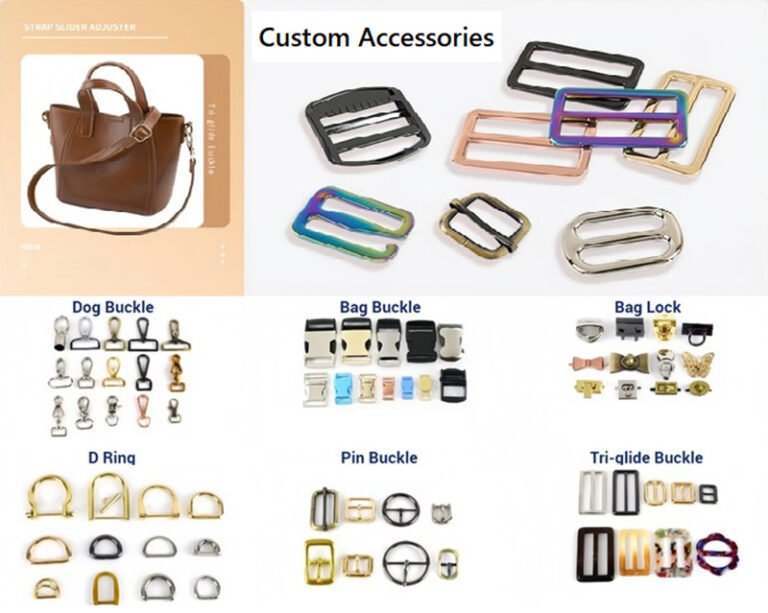
- Cord length and opening structure
- Folding and individual packing size
- Carton quantity and shipping volume
- Retail, event, or warehouse receiving needs

Size, Fabric, and Structure
A drawstring bag’s size cannot be decided by dimensions alone. The same size can perform very differently when the fabric, cord, opening structure, stitching, and reinforcement change.
A small satin pouch may need a soft closure and a clean edge finish. A medium promotional drawstring bag may need a clear logo area and fast packing. A sports cinch bag may need stronger polyester, thicker cord, reinforced corners, and pull resistance. A travel laundry bag may need a large capacity, breathable fabric, and stronger seams.
| Bag Size / Use | Better Fabric Direction | Structure Focus |
|---|---|---|
| Mini Jewelry Pouch | Satin, velvet, cotton, PU, microfiber | Clean edge, soft drawstring, neat closure |
| Small Cosmetic Pouch | Cotton, satin, PU, polyester | Product fit, logo space, gift-ready look |
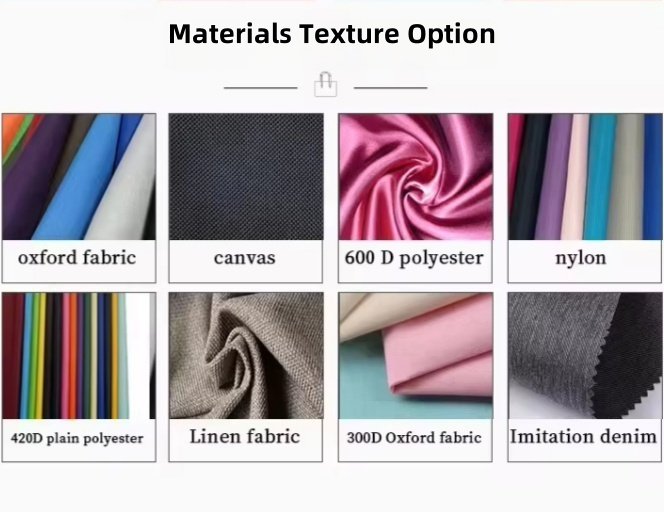
| Medium Event Bag | 210D / 300D polyester, non-woven, cotton | Logo visibility, simple closure, efficient packing |
| Standard Drawstring Backpack | Polyester, nylon, canvas | Cord comfort, bottom corner strength, shoulder carry |
| Shoe Dust Bag | Non-woven, cotton, polyester, microfiber | Product protection, smooth closure, clean surface |
| Sports Cinch Bag | 420D / 600D polyester, nylon | Load stress, reinforced exits, stronger stitching |
| Laundry Bag | Polyester, cotton, mesh, nylon | Large capacity, seam strength, breathable option |
| Retail Packaging Bag | Cotton, canvas, satin, velvet, PU | Better fit, display feel, label or hangtag position |

Size also changes the way fabric behaves. Thin polyester can work well for medium promotional bags, but a larger size may need stronger fabric or better stitching. Cotton and canvas can create a stronger brand feel, but they may increase folding volume. Mesh can reduce weight and improve ventilation, but it may not fit every logo method.
A good structure review checks:
- Fabric weight and handfeel
- Cord type and cord thickness
- Drawstring channel width
- Eyelets or grommets, if needed
- Bottom corner or seam reinforcement
- Logo method and print area
- Product weight and daily use
- Packing and carton plan
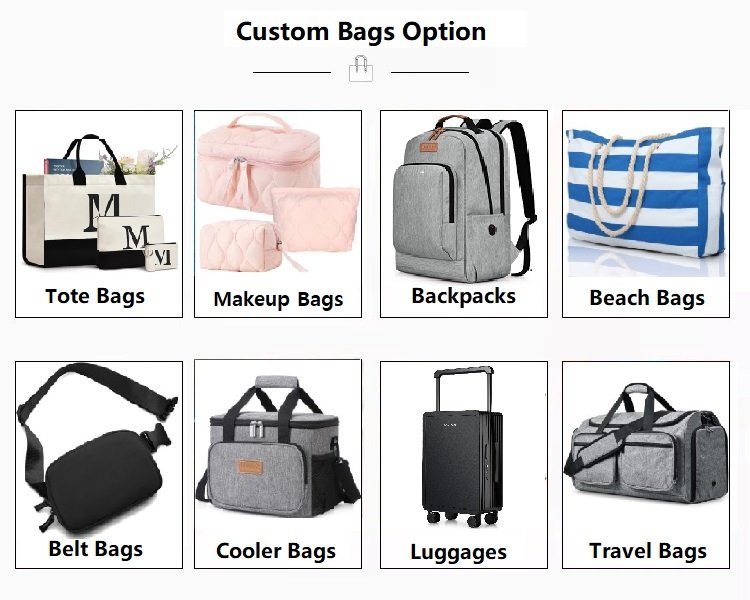
Jundong can work with fabric, leather, PU, PVC, neoprene, plush, and other materials. Product development, design support, pattern making, sampling, and material selection can be reviewed together, so the final size is supported by the right material and structure.
Fit, Closure, Packing Test
A drawstring bag size that looks correct on paper may still need sample testing. Real products have thickness, corners, weight, surface texture, and packing behavior. The drawstring channel also reduces usable height after closure.
Sample testing helps check whether the selected size works in real use before bulk production. This is especially useful for shoe dust bags, cosmetic kits, electronics pouches, retail packaging bags, travel laundry bags, school kits, and sports cinch bags.
| Sample Test | What To Check | Why It Helps |
|---|---|---|
| Fit Test | Place the real product inside | Confirms width, height, and thickness allowance |
| Closure Test | Pull the drawstring several times | Checks whether the top closes smoothly |
| Logo Review | Check open and closed bag views | Makes sure the logo remains visible |
| Carry Test | Carry by cord or handle if needed | Reviews comfort and stress |
| Folding Test | Fold as planned for packing | Confirms unit packing size |
| Packing Test | Add polybag, hangtag, barcode, or insert | Checks final retail or shipment appearance |
| Carton Test | Estimate pieces per carton | Helps control shipping volume |
A sample should be reviewed as if the final product will be used. If the bag is for shoes, place the real shoe pair inside. If it is for a school kit, test the actual kit items. If it is for a retail pouch, check how it looks after the product is inside and the drawstring is closed.
For faster sample review, prepare:
- Product size and weight
- Product photos or a sample item
- Bag size target
- Material preference
- Logo file and placement
- Packing method

Sample-to-Reorder Size Control
For bulk drawstring bag orders, size consistency matters across every piece, every color, every SKU, every carton, and every repeat order. A size that works well in one sample should be protected during cutting, sewing, inspection, packing, and future reorder production.
This is especially important for promotional drawstring bags, school event bags, shoe dust bags, sports cinch bags, travel laundry bags, retail packaging pouches, hotel laundry bags, and multi-size product lines.
A good size control process starts before mass production. The approved sample, size chart, pattern, material reference, logo file, packing standard, and carton mark requirements should be clear enough for production and inspection teams to follow.
For larger sizes, size control also affects the business side. If a shoe dust bag is too small, it may not fit the product. If a school event bag size drifts, kit packing may become inconsistent. If a retail pouch changes size in a reorder, shelf presentation and experience may suffer.
| Control | What To Lock | Benefit |
|---|---|---|
| Approved Pattern | Final size, shape, seam allowance | Keeps cutting and sewing consistent |
| Size Tolerance | Width, height, channel position, handle or cord length | Reduces unexpected size differences |
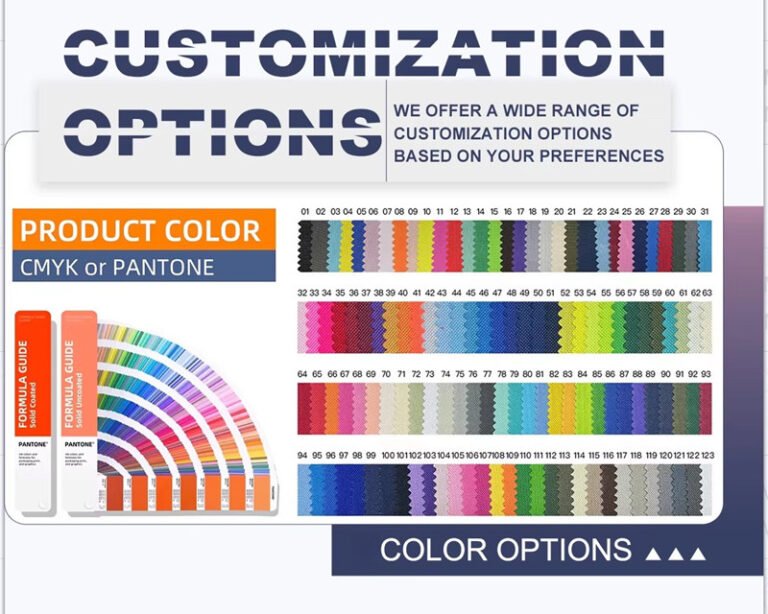
| Material Reference | Fabric type, weight, color, texture | Prevents handfeel or fit changes |
| Logo Placement | Print area, distance from top, position after closure | Keeps brand display consistent |
| SKU Separation | Size, color, style, destination | Reduces sorting and packing errors |
| Packing Standard | Folding method, polybag, label, carton quantity | Supports warehouse receiving and distribution |
| Inspection | Incoming, in-process, final measurement checks | Finds issues before shipment |
| Reorder File | Photos, specs, material cards, carton marks | Helps repeat orders stay close to the original standard |
Our Production Capabilities

Location: Guangzhou, near major ports
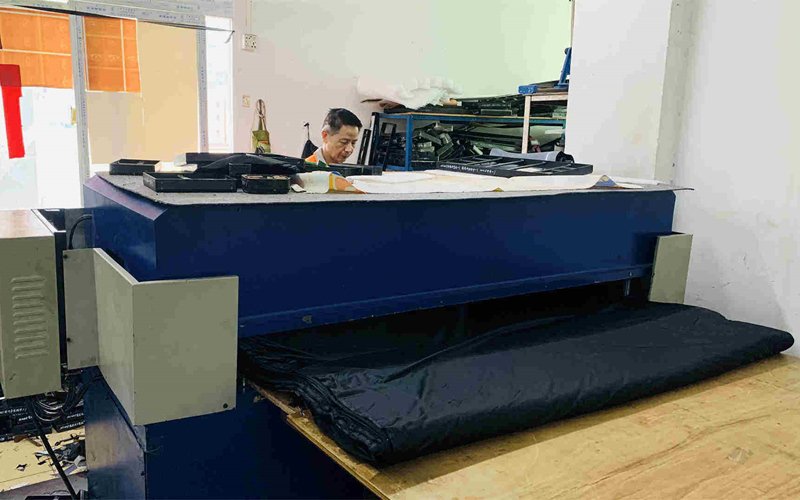
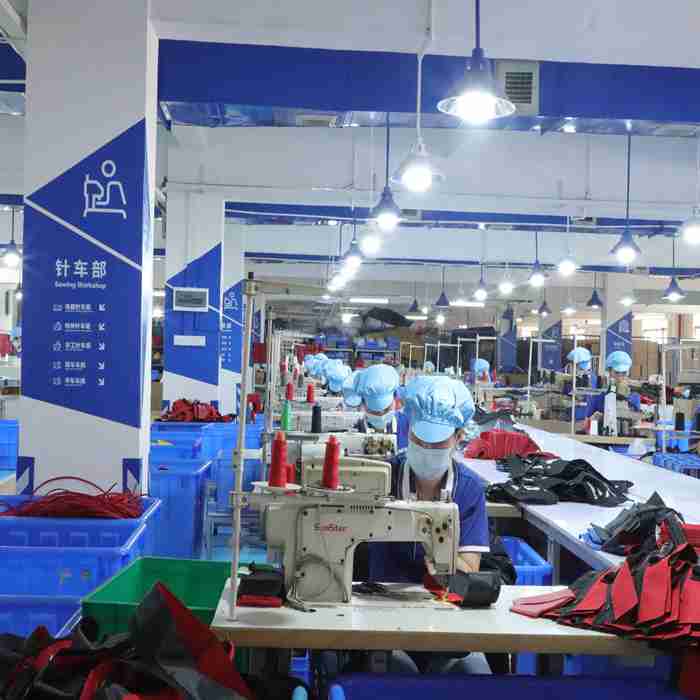
Cutting, sewing, printing, and assembly lines in-house
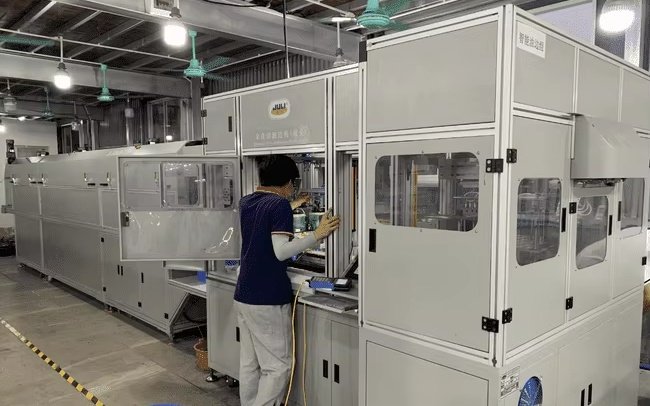
In-house material testing and R&D room
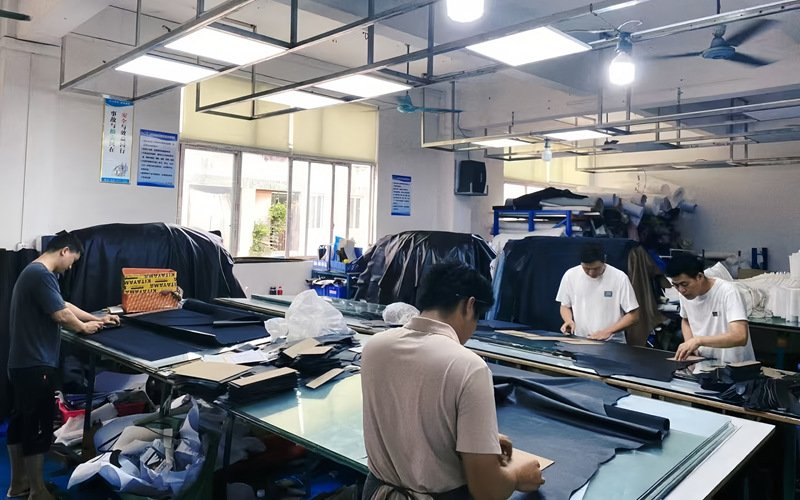
Sample development center
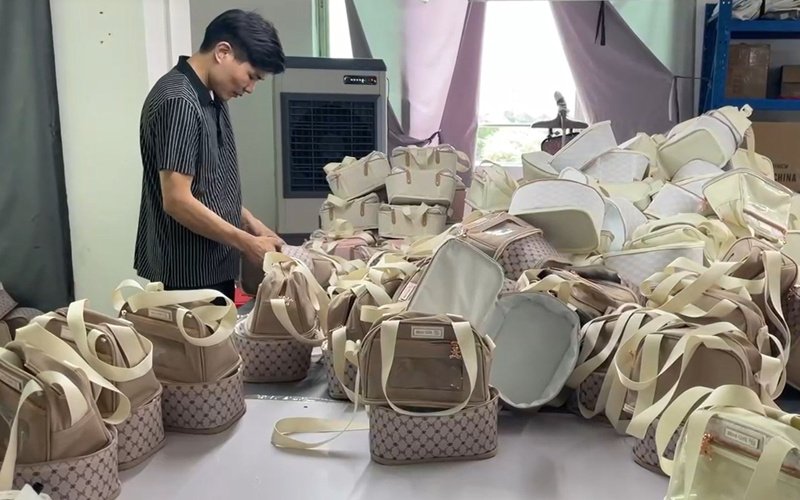
Dedicated QC team for inline & final inspection
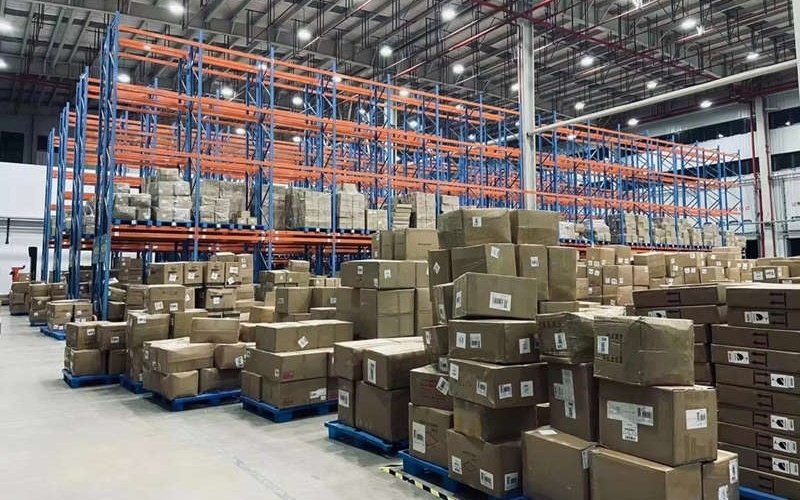
Custom packaging & labeling
Client Testimonials
800+ brand Clients Trust Jundong





Make A Sample First?
See your idea come to life before mass production.
At Jundong Factory, we offer free design mockups and custom samples to ensure every detail is perfect — from material and color to logo placement and stitching.
Start your project with confidence today: info@jundongfactory.com.
structured Drawstring Bag Sizes FAQ
What is the standard size for a drawstring bag?
Certainly. A common standard size for a promotional drawstring bag is around 14 × 18 inches, or about 35 × 45 cm. This size works well for event giveaways, school kits, gym clothes, race packs, trade show bags, and lightweight custom logo drawstring bags.
The reason this size is popular is simple: it gives enough space for daily items while still being easy to carry, fold, pack, and distribute. It can hold items such as a T-shirt, notebook, water bottle, brochure, small towel, lightweight sports gear, or basic school activity kit. It also gives a useful logo area without making the bag too large for handout programs.
That said, “standard” does not mean “best for every project.” A jewelry pouch, a cosmetic sample bag, a shoe dust bag, a travel laundry bag, and a retail packaging pouch all need different dimensions. The product inside the bag matters more than the name of the size.
A practical size guide:
| Size Type | Common Size | Better For |
|---|---|---|
| Mini | 4 × 6 in / 10 × 15 cm | Jewelry, charms, small accessories |
| Small | 6 × 8 in to 10 × 12 in | Cosmetics, samples, gift items |
| Medium / Standard | 13 × 17 in to 14 × 18 in | Events, schools, gym items, promotions |
| Large | 16 × 20 in to 18 × 24 in | Shoes, towels, sports gear, travel storage |
| Extra Large | 20 × 27 in+ | Laundry, hotel items, bedding, camping gear |
For orders, the standard size is a good starting, not the final answer. If the bag must hold a specific product, confirm the product width, height, thickness, loading direction, logo area, and top closure allowance before production. A sample test is still the safest way to check real fit.
How do I choose the right drawstring bag size for my product?
Sure. The right drawstring bag size should be chosen from the product first, not from the bag catalog first. Measure the product’s width, height, thickness, grouped shape, and loading direction, then add enough space for smooth closure and a clean finished look.
Many size mistakes happen because they only check the width and height. That works for flat items, but not for shoes, beauty sets, folded garments, bottles, electronics, gift kits, or products with hard corners. A product with thickness needs more space than its front view suggests. A set of products also changes shape after grouping.
A simple decision method:
| What To Check | Why It Changes Bag Size |
|---|---|
| Product width | Sets the minimum bag width |
| Product height | Sets the main bag height |
| Product thickness | Adds side and top allowance |
| Product weight | Affects fabric, cord, stitching, and reinforcement |
| Loading direction | Horizontal and vertical loading need different sizes |
| Closure space | The top area must still pull closed smoothly |
| Logo area | Logo should stay clear after the drawstring is pulled |
| Packing method | OPP, hangtag, barcode, and carton packing may affect dimensions |
A useful starting formula for flat products is:
Bag width = product width + side allowance
Bag height = product height + top closure allowance
For thicker products or grouped sets:
Bag width = product width + thickness allowance + side allowance
Bag height = product height + thickness allowance + closure allowance
For custom packaging, the bag should not be too tight. Tight bags are harder to fill, harder to close, and easier to wrinkle. A little space helps the product slide in, keeps the bag shape better, and makes packing faster for bulk orders.
Before confirming size, place the real product into a sample whenever possible. That small test can prevent a very expensive bulk mistake.
What size drawstring bag is best for promotional giveaways?
Definitely. For promotional giveaways, a medium drawstring bag around 13 × 17 inches to 14 × 18 inches is often the most practical choice. It offers a good balance of capacity, logo visibility, cost control, packing efficiency, and easy handout.
This size works well for trade shows, school events, race packs, brand campaigns, corporate giveaways, and gym promotions. It can hold common giveaway items such as brochures, T-shirts, notebooks, small towels, water bottles, flyers, product samples, and light daily items. It also gives enough surface area for screen printing, heat transfer, or a clear custom logo.
For larger sports events or outdoor campaigns, a larger size may be better. For very low-cost handouts or small sample packs, a smaller drawstring bag may be enough. The final choice depends on what goes inside and how the bag will be used after the event.
| Giveaway Type | Suggested Size Direction | Notes |
|---|---|---|
| Trade show handout | Medium | Good for brochures, samples, and logo exposure |
| School activity bag | Medium | Useful for kits, books, T-shirts, and small items |
| Race or sports event | Medium to large | Check towel, bottle, and gear fit |
| Beauty sample kit | Small to medium | Better for organized sample presentation |
| Corporate giveaway | Medium or custom | Depends on gift contents and brand feel |
| Budget campaign | Small to medium | Balance cost and distribution quantity |
| Premium reusable promo bag | Medium to large | Review fabric strength and logo method |
For promotional projects, do not choose size by cost alone. If the bag is too small, people may not use it again. If it is too large, the product may look loose, and the shipping volume may increase. A promotional bag performs better when it feels useful after the event.
A sample with real giveaway items inside is the best way to confirm the size before bulk production.
What size drawstring bag should I choose for shoe dust bags?
Absolutely. The shoe dust bag size should be chosen by shoe type, shoe size, pair direction, material thickness, and packaging style. For many footwear projects, medium to large drawstring bags are more suitable than standard small pouches.
A shoe dust bag has a different job from a promotional drawstring bag. It needs to protect the product, avoid tight compression, close smoothly, and still look clean when packed in a shoebox, suitcase, retail bag, or warehouse carton. If the bag is too small, the shoes may push against the seams, the opening may not close, and the product may look poorly packed. If the bag is too large, it may wrinkle and take up unnecessary box space.
A practical shoe dust bag size decision:
| Shoe Type | Size Direction | What To Check |
|---|---|---|
| Kids’ shoes | Small to medium | Pair direction and box fit |
| Women’s flats or sandals | Medium | Thin profile, closure space, fabric softness |
| Sneakers | Medium to large | Shoe height, sole thickness, pair arrangement |
| Men’s shoes | Large | Length, width, and material strength |
| Boots | Large to extra-large | Shaft height and packing direction |
| Luxury footwear | Custom size | Product protection, fabric feel, logo, packaging look |
Shoe projects should also review whether one bag holds one shoe or one pair. Luxury footwear may use one dust bag per shoe to reduce rubbing. Travel or retail projects may use one larger bag per pair. This choice changes the size, fabric use, logo position, and packing cost.
For shoe dust bags, cotton, non-woven, polyester, microfiber, and soft fabric options are common. The right material depends on product value, retail position, and packaging budget. A fit test with the real shoe is strongly recommended before bulk production.
Can drawstring bags be made in custom sizes?
Of course. Drawstring bags can be made in custom sizes, and custom sizing is often the better choice for product packaging, retail pouches, shoe dust bags, beauty kits, jewelry bags, travel laundry bags, hotel bags, and private label projects.
Standard sizes are useful when the bag is for general carrying or event distribution. Custom sizes become more valuable when the bag must fit a specific product, match a brand line, reduce loose space, improve retail presentation, or support multi-SKU packing.
Custom size is not only about changing width and height. It may also include:
- Bottom shape or gusset
- Drawstring channel height
- Cord length
- Logo position
- Seam allowance
- Fabric thickness
- Hangtag or barcode position
- Folded packing size
- Carton quantity
For example, a beauty brand may need several pouch sizes for different product sets. A shoe brand may need different dust bag sizes for children’s shoes, sneakers, and boots. A travel brand may need one size for laundry bags and another for shoe storage. A retailer may need size grading across a product line so the display looks consistent.
Jundong supports custom size development, structural adjustment, pattern making, sampling, and multi-round sample revisions. Typical sampling time is 5–7 days, and some simple styles may be faster depending on material and structure.
For faster review, send the product dimensions, product weight, use scene, preferred material, logo file, quantity, and packing requirements. A custom size works best when it is developed around the real item, not guessed from a standard chart.
How much extra space should a drawstring bag have above the product?
Definitely. A drawstring bag should usually leave enough top space for the product to slide in easily and for the bag opening to close smoothly. For flat or lightweight products, a modest allowance may be enough. For thicker items, gift sets, shoes, folded garments, bottles, or retail kits, the bag needs more room because the product takes up depth, not only width and height.
The top area is easy to underestimate. Once the drawstring channel is sewn, part of the bag height becomes closure space, not usable storage space. If the product reaches too close to the top, the drawstring may not pull properly, the opening may wrinkle, and the finished bag may look forced.
A practical allowance guide:
| Product Type | Suggested Extra Space | Why It Helps |
|---|---|---|
| Flat accessories | 1–2 cm / 0.4–0.8 in | Keeps loading easy without loose space |
| Jewelry or small gifts | 2–3 cm / 0.8–1.2 in | Improves closing and presentation |
| Cosmetics or sample kits | 3–5 cm / 1.2–2 in | Allows for product thickness and grouping |
| Shoes | 5–8 cm / 2–3 in | Helps close around bulk and shape |
| Sports gear or towels | 6–10 cm / 2.4–4 in | Allows soft items to shift and close |
| Laundry or travel storage | 8–15 cm / 3–6 in | Gives flexible loading room |
The best allowance also depends on the fabric. Thin polyester closes differently from canvas. Cotton and canvas may look better with more space because a thicker fabric creates more folds. Satin or velvet gift bags may need enough room to close softly without crushing the product.
For custom orders, the safest method is to place the real product inside a sample bag, close it, and check the final shape, logo position, and packing size. This small step can prevent a tight-looking bulk order and reduce later revisions.
Does the drawstring bag size affect logo printing?
Absolutely. Drawstring bag size directly affects logo printing because it changes the usable print area, logo proportion, viewing distance, and how the logo looks after the bag is closed. A logo that looks perfect on a flat open bag may look too high, too low, too small, or partly hidden after the drawstring is pulled.
For promotional drawstring bags, school bags, sports cinch bags, and event giveaway bags, the logo usually needs to stay clear when the bag is carried or worn. For packaging pouches, jewelry bags, cosmetic bags, and retail drawstring bags, the logo should still look balanced when the product is inside and the bag is closed.
Common logo-size issues include:
| Size Issue | Possible Problem | Better Check |
|---|---|---|
| Bag too small | The logo area is limited | Use a simpler logo or label |
| Bag too tall | The logo may look too small | Increase logo size or adjust placement |
| Logo too close to top | The drawstring channel may crowd it | Leave enough distance below the channel |
| Product too bulky | The logo may distort after filling | Test with real product inside |
| Thick fabric | Fine logo details may lose clarity | Choose suitable print or label method |
| Multi-size order | Logo proportion may change by size | Adjust artwork by size group |
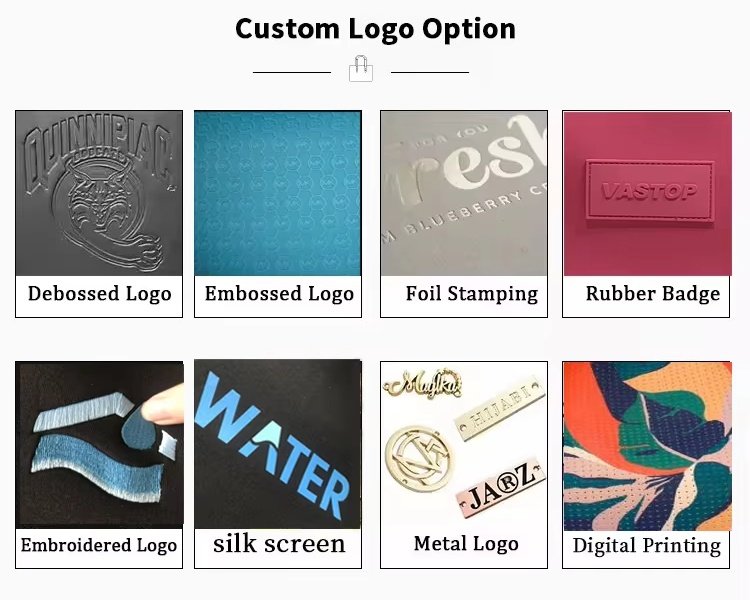
The logo method also matters. Screen printing is practical for many promotional bags. Heat transfer can support more color detail on suitable fabrics. Embroidery, woven labels, patches, and hangtags may work better when the bag is small, textured, or premium.
Before bulk production, check the logo on the actual bag size. Review the open view, closed view, packed view, and carried view if the bag is used as a backpack or cinch bag. Good logo placement protects the brand from looking like an afterthought.
How does bag size affect cost and shipping?
Certainly. Drawstring bag size affects cost because it changes fabric consumption, cord length, cutting layout, sewing time, packing size, carton quantity, and shipping volume. A small change in width or height may look minor on one bag, but it can become meaningful in a bulk order.
For example, increasing a medium promotional drawstring bag by a few centimeters may give better product fit and a larger logo area. But across 500 pcs, 1,000 pcs, or more, that change may require more fabric, larger polybags, fewer pieces per carton, and more shipping space. On the other hand, a bag that is too small may save material but cause poor fit, tight closure, weak presentation, or higher sample revision cost.
Cost-related size factors:
| Size Factor | Cost Impact |
|---|---|
| Larger width and height | More fabric and higher cutting consumption |
| Longer cord or wider channel | More trim use and sewing time |
| Thicker fabric | Higher material cost and larger packing volume |
| Reinforced corners | More labor and better durability |
| Individual polybag | Adds packing material and handling time |
| Larger folded size | May reduce pieces per carton |
| Extra carton volume | Can raise freight and warehouse handling cost |
The best cost plan is not always the smallest size. The better is: what size gives enough fit, good logo visibility, smooth closure, and efficient packing without wasting material
How can we keep drawstring bag sizes consistent in bulk production?
Definitely, bulk-size consistency starts with an approved sample, a clear pattern, size tolerance, material reference, cutting control, in-process inspection, and final measurement checks. For repeat orders, photos, material cards, packing records, and approved specifications should also be kept.
Size drift can create real business problems. A shoe dust bag that becomes smaller may no longer fit the shoes. A school kit bag that changes size may not hold the planned items. A retail pouch that shifts in size may look inconsistent on the shelf. A travel laundry bag that packs differently may affect carton quantity and shipping.
A strong size-control file can include the following:
| Control Item | What To Record |
|---|---|
| Approved sample | Photos and physical sample reference |
| Pattern | Final width, height, channel, seam allowance |
| Size tolerance | Accepted width and height variation |
| Material | Fabric weight, texture, color, shrinkage risk |
| Logo position | Distance from top, side, and drawstring channel |
| Cutting notes | Layer control and size-critical areas |
| Inspection notes | In-process and final measurement checks |
| Packing standard | Folding method, polybag size, carton quantity |
| Reorder the reference | Order photos, SKU list, carton marks |
For large orders, consistency also depends on SKU separation. Different colors, sizes, destinations, or packaging versions should be clearly marked before packing. This is especially useful for importers, distributors, retailers, school programs, sports teams, and multi-location campaigns.
What information should I send to get the right drawstring bag size recommendation?
Of course. To get a useful drawstring bag size recommendation, send the product size, product thickness, product weight, loading direction, use scene, material preference, logo file, quantity, and packing method. A clear size review needs more than “please suggest a bag size.”
The more specific the information, the more accurate the recommendation. A cosmetic sample kit, a pair of shoes, a T-shirt set, a towel, a jewelry box, an electronics accessory, a hotel laundry item, and a sports gear set all need different size logic. Even if two products have similar width and height, their thickness, surface texture, hardness, and packing direction may require different bag dimensions.
A helpful inquiry checklist:
| Information To Send | Example |
|---|---|
| Product size | Width × height × thickness |
| Product weight | Lightweight sample, shoe pair, towel set, kit weight |
| Product photo | Front, side, packed view |
| Loading direction | Horizontal, vertical, one item, several items |
| Use scene | Retail packaging, event giveaway, school kit, sports bag, laundry bag |
| Target bag material | Cotton, canvas, polyester, non-woven, satin, mesh, PU |
| Logo file | AI, PDF, SVG, EPS, or clear high-resolution artwork |
| Quantity | Per size, per color, per design |
| Packing method | Bulk, individual OPP, hangtag, barcode, carton marks |
| Delivery | USA, EU, UK, Canada, Australia, Japan, Korea, Middle East, etc. |
If the product fit is critical, send a physical product sample or detailed photos before sampling. This helps review allowance, closure space, fabric behavior, logo position, and packing volume.
Everything You Need to Know Before Customizing Your Bags
Choosing a drawstring bag size sounds simple until the bag has to fit a real product, close smoothly, show a logo clearly, fold into packing, and stay consistent across a bulk order. These FAQs help brands, importers, retailers, schools, sports programs, event teams, gift companies, and packaging make better size decisions before sampling and production.