 Skip to content
Drawstring Bag Sizes Guide for Custom Bulk Orders
Choose the right drawstring bag dimensions for events, schools, sports teams, gyms, retail packaging, promotional giveaways, travel storage, and private label projects.
Drawstring Bag Size Support for Projects
- Standard and custom drawstring bag sizes for bulk orders
- Size guidance for events, schools, gyms, sports, retail, gifts, shoes, laundry, and storage
- Inch and centimeter size references for global buyers
- Practical sizing based on real contents, loading needs, logo area, and packing method
- Custom dimensions available for drawstring backpacks, pouches, shoe bags, dust bags, retail bags, and promotional bags
- Size review connected with fabric choice, cord length, print area, cost, carton size, and shipping volume
- Sampling support to confirm size before bulk production
- Stable size records for repeat orders and multi-SKU programs

What Are Standard Drawstring Bag Sizes?
Many partners start by asking, “What is the standard drawstring bag size?” A common answer is around 13×17 inches to 14×18 inches, which works well for many events, school programs, gym promotions, and giveaway bags. This size is large enough for light clothing, brochures, small gifts, notebooks, and basic daily items, while still being easy to fold, pack, and distribute.
But standard does not always mean suitable. A small jewelry pouch or cosmetic gift bag may need 6×8 inches or 8×10 inches. A shoe drawstring bag may need 12×16 inches, 13×17 inches, or 14×18 inches depending on shoe type and size. A sports team bag may need 16×20 inches or 18×24 inches if it must carry uniforms, towels, shoes, or training gear. Laundry and storage bags may need 20×27 inches or larger.
For a custom order, the better question is not only “What size is standard?” It is “What size fits the real item, the user, the logo, and the packing plan?” A bag that is too small may be hard to close or may distort the logo. A bag that is too large may waste fabric, increase carton size, and make the product feel loose or unfinished.
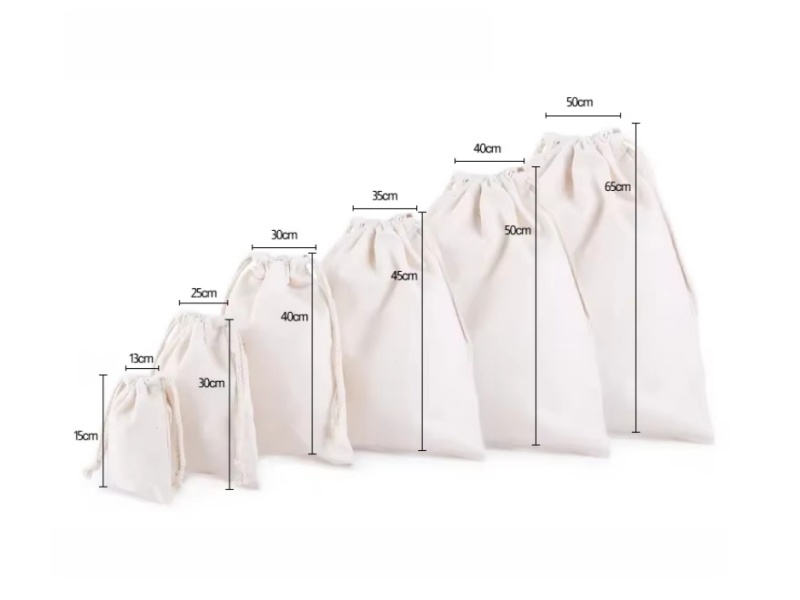
| Size Type | Inches | CM | Typical Use |
|---|---|---|---|
| Small | 6×8″ – 10×12″ | 15×20 – 25×30 cm | Gifts, cosmetics, jewelry, accessories |
| Standard | 13×17″ – 14×18″ | 33×43 – 35×45 cm | Events, schools, gyms, giveaways |
| Large | 16×20″ – 18×24″ | 40×50 – 45×60 cm | Sports gear, shoes, travel items |
| Extra Large | 20×27″+ | 50×70 cm+ | Laundry, storage, camping, bulky items |
Jundong helps partners move from general size ideas to workable custom drawstring bag dimensions. The size can be reviewed together with fabric, cord length, logo area, label placement, packing method, carton quantity, and target cost.
Drawstring Bag Size Chart in Inches and Centimeters
| Size | Inches | Centimeters | Common Use |
|---|---|---|---|
| XS pouch | 4×6″ | 10×15 cm | Jewelry, small accessories |
| Small pouch | 6×8″ | 15×20 cm | Cosmetics, gifts, small samples |
| Medium pouch | 8×10″ – 10×12″ | 20×25 – 25×30 cm | Retail packaging, small products |
| Standard bag | 13×17″ – 14×18″ | 33×43 – 35×45 cm | Events, schools, gyms, giveaways |
| Large bag | 16×20″ | 40×50 cm | Shoes, sportswear, travel items |
| XL bag | 18×24″ | 45×60 cm | Sports gear, laundry, storage |
| XXL bag | 20×27″+ | 50×70 cm+ | Bulky storage, bedding, camping |
A drawstring bag size chart is most useful when it connects dimensions with real use. A number alone does not tell the partner whether the bag will fit shoes, clothes, books, product samples, cosmetics, laundry, or retail goods. The size must be checked against what the bag will carry and how the user will handle it.
For custom orders, the size chart should be treated as a guide rather than a fixed rule. The final dimensions may need small changes based on fabric thickness, drawstring channel, seam allowance, logo area, closure space, and packing method.
Jundong can help review the size in inches and centimeters, which is useful when the partner’s design team, purchasing team, factory team, and warehouse team need to work from the same specification.

Choose the Size by What the Bag Needs to Carry
A common mistake is choosing a drawstring bag size only by outside dimensions. For custom orders, the inside space, closure area, seam allowance, fabric thickness, and packing style all matter. A bag may look large enough on paper, but after the product is placed inside, the top may not close smoothly or the logo may sit too low.
For product packaging, the partner can start with the product’s length, width, height, and weight. Then extra space can be added for easier insertion, fabric thickness, and drawstring closure. For backpack-style drawstring bags, the client should also consider how the bag feels on the body, whether the cords are long enough, and whether the bag will carry light or heavy items.
Partners can send the product size, photos, expected packing direction, and target quantity for a more accurate recommendation. If the bag will hold several items together, the largest item and the final packed shape matter most.
Jundong can review the product dimensions and recommend a bag size that balances loading space, appearance, logo area, fabric use, packing volume, and cost.


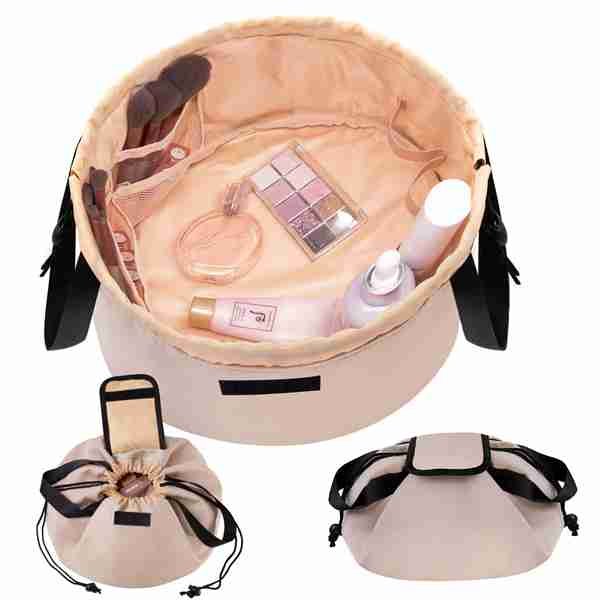
| Contents | Common Size Direction |
|---|---|
| Jewelry, small accessories | 4×6″ / 6×8″ |
| Cosmetics, skincare sets | 6×8″ / 8×10″ / custom pouch size |
| T-shirts or light apparel | 10×12″ / 13×17″ |
| Event brochures and gifts | 13×17″ / 14×18″ |
| School items | 14×18″ / 15×18″ |
| Shoes | 12×16″ / 13×17″ / 14×18″ |
| Gym clothes and towels | 14×18″ / 16×20″ |
| Sports uniforms and gear | 16×20″ / 18×24″ |
| Laundry or storage | 18×24″ / 20×27″+ |
Size Guide for Events, Schools, Gyms, and Sports Teams
For event giveaways, 13×17 inches or 14×18 inches is often a safe starting point. This size gives enough room for brochures, small gifts, T-shirts, and event handouts without making the bag too bulky. It also offers a good front area for printed logos or event graphics.
For school programs, 14×18 inches or a similar standard drawstring backpack size is often practical. Students may use the bag for notebooks, shoes, light sportswear, or activity materials. If the program involves different classes, houses, clubs, or camps, color sorting and carton labels can make distribution easier.
For gym promotions, 14×18 inches to 16×20 inches may work better, especially if users will carry towels, workout clothes, shoes, bottles, and small accessories. If the bag needs to feel stronger, polyester, nylon, or reinforced cord options can be reviewed.
For sports teams, 16×20 inches or 18×24 inches may be more suitable when the bag needs to hold uniforms, shoes, towels, or training gear. Mesh or nylon can be practical for sports use because breathability, easy cleaning, and cord strength matter more.
For these projects, bag size should also be reviewed with logo placement, cord length, fabric strength, color options, and packing method. A bag that fits the contents but is hard to distribute or costly to ship may not be the best choice.
Jundong can help partners review the size together with fabric, printing method, cord strength, packing format, carton quantity, and delivery plan.
| Project | Suggested Size Direction | Common Needs |
|---|---|---|
| Trade shows | 13×17″ / 14×18″ | Brochures, gifts, T-shirts |
| School programs | 14×18″ / 15×18″ | Notebooks, shoes, activity items |
| Gym promotions | 14×18″ / 16×20″ | Towels, clothes, bottles |
| Sports teams | 16×20″ / 18×24″ | Uniforms, shoes, training gear |
| Camps | 14×18″ / 16×20″ | Mixed activity supplies |
| Corporate events | 13×17″ / 14×18″ | Kits, documents, giveaways |

Small, Standard, Large, and Extra-Large Size Uses
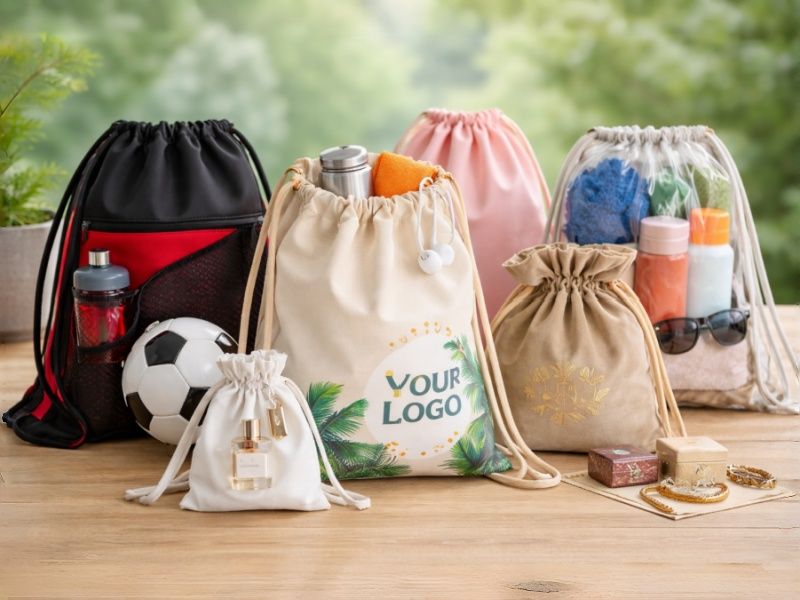
Small drawstring bags are often used for packaging and presentation. They fit jewelry, cosmetics, skincare items, accessories, small gifts, samples, electronic parts, hotel amenities, and retail add-ons. In these projects, the bag does not need large capacity. It needs the right proportion, clean stitching, suitable fabric, and a logo size that does not overpower the product.
Standard drawstring bags are the most common choice for events, schools, gyms, corporate promotions, and basic giveaways. Sizes around 13×17 inches or 14×18 inches give enough space for light apparel, brochures, notebooks, bottles, towels, and small kits. They also provide a visible front area for logo printing without making the bag too bulky for distribution.
Large drawstring bags are better when the contents are thicker or more active-use related. Shoes, sportswear, uniforms, gym gear, travel items, and mixed product kits often need more room. A larger size also needs better cord planning because the bag may carry more weight.
Extra-large drawstring bags are usually used for laundry, storage, camping, bedding, seasonal items, and bulky soft goods. These projects need stronger seams, suitable fabric weight, and enough closure space. Oversizing too much can increase cost and carton volume, so the bag should still match the real contents.
| Size Group | Common Dimensions | Better For |
|---|---|---|
| Small | 4×6″ – 10×12″ | Gifts, cosmetics, jewelry, packaging |
| Standard | 13×17″ – 14×18″ | Events, schools, gyms, giveaways |
| Large | 16×20″ – 18×24″ | Shoes, sports gear, travel, kits |
| Extra Large | 20×27″+ | Laundry, storage, camping, bulky items |
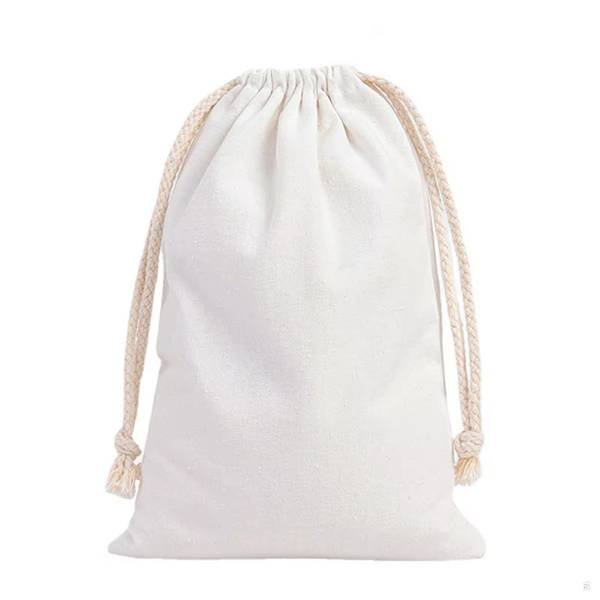
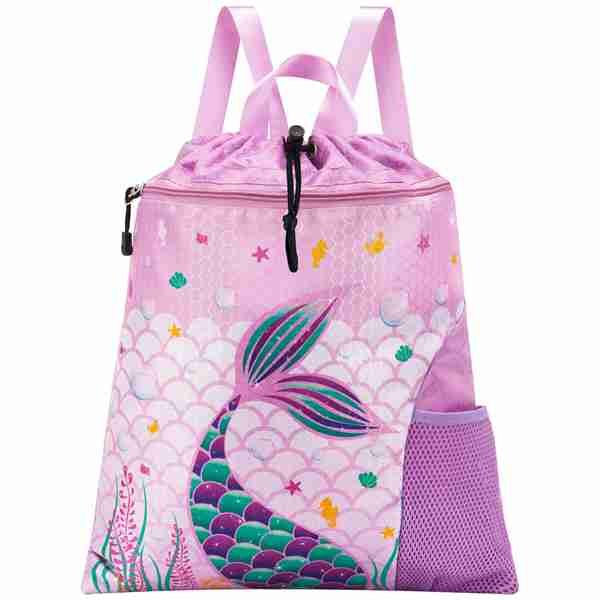
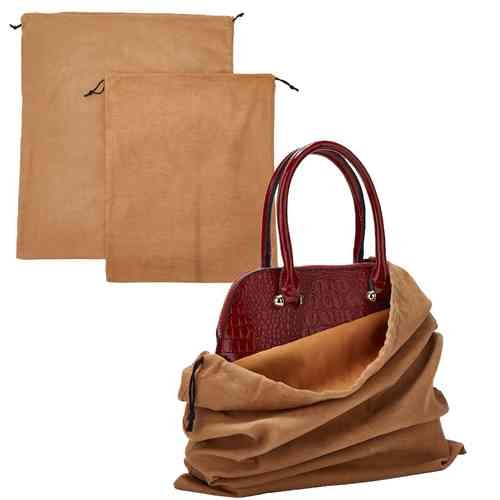
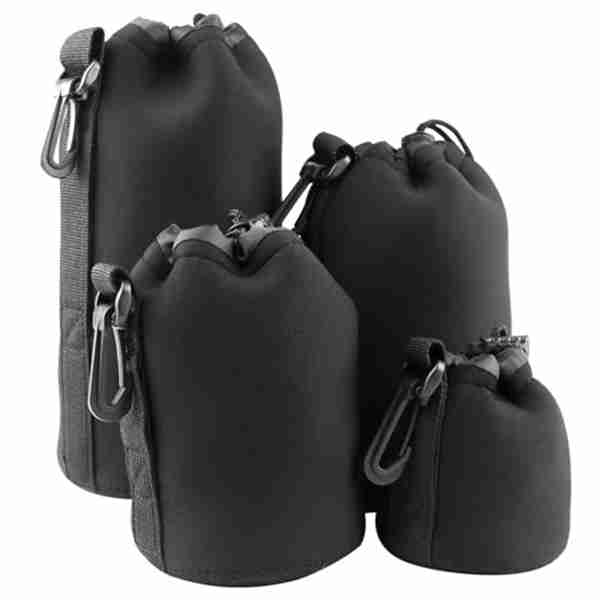
For brand projects, the best size is rarely the largest one. A good size feels natural when packed, looks balanced with the logo, and does not create unnecessary fabric or shipping costs. Jundong can help partners compare size groups based on the product, use scene, budget, logo artwork, packaging, and order quantity.

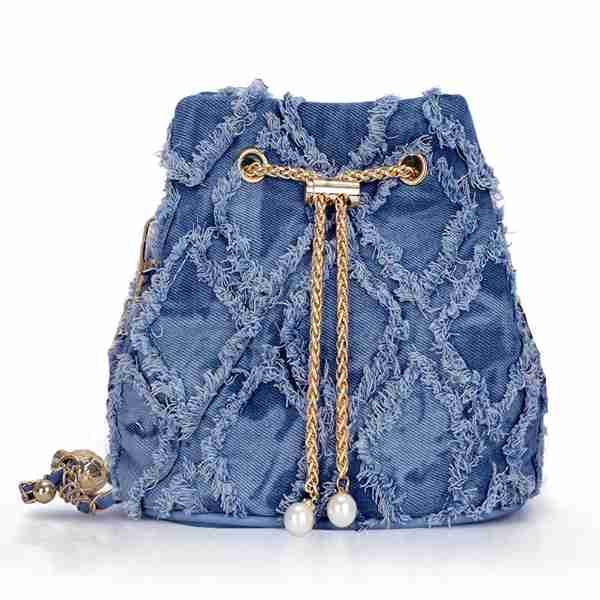
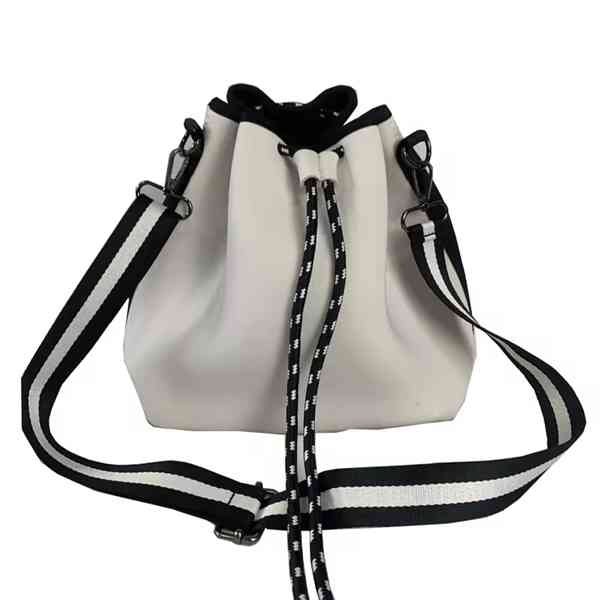
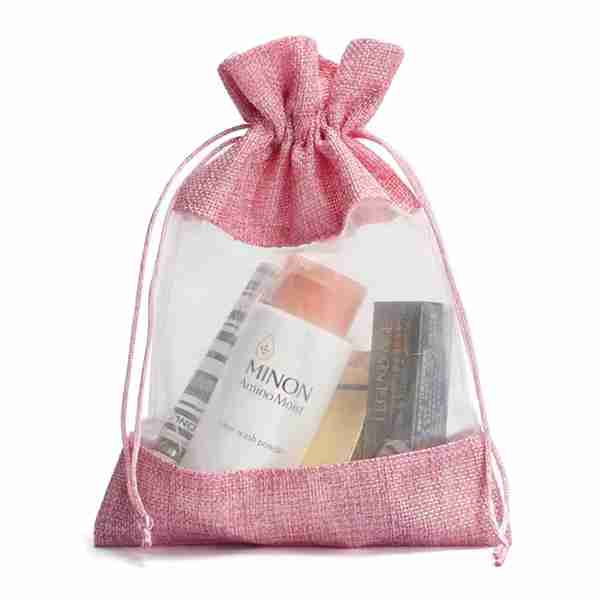
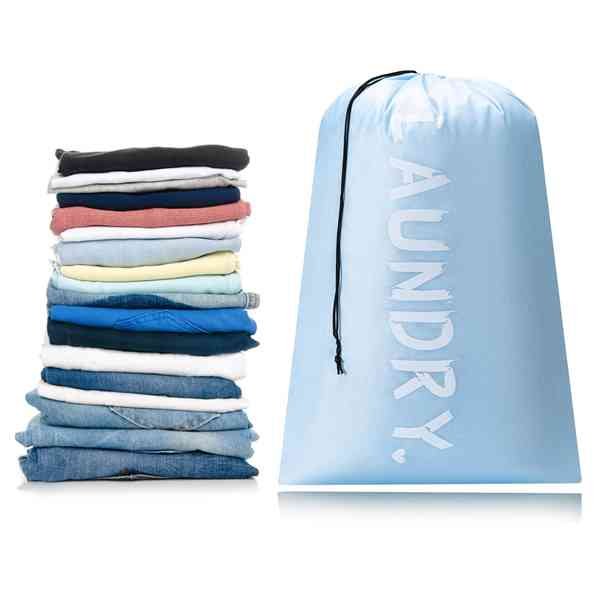


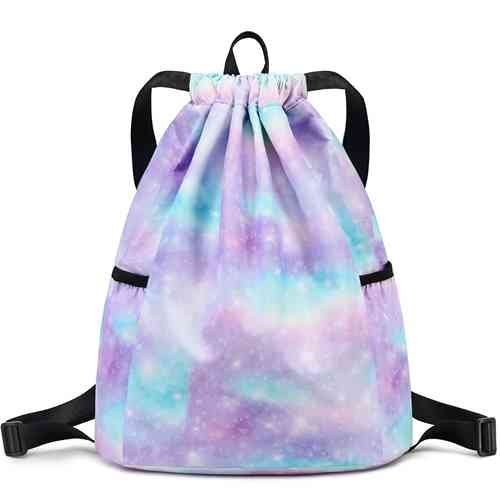
How Bag Size Affects Logo Area and Print Placement
Logo placement should be reviewed together with bag size from the beginning. A small drawstring pouch usually works better with a simple logo, small icon, woven label, or short brand mark. Large artwork may look crowded because the printable area is limited and the drawstring closure takes space near the top.
A standard 13×17 inch or 14×18 inch drawstring bag usually gives a useful front logo area. This is why it is popular for promotional drawstring bags, school bags, gym bags, and event giveaways. It can hold a logo, slogan, school name, team name, campaign graphic, or sponsor mark without overwhelming the bag.
Large drawstring bags give more front space, but the logo still needs careful placement. If the bag will hold shoes, uniforms, towels, or sports gear, the filled shape may change the way the artwork appears. A logo placed too low may fold or disappear when the bag is carried. A logo placed too high may interfere with the drawstring channel.
For mesh bags, the logo may need a solid fabric panel, woven label, or patch. For front-pocket drawstring bags, the logo may sit on the pocket or above it. For retail packaging bags, logo size should match product value and visual style, not just fill the available area.
For bulk custom orders, logo approval should happen at the sample stage. Jundong can help review logo size, placement, print method, fabric surface, and bag dimensions together, so the final product looks clean and practical after production.
| Bag Type | Logo Planning Point |
|---|---|
| Small pouch | Use a simple logo, icon, woven label, or short text |
| Standard drawstring bag | Good for a large front logo or event graphic |
| Large sports bag | Check the filled shape before fixing the logo position |
| Mesh drawstring bag | May need a solid print panel or label |
| Front pocket bag | The logo may sit in the pocket or the upper panel |
| Retail packaging bag | Keep the logo balanced with the product value |
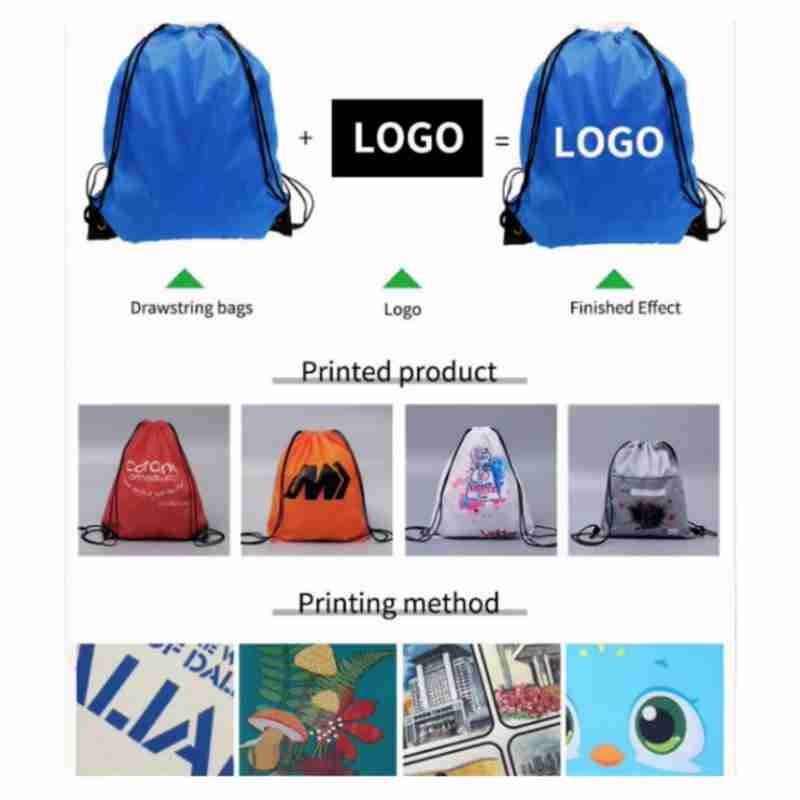
How Size Changes Cost, Packing, and Shipping
A larger bag usually needs more fabric, longer drawstrings, a larger print setup area, and bigger packing space. This can increase unit cost and shipping volume. A smaller bag may save material, but if it is too tight for the contents, the user experience becomes poor, and the logo may distort when the bag is filled.
The best size is not always the smallest or the largest. A good drawstring bag has enough room to load and close smoothly, but does not create unnecessary empty space. For promotional giveaways, this can help control the budget. For retail products, it can improve product presentation. For distributor and e-commerce orders, it can make packing and warehouse handling easier.
Packing also changes with size. A 6×8-inch pouch can be packed in small bundles or retail units. A 14×18-inch event bag can be folded flat and packed by quantity or color. A 20×27-inch laundry bag may need larger cartons and more careful folding to control shipping volume.
Jundong can help partners compare size, material, packing, and production cost before sampling. This helps avoid two common problems: paying for a bag that is larger than necessary, or choosing a size that saves cost but fails in real use.

Size Decision | Possible Impact |
|---|---|
Larger width and height | More fabric use and higher packing volume |
Larger opening | Easier loading, but may need a longer cord |
Wider print area | Better branding space, possibly higher print cost |
Thick fabric in a large size | Higher weight and carton volume |
Smaller bag | Lower material use, but may feel tight |
Extra-large size | Better capacity but higher shipping volume |
Custom dimensions | Better fit, but sample confirmation is recommended |
Custom Sizes for Packaging and Private Label Orders
Custom drawstring bag dimensions are often needed when the bag is part of the product experience. In these projects, the bag is not only a container. It also affects how the product feels when received, how it appears in photos, how it fits in a box, and how easily it can be scanned, stored, or shipped.
A cosmetic brand may need a small drawstring pouch that fits a skincare set without looking loose. A shoe brand may need a dust bag that fits the shoe shape and protects the surface. A retailer may need a cotton or canvas drawstring bag with a woven label, hangtag, barcode sticker, and individual packing. A hotel or spa program may need several sizes for slippers, towels, amenities, or gift sets.
Private label projects often need more than one size. A brand may need small, medium, and large drawstring bags for different SKUs. A distributor may need one size for shoes, another for apparel, and another for gift sets. A promotional company may need a standard event size plus small packaging pouches for add-on items.
Jundong can help turn product measurements into custom drawstring bag dimensions. The review can include product length, width, height, packed shape, fabric type, closure space, logo area, label placement, unit packing, and carton layout.
| Product Type | Size Planning Point |
|---|---|
| Jewelry and accessories | Small pouch proportion, soft fabric, clean logo |
| Cosmetics and skincare | Product set layout and easy opening |
| Shoes | Shoe length, height, pair direction, dust protection |
| Apparel | Folded garment size and fabric thickness |
| Toys and gifts | Product shape, gift presentation, and loose space |
| Hotel amenities | Multi-size set planning |
| Retail merchandise | Label, hangtag, barcode, unit packing |
| E-commerce kits | SKU size, carton efficiency, and warehouse handling |


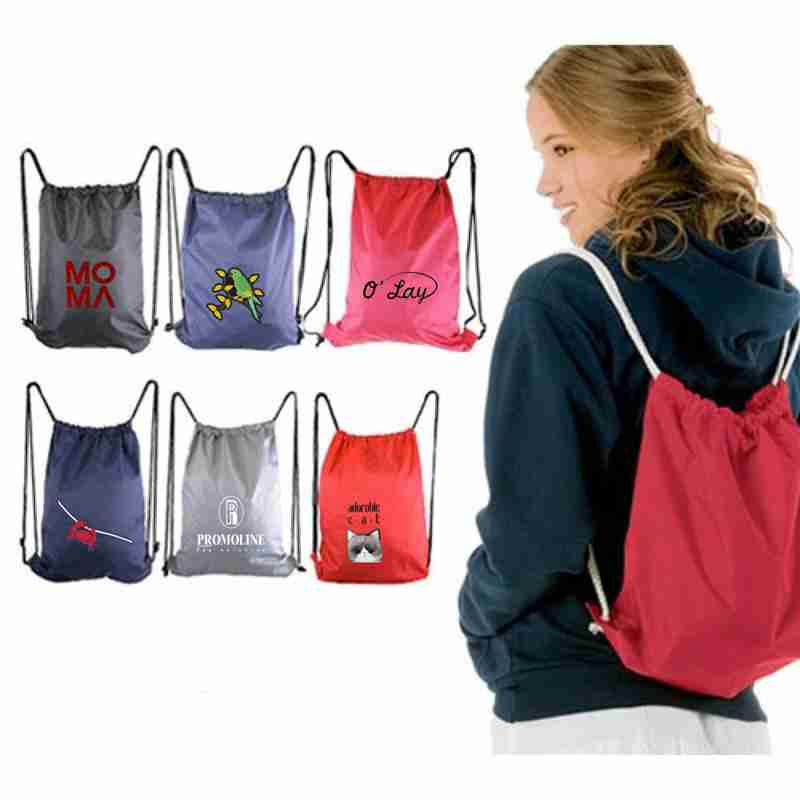




Sample Review Before Approving Bulk Size
A sample is highly useful when the drawstring bag must fit a real product, match a packing method, or support a clear use scene. A size that looks correct on paper may feel different once shoes, apparel, bottles, gift sets, cosmetics, or event items are placed inside.
During sample review, the team can check product fit, closure space, logo position, cord length, fabric behavior, folding method, and carrying comfort. This helps avoid size mistakes before bulk production. It also gives purchasing, marketing, warehouse, product, and sales teams one physical reference to approve together.
For custom drawstring backpacks, shoe dust bags, cosmetic pouches, retail packaging bags, gym bags, sports bags, and laundry bags, sample confirmation makes the final size easier to control. Once approved, the sample can guide production, inspection, packing, and repeat orders.
| Check Item | What to Confirm | Why It Matters |
|---|---|---|
| Product Fit | Does the item go in and out easily? | Prevents the bag from feeling too tight or oversized. |
| Closure Space | Can the top close smoothly after loading? | Keeps the bag practical when used with real products. |
| Logo Position | Does the logo stay visible when the bag is filled? | Helps maintain a clean branded look during use or display. |
| Cord Length | Is the drawstring easy to close, carry, or wear? | Affects comfort, function, and daily handling. |
| Fabric Behavior | Does the material fold, stretch, collapse, or hold shape? | Helps match the fabric with the intended use. |
| Packing Method | Does the folded bag fit the planned unit pack or carton? | Reduces packing issues before shipment. |
| User Feel | Does the size match the real use scene? | Confirms whether the bag feels natural for events, retail, travel, sports, or storage. |
| Approval Reference | Can all teams use the same sample for confirmation? | Keeps production, QC, packing, and repeat orders consistent. |
Keep Size Consistent for Repeat Orders
Repeat drawstring bag orders work better when the approved size details are clearly recorded from the start. A small change in width can affect logo placement. A small change in height can change product fit. A different cord length can affect carrying comfort. A changed folding method can also affect carton quantity, warehouse handling, and retail receiving.
For seasonal event bags, private label pouches, school drawstring backpacks, shoe dust bags, laundry bags, and multi-SKU programs, clear records help each reorder stay consistent. Once the finished size, fabric, logo position, label placement, packing format, carton marks, barcode details, and carton quantity are confirmed, future orders can follow the same reference. This makes reorders faster, cleaner, and easier to manage across different product lines.
| Detail to Confirm | Why It Matters | What to Record |
|---|---|---|
| Approved Sample | Keeps a physical reference for future production. | Final sample photos, signed sample, approval date, and sample version. |
| Finished Size | Prevents size drift between different batches. | Width, height, gusset if any, size tolerance. |
| Fabric Type and Weight | Keeps handfeel, strength, and capacity stable. | Material name, GSM or denier, color code, lining if used. |
| Logo Position | Maintains a clean and consistent branded look. | Logo size, placement distance, print method, artwork file. |
| Cord Length and Type | Keeps closure function and carrying feel consistent. | Cord material, color, diameter, length, knot or end treatment. |
| Label Position | Supports private label repeatability. | Woven label, care label, size label, brand tag position. |
| Packing Method | Keeps warehouse handling and product presentation predictable. | Folding method, polybag type, insert card, set packing format. |
| Carton Quantity | Helps storage, logistics, and receiving teams plan correctly. | Units per carton, carton size, gross weight, carton marks. |
| Barcode or SKU Format | Supports retail, e-commerce, and distributor systems. | Barcode position, SKU label size, scanning direction, assortment code. |
| Multi-SKU Size Record | Reduces confusion across different bag styles. | Size chart for pouches, backpacks, shoe bags, laundry bags, and other styles. |

What Details Should You Send for a Size Recommendation?
The right drawstring bag size depends on what the bag needs to hold and how it will be used. A school giveaway bag, a shoe packaging bag, a cosmetic pouch, a gym towel bag, a sports gear bag, and a laundry bag all need different size logic. A general size request can be too vague, because the same width and height may work well for one project but feel too tight, too loose, or too bulky for another.
For custom orders, size review works best when the real product details are clear. If the bag holds one item, the product’s length, width, height, weight, and loading direction help decide the bag width, height, closure space, and fabric strength. If the bag holds several items, the largest item and the final grouped shape matter more than each single product measurement. If the bag will be worn as a drawstring backpack, the cord length, shoulder comfort, opening size, and fabric behavior should also be checked.
A short project brief is often enough at the early stage. Brand teams can prepare four basic details: what the bag is for, what it needs to hold, how many pieces are needed, and when the order should arrive. With this information, it becomes easier to suggest a practical size direction, material option, logo area, and packing method before sampling.
For faster review, product measurements, photos, quantity, logo artwork, preferred material, and expected use can be sent to info@jundongfactory.com. A clear starting brief reduces guesswork and makes quotation, sampling, packing review, and production planning more accurate.
| Information Needed | Why It Helps |
|---|---|
| Use Scene | Shows whether the bag is for school, retail, events, gym, sports, packaging, travel, or storage. |
| Product Size and Weight | Helps calculate bag width, height, loading space, fabric strength, seam strength, and closure space. |
| Product Quantity Inside | Confirms whether the bag holds one item, a set, or several products together. |
| Logo Artwork | Helps check print area, logo proportion, and placement after the bag is filled. |
| Preferred Material | Affects thickness, softness, capacity, folding method, and final handfeel. |
| Packing Method | Helps confirm folding style, unit packing, carton size, and warehouse receiving needs. |
| Order Quantity and Deadline | Supports MOQ review, cost calculation, sampling timing, and production planning. |
Make a sample first ?
A useful custom cinch bag should match more than a logo. It should match the people who will use it, the items it will carry, the event or sales channel it will serve, and the way it needs to be packed, shipped, received, and reordered. When these details are clear from the beginning, the whole project becomes easier to quote, sample, produce, inspect, and deliver.
Client Testimonials
800+ brand Clients Trust Jundong


Ready to Build a Custom Cinch Bag That Fits Your Project? Contact Us!
Your custom cinch bag project may be simple, or it may need several layers of detail. A large event giveaway may need a lightweight polyester bag with a clear front logo and simple bulk packing. A school program may need stronger stitching, color sorting, and reliable drawstrings. A sports team may need mesh, nylon, reinforced corners, or thicker cords. A retail line may need canvas, cotton, RPET, woven labels, hangtags, barcode stickers, and individual packing.
The best result usually starts with a clear project brief. You do not need to have every detail finalized before reaching out. If you already have a logo file, size, material reference, or previous sample, that will help. If not, you can start with the basics: what the bag is for, how many pieces you need, what logo or design should be added, and when the goods need to arrive.
Jundong can help turn those early details into a workable custom cinch bag specification. The review can include fabric choice, bag size, logo method, drawstring type, pocket structure, reinforcement, label options, packing method, MOQ, sample timing, bulk lead time, QC checkpoints, and shipment preparation.
For faster review, send your logo, quantity, use scene, material preference, packing needs, and delivery timeline to info@jundongfactory.com. If your project is still open-ended, share the goal first: event giveaway, school program, sports team supply, gym promotion, retail merchandise, corporate gift, eco campaign, or private label order. A practical recommendation can start from there.
The right custom cinch bag is not always the most complex option. It is the option that fits the project, protects the brand presentation, stays useful for the end user, and can be produced at a realistic cost and timeline.
Custom cinch Bags products Made Easy
At Jundong factory, we make complexity simple! Follow these three steps to get started immediately:
1. Tell Us Your Needs
Provide us with detailed information about your requirements, supply design drawings or tech packs, reference images, and share your ideas.
2. Get Solutions and a Quote
We will customize the best solution based on your needs and drawings, and provide a specific quote within 24 hours.
3. Confirm for Mass Production
Once we receive your confirmation and deposit, we will commence mass production and take care of the subsequent shipping arrangements.
FAQs, You ask, we answer
Choosing custom cinch bags becomes much easier when the key details are clear from the beginning. The right answer may change depending on whether the bags are used for a trade show, school event, sports team, gym program, retail line, or corporate giveaway. These questions cover the practical points often check before sampling, including fabric, logo method, MOQ, lead time, packing, labels, and bulk quality control.


A standard drawstring bag size is usually around 13×17 inches to 14×18 inches, or about 33×43 cm to 35×45 cm, and this size is commonly used for events, schools, gyms, promotional giveaways, and light daily carrying.
This size works well because it gives buyers a practical balance between capacity, logo area, packing efficiency, and cost. It can usually hold light clothing, notebooks, brochures, small gifts, towels, product samples, and event materials without becoming too bulky. For many projects, a standard drawstring backpack in this size range is a safe starting point when the bag needs to be useful, easy to distribute, and visible for branding.
However, “standard” does not mean “right for every project.” A cosmetic pouch, jewelry gift bag, shoe dust bag, sports team bag, laundry bag, or retail packaging bag may need a very different size. A small pouch may only need 6×8 inches or 8×10 inches. A shoe bag may need to be 12×16 inches, 13×17 inches, or 14×18 inches, depending on shoe size. A sports gear bag may need 16×20 inches or 18×24 inches. A laundry or storage bag may need 20×27 inches or larger.
The best way to use the standard size is as a starting reference. They should then compare it with the real contents, logo placement, expected carrying weight, fabric type, drawstring length, and packing method.
| Size Type | Common Size | Better For |
|---|---|---|
| Small pouch | 6×8″ / 8×10″ | Gifts, cosmetics, accessories |
| Standard bag | 13×17″ / 14×18″ | Events, schools, gyms, giveaways |
| Large bag | 16×20″ / 18×24″ | Shoes, sports gear, travel items |
| Extra-large bag | 20×27″+ | Laundry, storage, bulky items |
For custom bulk orders, Jundong can help determine whether the standard size is sufficient or whether a small size adjustment would improve product fit, logo visibility, packaging, or user experience.
The right drawstring bag size should be chosen by the product’s length, width, height, weight, loading direction, closure space, logo area, and packing method, not by outside dimensions alone.
A drawstring bag can look suitable in a size chart, but feel wrong when the real product is placed inside. This happens because product thickness, fabric stiffness, seam allowance, drawstring channel, and closure space all affect the final fit. A flat T-shirt, a pair of shoes, a cosmetic kit, a towel, and a retail gift set may all need different sizing logic even if their basic width looks similar.
For product packaging, start with the actual product measurements. Measure the longest side, widest side, and height after the product is folded or grouped as it will be packed. Then leave enough space for easy insertion and smooth closure. If the bag is too tight, the top may not close well, the logo may stretch, or the product may be hard to remove. If the bag is too large, it may look empty, increase fabric use, and create higher packing volume.
For backpack-style drawstring bags, size should also match how the user will carry it. A school or gym bag needs enough room for real contents, but it should still feel comfortable when worn. Cord length, cord thickness, fabric strength, and corner reinforcement may need to change when the size becomes larger.
| Product Type | Size Checkpoint |
|---|---|
| Shoes | Shoe length, height, pair direction |
| Cosmetics | Set layout, bottle height, gift presentation |
| Apparel | Folded size, fabric thickness, easy loading |
| Event kits | Brochures, gifts, T-shirts, samples |
| Sports gear | Uniforms, towels, shoes, training items |
| Retail packaging | Product value, label, barcode, shelf look |
For a better recommendation, the client can send product dimensions, photos, expected quantity, logo file, and packing requirements. Jundong can then help review the suitable bag width, height, fabric, logo area, and packing plan before sampling.
For events, schools, and general promotional giveaways, 13×17 inches to 14×18 inches is often the most practical drawstring bag size because it provides enough capacity, strong logo visibility, easy distribution, and manageable packing volume.
This size range is popular because it works for many common giveaway items. It can usually hold brochures, T-shirts, notebooks, small gifts, light apparel, samples, snacks, or activity materials. It is also large enough for a visible front logo while still being easy to fold, pack, ship, and distribute at scale.
For trade shows and corporate events, a standard drawstring bag should be easy for visitors to carry while walking around. If it is too small, it may not hold brochures or samples well. If it is too large, it may feel bulky and increase carton size. For school programs, the bag may need to carry notebooks, shoes, sportswear, or activity supplies. In that case, partners may consider a standard size with stronger seams, better cord quality, and color sorting for easier distribution.
For large event orders, packing is also part of the size decision. A 14×18 inch promotional drawstring bag can usually be folded flat and packed by quantity, color, or event group. If the event includes multiple sponsor logos, school names, class colors, or campaign versions, size and logo placement should be reviewed together.
| Project | Suggested Size | Notes |
|---|---|---|
| Trade show giveaway | 13×17″ / 14×18″ | Good for brochures, samples, T-shirts |
| School program | 14×18″ / 15×18″ | Better with stronger cords and color sorting |
| Corporate event | 13×17″ / 14×18″ | Clean logo area and easy handout |
| Camp program | 14×18″ / 16×20″ | Useful for mixed activity items |
| Promotional kit | 13×17″ / 14×18″ | Good for light bundled items |
Jundong can help clients review event use, contents, quantity, logo area, color options, and packing method before confirming the final size.
For shoes, sports gear, and gym use, drawstring bags usually work better from 14×18 inches to 18×24 inches, depending on shoe size, gear volume, towel thickness, clothing bulk, and whether the bag needs stronger cords or reinforced corners.
A basic standard drawstring bag may fit light gym items, but active-use projects often need more careful sizing. Shoes, towels, uniforms, sportswear, water bottles, and training accessories take more space than flat event brochures. If the bag is too small, users may force the items inside, causing the top to close poorly or the seams to carry too much stress.
For shoe drawstring bags, size depends on the shoe type. Lightweight slippers or flat shoes may fit smaller pouches, while sneakers, running shoes, basketball shoes, or boots may need more height and width. The pair direction also matters. Shoes placed side by side require a different size than shoes stacked or angled.
For gym and sports bags, 14×18 inches may work for towels and light clothing. 16×20 inches is often better when the bag needs to hold shoes, workout clothes, and accessories. 18×24 inches may be more suitable for team uniforms, larger towels, sports gear, or mixed equipment.
| Use | Suggested Size | What to Check |
|---|---|---|
| Shoe dust bag | 12×16″ / 13×17″ / 14×18″ | Shoe length, height, pair direction |
| Gym bag | 14×18″ / 16×20″ | Towel, clothing, bottle, accessories |
| Sports team bag | 16×20″ / 18×24″ | Uniforms, shoes, training gear |
| Swim bag | 14×18″ / 16×20″ | Wet items, mesh, quick-dry needs |
| Large gear bag | 18×24″+ | Load volume and seam strength |
For these projects, size should be reviewed with material strength, cord length, seam construction, and expected carrying weight. Jundong can help partners decide whether polyester, nylon, mesh, or reinforced construction is more suitable.
Drawstring bag size affects the available logo area, print balance, artwork visibility, and final brand presentation; a logo that works on a standard backpack may be too crowded on a pouch or poorly positioned on a larger sports bag.
Many clients focus on the outer bag size but forget to check the actual print area. The top drawstring channel, seams, pocket structure, mesh panels, and product-filled shape can all reduce or change the usable logo space. A good logo placement should look balanced when the bag is flat and still look clear when the bag is filled or carried.
Small pouches usually work better with a simple icon, short brand name, woven label, small heat transfer, or compact screen print. Large detailed artwork may look crowded on a 6×8 inch or 8×10 inch pouch. Standard 13×17 inch or 14×18 inch bags usually provide enough front space for a school logo, event graphic, sponsor name, company mark, or campaign message. Large sports bags give more print area, but the filled shape must be considered because the bag may bulge or fold.
| Bag Type | Logo Planning Tip |
|---|---|
| Small pouch | Use small logo, icon, label, or short text |
| Standard drawstring bag | Suitable for large front logo or event graphic |
| Large sports bag | Check logo position after loading |
| Mesh bag | Use solid panel, patch, or woven label |
| Front pocket bag | Place logo on pocket or upper panel |
| Retail pouch | Keep logo proportion clean and product-focused |
Logo method also changes with size and fabric. Screen printing may work well for large simple logos. Heat transfer can help with multi-color graphics. Embroidery or woven labels may be better for cotton, canvas, or private label packaging.
Before sampling, partners should confirm the logo file, logo size, print area, fabric surface, and bag dimensions together. Jundong can review these details so the final drawstring bag looks clean, readable, and suitable for the project.
Drawstring bag size affects cost, packing, and shipping because larger dimensions usually require more fabric, longer cords, wider print areas, more carton space, and higher shipping volume.
For custom orders, size is not only a capacity decision. It also changes the full cost structure of the bag. A larger drawstring bag needs more fabric, and if the fabric is thicker, such as canvas, heavy polyester, or nylon, the weight can increase quickly. Larger bags may also need longer cords, stronger seams, wider logo placement, and more careful folding. These details can affect material cost, labor time, packing volume, and freight.
A smaller drawstring bag may seem more cost-friendly, but it only works if the contents fit comfortably. If the bag is too tight, the user may struggle to load the product, the drawstring may not close smoothly, and the logo may become distorted after filling. In that case, the lower material cost may create a weaker user experience.
| Size Factor | Possible Impact |
|---|---|
| Larger width and height | More fabric consumption |
| Bigger bag opening | A longer cord may be needed |
| Larger logo area | May affect printing cost or setup |
| Thicker fabric in a large size | Higher weight and carton volume |
| Oversized bag | More space and higher shipping volume |
| Undersized bag | Poor loading, tight closure, weak presentation |
| Custom size | Better fit, but sample review is recommended |
Packing also changes by size. Small pouches can be packed in compact bundles or single retail packs. Standard 14×18 inch drawstring bags can usually be folded flat and packed efficiently for event distribution. Large sports or laundry bags may need bigger cartons and more careful folding to avoid excessive shipping volume.
For better cost control, the best size should leave enough room for the contents without adding unnecessary fabric and carton space. Jundong can help partners compare size, fabric, logo area, packing method, carton quantity, and delivery plan before confirming the final dimensions.
Yes, drawstring bags can be made in custom sizes for orders, including custom drawstring backpacks, gift pouches, shoe bags, dust bags, laundry bags, retail packaging bags, and private label drawstring bags.
Custom sizing is useful when standard dimensions do not fit the product, use scene, or brand presentation. A standard 14×18-inch drawstring bag may work for many events, but it may not be right for a cosmetic gift set, large sports gear, shoe packaging, hotel amenity kit, or premium retail pouch. In these cases, custom dimensions help the bag fit the product more naturally.
Custom size development usually starts with the product or use case. For packaging bags, partners can provide product length, width, height, weight, and photos. For drawstring backpacks, they can share what the bag should carry, who will use it, and whether it needs to be worn on the shoulder. For retail or private label projects, they may also need to confirm logo size, label placement, barcode position, hangtag location, unit packing, and carton quantity.
| Custom Size Project | Common Reason for Custom Dimensions |
|---|---|
| Cosmetic pouch | Better fit for the bottle and set layout |
| Shoe dust bag | Match the shoe length, height, and pair direction |
| Retail gift bag | Improve presentation and product value |
| Sports drawstring bag | Fit uniforms, towels, shoes, or gear |
| Laundry bag | Increase capacity and closure space |
| Hotel amenity bag | Match multi-item set size |
| E-commerce kit bag | Support SKU packing and carton efficiency |
Custom size does not always mean more complicated. Sometimes a small adjustment, such as adding 1–2 cm in width or height, can make the bag easier to load and better looking. For bulk orders, Jundong can review the size together with the fabric, cord length, logo area, packing, MOQ, and sample timing before production.
For an accurate drawstring bag size recommendation, partners should send the product size, product photos, use scene, target quantity, logo file, material preference, packing needs, delivery country, and expected deadline.
A general question, such as “What size drawstring bag do I need?” can only receive a general answer. A better recommendation depends on what the bag will carry and how it will be used. The right size for a school event bag may not fit a shoe dust bag. The right size for a cosmetic pouch may not work for gym towels. The right size for a laundry bag may be too large for retail packaging.
For product packaging, the most useful details are product length, width, height, weight, and how the item will be placed inside the bag. If the bag will hold several items, the largest item and final grouped shape are especially important. For drawstring backpacks, the user group also matters. A children’s activity bag, school bag, gym bag, and sports team bag may need different height, width, cord length, and material strength.
| Information to Send | Why It Helps |
|---|---|
| Product measurements | Helps calculate width, height, and loading space |
| Product photos | Shows shape, thickness, and packing direction |
| Use scene | Helps decide size, fabric, and structure |
| Target quantity | Affects MOQ, cost, and production planning |
| Logo file | Helps review print area and placement |
| Material preference | Affects thickness, handfeel, and capacity |
| Packing method | Affects folding, carton size, and receiving |
| Delivery country | Helps check packing and export preparation |
| Deadline | Helps review sample and bulk timing |
If the project is still early, clients can start with simple information: what the bag is for, what it should hold, how many pieces are needed, and when the goods should arrive. Jundong can then suggest a size direction, material option, logo area, and packing plan.
Yes, sample confirmation is strongly recommended for custom drawstring bag sizes, especially when the bag must fit real products, support a large logo, use special fabric, include labels, or meet retail packaging requirements.
A size chart can help they narrow the direction, but a physical sample shows how the selected dimensions perform in real use. The final fit can change after seam allowance, fabric thickness, drawstring channel, cord length, logo placement, and packing method are added. A bag that looks right on paper may feel too tight, too loose, too tall, or too short once the real product is placed inside.
Sample review is especially useful for shoe bags, cosmetic pouches, retail packaging bags, sports drawstring bags, gym bags, laundry bags, and private label projects. They can check whether the product goes in smoothly, whether the top closes properly, whether the logo stays visible, whether the drawstring is comfortable, and whether the folded bag fits the planned packing method.
| Sample Check | What Partners Can Confirm |
|---|---|
| Product fit | Whether the item loads and removes easily |
| Closure | Whether the top closes smoothly |
| Logo position | Whether the artwork stays visible when filled |
| Cord length | Whether carrying or closing feels comfortable |
| Fabric behavior | Whether the material folds, stretches, or collapses |
| Label placement | Whether woven label, hangtag, or barcode works |
| Packing | Whether the bag fits the carton or unit pack |
Jundong supports sample development for custom bag projects. Regular sampling is usually around 5–7 days, and simple styles may be faster when materials and structure are straightforward. Confirming the sample before bulk production helps reduce size mistakes, logo position issues, packing surprises, and repeat-order differences.
Repeat drawstring bag orders stay more consistent when the approved sample, finished size, fabric reference, logo position, cord length, label placement, packing method, carton quantity, and barcode format are recorded from the first order.
Many partners reorder drawstring bags for annual events, school seasons, retail programs, sports teams, hotel supplies, promotional campaigns, and distributor inventory. If the size and production details are not recorded clearly, the second order may need repeated confirmation or may look different from the first batch.
Even small changes can affect the final product. A slightly different width may change how a product fits. A different height may move the logo visually. A changed cord length may affect carrying comfort. A different folding method may change carton quantity. A changed barcode position may affect warehouse handling. For large repeat orders, these small differences can become real operational problems.
| Detail to Record | Why It Matters |
|---|---|
| Approved sample | Gives a physical reference |
| Finished size | Prevents size drift between batches |
| Fabric type and weight | Keeps handfeel and capacity consistent |
| Logo position | Maintains brand appearance |
| Cord length and type | Keeps carrying function stable |
| Label placement | Supports private label consistency |
| Packing method | Helps warehouse receiving |
| Carton quantity | Supports storage and logistics planning |
| Barcode / SKU format | Helps retail and e-commerce systems |
For multi-size programs, records are even more useful. A brand may use small drawstring pouches for cosmetics, standard bags for events, large shoe bags for retail, and extra-large bags for storage. Keeping each size and packing rule organized helps future sourcing move faster.
Jundong can help customers maintain size and packing references for repeat orders, so future production can follow the approved standard with fewer revisions and better consistency.