 Skip to content
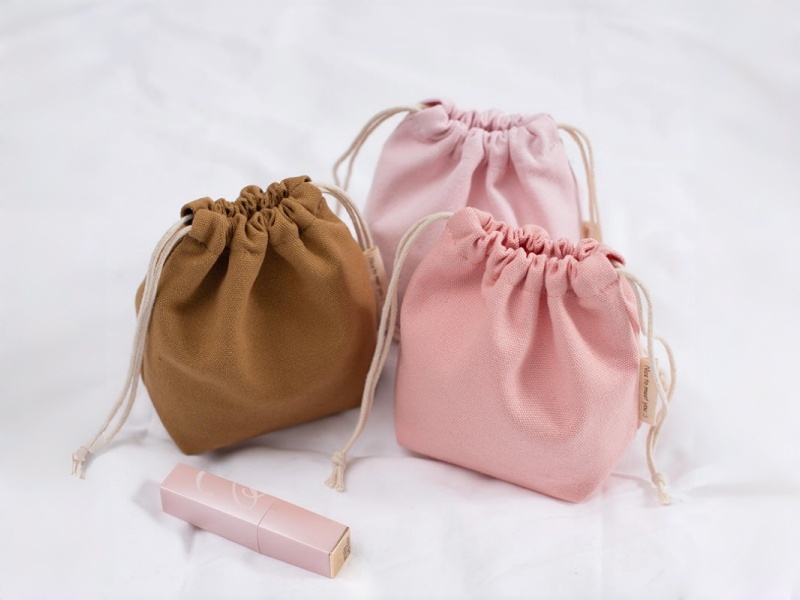
Most people think finding drawstring bags is simple. Search online, compare prices, place an order. But once you move beyond small purchases into real business use—events, retail, brand programs, or large campaigns—you quickly realize the process is not that straightforward.
The challenge is not just where to find drawstring bags, but how to find the right source that fits your purpose. A bag that works for a one-day promotion may fail completely for long-term retail use. A low-cost option may look acceptable in photos but feel weak in hand. And that works for small quantities may not be able to support repeat orders.
You can find drawstring bags through three main channels: online marketplaces, wholesalers, and direct factories. For small quantities or fast delivery, online platforms and local distributors are convenient. For bulk orders, custom logo projects, or long-term use, working directly with a factory offers better control over materials, pricing, and consistency. The best option depends on your quantity, customization needs, timeline, and quality expectations.
Where to Find Drawstring Bags for Different Business Needs
Drawstring bags can be sourced from online platforms, wholesalers, or direct production facilities. Online platforms are suitable for quick purchases and small quantities. Wholesalers work well for ready stock and moderate orders. Direct factories are the best option for custom logo projects, large volumes, and long-term consistency. The right choice depends on your order size, customization requirements, and how much control you need over materials and quality.
If your goal is speed, online platforms can be a starting. They offer convenience, especially for testing ideas or short-term use. However, what you gain in speed, you often lose in control. Material quality, stitching strength, and color consistency can vary significantly between batches.
Wholesalers sit in the middle. They typically hold inventory and can offer faster delivery than production-based sources. This works well for standard designs, especially for events or promotional use where timing matters more than customization depth. The limitation is flexibility. Once you need a specific fabric, size, or logo application, options become restricted.
Direct factory sourcing is where most long-term projects move. This is not just about cost. It is about control over the entire product definition—fabric selection, drawstring type, reinforcement structure, and branding execution. It also allows better alignment between sample and bulk production.
A simple comparison helps clarify this:
| Source Type | Best For | Limitation |
|---|---|---|
| Online Platforms | Small quantity, fast orders | Limited customization |
| Wholesalers | Ready stock, quick supply | Less flexibility |
| Factory Direct | Custom, bulk, repeat orders | Longer setup time |
If your project involves branding, repeated orders, or quality consistency across batches, moving closer to the production side is usually the more stable path.
What Types of Drawstring Bags Are Most Popular?
The most common drawstring bag types include lightweight promotional bags, drawstring backpacks, cotton or canvas pouches, and reinforced sport-style bags. Lightweight options are used for giveaways, while stronger designs with thicker fabric and reinforced corners are preferred for gyms, schools, and retail. Choosing the right type depends on usage, expected weight load, and brand positioning.
Not all drawstring bags are built the same, even though they may look similar at first glance. The differences usually come down to structure, fabric weight, and reinforcement details.
The simplest type is the lightweight promotional bag. These are typically made from non-woven or thin polyester materials. They are cost-efficient and easy to distribute in large quantities. However, they are not designed for long-term use. Overloading them can quickly lead to seam stress or tearing.
Drawstring backpacks are more structured. They often use thicker polyester or nylon and include reinforced corners, sometimes with metal eyelets. This design distributes weight better and makes the bag suitable for daily use, sports, or school environments.
Cotton and canvas drawstring bags are another category. They feel more natural and are often used for retail packaging or branded merchandise. They carry a different perception—less about cost efficiency, more about texture and presentation.
A simplified breakdown:
| Type | Typical Use Case | Key Feature |
|---|---|---|
| Lightweight Promotional | Events, giveaways | Low cost, simple structure |
| Drawstring Backpack | Gym, school, daily use | Reinforced, higher strength |
| Cotton/Canvas Bags | Retail, branding | Better appearance |
One common mistake is choosing based only on price. In reality, the end use determines the correct structure. A bag used once for an event has very different requirements from one used daily.
If you are unsure which type fits your project, sharing your usage scenario and expected quantity can help define the right direction before sampling. You can reach out to info@jundongfactory.com for a quick evaluation based on real production experience.
Which Materials Are Best for Custom Drawstring Bags?

The best material depends on usage and positioning. Polyester and non-woven fabrics are cost-efficient and suitable for large promotions. Cotton and canvas offer better texture and brand perception. Nylon provides durability and water resistance for active use. RPET recycled materials are increasingly used for eco-focused projects. Choosing the right material is less about cost alone and more about balancing durability, appearance, and intended use.
Material selection is where many projects quietly succeed or fail. Two bags can look identical in photos but perform very differently in real use simply because of fabric choice.
Polyester is widely used because it offers a good balance between cost and performance. It holds color well, supports printing methods easily, and works across most applications. Non-woven fabric is even more cost-driven, often used for large-scale distribution, but it has clear limits in strength and lifespan.
Cotton and canvas bring a different advantage. They change how the bag feels. Heavier canvas, for example, gives a more structured and durable impression, which is why it is often used in retail packaging or branded merchandise. However, it also increases cost and weight.
Nylon stands out when durability matters. It resists tearing better and performs well under repeated use. If the bag is expected to carry heavier items or be used outdoors, nylon becomes a practical choice.
RPET is increasingly requested, especially for projects that want to communicate sustainability. It uses recycled plastic materials, but the key is not just the label. The actual fabric quality, weaving density, and finishing still determine performance.
A simple comparison helps:
| Material | Strength | Cost Level | Typical Use |
|---|---|---|---|
| Non-woven | Low | Very Low | Mass giveaways |
| Polyester | Medium | Low | Promotions, events |
| Cotton | Medium | Medium | Branding, packaging |
| Canvas | High | Medium-High | Retail, premium use |
| Nylon | High | Medium | Sports, heavy-duty use |
| RPET | Medium | Medium | Eco-focused programs |
One important detail often overlooked is fabric weight (GSM or denier). Two polyester bags may have completely different durability simply because one uses thicker fabric.
If your project involves long-term use or brand positioning, material selection should not be rushed. It is one of the few decisions that cannot be easily corrected later.
Who Should You Work With: Distributor, Wholesaler, or Direct Factory?
Distributors are suitable for quick and small orders. Wholesalers provide ready stock and moderate flexibility. Direct factories are best for custom logo projects, bulk orders, and long-term consistency. If your project requires specific materials, branding details, or repeat production, working directly with a factory provides better control, clearer communication, and more stable results over time.
Choosing who to work with is not just about price—it directly affects how much control you have over the final product.
Distributors operate close to the end user. They often carry stock and can deliver quickly. This works well when time is tight and customization is not required. However, their role is limited. They do not control production, which means changes are difficult.
Wholesalers operate at a slightly deeper level. They may have access to multiple product sources and can offer some flexibility in styles and quantities. But again, they are usually not directly involved in production decisions.
Direct factory collaboration changes the dynamic completely. It allows adjustments in material, stitching, drawstring type, reinforcement details, and packaging. It also creates a clearer path for repeat orders, where consistency becomes critical.
Another factor is communication. When working through layers, information can get diluted. A simple requirement such as “stronger corners” can be interpreted differently at each stage. Direct communication reduces that risk.
A practical way to think about it:
- If your priority is speed → distributor
- If your priority is availability → wholesaler
- If your priority is control and repeatability → factory
Many experienced teams start with simple sourcing but move closer to production once they scale.
How Do Custom Drawstring Bags Move from Idea to Sample?
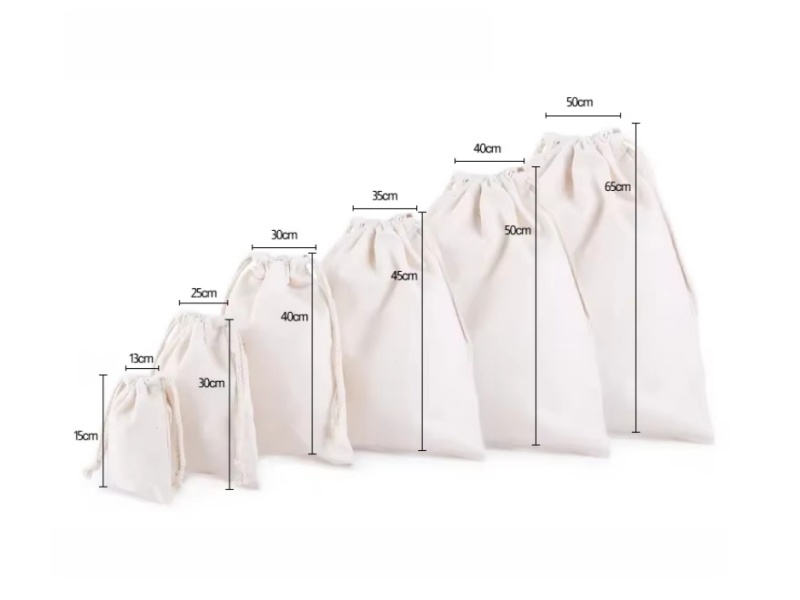
The custom process usually starts with defining size, material, and logo details. After confirming specifications, a sample is created for review. Sampling typically takes 5–10 days depending on complexity. The key step is sample approval, where details like stitching, color, and logo placement are checked. A clear sample stage reduces errors in bulk production and helps align expectations before larger investment.
The sampling stage is where most uncertainties are resolved. It is also where many projects lose time due to unclear inputs.
A typical flow looks like this:
- Define product basics (size, fabric, usage)
- Confirm logo method (printing, embroidery, patch)
- Select colors and details (cord type, reinforcement)
- Produce initial sample
- Review and revise if needed
At first glance, this seems straightforward. In reality, each step can introduce variation.
For example, logo printing depends on fabric type. A design that looks sharp on polyester may appear softer on cotton. Similarly, cord thickness changes both the appearance and the carrying comfort.
The biggest risk at this stage is approving a sample too quickly. Many issues only appear after closer inspection:
- Stitch density may look fine visually but affect durability
- Color tone may shift under different lighting
- Drawstring friction may impact usability
This is why experienced teams review samples in a structured order:
- Shape and size accuracy
- Material feel and thickness
- Logo clarity and placement
- Reinforcement areas
- Overall balance
Another overlooked step is pre-production sample (PPS). This is not just another sample—it is the final confirmation before bulk production begins. Skipping this step can lead to differences between sample and mass production.
Sampling is not just about seeing the product. It is about locking decisions.
If you are preparing a project and want to move faster through sampling with fewer revisions, sharing your intended use, quantity, and reference images early can significantly improve the first sample accuracy. You can send details to info@jundongfactory.com for a structured review before development starts.
How Much Do Drawstring Bags Cost in Bulk?
The cost of drawstring bags depends on material, size, logo method, quantity, and packaging. Lightweight promotional bags can start from very low prices in large quantities, while thicker fabrics, reinforced structures, and premium logo techniques increase cost. Bulk pricing improves significantly as quantity increases, but extremely low prices often come with compromises in durability, consistency, or finishing quality.
Pricing is one of the most misunderstood parts of sourcing drawstring bags. Many teams start by comparing unit prices, but experienced look at total project cost, not just the first quote.
The main cost drivers are straightforward:
| Factor | Impact on Price |
|---|---|
| Material | Largest impact |
| Fabric Thickness | Medium to high |
| Size | Medium |
| Logo Method | Medium |
| Quantity | Reduces unit cost |
| Packaging | Adds incremental cost |
Material is the biggest variable. A thin non-woven bag can cost a fraction of a heavy canvas version. But the difference is not just cost—it directly affects how long the bag lasts and how it feels in use.
Logo method is another hidden factor. Screen printing is cost-efficient, but not all designs translate well. Heat transfer, embroidery, or patches create stronger visual impact but increase cost and production steps.
Quantity plays a key role. Unit cost typically drops as volume increases because material purchasing and setup costs are distributed across more units. However, the relationship is not linear. The biggest cost drop usually happens between low quantity and mid-volume, not between mid and very large orders.
A common mistake is chasing the lowest price without understanding what has been removed to reach that number. Lower fabric weight, weaker stitching, or simpler finishing can reduce cost quickly but may not meet the intended use.
A more stable approach is to define:
- Expected usage (single-use vs repeated use)
- Target price
- Minimum acceptable quality
Then adjust specifications within those limits.
What MOQ, Lead Time, and Production Process Should You Expect?

Typical MOQ for custom drawstring bags from 100 to 500 pieces, depending on material and complexity. Sampling usually takes 5–10 days, while bulk production takes 15–35 days after sample approval. Lead time can vary based on fabric availability, order size, and production schedule. Planning ahead is essential, especially for events or seasonal projects.
MOQ is often misunderstood as a fixed number. In reality, it depends on how complex the product is.
Simple designs using common materials can be produced in smaller quantities. More complex designs—such as thicker fabrics, multiple colors, or special logo applications—require higher quantities because production setup becomes more involved.
Lead time has two phases:
- Sampling phase
- Bulk production phase
Sampling typically moves quickly, especially when specifications are clear. The delays usually happen in revision cycles, not production itself.
Bulk production depends on several factors:
- Material readiness
- Order size
- Production queue
- Complexity of design
A simplified timeline:
| Stage | Typical Time |
|---|---|
| Sample Development | 5–10 days |
| Sample Revision | 3–7 days |
| Bulk Production | 15–35 days |
One critical detail is timing relative to usage. Many projects fail not because of production issues, but because orders are placed too late.
For example:
- Event giveaways → order 30–45 days ahead
- Retail launches → order 45–60 days ahead
- Seasonal campaigns → order even earlier
Production delays often come from small issues:
- Late material confirmation
- Frequent design changes
- Unclear packaging requirements
The earlier these are defined, the smoother the process becomes.
How to Choose the Right Production Partner for Custom Projects
The right partner is not just about price. It is about consistency, communication, and problem-solving ability. A strong partner can maintain quality across orders, respond clearly, and help improve product details during development. Signs of a reliable partner include structured sampling, clear QC processes, stable delivery timelines, and the ability to handle repeat orders without variation.
Choosing the right partner is one of the few decisions that directly affects every order that follows.
A strong partner usually shows consistency in three areas:
1. Product Understanding
They do not just follow instructions. They understand how the bag will be used and can suggest adjustments:
- Fabric selection
- Reinforcement areas
- Drawstring design
2. Process Clarity
Clear workflow reduces confusion:
- Defined sampling steps
- Confirmed specifications
- Structured QC checkpoints
3. Stability Over Time
This is often overlooked. A reliable partner can produce the same product multiple times without variation. This is critical for brands and repeat programs.
Red flags to watch for:
- Vague about materials
- No clear QC process
- Large differences between sample and bulk
- Unstable communication
The goal is not to find someone who says yes to everything, but someone who can identify risks early and manage them before production.
If your project requires stable quality and repeat production, it is worth spending more time evaluating this stage before placing the first order.
Why Do Some Drawstring Bag Orders Go Wrong—and How Can You Avoid It?
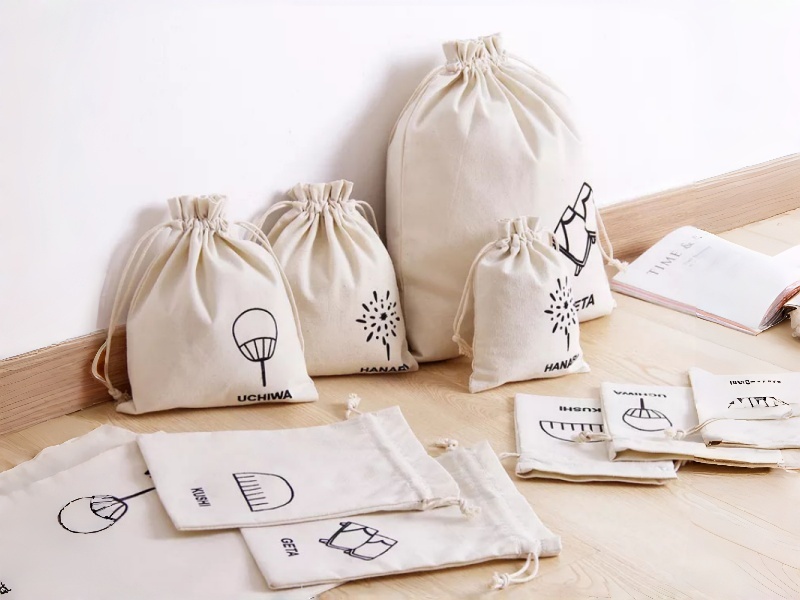
Most problems happen due to unclear specifications, rushed sample approval, or lack of production control. Common issues include color differences, weak stitching, incorrect logo placement, and inconsistent materials. These can be reduced by defining clear requirements, reviewing samples carefully, and confirming a pre-production sample before bulk production begins.
When things go wrong, it is rarely due to a single major mistake. It is usually the result of small details being overlooked early.
One of the most common issues is sample-to-bulk difference. A sample may look correct, but bulk production may use slightly different materials or processes, leading to visible variation.
Another issue is color inconsistency. Fabric dyeing and printing can vary depending on batches. Without clear color references or standards, results can shift.
Stitching and reinforcement are also critical. A bag may look fine visually, but under load, weak stitching becomes a problem. This is especially important for drawstring bags because stress is concentrated at the corners.
Here are typical risk areas:
| Risk Area | Common Problem |
|---|---|
| Fabric | Thickness variation |
| Color | Shade inconsistency |
| Logo | Misalignment or fading |
| Stitching | Weak reinforcement |
| Drawstring | Poor sliding or durability |
The solution is not complicated, but it requires discipline:
- Define specifications clearly
- Review samples in detail
- Confirm a final pre-production sample
- Avoid last-minute changes
Another key factor is communication. Clear, structured communication reduces misunderstandings and speeds up resolution.
If you are planning a project and want to reduce unnecessary revisions or delays, preparing a simple checklist before sampling can make a significant difference. For projects that require structured development support, you can reach out to info@jundongfactory.com for a more detailed evaluation based on your specifications.
Start Your Drawstring Bag Project with the Right Foundation
A drawstring bag may seem simple, but behind every successful project is a series of decisions made early—material selection, structure definition, sampling accuracy, and production control.
The difference between a one-time order and a repeatable product often comes down to how these decisions are handled before bulk production begins.
A well-developed product is not just about appearance. It is about how it performs over time, how consistently it can be reproduced, and how well it represents the intended use or brand image.
If you are planning a custom drawstring bag project and want to move forward with clearer structure, better material selection, and stable production execution, you can share your requirements with info@jundongfactory.com for a practical review.
FAQ About Drawstring Bags
1. What details should I prepare before starting a custom drawstring bag project?
A strong project usually starts with clear and structured inputs, not just an idea. The more complete your initial information is, the fewer revisions you will need later.
At minimum, you should prepare:
- Bag size (width × height)
- Intended use (promotion, gym, retail, packaging, etc.)
- Material preference (polyester, cotton, canvas, etc.)
- Logo file (vector format like AI or PDF works best)
- Target quantity
- Expected budget
Beyond these basics, experienced teams often include small but critical details:
- Drawstring thickness and color
- Reinforced corners or not
- Inner or outer pocket requirements
- Packaging style (individual polybag, bulk pack, retail-ready)
A simple structure helps:
| Item | Why It Matters |
|---|---|
| Size | Affects cost and usability |
| Material | Determines durability and feel |
| Logo | Impacts printing method and cost |
| Quantity | Directly affects unit price |
| Use Scenario | Guides structure and reinforcement |
Projects that start with vague descriptions often require multiple sample revisions. Projects that begin with clear direction usually move faster and cost less overall.
If you are unsure about specifications, it is better to describe your use scenario first, then refine technical details step by step.
2. How long does it take to get a sample, and what affects the timeline?
Most drawstring bag samples can be completed within 5–10 days, but this timeline depends heavily on how prepared the project is.
The process usually includes:
- Confirm specifications
- Prepare materials
- Produce sample
- Review and feedback
Delays rarely come from production itself. They usually come from:
- Incomplete or unclear requirements
- Frequent design changes
- Waiting for logo confirmation
More complex projects take longer, especially if they involve:
- Multiple fabric layers
- Special printing methods
- Custom colors that require dyeing
A typical timeline breakdown:
| Stage | Time Estimate |
|---|---|
| Initial sample | 5–10 days |
| Revision (if needed) | 3–7 days |
| Final approval | Depends on review speed |
One key insight: faster sampling does not always mean better results. A rushed sample may skip important checks and lead to issues later.
The goal of sampling is not speed alone—it is accuracy before bulk production.
3. What is the difference between a sample and a pre-production sample (PPS)?
Many teams treat all samples the same, but there is an important difference.
A regular sample is used to test the concept. It helps confirm:
- Size
- Shape
- Material direction
- Basic logo placement
A pre-production sample (PPS) is different. It is made using the same materials, processes, and setup as bulk production.
This makes PPS critical because it acts as the final reference standard.
Here is a simple comparison:
| Type | Purpose | Importance Level |
|---|---|---|
| Regular Sample | Concept validation | Medium |
| Pre-Production Sample | Bulk production reference | Critical |
Skipping PPS increases risk significantly. Common problems include:
- Slight color shifts
- Different stitching tension
- Logo position variation
These differences may seem small but become obvious when thousands of units are produced.
A well-managed project always locks:
- Material batch
- Color reference
- Logo execution
- Stitching details
before bulk production starts.
4. What affects the durability of a drawstring bag the most?
Durability is not determined by one factor. It is the result of material, structure, and construction working together.
The most important elements include:
1. Fabric Thickness
Thicker fabric generally increases durability. However, it must match the intended use. Overly thin fabric is the most common cause of failure.
2. Corner Reinforcement
Drawstring bags carry stress at the corners. Reinforced corners—especially with extra fabric layers or metal eyelets—significantly improve lifespan.
3. Stitching Quality
Weak stitching is often invisible at first but becomes the main failure under load.
4. Drawstring Quality
The cord itself affects performance. Thin cords wear faster and may break under tension.
A simplified durability comparison:
| Factor | Impact Level |
|---|---|
| Fabric Thickness | High |
| Reinforcement | High |
| Stitching | High |
| Cord Quality | Medium |
A common mistake is focusing only on appearance. A bag may look good but fail quickly if internal construction is weak.
For projects involving repeated use, durability should be defined early—not adjusted after pricing.
5. Can I order small quantities, and how does MOQ really work?
MOQ is often misunderstood. It is not a fixed rule—it depends on product complexity and production setup.
For simple drawstring bags:
- MOQ can be relatively low (around 100–300 pcs)
For more complex designs:
- MOQ increases due to setup costs (fabric sourcing, printing setup, etc.)
Here is a general guideline:
| Product Type | Typical MOQ |
|---|---|
| Simple design | 100–300 pcs |
| Standard custom | 300–500 pcs |
| Complex custom | 500+ pcs |
Lower MOQ usually comes with:
- Higher unit price
- Limited material options
- Reduced customization flexibility
A practical way to think about MOQ:
- Low quantity → testing stage
- Medium quantity → balanced cost and flexibility
- High quantity → best unit price and consistency
Instead of asking “what is the MOQ,” it is more useful to ask:
👉 What quantity gives the best balance between cost and product quality?
If your project is in an early stage and you want to test before scaling, sharing your expected quantity can help define a workable plan. You can discuss options directly via info@jundongfactory.com to align MOQ with your project stage.
6. Why do sample and bulk orders sometimes look different, and how can this be avoided?
One of the most common concerns is sample-to-bulk inconsistency. The sample looks correct, but the bulk order feels slightly different. This usually does not come from a single mistake, but from small variations during production.
The most typical causes include:
- Different material batches (fabric texture or thickness changes)
- Color variation during dyeing or printing
- Manual production differences (stitching tension, alignment)
- Scaling from one piece to thousands
Here is a simplified breakdown:
| Factor | Risk Level |
|---|---|
| Fabric batch change | High |
| Color consistency | High |
| Stitching variation | Medium |
| Logo placement | Medium |
To reduce this risk, experienced teams follow a few key steps:
- Lock material specifications early
- Confirm color references clearly (Pantone or physical sample)
- Approve a pre-production sample (PPS)
- Avoid last-minute changes before bulk production
Another practical method is requesting production reference photos during early bulk stages. This helps detect issues before full completion.
Consistency is not about perfection—it is about controlled variation within acceptable limits.
7. What logo methods work best for drawstring bags?
Logo application is not just a visual decision. It affects durability, cost, and overall product perception.
The most common methods include:
Screen Printing
- Cost-efficient
- Suitable for simple designs
- Works best on polyester and non-woven fabrics
Heat Transfer Printing
- Good for complex graphics
- Smooth surface finish
- Slightly higher cost
Embroidery
- Strong and durable
- Premium appearance
- Higher cost and longer production time
Patch (PVC / woven / leather)
- Adds texture and branding depth
- Suitable for higher-end positioning
A comparison helps:
| Method | Cost Level | Durability | Visual Impact |
|---|---|---|---|
| Screen Print | Low | Medium | Standard |
| Heat Transfer | Medium | Medium | High detail |
| Embroidery | High | High | Premium |
| Patch | Medium-High | High | Strong |
A common mistake is selecting a method based only on cost. For example, a detailed logo may lose clarity with screen printing, while embroidery may feel too heavy for lightweight fabric.
The best approach is to match:
- Fabric type
- Logo complexity
- Target price level
This ensures the logo looks right and lasts through actual use.
8. How should drawstring bags be packed for different use cases?
Packaging is often treated as a final step, but it has a direct impact on logistics cost, product presentation, and usability.
Different scenarios require different approaches:
1. Bulk Distribution (Events / Promotions)
- Simple polybag or bulk packing
- Focus on cost efficiency
2. Retail or Brand Use
- Individual packaging
- Hangtags or branded labels
- Clean folding and presentation
3. E-commerce Shipping
- Compact folding to reduce volume
- Protective packaging to avoid wrinkles or damage
A simple guide:
| Scenario | Packaging Type | Priority |
|---|---|---|
| Events | Bulk packing | Cost control |
| Retail | Individual + branding | Presentation |
| E-commerce | Protective + compact | Shipping efficiency |
One overlooked detail is carton packing structure. Improper packing can cause deformation during shipping, especially for soft bags.
If packaging is not defined early, it can lead to:
- Repacking delays
- Increased shipping cost
- Inconsistent presentation
Planning packaging together with product design avoids these issues.
9. What are the most common delays in drawstring bag orders?
Delays are rarely caused by a single issue. They usually result from a chain of small problems that accumulate.
The most frequent causes include:
1. Unclear Specifications
When details are not confirmed early, production cannot move forward efficiently.
2. Material Availability
Custom fabrics or colors may require additional sourcing time.
3. Frequent Changes
Late changes to size, logo, or structure disrupt production flow.
4. Communication Gaps
Misunderstandings slow down decision-making and approvals.
A simplified view:
| Cause | Impact Level |
|---|---|
| Spec changes | High |
| Material delays | High |
| Communication gaps | Medium |
| Production queue | Medium |
The most effective way to avoid delays is to lock key decisions before production starts.
Another practical tip is building a buffer time into your schedule. Even well-managed projects can encounter small adjustments.
If timing is critical (such as events or seasonal launches), early planning is more valuable than rushing production later.
10. How do you build a long-term relationship for repeat drawstring bag orders?
Long-term cooperation is not just about placing another order. It is about creating a system that makes repeat production smoother and more consistent.
The key is standardization.
After the first successful order, strong teams usually lock:
- Fabric specifications
- Color references
- Logo files and placement
- Packaging method
- Quality expectations
This creates a repeatable production model.
Benefits of this approach:
- Faster production cycles
- Fewer sample revisions
- More stable quality
- Better cost control over time
Another important factor is communication continuity. Working with the same contact and maintaining clear records reduces errors in future orders.
A simple repeat-order structure:
| Stage | Improvement Over Time |
|---|---|
| Sampling | Reduced or skipped |
| Production setup | Faster |
| Quality control | More consistent |
| Delivery | More predictable |
Over time, the relationship shifts from project-based to system-based. This is where efficiency and reliability improve significantly.
If you are planning ongoing projects or multiple SKUs, building a structured production approach early can save time and cost later. You can discuss long-term planning and repeat order optimization at info@jundongfactory.com.