 Skip to content
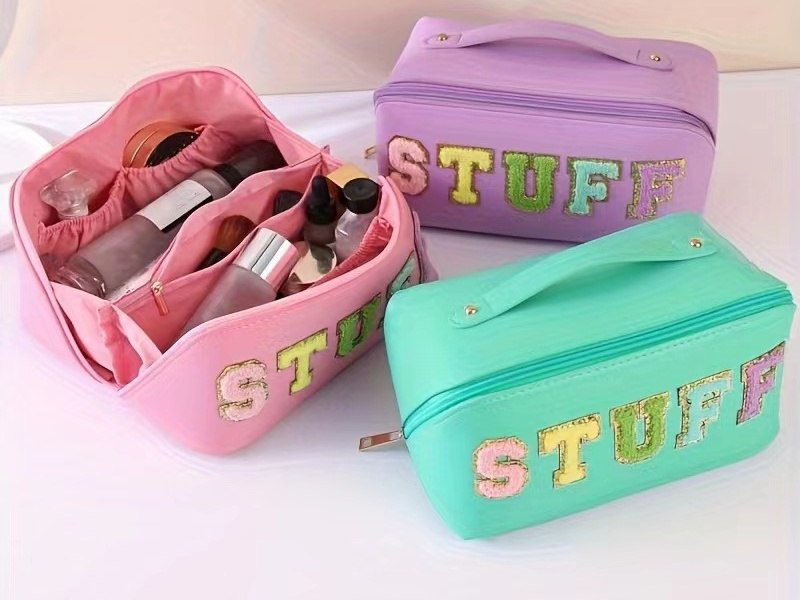
A makeup bag looks simple until you try to make one that actually feels good in the hand, opens smoothly, stays upright on a counter, and still looks clean after weeks of real use. That is where a lot of soft goods go wrong. People often think sewing a lined pouch is only about joining two layers of fabric and adding a zipper. In real life, the result depends on a chain of small decisions: outer fabric weight, lining behavior, seam bulk, zipper width, corner depth, interfacing stiffness, and turning method. Change one of them, and the whole bag can feel cheaper, flimsier, or harder to use.
That is also why this topic matters far beyond hobby sewing. A lined makeup bag is one of the clearest examples of how a basic sewn item turns into a practical product. The same that matter at a sewing table also matter when a beauty brand, gift set team, or promotional program wants a custom pouch that feels finished instead of rushed. A good makeup bag should not only look nice in photos. It should protect the contents, clean up easily, hold its shape, and repeat well from first sample to bulk run.
If you are sewing one for yourself, the goal is a pouch that feels neat, balanced, and easy to live with. If you are developing one for a brand, the goal gets bigger. Now the bag also has to match logo scale, shelf feel, gifting logic, travel use, lining performance, and cost discipline. That is why the best approach is not to start with decoration. Start with structure. Once the structure is right, the rest becomes much easier to control.
To sew a makeup bag with lining, you usually cut an outer shell and a lining, attach a zipper between those layers, sew the body pieces together, shape the corners if needed, turn the bag right side out, and close the lining opening neatly. The best result comes from choosing the right fabric, lining, interfacing, and zipper type before sewing starts. A lined bag lasts longer, hides raw seams, protects cosmetics better, and gives the pouch a more finished, premium feel.
What Is a Lined Makeup Bag, and Why Is It Better Than an Unlined Pouch?
A lined makeup bag is a pouch with a separate inner layer attached to the outer shell. That inner layer hides raw seams, improves durability, and helps the bag feel cleaner and more structured. In most cases, a lined version looks better, lasts longer, and handles spills more gracefully than an unlined pouch, especially when the bag is used for cosmetics, skincare, or travel items.
A lot of people treat lining as a decorative extra. It is not. In makeup bags, the lining does real work. It covers the inside seam allowances, so the bag looks cleaner when opened. It also reduces friction against the contents. Brushes, compacts, pencils, and bottles move differently inside a smooth lining than they do against raw cotton or exposed seams.
Lining also changes how the bag ages. An unlined pouch may look acceptable at first, but over time the inside can start to look tired quickly. Exposed seam edges collect powder, oil, and dust. The bag becomes harder to wipe down. The corners may fray. A separate lining helps slow all of that down, especially when the inner fabric is wipe-clean, tightly woven, or lightly coated.
There is also a shape issue. A lined pouch usually holds form better because the interior layer adds body, even before interfacing enters the picture. That does not mean every lined makeup bag has to feel stiff. Some are soft and collapsible on purpose. But even soft bags benefit from that second layer because the bag feels more complete, less flimsy, and more intentional.
For beauty sets, gift-with-purchase programs, and private-label projects, lining often becomes the dividing line between a pouch that feels disposable and one that feels worth keeping. That matters because a makeup bag is handled again and again. It sits on a vanity, travels in a tote, lands in a suitcase, and gets opened in front of a mirror. Every one of those moments adds up to how the item is judged.
Which Type Is Better: Flat Makeup Bag vs Boxy Makeup Bag vs Gusseted Cosmetic Case?
The best type depends on how the bag will be used. A flat zipper pouch is compact and easy to pack. A boxy bag stands better and holds bulkier items. A gusseted case offers more organized volume and often feels more polished for retail or travel. There is no single best shape. The right choice comes from the product mix, carry method, and the look the bag is supposed to deliver.
People often pick a silhouette based on photos. That is backwards. Start with what the bag must hold. A flat pouch works well for slim makeup items: lipsticks, compact mirrors, pencils, blotting sheets, or a small daily kit. It packs easily into a larger tote or travel bag. It is also easier to sew, easier to sample, and usually less expensive because it uses fewer pattern pieces and less structured shaping.
A boxy makeup bag is better when the contents are thicker or more varied. Foundation bottles, skincare jars, travel tubes, and puffier accessory sets need vertical room. Boxed corners create that room without making the bag look oversized from the front. This is why boxy silhouettes stay popular. They look tidy on a shelf, but they offer more usable capacity than a flat pouch with the same width.
A gusseted case sits somewhere in the middle and can go in many directions. A simple bottom gusset can help a bag stand without making it bulky. Side gussets can improve opening behavior and volume control. Full gusseted cosmetic cases often feel more refined, especially when paired with a shaped zipper path, piped seams, or a structured base. But they also demand more discipline. The pattern has to be balanced. The corners must match. The zipper length and curve must work with the body panels.
Here is a practical comparison:
| Bag Type | Best For | Main Strength | Main Risk |
|---|---|---|---|
| Flat zipper pouch | Daily essentials, slim items, gift sets | Easy to sew, easy to pack | Can feel too flat or cheap |
| Boxy makeup bag | Travel use, thicker items, vanity use | Better volume and standing shape | Corners can look lumpy if poorly sewn |
| Gusseted cosmetic case | Organized kits, premium presentation | More usable space, stronger shelf presence | More complex pattern balance |
When a brand is choosing between these shapes, the key is not just capacity. It is use scene. A pouch meant for handbag carry needs a different profile from one meant for hotel amenities, launch gifting, or skincare travel sets. A pouch that will live in a bathroom also needs a different opening behavior from one that will spend most of its life inside a larger bag.
That is why a strong first sample should test more than appearance. It should test how the bag opens, how it sits, how easily items can be reached, and whether the shape still feels right when partly filled instead of fully stuffed.
What Fabric, Lining, Interfacing, and Zipper Are Best for Sewing a Makeup Bag?

The best combination is the one that matches the bag’s real use. For many makeup bags, a strong outer shell such as canvas, nylon, polyester, PU, or quilted fabric, paired with a smooth wipe-clean lining and the right level of interfacing, gives the most reliable result. The zipper should match the bag size, opening width, and look of the pouch, not just the color.
Fabric choice should start with function, not trend. Cotton canvas gives a natural look and is easy to sew, but it may need added support if you want crisp shape. Nylon and polyester are popular because they are lightweight, durable, and easier to clean. PU or faux leather can look more polished, but seam bulk and turning thickness need closer attention. PVC or clear panels work when visibility matters, though they change the sewing behavior and can make corners less forgiving. Recent cosmetic pouch collections and custom also keep pointing back to nylon, polyester, canvas, PVC, PU, neoprene, plush, and puffer textures because each one creates a very different feel and use case.
Lining is where many bags quietly win or lose. A pretty outer fabric cannot rescue a weak lining. For a makeup bag, the inside usually faces more abuse than the outside. Powders break. Lip gloss leaks. Foundation caps loosen. That is why wipe-clean polyester lining, coated lining, nylon lining, or tightly woven synthetic lining is so often the safer choice. Soft cotton linings can work, but they stain more easily and may absorb spills faster.
Interfacing decides whether the bag feels limp, crisp, padded, or overbuilt. Light fusible interfacing is enough for a soft pouch. Medium interfacing helps a flat bag feel more stable. Foam or heavier stabilizer works when you want a boxier, more premium feel, but it can also create trouble around zipper seams and corners if the pattern was not designed for that thickness. A lot of sewing tutorials now pair even simple pouches with interfacing or foam because shape control matters so much in small bags.
Zippers deserve more respect than they usually get. Too small, and the bag feels weak. Too stiff, and the opening becomes annoying. Too short, and access suffers. Too long, and the ends become messy. Standard dress zippers work for many fabric pouches, while wider handbag zippers often feel stronger and more premium. Several current zipper pouch tutorials specifically note that both regular dressmaking zippers and wider handbag zippers are commonly used, which is useful because the zipper choice changes the whole visual balance of a small pouch.
A simple material guide helps:
| Part | Good Option | Why It Works |
|---|---|---|
| Outer shell | Canvas / Nylon / Polyester / PU | Balances look, durability, and sewability |
| Lining | Wipe-clean polyester / coated lining / nylon | Easier cleanup and better moisture resistance |
| Interfacing | Light to medium fusible / foam for boxy styles | Controls body and shape |
| Zipper | Standard nylon coil or handbag zipper | Smooth opening and broad trim choice |
If you are developing a pouch for a beauty line or gift program, do not choose materials in isolation. Review the set as a whole: outer feel, lining cleanup, zipper pull size, logo method, and packing route. If you want help narrowing those choices into a practical first sample, Jundong can review your sketch, target use, and preferred price level at info@jundongfactory.com.
How Do You Sew a Makeup Bag With Lining Step by Step?
The basic process is straightforward: cut outer pieces and lining pieces, prepare interfacing, sew the zipper between the outer and lining layers, attach the second side of the zipper, sew the body, leave a turning gap in the lining, turn the bag right side out, shape the corners, and close the lining opening. The cleanest result comes from accurate cutting, careful zipper alignment, and pressing at each stage.
Step one is preparation. Cut your shell and lining pieces accurately. If the pattern calls for interfacing, fuse it before assembly unless the material needs a sew-in support instead. Mark zipper placement and any corner boxing notches before sewing. Small inaccuracies at this stage become obvious later, especially near the zipper ends.
Step two is zipper installation. A common method is to place the outer fabric right side up, lay the zipper face down on top, then place the lining right side down over the zipper. Sew through those three layers. Repeat on the other side. This construction method remains one of the most common because it gives a clean edge and encloses the zipper tape neatly between outer and lining. Current boxed pouch tutorials still teach the process this way: outer piece right side up, zipper facing down, lining aligned, then stitched through all layers.
Step three is pressing and topstitching. Do not skip this. After sewing each zipper side, fold the fabrics away from the zipper and press the seam clean. Then topstitch close to the zipper. This helps the bag open better, prevents fabric from catching in the zipper teeth, and gives the top edge a sharper finish.
Step four is body assembly. Open the zipper partway before you sew the outer and lining body seams together. That sounds minor, but forgetting it can leave you with a bag you cannot turn. Match outer to outer and lining to lining, keeping the zipper seams aligned. If the bag has boxed corners, shaped ends, or tabs, this is the stage where the construction sequence matters most.
Step five is turning and finishing. Turn the bag through the lining gap or designated opening, push out the corners carefully, smooth the zipper area, then close the lining opening by topstitching or ladder stitch. After that, give the pouch a final press if the materials allow it.
The real difference between a clean pouch and a messy one is rarely the difficulty of the steps. It is discipline. Accurate seam allowance, controlled pressing, clipped bulk at the right places, and careful zipper alignment do more for the final look than any decorative extra.
How Do You Add Boxed Corners, Zipper Tabs, Pockets, and a Clean Inside Finish?

You add boxed corners by shaping the lower corners after sewing the side seams, usually by pinching the corner flat and stitching across it. Zipper tabs finish the zipper ends and make the top line look cleaner. Interior pockets add function, but they should match the real fill list. A clean inside finish usually comes from full lining construction, a turning opening, and controlled seam bulk.
Boxed corners are one of the fastest ways to turn a basic pouch into something more useful. They add depth without changing the front view dramatically. But the boxed depth has to suit the bag. Too shallow, and the difference is barely felt. Too deep, and the bag becomes awkward or top-heavy. Many bag-making tutorials treat corner boxing as a basic move because it changes storage capacity so efficiently.
Zipper tabs are partly visual and partly practical. They cover the zipper ends, reduce the cheap look of exposed tape, and can help the bag feel easier to grab when opening or closing. They also make a small pouch look more finished from the front. On custom projects, zipper tabs are often where brands quietly add color contrast or a trim accent.
Interior pockets sound useful, but not every makeup bag needs them. A flat slip pocket helps separate masks, cotton pads, or blotting paper. Elastic loops can work for brushes, but only when the bag is large enough to justify them. Dividers add organization, yet they also add labor, bulk, and more seam intersections. Too many interior features can make a small pouch harder to use, not better.
A clean inside finish depends on construction planning. If the lining is poorly drafted or the seam allowances are too bulky, the inside will look twisted or lumpy even if the outside looks fine. This is why lining fabric thickness, seam allowance size, and turning method should be thought through together. A makeup bag gets opened wide and looked into. The inside cannot be treated as an afterthought.
For brands, this is the stage where product ideas should become sharper. Decide whether the bag is meant to feel minimal, utility-driven, giftable, travel-friendly, or premium. Those goals affect whether the pouch needs a simple boxed bottom, a full gusset, internal brush slots, a wider opening, or a slick wipe-clean lining. A clean interior is not only about neat sewing. It is about knowing what the bag is supposed to do.
Why Do Some Makeup Bags Pucker at the Zipper, Lose Shape, or Leak Through the Lining?
Most makeup bags fail because the materials and construction do not match each other. Zipper puckering usually comes from poor alignment, uneven feeding, or too much tension at the top edge. Shape collapse often comes from weak interfacing, soft fabric, or poor proportion. Lining leaks happen when the inner fabric absorbs spills, the seams are not protected, or the bag was never designed for liquid-heavy use in the first place.
Let’s start with zipper puckering. This is one of the most common complaints because it is visible immediately. The causes are usually practical: the zipper was stretched during sewing, the fabric was not stabilized enough, the seam allowance wandered, or the topstitching pulled the edge. In some cases, the zipper is simply too stiff for the softness of the bag. The bag body yields, the zipper does not, and the top edge starts to ripple.
Shape collapse is different. Sometimes it is a material problem, sometimes a proportion problem. A very soft fabric with no support will slouch. But even a supported bag can collapse if the pouch is too tall for its base width, too long for its corner depth, or too lightly filled in real use. This is why a bag that looks fine in empty photos can disappoint once it is used normally. Good structure is about filled behavior, not just flat-lay beauty.
Leak issues are often misunderstood. A lined bag is not automatically spill-proof. A standard cotton lining hides seams, but it does not stop liquid from soaking through. If the pouch is meant to carry gloss, lotion, foundation, or skincare minis, the inside usually needs a more suitable lining surface. Wipe-clean, coated, or synthetic lining is often the safer route. Some clear or coated options give even stronger protection, but they can alter the hand feel and sewing behavior. That tradeoff needs to be judged early.
There is also the issue of corner dirt and finish wear. A pouch that constantly touches counters, sinks, and makeup residue needs stronger thought around base fabric, edge cleanliness, and lining cleanup. Some beautiful fabrics do not age beautifully in cosmetic use.
The fastest way to reduce failure is to review these five things together before sewing begins:
- What exactly will the pouch carry?
- Does the shell fabric support that use?
- Does the lining handle spills or powder well?
- Does the zipper suit the size and stiffness of the bag?
- Does the chosen structure still look right when half full, not just fully packed?
That small checklist solves more real-world problems than adding decorative extras later.
How Long Does a Custom Sample Take, and What Changes the Price?
A simple makeup bag sample can move quickly, while a more developed version takes longer once custom size, special lining, logo method, packaging, and fit adjustments enter the picture. The sample price usually changes with pattern complexity, material selection, hardware choice, logo technique, revision rounds, and whether the first version is based on a stock shape or a new build.
For a very simple pouch, the process may be short: confirm dimensions, choose shell and lining, lock zipper color, and make the first sample. Once the bag becomes more specific, the timeline stretches. A branded pouch with contrast piping, structured corners, special pullers, custom print placement, or interior brush slots naturally takes more coordination. It is not just more sewing. It is more checking.
Recent custom cosmetic bag aimed at small beauty programs also keep emphasizing short small-batch windows because early-stage launches often need low-volume validation first. Some now show sample-oriented or low-volume tiers starting as low as 30, 50, or 100 pieces, with lead time moving upward as customization increases. That is useful context because beauty programs often want to test quickly before locking a larger run.
Price changes for simple reasons, but they are often missed in early conversations. The outer shell may look similar, yet fabric thickness, lining quality, zipper grade, puller style, printing method, embroidery, internal organization, edge finishing, and packaging all shift cost. Even the number of colorways matters. One clean color is easier to control than a bag that combines multiple shell panels, lining contrast, branded pullers, and custom hangtags.
Sample cost also depends on whether the first version is meant to prove concept or prove production readiness. A concept sample shows the idea. A production-ready sample tests whether the bag can be repeated well. Those are not the same thing. A lot of delay happens because teams approve a visually acceptable first sample without resolving seam bulk, zipper feel, lining cleanup, or packing logic.
A practical way to speed things up is to lock these details before the first sample request:
| Detail to Lock Early | Why It Matters |
|---|---|
| Finished size | Controls pattern and zipper length |
| Intended fill list | Prevents wrong volume or opening width |
| Outer and lining material | Changes shape, cleanup, and stitch behavior |
| Logo method | Affects cost, lead time, and panel layout |
| Target price level | Keeps the first sample realistic |
If you already have sketches, desired dimensions, logo files, or reference photos, Jundong can help turn those into a cleaner first sample brief at info@jundongfactory.com.
When Should a Brand Choose a Custom Makeup Bag Instead of a Stock Pattern?
A brand should choose a custom makeup bag when the pouch needs to match a specific product mix, gifting use, retail look, logo position, lining requirement, or packaging setup that a stock pattern cannot handle well. A stock pattern is fine for speed testing or very basic needs. Custom work becomes the better choice when the bag itself is expected to carry part of the brand experience.
A stock pattern is useful when time is tight and the goal is simple. Maybe the team needs a straightforward zip pouch for a quick promotional insert, an event handout, or a short-run set. In that case, changing only color, print, or logo may be enough. This route reduces development work and usually lowers early risk.
But a custom shape becomes worth it when the pouch is doing more than holding items. Many beauty bags now sit inside launch kits, holiday sets, retail boxes, skincare travel assortments, and collaboration drops. In those cases, the bag is part of the presentation. It may need a specific base width to fit mini bottles, a wider opening for brush access, a coated lining for skincare residue, or a more structured profile so it stands well in photography and on shelf.
There is also a branding reason. The difference between a forgettable pouch and a memorable one is often not loud decoration. It is proportion, texture, edge cleanliness, zipper finish, and how the bag feels when opened. Those details are hard to control when the starting pattern was built for generic use.
Custom work also matters when the pouch needs to repeat over time. If a brand expects reorders, seasonal color updates, gift-with-purchase variations, or matching sets, it is better to lock the pattern and materials properly. That gives better control later. A rushed stock option may save time once, then create inconsistency the next three times.
So the real dividing line is simple: if the bag is just a container, a stock pattern may be enough. If the bag is part of the product story, custom structure usually pays off.
Who Can Turn a Sewing Idea Into a Repeatable Makeup Bag Program?

The right partner is not the one who only says yes fastest. It is the one who can turn a sketch, reference bag, or rough concept into a pouch that is usable, sewable, scalable, and visually consistent. That means understanding pattern balance, lining behavior, zipper installation, structure control, and the small details that decide whether the bag still feels right after the first run.
Many teams begin with a mood board or a screenshot. That is fine. But pictures do not solve engineering. Someone still has to decide seam allowance, zipper type, corner depth, lining cleanup, puller scale, label placement, and whether the chosen material can turn neatly without distorting the top line. A bag that looks easy can still go wrong in five places if those details are not resolved early.
This is where development thinking matters more than sales talk. A good pouch program starts with the real use case, then translates that into materials, pattern structure, and finishing choices that can repeat well. The goal is not just to make one pretty first piece. The goal is to create a pouch that still looks right after revisions, approvals, and repeated production.
That is especially true for beauty, gifting, travel, and private-label programs because small pouches get judged closely. People touch them, zip them, peek inside them, toss them into larger bags, and use them in humid spaces. A weak bag gets exposed quickly. A thoughtful bag earns repeat use.
If you are moving from sketch to a real custom pouch and want help with fabric choice, lining selection, zipper construction, sample development, or a low-MOQ first run, you can reach Jundong at info@jundongfactory.com. A strong makeup bag starts with the right structure, and that is something worth locking early.
FAQ 1: What is the best lining fabric for a makeup bag?
The best lining fabric for a makeup bag is usually one that looks clean, wipes easily, and does not fight the outer fabric. In many cases, a tightly woven polyester lining, nylon lining, or a light wipe-clean coated lining gives the most dependable result. A soft cotton lining can work, but it usually stains faster, absorbs spills more easily, and may wrinkle more after repeated use.
The right lining depends on what the bag is supposed to carry. If the pouch is mainly for dry items like brushes, compact powder, pencils, or a few lip products, a standard smooth lining may be enough. If the bag is meant for skincare minis, gloss, cream products, or travel use, the inside needs more protection. That is where coated or wipe-clean options become more practical.
A common mistake is choosing lining only by color. Color matters, but surface behavior matters more. Some pretty linings feel slippery in a bad way, making the inside collapse. Some feel too stiff and make the bag hard to turn cleanly at the corners. Others sound crinkly or feel cheap in the hand, which can lower the whole product impression even when the shell looks good.
A useful way to judge lining is to check four things together: stain resistance, wipeability, seam behavior, and how it works with the shell fabric. A good lining should not only survive makeup residue. It should also support a neat inside finish and stay visually calm after repeated opening and closing. That is what makes the pouch feel properly finished rather than quickly assembled.
FAQ 2: Does every makeup bag need interfacing or foam?
No, not every makeup bag needs foam, but almost every good makeup bag needs some kind of structure control. That control may come from the shell fabric itself, from a fusible support layer, from foam, or from a combination of those elements. The right choice depends on the bag shape, the size, and how firm the final pouch is supposed to feel.
A flat daily pouch made from medium-weight canvas may only need light interfacing. A boxier travel bag often benefits from stronger support so it can keep its shape, stand better, and open more cleanly. A soft vanity pouch may need only enough support to prevent sagging around the zipper area. In other words, structure should match use. Too little support makes a bag feel limp. Too much support can make a small bag feel bulky, awkward, or difficult to sew neatly.
Foam gives body and a more padded, premium look, but it also changes the sewing process. The zipper seam becomes thicker. Corners become harder to turn. Top edges may feel crowded if the pattern was not designed for extra thickness. Foam works best when the pouch is supposed to look fuller, smoother, and slightly cushioned. It is not automatically the best option for every makeup bag.
Here is a simple guide:
| Bag Style | Suggested Support | Why |
|---|---|---|
| Flat zipper pouch | Light interfacing | Keeps the body from looking too soft |
| Boxy cosmetic bag | Medium interfacing or light foam | Helps the bag hold shape |
| Travel vanity pouch | Foam or layered support | Better body, better standing shape |
The goal is not to make the bag hard. The goal is to make it feel stable, balanced, and intentional.
FAQ 3: How do you keep the zipper area smooth instead of wrinkled or wavy?
A smooth zipper area comes from controlled sewing, the right support near the top edge, and proper pressing after each step. Most zipper wrinkles are not caused by the zipper alone. They usually happen because the fabric was stretched during sewing, the seam allowance was uneven, the shell and lining were not feeding evenly, or the top edge was not stabilized well enough.
The first key is accurate alignment. Both shell and lining should sit flat when attached to the zipper tape. If one layer shifts even slightly, the top edge can start to ripple. The second key is support. Very soft fabric around the zipper often collapses, especially if there is no interfacing or if the zipper is too heavy for the material. The third key is pressing and topstitching. A pouch that is sewn and then left unpressed almost always looks rougher than one that is opened out, pressed flat, and topstitched close to the zipper.
Zipper quality also matters. A zipper that is too stiff for a soft pouch can pull the top edge out of balance. A zipper that is too light can look weak and fail to give the opening a neat line. Puller size matters too. On a small makeup bag, a puller that feels too large can make the whole top line look clumsy.
To reduce zipper problems, many development teams review this checklist before approval:
- Is the zipper weight right for the fabric?
- Does the top edge have enough support?
- Are both zipper sides visually even?
- Does the pouch still look smooth when half full, not just when empty?
If the zipper line looks clean, the whole bag instantly feels better made. That one detail shapes the first impression more than many people expect.
FAQ 4: What size and shape work best for a makeup bag?
The best size and shape depend on what the bag will actually carry, not on what looks best in a sketch. A compact flat pouch works well for light daily essentials. A boxy shape works better for mixed items and travel use. A wider-opening style often feels more practical when the bag is meant for skincare, brushes, or larger product sets.
One of the most common mistakes is choosing size by appearance instead of fill list. A bag that looks balanced when empty may become hard to use once lipsticks, tubes, jars, compacts, and brushes are placed inside. That is why the starting question should always be: What exactly needs to fit, and how often will the bag be opened in real life?
Here is a practical comparison:
| Shape | Best For | Main Advantage | Main Risk |
|---|---|---|---|
| Flat pouch | Light daily items | Slim and easy to carry | Feels limited once the item mix grows |
| Boxy bag | Mixed beauty items | Better volume and standing shape | Can look bulky if the depth is excessive |
| Wide-opening pouch | Brushes, minis, skincare | Easier access | Needs stronger top structure |
Height, width, and bottom depth should be balanced together. A pouch that is too tall for its base can flop. A bag that is too deep for its width can feel swollen. A very narrow opening can make a decent-looking bag frustrating to use every day.
For custom development, it helps to test the size using real products rather than estimated dimensions. Put the intended items together, check how they sit, and review whether the zipper opening gives enough reach. That small exercise often reveals problems before the first sample is even sewn.
FAQ 5: How can you make the inside of a makeup bag easier to clean?
The easiest way to make a makeup bag easier to clean is to start with a better lining surface, reduce unnecessary inside seams, and avoid features that trap powder, oil, or residue. A neat interior is not just about looking nice. It directly affects whether the bag still feels usable after weeks of actual makeup and skincare use.
The first decision is the lining surface. Smooth synthetic lining usually wipes more easily than absorbent cotton. A light coated finish can make cleanup even easier, especially for gloss, cream residue, or travel spills. The second decision is seam behavior. A bag with too many interior joins, deep folds, or hard-to-reach corners becomes harder to wipe. That does not mean all interior features are bad. It means they should be added only when they truly improve use.
Another factor is color. Very pale lining can look fresh at first, but it may show every powder mark and every tiny stain. Very dark lining hides dirt better, though it can make small items harder to see inside the bag. Mid-tone lining often gives a better balance between cleanliness and visibility.
A practical inside-cleanup checklist looks like this:
- Use a smooth, wipe-friendly lining
- Avoid deep interior folds unless necessary
- Keep the bottom corners shaped but accessible
- Choose a lining color that ages well
- Review whether brush loops or pockets really help
A cleanable inside often matters more than people expect. A makeup bag is opened in bathrooms, on vanities, in travel settings, and inside larger handbags. If the interior becomes messy too quickly, the bag stops feeling premium no matter how good the outside looks.
FAQ 6: What should be locked before making the first custom sample?
Before the first custom sample is made, the most important details to lock are the finished size, intended contents, shell material, lining choice, zipper direction, logo method, and target feel of the bag. Many sample delays happen not because sewing is difficult, but because the first brief leaves too much open to interpretation.
A good first sample brief does not need to be complicated, but it does need to be clear. The size should not be described only as “small,” “medium,” or “travel friendly.” It should be linked to real items. The structure should not be described only as “premium” or “clean.” It should explain whether the bag needs to stand, open wide, stay soft, or feel lightly padded. Even a simple pouch can turn out very differently depending on those directions.
This is where a lot of projects lose time. The outer shell gets chosen first because it is visually exciting, but the lining, zipper, and support layer stay undecided. Then the first sample arrives, and everyone realizes the bag looks fine but does not open well, does not stand correctly, or feels too limp. That is not a sewing failure. It is usually a brief failure.
A simple preparation table can help:
| Detail to Confirm Early | Why It Matters |
|---|---|
| Finished size | Controls pattern, opening width, and storage |
| Product mix | Prevents wrong depth or height |
| Lining type | Affects cleanup and inside feel |
| Support level | Changes shape and hand feel |
| Logo method | Affects layout, cost, and finish |
If a team already has sketches, reference bags, logo files, or size targets, Jundong can help turn that information into a cleaner first sample direction and reduce unnecessary revisions.
FAQ 7: How many sample rounds are normal before approval?
For a makeup bag, one round is rarely enough if the design includes specific structure, logo placement, or interior requirements. A simple pouch may move quickly, but most serious projects need at least two or more rounds to refine shape, lining behavior, zipper feel, and small finish details. That is normal. A second or third round does not mean the project is failing. It often means the team is checking the right things.
The first sample usually proves the concept. It answers the basic : Is the size correct? Does the silhouette feel right? Is the zipper opening usable? The second sample often handles the more precise issues: Does the lining need to change? Is the support level right? Are the corners too soft? Is the puller too heavy? Then later rounds may refine the logo finish, color balance, or packaging fit.
The key is to review samples in the right order. Many teams jump too quickly to color or decoration when the more important structure issues are still unresolved. That creates wasted rounds. The better review order is usually:
- Shape and proportion
- Opening behavior
- Shell and lining balance
- Support and body
- Logo, trim, and small finish details
It also helps to separate must-fix issues from nice-to-adjust issues. A zipper that catches fabric is a must-fix issue. A puller shape that could look slightly sharper may be a later adjustment. Projects move faster when feedback is prioritized clearly instead of sending one long mixed list.
A careful sample process saves more time than a rushed approval ever does. Once the structure is right, the pouch becomes much easier to repeat with confidence.
FAQ 8: What usually causes the biggest difference between the approved sample and the final run?
The biggest differences usually come from materials behaving differently at scale, small trim substitutions, unclear tolerances, and sample details that were visually approved but never fully defined for repetition. A makeup bag can look good as a single sample yet start drifting once real production begins if those details were not locked in a disciplined way.
The most common gap appears in hand feel. A shell fabric that feels crisp in one sample may soften when a different batch is used. A lining that looked smooth in one piece may wrinkle more once sewn repeatedly. Zipper pullers, piping thickness, corner fullness, and topstitch spacing can also start to vary if there is no clear standard for what is acceptable.
Another source of drift is sample logic itself. Some first samples are built to prove appearance, not repeatability. That means certain details may have been hand-adjusted, sewn more slowly than normal, or finished in a way that is difficult to reproduce consistently. If those hidden adjustments are not turned into clear production rules, variation appears later.
A strong approval process should lock not only the look, but also the construction logic. That includes:
- Shell and lining specification
- Support type and thickness
- Zipper size and puller style
- Corner depth and finished dimensions
- Acceptable tolerance for stitching and shape
This is one reason why experienced development teams treat the approved sample as more than a photo reference. It should become a working standard. If that standard is documented properly, the final run stays closer to the original intent. If you want that kind of tighter control from sample through repeat orders, Jundong can help build the process around clear reference standards instead of guesswork.
FAQ 9: How can you reduce cost without making the makeup bag feel cheap?
The smartest way to reduce cost is to simplify what does not improve use while protecting the details people actually notice in the hand. In a makeup bag, the feel of the zipper, the cleanliness of the top line, the body balance, and the usability of the inside often matter more than adding extra decoration or too many internal features.
A lot of cost gets trapped in the wrong places. Complex panel construction, unnecessary pockets, too many color changes, and overly elaborate trim can increase labor without making the pouch feel better. At the same time, cutting too much from the lining quality or zipper often saves very little while making the bag feel obviously weaker.
A practical cost review usually starts here:
| Keep Strong | Simplify Carefully |
|---|---|
| Zipper quality | Extra color blocking |
| Clean lining choice | Too many inside pockets |
| Balanced support | Decorative seam details |
| Useful opening width | Unnecessary hardware |
The goal is not to make the bag minimal just for the sake of cost. The goal is to keep the core experience strong. If the pouch opens well, looks neat, holds shape appropriately, and feels easy to clean, many users will judge it positively even if the design is visually simple.
This is especially true for gift sets, launch kits, and practical beauty programs. People remember whether the bag was useful and whether it felt worth keeping. They rarely remember whether it had three extra decorative seams. When cost needs to come down, reduce what adds clutter before reducing what supports use.
FAQ 10: What makes a makeup bag worth keeping instead of throwing away?
A makeup bag becomes worth keeping when it feels useful, clean, and well judged in small everyday moments. That usually comes from the right size, a practical opening, a lining that does not turn messy too fast, and a shape that still looks good after real use. A pouch does not need to be complicated to feel valuable. It needs to feel considered.
People decide very quickly whether a bag stays in rotation or ends up forgotten in a drawer. If the zipper catches, if the inside stains instantly, if the shape collapses when half full, or if the opening is too narrow to reach products easily, the bag starts losing value the first week. On the other hand, a simple pouch can earn long-term use when the details are quietly right.
The best makeup bags often share the same traits:
- A size that fits real routines
- A zipper opening that is easy to reach into
- A lining that handles residue better
- A shape that feels stable without being stiff
- A look that stays clean even after repeated handling
This is why product development for a small pouch deserves more attention than people think. A makeup bag is handled closely. It gets picked up, opened, wiped, packed, unpacked, and noticed in personal spaces. That makes it one of the clearest soft goods categories where small construction decisions create big perception differences.
For brands developing a pouch meant to stay with the user instead of being discarded quickly, the most valuable path is to focus on structure first, then refine appearance. If that is the direction you want to build toward, Jundong can help shape a more usable, more repeatable lined makeup bag from the early sample stage onward.