Skip to content
Polyester Bag Manufacturer
Polyester Bag Manufacturer for Custom Tote, Backpack, Travel & Promotional Bags
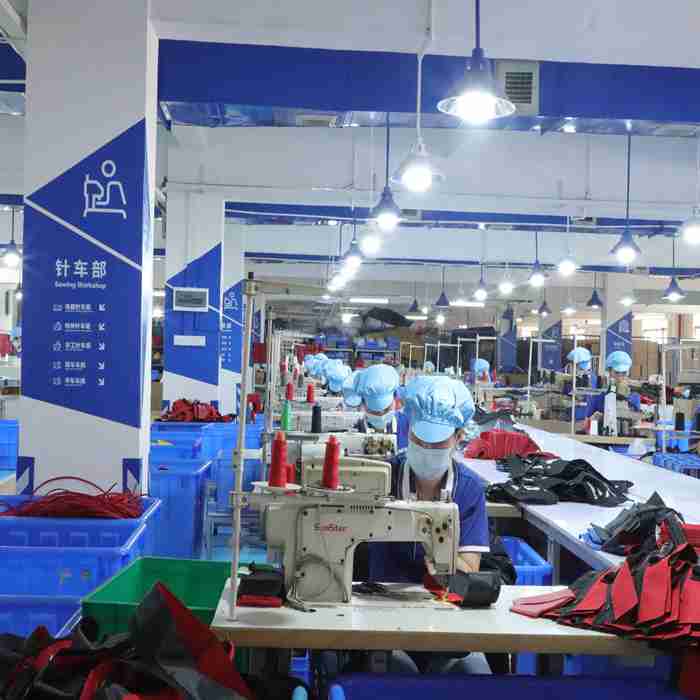
Looking for a custom polyester bag factory that can support both fast development and stable bulk production? We help brands, importers, retailers, and promotional programs create polyester tote bags, backpacks, drawstring bags, pouches, travel bags, work bags, and utility styles for different carry needs. Our team supports flexible MOQ, rapid sampling, fabric grade guidance, logo application, color matching, packaging setup, and repeat-order control. Whether you need lightweight daily carry, event giveaway bags, travel-ready styles, or private label polyester collections, we help turn your idea into a production-ready bag with clearer structure, smoother sampling, and more dependable bulk consistency.
Polyester Is Not One Fabric
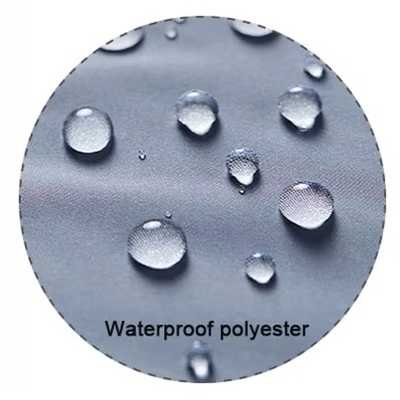
Many custom polyester bag projects run into problems before sampling even begins because polyester is treated as one generic material. In practice, different polyester grades behave very differently. A 210D polyester drawstring bag, a 600D coated utility bag, and a ripstop travel bag may all be made of polyester. Still, they vary in thickness, yarn structure, coating, hand feel, durability, and print compatibility.
(1) Fabric choice should start from real use
A better approach is to define what the bag needs to do in actual use:
- Should it feel soft and foldable for daily carry?
- Should it hold shape for retail display?
- Does it need light water resistance for outdoor use?
- Will it carry heavier items or require reinforcement?
- Does the logo need a clean, sharp finish?
Once the use direction is clear, choosing the right polyester fabric grade becomes much easier.
(2) Key points to confirm early
A practical starting checklist includes:
- use scenario
affects fabric weight, flexibility, and structure - load requirement
determines panel strength and reinforcement needs - logo method
influences surface choice and finishing result - target price
helps avoid over-spec or under-spec material - retail vs promotional use
balances appearance, durability, and cost
(3) Why early fabric decisions matter
For polyester tote bags, backpacks, drawstring bags, travel bags, and promotional bags, the fabric choice directly affects:
- sampling accuracy
- logo appearance
- structure stability
- production cost
- repeat-order consistency
Choosing the right polyester grade early reduces rework, improves communication during sampling, and makes pricing and production decisions much more predictable.

Which Polyester Grade Fits Best
The denier number (D) is often the first reference point when choosing polyester, but higher is not always better. The right choice depends on bag type, load requirement, structure, appearance, and cost target. Different denier levels create very different results in real use.
(1) Common polyester denier options
- 210D polyester
used for drawstring bags, dust bags, lining, and lightweight promotional bags
light, soft, and easy to fold - 300D–420D polyester
suitable for pouches, organizers, casual tote bags, and packing cubes
more body while still flexible - 600D polyester
widely used for backpacks, school bags, cooler bags, travel bags, and work bags
stronger outer shell and better durability for daily use - 900D polyester
used for heavy-duty or utility bags
denser structure with higher abrasion resistance


(2) Quick comparison
| Denier | Typical use | Feel | Cost level |
|---|---|---|---|
| 210D | Drawstring, promo, lining | Light, flexible | Lower |
| 300D or 420D | Pouches, casual bags | Balanced | Mid |
| 600D | Backpacks, travel, cooler | Strong, structured | Mid–High |
| 900D | Utility, heavy-use bags | Dense, rugged | Higher |
(3) What really determines performance
Choosing polyester by denier alone is not enough. Real performance depends on how the material is combined with:
coating (water resistance, surface finish)
lining and foam (shape and support)
webbing and reinforcement (load strength)
construction details (stitching, panel structure)
For custom polyester backpacks, tote bags, travel bags, and promotional bags, the best result comes from matching denier with structure and use, not from choosing the highest number.
Why Polyester Works So Well
RipstopPolyester bags remain popular because polyester is one of the easiest fabrics to adapt across many different bag programs. It can be made lightweight or more structured, simple or function-focused, and budget-friendly or more upgraded, depending on the bag design, lining, coating, padding, and trim setup. That flexibility makes polyester useful for promotional bags, school bags, travel accessories, work bags, sports bags, retail collections, and seasonal event bags.
(1) Polyester works across many bag types
One reason polyester stays commercially active is that it fits a wide range of uses, including:
- tote bags for retail and daily carry
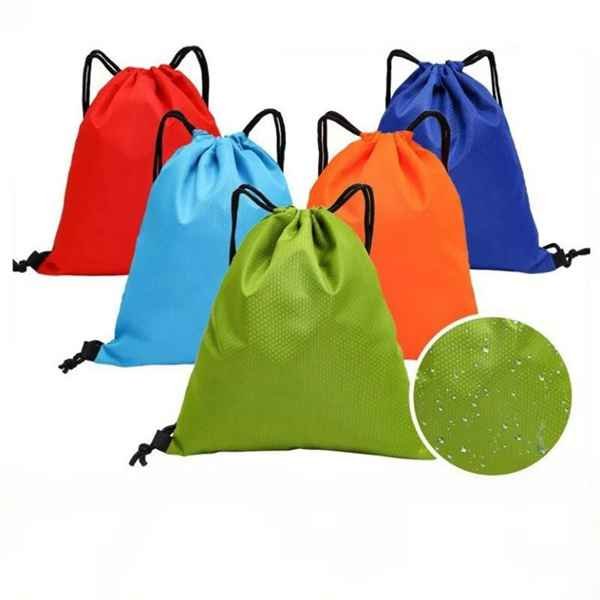
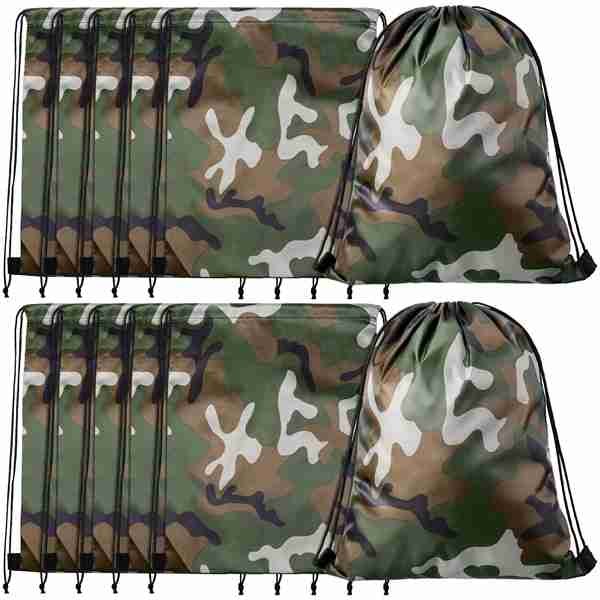
- drawstring bags for events and promotional programs
- backpacks for school, commute, and travel
- pouches and organizers for accessories and storage
- sports and utility bags for active or practical use
This gives teams more room to build different products under one fabric direction.
(2) Polyester supports flexible branding
Polyester also works well for brand presentation because it can support:
- screen printing
- heat transfer
- woven labels
- embroidery
- other custom logo and trim details
RipstopThat makes it easier to match the branding method to the bag’s purpose, price level, and finish.
(3) Polyester gives room for cost and function balance
A practical polyester bag program can also be adjusted through:
- coating for better splash resistance
- ripstop polyester for lighter technical styles
- RPET fabric for recycled material direction
- padding or structure support for a stronger bag shape
(4) Why teams keep choosing it
Polyester works especially well when a bag project needs to balance:
- visual consistency
- usable durability
- logo flexibility
- cost control
- collection expansion
That is why polyester remains a smart choice for teams building bag lines that need to stay practical, adaptable, and commercially workable across multiple categories. Ripstop


Common Bag Styles in Polyester
One reason polyester bags are used so widely is that polyester works across both simple, high-volume styles and more structured carry products. It can be used for lightweight event bags, but also performs well in backpacks, travel bags, organizer pouches, cooler bags, and utility bags when the right denier, lining, foam, and reinforcement are applied.
(1) Fast-moving, simple polyester bag styles
For quick-turn programs, polyester is often used in:
- drawstring bags
- promotional tote bags
- shoe bags
- packing cubes
- zipper pouches
- foldable shopping bags
These styles usually develop faster because they use simpler construction, fewer components, and more controlled fabric consumption.
(2) Structured and functional bag styles
For more developed collections, polyester is also widely used in:
- school backpacks
- laptop bags
- travel duffel bags
- utility and work bags
- cosmetic bags and organizers
- stroller organizers and cooler bags
These styles rely more on structure, padding, compartments, and reinforced stress points.
(3) Why polyester works across styles
| Bag style | Why polyester works well |
|---|---|
| Drawstring bag | Lightweight, cost-efficient, easy to print |
| Tote bag | Simple panels, flexible fabric options |
| Backpack | Supports structure, padding, and multi-pocket design |
| Travel pouch | Balanced weight and function |
| Cooler bag | Works with foam and insulated lining |
| Utility bag | Handles stronger fabric and reinforcement |
(4) Ideal for multi-style collections
Polyester is especially useful when a project needs multiple related bag styles under the same color system, fabric direction, and branding language. This makes it easier to build a consistent product line across different uses while keeping development and production more controlled.


Best Logo Methods for Polyester
Logo planning on polyester should not begin with visual preference alone. The surface texture, denier, coating, fabric color, and bag use all affect which branding method will look cleaner and last better. A logo that looks sharp on flat 210D fabric may not perform the same way on textured 600D or coated ripstop.
For many projects, screen printing works well on simple promotional styles when the surface is smooth and the logo area is wide. Heat transfer is useful for colorful artwork and smaller detail. Embroidery adds texture and a stronger retail feel, but it may pull lightweight fabric if backing support is not handled well. Woven labels and rubber patches work nicely for more understated branding or multi-style collections.
| Logo method | Best use | Watch-out |
|---|---|---|
| Screen print | Bold graphics, simple layouts | Less ideal on rough texture |
| Heat transfer | Colorful artwork, detail | Heat response must be tested |
| Embroidery | Raised premium look | Needs support on lighter fabric |
| Woven label | Subtle branding | Placement matters |
| Rubber patch | Sport or utility styles | Adds cost and thickness |
A smarter logo choice often improves not just appearance, but also yield, consistency, and re-order stability.


Functional Fabric Upgrades That Matter
Many polyester bag projects look similar on the surface, but the real difference often comes from the upgrades hidden in the fabric spec. These details affect how the bag feels, how it performs, and how it is positioned in use.
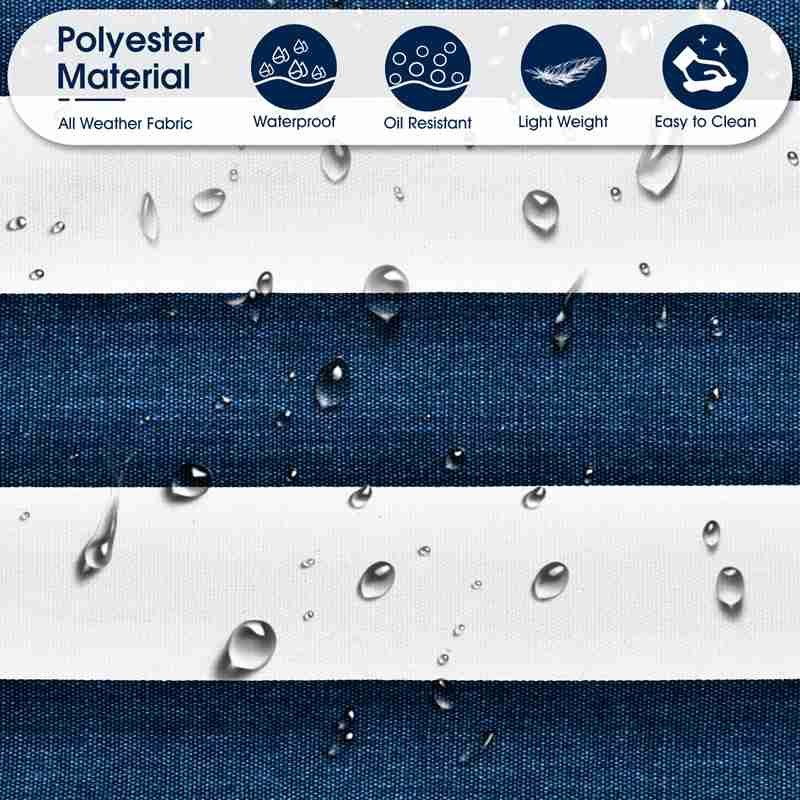
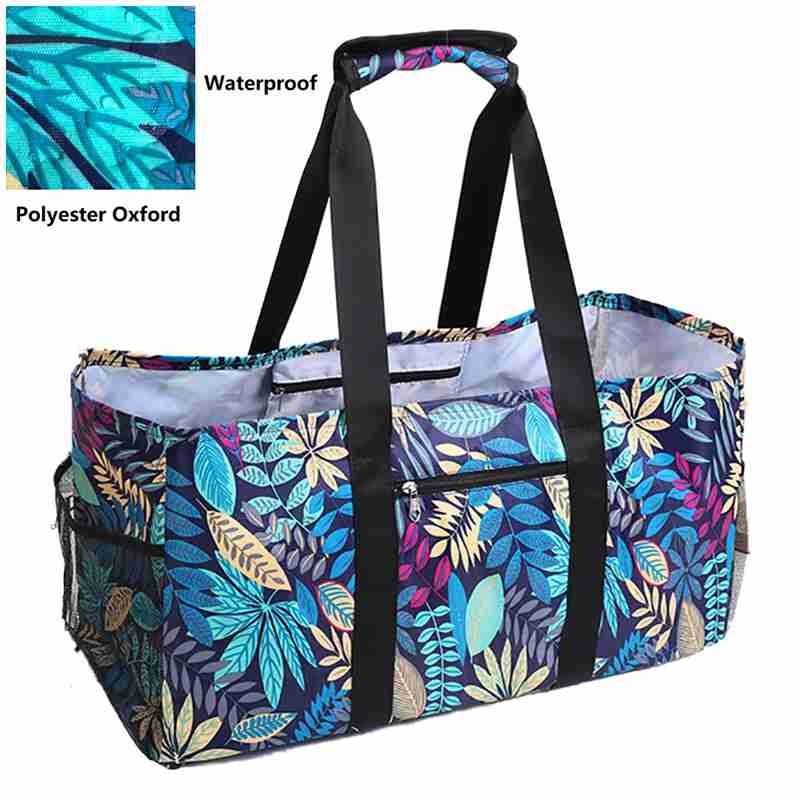
A basic water-resistant finish can help daily-use bags handle light rain and splashes. PU or PVC coating can add body and improve moisture protection, though it also changes hand feel and fold behavior. Ripstop polyester helps reduce tear spread and often suits outdoor, travel, and active-use products. RPET polyester is often requested for programs that want recycled content and a clearer material story.
| Upgrade option | What it adds | Common use. |
|---|---|---|
| Water-resistant finish | Light splash protection | Daily carry, commute, travel |
| PU or PVC coating | Structure and added barrier | Utility bags, cooler bags, backpacks |
| Ripstop | Better tear control | Outdoor, sport, travel |
| RPET | Recycled material direction | Gift, retail, brand programs |
Not every project needs these upgrades. The right approach is to add them where they support the actual use case, not where they only make the spec sheet look longer.
Control Cost Without Looking Cheap
Cost control should not make a polyester bag look weak, plain, or disposable. A better approach is to keep the parts people see and touch most often, then simplify the hidden details that raise cost without adding much visual or practical value.
In many polyester bag projects, the outer fabric, zipper feel, shape, and logo presentation influence the first impression far more than complex inner construction. A bag can still look clean and well-made when the visible parts are handled carefully, even if the inside is simplified.
Practical cost-down ideas often include:
- Simplify internal compartments
Fewer dividers and layers can lower sewing time and material use while keeping the outside neat. - Reduce panel complexity
Cleaner panel layouts can improve cutting efficiency, reduce fabric waste, and shorten production steps. - Choose the right polyester denier
The highest denier is not always the best choice. A well-selected 600D polyester bag may give a better balance of structure, weight, and cost than an overbuilt option.
- Use logo methods wisely
A clear screen print, heat transfer, woven label, or simple rubber patch may give stronger visual value than a more expensive method used in the wrong place. - Adjust packaging
Oversized polybags, inserts, or carton space can raise total cost without improving bag performance.
A common example is using a solid 600D polyester outer body with a simpler lining instead of lowering the shell quality and trying to improve small secondary parts. That usually gives a stronger visual result.
The real target is not the lowest price on paper. It is a cost-effective polyester bag that still looks intentional, feels reliable, and gives good everyday use. When material choice, structure, trimming, and packing are adjusted in the right order, bag cost reduction does not have to hurt appearance, function, or perceived quality.


What to Confirm Before Bulk
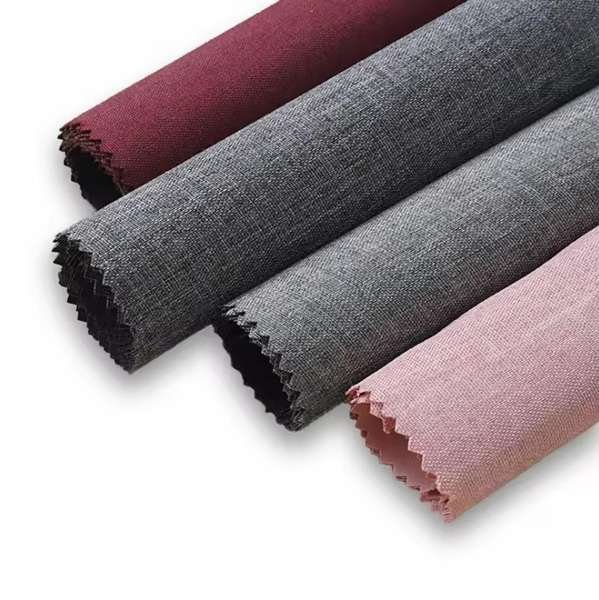
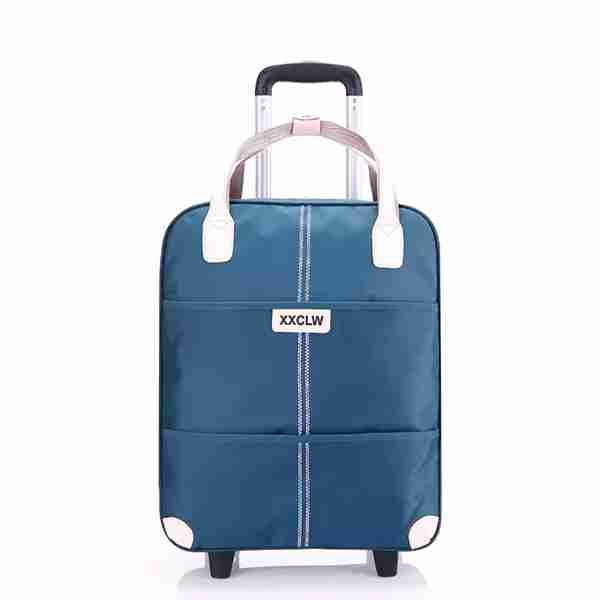
A sample is most useful when it is treated as a decision tool, not just a visual preview. On polyester bags, the early sample stage should confirm the parts most likely to affect later bulk consistency: fabric weight, shape balance, logo result, color accuracy, zipper behavior, strap feel, and reinforcement placement.
Many avoidable bulk problems begin when too many issues are left “to be adjusted later.” If the sample already shows edge waviness, logo distortion, weak handle attachment, poor pocket proportion, or fabric that feels too thin for the intended use, those signals should be fixed before approval.
| What to confirm in sampling | Why it matters later |
|---|---|
| Fabric feel and thickness | Prevents wrong material direction |
| Bag proportion | Affects both look and use |
| Logo appearance | Avoids rework in bulk branding |
| Handle and strap comfort | Impacts user experience |
| Reinforcement details | Reduces failure risk in use |
| Color reference | Helps bulk consistency |
A good sample shortens bulk uncertainty. It should make the next step clearer, not just prettier.
Production Details That Drive Reorders
Repeat orders are usually won or lost through production consistency, not one big visible problem. On polyester bags, small details often shape whether the next order feels safe, stable, and easy to place.
A bag can pass inspection and still create frustration later. Common issues include slight color variation, uneven logo placement, loose or messy stitching, inconsistent zipper pulls, rough webbing texture, uneven handle length, poor panel alignment, or mixed packing standards. These problems may look minor on one carton, but across a full shipment, they affect presentation, sorting, resale, and confidence in the next run.
Key details that often matter most:
- Color consistency
Stable fabric shade helps keep collections uniform, especially across repeat runs and multi-style programs. - Logo placement accuracy
A centered, repeatable logo position makes the bag line look controlled and reliable. - Clean stitching quality
Straight seams, neat thread trimming, and balanced stitch density make the product look more finished.
- Trim consistency
Matching zipper quality, puller style, webbing hand feel, and hardware finish reduces mixed-carton complaints. - Packing discipline
Neat folding, correct labels, barcode accuracy, and consistent carton packing help warehouse handling and resale preparation.
Many reorder problems do not come from a bad first sample. They come from the gap between one approved sample and later bulk runs. A polyester bag may look good once, but if bag quality control is not steady, the next shipment can feel different in small but noticeable ways.
Strong long-term bag programs usually depend on repeatable production details, not occasional good results. Fewer surprises in color, stitching, trims, and packing often matter more than one attractive sample. That is what helps a bag program stay smooth, reliable, and easier to reorder.


Polyester Bag Development by Scenario
A polyester bag performs better when it is developed for the actual use setting, not just from a drawing. The same material can be used across many bag types, but the right structure, trim choice, and finish should change with the job the bag needs to do.
Different use scenarios usually need different priorities:
- Promotional tote bags
Focus more on light weight, print area, and cost control. - School bags or daily backpacks
Pay more attention to durability, strap comfort, pocket layout, and load support. - Travel organizers and duffel bags
Put more value on shape retention, zipper smoothness, and packing efficiency. - Sports or outdoor bags
Often need better abrasion resistance, water resistance, and stronger webbing or reinforcement. - Retail bag collections
Usually depend more on fabric hand feel, color consistency, trim finish, and overall product presentation.
A simple comparison makes this clearer:
| Use scenario | Main priority |
|---|---|
| Promotion or event | Lightweight, print clarity, fast production |
| School or daily carry | Strength, comfort, practical storage |
| Travel or organizer | Shape, zipper flow, and packing function |
| Sports or outdoor | Tougher fabric, reinforcement, surface finish |
| Retail collection | Texture, color balance, trim appearance |
This is why one bag construction should not be copied across every program. A polyester tote bag for events does not need the same build as a polyester backpack, sports bag, or travel bag.
A better bag development process starts with the real use rhythm: how the bag will be carried, opened, packed, stored, and seen. When the polyester bag design matches the actual use scenario, the result usually looks better, performs better, and feels more suitable for the intended purpose.
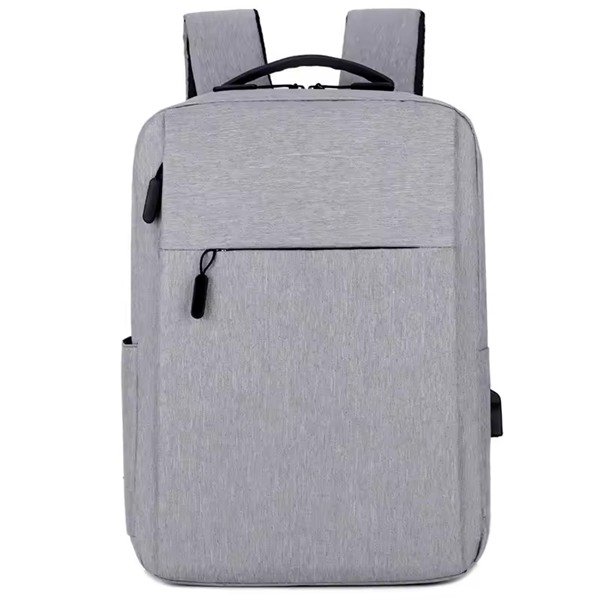

Guangdong for Flexible Bag Programs
Guangdong works well for flexible polyester bag programs because many key materials and production steps can be coordinated within a closely connected supply network. That makes it easier to move from idea to sample and from sample to bulk with fewer delays.
For many bag projects, speed does not come only from sewing. It also depends on how quickly teams can match polyester fabric, webbing, zippers, labels, mesh, foam, buckles, and logo trims. When these supporting materials are easier to source and adjust, the whole project becomes more responsive.
This is especially helpful for programs with:
- multiple colors
- multiple sizes
- mixed bag structures
- frequent sample revisions
- shorter development timelines
A connected production base can support several practical advantages:
- Faster material matching
Fabric and trim options can be checked and adjusted more efficiently. - Better trim coordination
Webbing, zipper tape, pullers, labels, and hardware can be aligned more smoothly. - Easier sample changes
Size updates, pocket changes, logo adjustments, and structure revisions are easier to follow. - Steadier bulk preparation
Approved details are easier to carry into production with fewer gaps between sampling and bulk planning.
This kind of setup is useful for polyester tote bags, backpacks, travel bags, duffel bags, organizer bags, and other styles that need flexibility rather than a fixed one-style process.
For collections with several SKUs or changing requirements, Guangdong bag production often makes the development process more practical. It helps keep material sourcing, trim matching, sampling, and bulk coordination closer together. That usually means faster response, smoother revision handling, and a more stable path from concept to finished bags.


Make A Sample First?
See your idea come to life before mass production.
At Jundong Factory, we offer free design mockups and custom samples to ensure every detail is perfect — from material and color to logo placement and stitching.
Start your project with confidence today: info@jundongfactory.com.
Decision FAQs About Custom Polyester Bags
What Polyester Fabric Is Best for My Bag Project?
The best polyester fabric is the one that fits the bag’s actual use, target look, load level, and cost plan, not simply the thickest or highest denier option. Different polyester fabrics behave very differently in structure, hand feel, print result, weight, and daily performance. That is why 210D polyester, 420D polyester, 600D polyester, ripstop polyester, coated polyester, and RPET polyester should not be treated as interchangeable.
A promotional tote bag or drawstring bag may work well with lighter polyester. A school backpack, work bag, or cooler bag often needs a stronger shell and better reinforcement. A travel organizer may need a more balanced fabric that is neither too soft nor too rigid.
Before choosing fabric, it helps to confirm:
- bag type
- main use
- expected load
- logo method
- target price
- desired hand feel
In many projects, a better result comes from using a balanced outer fabric, then adjusting performance through lining, foam, coating, webbing, and construction details. That usually works better than relying on face fabric alone.
Is Higher Denier Always Better for Polyester Bags?
No. Higher denier is not always better. The right denier is the one that matches the bag’s use, structure, comfort, and weight target. Many teams assume 600D polyester must be better than 420D, or 900D polyester must look more professional than 210D, but actual bag performance depends on more than denier alone.
Denier affects thickness, density, and surface feel, but the finished bag also depends on fabric construction, coating, lining, foam, webbing, zipper quality, and panel layout. A 210D drawstring bag can be the correct choice for lightweight and foldability. A 420D pouch may balance body and flexibility better than a 600D. A 600D backpack is often a good daily-use option, but it still needs proper straps, reinforcement, and zipper planning.
A simple rule: avoid overbuilding. A bag that is heavier than needed may cost more, ship less efficiently, feel stiffer, and still not look better. A smarter approach is to match the denier to the real carrying job, then build the rest of the bag carefully around it.
Which Logo Method Works Best on Polyester Bags?
The best logo method depends on the polyester surface, bag style, artwork detail, and desired product feel. There is no single logo option that works best on every polyester bag. The same graphic can look very different on smooth polyester, coated polyester, ripstop polyester, or a heavier textured fabric.
Common options include:
- screen print for bold and simple graphics
- heat transfer for colorful or detailed artwork
- embroidery for a raised and more finished look
- woven label for clean and understated branding
- rubber patch for sport or utility styles
A promotional polyester tote bag often works well with screen printing. A travel pouch or retail backpack may look better with embroidery or a woven label. A sports bag or outdoor bag may suit a rubber patch if the overall look is strong enough.
One common mistake is choosing the logo method only from a mockup. A safer method is to test the logo on the real polyester fabric first, because texture, coating, panel size, and placement all affect the final result. A short sample test usually prevents bigger bulk problems later.
What Should Be Checked in a Polyester Bag Sample Before Bulk Approval?
Before bulk approval, the sample should confirm the details that affect appearance, function, and repeat consistency, not just whether the bag looks acceptable at first glance. A polyester bag sample is not only for checking shape. It is also the best stage to catch problems that become expensive later.
Focus on these points first:
- fabric feel and thickness
- bag proportion and size
- logo clarity and placement
- color accuracy
- zipper movement
- strap comfort
- reinforcement points
- pocket usefulness
- stitching and edge finish
It also helps to sort comments into three groups:
- must fix before approval
- good to improve if possible
- acceptable as is
That keeps the sample review practical and avoids endless revision. The most visible and failure-prone areas usually deserve extra attention, such as handles, shoulder straps, top opening, zipper area, logo area, bottom corners, and high-load seams.
If the sample already shows waviness, misalignment, weak handle attachment, poor zipper flow, or logo distortion, it is better to solve those issues before moving into bulk. Problems that appear in sampling rarely disappear on their own later.the
How Can I Lower Cost Without Making a Polyester Bag Look Cheap?
The best way to lower cost without making a polyester bag look cheap is to protect the parts people see and touch most, while simplifying hidden details that add cost but add little visible value. Cost control works best when it is selective. If every part is reduced at the same time, the bag often loses shape, presence, and overall appeal.
A practical way is to keep strength in these areas:
- outer fabric appearance
- logo presentation
- zipper feel
- overall bag silhouette
Then simplify carefully in lower-visibility areas such as:
- extra internal dividers
- overly complex panel construction
- unnecessary decorative hardware
- oversized packaging
For example, a bag may keep a solid 600D polyester outer shell for appearance and daily durability, while using a simpler lining or fewer internal pockets. In other cases, improving the pattern layout can reduce fabric waste without changing the look very much.
The goal is not just to make the price lower. The goal is to keep the polyester bag looking intentional, usable, and worth keeping. Good cost control usually comes from making the right parts simpler, not from making the whole bag weaker.
Can Polyester Bags Be Made Water-Resistant or Waterproof?
Yes, polyester bags can be made water-resistant, and some styles can be developed for stronger water protection, but the final result depends on the full build, not on polyester alone. Many people assume polyester fabric is automatically waterproof. In practice, the result depends on fabric density, PU coating, PVC backing, zipper type, seam structure, and how the full bag is assembled.
For many polyester backpacks, travel pouches, school bags, and sports bags, a basic water-resistant finish is already enough for light rain or daily moisture. If the bag is meant for rougher outdoor use, stronger protection may require coated fabric, better edge control, and more careful opening design.
A common mistake is choosing coated polyester and then ignoring the rest of the bag. Water can still enter through stitching lines, zipper openings, and weak seam areas. Also, a heavier coating may improve moisture resistance, but can make the bag stiffer and less suitable for some retail or gift styles.
So the better question is not “Can polyester be waterproof?” It is: How much water protection does this bag really need in actual use?
Is Polyester Suitable for Retail Bags, or Only for Promotional Bags?
Polyester can work well for both retail-ready bags and promotional bags. The difference comes from product development, trim choice, finish level, and overall positioning. Polyester is often misunderstood as only a low-cost giveaway material, but that is only one part of its use. It can also work well in polyester tote bags, backpacks, travel organizers, cosmetic bags, and structured daily-use styles.
A more promotional direction usually uses lighter fabric, simpler construction, and direct logo presentation. A more retail-ready direction usually needs better hand feel, cleaner color consistency, more balanced logo application, and neater zipper, label, and edge finish details. Even a simple polyester bag can look much more suitable for shelf sale if the stitching is clean and the trim matching feels deliberate.
That said, not every project should be pushed toward a retail look. If the bag is meant for fast event distribution or a price-sensitive campaign, too many upgrades may only raise cost without helping the result.
So polyester is not limited to one category. It is a flexible base. The key is deciding early whether the bag is meant for distribution, retail display, gift use, or daily repeat use.
Can You Make Recycled Polyester Bags Such as RPET Styles?
Yes, RPET bags can be developed across many bag categories, but the recycled fabric still needs to match the product’s look, function, quantity plan, and logo direction. RPET is commonly used in recycled tote bags, drawstring bags, travel bags, backpacks, organizer pouches, and gift-program items.
One useful thing to remember is that RPET is not one fixed fabric. Recycled polyester can still vary in weight, surface texture, coating option, ripstop or plain construction, hand feel, and logo compatibility. That means the material should still be chosen according to the actual bag style, not only because the project wants a recycled-material story.
It also helps to confirm early:
- bag category
- target appearance
- logo method
- required function
- quantity and timing
A practical RPET bag should still be a good bag. If the shape feels weak, the stitching looks rushed, or the branding method does not suit the fabric, the recycled message alone will not make the product feel strong. So for custom RPET bags, the same attention still matters: construction, appearance balance, usability, and clean finishing.
What Should Be Confirmed First Before Bulk Production Starts?
Before bulk starts, the first things to lock are the details that are hardest to correct later: fabric, color, logo position, structure, size, trims, and packing standard. Many polyester bag delays do not come from sewing alone. They start when sample approval is too general and the bulk team still does not have one fixed reference.
For custom polyester bags, the most useful items to confirm early are:
- approved fabric and color
- bag size and panel proportions
- logo method, size, and placement
- zipper, puller, webbing, and lining
- reinforcement points
- pocket layout and opening method
- packing method and carton standard
It also helps to separate what is visual and what is functional. A bag may look acceptable in photos but still have a strap issue, zipper path problem, or weak corner structure. Those details are much easier to fix before bulk cutting starts.
A practical bulk handoff should leave very little open to guesswork. The clearer the approved sample, the easier it is to control color consistency, shape retention, trim matching, and repeat production stability later.
Which Small Production Details Most Affect Repeat Orders?
Repeat orders are often decided by consistency in small details, not by one dramatic issue. A polyester bag can pass inspection and still create hesitation later if the second run feels slightly different from the first. For many programs, the real trust signal is whether the bag stays stable across color, trim, stitching, and packing.
The most sensitive areas often include:
- fabric shade consistency
- logo placement accuracy
- clean stitching and thread trimming
- zipper and puller consistency
- webbing feel and handle symmetry
- panel alignment
- folding, labeling, and carton packing discipline
These details may look minor one by one, but across a full shipment, they affect shelf presentation, receiving efficiency, and confidence in the next order. A bag that looks good once is not enough. For polyester backpacks, tote bags, duffel bags, and organizer bags, repeat business usually depends on whether the next batch still feels controlled.
That is why stable production matters more than one attractive sample. Fewer surprises in color, logo, trims, and packing often do more to support long-term reorder confidence than extra features.
Everything You Need to Know Before Customizing Your Bags
Custom polyester bag sourcing is rarely decided by fabric alone. For teams reviewing factory options, the more useful questions usually involve MOQ, sample lead time, polyester fabric type, coating choice, lining, reinforcement, zipper and hardware matching, logo application, construction practicality, packing setup, and repeat-order consistency. A strong FAQ section should address these points early, so visitors can quickly judge whether a custom polyester bag manufacturer is a good fit and avoid unnecessary back-and-forth during the early sourcing stage.
A practical FAQ structure should focus on real project concerns: what information is needed before sampling begins, how to reduce sample-to-bulk variation in color, texture, shape, and logo finish, how to match bag construction with actual use, how to manage multi-color or multi-style polyester bag programs, and which inspection points help protect durability, appearance, and order consistency. This also supports search visibility for terms like custom polyester bags, OEM polyester bags, private label polyester bags, polyester backpack manufacturer, and wholesale polyester bags.