 Skip to content
Nylon Bag Manufacturer
Nylon Bag Manufacturer in China for Custom Backpacks, Totes, Travel Bags & Utility Styles
Develop durable, lightweight, water-resistant nylon bags for retail, travel, outdoor, tool, giveaway, and daily-carry programs. From fabric selection and structure planning to sampling, logo application, quality control, and bulk delivery, Jundong supports flexible order quantities, multi-style development, and stable long-term production.
Why Nylon Bags Still Win
Nylon bags remain a strong choice for carrying products that need to balance light weight, abrasion resistance, shape support, and everyday comfort. That is why nylon continues to perform well in travel bags, backpacks, tote bags, gym bags, school bags, utility organizers, commuter bags, and lightweight outdoor bags.
(1) Nylon works across many carry uses
One reason nylon stays popular is its flexibility across different product types. It can support:
- travel gear that needs lighter weight and easier packing
- commuter bags that need daily-use comfort
- utility and organizer bags that need structure without too much bulk
- school and promotional bags that need a cost and durability balance
- outdoor carry bags that need lighter performance with water resistance potential
This makes nylon a practical material for many bag categories.
(2) Not all nylon bags are the same
The real question is not simply whether the bag uses nylon. It is:
- which nylon type
- what denier level
- what backing or coating
- What reinforcement method
- what zipper and seam structure
A fashion tote, travel backpack, and tool organizer may all use nylon, but they need very different construction logic.
(3) Why nylon stays commercially useful
For many bag programs, nylon gives a wider working range because it helps with:
- better weight control than heavier constructions
- easier foldability than rigid builds
- cleaner balance between cost and performance
- more flexibility in hand feel and structure tuning
(4) Best results come from matching nylon to use
A stronger nylon bag project usually involves material choice, reinforcement, stitching, hardware, and carrying purpose together. When these parts are aligned early, nylon becomes more than a fabric choice. It becomes a practical route for building lighter, more usable, and more scalable carry products.

Nylon Choices Change Bag Performance
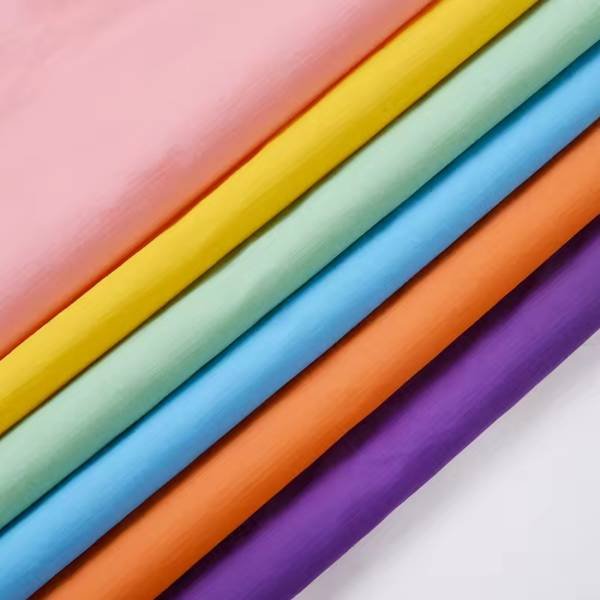
Not all nylon fabric feels or performs the same. In custom nylon bag development, the fabric choice can change the result before structure, padding, or hardware are even discussed. It affects cost, hand feel, foldability, surface look, abrasion resistance, splash protection, and overall bag weight.
(1) Common nylon directions
A practical way to compare nylon options is:
- 210D / 420D nylon
lighter, softer, easier to fold
Often used for pouches, lining, light daily bags, and packable styles - 600D nylon or Oxford-style nylon
A more balanced body and durability
Often used for backpacks, tote bags, utility bags, and general carry products - high-density nylon
tighter surface, cleaner hand feel
suitable for travel bags, urban carry, and sharper-looking designs - coated or water-resistant nylon
better splash protection
suitable for commuter bags, outdoor bags, gear bags, and cycling styles
- ripstop nylon
lighter with visible grid texture
Often used for sport bags, packable bags, and outdoor-oriented products
(2) The right nylon depends on the use
The best nylon is not always the thickest one. A lighter nylon tote bag or travel pouch may need softer foldability. A backpack or utility bag may need stronger body support. If shelf shape matters, fabric alone is not enough. Backing, foam, piping, reinforcement, and panel construction also affect the final result.
(3) Better bag results come from system matching
A stronger nylon bag project usually matches:
- fabric type
- lining and padding
- zipper and hardware
- reinforcement method
- structure and intended use
When these parts are developed together, nylon becomes more than a fabric choice. It becomes a practical way to balance light weight, cost control, usable structure, and daily durability.

What Nylon Projects Need First
A sample moves faster when the project is clear before the first pattern is cut. In nylon bag development, the most useful starting inputs are usually scenario, target size, load expectation, carry method, preferred fabric look, logo method, price direction, and packaging needs. Without that, teams often waste time changing structure after the sample is already made.
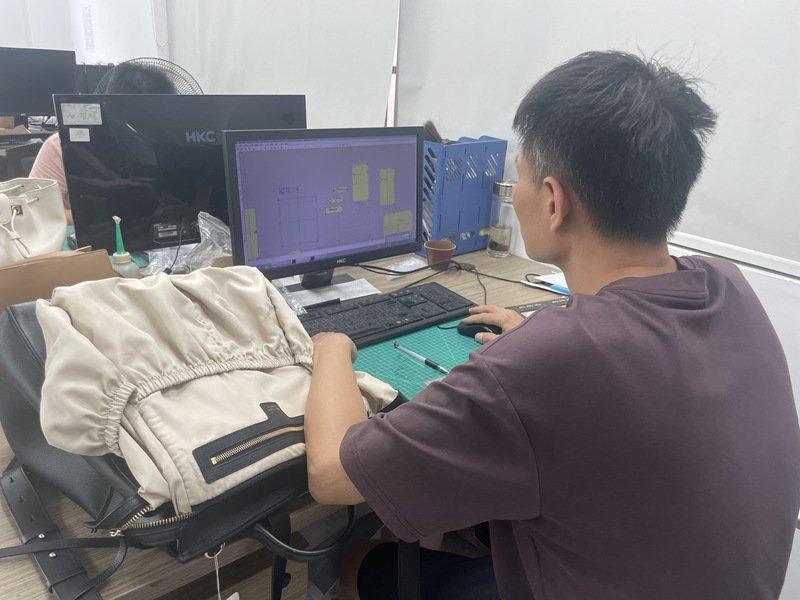
Jundong’s service scope already covers project evaluation, material selection advice, cost planning, MOQ assessment, function and structure advice, technical drawing, prototype development, and multi-round sampling support. That matters because many nylon programs fail not during sewing, but earlier—when the brief is incomplete, and approval standards are vague.
A practical pre-sample checklist is simple:
| What to lock early | Why it matters |
|---|---|
| Main use | changes fabric, reinforcement, and pocket logic |
| Target size | affects cutting yield, packing, and cost |
| Weight or load | determines webbing, stitch stress points, and base support |
| Branding method | affects panel layout and visual hierarchy |
| Price target | prevents overbuilding or underbuilding |
| Order path | sample only, trial run, or scale-up planning |
When these are defined first, the sample becomes a decision tool, not a guessing exercise.


Match Structure to Real Use
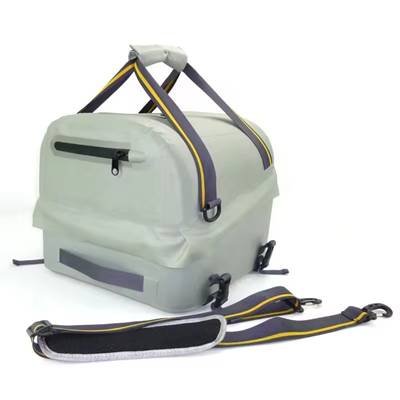
A nylon bag performs well only when the structure matches the real use. The same fabric can behave very differently depending on panel layout, foam support, seam direction, webbing width, zipper choice, and stress-point design. That is why a good nylon bag project should not judge the material alone. It should also look at how the bag is built for daily carry, travel, outdoor use, or heavier utility work.
(1) Different use directions need different structural logic
A lighter daily carry bag usually works better with:
- lower overall weight
- simpler panel construction
- softer body behavior
- easier access and comfortable carry
A travel backpack often needs:
- stronger body support
- more stable zipper construction
- better shoulder attachment zones
- more organized compartment layout
An outdoor or sports bag may need:
- splash protection
- easier-clean surfaces
- tear control
- practical storage without too much bulk
A utility or work bag usually needs:
- reinforced bottom support
- stronger webbing and handle zones
- higher stitch control at stress points
- hardware that can handle repeated pulling and heavier loads
(2) Structure does not always mean more parts
A better bag does not always need more layers or more complicated construction. It needs the right support where failure is most likely. That may include:
- reinforcement at handle roots
- stronger bottom panels
- padding or lining in specific zones
- more stable seam direction
- better zipper and webbing matching
(3) Better results come from structure and material working together
For custom nylon backpacks, tote bags, travel bags, utility bags, and lightweight carry bags, the strongest result usually comes from matching:
- fabric type
- intended use
- reinforcement logic
- hardware choice
- overall structure plan
When these parts are aligned early, the bag becomes easier to sample, easier to control, and more dependable in real use.


Top Nylon Bag Styles for Multiple Uses
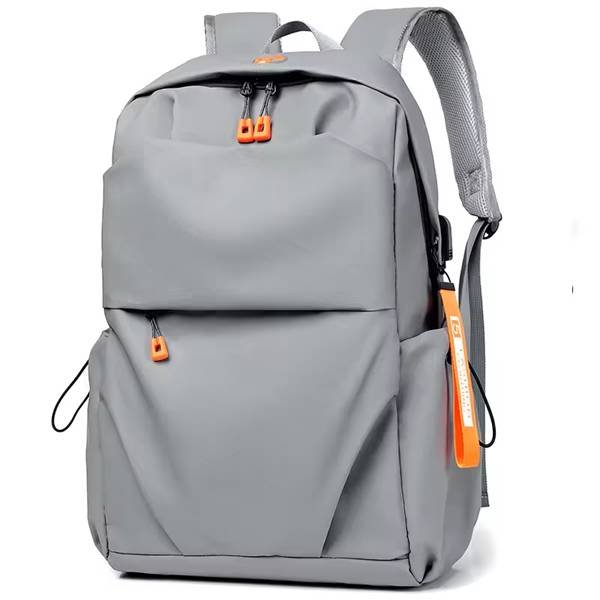
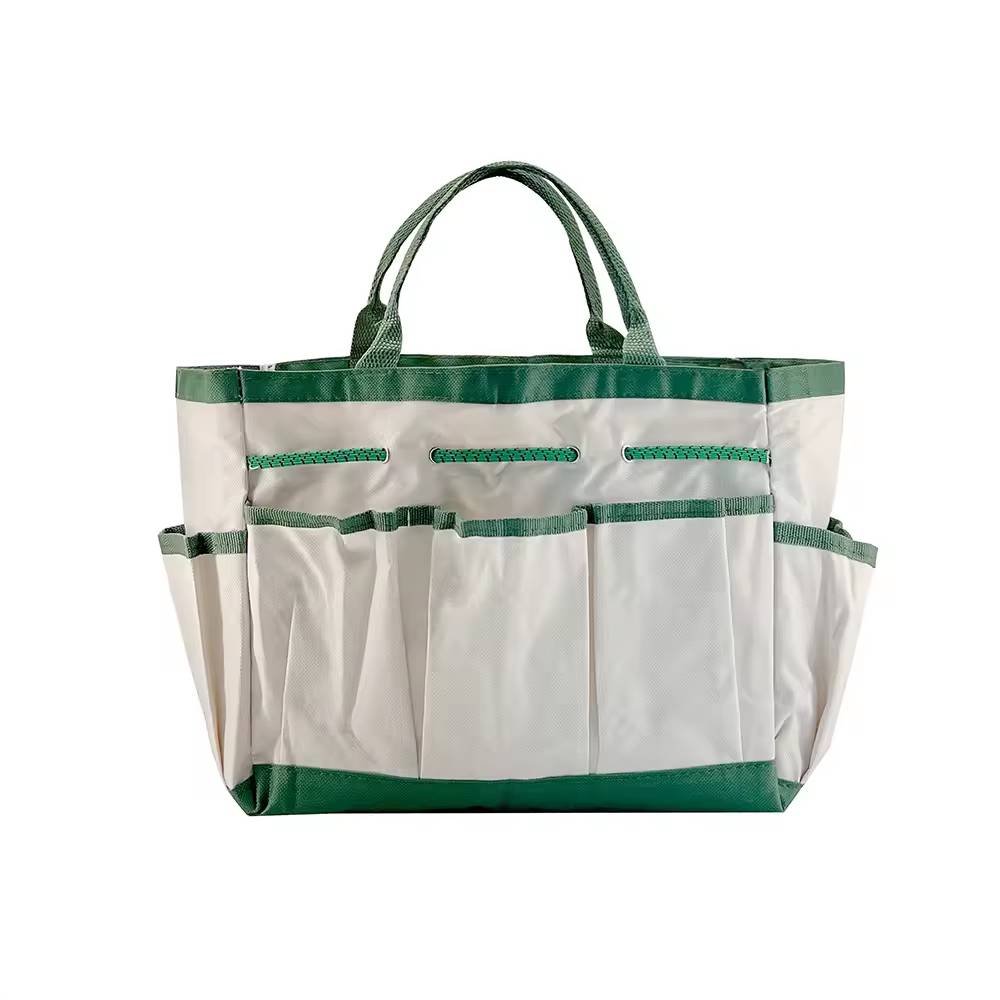
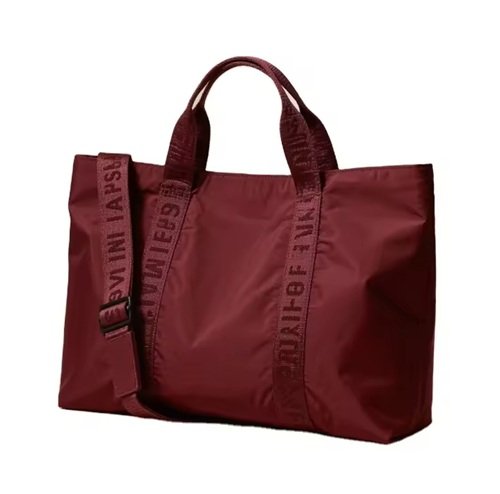
Nylon bags are used across many carry categories because the material works well in both lighter daily products and more functional utility styles. It is not limited to one single bag type. In real product planning, nylon often appears in backpacks, tote bags, travel bags, duffel bags, drawstring bags, cooler bags, tool bags, and promotional carry bags.
(1) Nylon bag types that stay commercially active
Some of the most widely used nylon directions include:
- backpacks
suitable for daily carry, commuting, school, work, and travel - tote bags
useful for retail, gifting, lightweight carry, and basic fashion programs - travel bags and duffels
suited to gym use, short trips, transit, and larger-capacity carry - drawstring bags and packable bags
lighter, easier to store, often used for events and seasonal programs - cooler bags and insulated bags
practical for food, wellness, outdoor activities, and branded kits - tool bags and organizer bags
useful for function-first products needing structure and repeated use
(2) Why does this matter in collection planning
Different nylon bag styles often serve different demand groups, but they can still sit inside the same collection logic. A team looking at custom nylon backpacks may also need duffel bags, tote bags, or organizer bags for the same sales channel, user group, or price level.
This is useful because one visitor may arrive looking for one bag style, but decide more quickly when nearby options match the same program.
(3) Nylon supports wider product coverage
For many collections, nylon works well because it can support:
- lighter daily-use bags
- travel and sport carry
- work and utility storage
- promotional giveaways
- brandedoes d merchandise programs
That wider range makes nylon a strong material choice for teams building not just one product, but a more complete bag line.



Nylon Bag Logo Methods: Sharp & Durable
Branding on nylon bags requires careful alignment with fabric texture, bag purpose, visual prominence, and wear conditions. Choosing the right logo method early prevents quality issues and ensures the design remains effective after repeated use. Common logo methods used for nylon include screen printing, heat transfer, embroidery, woven labels, rubber/PVC patches, and metal plates, each suited for different surfaces, bag types, and durability needs.
| Logo Method | Best Use | Considerations |
|---|---|---|
| Screen print | Large artwork, cost-effective | May appear less sharp on textured fabrics |
| Heat transfer | Detailed, color-rich graphics | Fabric surface and handling intensity affect longevity |
| Embroidery | Premium stitched feel | Can distort lightweight fabrics without proper backing |
| Woven label | Subtle branding | Limited visibility from a distance |
| Rubber / PVC patch | Outdoor, utility, sports styles | Adds weight and bulk |
| Metal plate | Structured or premium bags | Works best on rigid or reinforced panels |


Selecting a method is not purely aesthetic—it must consider folding, rubbing, daily handling, and bag type. For soft or packable nylon, lighter, low-profile methods like screen print or woven labels work best. For structured or heavy-duty carry bags, embroidery, PVC patches, or metal plates offer durability and premium feel.
Jundong provides full support, including logo placement guidance, size optimization, artwork adaptation, and process recommendations. This ensures that your branding maintains clarity, color accuracy, and physical resilience throughout production, shipping, and repeated consumer use. Early planning of logo method and placement minimizes rework, protects repeat orders, and aligns with both retail and promotional program requirements.
Keep Sample and Bulk Aligned
A nylon bag project becomes risky when the sample looks right, but the bulk run shifts in fabric feel, shape, logo position, zipper quality, stitching, or finishing detail. The safest way to reduce that gap is to treat the approved sample as a controlled production reference, not only as a visual approval piece.
(1) Why does the sample-to-bulk drift happen
In many bag projects, inconsistency appears because key details were approved visually but not locked clearly for production. Common drift areas include:
- fabric hand feel or coating
- panel shape and body support
- logo size, color, or position
- zipper, puller, buckle, or webbing changes
- stitch neatness and seam consistency
This is especially important for custom nylon backpacks, tote bags, travel bags, utility bags, retail bags, and multi-SKU bag programs.
(2) What should be locked before production
A stronger control system usually fixes these points early:
- fabric: exact material, color, coating, thickness
- shape: panel size, foam support, seam allowance, structure notes
- branding: logo method, size, position, and color
- trim: zipper, puller, buckle, webbing, lining, label
- QC standard: pass, rework, and reject rules
The clearer these items are, the easier it becomes to repeat the same result in bulk.
(3) Why process control matters
Consistency does not come from good luck. It usually comes from:
- approved sample reference
- confirmed construction notes
- locked material route
- defined QC checkpoints
- repeatable inspection method
(4) Where this matters most
This matters most for:
- repeat orders
- retail bag lines
- private label bag collections
- multi-SKU nylon bag development
- programs where packaging and branding must stay stable
When sample standards are translated into clear production controls, bulk quality becomes easier to manage and much closer to the approved version.
Low MOQ, Mixed Styles, Small Runs
Low MOQ sounds attractive, but it works best when the project goals are realistic. Smaller orders are useful in many situations, especially when a team needs market testing, seasonal trial launches, early collection building, mixed-style development, or lower-risk entry into a new category. In these cases, flexibility can reduce inventory pressure and make decisions easier.
(1) When flexibility helps
Smaller or mixed runs are often useful for:
- testing one new bag idea before scaling
- launching a seasonal or limited collection
- comparing several styles in the same product family
- building a private label line step by step
- restocking carefully without overcommitting
This is especially relevant for custom nylon bags, tote bags, backpacks, travel bags, cosmetic bags, promotional bags, and utility bags.
(2) When smaller orders cost more
Low quantity does not remove the fixed work behind the order. Some costs stay in place no matter how small the run is, such as:
- material setup
- cutting loss
- logo preparation
- line coordination
- packing preparation
- SKU sorting and labeling
That is why smaller runs often bring:
- higher unit cost
- more coordination time
- less purchasing advantage on materials
- more pressure if the order includes many colors or styles
(3) Different order modes suit different stages
A practical way to compare them:
- low MOQ, single style: safer for testing one idea, but unit cost is usually higher
- mixed-style order: useful for broader testing, but harder to coordinate
- small batch repeat run: useful for careful restock, but cost savings may stay limited
- larger consolidated order: better for long-term scaling, but less flexible
(4) The better question
The smartest question is not simply, “Can this be done at low MOQ?”
It is, “What quantity makes the most sense for this stage of the project?”
That usually leads to a better balance between flexibility, cost control, and smoother production planning.


Nylon Bag Lead Time: Key Factors
In custom nylon bag projects, lead time is influenced by more than sewing speed. Delays often stem from unclear specifications, late material confirmation, logo or trim revisions, sample rework, or pushing too many decisions into production. Jundong addresses this with rapid sampling, structured production updates, on-time delivery focus, delay prevention measures, and dedicated lead-time control processes, making timing a core part of project planning rather than a reactive step.
A practical breakdown shows key drivers:
| Stage | Timing Influencers |
|---|---|
| Sampling | clarity of brief, fabric availability, and logo approval |
| Pre-production | material lock, PP sample confirmation, trim readiness |
| Bulk production | order quantity, style complexity, multi-SKU coordination, line allocation |
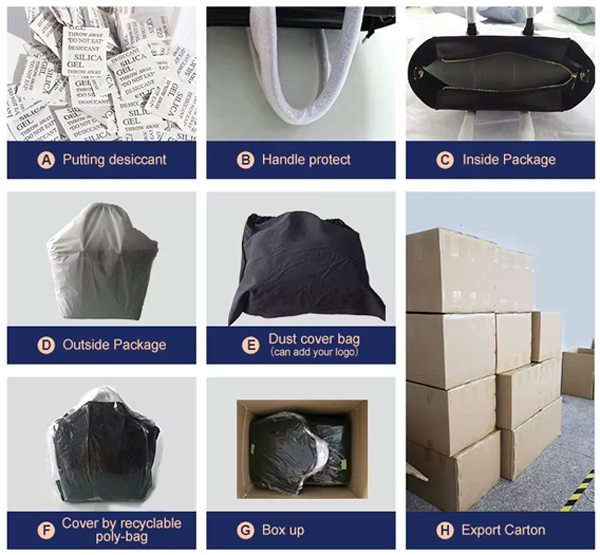
| Packing & Dispatch | carton planning, polybag setup, shipping arrangements |
Projects run more smoothly when initial files include size, target use, fabric direction, branding method, order quantity, and timeline priority. This reduces back-and-forth, enables accurate milestone planning, and ensures production rhythm matches launch requirements.
For programs with fixed deadlines—retail windows, platform launches, seasonal campaigns, or event deliveries—time must be treated with equal importance as quality, materials, and cost. Early planning, milestone mapping, and clear production checkpoints are the most effective ways to maintain consistent timing, reliable output, and predictable delivery across sampling and mass production.
This approach positions lead time as a controlled variable, aligning project expectations with real-world manufacturing capability.


Better Nylon Bag Quote Review
A nylon bag quote becomes less useful when the discussion stays only on unit price. Two bags may look similar in photos, but still differ a lot in nylon fabric grade, lining thickness, zipper quality, webbing strength, foam support, pocket structure, logo method, packaging level, and inspection effort. That is why a better quote review should look at the full bag setup, not just the number at the end.
(1) Review the main material clearly
The first thing to confirm is the exact nylon specification, including:
- fabric type or denier
- coating or finish
- color reference
- hand feel and weight
Small material differences can change both cost and final performance.
(2) Check what is built into the structure
A quote should also show what the bag includes structurally, such as:
- padding or foam support
- reinforcement zones
- pocket and compartment count
- base support or lining structurethe
(3) Look at trims and branding separately
Trim and logo details should not stay vague. A useful quote review checks:
- zipper brand or type
- puller, buckle, ring, and webbing level
- logo method, size, and placement
- any setup cost for embroidery, print, patch, or label
(4) Packing and order scale also change the price
A complete nylon bag quote should also clarify:
- polybag, insert, hangtag, or carton standard
- MOQ and price breaks
- mixed-style or mixed-color impact
- whether the quote is based on a trial quantity or a larger bulk quantity
(5) Why this matters
When these parts are reviewed separately, the quote becomes much easier to use. You can decide:
- where quality should stay fixed
- where simplification is possible
- where extra cost helps reduce complaints, returns, or weak repeat orders

Critical Quality Checks Beyond Generic Inspection
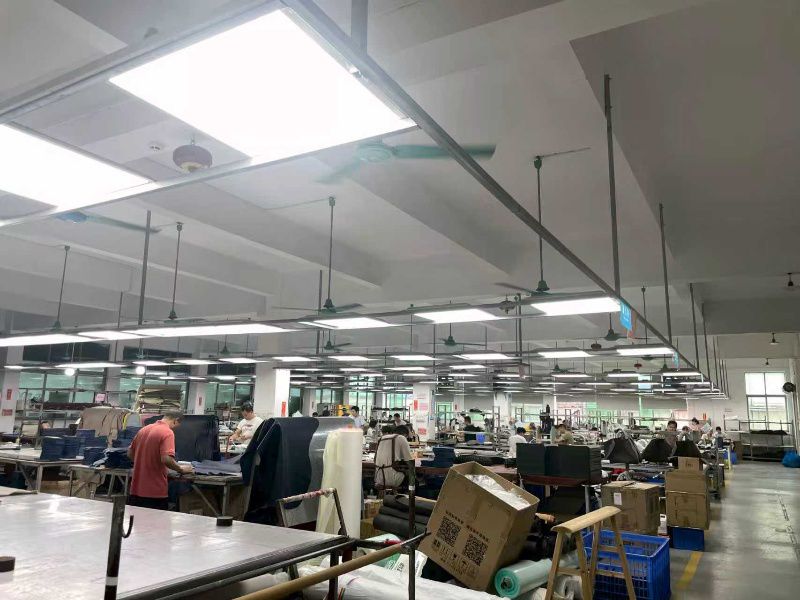
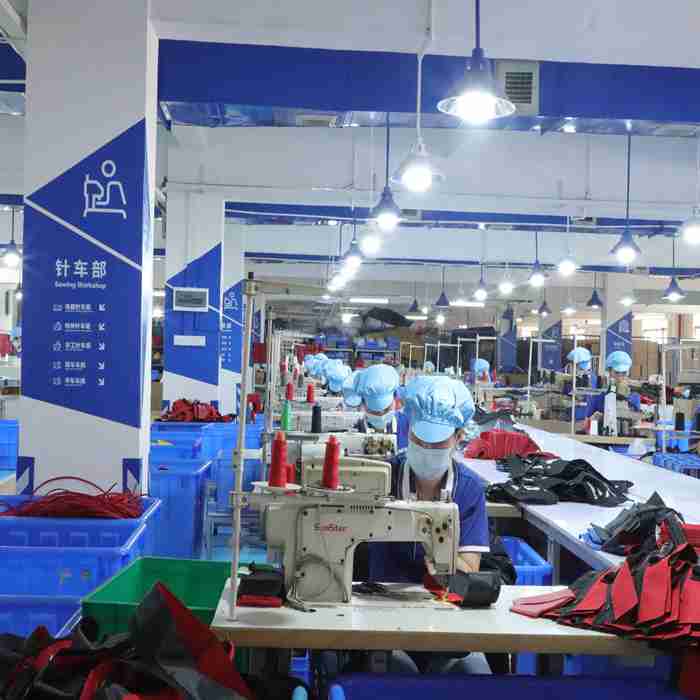
Many bag descriptions claim “strict quality control,” but serious nylon bag programs need more than a promise—they need a structured, risk-based QC system. Jundong’s setup includes 80 trained inspectors, specialized testing tools, and a staged process covering raw materials, in-line production checks, and finished goods inspection. This ensures QC protects function, appearance, and repeatability, rather than just providing a general claim.
Key nylon bag QC checkpoints often include:
| QC Checkpoint | Why It Matters |
|---|---|
| Fabric shade & surface | Prevents color mismatch, coating flaws, and material inconsistency. |
| Stitch density & seam neatness | Reduces seam failure, improves durability, and preserves visual quality. |
| Logo placement & finish | Maintains brand visibility and ensures repeatable presentation. |
| Zipper function | Avoids operational issues that affect usability and user satisfaction. |
| Webbing & handle attachment | Protects stress points for load-bearing and frequent use. |
| Shape consistency | Ensures packaging, shelf appeal, and multi-unit uniformity. |
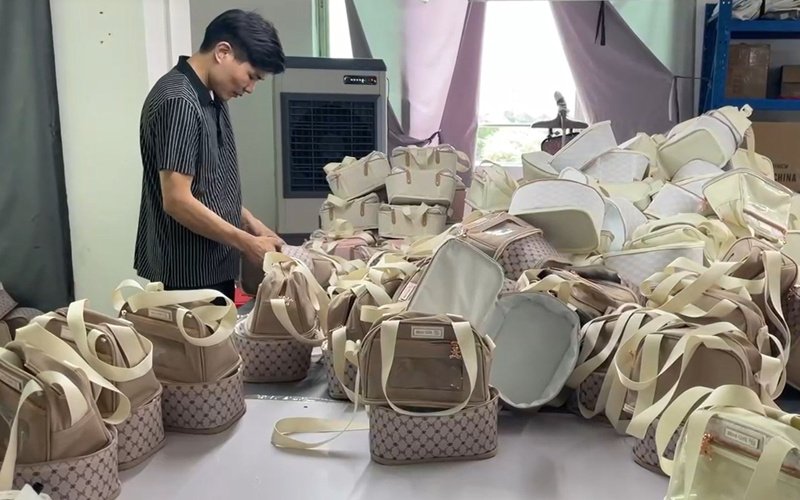
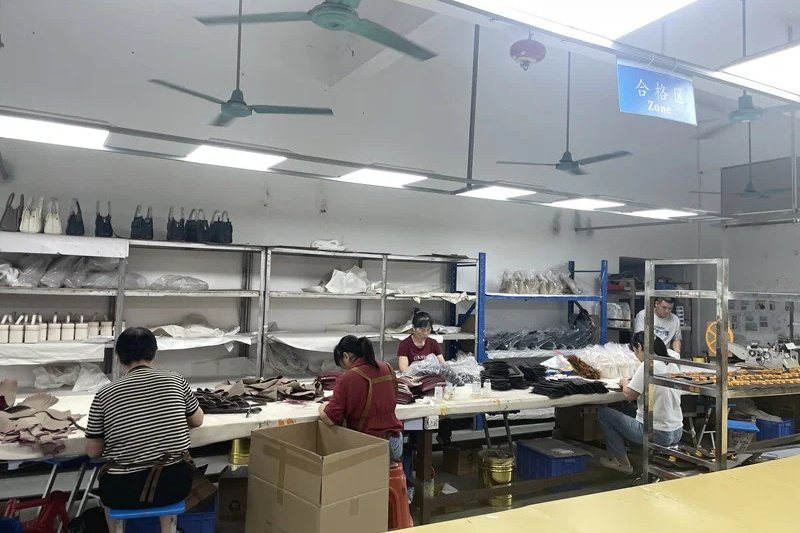
A practical QC approach defines which checkpoints are critical, sets measurable tolerances, and identifies unacceptable deviations before shipment. For multi-SKU or heavy-use nylon bags, linking inspection to these critical quality points ensures performance stability across production batches.
This structured QC system supports pre-production sample alignment, pilot run verification, and bulk production consistency, helping maintain repeatable quality, reduce rework, and protect brand reputation. Clear documentation, measurement standards, and inspection records make QC actionable, not just declarative.
By focusing on measurable checkpoints tied to actual failure risks, bag projects gain confidence in durability, aesthetics, and usability across all nylon bag types, whether for retail, travel, outdoor, work, or promotional programs.
Who This Nylon Program Fits
Not every bag project follows the same development path. A nylon-based collection works best when priorities include light weight, practical use, repeated handling, easy daily care, and flexibility for style variation within a single material family. Jundong’s experience spans daily bags, travel bags, backpacks, organizer styles, promotional carry, and flexible order execution, making nylon suitable for projects that require breadth, repeatable quality, and adaptable design.
Ideal Project Types
| Project type | Why nylon works well |
|---|---|
| Retail collections | allows multiple styles in one material, supports lightweight carry and repeatable production |
| Travel and commuter lines | balances durability, weight, and organized storage for everyday use |
| Promotional or event kits | adapts to logos and custom prints, scalable for volume and cost control |
| Outdoor or active-use lines | easier splash protection, abrasion resistance, and functional durability |
| Trial or pilot launches | permits testing of size, structure, and finish without committing to heavy materials |

Benefits for Product Expansion
Starting with one nylon style enables teams to expand into adjacent products, such as backpacks, tote bags, travel duffels, organizers, and promotional carry items. Nylon’s versatility supports multi-SKU development, consistent handling, and reliable packaging compatibility, making it a strong base for scaling a line across multiple categories.
When This Material Excels
Nylon programs work best when projects require:
- Multiple SKUs or color variants
- Stable quality over repeated production
- Efficient packing and logistics
- Flexible yet controlled pilot and trial orders
Used this way, nylon is not just a fabric choice; it becomes a foundation for building a broader, adaptable, and practical carry line that balances style, durability, and operational consistency over time.
Make A Sample First?
See your idea come to life before mass production.
At Jundong Factory, we offer free design mockups and custom samples to ensure every detail is perfect — from material and color to logo placement and stitching.
Start your project with confidence today: info@jundongfactory.com.
Decision FAQs About Custom Nylon Bags
What nylon fabric should we choose for a new bag project?
The right nylon fabric should match the bag’s real use, not just appearance or trend. A foldable pouch, school backpack, gym duffel, and travel organizer may all use nylon, but the fabric weight, coating, body feel, and abrasion level should not be the same. If the bag needs to stay light, a softer and lighter fabric may work better. If it needs shape, structure, or stronger wear performance, a firmer option is often better.
Before fixing the fabric, it helps to check a few things:
- How the bag will be used
- How much weight it needs to carry
- Whether water resistance matters
- Whether the style should feel soft or structured
- What cost level needs to be controlled
Nylon selection is usually stronger when fabric, lining, padding, zipper, and trim are considered together. A fabric name alone does not tell the full story. Good development starts with the full product direction, then matches the fabric to that direction so the finished bag feels right in daily use.
Can nylon bags still feel premium, or are they mainly for lower-cost projects?
Yes. Nylon bags can look clean, sharp, modern, and well finished when the right material and construction are used. The final feel comes from much more than the base fabric. Fabric density, surface finish, piping, foam support, zipper quality, hardware, seam control, and logo method all shape the result. A well-developed nylon bag can feel polished without becoming heavy, stiff, or overbuilt.
A stronger premium look often comes from these details:
- Tighter fabric texture
- Cleaner edge finishing
- Balanced structure
- Neater panel proportion
- Better trim matching
- More refined logo placement
Nylon is used in commuter bags, travel bags, daily carry collections, event packs, and retail-ready styles because it offers a good balance of function and appearance. It can move in a sporty direction, a city direction, or a more minimal direction, depending on how the full bag is developed. The key is not adding too many complicated parts. The key is making the material, shape, and trim work together so the bag feels intentional from first look to daily handling.
What is the usual MOQ for custom nylon bags?
MOQ is rarely decided by one number alone. It often changes with the bag design, fabric sourcing situation, logo method, trim selection, and whether the order is one style or a mixed run. A simple pouch may support a lower starting quantity than a structured backpack with many panels, custom hardware, and several inside compartments.
Low quantities are often possible, but there is usually a trade-off. The unit cost may rise because pattern setup, fabric cutting, trim preparation, logo setup, and sample checking still take time even when the order is small.
It helps to judge quantity through the stage of the project:
- Trial launch
- Short test run
- Small collection opening
- Repeat restock
- Long-term line extension
A better discussion is not only “What is the lowest quantity?” It is also “What quantity fits this stage without pushing cost too far up?” That usually leads to a more practical decision. When quantity, style complexity, and fabric direction are reviewed together, it becomes easier to balance budget, stock pressure, and future expansion.
How long does nylon bag sampling usually take?
Sampling time depends on more than sewing speed. In many cases, delays come earlier, during fabric choice, trim matching, logo file approval, size confirmation, or unclear style notes. When those early details are loose, the sample stage often stretches longer than expected.
A faster process usually starts with a clearer brief. These details help a lot:
- Reference photos
- Target size
- Main use
- Fabric preference
- Logo method
- Color direction
- Expected quantity
- Whether the first sample is for shape check or near-final approval
When these details are set early, pattern work and material preparation move more smoothly. Revisions also become easier because the review has a clear direction. In practice, rushing without clarity often wastes more time than it saves.
For nylon bags, sample timing is usually strongest when the team checks structure, fabric, trim, and branding at the same stage rather than one after another. A clear first round can remove a lot of back-and-forth later. The shortest path is usually not blind speed. It is early alignment on the key details that shape the bag.
Which logo method works best on nylon bags?
There is no single logo method that fits every nylon bag. The best choice depends on the fabric texture, bag use, visual style, and how much rubbing, folding, or repeated handling the bag will face. Nylon used for outdoor gear may suit one logo method, while nylon used for a cleaner commuter bag may suit another.
Common options include:
- Screen print
- Heat transfer
- Embroidery
- Woven label
- PVC patch
- Metal logo plate
Each one creates a different look and feel. Embroidery may add texture and depth, but it may not suit every thin fabric. Heat transfer can look neat and sharp, especially on smooth surfaces. Woven labels work well when a softer, stitched look is preferred. PVC patches often suit sport or utility styles. Metal logos may fit more structured, polished designs.
Placement also matters. A logo that works on the front panel may not work as well on a pocket, strap, or side seam. The process, position, size, and proportion should be judged together. A strong logo result is not only about decoration. It should feel natural on the bag.
How do we reduce the risk of sample-to-bulk inconsistency?
The safest way is to approve more than appearance. If only the overall look is approved, but the exact material, trim, and workmanship details remain loose, the bulk run can drift. A good approval process should lock the key parts that actually control consistency.
These items should be fixed as clearly as possible:
- Main fabric
- Lining
- Color tone
- Logo method
- Logo size and location
- Panel dimensions
- Zipper and hardware
- Padding or foam
- Stitching standard
- Packing method
It also helps to keep one confirmed sample as the reference unit during production. That way, the sewing team and inspection team are checking against a real object rather than memory. Written notes are just as useful as the sample itself. Small details such as pocket depth, handle drop, edge finishing, or zipper pull shape can affect whether the final run feels consistent.
The sample should act like a control unit for the whole order. When the approved bag is supported by clear notes, fabric records, and trim records, the gap between sample and bulk usually becomes much smaller.
Are nylon bags good for retail collections and repeat orders?
Yes, in many cases, nylon works very well for collection building and repeat runs. One reason is flexibility. Nylon can support backpacks, tote bags, duffels, pouches, waist bags, travel kits, and organizer styles while still keeping a clear visual family. That makes it easier to extend one material direction into several related products.
Nylon is often a good choice when a collection needs:
- Lightweight
- Daily practicality
- Easy carrying
- Visual consistency
- Room for style expansion
- Balanced cost control
It also performs well for repeat programs because a strong style can be refreshed without changing the whole bag language. Color can shift. Pocket layout can be adjusted. Trim can be updated. The shape can move slightly. Yet the line can still feel connected.
This is helpful for teams that want one successful bag to grow into more styles over time. Instead of starting from zero each time, the collection can build from an approved material direction and a familiar construction logic. That usually saves time, keeps the line more cohesive, and makes future expansion easier to manage.
What usually drives nylon bag pricing up or down?
Nylon bag pricing is shaped by a mix of material, structure, trim, and finishing details. Two bags may look similar from the outside, yet the cost can be very different once the inside construction and component list are checked. A coated fabric, thicker foam, extra pockets, stronger hardware, or more detailed finishing can all push the cost upward.
The main cost drivers often include:
- Fabric type and weight
- Coating or water-resistant finish
- Lining and padding
- Number of panels
- Compartment count
- Zipper quality
- Hardware quality
- Logo method
- Packing requirement
- Order quantity
A useful quote should separate the main cost areas instead of hiding everything inside one final number. When fabric, structure, trim, and packing are reviewed clearly, it becomes easier to decide what should stay and what can be simplified. That helps keep the bag strong where it matters without adding cost in the wrong places.
Good cost control is not just about lowering the number. It is about deciding which details protect function, appearance, and daily use, and which details can be reduced without harming the bag.
Can one nylon bag design be expanded into more styles later?
Yes, very often it can. One of nylon’s strongest advantages is that it works well as a base material across several related bag types. A backpack design can later lead to a tote, pouch, duffel, organizer, sling bag, or travel set when the same fabric family, trim language, and visual direction are carried through.
This is useful because it helps create:
- A connected collection look
- Faster style extension
- Better material continuity
- Cleaner logo consistency
- Less repeated trial work
A style that has already been tested for fabric feel, color tone, and trim matching often gives a strong starting direction for the next bag. That does not mean every new style should be copied. It means the collection has a stable base, so new shapes can be developed with more confidence.
This kind of extension is especially helpful for teams that want to build a broader line step by step. One approved bag can become the starting unit for later growth. That usually shortens development time, keeps the full line more coherent, and reduces the risk that each new bag feels unrelated to the last one.
What should we prepare before contacting a nylon bag development team?
You do not need a perfect tech pack before starting, but a clearer brief will make the first discussion much more useful. Even simple notes can help turn an idea into a workable bag direction much faster.
The most helpful starting information often includes:
- Reference images
- Target dimensions
- Main use
- Estimated quantity
- Logo file or logo idea
- Preferred fabric feel
- Color preference
- Launch timing
- Expected cost level
- Whether the bag is for a one-style run or a wider collection
If you already know whether the first step is a sample check, a short trial run, or a larger opening order, that is also useful. The clearer the purpose, the easier it becomes to judge material, structure, and trim direction.
A good first contact does not need to be long. It just needs to be specific enough to avoid guessing. When the opening brief covers the bag’s use, size, style direction, and rough quantity, the development path becomes easier to review, and the early discussion usually becomes much more efficient.
Everything You Need to Know Before Customizing Your Bags
Custom nylon bag sourcing is rarely judged by fabric alone. For teams comparing factory options, a dependable review usually depends on practical details such as MOQ versus bulk cost, sample timing, nylon fabric type, coating options, lining and reinforcement choices, zipper and hardware matching, logo method, construction feasibility, packing setup, and repeat-order stability. A strong FAQ section should answer these points early, so visitors can check fit faster and reduce avoidable communication loops during the early sourcing stage.
A useful structure is to build FAQs around real sourcing concerns: what details are needed before sampling starts, how to reduce sample-to-bulk variation in fabric color, texture, shape retention, and logo finish, how to match bag structure with real carrying use, how to manage multi-color or multi-style nylon bag programs, and which inspection steps help protect durability, appearance, and order consistency. Clear FAQ writing also helps capture search terms such as custom nylon bags, nylon bag manufacturer, OEM nylon bags, private label nylon bags, custom backpacks, and wholesale nylon bags.
