 Skip to content
Multi-Compartment Bag Manufacturer
A reliable multi-compartment bag manufacturer helps brands turn messy storage problems into clean, sellable, repeatable products. At Jundong, we build custom multi-pocket bags for tools, travel, electronics, medical kits, work gear, and promotional use—balancing layout logic, material durability, fast sampling, and bulk consistency, so clients get bags that are easier to organize, easier to sell, and easier to scale.
Reliable Multi-Compartment Bag Maker
A reliable multi-compartment bag maker should do more than copy an outer shape. The real value is whether the team understands how the bag will be used inside. For tool bags, travel organizers, tech bags, medical bags, sales kits, and custom storage bags, internal layout often matters more than appearance. A better factory will ask about item size, access speed, divider type, loading weight, pocket depth, zipper direction, and which compartments need to stay visible, padded, or easy to clean.
(1) Internal layout matters first
For multi-compartment bags, structure affects daily use directly. Key layout choices often include:
- fixed dividers or flexible dividers
- elastic loops or sewn pockets
- mesh panels or closed compartments
- padded zones or lighter open storage
- flat-fold structure or shape-retaining build
These choices affect function, comfort, and usable space.
(2) Material choice affects compartment performance
A multi-compartment bag often needs different materials working together. For example:
- polyester for durability and cost balance
- PU for cleaner retail presentation
- neoprene for softer protection
- EVA-supported parts for the structure
- wipeable lining for easy cleaning
(3) More compartments mean more quality risk
As compartments increase, bulk risk usually increases too. Common problems include:
- uneven pocket size
- zipper misalignment
- divider collapse
- weak stitching at stress corners
- lost usable space from tolerance drift
- logo or label placement affecting function
(4) Clear project coordination matters
Compartment-heavy bags usually need more review points than basic bags. It helps when the factory can support:
- sample revisions
- material adjustment
- internal layout updates
- multi-SKU handling
- packaging that protects the bag shape
A stronger multi-compartment bag project depends on layout logic, material matching, production control, and clear communication, not outer design alone.

Who Uses Multi-Compartment Bags
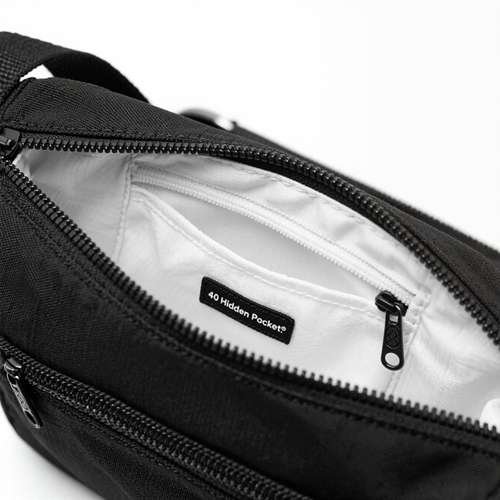
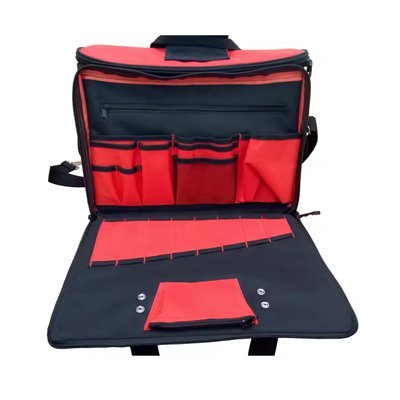
Multi-compartment bags are chosen by very different industries, but the core reason is similar: better internal organization, easier access, and a more practical user experience. This applies to tool bags, travel bags, laptop bags, organizer bags, protective cases, demo bags, and branded utility bags. A stronger bag layout can improve storage logic, reduce item mixing, and make daily use feel more efficient.
(1) Tool and industrial use
Tool distributors, maintenance teams, and field-use programs often need bags with:
- reinforced dividers
- stable base structure
- quick-access pockets
- better weight distribution
- layouts that stay useful after repeated use
In these cases, compartments help reduce wasted movement and make work routines easier.
(2) Travel, commute, and electronics use
Travel gear, laptop bags, and organizer-style bags are often chosen for:
- laptop and accessory separation
- cable and charger storage
- passport and document access
- wet/dry or shoe split zones
- cleaner internal visibility
These bags support more orderly packing and easier daily use.
(3) Promotional and branded programs
For gift, event, and branded merchandise projects, multi-compartment bags often feel more useful and more refined than basic giveaway bags. They can also create more branding space through:
- zipper pulls
- labels
- patches
- inner print areas
That often improves perceived value after the event.
(4) Protective and specialty use
Some projects need compartments for controlled separation, especially for:
- protective kits
- electronics storage
- sample kits
- product demo bags
- structured carry cases
Here, the bag is helping protect the product inside, not just carry it.
(5) Product line expansion
Growing brands often start with one organizer bag, then extend into different sizes or formats. In that case, a factory that understands compartment logic across multiple SKUs becomes much more valuable for smoother development and easier scaling.



Designing Practical Compartment Bags
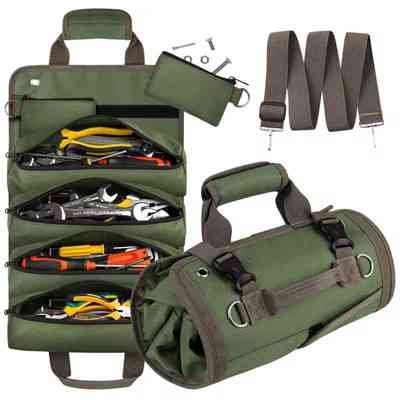
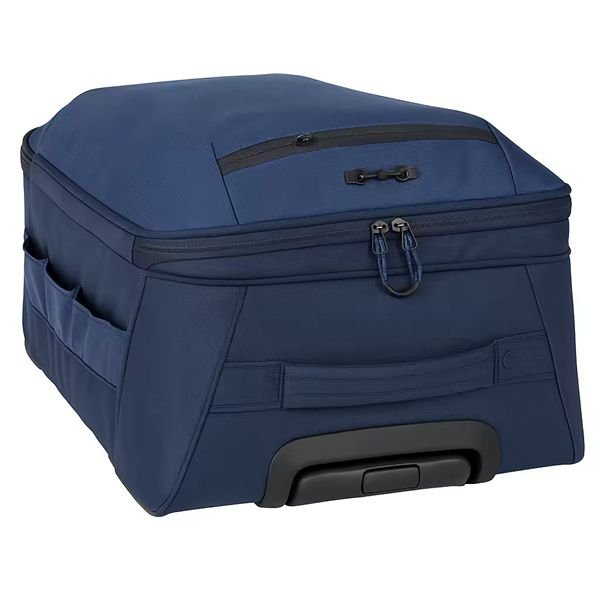
A good multi-compartment bag should be designed from the inside out. The biggest mistake is focusing on the outer bag shape before defining what needs to be stored. For tool bags, travel organizer bags, tech bags, cosmetic bags, medical bags, demo kits, and storage bags, internal layout is what decides whether the product feels practical in daily use.
(1) Start with the item plan
Before choosing pockets, start with the items inside:
- Which items are the largest
- which need quick access
- which need separation
- which are fragile, wet, bulky, or sharp
A stronger layout begins with the storage job, not just the outer silhouette.
(2) Build around a main zone
Most usable compartment bags are built around:
- one main cavity for larger items
- secondary inner pockets for grouped accessories
- quick-access outer pockets
- one special-use zone, such as padded storage or wet separation
Too many equal pockets can reduce usable volume and make loading less efficient.
(3) Opening style affects real use
The opening shape changes how useful the bag feels. Common formats include:
- top zip opening
- U-shape zip opening
- clamshell opening
- front-panel opening
- dual-access opening
A wider and better-placed opening often improves visibility and retrieval more than buyers expect.
(4) Pocket depth and divider choice matter
A better compartment plan also depends on:
- shallow pockets for fast access
- deeper pockets for better containment
- elastic loops for flexible holding
- stitched pockets for cleaner layout
- padded or removable dividers for protection and adjustability
These choices affect usability, structure, and bulk stability.
(5) Design for production too
A bag that looks smart in drawings may still be hard to produce cleanly. Better results usually come from balancing storage logic, opening behavior, material support, sewing practicality, and bulk consistency from the start.


Materials for Multi-Compartment Bags
For a multi-compartment bag, material planning affects much more than appearance. It influences shape retention, weight, access feel, divider stability, zipper performance, and long-term usability. A good compartment bag should use materials that match the storage task, not just the outer style. This matters for tool bags, tech bags, travel organizer bags, medical bags, demo bags, protective cases, and utility storage bags.
(1) Outer fabric should match the use level
Different bag uses need different outer materials:
- 600D or 900D polyester for broad-use durability and cost balance
- Oxford fabric for work-use and daily organizer bags
- PU or synthetic leather for cleaner retail presentation
- wipeable coated surfaces for hygiene or easy-clean use
- neoprene for soft protection and flexible formats
- EVA-supported panels for semi-rigid structure and better compartment control
A bag with many compartments often needs more structure than a simple tote.
(2) Lining affects the inside performance
In compartment-heavy bags, lining directly affects daily use. A better lining can help with:
- smoother item insertion and removal
- cleaner visual separation
- less snagging on small accessories
- easier cleaning
- better inside visibility
(3) Divider choice should follow storage needs
Not every compartment needs the same divider type. Common choices include:
- sewn fabric dividers
- padded dividers
- mesh dividers
- elastic organizer bands
- removable hook-and-loop dividers
- foam-backed or EVA insert panels
These options change the protection level, flexibility, and usable volume.
(4) Zippers and hardware matter more than expected
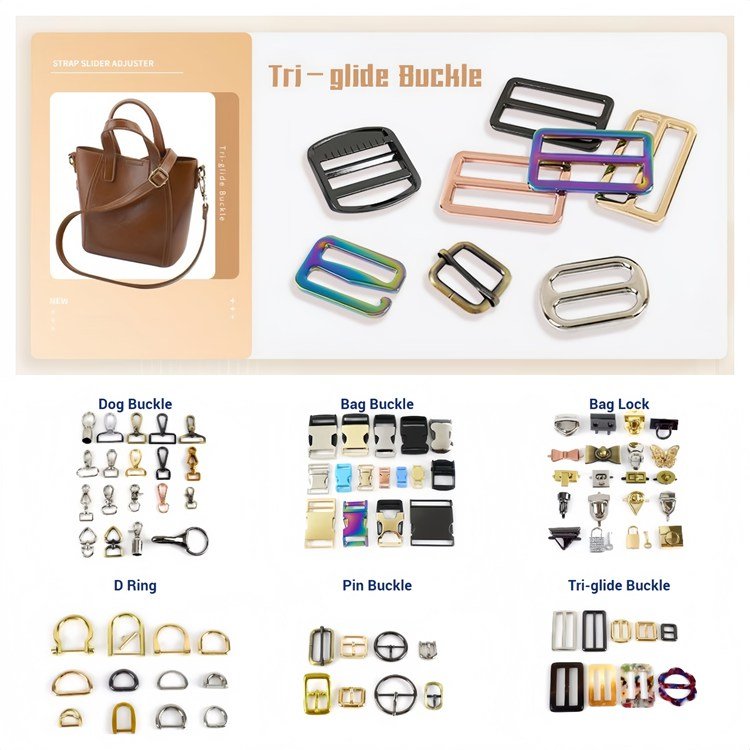
For multi-compartment bags, zipper path, opening angle, puller setup, buckles, webbing, base support, and handle reinforcement all affect daily access and long-term performance.
(5) Materials should be planned before sampling
A better first sample usually comes when storage use, layout, fabric, lining, divider structure, and hardware direction are considered together early. That helps reduce rework and creates a more practical path toward bulk production.

Reduce Revisions, Reach Bulk Faster
For a multi-compartment bag, sampling should be treated as a functional step, not only a visual check. A bag may look good in photos, but still fail in real use if compartments are hard to reach, dividers collapse under load, zippers interfere with access, or the bag feels unbalanced when carried. That is why early samples should be tested with real items inside, not judged by appearance alone.
(1) Use a structured sample sequence
A more effective path usually includes:
- first sample: check layout, storage logic, and opening behavior
- second sample: improve dimensions, divider stability, and access comfort
- third sample if needed: lock materials, logo method, and production details
- PP sample: confirm the production-ready version before bulk starts
This approach often saves more time than trying to force one all-in-one sample.
(2) Separate approval steps
Sampling becomes easier to control when approvals are divided clearly:
- structure first
- material and lining next
- color after that
- logo size and placement next
- final combined confirmation in the PP sample
When too many decisions are mixed into one round, revisions often become slower and less accurate.
(3) Rapid sampling only helps when feedback is clear
Fast sampling creates value only when each round checks something specific, such as:
- item fit
- divider strength
- zipper movement
- carrying balance
- internal usable space
- ease of production
Without this, a fast sample can still lead to slower overall development.
(4) Better prototypes make bulk easier
A stronger sampling stage usually shortens bulk preparation because materials, dimensions, layout, and main risks are already checked earlier. That reduces hidden problems and helps bulk production move with fewer surprises.
Keeping Samples and Bulk Consistent
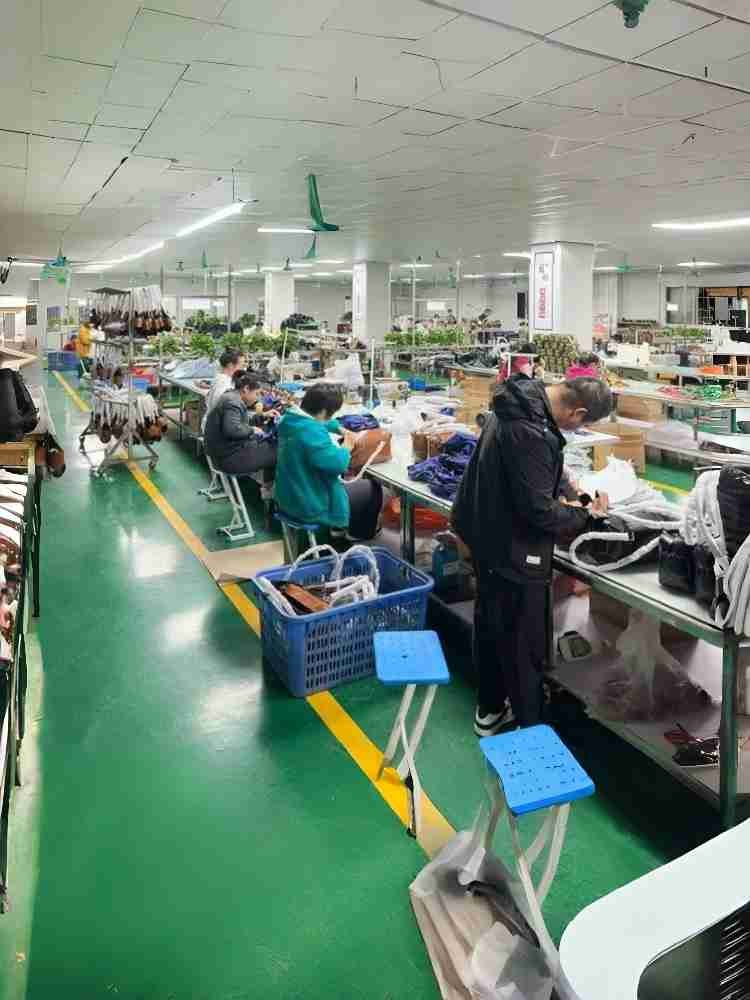
For multi-compartment bags, quality control should protect both appearance and function. A bag may look close to the approved sample, yet still perform poorly if pockets become tighter, dividers soften, zipper openings shorten, or internal balance changes after loading. In this category, small dimensional drift can quickly become a real usability problem.
(1) Control more than the overall bag size
A stronger QC plan should also check:
- internal pocket width and depth
- divider height and position
- zipper opening length
- usable space after construction
- left/right storage balance
- bag behavior when filled, not only when empty
This helps prevent “looks similar, works differently” results.
(2) Define what “match” means
An approved sample only helps when the main control points are clearly locked. Useful checkpoints often include:
- finished dimensions
- compartment count and layout
- critical item-fit points
- divider construction method
- zipper direction and opening range
- logo position near functional zones
- material stiffness or thickness assumptions
This makes the approved sample easier to follow during bulk production.
(3) Combine visual checks with use checks
A better QC process should review both:
- stitching, color, logo, edge finish, zipper alignment
- whether real items still fit
- whether dividers hold after repeated loading
- whether openings stay easy to use when the bag is full
- whether the bag remains balanced during carry
A clean-looking bag is not enough if the storage logic stops working.
(4) Add checkpoints during production
For compartment-heavy bags, waiting until final inspection is too late. Stronger control usually includes:
- incoming material check
- cutting accuracy check
- in-line sewing check
- partial structure review
- finished goods inspection
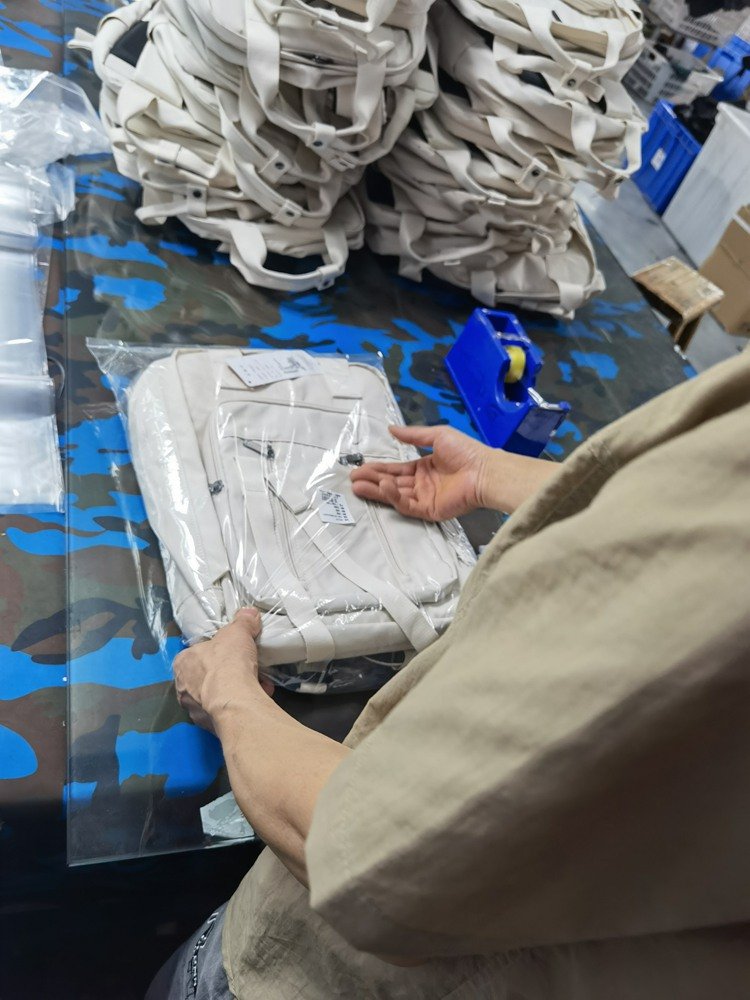
- packing consistency check
(5) Watch multi-SKU variation
When one bag line expands into several sizes or layouts, each SKU usually needs its own critical checkpoints. That is often what keeps a product line more stable across repeat orders.

Private Label Compartment Bag Options
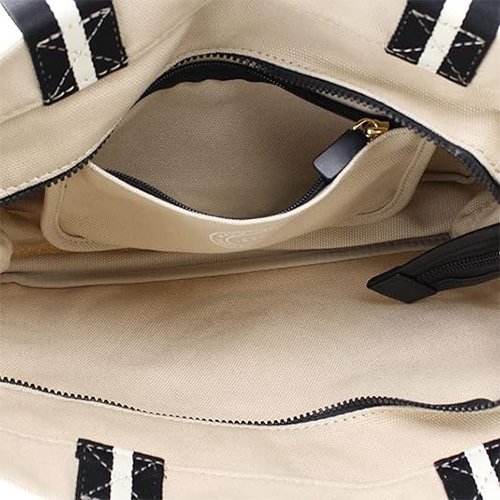
For multi-compartment bags, the right development path depends on how clear the product direction already is. Some projects need a full custom structure. Others move faster with an existing base that is adjusted for branding, layout, and channel fit. A stronger bag line is usually built by matching the development route to the real selling goal, not by choosing the most complex option too early.
(1) OEM works best when the layout is already clear
OEM is more suitable when the project already has:
- defined compartment map
- target size and structure
- material direction
- logo plan
- clear use case
This route gives stronger control over layout, function, and product identity, especially for tool bags, tech organizers, work bags, and specialized storage products.
(2) ODM helps speed up development
ODM is often a better fit when speed matters and the bag does not need to start from zero. It usually works by adjusting an existing structure through:
- pocket changes
- size adjustment
- strap updates
- material upgrades
- logo and packaging changes
This helps reduce trial-and-error in structure development.
(3) Private label is often the most practical route
For many programs, private label gives the best balance between launch speed and product distinction. Common upgrades include:
- logo patch, label, or embroidery
- color system
- lining color
- zipper pull details
- packaging and barcode setup
- small layout refinements
This route is often well-suited for retail, online sales, promotional programs, and growing product lines.
(4) Think beyond one style
A stronger program often starts with one organizer bag, then expands into:
- compact version
- daily carry version
- travel version
- premium version
- simpler cost-down version
This makes future line expansion easier and helps keep product development more connected across multiple SKUs.


Scaling Bag Orders Without Losing Control
Scaling Bag Orders Without Losing Control
For multi-compartment bags, scaling an order is not only about having more sewing capacity. It is also about keeping layout accuracy, divider stability, zipper alignment, usable space, material consistency, and delivery timing under control as volume grows. Compared with a simple bag, this category usually adds more inner panels, more pocket pieces, more stitching transitions, and more assembly checkpoints. That means order planning has to be tighter from the start.
(1) Lead time starts with preparation quality
A smoother order usually depends on how ready the project is before production begins. Key points should be confirmed early:
approved sample and PP reference
locked material list
confirmed compartment layout
fixed logo method and position
Agreed packing method
clear SKU and variant list
When these details stay open too long, production becomes harder to keep on schedule.
(2) Multi-SKU orders need stronger control
Many compartment bag programs include:
multiple sizes
different colorways
standard and premium versions
different internal layouts under one outer shell
A stronger factory plan should separate what stays common and what changes by version, including materials, sewing steps, inspection points, and labeling rules. That is what helps reduce confusion as complexity increases.
(3) Use milestone-based planning
A more reliable workflow usually includes:
sample approval complete
material preparation complete
pre-production alignment
production start
in-line inspection
final inspection
packing complete
shipment release
This makes timing easier to follow and helps reduce uncertainty during larger orders.
(4) Packing also affects delivery control
For compartment-heavy bags, packing should protect the divider shape, opening structure, SKU separation, and carton identification. Good order control continues through shipping, not just sewing.
If you want, I can continue and compress the next section in the same style.
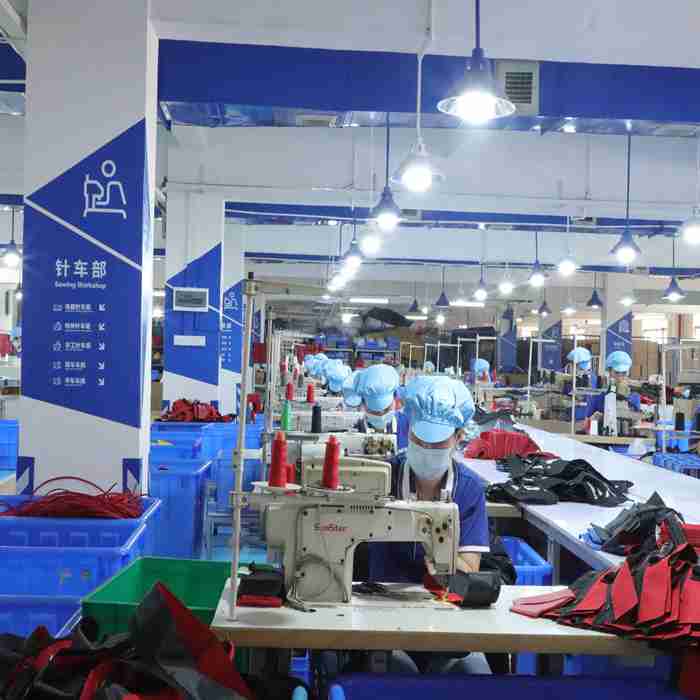

High-Intent Uses for Compartment Bags
Multi-compartment bags sell well in industries where organization, faster access, and better item separation create clear daily value. They are not only useful as storage bags. They often work as tool bags, travel organizer bags, cable organizer bags, medical kit bags, demo bags, utility bags, and branded organizer bags. Their strongest advantage is helping users keep multiple items sorted, easier to reach, and easier to carry.
(1) Tool and field-use markets
These bags fit well in:
- hardware and tool programs
- maintenance and repair teams
- installation and service work
- industrial parts carrying
Why they sell well:
- faster access to tools
- less time spent searching
- better small-part separation
- more practical daily workflow
(2) Travel and commuting markets
These bags are also popular for:
- travel accessory lines
- commuter gear
- luggage add-ons
- daily-carry organizer products
Useful features often include:
- shoe and clothing separation
- cable and charger storage
- passport and document zones
- cleaner packing logic
(3) Electronics and accessory use
This category works especially well for:
- cable organizer bags
- laptop accessory bags
- tech kit storage
- charger and device cases
The main value is keeping small items from mixing, tangling, or scratching each other.
(4) Medical, emergency, and specialty kits
Compartment bags are practical for:
- first aid kits
- hygiene kits
- field service kits
- sample and training kits
Here, the main benefit is controlled item separation and faster identification.
(5) Promotional and private-label programs
This style also performs well for:
- branded gift programs
- event giveaways
- onboarding kits
- retail organizer collections
- online private-label product lines
A multi-compartment bag often feels more useful and more premium than a basic tote, which helps create stronger long-term use.
(6) Project-based custom programs
For project-driven orders, these bags are often built around a specific task, not just a general style. That makes them especially suitable for OEM, ODM, and private-label development where the internal layout needs to match real use closely.


Why Jundong for Compartment Bags
(1) Easier project control from early development
Jundong is a stronger fit for projects that need:
- rapid sampling for faster layout checking
- sample revision support for structure updates
- a clearer path from sample approval to bulk production
- in-house QC for more stable execution
- structured communication and regular production updates
This helps reduce confusion during development and makes complex bag projects feel more manageable.
(2) Better fit for flexible order planning
Not every project starts with a large order. Many teams need:
- a trial run before scaling
- lower MOQ support
- small batch production first
- room to adjust the design after early feedback
- an easier path from first order to repeat order
This matters for new organizer bags, tool bags, tech bags, travel bags, and structured storage products that still need refinement.
(3) Useful for growing product lines
A compartment bag project often starts with one style, then expands into:
- new sizes
- new layouts
- added storage zones
- upgraded materials
- multiple SKUs under one line
Jundong is a practical choice for teams that want a project partner able to support this kind of follow-up growth.
(4) You do not need a perfect file to start
A useful inquiry can begin with:
- the main use case
- item categories inside the bag
- target market
- preferred material direction
- key priority such as speed, structure, branding, or protection
That is often enough to begin a clear and productive discussion.
Make A Sample First?
See your idea come to life before mass production.
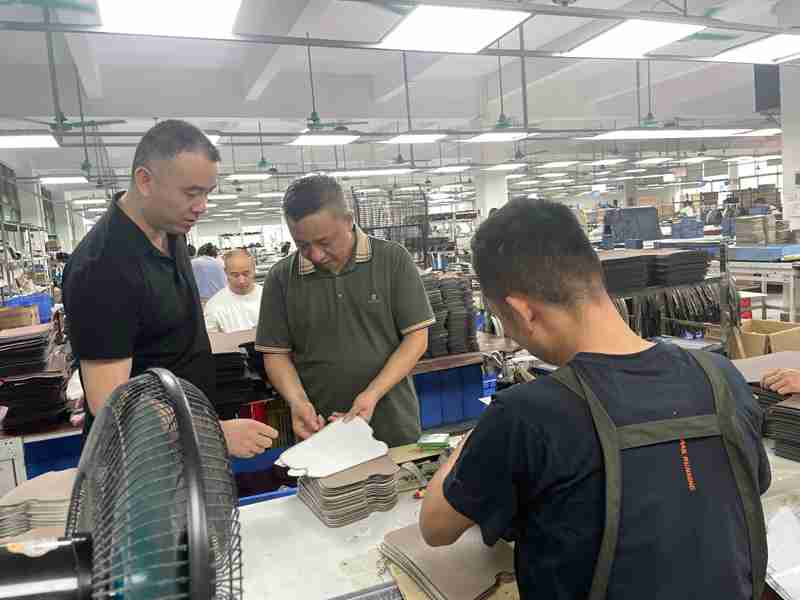
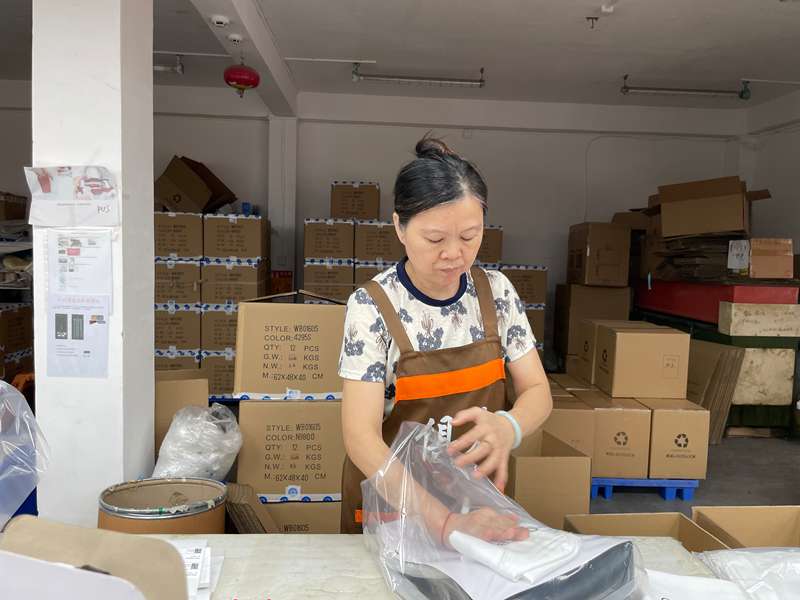
At Jundong Factory, we offer free design mockups and custom samples to ensure every detail is perfect — from material and color to logo placement and stitching.
Start your project with confidence today: info@jundongfactory.com.
Multi-Compartment Bag FAQs
What details should I send before developing a multi-compartment bag?
A good multi-compartment bag project usually starts with clear storage information, not only an outer bag sketch. The most useful starting details include the bag type, target size, intended use, and the main items that need to go inside. It also helps to show which items need quick access, which need padding, which should stay separated, and whether the bag is for tools, travel items, electronics, cosmetics, medical kits, or product samples.
If possible, send reference photos, internal layout ideas, divider preferences, fabric direction, logo method, and target quantity. Even a hand sketch can help if it clearly shows compartment logic.
The clearer the use case is, the easier it becomes to suggest suitable pocket depth, divider type, zipper opening, lining, reinforcement, and hardware. For this kind of bag, internal planning affects the result far more than many people expect.
What is the MOQ for a custom multi-compartment bag?
The MOQ for a custom compartment bag depends on structure complexity, material choice, branding method, and whether the project uses standard trims or custom-developed parts. A simple organizer bag with a basic inner layout is usually easier to produce at a lower quantity than a heavy-duty tool bag or a travel organizer with multiple divider systems, molded inserts, or custom hardware.
MOQ also changes when the order includes several sizes or colorways. A single style with one material direction is often easier to arrange than a mixed program with many variants.
If the project is still being tested, some factories can support a smaller trial quantity before a larger run. That is especially useful for new product launches, private label programs, and first-time compartment bag development.
A practical way to reduce MOQ pressure is to simplify early-stage choices, such as using stock fabric, standard zippers, and fewer SKU variations.
How long does sample development usually take?
Sample timing for a multi-compartment bag usually depends on layout complexity more than outer appearance. A basic travel organizer or utility bag may move faster than a bag with many internal pockets, reinforced dividers, structured panels, or several access openings. The first sample often takes longer when the internal layout still needs testing.
The sample process usually includes pattern setup, material matching, sewing trial, layout review, and sometimes more than one revision round. A bag that must hold tools, electronic accessories, medical items, or display samples often needs real-use testing during sampling, not just a visual review.
A smoother timeline usually comes from locking the main storage logic first, then adjusting fabric, lining, logo, and trim details after the structure feels right.
For OEM organizer bags, tech bags, tool bags, and custom storage bags, early clarification of item size, divider needs, and opening style can save a lot of revision time later.
Why do multi-compartment bags often need more sample revisions?
A multi-compartment bag usually needs more sample revisions because the project has more functional parts that must work together. A bag may look fine from the outside, but once real items are placed inside, problems often appear. Dividers may feel too soft, pocket depth may be wrong, zipper openings may be too narrow, or usable space may shrink after stitching and binding are added.
This is common in tool bags, travel organizer bags, cable organizer bags, sample kits, and storage cases. The first sample often proves shape and basic layout, while later rounds improve compartment depth, access comfort, reinforcement, and internal balance.
A good way to reduce repeated revisions is to review the sample in stages:
- structure first
- compartment logic next
- material and lining after that
- logo and packaging later
This order usually creates a faster path to a more stable production-ready version.
Which fabrics work best for multi-compartment bags?
The best fabric for a multi-compartment bag depends on the intended use, weight load, storage purpose, and desired product feel. For daily-use organizer bags, polyester and Oxford fabric are common because they balance durability, cost, and structure support. For premium retail programs, PU or synthetic leather often gives a cleaner visual result. For protective or softer formats, neoprene may work well. For more structured carry cases, EVA-supported panels can help keep compartments stable.
Fabric choice also affects pocket behavior, divider strength, overall bag weight, and opening performance. A fabric that looks attractive may still be too soft for heavier compartments or too bulky for tight internal layouts.
That is why outer fabric should always be chosen together with lining, padding, divider material, zipper direction, and handle reinforcement, not as a separate design decision. In organizer bags, the inside structure matters as much as the shell.
What kind of dividers work best inside a compartment bag?
There is no single divider style that works for every compartment bag. The right choice depends on what the bag needs to hold, how often it will be opened, and whether the inside layout must stay fixed or flexible. Sewn fabric dividers are common for lighter organizers and travel bags. Padded dividers are better when items need extra separation or basic protection. Mesh dividers help with visibility. Elastic loops work well for cables, small tools, bottles, or slim accessories. Hook-and-loop removable dividers are useful when the layout may need to change.
Divider choice also affects bag weight, usable space, and bulk stability. A divider that is too soft may collapse. One that is too rigid may reduce capacity or make access harder.
For tool organizers, tech storage bags, and custom carry cases, it is often better to test divider performance using real items during sampling rather than relying on drawings alone.
How can I make sure the compartments actually fit my products?
The safest way to confirm fit in a multi-compartment bag is to develop the project around real item dimensions from the start. Instead of describing compartments as “small,” “medium,” or “deep,” it is much better to share exact sizes of the products that need to be stored. If possible, photos of the actual items arranged side by side are also useful.
Fit should be checked not only when the bag is empty, but also when the bag is fully loaded. Some pockets seem large enough on paper but become tight after seam allowance, lining bulk, padding, or zipper construction is added. Divider thickness can also reduce usable space more than expected.
A stronger sample review often includes:
- key item insertion check
- zipper access review
- loaded bag balance check
- pocket depth confirmation
- divider stability under weight
For tool bags, electronics organizers, display bags, and medical kit bags, this fit testing is often one of the most important stages.
Can you make one outer bag shell with different inside layouts?
Yes, and this is a very practical direction for many custom multi-compartment bag programs. One outer shell can often be used with different inside structures, which makes it easier to build a product line without redesigning the whole bag from scratch. For example, the same outer shape may support a tool layout, a tech organizer layout, and a travel organizer layout with different divider maps and pocket arrangements.
This approach is useful for:
- different end-user groups
- standard and premium versions
- region-based product variation
- line expansion across several SKUs
It also helps control development cost because the main silhouette, handle system, zipper route, and shell pattern can stay similar.
The key is to decide which parts stay common and which parts change. A bag line becomes much easier to scale when the project separates shared outer construction from variable internal organization early in development.
What branding methods work best on organizer and compartment bags?
The best branding method for a multi-compartment bag depends on the fabric, product positioning, and where the logo will sit relative to functional zones. Embroidery works well for bold logos on stable fabric areas. Woven labels and woven patches are useful when smaller text needs to stay clean. Rubber patches can create a stronger outdoor or utility feel. Print methods can work when the shell surface is smooth enough and the logo area is not affected by heavy folding.
Placement matters too. A logo should not interfere with pockets, zipper function, or quick-access zones. On some bags, the most visible logo area may not be the most practical one.
For tool bags, travel organizers, tech cases, and private label storage bags, it often helps to decide logo method only after outer fabric and major panel layout are confirmed. That reduces the risk of choosing branding that looks fine in concept but works poorly in production.
How do you control quality in a multi-compartment bag order?
Quality control for a multi-compartment bag needs to check more than outer size and stitching appearance. Because this bag type depends heavily on internal function, QC should also focus on compartment dimensions, divider stability, zipper opening length, usable space, pocket alignment, and load behavior. A bag can look similar to the sample and still work badly if the internal layout drifts.
A stronger QC routine often includes:
- incoming material checking
- cut-panel accuracy review
- in-line stitching checks
- internal layout comparison
- finished goods inspection
- packing checks
For compartment-heavy bags, one of the most useful steps is checking the bag while it is loaded with real or substitute items. This reveals whether access still feels smooth and whether dividers hold properly under use.
For tool bags, cable organizers, medical kits, and structured travel bags, these checks help reduce the risk of “looks correct, works poorly” results.
How do you keep samples and bulk production consistent?
The best way to keep a multi-compartment bag consistent from sample to bulk is to lock the real control points early, not just the overall look. For this kind of bag, the most important references often include pocket size, divider height, zipper opening, material thickness, reinforcement method, and usable volume after construction. If only the outer sample photo is approved, the inside may still drift later.
A stronger process usually includes:
- an approved sample kept as a physical reference
- key measurements written clearly
- layout map confirmation
- first production check before volume output continues
- compartment and pocket review during inspection
It also helps to control materials carefully. A small change in fabric stiffness, foam thickness, or lining bulk can affect the entire inside layout.
For custom organizer bags, storage bags, tool carriers, and OEM compartment bags, stable bulk output usually comes from written standards plus physical reference, not visual memory.
Can I start with a trial order before scaling up?
Yes, and for many multi-compartment bag projects, that is often the safer route. A trial order allows you to test not only the product itself, but also how well the factory handles layout execution, sample follow-up, packing quality, communication, and repeatability. This matters more for compartment-heavy bags because the project usually contains more variables than a basic tote or drawstring bag.
A trial quantity is especially useful when:
- the layout is new
- the product is entering a new market
- Several SKUs still need testing
- The brand wants to compare sales response
- the internal structure may be refined later
The strongest use of a trial run is to treat it as a learning stage, not only a small production batch. The review should cover storage logic, comfort in use, loading balance, packaging condition, and which details should stay fixed before the next order grows.
Everything You Need to Know Before Customizing Your Bags
Multi-compartment bag selection is rarely about appearance alone. What matters more is whether the bag can support real storage use, clear internal layout, stable divider structure, smooth zipper access, material suitability, packing control, and repeat-order consistency.
This FAQ section focuses on practical concerns such as what details are needed before sampling, how to reduce sample-to-bulk drift in pocket size, divider stiffness, zipper alignment, and usable space, how to match fabrics, linings, padding, and hardware to the storage task, how to manage multi-SKU layout changes, and which QC checkpoints help protect function and durability.
Clear FAQ content also helps cover searches like multi-compartment bag MOQ, organizer bag factory, OEM storage bag, tool bag manufacturer, and private label compartment bag wholesale.
