Skip to content
Rapid Sampling Bag Factory
Need a bag factory that can turn ideas into samples without long waiting times? Our rapid sampling bag factory helps brands, importers, wholesalers, and sourcing teams move from concept to physical sample with better speed and clearer communication. We support custom bag development for tote bags, backpacks, cosmetic bags, travel bags, cooler bags, tool bags, and other sewn products in nylon, polyester, canvas, cotton, and Oxford fabric. From artwork review and material matching to prototype making and sample revision, our team helps you shorten product development time and prepare for bulk production with more confidence.
ast Sampling with Real Decision Value
Fast sampling is not just about getting a bag sample in fewer days. What really matters is whether the sample gives a clear direction for the next step. A sample made quickly but with the wrong structure, poor material choice, weak stress support, or unrealistic finishing can slow the whole project later. In that case, “fast” only creates more revisions, more confusion, and more cost.
A strong, rapid sampling bag factory should provide more than a short turnaround. The sample should help check shape, size, function, material behavior, logo execution, and production suitability at an early stage. That gives sourcing teams, product developers, brand owners, and merchandisers a better basis for approval, revision, costing, and bulk preparation.
Good, fast sampling also helps reduce uncertainty. It allows teams to judge whether the design works in real use, whether the proportions feel right, whether the fabric supports the intended purpose, and whether the construction can move smoothly into PP sample and bulk production. This is where speed becomes commercially useful. It is not speed alone. It is speed with accuracy and practical decision support.
Revision support is also part of real sampling value. A useful factory does not just send out the prototype and stop there. It helps improve details, correct weak areas, and move the sample closer to production readiness without wasting time restarting from zero.
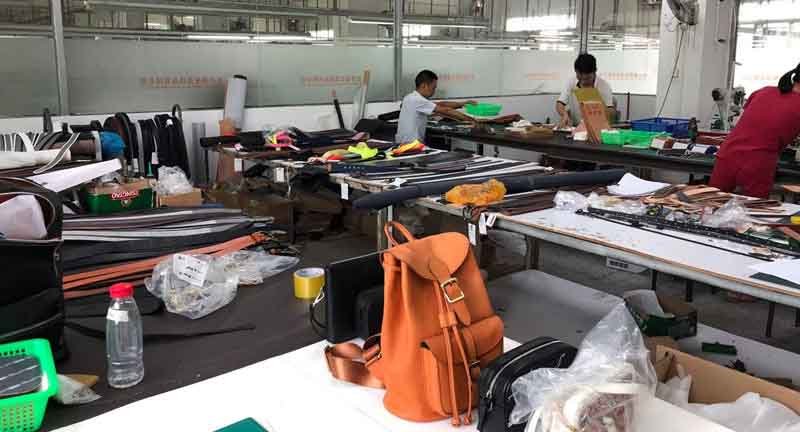
In-house sampling matters for the same reason. When prototype development, technical review, and revision control stay close together, problems can be found earlier and corrected faster. That helps shorten the path from concept to approved sample, and from approved sample to stable bulk production.


Speed, Accuracy, and Bulk Confidence
Fast sampling matters because many bag development projects are working against a tight schedule. Teams often need samples quickly so they can move approvals faster, check the design earlier, and avoid dragging out the development cycle. For promotional programs, retail collections, seasonal launches, and custom bag projects, sampling speed helps protect timing across product planning, internal review, and bulk preparation.
But speed alone is not enough. A sample that arrives quickly but has the wrong size, structure, material feel, logo execution, or finishing direction can create a second delay. That is why sample accuracy matters just as much as turnaround time. A useful sample should help teams judge whether the bag design is technically workable, visually aligned, and close enough to move toward the next stage.
Revision support also matters. Many first samples are not perfect, but that does not mean the project is off track.
What matters is whether the factory can adjust materials, logo details, proportions, and construction efficiently. Good revision handling keeps development moving and reduces the risk of restarting from zero.
Reliable sampling also depends on clear checkpoints. Early confirmation of material, color, and logo details helps reduce interpretation mistakes and gives the project a more stable path forward, especially for custom bags with stronger branding or retail presentation requirements.
The strongest sampling process does not stop at the prototype. It should also support the move toward PP sample readiness and smoother bulk execution. That is what gives teams more confidence that the approved sample can lead to stable production later, not just look acceptable in the sample room.


Sample Development to PP Stage
A fast sampling workflow should move a bag project from concept to PP sample with clear steps, fast feedback, and fewer avoidable revisions. For custom foldable bags, tote bags, backpacks, cosmetic bags, travel bags, and other sewn products, a workable process helps reduce delay, control sample cost, and improve bulk readiness.
(1) Concept Check
The first step is to confirm the product idea in practical terms. This includes:
intended use
size and structure
branding method
fabric and trim direction
timing and budget fit
A clear feasibility review helps prevent early mismatch between the drawing and the real sample outcome.
(2) Prototype Setup
After the concept is confirmed, the next step is turning it into a workable prototype plan.
draft dimensions and construction details
review material suitability
Check load-bearing and structure
prepare pattern or visual draft
(3) First Sample
Once materials and structure are aligned, the first physical sample can be made.
test shape and function
review logo placement
Check stitching and finishing.
Confirm overall look and handling.
This sample should help teams judge whether the style is ready for revision or close to approval.
(4) Revision Control
Most custom bag projects need adjustment before approval.
refine size or proportions
Update fabric or color.
improve details and function
correct weak construction areas
Fast revision handling helps save time and reduces repeated trial-and-error.
(5) PP Sample Readiness
The PP sample should reflect bulk conditions more closely.
Use confirmed materials
lock main details
Verify workmanship standard
support smoother bulk transition
A strong sampling process is not just fast. It should also help move the project toward stable bulk execution with fewer surprises later.


Sampling Success Starts with Materials
Fast sample development depends heavily on material choice and process control. A sample may be completed quickly, but if the fabric, trim, structure, or logo method is not suitable, later revisions can increase, and bulk execution can become unstable. For foldable bags, tote bags, backpacks, cosmetic bags, travel bags, and other sewn products, the right combination of material and process helps shorten development time while keeping the sample closer to production conditions.
(1) Material Selection
Material affects both appearance and function. Common checks include:
- durability for daily use or repeated folding
- surface appearance after handling
- printing or logo compatibility
- cost and sourcing practicality
- fit for retail, promotional, or utility use
Nylon, polyester, RPET, canvas, cotton, and Oxford fabric each behave differently in structure, feel, and branding results. Choosing the wrong material early can create avoidable sample changes.
(2) Process Suitability
Good sample work also depends on whether the selected process can support the design clearly.
- cutting accuracy
- stitching stability
- logo application method
- trim attachment
- finishing consistency
A useful sample should not only look acceptable in photos. It should also reflect how the bag can actually be produced later.
(3) Material and Process Alignment
The fabric must work smoothly with the chosen construction and decoration method. For example, a material may look right visually but perform poorly in stitching, folding, or printing. Small trial checks can help reduce this risk before more time is spent on revisions.
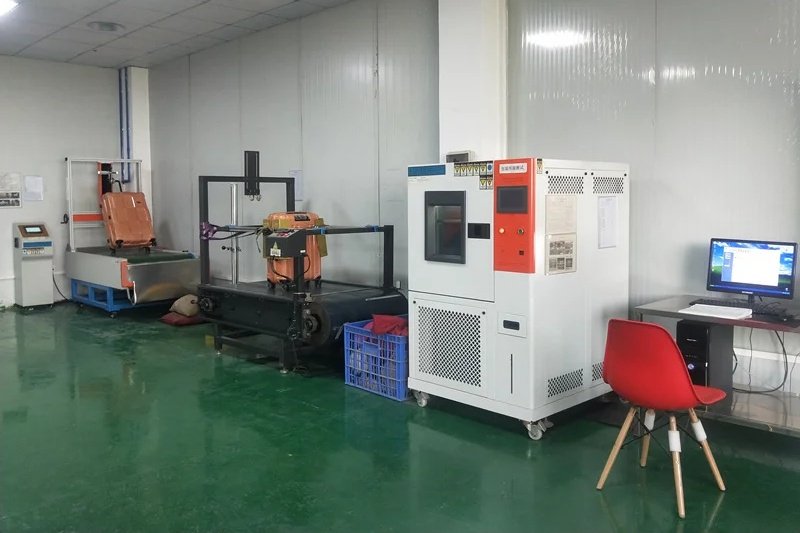
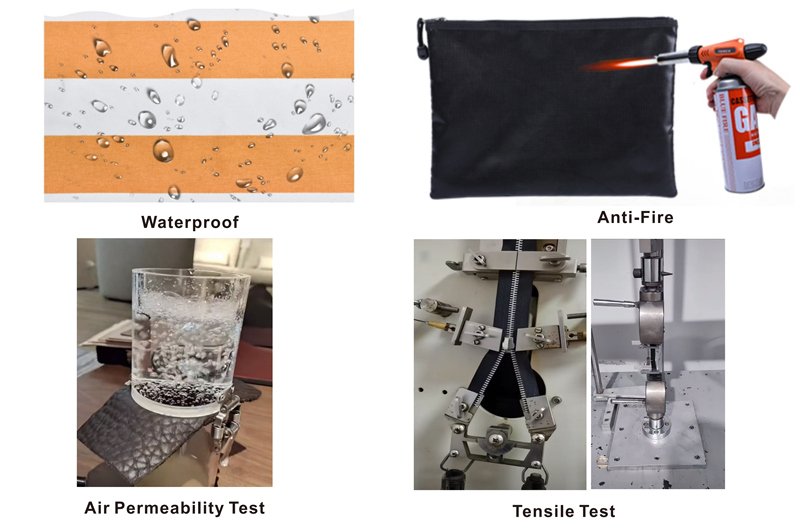
(4) Testing Before Bulk
Fast sample success also depends on early testing.
- shape and structure check
- folding or handling a check
- logo clarity check
- workmanship review
- readiness for PP sample and bulk follow-up
When materials and processes are aligned early, the path from prototype to PP sample becomes smoother, more stable, and easier to control.
Bulk Consistency After Sample Approval
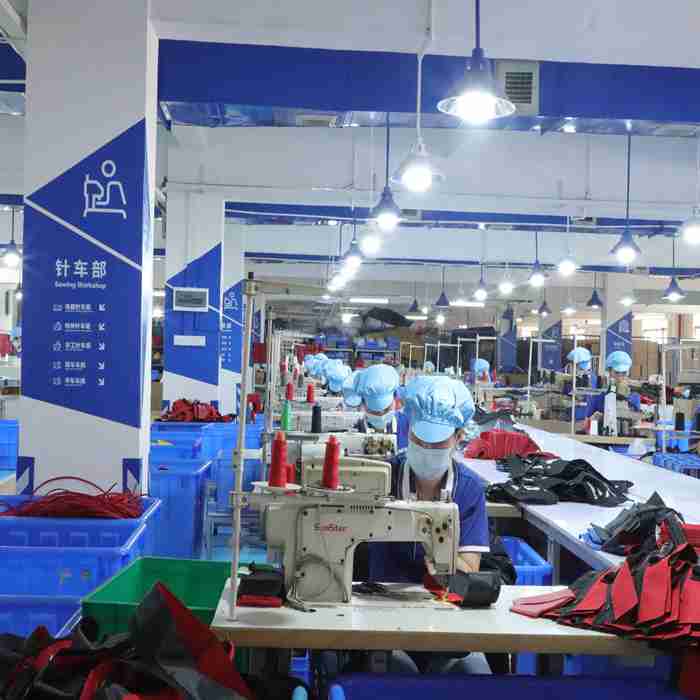
Once a bag sample is approved, the next task is making sure bulk production stays consistent in material, workmanship, structure, color, logo detail, and finishing. Many problems do not appear at the sample stage. They show up later when volume increases, more operators join the process, and materials are used across larger quantities. That is why sample approval alone is not enough. Clear production control is what keeps the approved standard stable.
(1) Lock the Approved Standard
Before bulk starts, the approved version should be clearly fixed.
- confirmed fabric and trim
- size and structure details
- logo method and placement
- stitching and finishing standard
- packing requirements
This helps reduce drift between sample and bulk.
(2) Check Material Consistency
Bulk materials should match the approved sample as closely as possible.
- fabric color and texture
- hardware finish
- print or embroidery result
- lining and accessory alignment
Small differences at material stage can create visible variation later.
(3) Strengthen Production Control
Stable bulk output depends on clear checkpoints during production.
- pre-production review
- early run checking
- in-line inspection
- end-of-line review
- packing verification
Problems found early are easier to correct than problems found after full output is completed.
(4) Balance Speed with Stability
Fast output should not weaken workmanship. Good factory control means keeping output efficient while protecting stitching quality, shape consistency, logo accuracy, and functional performance across the full order.
(5) Keep Sample-to-Bulk Continuity
A smoother bulk process usually depends on:
- same material source
- same core construction
- documented QC standard
- clear final approval reference
When these stay aligned, bulk production is more stable, rework is lower, and delivery control becomes easier.


Keeping Bulk Orders on Schedule
For custom bags, bulk timing is not only about the sewing stage. A delay in one step can affect material booking, line arrangement, packing, shipment, and delivery readiness. That is why strong timeline control matters for tote bags, backpacks, cosmetic bags, travel bags, promotional bags, and private label bag programs. A reliable factory should help keep the whole process aligned, not just promise a short lead time.
(1) Delays Often Start Early
Many timing problems begin before bulk production starts.
- slow quotation or requirement confirmation
- unclear sample approval steps
- repeated revision without cutoff
- late material confirmation
- weak handoff from sample to PP sample
When early-stage control is loose, later stages become harder to protect.
(2) A Good Schedule Needs Clear Checkpoints
A stronger workflow usually includes:
- clear sample timing
- revision timing control
- PP sample approval timing
- bulk start planning
- QC and packing reservation
- shipment booking visibility
This makes timing easier to follow and easier to adjust when needed.
(3) Planning Ability Protects Delivery
On-time shipment usually comes from planning discipline, not luck. Good planning should cover:
- matching approval date to production start
- coordinating materials with order timing
- balancing line capacity with promised lead time
- spotting bottlenecks earlier
- handling changes without disrupting the full order
This is one of the clearest trust signals in bulk bag production.
(4) Progress Updates Matter
Clear status updates help reduce uncertainty.
- current production stage
- material readiness
- schedule risk warning
- packing and shipment timing
Good visibility helps teams stay aligned internally and reduces last-minute pressure.
(5) Prevention Works Better Than Recovery
A stable bag factory should reduce delays through realistic lead time, early material locking, capacity planning, QC checkpoints, and buffer control. Preventing schedule problems early is usually far less costly than fixing them later.

Who Benefits Most from Fast Sampling
Rapid sampling is especially useful for projects that work against tight launch timing, multi-style review, or repeated approval steps. Different business types value it for different reasons, but the core need is usually the same: faster confirmation, fewer delays, and a clearer path to bulk production.
(1) Retail and Wholesale Teams
These teams often handle multiple SKUs, packaging details, and seasonal launch timing. Faster sampling helps them compare styles sooner, confirm assortment direction earlier, and reduce delay before order planning. When sample timing slips, shelf timing and replenishment planning can also be affected.
(2) Promotional and Campaign Projects
For event bags, branded giveaways, and short-term campaign programs, timing is usually fixed. Sampling speed matters because logo approval, artwork confirmation, and revision control all affect whether the project can stay on schedule. In these cases, a late sample can easily become a late launch.
(3) OEM and ODM Development Programs
These projects often need more than visual approval. The sample may also be used to check structure, function, and technical details. Rapid sampling helps shorten revision cycles, test construction earlier, and improve readiness before bulk production begins.
(4) Project-Based Programs
For projects with detailed specifications, documentation, or formal review steps, rapid sampling helps speed up controlled approval. It allows earlier checking against requirements and helps reduce delay before larger commitments are made.
(5) Sourcing and Trading Operations
Teams managing several factories or many product lines often need samples quickly, so internal coordination does not slow down. Fast sample handling helps reduce bottlenecks, improve response time, and keep parallel projects moving.
(6) New Importers and Growing Brands
For new programs, sampling is also a way to reduce uncertainty. A faster, clearer sample process helps check the product earlier, correct mistakes sooner, and move ideas into saleable SKUs with less friction.


Fast Sampling Before Bigger Orders
Fast sampling is especially useful before a larger bag order is placed. For many teams, the first order is not only testing the bag itself. It is also checking communication, revision handling, sample quality, timeline reliability, and whether the factory is a good long-term fit. That is why a trial order often works as both a product check and a cooperation check.
Why small trial runs matter
Before a style is fully proven, larger quantities can create extra pressure:
- unsold stock
- tied-up cash
- slower internal approval
- less room to correct product issues
- higher risk when launching a new SKU
A smaller starting quantity gives teams more flexibility. It allows them to test real demand, review product performance, and make adjustments before moving into a heavier order commitment.
Why fast sampling matters first
A stronger sampling process helps teams identify problems earlier, such as:
- size or proportion mismatch
- material that feels wrong for the intended use
- weak function or construction
- finish that does not match the target price level
- styling that needs revision before launch
These issues are much easier to correct during sample review and small trial quantity planning than after a full production run begins.
Who benefits most
This approach is especially helpful for:
- startups and growing brands
- first-time importers
- new SKU testing programs
- promotional bag projects
- teams working with tighter budgets or uncertain demand
Fast sample development, paired with lower starting quantities, creates a safer path from concept to first order. It helps reduce pressure, improves visibility, and makes it easier to scale only after the bag style has been properly tested.


Common Sampling Mistakes to Avoid
Fast sampling can help shorten bag development time, but mistakes at the sample stage often create bigger delays later. For tote bags, backpacks, cosmetic bags, travel bags, foldable bags, and other custom sewn products, a strong sample process should help confirm structure, material, logo detail, function, and bulk readiness, not just appearance.
(1) Treating the sample as only a quick preview
A sample should do more than show the style. It should help check:
- size and proportion
- material behavior
- stitching logic
- logo placement
- finish direction
- production suitability
If the sample is approved too casually, later revisions often become heavier.
(2) Focusing on speed but not accuracy
Fast timing matters, but a sample made quickly with the wrong dimensions, fabric, branding position, or construction can delay the project twice. A useful sample should move fast and stay close to the intended product direction.
(3) Expecting the first sample to be perfect
Many custom bag projects need revision. That is normal. What matters more is whether revisions are handled clearly and efficiently. Strong revision support often saves more time than forcing a rushed approval too early.
(4) Confirming materials too loosely
When fabric, color, trim, or logo details stay vague, a mismatch often appears later. Early confirmation helps reduce rework and keeps the sample closer to bulk conditions.
(5) Approving without checking bulk follow-up
A sample that looks acceptable is not always ready to guide the PP sample or bulk production. Teams should also check whether the chosen details can be repeated consistently later.
(6) Delaying internal decisions
Late feedback, unclear revision notes, and slow artwork confirmation can push the whole schedule back before production even starts. Clear checkpoints help reduce this risk.
(7) Going too big too early
A safer path is often: sample first, revise clearly, test with a smaller quantity, then scale with more confidence. This helps reduce pressure, avoid waste, and improve early product control.


Make A Sample First?
See your idea come to life before mass production.
At Jundong Factory, we offer free design mockups and custom samples to ensure every detail is perfect — from material and color to logo placement and stitching.
Start your project with confidence today: info@jundongfactory.com.
Rapid Sampling Bag Factory FAQs
What information do you need to start a rapid bag sample?
To start a rapid bag sample, the clearer the input, the faster the sample process can move. In most cases, a factory will need the bag type, target size, intended use, preferred fabric, logo method, reference photos, and any special structure details such as pockets, lining, zipper type, shoulder strap, or reinforcement points. If you already have drawings, tech packs, or a previous sample, that usually helps reduce misunderstandings and speeds up sample review.
For custom tote bags, backpacks, cosmetic bags, travel bags, cooler bags, and foldable bags, it is also helpful to state the target timeline and whether the sample is for style review, function testing, or PP sample confirmation. These goals affect how the sample should be built.
When the initial brief is too vague, revisions often increase later. A good rapid sampling bag factory should help organize your idea into a workable sample direction before cutting starts. That usually saves more time than simply rushing into the prototype without enough details.
How fast can you make a custom bag sample?
Sample lead time depends on the bag structure, material readiness, logo process, and revision level. For simple custom bags using available fabrics and standard trims, a rapid sampling factory may finish the first sample within a few days. For more complex bags with special construction, custom printing, embroidery, molded parts, or non-stock accessories, the process usually takes longer.
A realistic fast sample service is not only about promising a short number of days. It should also include time for pattern review, material matching, stitching setup, construction testing, and photo or video feedback if needed. If a factory pushes a sample out too quickly without checking these parts, the first result may not be useful enough to support the next decision.
For many sourcing teams, what matters more is not only the first sample date, but whether the factory can move from prototype to revision to PP sample in a controlled way. Fast first samples are helpful, but reliable follow-up is what really shortens the full development cycle.
Is fast sampling only for simple bags?
No. Fast sampling is often easier on simpler styles, but it is not limited to simple bags. Many factories can also support faster development for more detailed products, such as functional backpacks, laptop bags, travel bags, diaper bags, cooler bags, tool bags, and multi-pocket organizers, as long as the project inputs are clear and the factory has in-house sample capability.
What changes is not whether the sample can be fast, but how the process should be managed. More complex bags usually need closer checking on structure, load-bearing areas, reinforcements, lining logic, zipper routes, binding, and hardware attachment. This means the first sample may still move quickly, but it should not skip technical review.
For custom bag development, “fast” should mean a shorter path to a useful sample, not a careless shortcut. If the factory understands sewn product development well, even complicated styles can move at a good pace without losing too much control over quality or construction detail.
What is the difference between a prototype, a revised sample, and a PP sample?
A prototype is usually the first physical version used to check shape, structure, dimensions, and basic functionality. It may not always use final materials or exact finishing. Its job is to show whether the bag concept works in real form.
A revised sample is the updated version made after feedback. This stage helps correct issues related to size, material feel, logo placement, pocket function, reinforcement, or overall balance. Some projects need only one revision. Others need more, especially for private label or retail-ready programs.
A PP sample means a pre-production sample. This is closer to the final bulk standard and is often used to lock the main production reference before bulk starts. It should reflect the approved materials, structure, workmanship direction, and key branding details more accurately.
For sourcing teams, these stages should not be mixed. A factory that treats every sample as the same thing often creates confusion. Clear sample stages help reduce delays and make sample-to-bulk follow-up much smoother.
How do you reduce sample revisions and save time?
The best way to reduce revisions is to improve the quality of the first brief and the first review. Many delays happen because the project starts with unclear instructions, incomplete reference pictures, missing dimensions, or vague comments like “make it nicer” or “adjust a little.” These comments are hard to turn into usable sample changes.
A stronger process usually includes: clear reference images, target measurements, fabric direction, logo method, function expectations, and written revision notes with marked photos. When feedback is specific, the factory can revise more accurately and avoid repeating the same mistake.
It also helps when one person or one team consolidates comments before sending them. If the factory receives three different opinions at different times, the sample cycle often gets longer. For rapid bag sample development, organized feedback saves more time than simply asking the factory to work faster.
A good sample room should also flag problems early. If the requested design has a structure risk, material conflict, or cost issue, it is better to raise that before the revision starts.
Can you help recommend materials for rapid sample development?
Yes. Many projects start without a fully fixed material plan, especially in early product development. In that case, the factory should be able to recommend suitable options based on the bag type, target use, price level, branding method, and sample purpose.
For example, nylon, polyester, RPET, canvas, cotton, and Oxford fabric each perform differently in appearance, print result, folding behavior, weight, and durability. A material that looks good in a photo may not work well for stitching, screen printing, heat transfer, embroidery, or heavy daily use.
For rapid sampling, material choice also affects speed. If a suitable stock fabric can support early evaluation, the project may move faster. If custom color, coating, or special finishing is needed from the start, the schedule may become longer.
A useful factory should not only send a sample. It should also explain why one material may work better than another for your sample goal and later bulk production. This helps reduce wrong turns early and makes the sample more practical for real product planning.
Can rapid sampling still support private label bag projects?
Yes. Private label bag sampling often needs more care than standard sample work, but it can still move quickly when the factory has the right setup. The main reason is that private label projects usually involve brand details such as logo placement, brand color, packaging, hangtags, care labels, lining identity, and retail presentation.
These details add more review steps, but they do not mean the project must move slowly. What matters is whether the factory can manage both sample speed and brand accuracy at the same time. For private label bags, early confirmation of logo process, trim finish, lining choice, and packaging direction can reduce delays later.
Fast sampling is useful for private label teams because it helps check whether the bag feels right for the brand before larger quantities are placed. It also helps test details that are easy to overlook in drawings, such as edge feel, zipper tone, handle drop, or visual balance between the logo and body shape.
So yes, private label work can move fast, but it needs better control, not less.
Do you support OEM and ODM bag sample development?
Yes. Many rapid sampling factories support both OEM bag sample development and ODM bag development. The difference is in how the project starts.
For OEM projects, the brand or sourcing side usually provides its own design, artwork, dimensions, or tech pack. The factory then turns that input into a workable sample and may suggest improvements on structure, materials, or construction details.
For ODM projects, the factory usually starts from an existing style, base structure, or in-house development idea, then adjusts it based on your logo, target use, material preference, or packaging needs. This route can sometimes move faster because the base pattern or structure is already available.
For teams under time pressure, ODM can be useful when full custom development is not necessary. OEM is often better when the product direction is already fixed and brand differentiation matters more. A good rapid sampling bag factory should be able to explain which route fits your project better instead of pushing only one option.
What kinds of bags usually need rapid sampling the most?
Rapid sampling is especially useful for projects that face tight launch timing, repeated approval steps, or multiple style comparisons. This often includes promotional bags, branded event bags, private label tote bags, retail backpacks, cosmetic bags, travel bags, school bags, work bags, foldable bags, and seasonal collection programs.
It is also very useful when a team is deciding between several materials, structures, or price levels. In these cases, seeing a real sample early can save weeks of guessing and email discussion.
Another common case is when a business is entering a new product category and wants to test one or two styles before expanding. A faster sample process helps shorten the time between idea, review, revision, and trial order.
So the best fit is not only about the bag type. It is about whether the project depends on fast physical confirmation before the next step. If yes, rapid sampling usually brings strong value.
Can you handle low MOQ after sample approval?
In many cases, yes, especially for first cooperation, trial runs, or new style testing. But low MOQ depends on the bag type, fabric source, logo method, and whether custom accessories or packaging are involved.
For example, if the bag uses standard materials, common colors, and simple branding, a lower trial quantity may be easier to arrange. If it needs custom-dyed fabric, custom zipper pulls, woven labels, printed packaging, or several colorways, the minimum may rise because the supporting materials already require volume.
For many teams, the smarter path is to use rapid sampling first, then discuss a small trial quantity before committing to a larger bulk order. This helps check not only the bag, but also communication flow, production readiness, and whether the factory can support future repeats.
A good factory should be honest about where low MOQ works and where it becomes unrealistic. That kind of clarity saves time for both sides.
How do you help reduce the gap between sample and bulk production?
The gap between sample approval and bulk production usually becomes smaller when the sample is built with realistic materials, realistic construction, and clear documentation. Problems often happen when a nice-looking sample is approved, but bulk later uses a different fabric, different trims, looser workmanship control, or unclear QC criteria.
A stronger process usually includes: keeping the approved sample as a reference, confirming major materials before bulk, documenting key measurements, fixing logo placement, and reviewing the bag again before line production starts. For more detailed projects, a PP sample is often the bridge that helps lock the standard.
For rapid sampling factories, this matters a lot. Fast sample speed is helpful, but if the sample cannot lead smoothly into bulk, the time saved early may be lost later. The goal is not only to make a sample fast. It is to make a sample that can guide repeatable production.
Can you help with logo methods during sample development?
Yes. The logo method is often one of the biggest variables in bag sampling because it affects appearance, cost, lead time, and fabric compatibility. Common options include silk print, heat transfer, embroidery, woven patch, rubber patch, metal logo, embossed logo, debossed logo, and label-based branding.
During sample development, the factory should help judge which method matches the bag material and intended price level. For example, a logo method that looks nice on canvas may not work the same way on nylon or coated polyester. Some methods also add more time because they depend on plates, molds, embroidery files, or extra trim sourcing.
For private label and promotional bags, logo testing during the sample stage can prevent many issues later, such as size mismatch, wrong placement, poor adhesion, or a result that feels too weak for the target positioning. A good sample room should help you compare options instead of forcing one default logo process.
Everything You Need to Know Before Customizing Your Bags
Custom bag development is often delayed not by production itself, but by slow sample turnaround, unclear revision flow, material mismatch, and weak follow-up after the prototype. For sourcing teams, importers, wholesalers, private label brands, and project managers, a useful evaluation of a rapid sampling bag factory depends on more than sample speed alone. It also depends on sample accuracy, material suitability, logo execution, construction feasibility, revision handling, PP sample readiness, and how smoothly the project can move into bulk production.
This FAQ section focuses on practical sample-development concerns: what information is needed to start a bag sample, how to shorten sample lead time without losing quality, how to manage revisions efficiently, how to match nylon, polyester, canvas, cotton, or Oxford fabric to the intended use, and how to reduce the gap between approved sample and bulk production. Clear FAQs also help cover stronger search intent, such as rapid sampling bag factory, custom bag sample maker, fast bag prototype development, private label bag sampling, and OEM bag sample service.
For faster review, you can share your bag type, target size, fabric preference, logo method, reference images, and required timeline. Our team can then check feasibility, suggest suitable materials and construction options, and provide a practical sampling route from concept to PP sample.