 Skip to content
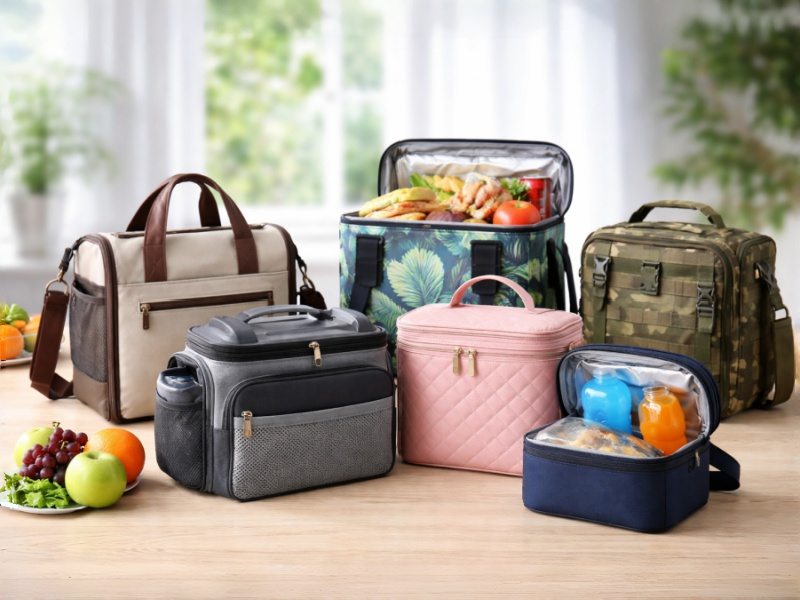
A lot of people think an insulated lunch bag is a simple product. It looks small. It feels familiar. It is often treated like a low-risk item in retail, school programs, office gifting, meal-prep collections, and private label sourcing. But that view misses the real reason this category keeps selling. An insulated lunch bag sits right at the intersection of daily convenience, food safety, portability, and repeat-use value. That combination makes it far more than a basic carry bag.
A standard tote can be judged mostly by appearance, print, and stitching. An insulated lunch bag is judged by those things too, but also by a harder : does it actually help maintain temperature in a useful, believable way? If the bag looks attractive but fails in daily use, the product will not earn repeat orders, positive reviews, or long-term trust. That is why serious product teams do not just ask about shape, color, and logo placement. They ask about insulation structure, lining materials, seam leakage, zipper closure, foam thickness, cleaning practicality, and how long the bag can realistically hold cold or warmth in real-life conditions.
This is also why the category creates confusion. often search for simple such as “How long do insulated lunch bags keep food cold?” or “Do insulated lunch bags work without ice packs?” But the truthful depends on more than one variable. Temperature retention is not magic. It is the result of layer construction, trapped air, radiant heat control, closure quality, pack-out method, food temperature at the start, and outside conditions during use. An insulated lunch bag slows heat transfer. It does not create cold by itself. It helps preserve the condition of food that was already packed properly, especially when paired with frozen gel packs or other cold sources. USDA both recommend insulated lunch bags with cold sources for perishable foods, and FDA guidance keeps the core food-safety rule very clear: cold food should stay at 40°F or below, while bacteria grow quickly in the 40°F to 140°F temperature zone.
That distinction is where smart sourcing starts. If you are launching a custom insulated lunch bag, you are not simply choosing a fashionable shell fabric. You are deciding what kind of performance claim your product can support, what user scenario it should serve, and what construction details must be protected during sampling and production. A child’s school lunch bag, a corporate promo cooler tote, a premium office meal bag, and a food-delivery support pouch may all look similar in product photos. In actual use, they may need very different structures.
Insulated lunch bags work by slowing down heat transfer between the food inside the bag and the warmer or cooler air outside. They usually combine an outer fabric, a middle insulation layer such as foam, and an inner lining that helps reflect heat and reduce temperature loss. They do not create cold or heat on their own. Instead, they help keep food at a safer temperature for longer, especially when used with frozen gel packs, chilled food, or pre-heated containers. Their real performance depends on materials, closure quality, bag size, pack-out method, and outside temperature.
The practical takeaway is simple. A good insulated lunch bag is not only about how it looks on a shelf. It is about whether the product’s structure matches the way the end user will really pack, carry, open, and reuse it. That is where thoughtful development pays off.
What Makes an Insulated Lunch Bag Different from a Regular Lunch Bag?
An insulated lunch bag differs from a regular lunch bag because it is built to slow temperature change, not just carry food. It usually includes layered construction, such as an outer shell, an insulation core, and an inner lining, while a regular lunch bag may only provide basic storage. In real use, that difference matters most when the user packs perishable food, dairy, cooked meals, fruit, or drinks that need a colder or more stable environment until mealtime. USDA guidance is clear that insulated lunch bags with cold sources are the safer choice for perishable lunches.
A regular lunch bag is mostly about transport. It helps organize food and keeps items together. In some cases, that is enough. For dry snacks, sealed crackers, whole fruit, shelf-stable products, or short commutes, a basic lunch pouch may work fine. The problem starts when the product category and the user expectation do not match. A bag can look padded or structured and still deliver weak thermal performance. That often happens when judge the product by thickness alone. Thickness helps, but insulation performance is not simply a matter of “more bulk equals better function.” The real is how the product handles conduction, convection, and radiant heat gain during normal use.
A true insulated lunch bag creates a more controlled micro-environment inside the bag. The outer material reduces direct exposure. The middle insulation layer traps air and slows heat movement. The inner lining helps reduce moisture absorption and may also reflect heat, depending on the material used. The zipper or top closure matters too. If the opening leaks air too easily, the insulation system loses much of its value. In other words, an insulated lunch bag works as a system. It is not just a fabric bag with shiny lining.
That is also why an insulated lunch bag should not automatically be treated as the same thing as a cooler bag. The two categories overlap, but they are not always identical. A lunch bag is usually sized for one person’s meal and daily portability. A cooler bag often aims for longer holding time, higher capacity, more ice compatibility, and stronger structure. Some lunch bags are soft, light, and foldable. Some cooler bags are boxier, thicker, and more rigid. For retail, that difference affects how the product should be described. For sourcing, it affects material planning, handle reinforcement, zipper selection, and the expected sample standard.
Another useful way to look at the difference is user behavior. Most people open and close lunch bags repeatedly. They may carry them in backpacks, office totes, cars, school lockers, or delivery boxes. That means ease of access, compactness, cleaning convenience, and visual appeal are part of the value equation. A product that keeps food colder for longer but is awkward to carry, hard to wipe clean, or too bulky for daily life may still disappoint. This is where regular bags sometimes outperform poorly designed insulated bags in perceived convenience. The best products do not force to choose between function and usability. They balance both.
From a brand perspective, this difference shapes product positioning. A budget promo lunch tote may only need modest insulation for short daily use. A premium private label lunch bag may need a cleaner silhouette, stronger lining, leak-resistant construction, and more polished hardware because the user is paying for both performance and lifestyle appeal. A school lunch bag may need cheerful printing, easy-open zippers, and stain-tolerant interiors. An office lunch bag may need a more neutral shape and mature color palette. In each case, “insulated vs regular” is not just a technical difference. It becomes a positioning choice, a pricing choice, and a product-development choice.
This is where many sourcing mistakes begin. A factory may receive a reference image and be told to “make it insulated,” but that instruction is too vague. Insulation level for what use? One chilled meal for four hours in an office? A child’s lunch from 7 a.m. to noon? A branded gift set with drinks and snacks? A small delivery route in warm weather? The word insulated sounds specific, but it is not specific enough for reliable development. Good sampling starts when the intended use becomes clear.
If your project involves a custom insulated lunch bag, the smartest move is to define the use scenario before you lock the shape. That will help your development team make better decisions on foam thickness, lining choice, closure structure, size, seam finishing, and the type of testing that matters before bulk production. If you want help turning a concept image into a product that feels right in daily use, you can reach J at info@jundongfactory.com.
How Do Insulated Lunch Bags Keep Food Cold or Warm?

Insulated lunch bags keep food cold or warm by slowing the movement of heat. They do this through layered construction: an outer shell, an insulating middle layer, and an inner lining. This structure helps reduce temperature exchange between the inside and outside of the bag. Still, the bag itself does not actively cool food. For cold meals, frozen gel packs or frozen drinks usually provide the real cold source, while the insulated bag helps preserve that cold for longer. USDA both recommend pairing insulated lunch bags with cold sources for perishable foods.
The simplest way to explain insulated performance is this: the bag buys time. It cannot break the laws of physics. It cannot turn room temperature food cold. It cannot keep hot food piping hot forever. What it can do is slow down the speed at which food moves toward the surrounding temperature. That slowing effect is exactly why the category works in real life. A packed lunch only needs to stay acceptably cold or warm for a limited window, not for an entire day in warehouse conditions. For school, office commutes, short errands, and daily routines, time control is enough.
There are three main paths of heat movement that the bag tries to resist. The first is conduction, where heat moves through direct contact. If cold food touches a warmer surface, temperature starts to equalize. The second is convection, where air movement transfers heat. Every time the bag is opened, outside air enters and the inside environment shifts. The third is radiant heat, such as warmth from sunlight or nearby hot surfaces. A good insulated lunch bag limits all three as much as possible, but not equally. That is why construction details matter more than many expect.
The insulation core is usually where the bag earns its name. Foam materials are common because they trap air and reduce heat flow. Air, when trapped in a stable structure, is a useful insulator. But the thickness of the foam is only part of the story. Too thin, and the bag loses temperature too quickly. Too thick, and the bag becomes bulky, costly, and less comfortable for daily carrying. This is one of the reasons lunch bags must be engineered differently from large cooler bags. The use case is smaller and more mobile, so the insulation strategy has to work within a tighter size and cost limit.
The lining matters too, and not only for appearance. An inner lining can help by reducing moisture absorption, making cleaning easier, and in some cases reflecting radiant heat. Shiny aluminum-style linings are visually associated with insulation, but the look alone does not guarantee strong real-world performance. Some lower-cost bags use reflective-looking interiors that add visual confidence without solving broader construction weaknesses. If the seams leak, the zipper gaps are loose, or the foam layer is inconsistent, the product may still underperform. That is why sample evaluation should never stop at “the lining looks insulated.”
Cold retention works best when the user packs the bag correctly.recommends two cold sources, such as frozen gel packs, frozen water bottles, or frozen juice boxes, and even suggests chilling the insulated bag itself before use for better results. USDA and later USDA school-year guidance also reinforce the idea of at least two cold sources placed around perishables. This tells us something useful from a product-design perspective: lunch bags should not only be insulated; they should also be designed to fit the way cold sources are actually packed. A beautiful bag with poor internal proportions may hold the food but not the cooling setup that keeps the food safer.
For hot food, the same principle applies in reverse. USDA advises pre-heating an insulated container with boiling water, then filling it with food heated to at least 165°F and keeping it tightly closed until lunch. Notice the wording: the guidance centers on an insulated container inside the bag, not the soft lunch bag alone. This is a useful correction for brands that want to make broad “hot food” claims. A lunch bag may help reduce heat loss, but truly effective hot holding often depends on the combination of an insulated food jar plus the bag. Without that combination, warmth retention may be modest.
Another factor that gets overlooked is empty space. Large bags packed with a small lunch often warm up faster because the cold source has more air volume to control. That means the internal size should match the intended meal format. Oversized lunch bags can be attractive in photos because they look generous and practical. But if the real use is one meal, one drink, and one ice pack, too much empty space may work against performance. A well-proportioned interior can do more for actual satisfaction than a bigger silhouette.
User behavior matters just as much as material science. If the bag sits in direct sun, inside a hot car, near a heater, or in a warm classroom, holding time drops. If it is opened often, holding time drops. If warm leftovers are packed next to cold items, internal temperature balance changes. If the gel pack is too small, poorly positioned, or already partially thawed, performance falls. In other words, when ask, “How do insulated lunch bags work?” the honest is not only about the bag. It is about the bag plus the way it is used.
That leads to an easy but valuable rule: never describe performance in a vacuum. It is better to define a bag around realistic use conditions than to chase vague claims like “super insulated” or “keeps food cold all day” without context. The strongest products are often the ones that make sensible promises and then deliver them consistently.
How Long Do Insulated Lunch Bags Keep Food Cold?
Insulated lunch bags usually keep food cold for several hours, but the exact time depends on the bag structure, the cold source used, the starting temperature of the food, the amount of empty space inside, and the outside environment.says perishables can stay safely cold until lunch when packed in an insulated bag with two cold sources. FDA keeps the safety benchmark clear: cold food should stay at 40°F or below. That means holding time is not one fixed number for every bag. It is a performance window shaped by real use conditions.
Many product listings throw out neat time claims like four hours, six hours, or eight hours as if those numbers apply universally. They do not. An insulated lunch bag is a passive thermal product. Passive products are highly sensitive to variables. The same bag may perform very differently on a cool office commute than in a hot vehicle, at a school field event, or on a summer worksite. That does not make the product unreliable. It means the claim has to be framed honestly.
The first variable is the starting condition of the food. Cold food packed straight from the refrigerator will hold safer temperatures longer than food that sat on a kitchen counter before packing. USDA repeatedly center safe packing around chilled food plus cold sources, not around room-temperature food placed in an insulated bag and expected to become protected afterward. This is a useful distinction for product education. The bag preserves. It does not reset.
The second variable is the quality and placement of the cold source. Two cold sources generally outperform one. Positioning also matters. USDA school-year guidance suggests placing one cold item above and one below perishables. That makes intuitive sense because heat enters from multiple directions, and surrounding the food improves temperature control. For design teams, this suggests that internal layout should be considered early. A narrow lunch bag may look sleek but leave no proper room for dual ice-pack placement. In that case, the user may blame the insulation when the real issue is packability.
The third variable is bag volume versus food load. This is one of the least discussed but most practical factors. A lightly filled bag with lots of air inside often performs worse than a fuller bag packed more tightly with chilled items and cold sources. Empty air is not always the friend people think it is. Trapped insulating air inside a foam layer helps; warm air circulating freely in a half-empty bag does not. That is why bag sizing is not just an aesthetic or capacity decision. It is part of thermal behavior.
The fourth variable is the ambient environment. FDA’s broader food-safety guidance notes that perishable foods should not be left out more than two hours, or more than one hour in temperatures above 90°F, because bacteria grow quickly in warm conditions. While that rule is not a lunch-bag-specific lab test, it reminds us that warm surroundings accelerate risk. A lunch bag carried from an air-conditioned office to a desk fridge is working under very different stress than a bag left in a hot car. Brands that want fewer returns and stronger user trust should explain these conditions clearly rather than treating all use environments as equal.
How long can a bag keep food warm? That depends even more heavily on the starting temperature and the use of proper containers. USDA guidance for hot lunches focuses on pre-heating an insulated container and filling it with food heated to 165°F. This suggests that a soft insulated lunch bag alone is rarely the full hot-holding solution. For warm food claims, a good product-development team should be careful. Cold-retention messaging tends to be easier to support than broad heat-retention promises, unless the system includes a thermal food jar.
This is also where product positioning becomes smarter when it is more specific. Instead of promising “all-day cold,” a well-written product brief might state that the bag is designed for morning pack to lunchtime use, paired with chilled food and suitable cold sources. That sounds less dramatic, but it is more credible, more user-friendly, and easier for a factory to support with sensible structure. Strong products are often sold by making the right promise, not the biggest promise.
The best approach is to define expected use in a simple sentence before sampling begins. For example:
- one adult lunch plus drink for a 4–5 hour office cycle
- one child school lunch from 7 a.m. to noon
- one promo gift lunch set for short same-day use
- one compact travel meal bag with freezer packs for commuting
Once that use case is clear, the product team can choose a more suitable combination of foam thickness, bag volume, lining, zipper quality, and handle structure. If you are developing a lunch bag and want the structure matched to real holding needs rather than guesswork, J can help review your idea and sample plan at info@jundongfactory.com.
Why Is Food Safety a Big for Insulated Lunch Bags?
Food safety is a big for insulated lunch bags because the product sits directly between prepared food and time. The bag is often expected to protect perishable meals until lunch, but that only works when temperature is controlled properly. FDA guidance says cold food should stay at 40°F or below, and bacteria grow quickly between 40°F and 140°F. USDA both recommend insulated lunch bags plus cold sources for perishable foods. That means food safety is not a side topic in this category. It is central to whether the product is doing its job well.
A lunch bag may look harmless as a product type, but the consequences of poor performance are more serious than in many soft-goods categories. If a tote bag zipper fails, the user gets annoyed. If a cosmetic pouch lining peels, the user feels disappointed. If an insulated lunch bag allows a perishable meal to sit too long in unsafe conditions, the user may face illness risk. That is why the product should be developed with a greater sense of responsibility than many lifestyle accessories.
The core food-safety issue is simple: time in the temperature danger zone. Once perishable foods spend too much time too warm, the bag has failed in the way that matters most. This is especially relevant for school lunches, employee commutes, daycare meals, travel snacks with dairy or meat, and meal-prep use. Consumers often use insulated lunch bags because they believe the bag is “taking care of” temperature control. That belief can be partially true, but only if the bag is used correctly. A good brand helps the user succeed. A careless brand leaves the user guessing.
That is why educational design matters. A thoughtful lunch bag product should make safe use easier, not harder. Size should allow room for cold packs. Lining should be easy to wipe clean after spills. Openings should be wide enough for efficient packing. If the bag is too narrow or oddly shaped, users may skip the gel pack or pack warm and cold items together badly. If the zipper catches, users may leave the bag partly open. If the lining traps moisture and smells bad after several uses, the user may stop cleaning it well. Food safety is influenced by all of these daily behaviors.
Cleaning is another part of the safety conversation. The insulated lunch bag category often deals with condensation, crumbs, sauce leaks, yogurt residue, fruit juice, or partially opened food containers. A bag that is difficult to wipe, slow to dry, or prone to absorbing odor can become unpleasant fast. Even when the insulation is technically adequate, poor hygiene experience can reduce perceived product quality and shorten repeat use. In this sense, food safety is not only about temperature; it is also about the bag’s ability to remain clean, practical, and reusable without becoming messy or unsanitary.
Brands should also be realistic about what the product can and cannot do. An insulated lunch bag is not a refrigerator. It is not a heated holding unit. It is not a substitute for proper food handling at home. FDA and USDA guidance consistently focus on pairing insulation with correct packing practices. That should shape product communication. Claims that overpromise may increase short-term sales, but they create long-term trust problems. The better path is to explain the role of the bag clearly: it helps maintain food at a safer temperature for longer when used with chilled food, cold sources, and sensible timing.
This also affects private label sourcing. If a brand wants to position an insulated lunch bag as premium, food safety confidence should appear in the structure, not just in the copywriting. The product should feel like it was developed by people who understood actual lunchtime behavior. Does it fit two cold sources? Does it wipe clean easily? Does it have enough structure to avoid collapse onto the food? Is the interior seam finish tidy enough to avoid trapping residue? Are there compartments that help separate food and utensils without wasting useful cooling space? Those details are rarely glamorous, but they are where good products win.
For factories and brands, one of the smartest moves is to treat insulated lunch bags less like “just another bag” and more like a soft goods plus thermal-use product. That small mindset shift changes the s asked during development. It encourages better sample review, clearer use-case definition, and stronger content for product and packaging inserts. It also leads to fewer misunderstandings between development teams and end users.
When food is involved, trust matters. And in this category, trust is built not by exaggeration but by thoughtful structure, honest claims, and product choices that make safer daily use easier.
Which Materials Are Used in Insulated Lunch Bag Development?
Insulated lunch bags are usually built from three working layers: an outer shell, a middle insulation core, and an inner lining. The outer shell affects durability, print quality, and the look of the product. The insulation core affects temperature retention and bag body. The lining affects wipe-clean performance, moisture resistance, and user experience. In practical development, most often choose outer materials such as polyester, nylon, Oxford fabric, canvas, RPET, or nonwoven, while the middle layer may use EPE foam, PE foam, EVA foam, or insulating cotton, and the inner layer often uses PEVA, EVA film, aluminum foil composite, or easy-clean laminated lining. Food-safety use still depends on proper packing and cold sources, not material choice alone.
Materials shape the entire product story. That may sound obvious, but in insulated lunch bags the material decision is doing more work than many people realize. It affects not only what the bag looks like on a product , but also what it feels like in hand, how easily it folds, how well it holds structure, how simple it is to clean, how expensive it becomes, and what kind of user trust it creates after repeated use. A lunch bag is not bought once in a vacuum. It is opened, zipped, wiped, carried, and repacked over and over. That means the “right” material is rarely the most premium-looking material by itself. The right material is the one that fits the product’s intended use and price level without creating avoidable weaknesses.
The outer fabric is where most start because it is visible. Polyester is popular because it is versatile, cost-controlled, printable, and familiar to factories. Oxford fabric variants are also common because they give the product a practical, everyday look while offering decent abrasion resistance. Nylon can create a slightly more premium feel and lighter hand, though it can push cost higher depending on the specification. Canvas gives a more natural or lifestyle-oriented appearance, which can work well for office lunch bags, gift lines, and eco-leaning retail collections, but it may require more careful thinking around stain visibility and wipeability. RPET is useful when a brand wants a recycled-material story, though the insulation and lining system still needs to be designed carefully so the sustainability message does not overshadow actual daily function.
The middle layer is where thermal behavior becomes more serious. This is the part many visual-first under-specify. A bag can look great in a sample photo and still feel disappointing in use if the insulation core is too thin, too unstable, or poorly bonded. Foam-based materials are common because they trap air and reduce the rate of heat transfer. But there is no universal “best thickness.” A school lunch tote may need one balance. A premium office meal bag may need another. A cooler-style lunch box may justify more thickness and stronger body. The challenge is not simply to maximize insulation. It is to choose a structure that protects the intended use case without making the bag unnecessarily bulky, awkward, or overpriced.
The inner lining is often where the user makes their quality judgment after the first week of use. That is because this layer deals directly with spills, condensation, stains, crumbs, and cleanup. A shiny foil-like lining may look “cold” and “insulated” in photos, which helps perception, but user satisfaction depends on what happens after yogurt leaks, fruit juice drips, or the bag needs a fast wipe before the next morning. If the lining creases badly, tears early, traps odor, or becomes difficult to clean around the seams, the product may feel cheap even if the outer shell still looks fine. In this category, cleanability is not a side feature. It is one of the reasons the product continues to be used instead of being abandoned in a closet.
That is why material development should not stop at the classic , “What fabric do you want?”
- Should the bag feel soft and flexible or more structured?
- Should it stand up on its own?
- Is the bag meant for children, office workers, corporate gifting, or retail lifestyle use?
- Does the user care more about foldability, shape retention, or easy wiping?
- Is visual texture part of the value, or is a smooth, practical finish better?
- Will the bag be printed heavily, branded minimally, or sold as a premium plain design?
Material decisions become more precise when the product brief stops being decorative and starts being behavioral. A school bag often benefits from forgiving surfaces, practical lining, and sturdy but not overbuilt structure. A branded promo lunch bag may prioritize cost control, printable area, and acceptable short-cycle function. A private label line aimed at adult commuters may lean into cleaner silhouettes, more polished fabric, and a less toy-like construction. A meal-prep brand may need a more boxy format that supports food containers neatly and leaves room for two cold sources. The same category name covers very different product jobs.
Another are often overlook is the relationship between material choice and stitching logic. Some materials are more forgiving during sewing. Some hold shape better at the corners. Some work better with piping. Some distort more when foam is laminated beneath them. Some print beautifully but reveal every stitch wobble. Some create a premium matte appearance but scratch or crease too easily in transport. Good development does not treat materials as isolated ingredients. It treats them as part of the bag’s full construction behavior.
For this reason, sample review should always include more than color and logo approval. The buyer should evaluate how the fabric feels when lifted, whether the bag collapses too easily when partly full, how the lining behaves when wiped, whether the zipper path stays smooth, and whether the insulation layer makes the bag feel thoughtfully built rather than puffy without purpose. A lunch bag succeeds when all three layers work together. If one layer is selected only for cost and another only for appearance, the product can easily lose coherence.
A practical way to compare material options is to think in terms of trade-offs:
| Material Area | More Premium Direction | More Cost-Control Direction | Main Concern |
|---|---|---|---|
| Outer shell | Nylon, textured RPET, heavier canvas | Polyester, Oxford, nonwoven | Look, feel, print, abrasion |
| Insulation core | Better body, thicker foam, more stable structure | Thinner foam, lighter build | Holding time, bulk, comfort |
| Inner lining | Smoother easy-clean laminated lining | Basic foil/film composite | Cleanup, smell, crease resistance |
The table is simple on purpose. In real projects, the best result usually comes from balancing these three layers rather than over-investing in one and ignoring the others.
If your team is developing a custom insulated lunch bag, one smart move is to review two or three full construction combinations, not just one fabric swatch card. That approach makes comparison easier because are judging the system, not only the materials in isolation. If you want J to help map the structure around your target use, logo method, and price level, you can reach the team at info@jundongfactory.com.
What Types of Insulated Lunch Bags Are Common?

The most common insulated lunch bag types include soft lunch totes, box-shaped lunch bags, foldable lunch bags, backpack lunch bags, dual-compartment styles, bottle-and-meal sets, and small cooler-style lunch carriers. The right type depends on who will use the bag, how long the food needs to stay cold, what kind of containers are packed inside, and how much importance the brand places on appearance versus structure. Since food safety relies on keeping perishables cold with cold sources, the best bag type is usually the one that fits the user’s actual packing behavior, not the one that looks biggest or thickest.
The category looks simple from a distance, but once you break it into real use cases, the differences become much more useful. A soft lunch tote is one of the easiest entry styles because it is light, familiar, and often attractive in gifting or school settings. It can work well for sandwiches, fruit, drinks, and small containers. The advantage is convenience. The risk is that some soft totes sacrifice internal efficiency. They may look stylish but fail to fit cold packs and meal items in a way that keeps food organized and protected. In this style, internal proportions matter more than people expect.
The box-shaped lunch bag is usually the most practical starting for structured use. It works well when the user packs rectangular food containers, a drink, snacks, and cooling elements in a predictable daily layout. This type is popular for office workers, meal-prep programs, and who want the product to feel more purpose-built than a casual tote. It also tends to support clearer zipper openings and easier pack-out. The downside is that it can look less fashionable if not designed carefully. So the challenge is to make it feel clean and modern without losing the practical shape that makes it perform well.
Foldable insulated lunch bags appeal to who want portability and space-saving convenience. These can be good for light use, promo projects, and travel-friendly collections. But foldability can be a trap if it is treated as the main story. The more compressible the bag becomes, the more likely structure, standing ability, and zipper stability may suffer. That does not mean foldable is bad. It means the bag should be developed around honest expectations. A foldable lunch bag can be a smart everyday item if the user values compact storage and moderate thermal support. It becomes a weak product only when the promise is inflated beyond what the structure is built to do.
Backpack-style insulated lunch bags serve a different kind of user. They are useful for longer commutes, hands-free carrying, school, light outdoor use, or family-oriented routines where the bag may need to travel more actively. They can also create a stronger product presence in retail because they look more substantial. But once straps enter the design, the bag stops being a simple lunch pouch and becomes a small carry system. That affects cost, reinforcement logic, comfort, and visual positioning. In some cases, backpack lunch bags are the right . In others, they add too much complexity for a product that only needs to move from kitchen to office.
Dual-compartment designs are another popular format because they offer separation. One compartment may hold food containers while the other holds fruit, utensils, napkins, snacks, or cooling elements. Sometimes this separation improves user experience a lot. Sometimes it only creates wasted space and harder cleaning. The value depends on how thoughtfully the compartments are arranged. A top-and-bottom layout can be useful if the user packs different food formats. But it can also reduce flexibility if the compartments are too shallow or oddly proportioned. The idea is attractive. The execution must be practical.
Then there are promo-oriented insulated lunch bags. These often prioritize visible logo area, manageable unit cost, and enough function to feel useful without becoming over-engineered. That is a very legitimate category, but it should not be confused with a premium private label lunch bag. A promotional lunch bag may be perfectly acceptable with simpler structure and shorter use expectations. A retail product sold under a lifestyle brand has to survive harsher judgment. The user will notice the handle feel, zipper smoothness, lining wrinkles, edge finish, standing ability, and whether the bag still looks good after repeated use. The bag type should match that commercial reality.
Another useful distinction is kids’ lunch bags versus adult lunch bags. Children’s lunch bags often benefit from cheerful graphics, lighter weight, simple openings, and dimensions that fit a school meal rather than oversized containers. Adult lunch bags, especially office-use versions, often need a more understated look and a shape that works with meal-prep boxes, beverages, and commuting habits. A bag that looks perfect for school may feel too playful for workplace use. A clean corporate-looking lunch bag may feel too plain in a children’s assortment. The type is not only structural. It also carries an identity signal.
This is why brands should avoid treating the category as one-size-fits-all. A better way to choose the type is to define the user in one sentence:
- office commuter with one meal and drink
- child carrying lunch until noon
- retail lifestyle shopper wanting a neat daily bag
- promo recipient using the item a few times a week
- travel user needing compact portability
- meal-prep shopper carrying containers consistently
Once that user is clear, the bag type becomes easier to choose rationally.
Here is a practical comparison:
| Type | Best For | Strength | Common Risk |
|---|---|---|---|
| Soft lunch tote | School, gifting, casual daily use | Light, friendly, easy to style | Weak internal efficiency |
| Box lunch bag | Office, meal prep, structured use | Better pack-out and shape | Can look too basic if poorly styled |
| Foldable lunch bag | Travel, promo, convenience | Easy to store | Less structure, lower perceived performance |
| Backpack lunch bag | Commute, school, active carry | Hands-free, larger visual value | Higher cost, more complexity |
| Dual-compartment bag | Mixed meal formats | Better separation | Wasted space if poorly planned |
The strongest product lines usually win because they choose the right type for the use case, not because they try to make one design serve everyone.
Who Buys Custom Insulated Lunch Bags and Why?
Custom insulated lunch bags are commonly bought by private label brands, retailers, schools, meal-prep programs, corporate gifting teams, event organizers, wholesalers, and promotional product companies. They buy them because the category combines everyday usefulness with branding space and repeat-use visibility. Unlike one-time giveaways that get discarded quickly, a practical lunch bag can stay in use for months or even longer if the structure feels reliable and easy to clean. Since safe use depends on insulation plus cold sources for perishable foods, the product also gives brands a credible function story rather than pure decoration.
The first group to understand is private label brands. These are often not looking for “a lunch bag” in the generic sense. They are building a category story. They may want the product to fit a lifestyle identity such as meal prep, office routine, active commuting, family organization, wellness, fitness, school, or eco-conscious daily carry. For them, insulated performance matters, but so does silhouette, fabric feel, color balance, interior usability, and how the product sits beside the rest of the brand line. A weak lunch bag can lower the perceived standard of a whole collection. A well-developed one can become a repeat-order item because it naturally fits daily habits.
Retailers buy for a slightly different reason. They need products that are understandable quickly. The category helps because the value proposition is easy to grasp: carry lunch, help keep it colder or more stable, bring it anywhere. But retailers also know that visual differentiation matters. Many insulated lunch bags look interchangeable online. That means the custom opportunity is not always in inventing a new category. Sometimes it is in improving proportion, printing, internal layout, handle feel, or the balance between style and practicality. Even small upgrades can make the product feel more considered and easier to sell.
Schools and education programs are another strong buyer group, but their priorities are often more practical. They care about size, ease of use, child-friendly closure, simple cleaning, and visual appeal that speaks to children or parents. They may not need luxury details. They do need reliability and sensible structure. A school lunch bag that is too fiddly, too floppy, or too hard to wipe clean creates friction immediately. In this segment, product success often comes from removing frustration rather than adding features.
Corporate gifting teams buy insulated lunch bags because they solve a common promo problem: usefulness. Many branded giveaway items have poor staying power. A lunch bag can avoid that if it is developed with enough quality to feel worth keeping. This is especially true for employer wellness programs, conferences, employee welcome kits, sustainability-themed gifting, and health-oriented campaigns. The mistake some make is treating the lunch bag as a pure logo carrier and cutting too much on structure. When that happens, the item may still be distributed, but it will not become a visible brand asset over time. A better promo lunch bag does not need to be luxurious. It just needs to feel dependable in real daily use.
Meal-prep brands and food-adjacent programs buy for even more direct reasons. They want the bag to fit containers. They want the internal proportions to make sense. They often care about cold-pack compatibility, easy wipe-clean lining, and an appearance that supports the idea of organized, disciplined, healthy routine. In this niche, lunch bags are not just accessories. They are part of the system the brand is selling.
Wholesalers and importers often look at the category through a broader commercial lens. They may want a dependable base model that can be adapted across different colors, prints, channels, and groups. They care about cost control, unit consistency, scalable production, and whether the item can flex from promo to retail-lite use without being redesigned from zero every time. For these , custom development is often less about inventing and more about building a usable platform product.
That is why the words custom, private label, and OEM/ODM can mean slightly different things depending on the buyer. Some want a fully original shape. Some want a strong stock-style base with new print and logo treatment. Some want a small number of structural changes that improve fit and perceived value. Some want packaging and labeling aligned to a retail shelf. Some only need speed and cost efficiency with acceptable quality. A good factory should recognize these differences quickly and not push the same development path on every client.
The best is not “Who buys insulated lunch bags?” but “Why is buyingthis this version of the category?”
- For some, it is a lifestyle product.
- For some, it is a practical school item.
- For some, it is a logo-bearing gift.
- For some, it is a line-extension item.
- For some, it is a volume-friendly staple with stable reorder potential.
Once that reason is clear, the right material level, structure, and price target become easier to define.
How Does a Factory Develop a Custom Insulated Lunch Bag?
A factory usually develops a custom insulated lunch bag through a step-by-step process: brief review, reference confirmation, material selection, size and structure planning, sample making, sample revision, cost confirmation, and bulk production approval. For this category, the process works best when the brand defines the intended use early, because insulation performance depends on construction, pack-out logic, and closure quality, not just on appearance. Food-safety guidance around keeping perishables cold with insulated bags and cold sources makes it especially important to match the structure to real use rather than vague claims.
The process usually starts with a concept, but that concept may arrive in very different forms. Sometimes it is a clean technical brief with dimensions, target material, logo method, and unit cost goal. Sometimes it is only a competitor link or one image saved from a retail site. Sometimes the buyer only knows that they want “an insulated lunch bag for office use” and needs help turning that into a product. A capable factory should be comfortable working at different starting levels, but the outcome improves dramatically when the client can describe the intended user and meal format early.
The first serious step is not the sample itself. It is the feasibility conversation. This is where the factory should clarify bag size, meal capacity, insulation level, opening style, carry mode, logo application, and expected price . Many lunch bag problems begin because this stage is rushed. A nice-looking sketch can hide practical s such as: Will standard meal containers actually fit? Is there room for two cold sources? Should the bag stand by itself? Does the buyer want foldability or stronger shape retention? Is wipe-clean performance more important than fabric texture? Without these , the first sample may look acceptable yet still be wrong.
After that comes material and construction matching. This is where the outer shell, foam structure, inner lining, zipper path, handle attachment, and any pockets or compartments start to take shape together. In many categories, a client may focus mostly on visible material. In lunch bags, the invisible parts matter more than usual. A bag with attractive print but poor internal logic is not a successful sample. Factories that really understand this category tend to discuss the full system early rather than simply asking for logo artwork and fabric color.
The sample stage itself should be treated as a decision tool, not as a decorative milestone. A first sample is where the buyer should evaluate:
- Does the bag feel proportionally right?
- Do the intended containers and cold packs fit comfortably?
- Does the zipper open wide enough for easy packing?
- Does the handle feel balanced when the bag is full?
- Does the lining wipe clean easily?
- Does the bag collapse too much, or is it too stiff for its use?
- Does the logo look properly integrated rather than pasted onto a generic bag?
This is also where smart test behavior, not just appearance. Put actual containers inside. Add a frozen gel pack or bottle. Carry the bag for a few minutes. Open and close it several times. Wipe the lining after placing a little moisture inside. These simple actions often reveal more than static photos ever can.
Revision is normal, and in this category it is often worthwhile. Many of the most useful changes come from small adjustments: the zipper opens more cleanly after the corner curve is modified; the internal height is increased slightly so the gel pack fits above the container; the handle drop is improved so the bag feels less cramped in hand; the foam is adjusted so the body looks tidier when partly full. None of these changes are dramatic. Together, they can turn an average lunch bag into one that feels much more intentional.
Once the sample direction is approved, the development conversation moves toward cost confirmation and bulk planning. This is where the buyer and factory should lock the specifications that most affect quality consistency: outer material code, insulation structure, lining type, dimensions, logo process, zipper quality, color references, packaging, and labeling details. If these remain loose, “quote drift” and “sample-to-bulk drift” become more likely. That is especially risky in a category where the bag’s feel and internal usability matter so much.
A well-run process also respects what not to promise. Insulated lunch bags are passive thermal products. That means the factory should be careful about exaggerated holding-time claims unless a specific test standard and use scenario have been agreed. Honest development tends to create stronger long-term partnerships because the buyer feels guided instead of oversold.
A useful custom development flow often looks like this:
| Stage | What Should Be Confirmed |
|---|---|
| Project brief | User, meal format, size, positioning, price level |
| Feasibility review | Structure, insulation level, closure, carry method |
| Material planning | Outer shell, foam core, lining, logo process |
| First sample | Shape, usability, fit, feel, basic construction |
| Revised sample | Corrections to size, details, handling, perception |
| Bulk approval | Final specs, packing, labels, timeline, QC checkpoints |
The smoother this process is, the more confidently a lunch bag can move from idea to repeatable bulk production.
If your team wants help with sample planning, structure suggestions, or turning a reference image into a workable insulated lunch bag, J can review the project with you at info@jundongfactory.com.
What Affects the Price of an Insulated Lunch Bag?

The price of an insulated lunch bag is mainly affected by size, outer material, insulation thickness, lining type, zipper and handle quality, logo method, packaging, order quantity, and construction complexity. A simple promo lunch tote and a more structured private label lunch bag may both belong to the same category, but their unit economics can be very different. The smartest way to control cost is not to strip quality blindly. It is to identify which details truly support the intended use and which ones add cost without adding enough user value.
Price mistakes usually happen when treat the category as visually simple and assume the cost should also be simple. But insulated lunch bags are layered products. Even a compact bag combines shell material, padding, lining, closure, branding, labor, and packaging. That means cost is rarely controlled by one big lever alone. It is usually shaped by several small choices that add up.
Size is the obvious factor, but it is not just about more material. A larger bag often changes the product’s handling, shape retention needs, zipper path, and reinforcement requirements. It may also require thicker insulation or stronger handles if the user is expected to carry heavier meals and drinks. So when the bag grows, cost does not always rise in a straight line. Sometimes size also pushes the product into a more structured construction category.
Material choice is another major factor. Outer fabric affects more than surface appearance. It affects how premium the product feels, how clean the print looks, and how stable the sewing result is. Some materials are easier to handle in bulk, while others create more waste, more visible sewing sensitivity, or more variation in finished appearance. The lining also matters. A better lining may improve cleanup and user satisfaction, but it adds cost. The insulation core is similar. More thickness or better body can support perceived value, but once the bag becomes too bulky or overbuilt for its purpose, that extra cost becomes hard to recover commercially.
Logo application is often underestimated in lunch bag costing. A simple one-color print may be straightforward. A woven patch, embroidery, high-density print, or multiple logo positions adds labor and sometimes setup cost. The same goes for decorative trim, contrast piping, webbing details, pockets, bottle holders, or dual compartments. None of these are necessarily wrong. They just should be justified by the product’s target positioning. Too many mid-level details can quietly turn an affordable lunch bag into an awkwardly priced one without creating a premium enough result.
Order quantity still matters a lot. Higher volume spreads setup, material efficiency, and production planning more effectively. Low MOQ custom projects are absolutely possible, but should expect the unit price to carry more of the development and setup weight. This is where many first-time brands need honest guidance. Sometimes the best move is not to cut quality further. Sometimes it is to simplify the design slightly so the product can stay commercially realistic at the intended quantity.
Packaging and compliance-related details can also shift price more than new expect. Individual polybags, printed inserts, hangtags, barcode labels, carton marks, and retail-ready packaging are all manageable, but they should be treated as real cost elements, not afterthoughts. In export projects, these details are part of delivery quality, not optional decoration.
A useful way to think about lunch bag costing is to separate details into three groups:
| Cost Group | Examples | Keep / Simplify Decision |
|---|---|---|
| Non-negotiable function | insulation layer, usable size, zipper quality, cleanable lining | Usually keep |
| Perceived value upgrades | better fabric handfeel, neater trim, nicer handle, subtle branding | Choose selectively |
| Decorative add-ons | extra pockets, heavy trim, unnecessary panels, complex contrast details | Simplify if price is tight |
This kind of cost sorting helps stay disciplined. It protects the parts that support actual user satisfaction while giving room to trim the parts that mostly inflate complexity.
The best price conversations happen when the buyer shares not only a target number, but also the intended channel and product role. A lunch bag for a promotional campaign has one job. A lunch bag for a private label retail line has another. The price structure should respect that difference.
Which Features Make the Best Insulated Lunch Bags?
The best insulated lunch bags usually combine useful insulation, easy cleaning, sensible internal proportions, smooth zipper access, reliable handle construction, and a shape that fits the user’s daily routine. They do not need to be overloaded with features. In fact, many of the best-performing designs are strong because they do a small number of things very well. Since cold retention depends on proper food packing and cold sources, the most valuable feature is often not something flashy. It is the way the bag quietly makes safer, easier, more repeatable use possible.
One of the most useful features is an easy-clean interior. This should not be treated as a low-level detail. Lunch bags deal with moisture, leaks, fruit residue, crumbs, sauces, and daily wiping. A bag that is difficult to clean becomes annoying quickly, and annoyance kills repeat use. A smooth, wipe-friendly lining with tidy seam finishing can do more for satisfaction than a decorative outside pocket that looks nice in a photo but adds little daily value.
A practical opening is another feature that separates strong products from average ones. A lunch bag should not fight the user every morning. If the zipper opening is too narrow, the bag becomes awkward to pack. If the corners are too tight, containers catch on the lining. If the opening is large but the body collapses badly, the bag may feel floppy and messy. Good design balances openness with enough body to stay manageable. That balance often matters more than adding more compartments.
Leak resistance is often requested, but it should be discussed carefully. Some use “leakproof” loosely when what they really want is a wipe-clean lining and some spill tolerance. A fully leak-resistant construction can require more exact design and material handling. It can be a useful feature, but only when the buyer is clear about what level of protection is actually needed. The wrong move is to throw the word into the brief without defining what everyday use is supposed to look like.
Handle construction matters too. A lunch bag may be small, but it is often carried with food, drinks, containers, utensils, and cold packs inside. That adds up. Weak handles make the product feel cheap very fast. Good handle attachment does not have to look heavy or industrial. It just has to feel dependable. This is one of those details users rarely praise directly, but they notice immediately when it fails.
Shape retention is also underrated. Many people think a lunch bag only needs to be soft and light. But a lunch bag that collapses too much when partly full can be harder to pack, harder to wipe, and less visually appealing after a few weeks of use. On the other hand, too much stiffness can make the product bulky and less comfortable for daily carry. The best bags find a middle ground where the structure supports the user without becoming rigid for no reason.
Other useful features depend on the segment:
- bottle holders can help in family or school use
- front pockets can support utensils or napkins
- name labels may matter in school channels
- removable shoulder straps may matter in commute-oriented products
- dual sections may help if the meal format justifies separation
But none of these are universal “must-haves.” Features only create value when they match real use.
A helpful design rule is this: the best lunch bag feels easier to use after a week, not more impressive only on day one. That is the right standard for feature selection.
How Should Test Samples Before Placing a Bulk Order?

Before placing a bulk order, should test an insulated lunch bag sample for size accuracy, real packing fit, zipper operation, handle strength, shape retention, lining cleanup, logo quality, and overall user feel. For this category, a good sample review should also include a practical packing test with actual containers and cold sources, because food safety guidance depends on keeping perishables cold with insulated bags plus cold packs rather than on appearance alone.
The first mistake make is evaluating the sample like a photo prop. A lunch bag is a behavior product. It must be handled. So once the sample arrives, the buyer should pack it as the end user would. Put in a food container, drink, snack, and cold source. Zip it fully. Carry it. Reopen it. Wipe the lining. Set it down half full. This kind of simple handling reveals whether the bag actually behaves well.
Fit testing is critical. Does the bag comfortably hold the containers the brand intends to sell or recommend? Is there room for at least one or two cold sources without crushing the food? Does the top close cleanly when the bag is packed realistically, not just when it is empty? often approve dimensions on paper that feel wrong in actual use. The sample is where that should be caught.
Construction review should focus on the user’s touchpoints. Check whether the zipper glides or catches. Look at the corner sewing where stiffness often creates problems. Lift the bag by the handle when full. Does it feel balanced? Does the body twist awkwardly? Open the interior and inspect seam neatness. The lining does not need to look luxurious, but it should feel intentionally finished, not careless.
Cleaning is another practical test. Place a small amount of water inside, then wipe it out. This is not a lab test. It is a user test. Does the lining clean easily? Does moisture get trapped in seam folds? Does the bag hold shape while being wiped, or collapse into itself too much? These everyday reactions matter.
A useful sample review checklist can look like this:
| Sample Check | Why It Matters |
|---|---|
| Internal fit | Confirms containers and cold sources work in real life |
| Zipper path | Affects daily convenience and perceived quality |
| Handle feel | Signals reliability quickly |
| Lining cleanup | Supports repeat use and hygiene |
| Shape retention | Changes usability and shelf appeal |
| Branding result | Affects retail or promo perception |
The best time to be demanding is before bulk approval. Once mass production starts, fixing the wrong size balance, poor zipper path, or frustrating opening becomes much more expensive.
How to Choose the Right Factory for an Insulated Lunch Bag Project
The right factory for an insulated lunch bag project is one that can do more than sew a bag shape. It should be able to translate your use case into structure, guide material decisions, sample the product thoughtfully, communicate clearly, and keep bulk output consistent. Because insulated lunch bags sit close to food use, the factory should also be realistic about thermal performance and not rely on exaggerated promises. Guidance from USDA, FDA, makes the safe-use baseline clear: insulated bags help most when used with cold sources and proper packing practices.
If a team only asks for your logo and color and never asks about meal format, use scenario, target user, or price level, that is usually a weak sign. The project may still get made, but it will likely be developed too generically. Strong factories know that a school lunch bag, a lifestyle retail lunch tote, and a corporate promo bag should not all be sampled the same way.
Communication quality matters a lot. Sample updates should be clear. Problems should be explained, not hidden. If a certain shape causes zipper stress, if the requested proportions make cold-pack fit difficult, or if a material choice will create a weak result at the target price, the factory should say so. That kind of honesty is useful. Silence is not.
Experience with custom bag development, not just mass sewing, is another key factor. You want a team that understands how to move from idea to workable sample, not just one that waits for a fully finished tech pack. This matters especially if your project is still evolving.
A smart factory choice usually comes down to these s:
- Do they understand the category’s real use?
- Can they suggest structure, not only take instructions?
- Do they sample carefully?
- Are they honest about trade-offs?
- Can they keep quality stable in bulk?
- Do they communicate in a way that reduces confusion?
If the is yes, the project is already on much better ground.
Final Guide: Are Insulated Lunch Bags Worth Launching?
Yes, insulated lunch bags are worth launching when the product is built around real daily use, practical structure, and believable performance. The category stays relevant because it solves an everyday need: carrying food more safely and conveniently for several hours, especially when used with chilled food and proper cold sources. Government food-safety guidance reinforces why the category matters: insulated bags help keep perishables colder for longer, but they work best when paired with cold packs and sensible handling.
For brands, the opportunity is strong because this category combines function, repeat-use visibility, and customization flexibility. But it is not a category that rewards lazy development. The strongest insulated lunch bags are not simply cute or thick. They are proportioned well, easy to clean, comfortable to carry, and matched to a clear use scenario. That is what creates positive product experience and better reorder potential.
If you are sourcing for retail, gifting, school programs, meal-prep lines, or private label projects, the best move is to define the use case early, sample carefully, and protect the details that matter most in daily life. That approach usually creates a better product than chasing the lowest price or the loudest claim.
If you want help turning an insulated lunch bag idea into a clear sample plan, material direction, and bulk-ready product, contact J at info@jundongfactory.com.
FAQ 1. Do insulated lunch bags actually work, or are they mostly a convenience product?
Yes, insulated lunch bags do work, but they work by slowing temperature change, not by creating cold on their own. That distinction matters more than many people think. A good insulated lunch bag can be a very practical product for school, office, commuting, meal prep, travel, and branded daily-use programs, but its performance depends on how the bag is built and how the food is packed. USDA, FDA, all support the same basic idea: perishable food should be kept cold with insulated packing plus cold sources, and cold food should stay at 40°F or below to reduce bacterial growth.
What makes this category easy to misunderstand is that people often expect the bag to “do the cooling.” It does not. The real cold comes from the food starting cold, from frozen gel packs, from frozen drinks, or from other cold sources packed with the meal. The insulated bag helps protect that cold by slowing heat transfer from the outside environment. So when people ask whether insulated lunch bags work, the honest is yes, but as part of a system. If the lunch is packed at room temperature, placed in a warm bag, and carried in a hot car, even a decent bag will have a much harder time doing its job.
This is also why two bags that look similar can perform very differently. One may have a better insulation layer, a cleaner zipper closure, less heat leakage around seams, and an inner lining that handles moisture better. Another may look padded but be built more for appearance than daily thermal use. That gap matters in real product development. A lunch bag is not judged only by how it photographs. It is judged by how it behaves after repeated opening, wiping, carrying, and packing.
For brands, this means the category deserves more respect than a standard soft bag project. If you are launching a custom insulated lunch bag, you are not only choosing colors and logos. You are also choosing how much confidence the user will feel when placing a meal inside. That affects repeat use, review quality, and whether the item becomes a throwaway promo piece or a product people actually keep. A useful insulated lunch bag is one of those items that quietly earns loyalty because it helps daily routines feel easier.
Another reason this matters is trust. In this category, overpromising is dangerous. A product that claims too much but delivers ordinary performance can disappoint quickly. A product that is honestly developed around a realistic use case often performs much better in the hands of the end user. That is one reason strong bag development should always begin with who the bag is for, what kind of meal it will hold, how long it needs to perform, and whether the user will carry ice packs or frozen drinks.
So yes, insulated lunch bags work. But they work best when the design, packing method, and use conditions all support each other. If your team wants to create a custom insulated lunch bag that feels dependable in real daily use, that is the stage where experienced product guidance makes a real difference.
FAQ 2. How long do insulated lunch bags keep food cold in real life?
In real life, insulated lunch bags usually keep food cold for several hours, but there is no single number that applies to every bag, every meal, and every environment. That is the most accurate way to frame the . notes that with two cold sources, perishables should stay safely cold until lunchtime, and both FDA and USDA keep the temperature target clear: cold food should stay at 40°F or below. CDC also reinforces the broader food safety rule that perishable food should not remain too long in the 40°F to 140°F danger zone, and that the outer environment matters a lot.
The reason there is no fixed “4-hour” or “6-hour” is simple: insulated lunch bags are passive thermal products. That means performance changes depending on several real-world factors. The starting temperature of the food matters. Food packed directly from the refrigerator stays safer longer than food prepared early and left on the counter before packing. The quality and number of cold sources matter too. A bag with two frozen gel packs or frozen drinks usually performs better than the same bag with one small cooling element. Placement matters as well. USDA guidance says using two cold sources, with one above and one below the food, helps keep perishables safer.
The outside environment also changes everything. An insulated lunch bag carried from home to an air-conditioned office and kept indoors all morning is working under much easier conditions than a bag left in a warm classroom, a parked vehicle, or an outdoor setting. FDA guidance notes that perishables should not be left out too long, and high heat shortens safe holding time further. So when a brand or importer wants to place a holding-time claim on packaging or product , it is far smarter to tie that language to realistic use conditions rather than present one universal number that sounds neat but misleads the end user.
Internal bag volume is another factor often miss. If the lunch bag is oversized for the meal inside, there is more warm air volume to control. A better-fitting bag often performs more efficiently than a large one with lots of empty space. This is why structural proportion is a real performance issue, not only a styling issue. A bag that looks generous in photos may not be the strongest product if real meals sit loosely inside with too much extra air.
For product teams, the better is not “How long does an insulated lunch bag keep food cold?” but “Under what packing and use conditions should this bag perform well?” That leads to better product briefs, better sample testing, and stronger user communication. It also helps separate mass-market promo logic from more serious private label development.
A useful planning method is to define the use case in one sentence before the sample is made. For example:
- one child’s lunch from 7:00 a.m. to noon
- one office meal plus drink for a 4–5 hour workday cycle
- one branded gift lunch set for same-day commuting
- one compact commuter meal bag with two freezer packs
That kind of clarity helps a factory choose a more suitable size, insulation structure, and lining system. If the product has to serve real daily use, real-life performance needs to be designed in from the start rather than guessed after the sample arrives.
FAQ 3. Do insulated lunch bags need ice packs, or is the insulation alone enough?
For perishable food, insulated lunch bags should be used with cold sources. Insulation alone is usually not enough for reliable temperature control. This is one of the clearest in official food safety guidance. USDA says lunches with perishable foods should be packed with at least two cold sources, makes the same recommendation, suggesting items like frozen water bottles, frozen juice boxes, or freezer packs. FDA guidance also keeps the temperature target clear: cold food should stay at 40°F or below.
That does not mean insulation is unimportant. It is still doing essential work. The insulation helps protect the cold source from outside heat and slows the rate at which the contents warm up. But a soft insulated lunch bag is not an active cooling device. It does not generate cold by itself. So when someone packs yogurt, cooked chicken, cheese, deli meat, seafood, or other perishable foods into a lunch bag without frozen support, the bag has much less ability to keep that meal safely cold for long enough. In other words, the insulation preserves cold; it does not replace it.
This matters a lot in product design because the need for ice packs affects the internal layout. A lunch bag that holds a sandwich and fruit but leaves no sensible room for two slim gel packs may look attractive, yet still be less practical than expected. USDA’s later back-to-school guidance even notes that a good lunchbox should fit at least two cold sources, with one placed above and one below the food when possible. That is a very useful design signal for brands and developers. It tells us that size planning is not only about the food items. It is also about the cooling setup the user needs to pack around them.
The same principle applies to hot foods in reverse. USDA advises using an insulated container for hot meals, pre-heating it properly, and filling it with hot food before putting it into the lunch setup. This means that even for warm-food positioning, the lunch bag often works best as part of a broader holding system rather than as the only temperature-control element.
This leads to a simple but valuable rule: design for realistic packing behavior. Ask what the user will actually put inside. Will there be one container or two? A drink? A freezer pack? A utensil pouch? A folded napkin? Too many lunch bags are sampled around visual references instead of real-use geometry. That creates products that look correct in photos but frustrate the end user when the cold pack has nowhere sensible to go.
FAQ 4. What factors make one insulated lunch bag perform better than another?
The biggest factors are construction quality, insulation thickness, lining performance, closure design, internal size balance, and how the food is packed. That is why two insulated lunch bags that look similar online can feel very different in daily use. Official food safety guidance from USDA, FDA, keep perishables cold with insulated packing plus cold sources, and keep cold foods at 40°F or below. The bag’s job is to help protect that colder environment for longer.
The insulation layer is the first place people look, and it does matter. A better insulation core slows heat transfer more effectively than a weak one. But thickness alone is not the whole story. A very bulky bag may still disappoint if the zipper leaks air easily, if the corners are poorly finished, or if the lining wrinkles and traps moisture. In practice, lunch bag performance is a system result. The outer shell, the middle insulation, the inner lining, and the closure all have to work together.
The closure design is more important than many expect. Every gap near the zipper or opening makes it easier for warm air to enter and for the controlled internal temperature to shift. A lunch bag with a more complete closure path usually protects its contents better than one with loose openings or poorly shaped access . This is one reason sample review should always include repeated opening and closing. The bag should feel smooth and practical, not only neat when photographed empty.
The internal size relationship between bag and contents also changes results. A bag that is too large for the meal inside often contains extra air space that makes cooling less efficient. A properly sized bag can outperform a larger one simply because the cold source has less open volume to manage. This is why bag size should be chosen around real meal formats, not just visual preference or the desire to sound more generous in a product listing.
The lining material affects more than appearance. A lining that is easy to wipe and less likely to absorb moisture helps the bag stay pleasant to use over time. A lunch bag may technically keep food cool for several hours, but if the interior becomes messy, smells bad, or is hard to clean, the user may stop using it regularly. That makes perceived performance weaker even if the thermal structure is acceptable.
And then there is the factor many brands overlook: how the user packs the bag. FDA and USDA guidance both make it clear that cold food needs proper cold support and correct handling. A strong bag cannot fully rescue poor food handling. That is why the best lunch bag product and inserts often include simple packing guidance instead of relying only on broad performance claims.
Here is a practical way to think about the performance drivers:
| Performance Factor | Why It Matters | Common Mistake |
|---|---|---|
| Insulation layer | Slows heat transfer | Judging only by thickness |
| Zipper / closure | Reduces warm air exchange | Ignoring gaps near opening |
| Internal size | Helps cold source work more efficiently | Making the bag too large |
| Lining quality | Supports cleanup and repeat use | Treating lining as only visual |
| Packing method | Determines safe-use outcome | Assuming the bag alone does everything |
The strongest insulated lunch bags usually win because they are well-balanced, not because they are extreme in one direction. They feel practical, clean, easy to pack, and believable in daily use. That is the kind of product people keep using, and that is also the kind of product brands are more likely to reorder.
FAQ 5. Which materials are best for custom insulated lunch bags?
The best materials are not the ones that sound the most premium on paper. They are the ones that match the product’s real use, target price, cleaning expectations, and visual direction. In insulated lunch bags, material choice should always be treated as a full system decision. FDA and USDA guidance make one thing very clear: insulation helps protect cold food when paired with proper cold sources, but performance depends on how the bag is built and used.
A typical insulated lunch bag has three working layers. The outer layer affects appearance, abrasion resistance, print clarity, and how the product feels in hand. The middle layer affects insulation and structure. The inner layer affects wipe-clean performance, moisture handling, and how pleasant the bag remains after repeat use. When only talk about “fabric,” they often miss the fact that the category is really about the interaction of all three layers.
For the outer shell, common choices include polyester, nylon, Oxford fabric, canvas, RPET, and nonwoven. Polyester is popular because it balances cost, printability, and availability. Nylon can feel more refined and lighter, though it may push the price higher depending on the construction. Oxford fabric often works well for practical daily-use lunch bags because it gives a familiar, sturdy look without becoming too expensive. Canvas can create a more lifestyle-oriented appearance, but brands should think carefully about stain visibility and whether the user expects a more wipe-friendly surface. RPET can be a good fit when recycled content matters to the project story, but it still needs to be supported by a sensible insulation and lining system.
The insulation core is where many lunch bag projects either become convincing or start to weaken. EPE foam, PE foam, EVA foam, or other padded thermal layers may be used depending on the intended structure. A thinner insulation layer may be enough for light lunch tote programs or price-sensitive promo projects. A stronger, more stable foam structure may be more suitable for office lunch bags, meal-prep use, or retail products where the user expects a neater silhouette and more confidence in daily performance. The mistake is assuming that “thicker is always better.” More thickness can help, but it can also make the bag bulky, awkward, or harder to pack into another bag. The best choice is the one that supports the user’s routine without turning the product into something oversized or stiff for no reason.
The inner lining is often where long-term satisfaction is decided. A lining that wipes clean easily can make the difference between a lunch bag that stays in use and one that ends up forgotten. Spills, fruit juice, sauce residue, condensation, and crumbs are normal in this category. So if the lining traps moisture, wrinkles badly, tears too easily, or starts to smell after repeated use, the product may lose favor quickly. A shiny foil-like lining can help signal “insulated” visually, but the user experience after a few weeks matters more than the first impression in a product photo. That is why lining decisions should be practical, not only visual.
A helpful way to evaluate materials is to sort them by project goals:
| Project Goal | Material Direction | What to Watch |
|---|---|---|
| Promo / gift use | Polyester or Oxford shell, cost-controlled foam, simple lining | Keep it practical, avoid fake “premium” overload |
| Retail lifestyle use | Cleaner shell fabric, better handfeel, stronger structure | Balance appearance with wipe-clean use |
| School / family use | Durable shell, forgiving surface, easy-clean lining | Focus on daily mess resistance |
| Eco-positioned line | RPET or related outer material | Make sure function still feels strong |
The real goal is not to chase the “best material” in the abstract. It is to choose the best material combination for the intended product role. A strong bag feels coherent. The shell, padding, and lining all make sense together. That is usually what separates a serious lunch bag from a generic one.
FAQ 6. How should brands choose the right size and structure for an insulated lunch bag?
The right size and structure should be chosen around the actual meal format, cold-pack setup, carry habit, and use duration, not around what looks biggest or most impressive in photos. This is one of the most common development mistakes in the category. USDA recommend using insulated lunch bags with cold sources, and USDA’s school-year guidance notes that a good lunchbox should fit at least two cold sources when needed. That means sizing should be planned around the full packing reality, not just the food container itself.
A lunch bag that is too small obviously causes problems. The food does not fit well, the zipper strains, cold packs are left out, and the user becomes frustrated quickly. But a lunch bag that is too large can also underperform. Extra empty space means there is more internal air volume to control, which can reduce cooling efficiency. It also makes the bag feel less tidy when packed lightly. In daily use, a slightly better-fitting bag often feels more organized, looks cleaner, and performs more consistently.
The best starting point is to define the product in one sentence. For example:
- one child’s school lunch with one drink and two slim cold packs
- one adult office meal-prep container plus fruit and utensils
- one compact commuter lunch bag with a bottle and snack box
- one dual-meal lunch carrier for longer work shifts
Once that use statement is clear, structural choices become much easier. A soft tote may work for a simple lunch and lighter use. A boxier lunch bag may be better if the user packs rectangular containers and needs easier stacking. A backpack format may make sense if the user is carrying the bag over a longer distance. A dual-compartment design may be useful if the food types need separation. The point is that shape should serve behavior.
Structure also affects how the product feels. A very floppy lunch bag may look casual and light, but it can be harder to pack and harder to wipe clean. A very rigid structure may protect shape better, but it can make the bag less convenient for people who want to place it inside a backpack or larger tote. So the is not only “what size?” but also “how should the bag behave when partly full, fully full, or being carried quickly on a normal day?”
Opening design is another structural decision that deserves more attention. A lunch bag can have the correct capacity and still feel frustrating if the zipper opening is too narrow or awkward. A product meant for meal-prep containers usually benefits from a wider and clearer opening path. A product meant for casual snack-and-drink use may not need as much structured access. Small structural decisions like this can make a huge difference in how premium or practical the product feels.
A useful development step is to test size with real objects before finalizing patterns. Put actual containers, freezer packs, utensils, and drinks on the table. Check how much space they take. Then decide the bag dimensions. This sounds obvious, but many projects still move from inspiration images to sample approval without this simple physical check. That is where proportion mistakes begin.
A lunch bag performs best when its size and structure match real life. When that happens, the user does not have to “make the bag work.” The bag works naturally around the user’s routine.
FAQ 7. What should be checked in a sample before approving bulk production?
Before approving bulk production, the sample should be checked for real packing fit, zipper performance, handle comfort, lining cleanup, structure stability, logo execution, and whether the bag feels right when used as intended. In insulated lunch bags, a good sample review should always go beyond appearance. USDA both emphasize safe use with cold sources for perishables, which means the bag needs to work well with actual meal packing, not just look attractive when empty.
The most useful first test is a real packing test. Put the intended food containers inside. Add the actual size of ice packs or freezer packs. Include a drink if the product is meant to carry one. Zip the bag fully and carry it. This simple step reveals whether the internal proportions make sense. A lunch bag that looks fine on a desk can still fail when the user tries to pack it naturally. Maybe the container fits but leaves no room for cold packs. Maybe the zipper closes, but the top bulges awkwardly. Maybe the handle feels unbalanced once the bag has real weight inside. These are exactly the issues the sample stage should catch.
The second major area is opening and closure behavior. Open the bag several times in a row. Close it quickly, then slowly. Check whether the zipper catches near the corners, whether the opening is wide enough for everyday packing, and whether the structure supports the bag while loading. A bag that is difficult to open cleanly can become annoying very fast, especially for school and office use where people often pack meals in a rush.
The third area is lining and cleanup. Put a little water or condensation-like moisture inside and wipe it out. This is not a lab test. It is a reality test. Does the lining wipe clean easily? Do the seams trap moisture? Does the bag collapse too much while being cleaned? In real use, lunch bags get messy. A sample should be judged partly by how well it handles that normal mess.
The fourth area is shape and balance. Check the bag when it is empty, half full, and fully loaded. Does it stand up reasonably? Does it collapse in a way that feels cheap? Does it become too stiff or too bulky when full? Many lunch bag samples look acceptable when empty but reveal their real weaknesses only when used more naturally.
Branding should also be checked carefully. Is the logo proportion right for the bag size? Does the application method match the product positioning? A loud print may work on a school or promo bag, while a cleaner approach may be better for office or retail lifestyle use. The sample should help confirm not only that the logo is present, but that it feels integrated into the product identity.
A practical sample review table can look like this:
| Sample Review Area | Key question |
|---|---|
| Internal fit | Does the bag fit real containers and cold packs comfortably? |
| Zipper path | Is the opening smooth and usable in daily life? |
| Handle and carry feel | Does the bag feel balanced when loaded? |
| Lining cleanup | Can the interior be wiped easily after normal mess? |
| Structure | Does the shape feel intentional, not flimsy or awkward? |
| Branding | Does the logo match the product’s visual level? |
The biggest mistake is approving a sample because it “looks basically right.” In this category, behavior matters as much as appearance. The sample should be used like a real lunch bag before it earns approval.
FAQ 8. What affects custom insulated lunch bag pricing the most?
The biggest pricing factors are size, material combination, insulation structure, lining level, zipper and handle quality, logo method, packaging, and order quantity. Price in this category is rarely driven by one single feature. An insulated lunch bag is a layered product, so cost usually comes from several decisions working together rather than one obvious upgrade.
Size is the first factor many people think of, and it does matter. A bigger bag uses more material, but it may also require stronger structure, more reinforcement, and a longer zipper path. If the bag is designed to carry heavier meals, drinks, or multiple containers, the handle attachment and body shape may need to be more carefully built. So a larger lunch bag does not only cost more because it is larger. It may also cost more because it behaves more like a structured carry product.
The material combination is another major cost driver. A basic polyester shell with a simple inner lining will sit in a different pricing zone from a lunch bag with a more refined shell fabric, stronger foam structure, smoother easy-clean lining, and upgraded webbing or trim. This is why pricing should never be judged only from the outside appearance. Two bags can look similar in a product image and still be built to very different internal standards.
The insulation structure matters too. A thicker or more stable padded layer may improve body and support better thermal protection, but it also adds material cost and can increase labor complexity. The same is true for lining quality. A better lining often improves cleanup and long-term satisfaction, but it does not come free. If a brand wants a lunch bag that feels cleaner, better finished, and more retail-ready, the cost structure should reflect that intention.
Logo application can change cost more than some teams expect. A simple screen print is different from embroidery, woven labels, rubber patches, heat transfer, or multiple logo placements. Small design details like contrast piping, front pockets, name labels, side mesh, bottle holders, or dual compartments may also look minor individually, but together they can raise labor time and material use noticeably.
Order quantity remains a very practical factor. At higher quantities, setup costs and production efficiency spread more effectively across the order. At lower quantities, especially for custom development, the unit price will usually carry more of that setup burden. That does not mean small orders are a bad idea. It means the design and price expectation need to be aligned honestly from the beginning.
A useful way to think about pricing is to separate the build into three groups:
| Cost Type | Typical Elements | Smart Control Approach |
|---|---|---|
| Core function | usable size, insulation, zipper, cleanable lining | Protect these first |
| Perceived value | better shell fabric, neater finish, premium details | Upgrade selectively |
| Decorative extras | extra compartments, trim, complex paneling | Simplify if budget is tight |
This method helps product teams avoid a common mistake: trimming the parts that matter most to user satisfaction while leaving too many decorative features in place. In lunch bags, the product usually performs better commercially when the budget protects real daily function before visual over-design.
The most productive pricing discussion is not “How do we make it as cheap as possible?” It is “Which details are truly supporting the product’s role, and which ones are making it more expensive without improving the daily experience enough?” That mindset usually leads to a much healthier product.
FAQ 9. Are insulated lunch bags a good fit for school programs, office use, retail collections, and promotional projects?
Yes, insulated lunch bags can work very well across school, office, retail, and promotional use, but the right structure is different for each channel. That is where many projects either become commercially strong or start to feel generic. that insulated lunch bags are most useful when they help keep perishable food cold with proper cold sources until mealtime. The basic function is the same across channels, but the user expectation, styling, and product behavior can vary a lot.
For school programs, the bag needs to be easy to use, easy to clean, and sized around a child’s actual lunch routine. Parents and schools care less about decorative complexity and more about practical daily success. The bag should open smoothly, fit common lunch items and cold packs, and stay manageable even when handled quickly by children. A school lunch bag that looks cute but becomes frustrating after a week is not a strong product. In this segment, reliability often matters more than visual sophistication. Bright graphics, name labels, and simple carry handles can be helpful, but they should never interfere with usability.
For office use, the priorities usually change. Adults often want a lunch bag that feels more discreet, organized, and visually mature. The product may need to fit meal-prep containers, fruit, utensils, and a drink while still looking neat on a desk or during a commute. A more structured shape, cleaner fabric choice, and quieter logo presentation often work better here. Office users are also more likely to compare the lunch bag to other personal accessories they carry, so the bag cannot feel too toy-like or overly bulky.
For retail collections, the bag often has to do two jobs at once. It must perform well enough to earn repeat use, and it must also feel appealing enough to justify shelf presence or online conversion. This is where details like proportion, zipper smoothness, handle feel, lining quality, and silhouette become very important. A retail lunch bag is rarely judged only by utility. It is also judged by how polished it feels in daily life. Many retail lines fail because they either over-style the bag and weaken the function, or make it practical but visually too plain to stand out. The strongest products balance both.
For promotional projects, insulated lunch bags can be a very smart choice because they are useful, visible, and likely to be reused more than many giveaway items. A well-made lunch bag can continue showing a logo in everyday environments long after a one-time event ends. But promo logic still needs discipline. If the structure is cut too far in the name of cost, the product may still be distributed but not actually kept. In this channel, it is better to choose a simpler structure that still feels dependable than to create a bag full of decorative features with weak real-world usability.
A helpful way to compare channels is this:
| Channel | Main Product Priority | Typical Risk |
|---|---|---|
| School | Easy use, simple cleanup, child-friendly packing | Cute look but weak daily practicality |
| Office | Neat appearance, container fit, discreet styling | Too casual or too bulky |
| Retail | Balance of function and perceived value | Looks good but feels ordinary in use |
| Promotional | Useful, cost-aware, repeat visibility | Over-cutting structure to save cost |
The is not that one channel is better than another. It is that the same lunch bag should not be developed the same way for all of them. When brands adjust the structure and visual language to the actual channel, the product usually feels more intentional and performs better commercially.
FAQ 10. Can insulated lunch bags keep food warm too, or are they only for cold meals?
Insulated lunch bags can help food stay warm for a period of time, but they are usually more reliable when used to help maintain cold food with cold sources than when expected to keep hot food hot by themselves. USDA guidance for hot lunches is very specific: use an insulated container, pre-heat it properly, and fill it with food heated to at least 165°F before placing it into the lunch setup.That guidance is useful because it shows that for hot meals, the soft lunch bag usually works best as part of a multi-layer holding system, not as the only heat-retention device.
This does not mean insulated lunch bags are poor products for warm meals. It simply means brands should describe that use case carefully. A lunch bag can slow down heat loss the same way it slows down heat gain. The insulation creates a more stable environment than an uninsulated bag. But warm-food performance depends on several variables: how hot the food was at the beginning, whether it was packed into a proper thermal container, how much empty space is inside the bag, how cold or warm the outside environment is, and how often the bag is opened.
Many people assume that if a bag keeps cold in, it must also keep heat in equally well. In basic thermal terms, that idea makes sense. But from a practical product standpoint, hot-food success tends to be less forgiving. For cold meals, frozen gel packs can provide an active cold reserve. For hot meals, unless the user has a strong insulated container inside, the bag itself has less “stored heat” to protect over time. That is why lunch bags are often positioned more confidently around cold-lunch routines than hot-lunch claims.
This is especially important in product messaging. A vague phrase like “keeps food hot for hours” may sound attractive, but it can create disappointment if the real user packs ordinary leftovers into a soft lunch bag and expects near-thermos performance. The better approach is to explain the system honestly. For example, a lunch bag may be described as suitable for warm meals when paired with a properly prepared insulated food jar. That kind of wording feels more grounded and helps protect brand trust.
From a design perspective, warm-food use also changes some priorities. The bag may need to fit round jars or taller food containers instead of flatter lunch boxes. The lining should still be easy to clean because condensation, spills, and food residue remain common. The structure should support the type of container the user is likely to carry. If the bag is too loose or oversized, the thermal benefit drops faster.
For sourcing teams, the useful takeaway is this: cold-meal positioning is usually easier to support and easier to explain, while hot-food positioning requires more careful system thinking. If the product is meant to serve both, the bag should be sized and described in a way that acknowledges those differences rather than hiding them.
FAQ 11. How should a brand position a custom insulated lunch bag for private label?
A private label insulated lunch bag should be positioned around a clear daily-use identity, not around generic bag language. The best private label products feel like they belong to a specific routine: office meal prep, family lunch packing, child school use, commuter carry, fitness nutrition, travel snacks, or organized everyday food transport. USDA, FDA, all reinforce that insulated lunch bags are most meaningful when they help keep perishable food safer with proper cold sources. That practical role gives brands a strong foundation to build from, but the product still needs a point of view.
Too many private label lunch bags are positioned as if they are interchangeable with every other insulated bag on the internet. They use broad claims, generic product photos, and vague wording like “stylish and functional” without showing who the bag is really for. That approach makes the product easy to compare only on price. A stronger private label strategy gives the bag a more defined identity. It may be the lunch bag for organized professionals. Or for parents who want easier school mornings. Or for people who carry meal-prep containers every day. Or for travelers who want a compact food-and-drink solution. The clearer the identity, the easier it becomes to make better design and merchandising choices.
Product positioning should influence more than the copywriting. It should shape the bag itself. A private label lunch bag aimed at office users may benefit from cleaner colors, a more architectural silhouette, discreet branding, and a structure that fits rectangular containers well. A lunch bag aimed at parents may benefit from easier wipe-clean interiors, more forgiving shapes, cheerful pattern choices, and a more obvious focus on simple daily packing. A fitness-oriented lunch bag may need stronger emphasis on container fit, protein-shake compatibility, and a more performance-oriented look. The point is that private label is not just about placing a logo onto a base model. It is about making the product feel aligned with a chosen lifestyle or habit.
The positioning should also guide how the product is priced. If the brand wants a more premium shelf presence, then fabric handfeel, lining cleanliness, zipper smoothness, and shape retention all become more important. If the bag is meant to be an accessible private label item, the product can still work very well, but the priorities may shift toward essential function and practical visual appeal rather than refined finishing on every detail.
Another useful angle is to think about what problem the bag is quietly solving. Is it helping a parent pack faster in the morning? Helping an office worker keep their meal routine organized? Helping a commuter carry lunch without using disposable packaging? Helping a retailer add a practical add-on item to a broader lifestyle line? When that problem is clear, the product feels more purposeful and the messaging becomes much stronger.
A simple positioning comparison can help:
| Private Label Direction | Product Feel | Messaging Focus |
|---|---|---|
| Office / commuter | Clean, compact, discreet | Organized routine, easy meal carry |
| Family / school | Friendly, durable, easy-clean | Daily convenience, simple packing |
| Fitness / meal prep | Structured, practical, container-first | Prepared routine, food organization |
| Lifestyle / retail | Balanced utility and visual appeal | Everyday use with polished look |
FAQ 12. How do you choose the right factory for a custom insulated lunch bag project?
The right factory is not simply the one that can sew a lunch bag shape. It is the one that can understand the intended use, guide the structure, sample the product carefully, and keep bulk quality consistent. In this category, that matters more than many realize because the product sits close to food use and daily routine. FDA, USDA, reinforce the safe-use principle behind this category: insulated bags help when they are used properly with cold sources and realistic food handling. A good factory should respect that reality rather than relying on exaggerated performance language.
The first sign of a strong factory is the quality of its. If a team only asks for your logo file, color, and quantity, that is usually not enough. A better factory will ask who the bag is for, what meal format it needs to fit, whether the user is a child or adult, how long the use window is, what kind of cold packs may be packed inside, what price level the product needs to hit, and what channel it is meant for. Those are not delays. They are how better products get developed.
The second sign is sampling discipline. A good factory treats the sample as a tool for solving product , not just as a physical formality before bulk production. It should help the buyer think through proportion, opening width, carry feel, internal fit, lining practicality, and the relationship between bag size and cold-pack use. A weak factory may copy the image. A stronger factory will help refine the product so it behaves better in real life.
The third sign is communication clarity. Lunch bag development can seem simple, but many small misunderstandings can damage the result: a bag that looks nice but cannot fit realistic ice packs, a zipper line that works visually but catches in use, a lining that looks fine in a swatch but feels frustrating after repeated wiping. Good factories communicate these risk early. They explain trade-offs. They do not hide practical limitations until late in the process.
Bulk consistency is another major factor. A lunch bag category may not be as technically complex as some hard goods, but consistency still matters a lot. If the sample has a tidy, smooth opening and the bulk goods arrive with uneven zipper behavior, the product’s perceived quality drops fast. The same is true for foam feel, lining appearance, handle stitching, logo placement, and overall shape retention. A good factory understands that lunch bags are judged by repeated small interactions, not only by first impressions.
A useful evaluation table looks like this:
| Factory Capability | Why It Matters |
|---|---|
| Use-case understanding | Helps the structure match real daily behavior |
| Sample guidance | Improves fit, access, and overall usability |
| Honest communication | Reduces hidden risk and redesign later |
| Bulk consistency | Protects sample-to-order reliability |
| Custom flexibility | Helps private label projects feel less generic |
Another good sign is whether the factory understands the difference between cost cutting and smart cost control. A strong team will know where savings are safe and where savings damage the product too much. In insulated lunch bags, trimming the wrong detail can quickly reduce the bag’s usefulness or make it feel disposable.
So the best factory is usually not the one that says yes to everything immediately. It is the one that helps the project become clearer, more usable, and more repeatable from sample through bulk. If you are evaluating partners for a custom insulated lunch bag, that is the standard worth using.