Skip to content
Strategic Bag Manufacturing Partner for Brands
A strategic bag manufacturing partner is not only a factory that can sew products. It is a team that helps brands reduce sampling risk, control quality in bulk production, manage timelines, and scale product lines with stable execution. Jundong in Guangdong supports you with product development, sampling, manufacturing, QC, and export coordination—so your bag program moves from idea to repeatable delivery with fewer surprises.
Strategic Bag Partner for Brands
A strategic bag manufacturing partner helps brands at three levels: product execution, project control, and business continuity.
(1) Product execution: turning design intent into manufacturable reality
Many suppliers can copy a sample. Fewer can convert a concept into a product that works in real production. For example, a bag may look clean in a first sample, but if seam allowance, reinforcement points, zipper route, lining attachment, and hardware load points are not defined clearly, bulk production results can become inconsistent.
A strong partner will not only “take instructions.” They will ask useful questions:
- Where is the product used (daily commute, travel, outdoor, retail gift, medical use)?
- What is the priority: appearance, weight, cost, durability, or speed to market?
- Which details are brand-critical (logo position, stitching style, edge paint, lining color, packaging look)?
- Which details can be standardized to reduce cost and speed up production?
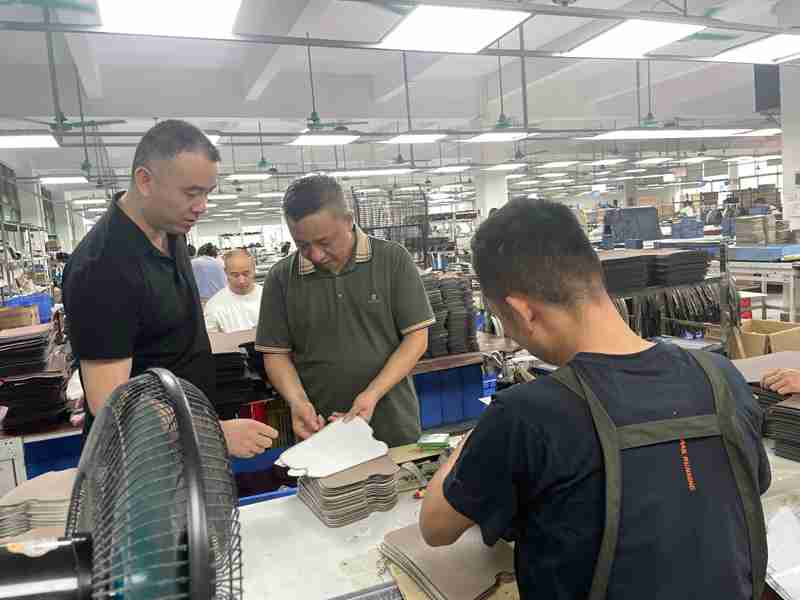
Jundong’s internal structure supports this type of work because the team includes foreign trade sales, product development, product design, and a professional sample room or pattern team, with manufacturing resources behind it. That setup is useful for brands that need more than simple order-taking.
(2) Project control: managing risk before it becomes a cost
A strategic partner helps control risk early. In bag manufacturing, cost overruns usually come from changes made too late:
- material changes after sample confirmation
- logo process changes after packaging is printed
- structure changes after cutting starts
- shipment changes after carton planning is done
A better workflow is to lock decisions in stages:
- Stage A: concept and use scenario and target price range
- Stage B: material direction, structure direction, and logo method
- Stage C: sample review and revision list and bulk standard
- Stage D: production plan, QC checkpoints, and packaging confirmation
When a supplier can guide this process, you save time and reduce internal back-and-forth. This matters a lot for:
- e-commerce brands with launch schedules
- retail with shelf dates
- importers managing mixed SKUs
- private label expanding product lines
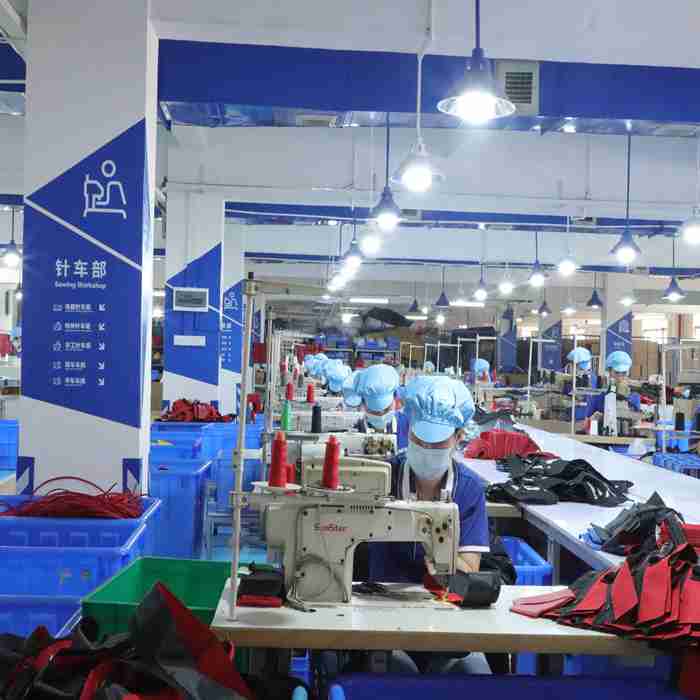
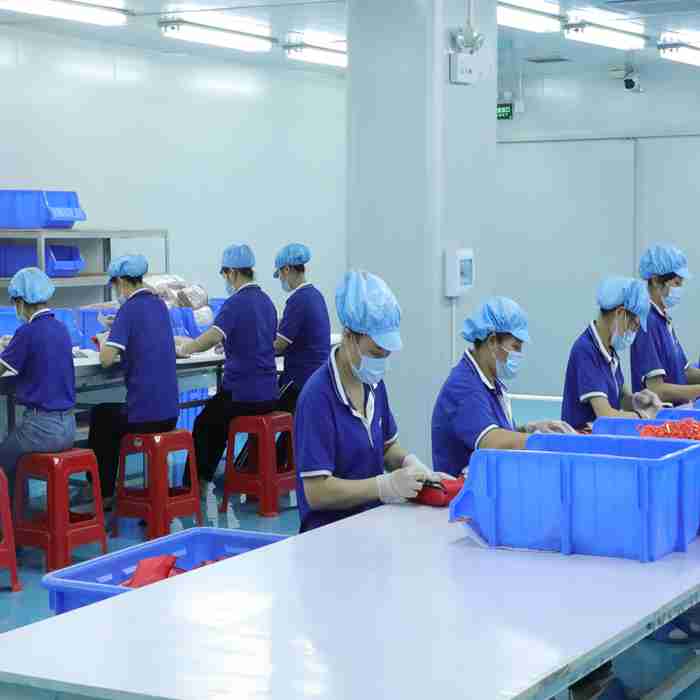
This is also where factory scale matters. Jundong’s manufacturing base includes 600+ employees, about 18,000 m² factory space, and dedicated quality resources, including 80 QC inspectors with testing equipment. For you, this does not just look good on paper—it affects output planning, inspection coverage, and order follow-up speed.
(3) Business continuity: supporting repeat orders, not only first orders
A brand does not build supply stability from one PO. It builds it from repeatable processes.
A strategic partner supports repeat orders by improving:
- spec consistency (same materials, same trims, same process rules)
- communication rhythm (clear updates, issue reporting, revision tracking)
- packaging repeatability (same barcode position, inserts, carton rules)
- production learning (what failed before, what to lock next time)
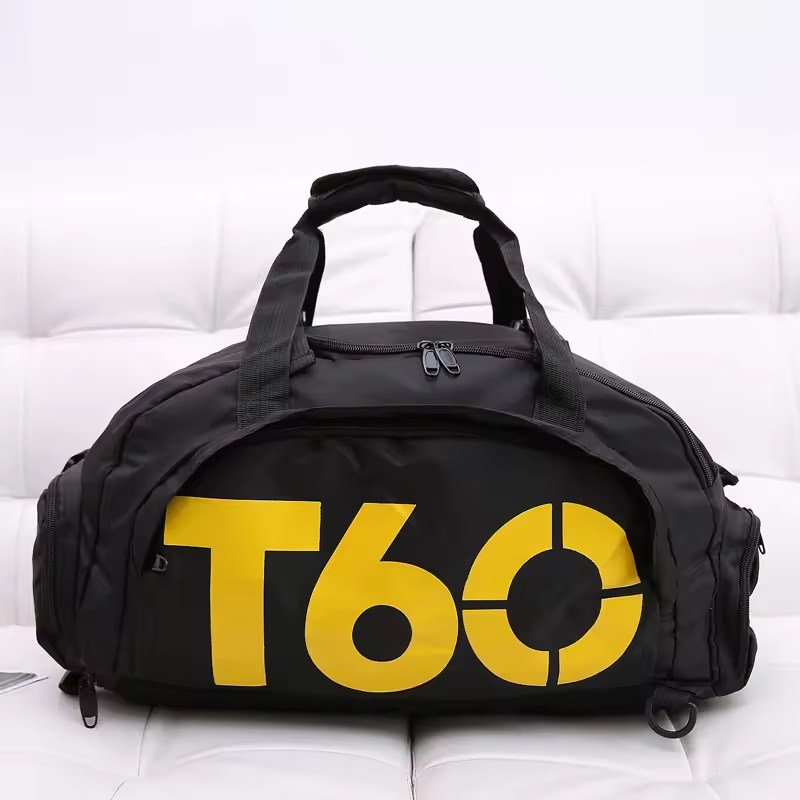
This is especially useful when a brand has multiple bag categories or plans to expand from one hero product into a full line (for example: tote bag → cooler bag → travel organizer → cosmetic bag). Jundong can produce across a wide range of materials and soft goods categories, including fabric, leather (genuine or synthetic), PU, PVC, neoprene, and plush applications. That range gives you room to grow with one partner instead of rebuilding the supply chain each time.


Strategic Bag Partner: Types
(1) Brand owners (private label, DTC, growing brand teams)
Brand owners usually care about product appearance, brand identity, and long-term consistency. They may start with one hero SKU, but they often plan to expand into a line. Their focus is not only on today’s order. It is repeatable product quality and brand presentation across future batches.
What they typically need:
- Guidance on materials vs target price
- Advice on logo methods (print, embroidery, patch, metal logo, debossing)
- Structured sampling revisions
- Bulk production control to protect the approved look
- Packaging options that support online or retail presentation
Common risks if support is weak:
- Sample looks good, bulk looks different
- Color and trim inconsistency between batches
- Logo placement drifts across production runs
- Packaging style changes without approval
- Cost rises after repeated revisions
How a strategic partner helps:
A strategic factory partner supports the brand team with a clearer decision path: first define use case and price band, then lock material direction, then lock visual details, then lock bulk standards. This reduces “creative changes” happening too late and helps keep the final product aligned with the brand image.
This is especially useful for brands that do not have a large in-house technical team. Instead of simply receiving files and producing samples, the factory acts as an execution partner that helps translate design intent into stable production rules.
(2) Importers and trading buyers
They may place mixed orders and need a factory that can handle complexity without creating communication chaos. For this type, speed and organization often matter as much as product quality.
What they typically need:
- Fast quotation and clear feasibility feedback
- Stable communication for multiple SKUs at once
- Production planning across mixed orders
- Packaging and labeling coordination for different clients
- Reliable quality checks to reduce claim risk after shipment
Common risks if support is weak:
- RFQ responses are too slow or incomplete
- SKU details get mixed up
- Packaging requirements are confused between orders
- Shipment schedules change without early warning
- QC reporting is too general to be useful
(3) Retailers and chains
They often work backward from shelf dates or promotion windows. Missing the delivery window can damage sales plans, not just one product order. They also care a lot about packaging consistency, barcode placement, carton labeling, and presentation standards.
What they typically need:
- Clear timeline planning from sample to shipment
- Packaging consistency for stores/warehouses
- Label and barcode accuracy
- Functional and visual QC standards
- A factory that reports issues early, not late
Common risks if support is weak:
- Delays discovered too close to the ship date
- Carton labels or inserts are inconsistent
- Product appearance varies across cartons
- Packaging damage due to weak carton planning
- Rework caused by missed retail requirements
How a strategic partner helps:
A strategic partner handles retail projects with stronger process discipline: milestone tracking, packaging confirmation, carton planning, and inspection points aligned with the shipment schedule. For you, this reduces schedule risk and protects in-store execution quality.
(4) Corporate, promotional, project-based
These may order bags for campaigns, employee kits, events, institutions, or promotions. Their priorities are often different from those of fashion brands. They may focus more on delivery timing, logo clarity, practical structure, and budget fit than on premium finishing details.
What they typically need:
- Fast decision support
- Practical material and structure recommendations
- Cost control under a fixed budget
- Reliable timeline for event deadlines
- Simple but professional branding execution
Common risks if support is weak:
- Overdesigned sample exceeds budget
- Late changes create production delays
- Materials are selected for look, not actual use
- Bag function does not match the event use case
- Packaging is overcomplicated for a simple campaign


Strategic Bag Partnership: RFQ to Reorders
Step 1 — RFQ Intake and Feasibility Review
Many projects go wrong because the factory quotes too early, and they send too little information. A strategic workflow starts with a feasibility-first RFQ review, not just a price-first response.
What should be clarified at the RFQ stage
- Bag type and use scenario (daily use, travel, outdoor, promo, retail)
- Target quantity and expected reorder possibility
- Target price range (not only “please quote”)
- Material preference (if known) or performance target (water resistance, soft touch, easy clean, structure)
- Size, compartments, load expectations
- Branding method (print, embroidery, patch, woven label, metal logo)
- Packaging expectation (basic polybag, retail box, hangtag, barcode, carton mark)
- Timeline target (sample deadline, bulk deadline, ship window)
Step 2 — Product Direction Lock
Sampling becomes expensive and slow when you and factories jump into details too early. A strategic partner helps you lock the direction first, then build the sample.
What should be locked before sampling
Product objective
Is the bag for premium presentation, heavy daily use, event distribution, or price-sensitive retail?
Customization level
- Stock-based customization
- Semi-custom (structure kept, details changed)
- Full custom OEM/ODM
Material direction
Not necessarily final code, but clear direction (e.g., structured polyester, soft PU, neoprene, canvas and lining, reinforced base).
Logo process direction
Branding method affects appearance, lead time, and cost.
Priority ranking
Which matters most: look, cost, durability, weight, or speed?
Step 3 — Sampling and Revision Control
This is the stage where many factories look good in photos but are weak in execution. A strategic partner manages sampling with version control, not casual messaging.
Best-practice sampling workflow
- Sample version naming (V1 / V2 / V3)
- Written revision list after each review
- Photos with marked comments
- Clear distinction between:
- visual changes
- functional changes
- cost-related changes
- packaging-related changes
- Expected impact note for each change:
- cost impact
- timeline impact
- tooling or material impact
Common sampling mistakes that delay bulk orders
- Feedback is sent in scattered chat messages
- “Minor” changes are not documented
- New materials are introduced late
- Branding details are changed after sample approval
- Packaging is discussed only near shipment
Step 4 — Bulk Standard Lock
A sample approval by itself does not guarantee stable mass production. Strategic partners know the most important question is: What exactly becomes the bulk standard?
What should be locked before production starts
- Approved sample reference (physical + photo reference set)
- Material and trim specifications
- Critical dimensions and tolerance range
- Logo placement and size standards
- Stitching appearance standards (where relevant)
- Functional checkpoints (zipper smoothness, strap strength, handle alignment)
- Packaging and carton standards
- Label/barcode placement rules
Step 5 — Production Planning and Milestone Control
A strategic partnership includes timeline management, not only production output. You need visibility early enough to react if something changes.
Recommended production milestones
- Material/trims readiness confirmation
- Cutting start
- Sewing progress checkpoint
- Mid-production quality review
- Final inspection/packing inspection
- Shipment readiness confirmation
What you should receive
- milestone updates (not random messages)
- issue alerts with options, not only problems
- revised timeline if needed
- photo/video records for key checkpoints (when useful)
- packing and labeling confirmation before final packing
Step 6 — QC Execution and Release Logic
Quality control should help you make shipment decisions, not just provide general statements like “quality is good.”
A more useful QC approach includes
- defined checkpoints (incoming/in-line/final)
- critical defect vs minor defect logic
- your-specific focus points (logo, dimensions, zipper function, packaging, labeling)
- photo-based records for exceptions
- action taken for issues found
Step 7 — Shipment Coordination and Documentation Discipline
A bag order can be made well and still create trouble if shipment preparation is disorganized. Strategic execution includes coordination before goods leave the factory.
Key shipment coordination points
- final packing list alignment
- carton count and carton mark confirmation
- barcode or label verification
- shipping mark consistency
- handoff timing with freight forwarder
- document readiness timing (if applicable)
Strategic partner behavior
A strong partner does not treat shipment as “not our job.” Even if the uses their own forwarder, the factory can still reduce errors by confirming the packing logic and adherence to timing discipline.
Step 8 — Post-Order Review and Repeat-Order Optimization
This is the step many suppliers skip. Strategic partners use each order to make the next one smoother.
What should be reviewed after shipment
- what worked well
- What caused the delay
- what created extra cost
- What should be standardized next time
- what can be improved for packaging, QC, or communication
Why does this create real long-term value?
Repeat orders become faster and safer when the factory and they build a shared operating memory. This is how a supplier becomes a strategic manufacturing partner instead of a transactional vendor.
For planning a product line expansion, this review stage also helps identify which materials, trims, and structures can be reused across new SKUs—saving development time and reducing sourcing risk.


Real Bag Partner: QC, Samples, Execution
For brands and importers, choosing a strategic bag manufacturing partner requires more than basic production ability. They need a supplier that supports product development, sampling accuracy, quality control, and scalable manufacturing.
1. Development and Design Support
Many start with sketches, reference photos, or a concept rather than a full tech pack. A strong factory should help convert these ideas into manufacturable bag structures, while identifying risk areas such as materials, seams, and load points. Development support also helps align function, appearance, and production feasibility, reducing trial-and-error during sampling. For brands, this shortens development time and improves project clarity.
2. Professional Sampling System
In OEM bag manufacturing, the sample stage is where bulk standards begin. A capable supplier should offer pattern-making, structured revisions, and clear sample-to-production handoff. Effective sampling processes allow them to evaluate not only the product’s appearance but also the factory’s ability to interpret instructions and manage revisions. This improves sample-to-bulk consistency and reduces repeated misunderstandings.
3. Cross-Functional Team Coordination
Efficient sourcing depends on cooperation between sales, development, design, production, and QC teams. When these functions work together, you receive faster answers, clearer technical feedback, and better revision management.
Strong internal coordination helps avoid common sourcing problems such as contradictory responses, delayed updates, or late issue reporting.
4. Organized Manufacturing Capacity
Production scale matters when it supports execution discipline. Factories with organized capacity can handle multi-SKU orders, mixed product lines, and repeat production cycles without disrupting delivery schedules. For you, this means more reliable production planning and smoother order expansion.
5. In-House Quality Control
A professional QC system ensures quality is monitored throughout production, not only during final inspection. Multi-stage inspection—from incoming materials to in-process checks and finished goods review—helps maintain consistent output across batches and repeat orders, reducing shipment disputes.
6. Material and Category Range
A supplier capable of working with fabric, PU, PVC, neoprene, leather, or plush materials can support product line expansion. This flexibility allows brands to develop multiple bag categories—such as organizer bags, travel pouches, cosmetic bags, cooler bags, or promotional bags—while maintaining consistent branding and sourcing efficiency.

Choose: Stock, Semi-Custom, or OEM
Not all custom bags are developed the same way. In most bag manufacturing projects, customization usually follows one of three models. The right choice depends on your priorities—faster launch, lower development risk, stronger brand identity, price control, or long-term product line building. A reliable bag manufacturing partner should guide them to the most suitable level of customization.
Model A — Stock-Based Customization
This approach uses an existing bag structure and customizes visible elements instead of developing a new design from scratch.
Typical options include logo printing, embroidery or patches, color selection, zipper pull changes, hangtags, labels, and packaging customization.
Best for: promotional bags, corporate gifts, budget-sensitive them and fast product launches.
Advantages:
Faster sampling and shorter development cycle
Lower technical risk and easier price control
Limitations:
Lower design uniqueness
Structure may not fully match specific use scenarios
Stock-based customization works well when the main goal is speed, affordability, and reliable delivery.
Model B — Semi-Custom Development
Semi-custom projects keep a proven bag structure but modify functional and visual elements.
Typical customization may include material upgrades, logo placement changes, pocket layout adjustments, strap or hardware selection, reinforcement improvements, and branded packaging.
Best for: private-label brands, importers, and retailers seeking differentiation without full redevelopment.
Advantages:
Better brand identity than stock customization
Balanced development cost and manageable risk
Improved functionality while keeping proven construction
Semi-custom is often the most practical path for growing product lines.
Model C — Full OEM/ODM Development
Full OEM or ODM bag manufacturing involves creating a completely new product with a custom structure, pattern, materials, and branding system.
Best for: established brands, technical or specialized bags, and long-term product platforms.
Advantages:
Highest level of product uniqueness
Design tailored to specific use cases
Strong foundation for repeat orders and product expansion


Sample-to-Bulk Consistency Control
For you, sample-to-bulk consistency is not only a quality topic—it directly affects launch schedules, retail acceptance, and brand trust. When bulk production differs from the approved sample, you may face delays, repacking costs, retailer rejection, and complaints.
A strategic bag manufacturing partner controls consistency as a system, not just through final inspection.
1. Establish Clear Reference Standards
Relying on a single approved sample is rarely enough. A stronger control standard should include:
Master approved sample
Photo references of critical areas
Key specifications (materials, dimensions, logo placement, trims)
Packaging references
Version identification of the final approved sample
This prevents different teams—production, QC, and packing—from interpreting details differently during bulk manufacturing.
2. Define Critical-to-Quality (CTQ) Points
Not every detail has the same impact. Identifying CTQ points helps production teams focus on the areas that most affect your satisfaction.
Common CTQ points include:
Logo placement and orientation
Key dimensions and compartment fit
Handle and strap attachment symmetry.
Zipper alignment and function
Stitching appearance in visible zones
Color consistency in outer materials
Packaging and barcode placement
Prioritizing CTQ points improves efficiency and reduces complaint risk.
3. Use Tolerance Rules to Control Variation
Soft goods manufacturing always involves small variations. The goal is controlled tolerance, not unrealistic perfection.
Tolerance standards typically define acceptable ranges for:
Dimensions (length, width, height)
Logo position
Hardware placement
Color variation limits
Packaging label alignment
Clear tolerance rules help QC teams make consistent decisions and avoid unnecessary rework.
4. Control Material Consistency
Material variation is one of the main causes of appearance differences between the sample and the bulk. Key control actions include:
Locking approved material references
Confirming bulk material before cutting
Checking visible materials for color and texture consistency
Documenting any substitution clearly
Maintaining fabric, webbing, zipper, and lining consistency ensures bulk goods match the approved sample.
5. Connect Sampling Knowledge to Production
Sampling is not only about appearance—it generates valuable process knowledge. Critical learnings such as reinforcement methods, construction notes, logo processes, and QC focus points must be transferred from the sample stage to production and inspection teams.
6. Use In-Line QC, Not Only Final Inspection
Strategic manufacturers use in-line QC and mid-production checks to detect issues early, such as logo alignment, stitching trends, zipper installation quality, and shape consistency. Early correction reduces rework, shipment delays, and disputes.
7. Improve Stability Through Post-Order Review
After each order, reviewing CTQ performance, material consistency, tolerance clarity, and QC results helps refine standards for future production. This process gradually improves repeat-order reliability and strengthens long-term OEM partnerships.

Bag Materials: Cost, Look, Durability
For you, sample-to-bulk consistency is a business issue, not just a quality topic. When bulk production differs from the approved sample, brands may face delayed launches, repacking costs, retailer rejection, and complaints. Strategic bag manufacturers manage consistency as a system, not only through final inspection.
1. Establish Clear Reference Standards
Relying on a single approved sample is rarely enough. A stronger standard should include:
Approved master sample
Photo references of critical areas
Key specifications (materials, dimensions, logo placement, trims)
Packaging references
Sample version identification
These references allow production, QC teams, and packing teams to follow the same standard during bulk manufacturing.
2. Define Critical-to-Quality (CTQ) Points
Not every detail carries the same risk. Identifying CTQ points helps factories focus on the factors that most affect their satisfaction.
Typical CTQ points include:
Logo placement and orientation
Key dimensions and compartment fit
Handle and strap attachment symmetry.
Zipper alignment and function
Visible stitching quality
Material color consistency
Packaging and barcode placement
Prioritizing CTQ improves inspection efficiency and reduces complaints.
3. Use Tolerance Rules to Control Variation
Soft goods manufacturing always includes small variation. Instead of expecting identical results, factories should define acceptable tolerances for:
Dimensions
Logo placement
Hardware position
Stitch appearance
Color variation
Packaging label alignment
Clear tolerance standards help QC teams make consistent decisions and avoid unnecessary rework.
4. Control Material Consistency
Material variation is one of the most common causes of bulk differences. Effective control includes:
Locking approved material references
Confirming bulk materials before cutting
Checking visible fabric color and texture
Aligning trims with material color
Avoiding undocumented substitutions
This ensures fabric, webbing, zipper, and lining consistency between the sample and production.
5. Use In-Line QC and Mid-Production Checks
Strategic manufacturers do not rely only on final inspection. In-line QC helps detect issues early, such as logo misalignment, stitching variation, zipper installation problems, or shape inconsistency. Early correction prevents large-scale rework and shipment delays.
6. Improve Repeat Orders Through Review
After each order, reviewing CTQ results, material stability, tolerance clarity, and QC records helps refine future production standards. Over time, this process improves OEM bag manufacturing reliability and repeat-order consistency.


Smarter Bag Sampling: Fewer Revisions, Delays
A strategic bag manufacturer helps turn sampling from a trial-and-error process into a clear decision-making stage.
1. Define the Purpose of Each Sample Round
Many projects stall because you expect the first sample to be perfect. A better approach is to assign a clear goal to each round.
Typical sampling stages:
V1 sample: confirm structure, dimensions, and overall design direction
V2 sample: improve details, function, and visible finishing
Final sample (if needed): confirm bulk-production readiness
When each round has a defined purpose, feedback becomes clearer, and revision efficiency improves.
2. Use Structured Feedback
Sampling delays often result from unstructured feedback. A simple format helps factories respond faster:
Sample version (V1 / V2)
Issue category (appearance, dimension, function, material, packaging)
Exact location of the issue
Requested change
Priority level (must-have, preferred, optional)
Clear feedback reduces confusion and speeds up sample revisions.
3. Prioritize Revisions
Treating every suggestion as mandatory creates endless revision loops. Using priority levels helps control scope and maintain project timelines. Strategic partners often ask you which changes are essential for approval and which can wait for future updates.
4. Separate Design and Production Decisions
Sampling should follow a logical sequence:
Design direction → Function validation → Production standards → Bulk readiness
Mixing design and production decisions too early creates unnecessary revisions.
5. Control Revision Scope
Efficient sampling focuses each round on a limited number of changes. Defining what will change, what will be evaluated, and what will remain fixed helps prevent “moving target” development.
6. Track Version History
Clear version tracking (V1, V2, V2.1) helps both you and the factory avoid repeated mistakes and ensures that pricing, materials, and structure updates match the correct sample version.
7. Connect Revisions to Cost and Lead Time
Some revisions affect materials, labor steps, or trims. Transparent communication about cost and timeline impact allows you to make informed decisions.
8. Align Decision Makers Early
Projects move faster when appearance, cost, function, and packaging decisions come from the right stakeholders at the right time.
9. Use a Phase-Launch Strategy
Many brands benefit from launching a Phase 1 version that meets core requirements, then improving details in Phase 2 upgrades after market feedback.
10. Sampling Is a Cost-Control Tool
A well-managed sampling process helps you reduce development risk, avoid costly bulk changes, and improve sample-to-bulk consistency in OEM bag manufacturing.


Bag QC: Incoming to Shipment
In bag manufacturing, quality control (QC) is not a single inspection step. A reliable QC system covers incoming materials, in-line production checks, final inspection, and shipment release decisions. Strategic manufacturers treat QC as a process that protects sample-to-bulk consistency and repeat-order stability.
1. Incoming Material Verification
Quality control begins before production. Incoming checks ensure that materials and trims match project specifications.
Typical checks include:
Outer materials: color tone, texture, surface defects, specification match
Lining: color consistency and thickness
Webbing and straps: width, strength, color match
Zippers and hardware: type, finish, function
Labels and logo trims: artwork accuracy and placement readiness
Packaging materials: polybags, barcode labels, cartons, inserts
Early verification prevents costly issues such as wrong zipper color, incorrect webbing size, or packaging errors discovered after sewing begins.
2. CTQ-Based Inspection
Effective QC focuses on Critical-to-Quality (CTQ) points rather than generic checklists.
Common CTQ points include:
Logo placement and visual consistency
Key dimensions and pocket fit
Handle and strap reinforcement
Zipper alignment and smooth operation
Stitching quality in visible areas
Packaging and barcode accuracy
Prioritizing CTQ improves inspection efficiency and reduces claim risk.
3. In-Line Quality Control
In-line QC during production allows factories to detect problems early. Inspectors monitor stitching consistency, zipper installation, reinforcement points, logo position, and panel alignment. Early correction prevents large-scale rework and protects delivery schedules.
4. Mid-Production Stability Review
Mid-production checks confirm that quality remains stable as volume increases. These reviews help detect issues caused by operator changes, material batch variation, or production speed adjustments.
5. Final Inspection and Packaging Verification
Final inspection confirms that finished goods meet visual, functional, and packaging standards. Key checks include workmanship quality, CTQ compliance, correct labeling, carton marking accuracy, and quantity verification.
Packaging QC is critical because labeling or barcode mistakes can cause warehouse rejection or retail compliance issues.
6. Shipment Release and QC Reporting
Shipment release should follow a clear approval process based on inspection results, rework status, packaging verification, and quantity confirmation. Transparent QC reporting—supported by photos and inspection summaries—helps you make faster approval decisions and improves repeat-order reliability in OEM bag manufacturing.
Bag Packaging by Sales Channel
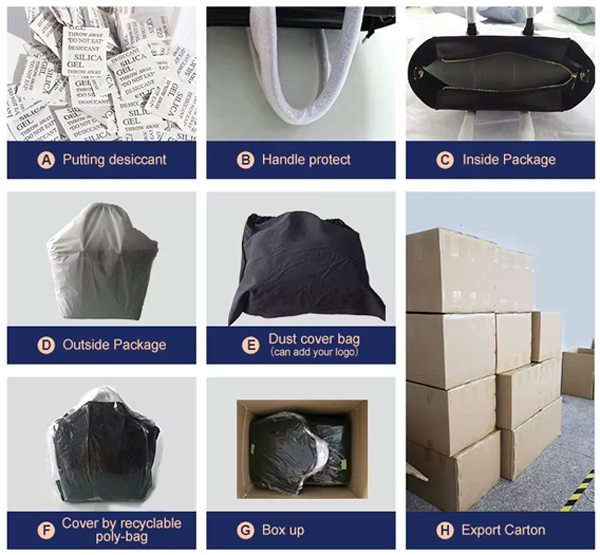
In bag manufacturing, packaging should be planned based on the sales channel, not just a default packing method. The same bag may require different packaging for retail shelves, e-commerce fulfillment, wholesale distribution, or promotional projects. Strategic manufacturers start by asking how the product will be received, scanned, stored, and sold.
1. Channel-Specific Packaging Priorities
Different sales channels require different packaging priorities:
Retail orders
Retail packaging, Wholesale/distributor must support store presentation and compliance. Key controls include barcode placement, hangtag attachment, assortment accuracy, and clean packaging appearance.
E-commerce orders
For online sales and fulfillment centers, packaging must protect the product during parcel shipping. Focus areas include surface protection, barcode readability, folding consistency, and carton weight suitable for warehouse handling.
Wholesale/distributor orders
Wholesale, you prioritize operational efficiency. Carton labels, SKU separation, accurate counts, and easy warehouse identification help speed up receiving and storage.
Promotional / event orders
Promotional bag orders often have tight timelines. Packaging should focus on fast sorting, clear quantity control, and reliable shipment preparation.
2. Unit Packaging Rules
Many packaging problems start at the single-bag level. Unit packaging should clearly define:
Folding method to protect the shape
Hardware protection to avoid scratches
Polybag type and sealing method
Barcode label placement
Hangtag and insert positioning Wholesale/distributor
Consistent unit packaging ensures stable presentation and faster downstream handling.
3. Labeling Control System
Labeling errors are one of the most common causes of shipment problems. A reliable labeling system controls:
Content accuracy (correct barcode or SKU code)
Location consistency (scan-friendly placement)
Version control (correct label for each order or channel)
Label verification should be integrated into the QC and packing workflow, not only the printing stage.
4. Cartonization Strategy
Cartons are a logistics tool, not just packaging material. A good cartonization plan defines:
Units per carton
Carton dimensions and weight limits
SKU mixing rules
Carton marking format
Packing orientation and product protection level
Balancing shipping efficiency, product protection, and warehouse handling improves delivery reliability.
5. Packaging as an Operational Signal
For you, packaging and labeling accuracy reflect the supplier’s operational discipline. Consistent packaging supports retail compliance, warehouse efficiency, and repeat-order stability in OEM bag manufacturing projects.

Bag Lead Time: RFQ to Shipment
For you, lead time is not just a delivery date. It is a chain of decisions and execution steps. When one link becomes unstable—sampling, material sourcing, production, or packaging—the final shipment schedule can shift. Strategic bag manufacturers manage lead time through milestone control, not only production speed.
Why Bag Orders Get Delayed
Even experienced factories face delays when upstream steps are weak. Common causes include:
Incomplete RFQ information
Long sample revision cycles
Late approval decisions
Materials or trims are not locked on time
Packaging or labeling requirements confirmed too late.
Production changes during execution
QC or packing issues near the shipment date
The most effective strategy is not pushing production harder, but controlling earlier milestones.
1. RFQ Quality Determines Timeline Accuracy
Lead time risk often starts during the RFQ stage. Clear RFQ inputs help factories plan realistic schedules.
Important RFQ details include:
Product specifications and dimensions
Estimated order quantity
Sales channel (retail, e-commerce, wholesale)
Logo method and packaging expectations
Target shipment date
Approval process and decision makers
Clear RFQs reduce later clarification rounds and sample revisions.
2. Stage-Based Timeline Planning
A reliable project timeline divides the order into controlled milestones:
RFQ clarification and quotation
Sampling rounds and feedback
Sample approval
Material and trim lock
Production preparation
Bulk production
In-line QC and mid-production checks
Packing and labeling
Final inspection and shipment release
This structure allows teams to identify and recover from delays earlier.
3. Sampling and Material Lock Are Critical Milestones
Sampling often consumes more time than production. Defining clear objectives for each sample round and prioritizing revisions helps reduce loops. After sample approval, material and trim choices must be locked quickly to avoid purchasing and scheduling delays.
4. Production and QC Protect the Timeline
During production, in-line QC and mid-production checks prevent quality drift and large-scale rework. Early detection of issues—such as logo placement errors or zipper alignment problems—helps maintain the production schedule.
5. Packaging and Shipment Planning
Packaging, labeling, and cartonization can also delay shipments if not confirmed early. Before packing begins, you and the manufacturers should confirm label versions, carton rules, and packing methods.
6. Lead Time Is a Shared Responsibility
Factories control production scheduling, QC, and packaging execution. You influence RFQ completeness, approval speed, and change control. When both sides manage milestones together, the manufacturing lead time becomes more predictable and easier to scale for repeat orders.

Why Brands Choose Strategic Bag Partners
For many brands, choosing a strategic bag manufacturing partner is not only about production capability. It is about finding a supplier that improves execution, reduces project risk, and supports long-term product growth.
1. Better Decision Support
A basic supplier simply follows instructions. A strategic partner helps them make clearer decisions earlier.
In real projects, this includes:
Clarifying RFQ details before sampling begins
Separating must-have features from optional upgrades
Structuring sample rounds and revision priorities
Locking timeline-critical materials early
Defining CTQ quality points and packaging rules by sales channel
Better decision support reduces revision loops, misunderstandings, and late-stage surprises.
2. Lower Total Execution Cost
Unit price is important, but experienced clients also consider execution cost. Poor coordination can create hidden expenses such as repeated sampling, repacking, relabeling, warehouse delays, or launch disruptions.
A reliable manufacturing partner helps control these risks through stronger communication, stable processes, and disciplined project management.
3. Stronger Repeat-Order Stability
The biggest value of a strategic partnership appears after the first order. As projects continue, a strong partner builds repeat-order efficiency through:
Clear sample references
Consistent materials and trims
Better version control
Stable QC checkpoints
More predictable lead times
4. Structured Execution Under Pressure
Complex bag projects may involve multiple SKUs, retail packaging rules, mixed-channel shipments, or tight launch schedules. Strategic partners handle these situations with structured processes, including milestone planning, CTQ-focused quality control, packaging workflows, and clear shipment-release logic.
Structure allows projects to remain stable even when pressure increases.
5. Transparency Builds Trust
They trust suppliers who can clearly explain how they manage sampling, production, QC, packaging, and delivery milestones. Clear communication, realistic timelines, and practical checklists signal operational maturity.
6. A Framework for Choosing the Right Partner
Before placing an order, you should ask:
Can the supplier manufacture the product?
Can they manage the project from RFQ to shipment?
Can they reduce operational risk?
Can they support repeat orders and product growth?
Suppliers who answer all four are closer to a true strategic bag manufacturing partner.

Make A Sample First?
See your idea come to life before mass production.
At Jundong Factory, we offer free design mockups and custom samples to ensure every detail is perfect — from material and color to logo placement and stitching.
Start your project with confidence today: info@jundongfactory.com.
Strategic Bag Partner FAQs
What makes a “strategic bag manufacturing partner” different from a normal supplier?
A strategic bag manufacturing partner does more than make products—they help you reduce execution risk across RFQ, sampling, approvals, material lock, production, QC, packaging, and shipment, which leads to more stable outcomes and easier repeat orders.
Many suppliers can produce a bag if the instructions are clear enough. That is the baseline. The real difference shows up when the project becomes more complex: multiple revisions, packaging rules by channel, tight timelines, several approvers, or changing priorities between cost, speed, and customization depth. In those situations, a normal supplier may wait for instructions and react step by step. A strategic partner helps structure the project before problems grow.
For you, this difference matters because most delays and headaches do not come from “Can you sew this bag?” They come from execution gaps: unclear sample goals, version confusion, late material decisions, QC drift, relabeling, or shipment release pressure. A strategic partner reduces these gaps by helping define milestones, clarify decision owners, and flag risk points earlier.
In practical terms, you should look for signs like these:
- the factory asks useful questions during RFQ (not only quantity and logo)
- sample feedback is organized by version and priority
- The team can explain CTQ (Critical to Quality) points clearly
- Packaging and labeling are planned by the sales channel
- lead time is explained as milestones, not just one date
- updates include blockers and next actions, not only “in progress.”
This does not mean a strategic partner is promising a perfect project. It means they have a more reliable working method when real-world friction appears. For brands and importers, that usually creates better long-term value than choosing a supplier based only on the lowest quote.
How should you balance price, customization depth, and lead time when selecting a bag factory?
You should not treat price, customization depth, and lead time as three fully independent targets; in real projects, they trade off against each other, so the best result comes from ranking priorities early and choosing a factory that can explain the trade-offs clearly.
A common sourcing mistake is asking for all three at the maximum level: lowest price, deepest customization, and shortest lead time. Sometimes a project can get close to that, but most custom bag programs require trade-offs. For example, deeper customization usually increases development effort, version control complexity, and approval time. Very aggressive timelines may require simpler structures or faster-to- source materials. Strong cost control may reduce optional details, packaging complexity, or revision rounds.
The right question is not “Can you do everything?”
It is “Which priority should lead this project, and what is the safest compromise?”
A practical method is to classify your priorities before sampling:
1. Must-win priority (e.g., launch date, retail compliance, cost target)
2. Important but flexible items (e.g., premium trim upgrades, packaging extras)
3. Nice-to-have items (e.g., non-critical design refinements for later phases)
This helps the factory guide you better. A strong partner can then suggest a path, such as:
· Speed-first route: simplify structure, reduce revision scope, lock critical materials early. Customization-first route: allow more sample rounds, lock approval roles, build milestone schedule
Cost-first route: keep proven construction, optimize materials, limit complexity that creates rework
You should also ask for “trade-off transparency.” If a factory says yes to everything withoutexplaining constraints, that is often a warning sign. A strategic partner should be able to tell you what can be accelerated, what creates risk, and what can move to a second phase after launch.
This approach protects both timeline and project quality. It also reduces internal conflict on the side, because teams can align around a shared priority model before pressure builds.
What should we confirm before sampling to reduce delays and rework later?
Before sampling, you should lock a minimum decision package, including product goal, target use case, key dimensions/functions, customization priority, and approval flow, because most sampling delays come from unclear goals, not from sewing speed alone.
Many teams think sampling should start as early as possible, even if details are incomplete. Starting early can be helpful, but starting without a minimum decision package often creates longer delays later: repeated revisions, conflicting feedback, price changes, and schedule resets. A better approach is not to wait for perfection-it is to confirm the few decisions that shape the whole project.
Here is a practical pre-sampling checklist you should confirm:
(1) Product goal and use case
What is the bag for, and who will use it?
A fashion promo tote, a daily commuter backpack, and a retail gift set bag may look similar in photos, but require different durability, structure, and packaging planning.
(2) Core specifications (not every detail, just the critical ones). Confirm the basics that affect pattern and cost:
approximate size
carrying mode (hand/shoulder/backpack)
compartments or pocket priorities
target load/use condition
key materials direction (if known)
(3) Customization priorities
What matters most for this sample stage?
appearance accuracy
functional structure
cost target alignment
speed to approval
retail/e-commerce packaging compatibility
If all are treated as equally urgent, sample rounds usually become messy.
(4) Feedback and approval flow
Who reviews the sample, and who gives final approval?
This is a major delay point. If product, brand, sales, and sourcing teams all comment without a clear owner, revisions can drift in different directions.
(5) Version control method
Ask the factory how sample versions and changes will be tracked. A simple version discipline (V1, V2, V3 + change list) saves time and prevents repeated discussions.
A strategic partner may also help you separate “launch-critical” changes from “Phase 2” improvements. This protects your timeline while keeping product development moving. In short, the goal before sampling is not to finalize everything. It is to define a stable direction so that each sample round answers the right questions.
How many sample rounds are normal in a custom bag project, and how can we avoid endless revisions?
In many custom bag projects, 2-3 sample rounds are normal, but “too manyrounds usually come from unclear goals and mixed feedback, not from factory capability alone, so the key is to control sample objectives, revision scope, and approval ownership in each round.
You often ask for a fixed answer like “How many sample rounds will this take?” It depends on the product complexity, customization depth, and how decisions are managed. A simple logo and color update on a proven style may need only 1-2 rounds. A fully custom bag with new structure, trims, packaging, and branding details may need more. The problem is not the number itself; the problem is when rounds keep increasing without clear progress.
A practical way to reduce endless revisions is to assign a purpose to each round:
V1 (Feasibility Round): Check structure, size, basic function, and overall direction
V2 (Refinement Round): Improve appearance, finish, details, and fit issues.
V3 (Approval Round): Confirm final adjustments for bulk readiness (not redesign)
When every round tries to solve everything: appearance, cost, packaging, function, branding, and timeline all at once, sample feedback becomes chaotic and slow.
You can reduce delays by applying three controls:
(1) Define revision priorities
Classify comments as:
Must change before approval
Should improve if time allows
Can move to next phase/order
This prevents low-impact details from blocking approval.
(2) Keep one version owner
One person (or one team lead) should consolidate buyer-side comments. If multiple departments send separate feedback directly, the factory may receive conflicting instructions.
(3) Limit redesign during late rounds
Late-stage rounds should focus on approval readiness, not major redesign. If the project direction changes completely in V3, timelines and costing often reset.
A strategic partner helps by tracking versions clearly and reminding them what each round is supposed to prove. This protects both development quality and lead time. The goal is not “fewer rounds at any cost.” The goal is meaningful progress per round.
How can we evaluate whether a bag factory is suitable for long-term cooperation, not just one order?
To evaluate long-term fit, you should assess not only product-making ability but also the factory’s execution system, communication quality, risk-control discipline, and repeat-order learning ability, because long-term cooperation depends on stability and improvement over time.
A factory may perform well on one order and still be a poor long-term partner. This is not always because of bad intent or low capability. Sometimes the issue is that the supplier can complete tasks, but does not have a stable system for handling repeat orders, changing requirements, or growth in SKU complexity. For brands and importers, long-term fit matters because sourcing cost is not only unit price-it also includes coordination time, problem-solving effort, and the reliability of future planning.
A practical way to evaluate long-term suitability is to look at four layers.
(1) Product and customization capability (baseline)
This is the starting point:
Can they make your target bag type?
Can they support your required customization level?
Do they understand relevant materials, trims, and construction logic?
(2) Execution consistency (project delivery quality)
Ask how they control:
sample version changes
material lock timing
CTQ quality points
in-line quality checks
packaging/label accuracy
shipment readiness
A supplier that can explain these clearly is usually more reliable than one who gives only broad promises.
(3) Communication and decision support
Long-term cooperation becomes difficult when communication creates friction. You should observe:
Are replies clear and structured?
Do they identify risks early?
Do they ask good questions during RFQ and sampling?
Do updates include blockers and next actions?
Can they translate technical issues into practical decisions?
Good communication is not “frequent messages.” It is decision-useful communication.
(4) Repeat-order learning ability
This is one of the strongest signs of a strategic partner. After an order, do they help make the next one easier?
Examples:
better version records
clearer packaging standards
stronger QC focus on prior problem points
more stable timelines
fewer repeated questions
What makes a bag factory a true strategic manufacturing partner, not just a supplier?
A true strategic bag manufacturing partner does more than produce bags against a purchase order. The difference is not only factory size or price level. It is whether the factory can support the full execution path from RFQ clarification, material selection, and sample development to bulk production, quality control, packaging coordination, and repeat-order stability. Many can find a basic bag supplier to make one order. What is harder to find is an OEM bag manufacturer that can reduce decision friction, flag risk points early, and keep projects stable across multiple orders.
For brands, importers, and private labels, this matters because most sourcing problems do not come from sewing alone. They come from unclear sample revisions, weak version control, poor packaging execution, inconsistent QC, and unstable lead time management. A strategic partner helps them solve those problems before they become shipment delays or retail complaints. They can explain why a material route is recommended, which construction details affect durability, how to manage sample-to-bulk consistency, and how to plan labeling and cartonization by channel.
In practice, a strategic bag partner supports custom bag development, not only custom bag production. That includes helping you choose between stock-based customization, semi-custom development, or full OEM/ODM bag manufacturing. It also means the factory can support growth over time, not only a one-off order. If a supplier can improve execution quality, repeat-order confidence, packaging accuracy, and production predictability, they are much closer to a strategic partner than a simple factory vendor.
What is the biggest long-term advantage of working with a strategic bag manufacturing partner?
The biggest long-term advantage is not only better production. It has better repeatability. In a good partnership, each order becomes easier to manage than the one before. The factory learns your standards, your approval logic, your packaging rules, your quality priorities, and your sales-channel requirements. Over time, that reduces coordination cost, speeds up decisions, and improves confidence in repeat orders, private label programs, and custom bag development. This is why many search for a long-term bag manufacturer, a reliable OEM bag factory, or a repeat-order stable bag supplier.
A strategic partner helps standardize what matters most: approved materials, trims, logo positions, QC checkpoints, packaging methods, carton labels, and shipment release rules. This creates a stronger base for scaling. Instead of re-explaining the project every time, you can build on previous orders. That matters even more when the business grows into more SKUs, more channels, and tighter launch schedules.
This kind of supplier relationship also reduces hidden workload. They spend less time chasing status, solving repeated packaging mistakes, or re-approving details that should already be stable. In short, a strategic partner improves execution quality, operational efficiency, and sourcing confidence at the same time. For growth-focused brands, long-term stability is often worth more than a short-term unit price advantage. It is what turns a factory relationship into a real business asset.
Why does version control matter so much in OEM and private label bag projects?
In OEM bag manufacturing and private label bag development, version control is one of the most overlooked but most valuable systems. Many project problems do not happen because the factory “cannot make the bag.” They happen because different teams are working from different versions of the same project. One team may use the old logo size, another the new zipper pull, and another the old packaging layout. This creates confusion, inconsistent samples, bulk mistakes, and delayed approvals. That is why clients often search for version control in product development, sample revision management, or OEM bag project workflow.
A strong version control system should track the approved sample version, material changes, logo revisions, packaging updates, and special production notes. It should also show what changed, when it changed, who approved it, and whether the change affects cost, lead time, or bulk readiness. This is especially important for multi-SKU orders, repeat orders, and projects involving multiple internal teams such as sourcing, branding, product development, and retail operations.
For brands, version control reduces internal confusion. For factories, it reduces repeated mistakes and helps production teams follow the right instructions. For both sides, it improves sample-to-bulk consistency and makes repeat orders easier to manage. A strategic bag partner treats version control as part of execution quality, not as office paperwork. That is one of the clearest signs that the supplier is capable of supporting long-term product programs rather than only short-term orders.
How does a strategic bag partner manage packaging, labeling, and cartonization more effectively?
A strategic bag partner treats packaging, labeling, and cartonization as part of the product execution system, not as a last-minute packing task. This is a major difference between an ordinary bag supplier and a more mature OEM bag manufacturing partner. Many client issues do not come from sewing quality alone. They come from wrong barcode versions, mixed cartons, unclear SKU separation, incorrect hangtags, or packaging methods that damage the bag shape during shipping. That is why you often search terms like bag packaging supplier, cartonization for retail orders, private label bag packaging, or barcode labeling bag factory.
A strong partner begins with the sales channel. Retail projects usually need stricter control over barcode visibility, hangtag position, assortment accuracy, and presentation quality. E-commerce orders often prioritize shape protection, scannability, and parcel-shipping durability. Wholesale and distributor orders usually care more about carton clarity, SKU separation, and receiving efficiency. Promotional projects often focus on count accuracy and deadline safety. A strategic factory plans packaging according to these different needs instead of using one default packing method for all orders.
Everything You Need to Know Before Customizing Your Bags
Strategic bag manufacturing decisions are rarely based on price or sample appearance alone. For brands, importers, and sourcing teams, a reliable evaluation depends on clear answers around development support, MOQ versus bulk pricing, lead time control, sample-to-bulk consistency, packaging and labeling execution, mixed-SKU coordination, quality control discipline, and repeat-order stability. This FAQ section is designed to address those operational questions upfront, helping you assess whether a supplier can support your brand as a long-term execution partner rather than only a short-term factory vendor.
We recommend structuring FAQs around real partnership triggers: what information is required to start RFQ and sampling, how the factory controls version changes and approval flow, how sample learnings are transferred into production standards, how CTQ checkpoints protect quality across repeat orders, how packaging and cartonization are planned by sales channel, and how lead-time milestones are managed from development through shipment. When written clearly, these FAQs also support long-tail search intent, such as “strategic bag manufacturing partner,” “private label bag supplier,” or “bag factory sample to bulk consistency.”
For a quick evaluation, you can share your bag category, estimated SKU count, target launch timing, customization level, branding requirements, and packing expectations by email. Our team will review your inputs and suggest a practical development and production path to support your bag program from first sample to repeat orders.