 Skip to content
What Makes a Reliable Bag Supplier
A reliable bag supplier is not simply the one with the lowest price or fastest reply. The right partner helps you reduce sourcing risk through clear communication, practical sampling, stable quality control, realistic lead-time planning, and transparent problem handling. For brands, importers, and distributors, supplier reliability directly affects launch timing, bulk consistency, and long-term growth. This guide gives you a practical framework to evaluate bag suppliers before placing larger orders—so you can choose with more confidence and fewer surprises.
Reliable Bag Sourcing: Definition
A lot of sourcing problems start with a simple mistake: they evaluate factories based on impressions, while bag manufacturing performance depends on systems. A supplier may be friendly, responsive, and willing to quote quickly, but still fail in bulk production because they do not have a stable process for material control, line balancing, or pre-shipment inspection.
So what should “reliable” mean in a practical sense?
A reliable bag supplier is a manufacturer that can consistently do five things:
- Understand your product requirements correctly
- Translate them into manufacturable specifications
- Produce at the agreed quality level repeatedly
- Communicate risks and changes early
- Deliver within a realistic time window
This sounds basic, but many suppliers fail at one or more of these points.
Reliability is not the same as a low defect rate.
They often reduce reliability to quality only. Quality matters a lot, but quality alone is not enough. A supplier can make good samples and still be unreliable if they:
- keep changing delivery dates
- answer questions late
- cannot manage mixed-SKU orders
- fail to control accessories from different vendors
- hide problems until the shipment deadline
In other words, reliability means quality, process control, communication, and predictability.
Reliability is also stage-dependent
A supplier can be “reliable” for one type of client and not reliable for another.
For example:
- A small workshop may be reliable for small custom runs, but not for fast scaling
- A large factory may be reliable for stable repeat orders but weak for high-touch development
- A trading company may be reliable for consolidation and sourcing flexibility, but not ideal if you need deep engineering feedback
This is why partners should not ask only, “Is this supplier good?”
A better question is: “Is this supplier reliable for our current product type, order size, timeline, and risk level?”
What does reliable look like in real bag projects
Let’s use a practical example.
If you are developing a custom backpack, a reliable supplier should be able to:
- review your tech pack (or rough idea) and identify missing details
- recommend material and structure options based on use case
- explain trade-offs (cost vs durability, speed vs customization)
- deliver a sample with revision notes
- keep BOM-related changes documented
- confirm PP sample before mass production (if applicable)
- provide production updates during bulk
- show a QC method that matches your claim level
- inform you early if a material issue affects lead time
That is reliability in action. It is not one “promise.” It is a chain of behaviors.

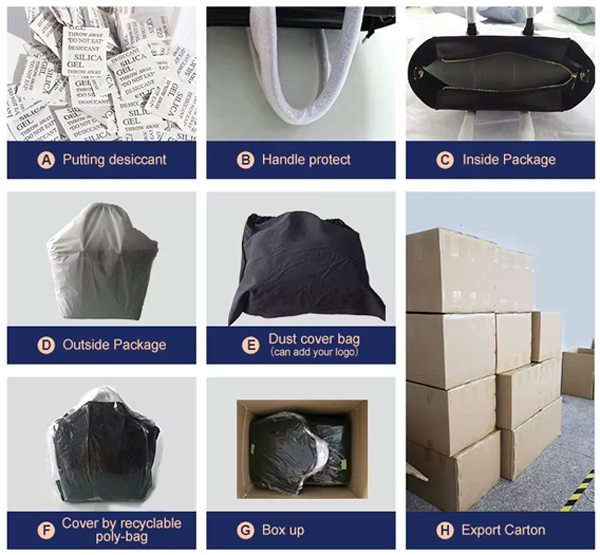

Avoid Costly Bag Supplier Mistakes
The 7 most common reasons partners choose the wrong supplier
(1) Overweighting the first quote
A fast quote feels efficient. But a fast quote without enough questions can be a warning sign. If a supplier gives a detailed price immediately without clarifying materials, construction, logo method, packaging, or testing expectations, there is a high chance of:
- later price adjustments
- hidden assumptions
- mismatched sample outcomes
A reliable supplier often asks more questions before finalizing the quote. That is not a delay. That is risk control.
(2) Judging capability from one good sample
A factory can create a good sample with extra care in the sample room. Bulk production is different. If they choose based only on sample appearance, they may miss:
- production-line consistency
- operator training quality
- process control discipline
- bulk QC capability
This is why sample quality is necessary but not sufficient.
(3) Confusing responsiveness with project management
Some sales teams reply very fast, but the internal handoff to development or production is weak. Client’s experience:
- repeated questions
- inconsistent answers
- forgotten revisions
- timeline confusion
Fast messaging is useful. Structured communication is what protects the project.
(4) Choosing by lowest MOQ without checking system fit
Low MOQ is attractive, especially for startups or test launches. But if the supplier is not set up for small-batch project management, low MOQ may come with:
- unstable costing
- material substitution risk
- weak planning priority
- inconsistent quality from batch to batch
Low MOQ is valuable only when supported by a reliable process.
(5) Ignoring accessory or component dependency
Many bag problems are not caused by fabric. They come from:
zippers
sliders
buckles
webbing
labels
foam inserts
linings
A supplier may be good at sewing but weak at component consistency management. Those who do not ask about component sourcing control often face avoidable issues later.
(6) No evaluation of failure-handling behavior
Most factories look good when everything goes smoothly. The real test is: what happens when something goes wrong?
Do they hide the problem? Delay the update? Offer vague answers? Or do they report the issue, explain the impact, and propose solutions?
This is one of the strongest indicators of long-term reliability.
(7) No internal decision framework on the partner side
Sometimes the supplier is not the main problem. The team has not aligned priorities:
Is this project speed-first or quality-first?
Is this a market test or a hero product?
Are we optimizing for cash flow or long-term repeatability?
Without internal alignment, teams choose suppliers based on mixed signals and then blame the supplier later.
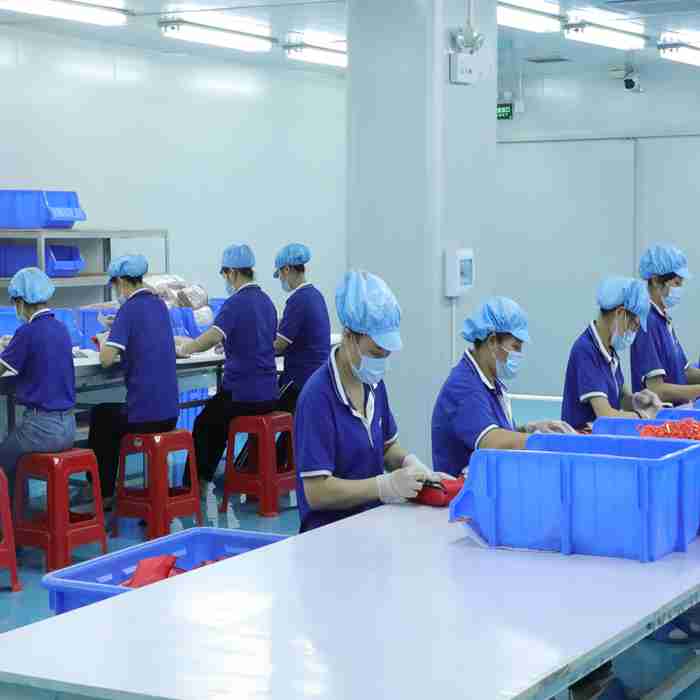
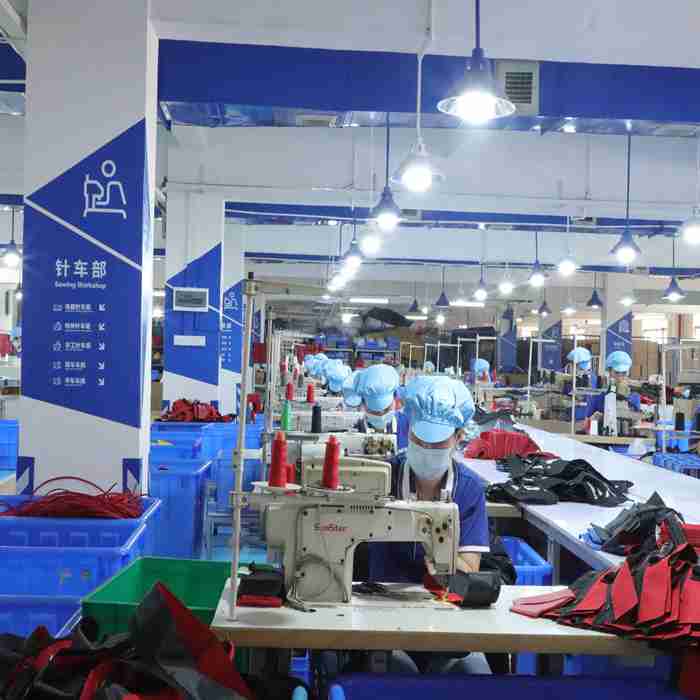


5 Systems Reliable Bag Suppliers Need
Reliable suppliers do not rely on hero employees or lucky timing. They rely on systems. In bag manufacturing, five systems matter most:
System 1: Product Development & Feasibility System
This is the system that turns ideas into manufacturable products.
A strong supplier should be able to:
- review drawings, photos, references, or rough concepts
- identify missing specifications early
- recommend materials and construction based on use case
- explain cost or performance trade-offs
- manage sample revisions with version clarity
Why this matters: Many sourcing delays begin in development, not production. If the development system is weak, you get:
- unclear samples
- repeated revisions
- inaccurate quotes
- late design changes affecting lead time
System 2: Material & Component Control System
Most partners focus on factory sewing ability, but consistency often depends on materials and accessories:
- fabric batches
- lining
- webbing
- zippers
- buckles
- labels
- foams
- trims
A reliable supplier should have a process for:
- confirming approved material specs
- managing substitutions
- checking incoming materials or components
- tracking critical components that affect function or appearance
Why this matters: Even with good sewing, unstable accessories can create major complaints.
System 3: Production Planning & Delivery Control System
Many suppliers can produce bags. Fewer suppliers can plan production realistically.
A reliable supplier should be able to:
- schedule based on actual capacity and material readiness
- identify long-lead components early
- separate sample priorities from bulk priorities
- provide milestone updates (not just “in production”)
- adjust plans when order changes happen
Why this matters: missed delivery is often caused by weak planning visibility, not only during the “busy season.”
System 4: QC & Consistency Control System
Quality is not only the final inspection. Reliable quality comes from a combination of:
- incoming checks
- in-line checks
- process control points
- final inspection
- corrective action handling
A strong QC system is especially important if your products involve:
- multiple compartments
- functional hardware
- load-bearing requirements
- insulation or waterproof features
- premium appearance standards
Why this matters: final inspection alone often catches defects too late.
System 5: Communication & Project Management System
This is the most underestimated system. A factory may have technical ability, but still be difficult to work with if communication is fragmented.
Reliable suppliers usually have:
- a clear contact owner (or team structure)
- documented change tracking
- timeline updates at key stages
- internal handoff discipline (sales ↔ sample ↔ production ↔ QC)
- escalation path for urgent issues
Why this matters: Many sourcing frustrations come from information loss, not manufacturing failure.
What partners can ask
- Who is responsible for project coordination after the PO?
- How do you track approved changes?
- How often do you send production updates?
Example:
- Weak development documentation → wrong material assumptions
- Wrong material assumptions → quote change or delay
- Delay → rushed production
- Rushed production → QC pressure
- QC pressure and poor communication → late problem discovery


Sample-to-Bulk Consistency: Supplier Trust Test
What sample-to-bulk consistency actually means
It means the supplier can keep key product characteristics stable from the approved sample to the shipped order, including:
- shape and dimensions
- material appearance and hand feel
- color consistency (within practical tolerance)
- logo application
- stitching quality and seam layout
- hardware/accessory match
- function performance (zipper, strap, closure, insulation, structure support, etc.)
- packaging specification (if branded)
Consistency is not about “every unit looks identical under magnification.” It is about whether the delivered goods match the agreed commercial and functional standard and whether the variation stays within an acceptable range.
Why sample-to-bulk drift happen
The most common causes are not random. They usually come from weak control in one of these areas:
(1) BOM not locked or not communicated clearly
If the approved material, lining, zipper, webbing, foam, or label spec is not clearly documented, teams may use what they believe is “equivalent.” That creates drift.
(2) The sample method differs from the bulk method
Sometimes the sample is made with one construction approach, but the production line uses a different method for speed. If this is not reviewed, appearance or durability may change.
(3) No PP sample checkpoint
Without a PP sample (Pre-Production sample), partners may not see the product under real production conditions until too late.
(4) Revision notes are verbal, not recorded
A comment like “make strap slightly thicker” or “move logo a little up” sounds simple, but if it is not documented with a version-controlled reference, the line may interpret it differently.2
(5) Production starts before all approvals are aligned
This often happens when lead time pressure is high. A supplier may start cutting or preparing before final packaging, logo, and material sign-off, then patch changes later. That increases inconsistency risk.
How reliable suppliers reduce sample-to-bulk drift
A reliable supplier treats consistency as a process, not luck. In practice, that usually includes:
(1) Approved sample reference control
They keep a clear approved reference (physical sample, documented photo, or spec record) that production and QC can access.
(2) BOM discipline
They define and track:
- approved material code or spec
- approved accessories
- logo method and placement standard
- packaging requirements
- any client-approved alternates (if applicable)
(3) PP sample or pre-production confirmation
They confirm the product before mass production using production-intent materials and methods.
(4) In-line QC checkpoints linked to the sample standard
They do not wait until the final inspection. They check early and during production:
- panel cut consistency
- stitching or seam quality
- logo placement
- hardware assembly
- functional points
(5) Change communication discipline
If any change becomes necessary, they report it early with:
- what changed
- why it changed
- impact on appearance, function, lead time, cost
- proposed action and partner approval request


Reliable QC That Prevents Complaints
The 4-layer QC structure that strong bag suppliers often use
Layer 1: Incoming Material & Component Checks
This is where complaint prevention starts.
Typical checks may include:
- material identity or spec confirmation
- color or appearance comparison to the approved standard
- accessory model confirmation (zipper, buckle, slider, label)
- visible defect checks on key materials
- quantity and batch tracking for critical components
Why this matters: if wrong materials enter the line, later QC becomes damage control.
Layer 2: In-Line Process Control
This is the most underused layer in weaker suppliers and one of the strongest indicators of reliability.
In-line checks may cover:
- panel cutting accuracy
- seam construction consistency
- stitch density or line quality (where applicable)
- logo placement and orientation
- reinforcement point presence
- assembly order or internal layout accuracy
- hardware installation alignment
In-line control helps catch problems early while correction is still practical.
Layer 3: Functional & Structure Checks
Bag quality is not only about appearance. Reliable suppliers also check the function, depending on the product type:
- zipper opening or closing smoothness
- strap attachment strength (as required by product use)
- handle symmetry and load-bearing points
- insulation liner finish
- closure fit
- wheel or handle function (for luggage, if applicable)
- shape retention or structural support consistency
This is especially useful for categories where end users notice function problems faster than visual defects.
Layer 4: Final Inspection & Shipment Readiness
Final inspection still matters. It confirms finished-goods quality and shipment readiness:
- appearance
- dimensions or tolerances
- branding
- packaging
- labels or carton marks
- random functional spot checks
- quantity and assortment verification
The difference is that reliable suppliers do not depend on final inspection alone.


Communication Systems Beat Fast Replies
The 5 communication and project management practices reliable suppliers use
(1) Clear project ownership
They need to know:
- Who is the main contact
- who handles sampling
- who handles production follow-up
- who handles QC or inspection coordination (if separate)
Even when multiple teams are involved, the supplier should maintain a clear coordination structure.
(2) Structured RFQ and requirement confirmation
Reliable suppliers do not move from “rough inquiry” to “production assumptions” too fast. They usually confirm:
- product type and use case
- target dimensions or structure
- material direction
- logo method
- packaging expectations
- target quantity or MOQ range
- timeline target
- testing or compliance needs (if applicable)
(3) Version control for samples and revisions
For custom bag projects, version confusion is one of the highest hidden costs.
Reliable suppliers usually track:
- sample version number or date
- revision points
- approved artwork or logo file version
- packaging file version
- updated dimensions or specs (if changed)
(4) Milestone-based updates instead of random messages
They do not need constant chat noise. They need useful status visibility.
A stronger update rhythm usually follows milestones such as:
- RFQ review completed
- sample in development
- sample shipped
- sample feedback received
- material confirmed
- PP sample pending or approved
- bulk production started
- in-line QC stage
- final inspection or packing
- shipment ready
Why this matters: Milestone updates reduce uncertainty and improve internal planning on the side.
(5) Issue escalation and impact communication
Problems happen. Reliability shows in how suppliers communicate them.
A reliable supplier should be able to communicate:
- what happened
- which SKUs or orders are affected
- likely cause (if known)
- impact on lead time, quality, or cost
- options and recommendations
- response deadline (if partner decision needed)

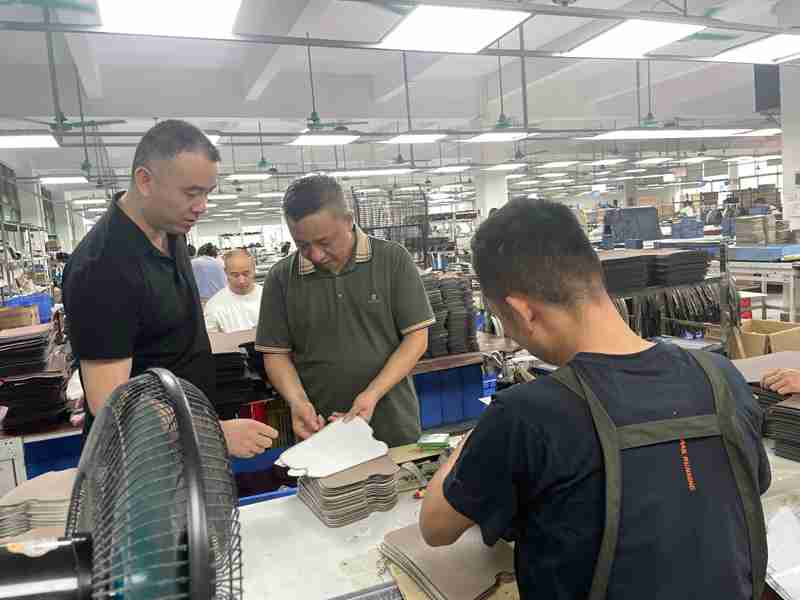
Lead Time Reliability: Stop Delays Beforehand
Why Bag Orders Get Delayed
Delays are usually not caused by “the factory is busy” alone. In most custom bag programs, the real causes are predictable—and preventable.
(1) RFQ inputs were incomplete
If materials, logo method, packaging, testing, or compliance aren’t clearly confirmed during quoting, the lead time is often based on assumptions. Later clarifications create rework and push the schedule.
(2) Materials and components were not aligned
A common trap is “some items ready, others not”:
Fabric arrives, but zippers or hardware are delayed.
Cutting starts, but labels or hangtags are unapproved.
Bulk starts, but packaging specs are not locked
Work pauses mid-stream, and the timeline slips.
(3) Sampling and bulk scheduling conflicted
When a supplier doesn’t separate sample room capacity from bulk production planning, urgent samples disrupt bulk lines—or urgent bulk slows revision cycles. Either way, lead time becomes unstable.
(4) Multi-SKU complexity was underestimated
A 5,000-piece order with 1 SKU is very different from 5,000 pieces across 10–15 SKUs with different colors, logos, inserts, packaging, and carton marks. If complexity isn’t planned and controlled, delays increase fast.
(5) Problems were discovered too late
Weak in-line QC or weak visibility means issues surface near final inspection or pack-out (wrong logo, wrong material shade, stitching defects, missing accessories). At that stage, recovery options are limited, and delays become expensive.
How Reliable Suppliers Prevent Delays Early
Reliable suppliers don’t “promise fast.” They build a system that detects risk early and keeps the schedule realistic.
(1) Realistic lead time quoting: estimate vs confirm
Strong suppliers usually separate:
Estimated lead time (before all inputs are approved)
Confirmed lead time (after key items are locked)
(2) Milestone-based planning (not one delivery date)
Instead of managing one “ship date,” reliable suppliers track milestones such as:
RFQ clarification complete
Sample approved
Materials confirmed or arriving
PP sample approved (if needed)
Cutting starts
Assembly in progress
In-line QC checkpoint
Final inspection and packing
Shipment ready
This makes delay signals visible early.
(3) Critical-path awareness
Reliable suppliers identify the schedule drivers upfront, such as:
Special fabric lead time
Custom zipper or hardware lead time
Logo trims or woven labels
Printing or embroidery queue
Packaging approvals
Testing requirements (if needed)
They treat these as “must-control” items, not afterthoughts.
(4) Change-impact communication
When changes happen after approval, reliable suppliers don’t just say “OK.” They clarify:
What is changing
Which stage is affected
Expected impact on delivery date and cost
Options to reduce delay (alternate materials, partial change, phased rollout)
This protects decision quality on both sides.
(5) Delay-recovery playbook (when disruptions happen)
Even strong suppliers face disruptions. What matters is how they recover:
Re-sequence work to protect the critical path
Prioritize critical SKUs first
Split shipments (if practical)
Propose approved alternative materials or components
Share a revised plan quickly, with clear next steps
Material Control: Quality, Consistency, Delivery
What reliable material or component control looks like
A reliable supplier does more than “buy what is needed.” They control materials through a system. That usually includes four parts:
(1) Specification clarity
The first risk is ambiguity. If the approved standard is not clear, “similar” materials may be used unintentionally.
A strong supplier helps define and document:
- fabric type or spec (and finish, where relevant)
- lining spec
- webbing width, thickness, hand feel (as needed)
- zipper brand, type, size, and color requirement
- buckle or hardware type and finish
- logo trim material or process
- packaging material or spec
- approved alternatives (if any)
This does not always need a complex engineering document for every project, but it does require enough clarity to reduce interpretation risk.
(2) Incoming checks
Reliable suppliers do not assume incoming goods are correct just because they were ordered.
Incoming checks may include:
- visual comparison to approved sample or standard
- color comparison under practical conditions
- accessory model or size verification
- quantity and batch checks
- obvious defect screening on critical components
- basic functional checks for key items (e.g., zipper movement)
For higher-risk products, incoming control becomes even more important.
(3) Substitution control
This is one of the biggest hidden causes of inconsistency.
Real-world supply disruptions happen:
- A zipper color is out of stock
- a lining supplier changes batch tone
- A buckle supplier’s lead time extends
- a trim is temporarily unavailable
A weak supplier may “solve” this silently with a substitute. A reliable supplier uses a substitution process:
- identify change
- compare impact (appearance, function, lead time, cost)
- communicate with the client
- obtain approval before use (where required)
- document the approved change
(4) Component risk awareness
Reliable suppliers know which inputs are critical for the specific bag type.
Examples:
- For a cooler bag: insulation materials, lining, finishing, sealing, and zipper type may be critical
- For a tactical bag: webbing strength, buckle consistency, reinforcement materials may be critical
- For a fashion or private label tote: fabric appearance, hardware finish, and logo trim consistency may be critical
- For a travel bag: zipper durability, strap webbing, and handle reinforcement may be critical
They do not apply the same control level to every component. They use a risk-based approach.
How material or component control affects lead time
They think material control only affects quality. It also strongly affects delivery.
Poor material control causes:
- line stoppages
- rework due to wrong accessories
- waiting for replacement components
- repeated partner confirmation cycles (late in schedule)
- packing delays due to packaging mismatch
Strong material planning and control help protect both quality consistency and on-time shipment.


OEM vs ODM vs Private Label Reliability
What these models usually mean in bag manufacturing
(1) Private Label
In many bag categories, private label usually means:
- using an existing or semi-existing bag structure
- customizing branding (logo label, print, patch, hangtag, packaging)
- sometimes adjusting colors or material options within available platforms
Best for:
- market testing
- small and mid-size partners
- faster launch needs
- lower development risk
Trade-off:
- less structural uniqueness
- possible overlap with similar base styles in the market (unless heavily customized)
(2) ODM
ODM usually means the supplier offers a developed style or platform, and customizes it more deeply, or co-develops based on supplier capability:
- structural modifications
- material changes
- branding integration
- feature adjustments
Best for:
- Those who want more differentiation than private label
- Those who need faster development than full OEM
- teams that want supplier design or engineering input
Trade-off:
- Design ownership boundaries must be clear
- customization depth depends on the supplier platform and capability
(3) OEM
OEM usually means the partner (brand or product team) defines the product more specifically:
- custom design or structure
- custom materials and trims
- defined specs and standards
- production according to partner-approved requirements
Best for:
- established brands
- products with clear target positioning
- clients with stronger product development resources
- long-term programs and repeat orders
Trade-off:
- more development effort
- more decision-making responsibility
- longer early-stage coordination if specs are incomplete
How to choose the right model by business stage
Stage A: Testing a market or launching quickly
If your priority is speed, cash flow control, and reduced development complexity, private label or light ODM is often more reliable than jumping directly into full OEM.
Why: fewer unknowns, shorter development loop, easier MOQ planning.
Stage B: Growing brand with clear direction
If you already know your target client and product positioning, ODM and selective OEM elements can be a strong bridge:
- Customize structure where it matters
- keep proven manufacturing elements where possible
- improve brand differentiation without overcomplicating development
Stage C: Established brand or repeat program
If consistency, specification control, and scaling matter most, OEM with strong process documentation and QC alignment often becomes the more reliable long-term path.
Why: It supports repeatability, standardized approvals, and multi-order planning.
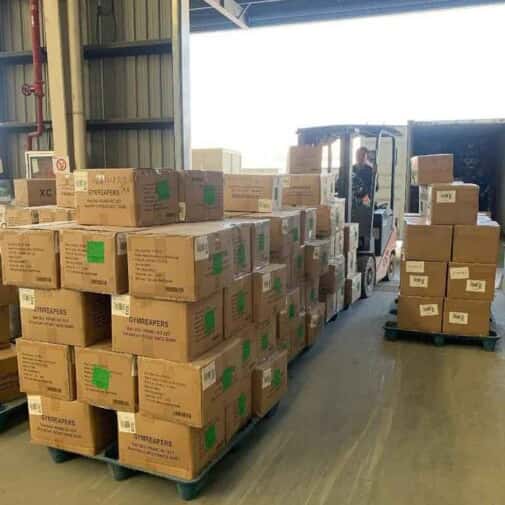
30-Day Bag Supplier Evaluation Framework
A practical 30-day evaluation structure
Days 1–7: RFQ and requirement handling
This stage shows how the supplier thinks before work starts.
What to observe
- Do they ask relevant clarification questions?
- Do they answer your RFQ point-by-point?
- Do they identify missing information?
- Do they explain the assumptions behind the quote and lead time?
- Do they push for speed only, or also help reduce risk?
Strong signals
- Structured response
- Clear trade-off explanation
- Realistic lead time comments
- Early feasibility feedback
Warning signals
- Immediate quote with almost no questions
- Vague answers to technical items
- “No problem” with everything
- Unclear ownership of next steps
Days 8–15: Feasibility discussion and sample planning
This stage tests product understanding and project management basics.
What to observe
- Can they translate your concept into a practical sample plan?
- Do they clarify materials, logo, packaging, and function priorities?
- Can they explain possible risks before sampling?
- Do they propose options (cost, speed, performance trade-offs)?
- Do they summarize decisions in writing?
Strong signals
- Feasibility-first mindset
- Clear sample scope
- Version awareness
- Risk disclosure before action
Warning signals
- Starts sample blindly without alignment
- Frequent contradiction in answers
- No written summary after technical discussions
- No clarity on sample timeline milestones
Days 16–23: Sample execution and revision discipline
Even if the first sample is not perfect, this stage reveals a lot.
What to observe
- Do they deliver the sample on time (or communicate a delay early)?
- Do they explain what was followed or what was adjusted?
- Do they respond to revisions clearly?
- Do they track revision points?
- Do they discuss sample-to-bulk considerations early?
Strong signals
- Honest explanation of sample outcome
- Clear revision list handling
- Active suggestions to improve manufacturability
- Consistent thinking (not just “make sample look good”)
Warning signals
- Defensiveness when feedback is given
- Revision points missed or partially tracked
- No explanation for deviations
- Repeated timeline drift without early notice
Days 24–30: Bulk-readiness and cooperation fit check
This is where partners should step back and evaluate overall fit, not just sample appearance.
What to review
- Communication quality and responsiveness (structured, not just fast)
- Technical understanding of your bag category
- Risk transparency
- Quote clarity
- Lead time logic
- QC or process awareness
- Team fit and working style
- Willingness to document and confirm
This stage is also a good time to discuss:
- PP sample needs
- BOM confirmation
- update cadence during production
- inspection expectations
- change approval process
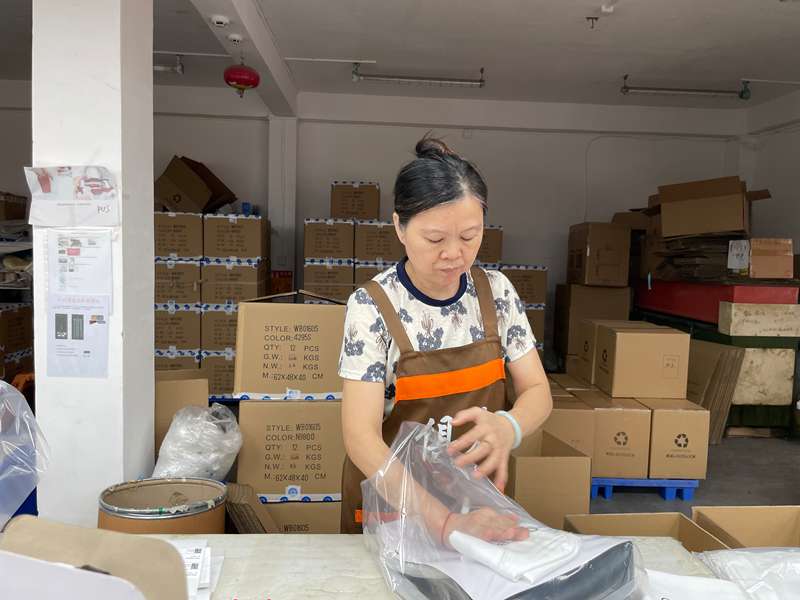
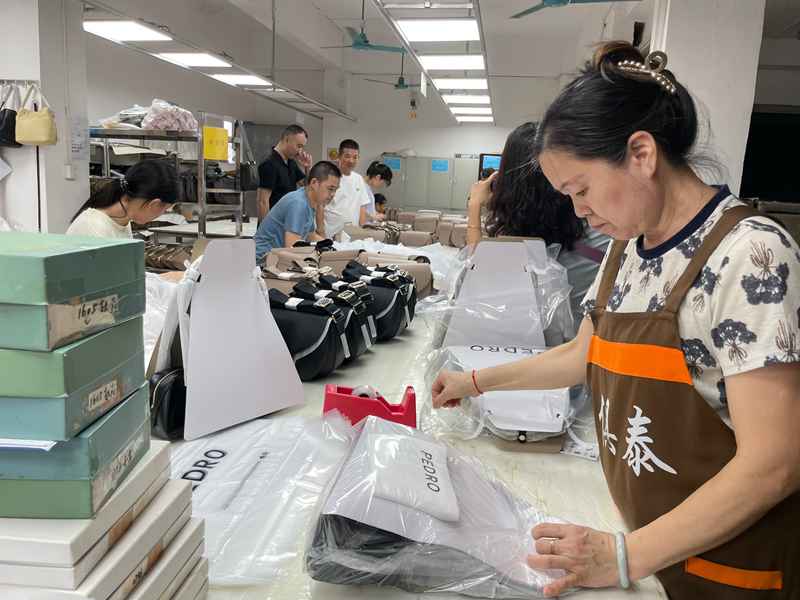
Compare Bag Suppliers: Checklist & Scorecard
What a practical supplier scorecard should include
For bag sourcing, a useful scorecard should balance commercial factors and execution reliability.
Category 1: Product & Technical Fit
Questions to score:
- Does the supplier understand this bag category?
- Can they explain structure or function trade-offs clearly?
- Do they identify manufacturability risks early?
- Are their recommendations practical, not generic?
Why it matters: A supplier may be “good at bags” in general but not strong in your category (cooler bags, tactical bags, travel bags, clear bags, EVA bags, etc.).
Category 2: Communication & Project Management
Questions to score:
- Are responses structured and traceable?
- Is project ownership clear?
- Do they summarize decisions and revisions in writing?
- Do they communicate risks early and clearly?
Why it matters: Many sourcing failures are communication failures before they become production failures.
Category 3: Sample Execution & Revision Discipline
Questions to score:
- Was the sample delivered on time (or a delay communicated early)?
- Did the sample reflect approved requirements?
- Were deviations explained clearly?
- Were revision points tracked accurately?
Why it matters: Sample stage behavior often predicts bulk-stage behavior.
Category 4: Consistency & QC Capability
Questions to score:
- Do they have sample-to-bulk control logic?
- Do they describe in-line QC, not just final inspection?
- Can they explain defect prevention methods?
- Do they show corrective action thinking?
Why it matters: This is a strong predictor of complaint risk and repeat-order stability.
Category 5: Lead Time Reliability & Planning Logic
Questions to score:
- Is lead time tied to assumptions and milestones?
- Do they identify critical path items?
- Do they communicate delay risks early?
- Do they show re-planning capability?
Why it matters: On-time delivery depends on planning discipline, not only factory capacity.
Category 6: Commercial Clarity & Cooperation Fit
Questions to score:
- Is the quotation clear and complete?
- Are MOQ and pricing assumptions transparent?
- Are payment/trade terms communicated clearly?
- Does the team feel workable for long-term cooperation?
Why it matters: Even technically capable suppliers can become difficult partners if commercial communication is unclear.
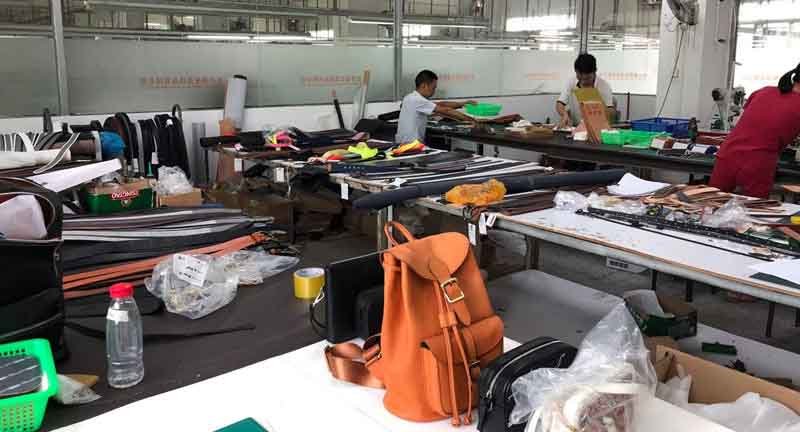

Make A Sample First?
See your idea come to life before mass production.
At Jundong Factory, we offer free design mockups and custom samples to ensure every detail is perfect — from material and color to logo placement and stitching.
Start your project with confidence today: info@jundongfactory.com.
Reliable Supplier Test: Client FAQs
What is the fastest way to judge whether a bag supplier is reliable before placing a large order?
The fastest, most reliable method is to evaluate a bag supplier across five areas within the first 2–4 weeks: RFQ quality, clarification depth, sample execution, revision discipline, and risk transparency. Do not judge mainly by low price, fast reply speed, or one attractive sample photo. Reliable suppliers show structured communication, realistic timelines, and early risk identification before bulk production starts.
This is one of the most common and most useful procurement questions, especially for those who are comparing multiple suppliers under time pressure. The short truth is simple: you usually do not need to wait until bulk production to see whether a supplier is reliable. In many cases, reliability signals show up early—if you know what to look at.
A lot of partners lose time because they evaluate the wrong signals first. For example:
- very fast reply speed
- very confident “yes, no problem.”
- lowest quotation
- polished sales presentation
- good-looking sample photos only
These are not meaningless, but they are not enough. A supplier can reply quickly and still manage production poorly. A supplier can quote low and still create hidden costs later through delays, repeated revisions, or inconsistent bulk quality.
A faster and more practical approach is to evaluate the supplier in the first 2–4 weeks using a simple framework:
5 Early Reliability Signals
| Evaluation Area | What Strong Suppliers Usually Do | Risk Signal |
|---|---|---|
| RFQ Handling | Ask useful follow-up questions | Quote too fast with little clarification |
| Technical Clarification | Explain trade-offs (material, structure, lead time) | Generic “can do everything” answers |
| Sample Execution | Deliver on time or communicate a delay early | Delay without early notice |
| Revision Discipline | Track changes in writing | Verbal-only revisions, confusion |
| Risk Transparency | Raise issues before they become problems | Only report problems after deadlines slip |
Is a lower MOQ always better for small and medium partners when choosing a bag supplier?
Low MOQ Is Useful Only When the Factory Can Control It Well
A lower MOQ is not automatically better. It only becomes valuable when the factory can still keep stable quality, clear pricing, and workable lead time at that volume. That is why the better question is not only “What is your MOQ?” but also “How well can you run this MOQ?”
This matters for:
startups testing a first product
e-commerce brands are trying new styles
importers reducing inventory pressure
distributors testing new SKUs
private label programs with mixed-color or mixed-style launches
Low MOQ can help with:
product testing before scale-up
seasonal launches
new market entry
limited collections
mixed-SKU planning
better cash-flow control
This is especially relevant for tote bags, backpacks, makeup bags, travel bags, cooler bags, belt bags, and private label accessories.
What can go wrong at low MOQ?
A low MOQ offer does not always mean the production system is well-suited to smaller runs. Common risks include:
less stable workmanship
slower-than-expected production
unclear extra charges
material substitutions
Weaker scheduling priority during busy periods
So low MOQ only works well when it is matched with real execution control.
Better questions to ask
Instead of asking only about MOQ, it helps to ask:
What changes at this quantity level
whether QC stays the same at this volume
Which parts of the quote are fixed or variable
whether mixed-SKU or mixed-color trial orders are possible
What trial order structure is recommended
Look beyond the MOQ number
A lower MOQ may look attractive at first, but if it leads to:
delays
rework
inconsistent quality
Repeated communication loops
higher replacement risk
Then the real sourcing cost becomes higher.
That is why a stronger factory evaluation usually looks at:
MOQ flexibility
process reliability
quote transparency
communication quality
sample-to-bulk control
In other words, low MOQ is useful only when the factory can keep the order controlled, repeatable, and commercially workable at that level.
How can we reduce the risk that the sample looks good but bulk production looks different?
To reduce sample-to-bulk inconsistency, the most effective method is to set control points before production begins. A good-looking sample alone is not enough. What really protects the bulk order is a clear process that links the approved sample to BOM lock, revision control, PP sample review when needed, and in-line QC checkpoints.
This issue is common in custom bag manufacturing, especially when the bulk order starts to drift in:
- material feel
- stitching quality
- size tolerance
- logo placement
- color tone
- finishing details
- packaging execution
Why drift happens
The most common causes include:
- incomplete approved specifications
- weak revision tracking
- material or trim substitution
- unclear production handoff
- inconsistent sewing execution
- no in-line QC focus on CTQ areas
- packing and finishing standards not clearly recorded
What partners should confirm before the bulk starts
A stronger bag project usually checks these points early:
1. Approved production standard
The factory should clearly define what the line follows:
- approved sample
- signed sample
- approved photos plus spec sheet
- tech pack plus BOM and comments
2. BOM lock
Main material, lining, webbing, zipper, hardware, foam, logo parts, and packaging materials should be confirmed before bulk.
3. Revision tracking
Any change after sample approval should be written clearly, dated, versioned, and confirmed by both sides.
4. PP sample when needed
A PP sample is especially useful for:
- complex bag structure
- multiple SKUs or colors
- retail launch projects
- stricter appearance control
- packaging-sensitive orders
5. In-line QC checkpoints
Good process control should check:
- logo placement
- stitch quality at stress zones
- size tolerance
- zipper function
- attachment alignment
- color matching by batch
- packing consistency

Which matters more when choosing a bag supplier: price, quality, or communication?
For most bag sourcing decisions, the best choice is not the supplier with the best single metric, but the supplier with the strongest total reliability fit. In practice, communication and process control often determine whether price and quality can remain stable during sampling, bulk production, and repeat orders.
This question comes up in almost every real procurement discussion because different teams look at suppliers through different lenses. Sales may prioritize speed. Procurement may focus on cost. Product teams may prioritize sample details. Operations may worry about execution stability. Finance may ask for predictability. Leadership may want a supplier that can support growth.
All of these views are valid. The problem starts when a team tries to choose a supplier using only one lens.
Why “price vs quality vs communication” is the wrong final question
The more useful question is:
“Which supplier gives us the best overall execution result for this project stage?”
Because in bag manufacturing, these three factors are not independent:
- Weak communication often causes quality mistakes.
- Unclear process control often causes delays that raise actual cost.
- Low price without execution discipline often creates hidden costs later.
A supplier can offer an attractive quote and still become expensive through:
- repeated revisions
- preventable delays
- wrong packaging execution
- inconsistent logo placement
- rework and replacement risk
- internal team time spent chasing updates
When should price carry more weight?
There are situations where price can reasonably carry more weight:
- The bag design is simple and standardized
- The order is a short-term market test
- branding details are minimal
- time pressure is low
- You already have strong internal controls
- Supplier switching cost is low
When communication and process matter more
For many custom bag projects, communication becomes a major reliability factor, especially when you have:
- OEM / ODM / private label requirements
- multiple SKUs or colorways
- custom packaging
- launch deadlines
- brand appearance standards
- repeated sample revisions
- cross-functional approvals (product, sourcing, operations)
In these situations, a supplier with average pricing but strong communication and better change control may create better results than a cheaper supplier with weak project management.
Why? Because custom projects create uncertainty. And uncertainty is managed through communication quality and process discipline.
Quality: sample quality vs bulk quality
Another reason this question is tricky: partners often treat “quality” as one thing, but in reality, there are at least two separate questions:
- Can they make a good sample?
- Can they keep that quality stable in bulk?
A supplier may score well on sample appearance but poorly on bulk consistency. That gap is often caused by weak process control, not a lack of technical skill.
So when comparing suppliers, define quality more practically:
- sample accuracy
- sample-to-bulk consistency
- defect prevention behavior
- issue escalation speed
- corrective action quality
That gives your team a better decision basis.
How can we evaluate a bag supplier if we are not ready to place a big order yet?
Many clients assume supplier evaluation starts only when they are ready to place a large order. In practice, that often creates unnecessary risk. A better approach is to evaluate suppliers in stages before committing to a larger volume.
This is especially useful for:
- new brands
- importers entering a new bag category
- distributors testing a new supplier
- companies moving from trader sourcing to factory-direct sourcing
- teams with limited budget but high reliability requirements
The key idea is simple:
You can make a bag. You are testing how they run a project.
Why staged evaluation works
A large order tests many things at once:
- production capability
- QC consistency
- planning discipline
- communication under pressure
- issue escalation
- packaging execution
- shipping coordination
If you test all of that for the first time in a large order, your exposure is high. A staged method reduces exposure while still giving you meaningful evidence.
Recommended 4-stage evaluation path
Stage 1: RFQ + Feasibility Review
What to test:
- How they read your requirements
- Whether they ask useful clarification questions
- Whether they explain trade-offs (material, structure, MOQ, lead time)
- Quote clarity and completeness
Strong signal:
- structured response + practical questions + realistic assumptions
Risk signal:
- instant quote + generic answers + unclear scope
Stage 2: Sample Development
What to test:
- sample timeline discipline
- technical interpretation
- communication rhythm
- willingness to explain deviations
- professionalism in handling incomplete information
Strong signal:
- clear timeline + documented comments + visible problem-solving
Risk signal:
- delays with no notice + repeated misunderstanding + vague updates
Stage 3: Revision Response
This stage is highly valuable because it reveals process maturity.
What to test:
- written revision tracking
- version control
- whether changes are accurately implemented
- whether they can push back intelligently on risky requests
Strong suppliers not only “accept changes”; they manage changes.
Stage 4: Pilot Order (Small Batch)
If budget and timeline allow, a pilot order is one of the strongest tests of real reliability.
What to test in a pilot:
- bulk-level consistency (even at small scale)
- packaging accuracy
- timeline performance
- issue escalation behavior
- inspection cooperation
- post-shipment communication
What to define before a pilot order
To make the pilot meaningful, define:
- what counts as success
- what will be checked (quality, lead time, packaging, communication)
- approval checkpoints
- who makes final decisions
- what happens if performance is mixed (repeat pilot? revise process? pause?)
This turns the pilot into a decision tool, not just a small purchase.
Do reliable bag suppliers always have the lowest defect rate?
Why is the defect rate alone not enough
A defect-rate figure can be affected by many variables:
- product complexity
- defect definition standards
- inspection method
- sampling level
- production volume
- whether cosmetic issues are counted
- whether rework was done before inspection
- whether data is tracked consistently
So if Supplier A says “1% defect rate” and Supplier B says “2% defect rate,” that does not automatically mean Supplier A is more reliable.
A better procurement question is:
“How does this supplier prevent, detect, communicate, and correct quality issues?”
Because partners usually suffer most from:
- late discovery
- repeated defects
- inconsistent standards
- poor escalation
- unclear root-cause handling
Those problems may exist even when a supplier quotes a low defect percentage.
What reliable suppliers do differently
Reliable suppliers usually show stronger behavior in four areas:
(1) Prevention
They do not rely only on final inspection. They use prevention methods such as:
- incoming checks for key materials/components
- process controls at critical operations
- workmanship standards for high-risk points
- training or reference samples for operators
- pre-production alignment on approved specs
(2) Early Detection
They identify problems before the entire batch is affected. This often requires:
- in-line QC checkpoints
- defect trend monitoring
- stop-and-correct logic for recurring issues
- supervisor involvement when risk rises
(3) Clear Communication
When a problem happens, reliable suppliers communicate:
- what happened
- which SKUs/batches may be affected
- likely impact on timing/quality
- proposed corrective options
- what decision is needed from the client (if any)
This is far more useful than a vague message like “small issue, we are handling it.”
(4) Corrective and Preventive Action:
Reliable suppliers usually show a pattern of:
- identifying the likely cause
- applying immediate correction
- reducing recurrence risk in future orders
Questions partners should ask beyond the defect rate
If you want a stronger picture of quality reliability, ask:
- How do you define defects (major/minor/critical)?
- Which defects are most common for this bag type?
- What in-line QC checkpoints do you use?
- What happens if a defect trend appears during production?
- How do you document and prevent repeat defects?
- How do you align QC standards with approved samples/specs?
How often should a reliable bag supplier provide updates during sampling and bulk production?
A strong factory usually communicates by milestone and risk event, not by random status messages.
Why update rhythm matters
In custom bag projects, partners often need to coordinate:
product and design approval
sourcing and purchasing timing
launch or promotion schedule
packaging readiness
logistics booking
online listing or retail setup
If updates are vague or inconsistent, internal planning becomes unstable even when production itself is moving.
What to expect during sampling
During the sample stage, useful updates often include:
sampling plan confirmation with timeline and key assumptions
mid-sample progress update for more complex bags, especially if material or process issues appear
pre-shipment sample confirmation with photos, notes, and any differences from the request
Revision alignment with version or date tracking after feedback
What to expect during bulk production
During bulk, updates should become more structured because the cost of delay is higher. A reliable factory usually provides:
pre-production confirmation before mass production starts
scheduled progress updates linked to milestones
risk alerts immediately when material, quality, or timing problems appear
Final packing and shipment updates before release
A better standard
The strongest update rhythm is not “more messages.” It is a communication flow that helps them act earlier, approve faster, and keep the order under control with fewer surprises later.
What are the warning signs that a bag supplier may not be reliable?
Many teams only start asking this after a bad order experience. A better time is before placing a larger order. In custom bag sourcing, the most useful habit is learning to spot early warning patterns before they turn into delay, rework, cost drift, or bulk inconsistency.
A reliable factory does not need to be perfect. What matters more is whether problems are explained clearly, corrected quickly, and reduced over time.
Why warning signs are often missed
Common reasons include:
- The quote looks attractive
- response speed feels good
- The project is urgent
- One sample photo looks convincing
- The team assumes issues can be fixed later
- different people review price, sample, and timeline separately
Common warning signs in bag sourcing
Be more careful when you see patterns like these:
- overconfident replies without questions
- fast quotation with vague scope
- lead times that sound too perfect
- different answers from sales, sample, and production teams
- weak revision or version control after sample feedback
- late delay notice with no recovery plan
- problem descriptions that stay vague
- QC mentioned, but no checkpoint logic is explained
Why combined warning signs matter more
One issue alone may not mean the project should stop. But several signs together usually create a much higher risk.
For example:
- low price
- unclear quote scope
- no technical clarification
- late communication on delays
This combination often leads to trouble later.
Practical next steps for partners
When warning signs appear, a better response may be to:
- ask for written clarification
- require a structured revision log
- define milestone-based updates
- reduce the first order volume
- run a pilot order before scaling
- add stronger approval checkpoints
In bag projects, early warning signs are most useful when they help you tighten control before the risk becomes expensive.
How should we compare two bag suppliers when both seem “good enough”?
This is a very common procurement situation. You have already filtered out weak suppliers. Now, two suppliers both appear usable:
- Both can make the product
- both have reasonable communication
- both provided acceptable samples
- both gave quotes within budget range
At this stage, many teams get stuck and make decisions based on intuition:
- “This salesperson feels more responsive.”
- “This factory looks bigger.”
- “This quote is slightly lower.”
- “This sample looks a little cleaner.”
These impressions are not useless, but they are often too shallow for a decision that may affect launch timing, quality consistency, and repeat-order stability.
The better question is:
“Which supplier is more likely to perform well when the project becomes more complex than expected?”
Because most sourcing problems happen after the easy part.
Why “good enough” suppliers still produce very different outcomes
Two suppliers can both look acceptable during early interactions, but later perform very differently due to differences in:
- internal handoff quality
- version control discipline
- production planning realism
- issue escalation speed
- consistency management during bulk
- willingness to communicate constraints early
These differences are often not obvious if your comparison focuses only on:
- sample appearance
- quotation total
- reply speed
Use a scenario-based comparison (very effective)
Instead of asking “Which one is better overall?”, compare how each supplier would likely respond to common real-world sourcing scenarios.
Scenario examples to test internally
- A material delay happens mid-project
- Who is more likely to report early?
- Who can offer alternatives clearly?
- Who documents change approval better?
- You request revisions after sample approval
- Who tracks version updates better?
- Who is less likely to create confusion?
- Launch date becomes tighter
- Who gives realistic timeline trade-offs instead of blind promises?
- Who can explain what can/cannot be accelerated?
- A quality issue appears in bulk
- Who communicates impact more clearly?
- Who seems stronger at corrective action and containment?
What should be agreed in writing before placing the first bulk order with a new bag supplier?
This is one of the highest-value questions in supplier onboarding because many first bulk-order failures are not caused by “bad factories” alone. They are caused by incomplete written alignment before production starts.
A partner may assume:
- “We already discussed that in calls.”
- “They saw the sample.”
- “The quotation includes it.”
- “It is obvious.”
But what is obvious to one side may be interpreted differently by the other side—especially in custom bag manufacturing, where many details affect cost, timing, and final appearance.
The stronger procurement mindset is:
If it matters to the result, confirm it in writing before the bulk starts.
Why written alignment matters so much in the first order
In a first order, the supplier and client are still learning each other’s standards:
- quality expectations
- tolerance acceptance
- communication style
- approval speed
- packaging detail sensitivity
- escalation preferences
Without written alignment, teams tend to rely on assumptions. Assumptions create preventable errors.
This is especially true when the project includes:
- custom logo applications
- multiple materials
- color matching requirements
- retail packaging
- multiple SKUs
- tight launch windows
- private label compliance details
What partners should confirm in writing
Below is a practical checklist for the first bulk order.
(1) Approved production reference
Define exactly what the factory should follow:
- approved sample / signed sample
- approved photos
- tech pack/spec sheet
- comment sheet/revision list
- version date/code
Why it matters: Prevents “we followed a different version” disputes.
(2) BOM / material specification (locked version)
Confirm key materials and components:
- main fabric
- lining
- webbing
- zipper/hardware
- foam/padding (if applicable)
- logo materials/process
- packaging materials
If substitutions are possible, define:
- what may be substituted
- what requires their approval
- how approval will be documented
Why it matters: Protects sample-to-bulk consistency and cost assumptions.
(3) Product specifications and tolerance expectations
Confirm practical specs such as:
- dimensions
- weight (if relevant)
- color reference method
- logo placement/location
- stitch appearance priorities
- functional points (zipper, strap strength, closures, etc.)
Why it matters: “Quality” is too vague unless translated into checkable standards.
(4) Quality expectations and inspection logic
This does not always require a complicated legal document, but they should clarify:
- key defect concerns for this bag type
- critical checkpoints
- how major issues are escalated
- inspection timing (in-line/final/third-party if applicable)
Why it matters: Aligns quality management before problems occur.
(5) Timeline and milestones
Do not confirm only a final ship date. Confirm milestone expectations where relevant:
- material readiness
- pre-production start
- production progress updates
- inspection timing
- packing completion target
- shipment readiness
Also, define what happens if a delay risk appears.
Why it matters: Protects launch planning and avoids late surprises.
(6) Packaging and labeling requirements
A frequent source of first-order mistakes. Confirm:
- polybag/carton requirements
- barcode/label placement
- hangtag/insert requirements
- carton marks
- assortment / pack-out rules
- export packaging expectations
Why it matters: The product may be correct, but the shipment is still unusable if the packaging is wrong.
(7) Communication and escalation rules
Agree on:
- main contact person(s)
- update rhythm (especially for bulk)
- what triggers immediate escalation
- response expectations for urgent approvals
Why it matters: Speeds decisions when time-sensitive issues arise.
(8) Change management/approval process
Define how changes are handled after PO confirmation:
- who can approve changes
- what must be in writing
- effect on lead time/cost
- version update method
Why it matters: Prevents confusion, disputes, and hidden schedule impact.
Everything You Need to Know Before Customizing Your Bags
Reliable bag sourcing decisions are rarely based on appearance alone. For procurement teams, “reliable” means a supplier can give consistent, testable answers around MOQ versus bulk pricing, lead time realism, material specifications, hardware standards, workmanship tolerance, packing logic, and repeat-order consistency. This FAQ section is designed to clarify those operational factors upfront, helping you judge supplier fit faster while reducing unnecessary internal back-and-forth.
We recommend structuring FAQs around real sourcing triggers: what information is required to start RFQ and sampling, how to prevent sample-to-bulk drift in color, hand-feel, dimensions, and construction, how reinforcement choices match real load and wear points, how multi-SKU programs are managed without mix-ups, and which QC checkpoints protect long-term durability and repeatability (incoming checks, in-process inspection, final inspection, and stress tests). Clear FAQs also support long-tail search intent, such as “reliable bag supplier,” “OEM bag manufacturer MOQ,” “private label bag factory,” or “sample to bulk consistency.”
For a quick evaluation, share your bag type, target dimensions, usage scenario, preferred materials, hardware tone, logo method, and packing requirements by email. Our team will review your inputs and propose a practical route—spec checklist → sampling roadmap → BOM lock → QC checkpoints → pack-out rules → reorder stability—to support your project from sampling to repeat production.