 Skip to content
Vegan Leather Bags Manufacturer
Looking for a reliable Vegan Leather Bags Manufacturer in China? We help brands, wholesalers, and sourcing teams develop custom vegan leather bags with OEM/ODM support, low-MOQ options, rapid sampling, structured QC, and stable bulk production. From material selection and logo branding to sample approval and shipment planning, we build a clear process that reduces sourcing risk and improves sample-to-bulk consistency—so your team can launch faster with more confidence.
China Vegan Leather Bag OEM Manufacturer
A strong vegan leather bag manufacturing partner should be evaluated as a process partner, not only as a sewing workshop.
That distinction matters.
Why? Because vegan leather bags often look simple from the outside, but production stability depends on many linked decisions behind the scenes:
- Material system compatibility (surface, backing, lining, interfacing, webbing, zipper, and hardware)
- Pattern engineering for shape retention and clean edge appearance
- Logo method selection (deboss, print, metal plate, patch, woven label, etc.)
- Edge finishing and seam construction
- Color consistency across lots
- Packaging method based on retail, e-commerce, or wholesale distribution
- Bulk QC standards tied to real use conditions, not just visual checks
For B2B customers, this is where projects succeed or fail.
A startup brand may need lower MOQ and more development guidance.
A growing brand may need repeatability across SKUs and seasons.
An established brand may require tighter tolerances, documentation discipline, and production scheduling reliability.
A wholesaler may care more about cost control, mixed-order support, and packaging efficiency.


Vegan Leather Bags: Materials & How to Choose
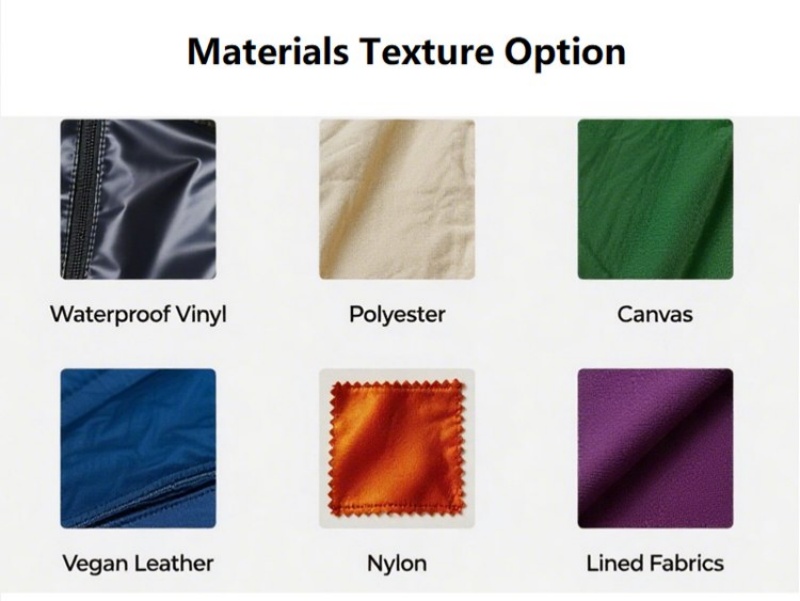
The term vegan leather bags can include several material families, and each family may contain multiple grades.
This is why professional sourcing conversations should move beyond “Can you do vegan leather?” and shift to a more precise question:
Which vegan leather material system is suitable for my bag category, target price, branding method, and durability expectation?
Common vegan leather material categories used in bags
Below is a practical way to think about vegan leather for bag projects:
PU-based synthetic leather (most common in bag manufacturing)
- Widely used across fashion bags, lifestyle bags, organizers, cosmetic bags, and packaging bags
- Large variety in texture, hand feel, thickness, and backing options
- Usually flexible for branding methods and color development
- Good for projects that need visual range and stable supply options
PVC-based synthetic leather (application-dependent)
- Used in some structured, promotional, waterproof-related, or cost-sensitive products
- Can be suitable for specific use cases, but the look, feel and processing behavior differ from PU
- Customers should match it to actual product positioning and compliance requirements
Microfiber or higher-performance synthetic alternatives
- Often selected when buyers want a stronger feel, better abrasion performance, or a more premium positioning
- Material cost and processing route may differ from standard PU
- Requires earlier sampling alignment to avoid quote drift
Other emerging “vegan” alternatives
- These may be requested by brands for marketing, sustainability positioning, or design strategy
- Factory feasibility depends on material availability, consistency, processing compatibility, MOQ, and lead time
- These projects usually need earlier material testing and approval
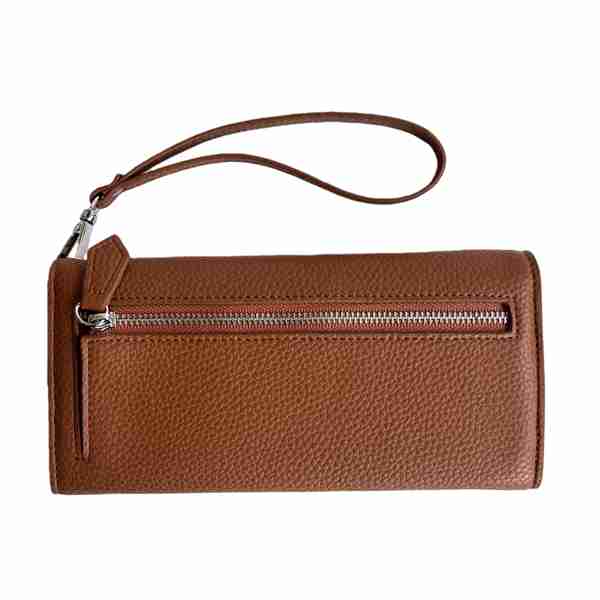


Customize Vegan Bags: Materials, Logo, Packaging
Level A — Branding Customization
This is best for buyers who want faster launch cycles and lower development complexity.
Typical changes:
- Logo application (metal plate, deboss, print, patch, woven label)
- Hangtag, care label, packaging insert
- Minor trim changes (zipper pull, label placement)
- Color adjustments based on available material options
Best for:
- promotional orders
- wholesaler private-label programs
- simple repeatable designs
- test-market launches
Buyer benefit:
- lower development cost
- faster sampling
- easier MOQ planning
Watch points:
- not all logo methods work equally well on all vegan leather surfaces
- logo placement repeatability should be checked in bulk
Level B — Semi-Custom Development
This is often the most practical route for growing brands.
Typical changes:
- custom color direction and material selection
- revised dimensions
- pocket layout adjustments
- strap length/width changes
- lining upgrade
- mixed branding methods
- improved packaging presentation
Best for:
- growing brands
- multi-SKU collections
- products that need differentiation without full redevelopment risk
Buyer benefit:
- good balance of uniqueness and cost control
- better commercial flexibility than full OEM
- faster than fully new pattern development
Watch points:
- each change may affect quote and lead time
- too many changes at once can slow sample approval
Level C — Full OEM / ODM Structural Development
This route is for projects that need stronger product identity or specific functional requirements.
Typical changes:
- new silhouette / new pattern set
- custom construction architecture
- internal organizers / partitions / function zones
- custom handle/strap system
- unique opening method
- reinforced load zones
- full packaging system and labeling standard
Best for:
- established brands
- category expansion programs
- long-term repeat production
- products with strict usability needs
Buyer benefit:
- stronger differentiation
- better control over product experience
- long-term brand asset development
Watch points:
- requires clearer technical inputs and revision discipline
- longer development timeline than Level A/B
- approval process must be structured to avoid repeated changes

OEM vs ODM Vegan Bags: Best Route
When ODM is the smarter route for vegan leather bags
ODM is often the better choice when:
- you need faster launch timing
- your team is still testing the market
- you want lower development risk
- the product category is not your core brand hero yet
- you are willing to start from an existing structure and customize branding/material/color/packaging
Examples:
- private-label cosmetic pouches
- lifestyle tote bags with brand logo updates
- organizer bags for promotional distribution
- seasonal collections with limited development time
Advantages of ODM route:
- shorter sampling path (usually)
- easier cost forecasting (because base structure exists)
- fewer structural unknowns
- lower development workload for the buyer team
Watch points:
- differentiation may be limited if changes stay too shallow
- ask clearly what can and cannot be changed
- confirm exclusivity expectations early (if needed)
When OEM is the better route for vegan leather bags
OEM is often the stronger route when:
- you need a distinct product identity
- your brand already has clear design language
- function/structure matters (compartments, carrying method, usability)
- you need tighter control over dimensions, construction, and finishing
- the product is part of a long-term program or core category
Examples:
- signature handbag lines
- structured work bags with specific organizer layouts
- premium private-label collections with strong brand recognition
- category expansion projects for established brands
Advantages of OEM route:
- stronger differentiation
- better alignment to your brand DNA
- more control over product details and user experience
- stronger long-term repeat value if specs are locked well
Watch points:
- requires stronger inputs (tech pack / sketches / references / approval discipline)
- more revisions can happen if decision-making is slow
- development time and cost are typically higher than simple ODM customization
Vegan Bag Sample Workflow: Reduce Revisions
A structured sample workflow for vegan leather bag projects
Stage 1 — RFQ & Requirement Alignment
This is where many delays can be prevented.
What the buyer should ideally provide:
- reference images, sketches, tech pack (if available)
- target dimensions
- target quantity (by style/color if possible)
- target price range (even a rough range helps)
- logo artwork and preferred method
- target market / sales channel
- timeline target
- packaging requirement (if known)
What the factory should do:
- confirm feasibility risks early
- suggest suitable material options
- clarify what is included in the quote
- identify missing information
- define expected sample scope and timeline
Stage 2 — Material & Trim Confirmation
Before cutting and sewing, material decisions should be narrowed.
Why this matters in vegan leather bags:
- the same design behaves differently with different materials
- hardware finish and logo method may look inconsistent if not matched well
- edge finishing quality depends on material behavior
At this stage, it helps to confirm:
- main material direction
- lining option
- hardware finish
- zipper type / trim color
- branding method
- key construction details that affect appearance
Stage 3 — First Sample Development
This sample is often used to check:
- overall silhouette
- proportions
- construction feasibility
- logo placement
- general material feel
- internal layout logic
Stage 4 — Review Feedback
Many projects slow down because feedback is sent in fragmented messages:
- one comment in email
- one comment in chat
- one comment on image
- one verbal note in meeting
A better method is a structured review sheet with:
- issue description
- location on bag
- priority level
- requested change
- decision deadline (if needed)
This reduces confusion and speeds up the next revision.
Stage 5 — Revised Sample or Approval Sample
This stage should confirm not only appearance, but also:
- repeatability of key details
- final material/trim direction
- branding execution quality
- size/function usability
- packaging fit (if applicable)
Stage 6 — Pre-Bulk Approval Lock
Before bulk production, the buyer and factory should align what is “locked.”
Typical lock items:
- approved material and color direction
- logo process and position
- dimensions and tolerances
- hardware finish
- construction details
- labeling/packaging requirements
- QC focus points
- acceptable variation boundaries (where applicable)
This stage is one of the most effective ways to reduce sample-to-bulk drift.
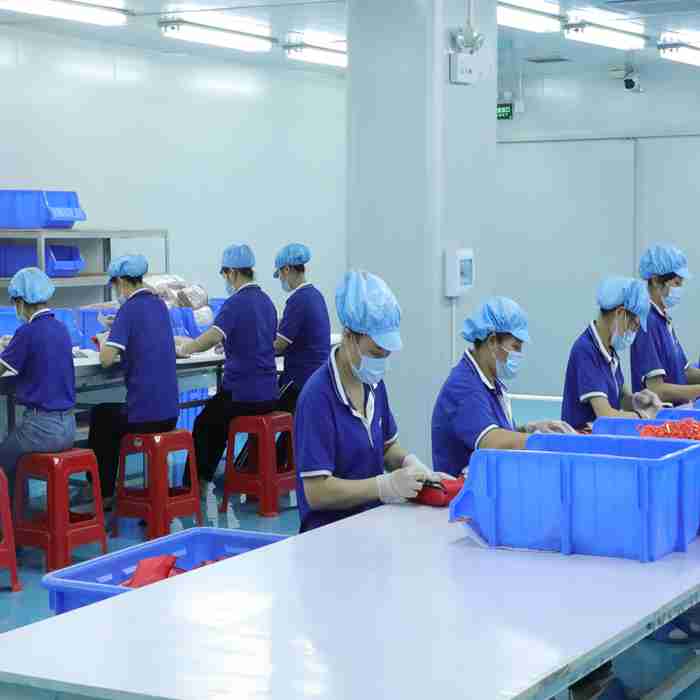

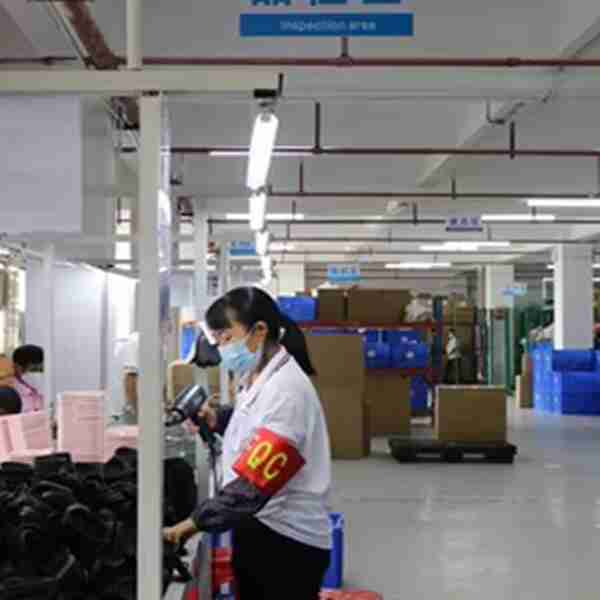
Vegan Bag QC: Before, During, After
Why vegan leather bag QC needs product-specific focus
Vegan leather bag quality control cannot be copied from a generic textile bag QC checklist.
Why? Because vegan leather projects include processing points that can create special risks:
- surface texture consistency (batch variation can be visible)
- color appearance under lighting (especially in darker or coated finishes)
- edge finishing quality (edge paint smoothness, adhesion, cracking risk at folds)
- logo performance on surface (deboss clarity, print adhesion, position consistency)
- hardware finish consistency (tone differences across lots)
- seam straightness and panel alignment
- shape retention / collapse risk
- wrinkle behavior after packing and transport
- odor / packaging retention issues (depending on materials and packing method)
This is why quality should be controlled in stages—not only at the final inspection table.
A practical 3-stage QC model for vegan leather bags
Stage A — Pre-Production QC Alignment
Goal: prevent avoidable mismatch before production begins.
What should be confirmed:
- approved material direction (surface and backing)
- approved trims and hardware finish
- logo method and placement
- dimensions or tolerances
- construction details (edge paint, folded edge, seam methods)
- packaging standards
- QC focus points based on product type (fashion vs organizer vs structured bag)
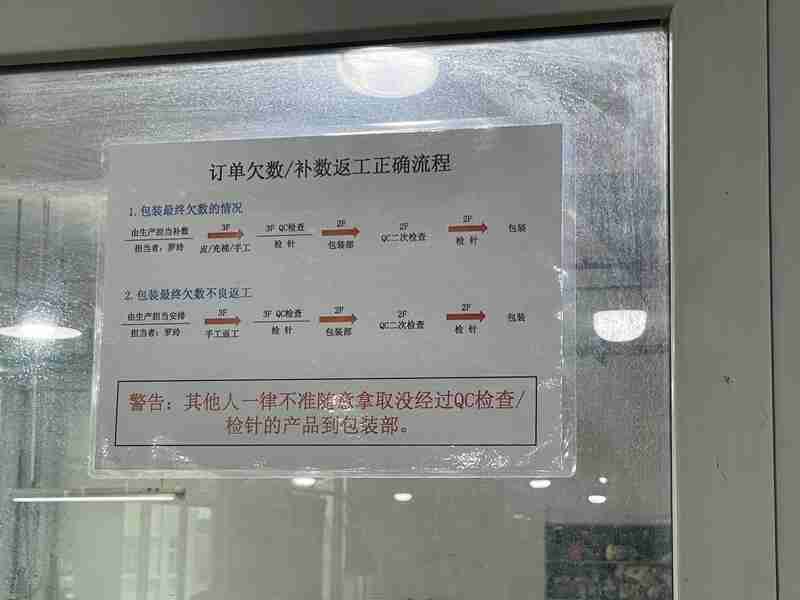
Stage B — In-Process QC
Goal: catch drift early before volume increases.
Typical in-process checks:
- panel cutting consistency
- stitching alignment and seam quality
- logo placement repeatability
- edge finishing appearance and adhesion
- hardware matching and attachment quality
- shape consistency (especially structured styles)
- basic function check (zipper, strap, closure)
Stage C — Final QC & Packing QC
Goal: verify shipment readiness, not only product appearance.
Typical final checks:
- visual defects (scratches, stains, color mismatch, wrinkles)
- workmanship consistency
- measurement checks
- logo or label correctness
- function checks
- packing method correctness (polybag, tissue, inserts, barcode labels)
- carton marking and shipping label accuracy
- carton condition or packing quantity confirmation

Vegan Bag Planning: Lead Time, Scaling
What customers should know about lead time
There is no single “standard lead time” that applies to every vegan leather bag project.
Lead time depends on factors such as:
- customization level (branding custom vs full OEM)
- number of SKUs or colors
- material sourcing complexity
- hardware customization level
- sampling revision rounds
- packaging requirements
- order quantity and production mix
- approval speed on buyer side
- seasonal production load
Lead-time planning framework buyers can use
A better question than “What is your lead time?” is:
What is the expected timeline for my project, and which parts of that timeline are most sensitive to change?
That question gets better answers.
Ask for a breakdown like:
- sample lead time
- revision lead time (if needed)
- material preparation time
- bulk production time
- final inspection and packing time
- shipment handover window
Scaling orders: what usually goes wrong
Many projects do fine at small quantity but become unstable when quantity increases. Common reasons:
- specs were not fully locked before scaling
- material lots were not aligned
- packaging and labeling complexity increased suddenly
- too many SKUs entered bulk together
- timeline promises were made before approvals were complete
A stronger scaling strategy is phased:
- lock one approved style first
- then scale color variants
- then expand related SKUs
- keep packaging logic standardized where possible
- define QC focus points for scaling stage
This is especially useful for growing brands and wholesalers.
Communication rhythm matters as much as capacity
Capacity is not only about factory size. It is also about coordination quality.
Buyers usually feel a factory is “reliable” when they receive:
- realistic timelines
- clear milestone updates
- early warnings on risks
- transparent status on pending decisions
- shipment preparation visibility
That communication rhythm reduces stress and improves decision speed on both sides.


Vegan Bag Ship-Ready: Packaging, Labels, Control
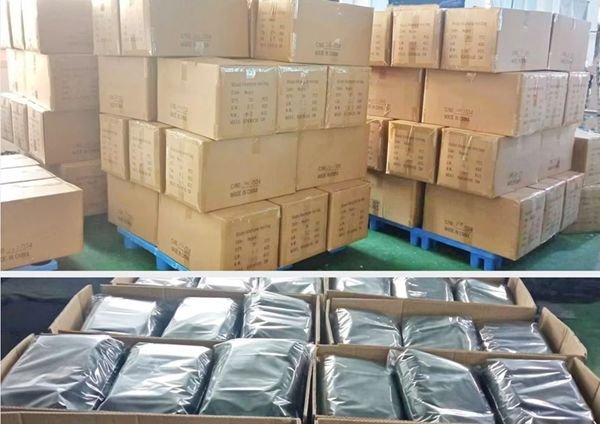
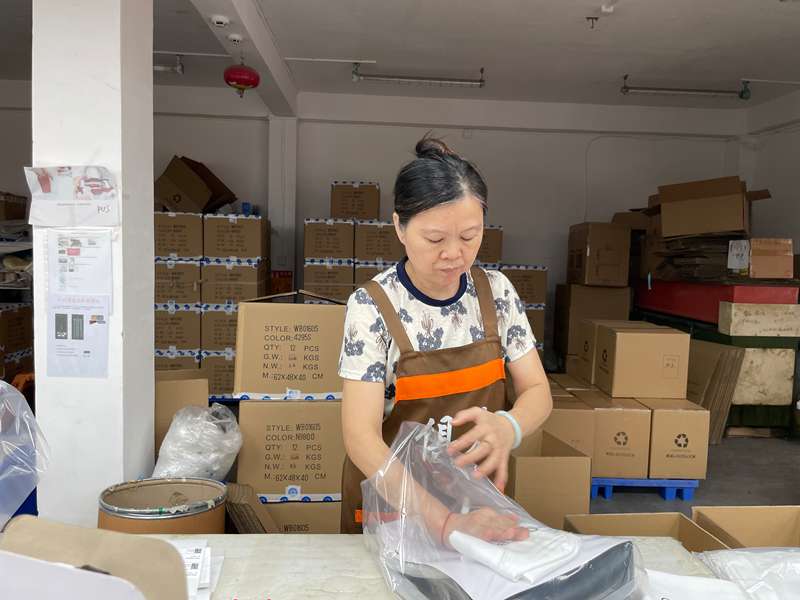
Packaging planning areas that customers should define
(1) Unit Packing (Each Bag)
Examples:
- polybag only
- polybag and tissue paper
- shape support insert
- dust bag
- hangtag attachment
- barcode sticker position
- warning label, care label, brand insert
Why it matters:
Unit packing affects both product protection and presentation.
(2) Inner or Intermediate Packing
Some customers use inner packs for:
- style sorting
- color grouping
- retail preparation
- easier warehouse counting
Why it matters:
Good intermediate packing can reduce warehouse handling errors.
(3) Carton Packing
This is where cost and logistics efficiency often change significantly.
What to define:
- pieces per carton
- mixed style or color rules
- carton dimensions and weight limits
- carton mark format
- barcode or carton labels
- palletization preference
Why it matters:
Poor carton planning increases freight cost and receiving mistakes.
(4) Shipment Readiness Information
Before handover, customers usually need alignment on:
- packing list format
- carton count by SKU
- label logic
- shipping marks
- shipment window or handover arrangement
This helps warehouse and logistics teams prepare in advance.
Vegan Bag Pricing: Cost Drivers Explained
The 5 major price drivers in vegan leather bag projects
(1) Material System
The main material choice affects price significantly, but not only because of the surface itself.
Price is influenced by:
- material grade
- thickness / backing structure
- finish type (texture/coating feel)
- yield and cutting efficiency
- compatibility with construction method
- waste rate (depending on panel layout and defects)
A material that looks similar on photo may have very different commercial outcomes in bulk.
(2) Construction Complexity
Price changes when the bag structure becomes more complex:
- more panels
- more pockets
- more edge finishing work
- reinforced zones
- layered assembly
- difficult turning or folding areas
- stricter shape requirements
In short, labor and process complexity matter, not just bag size.
(3) Branding & Trims
Branding details can affect the cost more than buyers expect:
- logo method (metal, deboss, print, patch)
- number of labels or tags
- custom hardware finish
- zipper pull customization
- lining print
- decorative trims
These changes may also affect development time and MOQ logic.
(4) Packaging Requirements
Packaging adds cost directly and indirectly:
- unit packing materials
- inserts, dust bags, boxes
- label systems and barcode handling
- carton standards
- packing labor time
For some channels, packaging is a key cost layer and should be budgeted early.
(5) Quantity Structure
Buyers often ask for a price based on total quantity, but factories also need the quantity distribution:
- how many styles?
- how many colors per style?
- how many pieces per color?
- one shipment or split shipments?
A total of 3,000 pcs in one style is not the same as 3,000 pcs across many styles/colors.
Reduce Sourcing Risk: Vegan Bags
The 4 major sourcing risk categories in vegan leather bag projects
Risk Type 1 — Definition Risk
This is one of the earliest and most common risks.
Examples:
- “Custom bag” is requested, but no customization level is defined
- Material direction is vague
- Packaging is postponed until late stage
- Quantity is given only as total pcs, not by style or color
- Price target is not shared, but cost expectations are strict
What happens next:
- quote revisions
- sampling confusion
- long back-and-forth communication
- slower internal approvals
Control point: Use a structured RFQ checklist and classify the project scope before sampling.
Risk Type 2 — Development Risk
This risk usually appears when the sample process is treated as a visual exercise only.
Examples:
- material approved as swatch, not in actual bag structure
- feedback sent across multiple channels
- no revision priority
- “sample approved” without lock list
- too many changes added mid-sample
What happens next:
- repeated revisions
- longer sampling cycle
- unclear approval status
- sample-to-bulk drift later
Control point: Use a staged sample workflow with a final pre-bulk lock list.
Risk Type 3 — Execution Risk
This risk appears when production starts before standards are fully aligned.
Examples:
- material lots not aligned
- logo placement tolerance not defined
- hardware finish variation not checked early
- packaging and labels added late
- no clear in-process QC focus
What happens next:
- inconsistent bulk appearance
- rework
- final inspection pressure
- shipment delays
Control point: Align pre-production standards + in-process QC focus + packing QC.
Risk Type 4 — Scaling Risk
This is common for growing brands and wholesalers.
Examples:
- too many SKUs added in first bulk run
- mixed packaging rules without clear carton logic
- split shipments without clear label mapping
- repeat orders placed before previous specs are standardized
What happens next:
- confusion in warehouse receiving
- rising communication load
- inconsistent repeat execution
- stress on both sides
Control point: Use phased scaling (lock one style first, then expand), with repeatable spec and QC sheets.

Why Jundong: Process, Development, Scale
A strong customer-facing guide should answer a simple question clearly:
Why should a sourcing team consider Jundong for vegan leather bag projects instead of treating us as just another supplier in a quotation list?
The answer should not be built on vague claims. It should be built on process fit.
(1) Jundong is positioned for B2B project execution, not only product display
Many factory pages focus on “what we make.”
That matters, but buyers also need to know how the factory supports execution.
For vegan leather bag projects, this includes:
- material matching support based on bag type and price target
- customization scope alignment (branding vs semi-custom vs OEM)
- sample workflow coordination
- QC focus alignment before bulk
- packaging or label readiness planning
- milestone-based production communication
This kind of support reduces buyer workload, especially for teams managing multiple SKUs or fast-moving timelines.
(2) Fit for different customer stages and order structures
Jundong is not limited to one customer type. The working model can support:
- startup brands testing products with lower-risk entry plans
- growing brands building multi-SKU collections
- established brands requiring stronger process control
- wholesalers or importers handling mixed-order programs
That fit matters because “good factory” means different things at different growth stages.
For some customers, the key value is speed and feasibility guidance.
For others, it is repeatability, documentation discipline, and stable rollout execution.
(3) Custom manufacturing support across materials and construction needs
Vegan leather bag projects are rarely solved by one material choice alone. They involve the full build system:
- main material direction
- lining and trims
- hardware matching
- branding method
- construction details
- packaging route
A supplier that can discuss these items as one system is easier to work with than a supplier that quotes only by photo.
This is especially useful in projects where the customer needs:
- cost-down alternatives
- premium-upgrade alternatives
- packaging simplification
- MOQ-sensitive planning
- phased rollout strategy
(4) Process clarity supports trust better than sales language
In B2B sourcing, trust grows when the customer can see:
- what is confirmed
- what is pending
- what may affect price
- what may affect lead time
- what needs approval before bulk
Jundong pages and project communication should keep this style:
- clear scope
- structured checkpoints
- practical trade-off discussion
- fewer surprises late in the process
That style is often what makes buyers stay and continue the conversation.
(5) Long-term value is built through repeatability
For repeat-order programs, the factory’s value is not only making the first order. It is building a system that makes the next order easier:
- standardized specs
- locked materials and trims (where possible)
- repeatable QC focus points
- clearer packaging logic
- smoother communication rhythm
This is the foundation for a long-term manufacturing relationship.
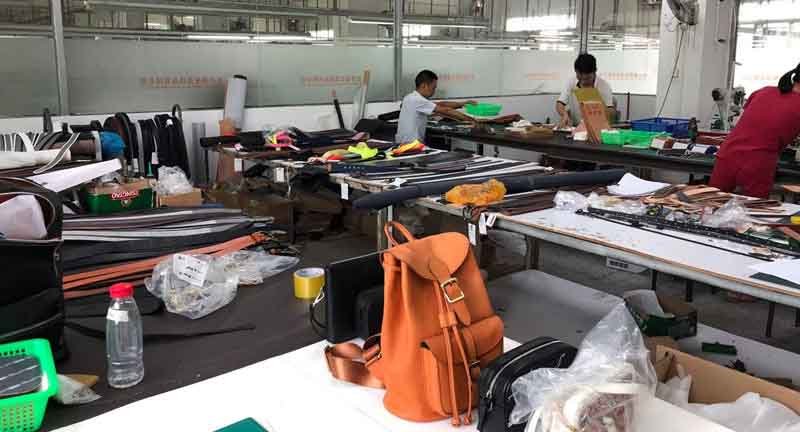

Make A Sample First?
See your idea come to life before mass production.
At Jundong Factory, we offer free design mockups and custom samples to ensure every detail is perfect — from material and color to logo placement and stitching.
Start your project with confidence today: info@jundongfactory.com.
Decision FAQ for Vegan Leather Bag
How do I choose the right vegan leather material for my bag project?
Choose vegan leather by bag use case, structure, branding method, and target price, not by appearance alone.
A material swatch can look excellent in isolation, but perform poorly in the actual bag structure. For example, a material that looks premium on a flat sheet may wrinkle at corners, react poorly to edge finishing, or lose shape in a structured design. A better approach is to confirm the material after it is used in a real sample, not only after reviewing swatches.
Start by defining the bag category (fashion, daily carry, organizer, packaging, promotional, travel), target feel (soft, structured, matte, glossy, textured), and branding method (deboss, print, metal logo, patch). Then align this with your target price and order plan. If your project is price-sensitive, ask the factory to provide 2–3 material directions (standard / upgraded / cost-down option) so you can compare before sampling.
For smoother execution, ask the supplier to explain how the material choice may affect edge finishing, logo clarity, shape retention, and bulk consistency. That is where many sourcing mistakes can be avoided.
What information should I send to get a faster and more accurate quote?
Send a structured RFQ with bag type, dimensions, material direction, logo method, packaging, and quantity split by style/color.
Many quote delays happen because the factory receives only a product photo and a total quantity. That is not enough for a stable quotation, especially for vegan leather bag projects where material grade, construction complexity, branding details, and packaging all change cost.
A stronger RFQ usually includes:
- bag type and dimensions
- reference images / sketch / tech pack
- preferred material direction (or target quality level)
- logo method and logo file
- hardware finish
- lining requirement
- packaging requirement
- quantity by style/color
- target launch date
- target price range (optional but very helpful)
If some items are not finalized, mark them as “pending” instead of leaving them unclear. This helps the supplier explain what is included in the current quote and what may change later. That transparency saves time and reduces friction after sampling.
How can I reduce sample-to-bulk inconsistency in vegan leather bags?
Use a structured sample approval process and lock key decisions before bulk production starts.
Sample-to-bulk inconsistency usually does not come from one single mistake. It is often the result of unclear approvals: material direction not fully locked, logo process not standardized, dimensions not tolerance-checked, or packaging requirements added too late.
To reduce this risk, treat sampling as a staged decision process:
- RFQ and requirement alignment
- material and trim direction alignment
- first sample (for structure and feasibility)
- structured feedback and revision
- approval sample
- pre-bulk lock list (materials, trims, logo, dimensions, packaging, QC focus points)
Also, make sure feedback is centralized in one review sheet rather than split across chat, email, and calls. That simple change can reduce confusion and speed up approval rounds.
Is MOQ based on total quantity or quantity per style/color?
In most cases, MOQ should be evaluated by style/color split and customization complexity, not total quantity alone.
Buyers often ask for pricing or MOQ using one total quantity number (for example, 3,000 pcs). But the factory also needs to know how that quantity is distributed: how many styles, how many colors per style, and how many pieces per color. A 3,000-piece order in one style/color is very different from a 3,000-piece order split across many combinations.
MOQ logic can also change based on:
- material sourcing requirements
- custom hardware or trims
- logo methods
- packaging variation
- production efficiency
- carton packing rules
A practical way to move faster is to send two scenarios: your ideal quantity split and a fallback quantity split. This helps the factory suggest a workable plan instead of giving a generic MOQ answer.
What are the most important QC points for vegan leather bags?
The highest-impact QC points are usually material/color consistency, edge finish quality, logo repeatability, hardware finish matching, shape consistency, and packing/label accuracy.
Many buyers focus on final visual defects only, but the quality of a vegan leather bag should be checked across stages. For example, edge finishing issues and logo placement drift are often easier to catch during production than at final inspection. Packaging and labeling errors can also create receiving and fulfillment problems, even when the product itself looks good.
A stronger QC approach includes:
- pre-production alignment (approved materials, trims, dimensions, packaging standards)
- in-process checks (stitching, edge finish, logo placement, hardware assembly, basic function)
- final QC, and packing QC (appearance, measurements, labels, carton marks, quantity verification)
If your product is structured or premium-positioned, ask the factory to define QC focus points specifically for your style rather than using a generic checklist.
How can I plan lead time more reliably for a vegan leather bag order?
Plan lead time as a timeline with milestones, not one production-day number.
A reliable delivery plan should include more than “bulk production days.” It should cover sampling, revisions (if any), material preparation, approval lock, production scheduling, QC, packing, and shipment handover window. Any one of these stages can move the final date.
Customers can improve reliability by:
- sending complete RFQ information early
- reviewing samples with prioritized feedback
- locking key decisions before bulk booking
- confirming packaging and labeling before the late stages
- asking for milestone-based updates instead of only asking “Will it be on time?”
This makes internal planning much easier for launch, inventory, and distribution teams.
Should I start with ODM or go directly to OEM for my vegan leather bag line?
Start with ODM when speed and lower risk matter more; choose OEM when brand differentiation and long-term control are higher priorities.
ODM works well for faster launches, market testing, or private-label programs where the buyer can start from an existing structure and customize material/color/logo/packaging. OEM is better when the product is a brand-defining item and you need stronger control over structure, function, sizing, and finishing.
A hybrid route is often practical:
- start from a proven base structure
- customize enough details to fit brand identity
- move toward deeper OEM development after market validation
This can reduce early risk while still building a stronger product line over time.
When should packaging and labeling be finalized?
Finalize packaging and labeling before bulk production starts, not after final inspection.
Packaging is not only a shipping topic. It affects product protection, appearance on arrival, barcode scanning, warehouse sorting, and carton efficiency. If packaging is decided too late, common problems include missing labels, unclear carton marks, poor carton utilization, and last-minute packing changes.
At a minimum, buyers should confirm before bulk:
- unit packing method
- barcode/label type and position
- carton packing rules (qty per carton / mixed-SKU policy)
- carton marks
- packing list logic
If the bag surface is sensitive to pressure marks or wrinkles, test the packing method using a real sample before bulk.
Why did the quote change after sampling?
In many cases, quote changes happen because the project scope changed, not only because the supplier changed pricing.
After sampling, cost may change when the buyer or factory confirms new information: upgraded material, more complex construction, different logo method, custom hardware, revised dimensions, added packaging, or different quantity distribution. The key issue is not whether the price changed, but whether the change is clearly explained.
Ask the factory to state:
- what changed
- why it changed
- whether it affects MOQ
- whether it affects lead time
- which version is now the updated quote baseline
This keeps the project manageable and reduces friction in internal approvals.
What makes a vegan leather bag manufacturer a good long-term partner, not just a one-order supplier?
A strong long-term partner helps you build repeatability—clear specs, stable approvals, reusable QC focus points, and smoother reorders.
A one-order supplier may deliver one shipment, but a long-term manufacturing partner improves how future orders run. That includes standardizing key specifications, locking repeatable materials/trims (where possible), managing packaging logic consistently, and maintaining a predictable communication rhythm.
For growing brands and wholesalers, this becomes more valuable over time because order complexity usually increases. A factory that supports scale with fewer surprises can save time across sourcing, QA, operations, and warehousing teams—not only in unit price, but in internal workload.
Everything You Need to Know Before Customizing Your Bags
Vegan leather bag sourcing decisions are rarely based on appearance alone. For procurement teams, a reliable evaluation depends on clear answers around MOQ versus bulk pricing, lead time, material type and performance (PU, microfiber, recycled PU, bio-based options), thickness and backing, hardware specifications, edge finishing standards, structure and lining feasibility, packing logic, and repeat-order consistency. This FAQ section is designed to address these operational questions upfront, helping you assess supplier fit quickly while reducing unnecessary internal back-and-forth.
We recommend structuring FAQs around real procurement triggers: what information is required to start sampling, how to prevent sample-to-bulk drift in vegan leather color, gloss level, hand-feel, surface grain, and edge paint adhesion, how to align reinforcement architecture with real load conditions, how to manage multi-SKU color programs across different material lots, and which QC checkpoints protect long-term durability and repeatability (peel strength, abrasion resistance, seam strength, and hardware pull tests). When written clearly, these FAQs also support long-tail search intent, such as “vegan leather bag MOQ,” “vegan leather tote bag manufacturer,” “OEM vegan leather handbag supplier,” or “private label vegan leather bags wholesale.”
For a quick evaluation, you can share your bag type, target dimensions, preferred vegan leather option (PU/microfiber/recycled/bio-based), hardware tone, compliance market(s), and packing requirements by email. Our team will review your inputs and provide structure recommendations, material system options (outer material, lining, reinforcement, edge finish, and adhesives), and a realistic development route to support your vegan leather bag program from sampling to repeat production.
