 Skip to content
PU Leather Bags Factory
PU leather bags let brands hit a clean, premium look with stable costs, fast color matching, and reliable bulk repeatability. At Jundong, we build PU bags as a full system—material spec, reinforcement map, stitching route, hardware standards, and QC checkpoints—so your bulk doesn’t drift from the approved sample. From tote bags and backpacks to travel, cooler, and work styles, we support OEM/ODM, private label, low-MOQ pilots, and fast sampling from Guangdong, China.
Why Brands Choose PU Leather Bags
PU leather bags win orders because they solve real procurement problems. First, cost stability. Genuine leather prices can swing with hides, grades, and yield variability. PU is manufactured, so you can define thickness, backing, grain, and color more precisely. That makes budgeting and reorders easier, especially when you sell across multiple channels.
Second, color and surface consistency. Brands care about “the same black” or “the same beige” across different production months. PU is strong here because suppliers can match color and grain pattern with better repeatability than natural leather. For private label programs, that consistency protects brand image—your customers won’t feel like the second shipment looks “off.”
Third, design flexibility. PU can be embossed, printed, and textured to create different looks: saffiano-style textures, pebbled grains, smooth matte, high gloss, or mixed panels. You can also build layered effects: matte body and glossy trim, or tonal embossing for a subtle premium feel. These options help you differentiate without exploding your cost.
Fourth, PU supports wide industry applications. Think:
- Corporate gifting (logo-friendly, uniform appearance)
- Retail entry to mid-tier lines (tight cost targets)
- Promotional and event programs (fast timelines, consistent finishes)
- Travel and commuting (wipe-clean surfaces, stable look)
- School and youth markets (color variety, easier care)
The key is quality control. PU performance depends on the exact material choice and build. Customers often complain about peeling, cracking, sticky surfaces, or color transfer. Those failures usually come from mismatched specs: wrong PU type for your climate (hot or humid), poor edge finishing, weak reinforcement at stress zones, or low-grade adhesives. The right approach is to source PU bags the same way premium brands do: define the use environment, then lock in a spec sheet and confirm it through sampling and testing.
If you want a PU bag program that stays consistent across reorders, the most important step is to align material, construction, and QC into a single system. When you’re ready, you can share your target market, reference photos, and expected order volume with info@jundongfactory.com—we’ll recommend a spec route that fits your pricing and durability expectations, without overbuilding.
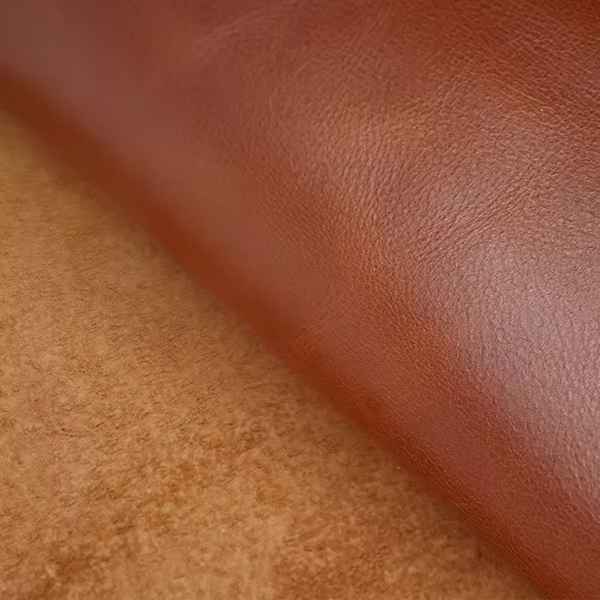
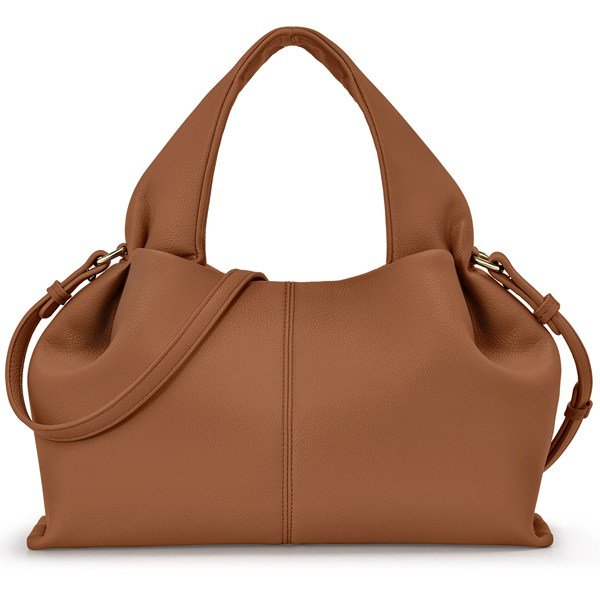
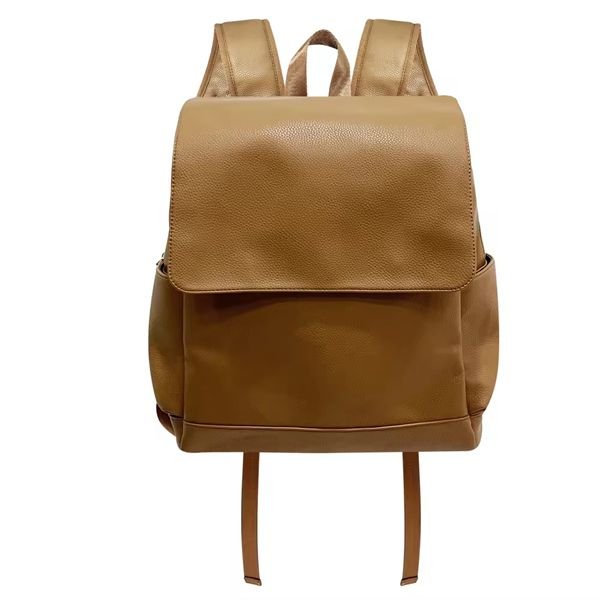
PU vs Genuine Leather vs Microfiber
Material arguments on the internet are usually emotional. Procurement needs to be practical. So let’s compare PU, genuine leather, and microfiber using the questions B2B customers ask: what fails, what stays consistent, and what customers notice.
(1) Genuine leather
Pros: natural grain, premium perception, strong storytelling.
Cons: variability. Leather has natural scars, inconsistent thickness, and yield loss. That makes it harder to keep “every panel” visually identical, and it can raise costs unpredictably. It also needs careful finishing to handle water and abrasion. For brands chasing premium positioning, leather can be right—but you must accept higher complexity.
(2) Standard PU leather
Pros: consistent look, easy color matching, usually better cost stability. It can be great for uniform programs, mid-tier retail, and private label lines where you need predictable bulk.
Cons: poor PU choices can fail in heat or humidity—surface becomes sticky, cracks, or peels. Also, cheap PU with weak backing can delaminate at fold points. That’s why specifying the PU type and backing is non-negotiable.
(3) Microfiber (often called microfiber leather or microfiber PU)
Microfiber is a higher-performance synthetic with strong backing and better wear behavior.
Pros: better abrasion resistance, better flexibility, usually more premium handfeel than basic PU. It’s a strong option for “premium look with stable bulk” without the variability of natural leather.
Cons: cost is higher than basic PU, and you still need correct edge finishing and adhesive choices.
Here’s a customer-facing comparison table you can use for decision-making:
| Factor | Standard PU | Microfiber | Genuine Leather |
|---|---|---|---|
| Visual consistency | High | High | Medium |
| Bulk repeatability | High | High | Medium |
| Abrasion resistance | Medium | High | High (depends on finish) |
| Heat or humidity risk | Medium–High (if wrong PU) | Medium | Medium |
| Premium perception | Medium | Medium–High | High |
| Cost stability | High | Medium | Low–Medium |
| Best use cases | promo, mid retail, uniforms | premium mid retail, travel, work bags | premium retail, heritage products |
How to choose correctly
- If your channel needs predictable color and fast scaling, choose standard PU with a defined backing and thickness.
- If your product is used daily and returns matter, step up to microfiber for better wear.
- If your brand story is built on natural materials and higher margins, consider leather—then invest in stronger QC and material selection.


PU Leather Bag Types We Manufacture
When customers search “PU leather bags factory,” they often need one of three things: a product line for retail, a private label replacement supplier, or a custom program for corporate or promotional use. The fastest path to a successful order is choosing the right bag architecture first, then selecting PU specs that match usage.
Core PU bag categories we support:
- PU Tote Bags: retail basics, corporate gifting, shopping totes
- PU Backpacks: commuting, school, light travel
- PU Crossbody or Shoulder Bags: lifestyle retail, promotions, uniform accessories
- PU Travel Bags or Duffels: weekend trips, sports, team programs
- PU Laptop or Work Bags: office, training programs, professional gifts
- PU Cooler or Insulated Bags: if combined with insulated lining systems
- PU Cosmetic or Makeup Bags: sets, gift-with-purchase, travel kits
- PU Wallets & Small Leather Goods: card holders, zip pouches, organizer kits
Use-case specification (what to decide before RFQ):
- Load level: what weight will customers carry? (Laptop? Water bottle? Tools?)
- Open or close frequency: daily commuting needs zipper durability more than occasional use.
- Environment: hot or humid climate, outdoor exposure, friction against clothing.
- Branding method: emboss, deboss, metal plate, patch, print.
- Channel expectation: retail customers will inspect finishing; promo programs care more about consistency and delivery timing.
Below is a “style-to-spec” guide for faster decision-making:
| Bag Type | Key Stress Zones | Recommended Build Focus | Common Buyer Mistake |
|---|---|---|---|
| Tote | handle roots, top edge, base corners | reinforcement and clean edge finish | underbuilding handle roots |
| Backpack | strap anchors, back panel seams, zipper ends | load-path mapping and comfort | ignoring the strap pull risk |
| Work/Laptop | corners, handle, internal padding | structure and padding system | padding too thin or uneven |
| Crossbody | D-ring bases, strap ends | reinforcement and hardware setting | weak D-ring stitching |
| Travel/Duffel | base abrasion, zipper chain, handles | abrasion protection and zipper spec | Wrong zipper type for the load |
| Cosmetic | zipper install, lining wipe-clean | Neat zipper and lining choice | cheap lining that stains |
How we help customers reduce risk in a custom program
At Jundong, we don’t only “make a bag.” We guide customers to lock the design so bulk becomes repeatable: reinforcement rules, stitch routes, and packaging logic. That matters for international buyers who sell online, because returns and bad reviews cost more than a small material upgrade.
If you want, send your target category (tote, backpack, work, travel), target price range, and reference photos. We’ll recommend a spec and sampling route that matches your channel. For program-style projects, we can review your requirements by email at info@jundongfactory.com.


PU Specs: Thickness, Backing, Performance
A professional PU bag program starts with a spec system—not a mood board. Here are the parameters that actually control performance:
(1) Thickness
Thickness affects handfeel, structure, and durability at fold points. Too thin can wrinkle or crack at the corners. Too thick may feel stiff and raise the cost. The right thickness depends on bag type: a structured tote wants more stability, while a soft pouch can be thinner.
(2) Backing type and strength
Backing is the “hidden hero.” Weak backing can cause stretching, seam distortion, and delamination. Stronger backings improve stitch holding and shape stability. When buyers complain that seams “wave” or panels look distorted, the a backing is often the reason.
(3) Surface coating type
Heat and humidity can expose poor PU chemistry. Some coatings become sticky, discolor, or crack under repeated flexing. If your market includes hot climates or high humidity, you must define performance targets and confirm through testing.
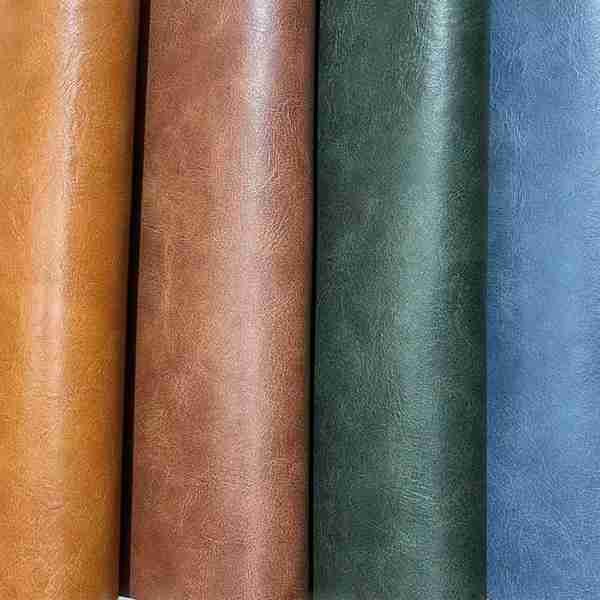
(4) Grain or emboss pattern and color system
Grain affects perception and scratch hiding. Color matching is one of PU’s strengths, but only when you lock the reference standard (Pantone, swatch code, or approved master sample).
(5) Match PU to the full build (lining, reinforcement, edge paint, and adhesive)
Even a strong PU can fail with the wrong adhesive, poor edge paint system, or incorrect sewing settings. That’s why we recommend specifying the whole material system.
Below is a spec template you can paste into your RFQ:
| Spec Item | Example Options | What to Define |
|---|---|---|
| PU Type | standard PU or microfiber | target positioning & durability |
| Thickness | 0.8–1.2mm (example) | per bag type and structure |
| Backing | knit, woven, microfiber base | anti-stretch requirement |
| Color | Pantone, swatch reference | acceptable delta or approval method |
| Surface | matte, semi-gloss, embossed | scratch visibility expectations |
| Abrasion Target | medium, high | test method and pass criteria |
| Flex Target | fold durability | corner and strap zones |
| Edge System | edge paint, binding, turned edge | durability and appearance |
Testing guidance:
You don’t need to be a lab expert to reduce risk. Require at least:
- Abrasion screening for high-wear zones
- Flex test for corners and fold points
- Color rub test for dark colors (transfer risk)
- Adhesion check for laminated layers

PU Bag Construction: Reinforcement & No-Drift
If you want a PU leather bag program that survives scale, you need one simple thing: a reinforcement map that locks how the bag carries load. In factories, most costly failures happen at predictable points. Procurement can prevent them by specifying “where strength lives” and making it non-negotiable.
(1) Stress zones that must be engineered
- Handle roots or strap anchors: the highest pull-force area
- D-ring bases: shear force and stitch concentration
- Base corners: abrasion, bending, and impact
- Zipper ends: stress concentration when opening or closing under load
- Top edge or mouth binding: frequent friction, shape stability
- Backpack strap joints: dynamic load and angle pull
(2) Reinforcement building blocks
- Internal reinforcement patches (non-woven, woven, PP sheet, EVA)
- Box-X stitching or multi-row reinforcement patterns
- Bar tacks (used correctly, not randomly)
- Double-fold seam margins to increase tear resistance
- Edge binding or turned edges where corners flex repeatedly
The problem is not that factories “don’t reinforce.” The problem is that they reinforce inconsistently, or they choose reinforcement that doesn’t match the PU backing and stitch-holding behavior. That’s why we connect reinforcement choices to a defined material system (PU + backing + lining + reinforcement + thread).
(3) Stitch route planning: why it protects consistency
A “stitch route” is the agreed order and path of sewing operations. It matters because operators under speed pressure will “find a faster way,” and that creates bulk drift. By locking the stitch route, you protect:
- Seam allowance stability (prevents panel distortion)
- Edge alignment (prevents wavy seams and skewed panels)
- Hardware symmetry (prevents off-center logos, crooked D-rings)
(4) “No-drift” controls we recommend for bulk
A good supplier should standardize these controls before mass production:
- Golden sample and tolerance sheet (critical dimensions)
- Reinforcement map with photos and placement measurements
- Operator SOP for handling roots, zipper ends, and D-ring bases
- Inline QC checkpoints at sub-assembly and final assembly
- Functional checks: strap pull simulation, zipper glide under load
Bulk-Stable Logos for Private Label
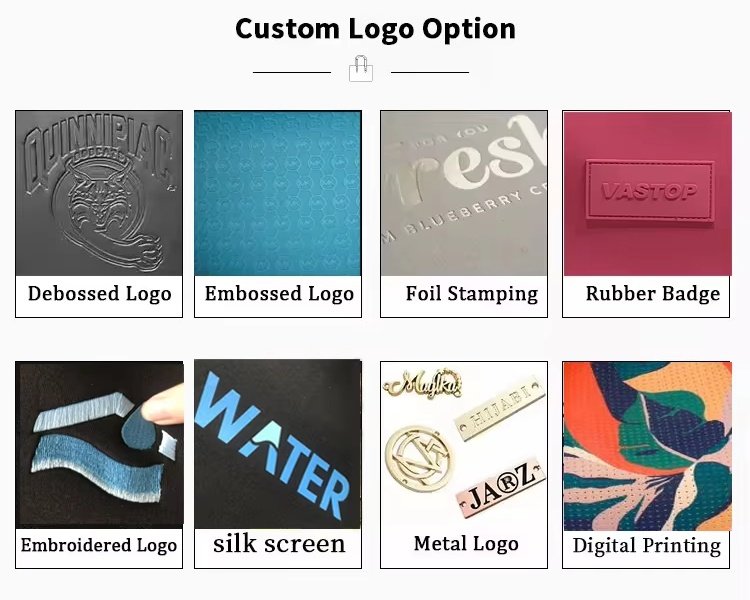
For PU leather bags, branding is usually easier than for genuine leather because surfaces are consistent. But the risk is still real: placement drift, peeling logos, crooked metal plates, or emboss marks that disappear after wear. The fix is to choose the right method and lock the process.
(1) Most-used logo methods for PU leather bags
- Deboss or Emboss (pressed logo): clean, premium, low recurring cost
- Foil stamping: high visibility, premium look, but needs durability checks
- Metal logo plate: strong brand presence, requires accurate setting
- PU patch or woven label: flexible and cost-effective
- Silk screen or heat transfer: good for large graphics and fast programs
- Embroidery (limited to PU panels): possible on fabric zones or patches
(2) How to choose the best logo method
- If you want a premium minimalist look: emboss, deboss, and tonal design
- If you need high visibility in retail: foil and plate combination
- If you’re tight on cost: woven label or patch
- If you need fast launch: heat transfer for speed, then upgrade later
(3) Bulk controls that prevent logo drift
This is what professional customers should request:
- Logo placement jig or template marks
- Measured placement spec (distance from seam or edge)
- Approved logo size and artwork file control
- Peel or adhesion checks for transfer or patches
- Line QC photo standard: every carton or every batch

PU Bag Sampling, MOQ & Lead Time
If you want a smoother experience with any PU leather bags factory, treat sampling as a decision process, not a checkbox. You are building a repeatable SKU, so your early inputs reduce later chaos.
(1) What to prepare before requesting a quote
Minimum inputs that speed up quoting:
- Target bag type and approximate size (or reference photo with scale)
- Target market or channel (retail, promo, corporate, online)
- Target price range and expected order quantity
- Logo method preference (emboss, plate, print)
- Usage level (daily commute vs occasional use)
- Packaging requirements (dust bag, barcode, carton marks)
(2) Recommended sampling stages
- Prototype sample: confirms structure, feasibility, first material direction
- Revision sample(s): fixes stress zones, finishing issues, fit, and function
- PP sample (Pre-Production): final standard; locks BOM and tolerances
- Pilot order: small bulk run to test repeatability and packaging, shipping logic
- Mass production: scaled output after pilot issues are closed
A lot of customers skip the pilot order, then get surprised by the bulk drift. A pilot order is cheaper than a 1,000-unit disappointment.
(3) How MOQ really works in PU bag manufacturing
MOQ is not just “factory policy.” It’s driven by:
- Material MOQ (PU supplier yardage, color batch)
- Hardware MOQ (custom metal plate, zipper pull molds)
- Printing or emboss tooling (die cost, setup time)
- Line efficiency (small runs increase labor cost)
That’s why a smart MOQ strategy is: keep the first order simple (fewer colors, standard hardware), validate your market, then scale with upgraded features.
(4) Lead time planning (how long, and what changes it)
Lead time depends on complexity and decision speed. The biggest delays are usually: waiting for material confirmation, logo tooling, or repeated revisions due to unclear targets. The fastest programs are those with: clear reference photos, fixed dimensions, a locked logo method, and realistic packaging requirements.
If you want us to evaluate your project quickly, email your reference photos, target size, and quantity. We’ll suggest a sample route and a stable MOQ plan. Use info@jundongfactory.com when you’re ready.

Quality Control & Testing for PU Leather Bags
Quality control must match your channel. A premium retail bag needs tighter appearance standards; a promotional bag may prioritize functional durability and delivery timing. But in both cases, QC must protect your “failure zones.”
(1) The QC layers that prevent expensive surprises
- Incoming inspection (IQC): PU material thickness, color match, backing strength, hardware plating, zipper function
- Inline inspection (IPQC): stress-zone reinforcement, stitch routes, zipper installation, edge finishing
- Final inspection (FQC): appearance, measurement, function, packing, carton marks
- Pre-shipment check (optional third party): confirms compliance for your market
(2) What to test for PU leather bags
You don’t need a lab for everything, but these checks reduce real-world failures:
- Zipper glide under load (not empty)
- Strap or handle pull simulation (angle pull and uneven load)
- Edge finish flex at corners and mouth edge
- Color rub (especially dark colors)
- Hardware setting (no wobble, no crooked plates)
(3) Build a defect catalog to end arguments
A defect catalog is a photo-based standard defining “major, minor, critical.” It prevents “this is acceptable” debates. Your catalog should include:
- Edge paint bubbles or cracks
- Stitch skipping and tension issues
- Crooked hardware or logo misalignment
- PU wrinkles or dents beyond tolerance
- Lining stains, glue marks, odor issues
(4) AQL and what it means for customers
AQL is a sampling standard. For customers, the key is agreeing on: inspection level, acceptable defect counts, and what is considered “major.” If you don’t define it, you will argue later. A professional factory will help you set a practical AQL plan based on your channel.
If you want to reduce disputes, require: (1) defect catalog photos, (2) PP sample as a golden reference, (3) QC checkpoints list, and (4) packing verification (barcode, polybag, carton marks). That set of documents protects both sides.


PU Bag Compliance: Labels, Barcodes, Cartons
Packaging is not “after production.” Packaging is part of product quality. It controls your receiving accuracy, your brand presentation, and your return rate.
(1) Common packaging failures customers face
- PU surface scuffs: caused by friction between bags or hardware rubbing panels
- Dents or deformation: caused by poor internal support and stacking pressure
- Color transfer: dark PU rubbing against light lining or other bags
- Hardware scratches: plates and buckles scratching adjacent panels
- Barcode or label mismatch: leads to wrong SKU receiving and marketplace issues
- Carton confusion: mixed SKUs without clear carton marks creates warehouse errors
Prevention is simple when written as a pack-out standard. For example: protect hardware with covers, use tissue or non-woven separators, and add internal stuffing to keep shape.
(2) A “market-ready” pack-out checklist
- Each unit: polybag or dust bag (based on your channel)
- Shape protection: paper stuffing or air bag for structured styles
- Hardware protection: foam sleeve, sticker, protective wrap
- Separation: tissue between PU panels to avoid friction marks
- Labeling: unit label (SKU, color, size), barcode if required
- Carton marks: PO number, SKU, qty, gross or net weight, destination
(3) Carton marks and mixed-SKU control
If you run multiple SKUs, carton marks become your risk-control tool. We recommend:
- One carton means one SKU whenever possible
- If mixed cartons are necessary, require a carton content list on the carton and in a digital packing list
- Add carton numbering (1/30, 2/30…) for receiving control
- Use internal dividers or layer separation to reduce scuffs
(4) Shipping protection for PU surfaces
PU is often more uniform than leather, but it can still scuff. The highest risk is hardware rubbing and repeated friction during transit. For premium programs, specify:
- Non-woven bag per unit and tissue separators
- Hardware covers (especially metal plates and buckles)
- Internal support for shape (simple paper stuffing is often enough)
- Carton drop-test mindset: pack as if cartons will be handled roughly
If you share your sales channel and destination, we can suggest a pack-out plan that matches your reality (warehouse vs retail vs online). This is one of the easiest ways to improve customer experience without increasing product cost too much.
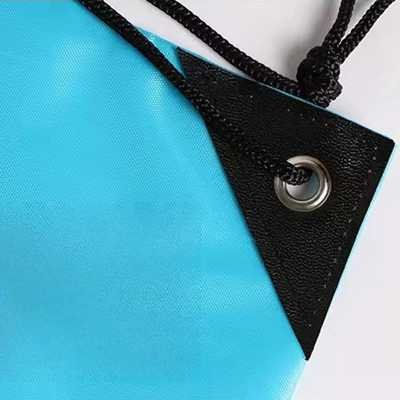
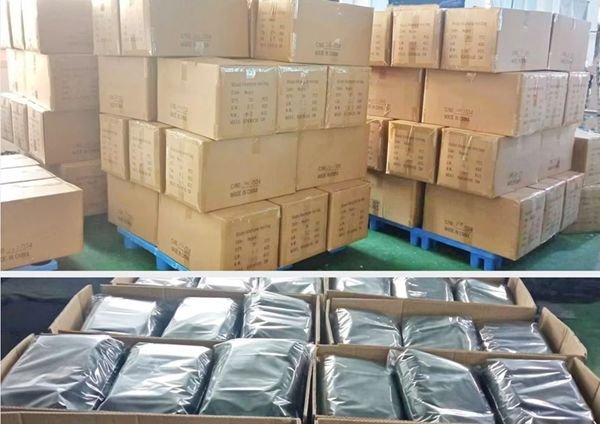
PU Bag Cost Drivers and Savings
The cost of bag manufacturing is not random. It’s driven by a few controllable levers.
(1) The five biggest cost drivers
- Material system: PU grade, thickness, backing, lining, reinforcement
- Labor steps: pockets, binding, edge paint, quilting, structure building
- Hardware: custom zipper pulls, metal plates, buckles, plating requirements
- Branding: emboss tooling, printing setup, foil durability steps
- Packaging & QC: unit packs, barcode labor, inspection intensity
(2) Where you can save money safely
- Reduce pocket complexity (fewer internal dividers)
- Use standard hardware where possible
- Limit colorways in the first order
- Simplify packaging for non-retail channels
- Choose a proven PU spec instead of chasing “new” textures
(3) Where you should NOT cut
These areas protect real-world durability and customer perception:
- Handle roots or strap anchors reinforcement
- Zipper spec and zipper-end finishing
- Edge finishing at corners and mouth edge
- Hardware setting accuracy (crooked plates kill brand trust)
- QC checkpoints for stress zones
(4) RFQ quote template
To compare factors fairly, use the same quote structure:
| Item | Requirement | Notes |
|---|---|---|
| Bag Type and Size | (e.g., tote 38×30×12cm) | include tolerance |
| Material | PU type and thickness, and backing | attach swatch if possible |
| Lining and Reinforcement | specify system | stress zones highlighted |
| Hardware | zipper type, pulls, plates | standard vs custom |
| Branding | method and placement | artwork attached |
| Packaging | unit pack and carton marks | barcode needs |
| QC Standard | AQL and checkpoints | defect catalog request |
| Qty and Colorways | per SKU | trial vs bulk |
| Target Delivery | date and destination | shipping mode |

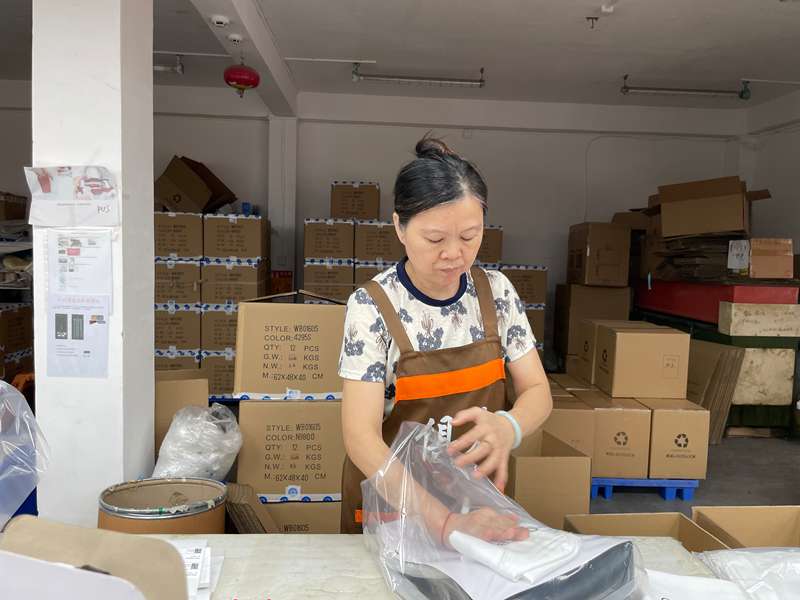
PU Bag OEM/ODM Workflow in Guangdong
A reliable PU bag program is built on workflow discipline. Here’s how we recommend customers structure an OEM/ODM project so it stays controllable.
(1) RFQ intake and feasibility
We start by clarifying your channel and usage. Two bags with the same look may need different internal builds if one is for daily commuting and the other is for occasional gifting. We check:
- Size feasibility and structure plan
- Material direction (PU vs microfiber, thickness, backing)
- Logo method risks and placement control
- Packaging requirements and compliance needs
- MOQ constraints driven by materials or hardware
(2) Pattern engineering and sampling control
Our sampling logic is built around repeatability:
- Create patterns that protect shape and symmetry
- Define seam allowances and stitch routes
- Build a reinforcement map for stress zones
- Lock critical dimensions with tolerances
- Record sample build details so bulk can follow
(3) BOM lock and bulk repeatability
After PP sample approval, we lock the BOM and create an execution plan:
- Material batches, color standards, hardware specs
- QC checkpoints for high-risk operations
- Defect photo standards (what is major or minor)
- Packaging or labeling plan to prevent SKU confusion
(4) Communication that prevents drift
Most drift is caused by unclear approvals. The safer method is:
- Approve with photos and measurements, not only “looks good”.
- Confirm stress zones and logo positions with close-ups
- Use version control on artwork and specs
- Keep a single “golden sample” reference
We’re based in Guangdong, China, and we support customers who need stable OEM/ODM execution across multiple bag categories. If you want a faster evaluation, send your reference images and target price to info@jundongfactory.com—we’ll respond with a recommended spec route and sampling plan.
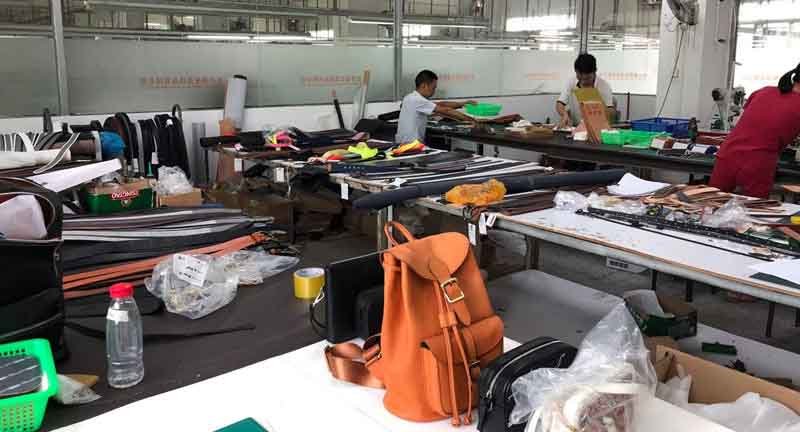

Make A Sample First?
See your idea come to life before mass production.
At Jundong Factory, we offer free design mockups and custom samples to ensure every detail is perfect — from material and color to logo placement and stitching.
Start your project with confidence today: info@jundongfactory.com.
PU Bag Factory FAQs for Fast Decisions
How can we prevent “approved sample vs bulk drift” for PU leather bags?
Preventing sample-to-bulk deviation requires a documented control system: a golden sample, a locked BOM, a tolerance sheet, a reinforcement map, a defined stitch route, and a photo-based defect catalog. Without these, even honest factories can produce inconsistent results under production pressure.
This is one of the most common buyer fears, and it’s legitimate. Bulk drift happens because mass production introduces variables: operator speed, material batch variation, line changes, and tolerance stacking. The goal is not “zero variation,” but controlled variation inside an agreed standard.
(1) Define what must not change
For PU leather bags, the non-negotiables usually are:
- overall dimensions (key width/height/depth)
- handle drop and strap anchor position
- logo placement and alignment
- reinforcement at stress zones
- zipper function and zipper-end finishing
- edge finishing quality at corners and mouth edge
(2) Lock the golden sample correctly
A golden sample is not just “a sample we like.” It must be:
- signed/dated approval reference
- photographed in key zones (stress points, logo, inside construction)
- matched to a tolerance sheet (what can vary, by how much)
(3) Use a tolerance sheet
A tolerance sheet turns opinions into measurable targets. For example:
width ±3mm, height ±3mm
handle drop ±5mm
logo placement distance to seam ±2mm
Without tolerances, QC becomes subjective and disputes increase.
(4) Reinforcement map and stitch route mean repeatability
Bulk drift often appears at handle roots and zipper ends because operators “optimize” steps. A reinforcement map and stitch route prevent shortcutting. You want the factory to document:
- reinforcement patch size and placement
- stitch pattern type (box-x, multi-row)
- stitch density and thread spec
- operation sequence (stitch route)
(5) Add process checkpoints, not only final inspection
Final inspection cannot “repair” weak internal reinforcement. Buyers should require:
- incoming material checks (PU thickness, color match, backing strength)
- inline checkpoints (handle roots, D-ring bases, zipper install, edge finishing)
- final AQL inspection + defect catalog
Microfiber vs PU vs Genuine Leather: which material is best for private label bags, and how do we decide by price, durability, and buyer expectations?
The “best” material for a private label bag is the one that matches your channel’s durability expectations and your target margin: microfiber typically offers the best balance of premium feel and repeatability, standard PU offers the best cost control when the spec is locked, and genuine leather offers brand storytelling and patina but adds supply variability and higher compliance or defect risk.
Buyers often want a simple ranking, but sourcing decisions are rarely that simple. Here’s a procurement-friendly way to decide.
a
- E-commerce customers buy photos + reviews. Returns are driven by scuffs, odor, and zipper failure.
- Retail customers touch the product. They notice edge quality, stitching symmetry, and hardware alignment.
- Corporate customers buy consistency and delivery reliability. They care about uniform look and on-time shipping.
That channel reality often matters more than material ideology.
(2) Microfiber vs PU: the repeatability question
If you’re building a program that must reorder smoothly, repeatability matters. Microfiber is often more stable in abrasion and flex zones (corners, strap friction) and can feel more “dense” and premium. Standard PU can still be excellent, but the safest approach is to lock: thickness, backing, finish type, and edge system. Where PU fails in the market, it’s often because the spec was vague and factories swapped materials silently.
(3) Genuine leather: strengths and trade-offs
Genuine leather offers authenticity and a price premium. But it introduces:
hide variation (grain, scars, thickness)
higher sorting labor and waste
more variable color matching
a higher need for careful storage and handling
If your program requires consistent “same color, same look” across many reorders, leather can be harder to control than microfiber or PU.
(4) A decision table you can use
| Material | Best For | Key Advantage | Key Risk | Procurement Control |
|---|---|---|---|---|
| Standard PU | value lines, promo | cost stability | spec drift, edge cracking | spec sheet + QC |
| Microfiber | premium synthetic | wear + feel | cost higher than PU | lock supplier batch |
| Genuine Leather | heritage/patina | story + premium | variation + sorting | stricter grading |
(5) How to decide fast
- What’s your target price and expected lifespan?
- What’s your channel (returns vs touch vs delivery)?
- Are you optimizing for “premium story” or “stable reorders”?
If you tell us your channel and target retail or wholesale price range, we can recommend a material system and a build route that protects your margin and reduces returns—especially for private label handbags, PU tote bags, and microfiber backpacks programs.
How do we evaluate a PU leather bags factory like a “brand-level manufacturer”: what documents, photos, and proofs should we ask for before placing the order?
A “brand-level” bag manufacturer proves repeatability with documents and production evidence—BOM clarity, tolerance sheets, reinforcement maps, defect catalogs, and pack-out standards—not with slogans. The fastest way to evaluate a factory is to ask for the exact artifacts that make bulk stable and reorders reliable.
Many buyers make decisions based on sample beauty. That’s risky. A professional sourcing decision looks for “control capability.”
(1) Ask for the five core documents
- BOM (Bill of Materials): PU spec, lining, reinforcement, thread, zipper, hardware
- Tolerance sheet: key dimensions and allowable variation
- Reinforcement map: where and how stress zones are reinforced
- QC plan and defect catalog: major/minor defects with photo standards
- Pack-out standard: unit pack, anti-scuff, carton marks, barcode process
These documents reveal whether a factory can reproduce the same product under line pressure.
(2) Ask for production evidence
Request real-line photos showing:
- handle root reinforcement in production
- zipper end finishing close-ups
- logo placement jigs or templates
- hardware setting process and inspection
- packaging station with separators and carton marks
A brand-level factory can show these because they have process discipline.
(3) Ask the “reorder questions” early
- Can you keep the same PU batch standard for reorders?
- How do you control color drift across batches?
- What is your method to prevent “approved sample vs bulk drift”?
- What is your AQL level and what is considered a major defect?
(4) A quick scorecard table
| Evaluation Item | What to Ask | Good Signal |
|---|---|---|
| Repeatability | BOM + tolerances | clear measurable docs |
| Durability control | reinforcement map | stress zones defined |
| QC maturity | defect catalog | photo-based standards |
| Operational fit | pack-out + carton marks | warehouse-ready |
| Communication | response speed + clarity | fewer rounds |
If you want to evaluate quickly, you can send us your target SKU plan and channel. We can reply with a feasibility review checklist and the documents you should request from any supplier, so you can compare factories fairly.
When do we need to update or replace PU leather bags (or re-spec them) for a program, and what are the warning signs?
You should update or replace a PU leather bag program when field feedback shows repeated failures in stress zones, rising returns, or inconsistent bulk batches—and the smartest move is often not “replace everything,” but to re-spec the material system, reinforcement map, and pack-out rules to fix the root cause with minimal disruption.
This is a real procurement problem: you have a running SKU, it sells, but you start seeing return reasons: “edge cracking,” “zipper stuck,” “strap loose,” “scuffed on arrival.” The correct response is diagnosis, not panic.
(1) Warning signs that require action
- Return rate increases after a new batch (possible material drift)
- Complaints cluster around corners, mouth edge, strap anchors (design/structure issue)
- Zipper failures increase in dusty/oily environments (zipper spec mismatch)
- Color rub issues for dark colors (topcoat and rub standard insufficient)
- Transit damage increases (pack-out failure)
(2) Decide: redesign vs re-spec vs change supplier
- Re-spec when the shape is fine, but material/finishing/QC is drifting
- Minor redesign when stress zones are structurally weak
- Supplier change when documentation is missing, and issues repeat
(3) The “low-disruption fix” approach
Often, you can keep the design and fix:
- switch to more stable PU backing or microfiber
- upgrade edge system (paint formula, corner rounding)
- reinforce handle roots and zipper ends
- tighten QC checkpoints
- improve pack-out (anti-scuff separators, hardware protection)
Here’s a quick decision table:
| Issue | Likely Root Cause | Best Fix |
|---|---|---|
| edge cracking | edge system + corner flex | re-spec edge + structure |
| zipper jam | zipper mismatch + install | zipper spec + checkpoint |
| strap loosening | weak reinforcement | reinforcement map update |
| arrival scuffs | packaging friction | pack-out standard upgrade |
If you share your return reasons and photos, we can recommend which re-spec changes give the biggest impact without redesigning the entire bag line.
What future trends are shaping PU leather bag manufacturing, and how should brands plan for 2026+ (materials, compliance, AI design, and supply chain)?
The next phase of PU leather bag manufacturing is driven by four trends: material system upgrades (microfiber and improved coatings), compliance and traceability (clear specs and documentation), faster sampling, and supply chain risk control (stable reorders, fewer SKUs, smarter packaging). Brands that win will plan programs around repeatability, not just aesthetics.
(1) Material evolution: better wear, better feel
Buyers are demanding “synthetic that lasts.” That pushes:
- microfiber adoption for premium synthetic lines
- improved topcoats for scratch resistance and rub performance
- better backing structures for stitch holding and tear resistance
(2) Compliance and transparency: documentation becomes a selling point
Markets increasingly want traceable materials and clear labeling claims. Even if you’re not in a highly regulated category, buyers want to reduce risk. That means:
- documented PU specs and batch control
- clear QC records and defect standards
- consistent packaging and labeling systems
(3) Faster development: digital patterns and AI-assisted iteration
Speed is competitive. Brands reduce time by:
- clearer RFQs and standardized tech packs
- structured sampling roadmaps (prototype → PP → pilot)
- faster iteration using digital references and controlled versioning
(4) Supply chain: fewer SKUs, more stable reorders
The “too many SKUs” era is expensive. Winning brands:
- launch with a core SKU set, then expand
- share materials/hardware across SKUs
- invest in pack-out standards to cut damage and returns
(5) What this means for procurement
Procurement should evaluate factories based on:
- process documents (BOM, tolerances, QC plan)
- ability to keep material consistency across reorders
- sampling speed with discipline (not chaos)
- packaging/labeling operational maturity
If you’re planning a 2026 program, consider starting with a 4-SKU repeatable line, locking material systems early, and treating packaging as part of quality—not an afterthought.
How do we reduce return risk for PU leather bags in e-commerce: what defects cause returns and what specs prevent them?
To reduce e-commerce returns for PU leather bags, you must design and QC for the top return triggers—surface scuffing, odor, zipper failure, edge cracking, and color rub—and lock preventative specs early (material system + edge system + zipper spec + pack-out rules), because “pretty samples” don’t predict shipping friction or customer handling.
E-commerce is unforgiving: customers open the package, touch the bag, and decide within minutes whether it feels “cheap” or “solid.” Returns usually aren’t caused by one big defect—they’re caused by small disappointments that stack.
(1) The 5 highest-frequency return triggers
Scuffs and scratches on arrival
Often a packaging issue, not a factory issue: hardware rubbing, bags stacked without separators, or thin polybags that allow friction.
Odor complaints
Usually, a material/adhesive curing control issue or bags are sealed too quickly after production.
Zipper stuck / zipper wave.
Zippers fail when the bag is slightly misaligned in sewing, the zipper type is too light for the load, or the zipper end finishing is weak.
Edge cracking/peeling look
Typically, edge paint mismatch, insufficient curing, or a corner geometry too sharp.
Color rub (especially black)
Topcoat and rub resistance aren’t enough, or dark colors weren’t tested on the exact PU batch.
(2) What to lock in the spec
- Material system: PU or microfiber, backing stability, finish type
- Edge system: paint/binding/turned edge rules; corner support
- Zipper spec: zipper size/type matched to use; zipper-end reinforcement
- Hardware protection: avoid sharp plate corners; protective backplate
- Pack-out: anti-scuff separators, foam sleeves for hardware, shape support
(3) A customer-friendly “return-prevention checklist.”
| Return Trigger | Prevention Spec | QC/Checkpoint |
|---|---|---|
| Scuffing | anti-scuff separators + hardware sleeves | pack-out station audit |
| Odor | curing time + ventilation + odor check | pre-pack smell check |
| Zipper stuck | correct zipper spec + alignment rules | zipper glide under load |
| Edge cracking | edge system locked + corner geometry | corner flex check |
| Color rub | Rub resistance confirmed on dark colors | Rub check on batch |
(4) How to validate before launch
Ask the factory to do a “ship-ready” test: pack one carton like real shipping and open it like a customer. If the bag arrives scuffed, the problem is the pack-out system, not the stitching skill.
If you sell online, the best factory is the one that thinks about returns and pack-out as you do. If you want, share your sales channel and your top return fears—we can suggest a return-risk control plan tailored to your SKU and packaging style.
Can we do OEM/ODM or private label PU bags: what does “custom” really include, and how do we protect our design and brand assets?
Yes—OEM/ODM and private label for PU leather bags can include full customization (shape, materials, lining, hardware, logo, packaging), but the safest approach is to define what is truly “custom” vs “standardized” in the first order, then protect your design with a controlled RFQ package, versioned tech pack, and clear ownership terms for artwork, molds, and patterns.
Many buyers misunderstand “custom.” Custom can mean four levels:
(1) Private label
Use a proven base style
Apply your logo (deboss, plate, print)
Choose standard colors and packaging.
This is best for speed and low risk.
(2) Semi-custom (smart scaling)
Modify pockets, size, strap length, and zipper layout.
Choose a defined PU spec and lining.
This is often the best ROI level: unique enough to compete, controlled enough to produce.
(3) Full OEM (your exact design)
Your tech pack, your construction rules
Custom hardware possible
This needs strong documentation and process discipline.
(4) ODM (factory-led development)
The factory proposes designs based on your target market.
You approve and brand it.
This can be fast if you trust the factory’s design and QC system.
Protecting your design
- Share only what’s needed at RFQ stage (reference and key specs)
- Use a versioned tech pack (V1, V2) so approvals are traceable
- Lock logo files and placement rules
- Clarify ownership: emboss plates, metal molds, and patterns
- Avoid sending “full line” details to multiple factories at once
A procurement-friendly “custom scope” table:
| Custom Area | Options | Risk | Best Control |
|---|---|---|---|
| Shape/size | new pattern, new structure | sampling delays | tech pack + tolerances |
| Materials | PU / microfiber / lining | batch drift | spec sheet + swatches |
| Hardware | standard vs custom mold | MOQ/tooling | pilot first |
| Packaging | dust bag, barcode, carton marks | warehouse errors | pack-out SOP |
If your goal is to launch a private label line fast, start with semi-custom and standard hardware. Then upgrade hardware and packaging as sales prove demand..
What packaging and carton marking standards should we set for PU bags to prevent scuffs, deformation, and warehouse mistakes (especially mixed SKU orders)?
Packaging is part of product quality for PU leather bags: the right pack-out SOP (anti-scuff separation, hardware protection, shape supports, and carton marks) reduces damage, returns, and warehouse confusion—especially for mixed SKU shipments where the biggest hidden cost is sorting errors, not unit price.
Many programs lose money not in production, but after production: cartons arrive with mixed SKUs, labels don’t match, bags are scuffed, or structured totes collapse. The fix is to define packaging like a specification, not an afterthought.
(1) Unit packaging
- Protective polybag with adequate thickness
- Hardware sleeves (foam or non-woven cover) for metal plates/buckles
- Tissue or separators between bags if stacked
- Optional: dust bag for premium retail positioning
(2) Shape protection
- Insert support board at base
- Stuffing paper to hold shape (not overstuffed)
- Keep straps arranged to avoid crease marks
(3) Carton marking rules
Carton marks should include:
- SKU code, color, quantity per carton
- PO number/item number
- Gross/Net weight, carton size
- “This side up” if needed
- Barcode label position standard
(4) Mixed SKU packing SOP
Mixed orders require an anti-mix plan:
- One carton means one SKU whenever possible
- If mixed cartons are necessary, define an exact packing list per carton
- Use color-coded labels and barcode scanning rules
- Add a final “carton verification” checkpointhighest
How do we set the right quality level (AQL, defect standards) without overpaying, and what defects matter most for PU bags?
The right quality level for PU leather bags is achieved by defining a buyer-side defect standard (major vs minor) and linking it to AQL inspection, while focusing on the defects that actually trigger returns and brand damage—logo misalignment, hardware issues, zipper failure, edge cracking, and visible scuffs—so you don’t waste money policing harmless cosmetic noise.
AQL alone doesn’t protect you if defect definitions are vague. Two factories can both “pass AQL” but ship very different quality if the defect standard is unclear.
(1) Define major vs minor defects
Major defects should include:
Crooked logo plate beyond tolerance
Broken zipper, zipper jam under load
Peeling, edge cracking in visible zones
Hardware loose or sharp edges that scratch PU
Stains/scuffs that are visible at normal viewing distance
Minor defects could include:
small stitch irregularities within a defined zone
small internal marks not visible in use
(2) Use a photo-based defect catalog
A defect catalog prevents disputes. It should show “acceptable vs unacceptable” examples.
(3) Where to spend QC effort (high ROI)
- stress zones (handle roots, strap anchors)
- zipper install and zipper ends
- logo placement and symmetry
- edge finishing at corners and mouth
- pack-out scuff prevention
A procurement-friendly matrix:
| Defect Type | Impact | Should Be Major? | Prevention |
|---|---|---|---|
| Logo misalignment | brand damage | Yes | template + inline check |
| Zipper failure | functional return | Yes | spec + load test |
| Edge cracking | appearance + trust | Yes | edge system lock |
| Minor stitch | low | Usually No | training + tolerance |
Quality is not about perfection—it’s about controlling what customers notice and what causes returns. If you share your channel and quality expectation, we can recommend a defect standard that protects your brand without paying for unnecessary over-control.
How do pricing and cost drivers work for custom PU leather bags: what affects unit price, and where can we save without hurting quality?
The unit price of custom PU leather bags is driven by the material system, hardware complexity, labor operations (pockets, edge finishing), and packaging requirements; the smartest cost savings come from simplifying SKU complexity and standardizing hardware—while never cutting corners on stress-zone reinforcement and zipper quality, because those create expensive returns.
Procurement often targets unit price first. The better approach is “total cost”: returns, delays, rework, and damage in transit.
(1) The biggest cost drivers
- PU grade and thickness (microfiber costs more)
- Lining complexity (many pockets mean more labor)
- Edge finishing method (painted edges can be labor-heavy)
- Hardware (custom plates, pulls, molds add cost and MOQ constraints)
- Packaging (dust bags, barcodes, special carton marks add labor)
(2) Where you can save safely
- Reduce the number of colorways in the first order
- Share materials/hardware across SKUs
- Use standard hardware in pilot orders
- Simplify internal pocket count (keep what customers use)
(3) Where you should NOT save
- Strap anchor reinforcement
- zipper spec and zipper-end finishing
- edge finishing at corners (visual quality and durability)
A cost-control table:
| Cost Area | Safe to Optimize? | Example |
|---|---|---|
| Colors or SKUs | Yes | fewer colors in pilot |
| Hardware | Yes | standard first, custom later |
| Pockets | Yes | Reduce unused pockets |
| Reinforcement | No | keep stress-zone map |
| Zipper | No | Match the zipper to load |
If you want an accurate quote, send a clear RFQ with your target price and channel. We can propose a cost-balanced build that protects durability and keeps your program scalable. When you’re ready, you can email your RFQ to info@jundongfactory.com.
What should I lock at PP sample stage to protect bulk quality?
At the PP (pre-production) sample stage, you should lock the items that control repeatability, not just appearance. A strong PP lock pack usually includes:
Spec version + golden reference
Confirm the spec name (v1/v2), keep one approved PP sample as the physical reference, and state what is “must-not-change.”BOM lock (primary + approved alternates)
Lock outer/lining/padding, webbing, zipper model, hardware, thread, labels. If alternates are allowed, pre-approve them with clear rules.Measurement sheet + tolerances
Define CTQ points (opening width, strap length, laptop fit) with tighter tolerances, and non-critical points with wider tolerances.Stress-zone reinforcement map
Specify layer stack, stitch pattern (bar-tack/box-X), zipper end finishing, base corner protection, seam allowances.Branding pack
Artwork file version, method (print/transfer/embroidery/label), placement coordinates, and basic durability expectations.Packaging & labeling rules
Fold method, unit polybag, barcode position, carton marks template, carton numbering, mixed-SKU rules.QC evidence plan
Required in-process close-up photos, measurement records, and packing proof photos before cartons are sealed.
What makes one PU leather bags factory more reliable than another?
A reliable PU leather bag factory is defined less by claims and more by how it controls consistency, materials, and process discipline.
First, strong factories run projects through a clear specification system. They lock a full material sheet early: PU thickness, backing type, finish, color standard, lining, and reinforcement rules. This prevents the common issue where samples look good but bulk changes in feel, color, or durability.
Second, reliable suppliers control stress zones and construction logic. They define stitch routes, reinforcement layers at handle roots and D-ring bases, zipper end finishing, and edge treatment compatibility. PU bags often fail at edges or flex corners, so factories that manage these details reduce cracking and peeling risk.
Third, look for a staged quality control structure, not just final inspection. Incoming checks confirm materials match the approved swatch, in-line checks verify stitching and edge finishing, and final checks confirm measurement, branding alignment, and packing accuracy.
Finally, dependable factories provide documentation and repeatability tools: BOM lock files, tolerance sheets, reinforcement maps, and packaging rules. These systems—not price alone—are what make reorders stable and predictable over time.
Everything You Need to Know Before Customizing Your Bags
PU leather bag sourcing decisions are rarely based on appearance alone. For procurement teams, a reliable evaluation depends on clear answers around MOQ versus bulk pricing, lead time, PU material specification (thickness, backing, coating), hardware standards, edge finishing compatibility, structure and lining feasibility, packing logic, and repeat-order stability. This FAQ section is designed to address these operational factors upfront, helping you assess supplier fit efficiently while reducing unnecessary internal back-and-forth.
We recommend structuring FAQs around real decision triggers: what information is required to start sampling, how to prevent sample-to-bulk drift in PU color, texture, gloss level, and edge paint performance, how to align reinforcement architecture with actual load conditions, how to manage multi-SKU color programs without coating variation, and which QC checkpoints protect long-term durability and consistency. When written clearly, these FAQs also support long-tail search intent, such as “PU leather bag MOQ,” “OEM PU handbag manufacturer,” “private label PU tote supplier,” or “PU leather bags wholesale.”
For a quick evaluation, you can share your bag type, target dimensions, PU preference (standard PU or microfiber), hardware tone, and packing requirements by email. Our team will review your inputs and provide structure recommendations, material system options (PU layer, backing, lining, reinforcement, and edge system), and a realistic development route to support your PU leather bag program from sampling to repeat production.
