 Skip to content
Bag Manufacturer for Startup Brands
Startup brands don’t fail because they can’t design a bag. They fail because they burn budget on unstable sampling, unclear specs, and a factory that can’t repeat bulk. Jundong, based in Guangdong, supports startup-friendly bag development with an approval package (BOM lock, tolerances, reinforcement map, logo spec, packing rules) plus staged QC focused on high-failure zones like strap anchors and zipper ends. Start with a pilot SKU, validate function under load, then scale into clean reorders with stable materials, labeling, and pack-out logic.
Startup Bag Manufacturing: Sample to Reorder
A startup bag program succeeds when it solves three things early: clarity, repeatability, and a growth path.
(1) Clarity: turn the idea into a buildable spec
Many startups begin with reference photos and feature notes. The risk is that different factories “fill the blanks” differently: webbing grade, zipper quality, reinforcement method, or coating feel. That leads to re-quotes, re-sampling, and delays. Start with a simple Approval Package:
BOM lock (outer fabric, lining, padding, webbing, zipper, hardware)
Measurements and tolerances
Reinforcement map (strap anchors, base corners, zipper ends)
Logo spec (method, placement, durability check)
Packaging rules (barcodes, hangtags, carton marks)
(2) Repeatability: protect the first run
Treat the first order as a controlled pilot. It should be large enough to reveal real defects (zipper jamming, anchor pull, scuffing), but small enough to limit risk. Add QC checkpoints on common failure zones, especially strap anchors and zipper ends.
(3) Growth path: scale without redesigning
Build a stable Version 1 for reorders. After it performs, add colors, pocket variants, or premium branding in Version 2 without rebuilding the supply chain.



Startup Bag Types: Sell and Reorder
A startup’s first bag should meet five sourcing conditions: stable pattern, manageable components, clear QC points, simple packing, and reorder-friendly materials.
Good first-launch bag types (by channel):
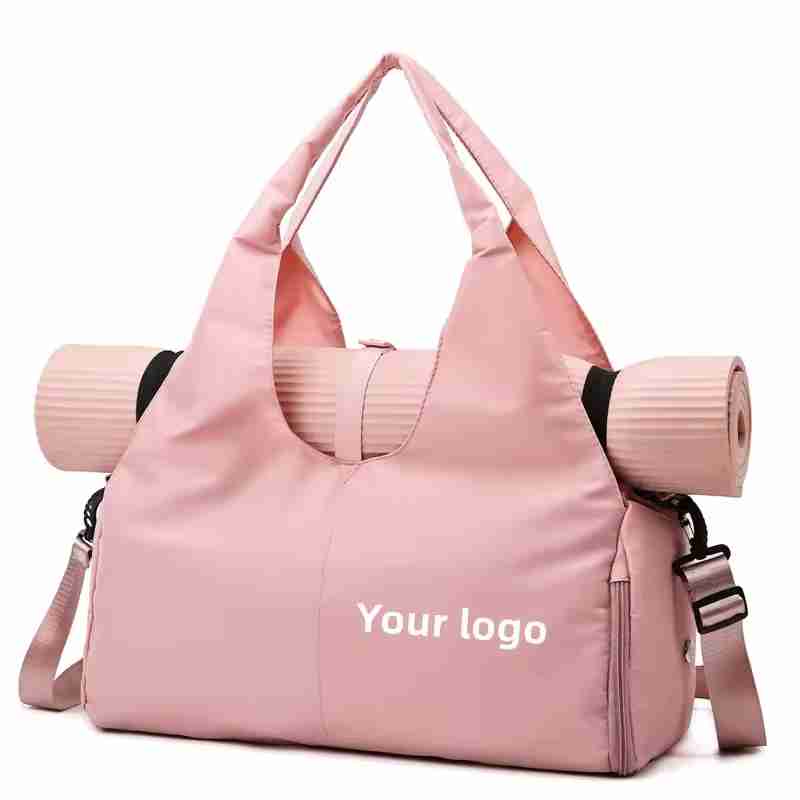
Tote bags: simple build, fast iteration, large branding area
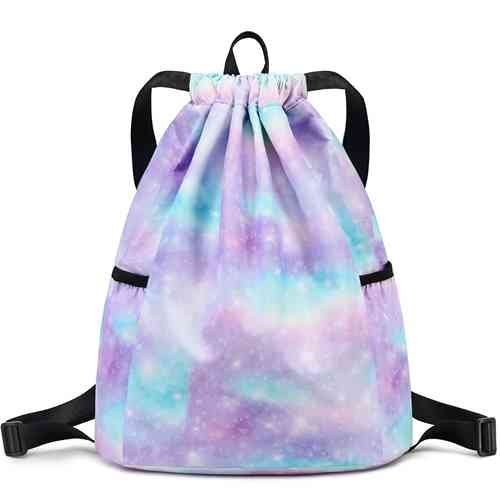
Backpacks: higher perceived value, but more QC-critical
Duffel and travel bags: strong for fitness or travel; needs zipper and anchor control
Crossbody and sling bags: popular category; needs clean pattern control
Tech organizers and pouches: MOQ-friendly; needs zipper and panel precision
Feasibility filter: what makes a style risky early?
| Feature | Why it’s risky early | Safer V1 alternative |
|---|---|---|
| Many pockets and layers | higher labor and defect rate | fewer pockets, clearer layout |
| Custom hardware molds | higher minimums, longer lead time | standard buckles and pullers |
| Complex curved panels | higher sewing drift | simpler geometry, stable seams |
| “Waterproof” claims | system complexity | rain-resistant positioning |
| Too many SKUs | batching and mix risk | 1–2 core SKUs first |
Practical launch advice: start with one hero SKU, lock the build, then add variations after demand is proven.




Startup Workflow: Idea to Sample
A startup-friendly development process works like a funnel: explore early, lock fast.
Step 1: Define non-negotiables
Before sampling, decide what must not change: key dimensions (laptop fit or insert fit), pocket count and layout, logo placement zones, target channel and price tier. This stops endless “small changes” that reset quotes and timelines.
Step 2: Lock a material system
A bag is a system: outer, lining, padding, webbing, zipper and hardware, reinforcement. Skipping this often causes drift when components change later.
Step 3: Prototype for function
The first sample should confirm comfort under load, zipper smoothness, anchor strength feel, and real pocket usability.
Step 4: Pre-production sample for repeatability
Lock tolerances, reinforcement map, logo method details, trimming, and packaging rules. This becomes the reference standard.
Step 5: Pilot order for proof of control
Use a small run to verify anchor and zipper-end consistency, measurement stability within tolerance, and clean pack-out without SKU mix-ups.
Workflow outputs: feasibility direction, prototype sample approval, pre-production lock, pilot consistency check, then scale with a stable reorder path.


Startup MOQ and Cost Roadmap
For startup sourcing, aim for predictable cost, not the lowest headline price. Here’s a practical approach.
(1) What increases MOQ
| MOQ driver | Why it raises MOQ | Startup-friendly move |
|---|---|---|
| Custom fabric color | dye and lot minimums | Start with stock colors |
| Custom hardware or puller | supplier minimums | Use standard hardware first |
| Too many SKUs | batching complexity | launch 1–2 hero SKUs |
| Complex pockets | more labor and defects | simplify pockets in V1 |
| Retail packaging kits | extra operations | Upgrade packaging later |
(2) Main unit cost drivers
Material system (not only outer fabric)
Reinforcement rules (low cost, big durability impact)
Zipper and hardware grade (reduces returns)
Pocket and panel complexity (labor and defect rate)
Packaging and labeling (channel needs, receiving accuracy)
(3) Pilot to scale roadmap
Pilot order: confirm function, durability, packing logic
Scale order: increase quantity, add one color if needed
V2 upgrade: premium branding, more colors, new pocket options
If you must choose where to spend, protect stress zones (anchors, zipper ends, base corners) and component grade (zippers, webbing).


Startup Sampling: Fast, Stable, No Requotes
A reliable sampling system for startups follows three rules: one variable at a time, function before cosmetics, document for production.
Rule 1: Change one variable at a time
If fabric, zipper, pockets, and logo method all change at once, it’s hard to identify the real cause of improvement or failure. A stable revision order:
Structure and pattern (fit, function)
Material system (feel, durability)
Reinforcement map (anchors, zipper ends)
Branding method (print, patch, label)
Packaging and labeling
Rule 2: Test like real use
During sampling, run simple checks:
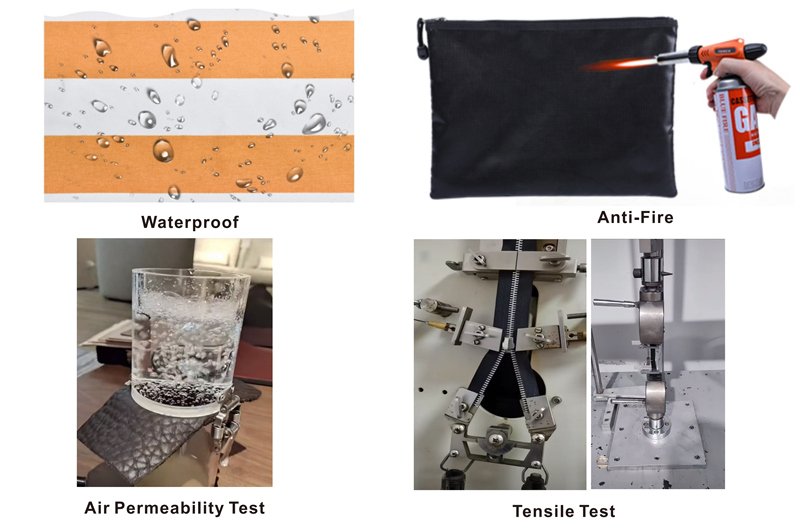
Loaded carry test (simulate real items and weight)
Zipper open and close under load (30–50 cycles)
Strap adjust and hold (no slipping)
Pocket access test (one-hand usability)
These quick tests prevent expensive mistakes later.
Rule 3: Create evidence that prevents drift
Sample approval should generate production-ready evidence:
Measurement sheet with tolerances
BOM lock
Reinforcement photo map
Logo placement dimensions
Packaging rules and carton mark template
Startup Materials: Protect Reviews, Not Photos
The “right” material decision is a system decision: outer fabric, lining, padding, webbing, zipper, hardware, reinforcement.
(1) Choose materials by failure risk, not trend
For daily carry: prioritize webbing grade, zipper smoothness, and anchor reinforcement.
For floor contact: prioritize base corner abrasion and scuff control.
For packable styles: prioritize lightweight fabric and stable seams.
(2) Structure choices that change perceived quality
Foam thickness and placement often impact “premium feel” more than expected.
Baseboard or EVA panels help shape retention and reduce collapse complaints.
Pocket organization can raise value perception without expensive materials.
(3) Startup-friendly spec lock table
| Decision | Best for V1 | Notes |
|---|---|---|
| Outer fabric | stable supply | lock weave and coating |
| Structure | foam with baseboard | reduces collapse |
| Zipper | upgraded for daily use | test under load |
| Reinforcement | mapped by stress zones | protects reviews |


Startup Bag Branding and Packaging
(1) Branding methods startups can trust
Safer long-run methods often include woven labels, embroidered patches, and well-tested transfers on the final fabric.
| Method | Best use | Risk | Simple control |
|---|---|---|---|
| Woven label | retail, minimal look | edge fray | lock fold and stitch |
| Embroidered patch | premium feel | puckering on thin fabric | add backing |
| Heat transfer | high detail | peeling if coating shifts | peel and flex test |
| Screen print | promo styles | cracking on folds | avoid crease zones |
(2) Packaging rules that protect early reviews
Structured bags: protect shape and prevent crushing
Hardware: wrap and separate to prevent scuffs
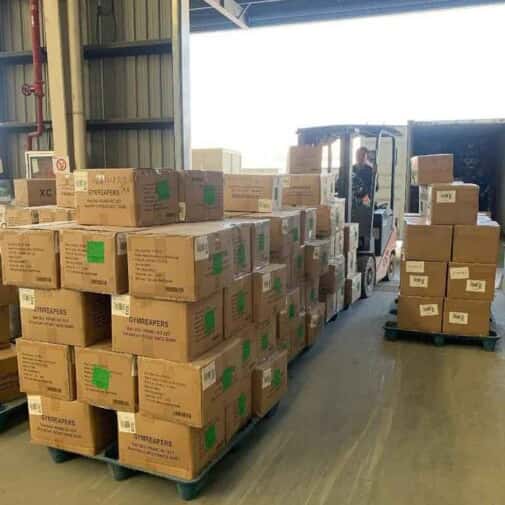
E-commerce: stable barcode placement, clean polybag spec, clear carton marks
Carton mark must-haves: SKU, color, quantity, carton sequence (1/20), weight, dimensions.

Startup QC: Checkpoints Prevent Returns
We recommend a QC that matches real bag failure patterns.
(1) Incoming QC: stop wrong materials early
Confirm fabric, webbing, zippers, and hardware match the locked BOM.
(2) In-process QC: target failure zones
Check:
Strap anchors (bar tacks, box X, layer counts)
Zipper ends (reinforcement and alignment)
Base corners and abrasion protection
Pocket symmetry and seam allowances
(3) Final QC: function and packaging
Verify key measurements are within tolerance, run zipper checks, and confirm barcode labels and carton marks.
QC evidence checklist:
Close-up photos of anchors and zipper ends during production.
Inspection sheet with measurement data
Packing photos showing carton marks and clear SKU separation
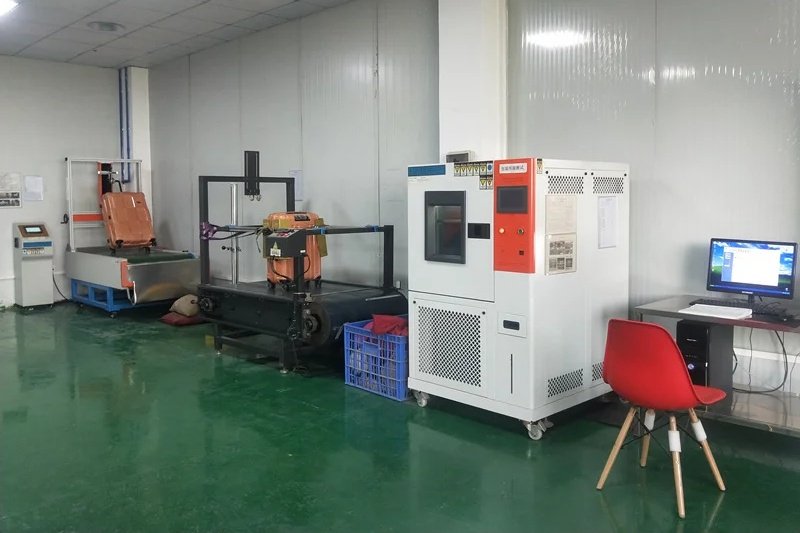
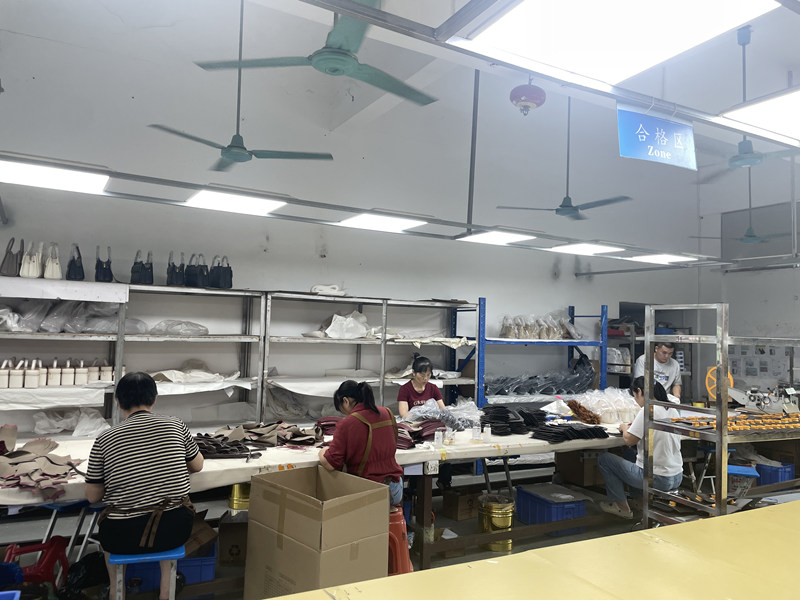
We maintain dedicated QC staffing and inspection equipment to support consistent output.

Scale Without Chaos: Reorders and Pack-Out
(1) Lock a reference SKU first
A reference SKU defines the pattern, BOM, tolerances, reinforcement map, and branding method. New variants should inherit these locked rules unless you intentionally create a new version.
(2) Expand variants in controlled steps
A stable scale plan:
Add one new color while keeping the BOM the same
Add one pocket variant while keeping reinforcement rules consistent
Upgrade branding (patch or label) after the build is stable
(3) Multi-SKU pack-out rules
| Control | Prevents | What to require |
|---|---|---|
| SKU code logic | confusion across variants | SKU map sheet |
| Carton marks | receiving errors | carton mark template |
| Carton numbering | missing cartons | 1/30 sequence system |
| Packing photos | hidden mix-ups | pre-ship photo proof |
This approach helps scaling stay profitable by reducing mix-ups, rework, and avoidable returns.

Make A Sample First?
See your idea come to life before mass production.
At Jundong Factory, we offer free design mockups and custom samples to ensure every detail is perfect — from material and color to logo placement and stitching.
Start your project with confidence today: info@jundongfactory.com.
Startup Bag Manufacturer FAQs
What’s a realistic MOQ for startup brands, and how can I keep quality at low quantities?
A realistic startup MOQ is driven less by “factory rules” and more by fabric color minimums, trim supplier minimums, and SKU complexity, so you reduce MOQ safely by simplifying versions and locking a stable material system, not by cutting corners on stress zones.
Startup brands often hear one MOQ number and assume it applies to everything. In practice, the MOQ varies depending on what you customize. If you need custom-dyed fabric, special hardware, or multiple colorways, the MOQ rises because upstream suppliers require minimum runs. If you keep to stock colors and standard trims, many bag types can start at a more manageable pilot quantity.
The smartest low-MOQ approach is a pilot SKU strategy: start with one “hero” version that represents your brand, then scale once the market proves demand. What you should not do is launch 5–8 colors and 3 versions at once. That creates small batches, increases packing mix-ups, and makes defects harder to control.
Use this buyer table to reduce MOQ without hurting quality:
| MOQ Driver | Why MOQ Increases | Startup-Friendly Fix |
|---|---|---|
| Custom fabric color | dye lot minimum | Pick stock colors in V1 |
| Custom hardware/puller | supplier minimum/tooling | standard hardware first |
| Too many SKUs | batch splitting | 1–2 SKUs, then expand |
| Complex pockets/layers | labor + higher defect risk | simplify V1 layout |
| Retail packaging kits | extra operations | Upgrade packaging in V2 |
Where startups should still invest—even at low MOQ: strap anchors, zipper grade, and base corners. These are the areas that trigger returns and negative reviews. A small reinforcement upgrade is cheaper than replacing units or refunding customers.
Procurement tip: ask your manufacturer for two build options (cost-optimized vs durability-optimized) using the same pattern. That makes your decision faster and prevents “we changed three things and don’t know why the sample is different.”
How long does it take from idea to bulk for a startup bag program?
A realistic timeline is fastest when you lock decisions early—most delays come from repeated changes to materials, hardware, and logo methods, so a controlled workflow (prototype → PPS → pilot → scale) beats “rush sampling” every time.
For startup brands, the timeline is not only “sample time + production time.” The hidden time is decision churn: changing fabric hand-feel, switching zipper types, revising pocket layouts, and redoing logos because the coating changed. A reliable timeline starts with a disciplined sequence:
- Feasibility + build plan (confirm structure, materials, cost tier)
- Prototype sample (validate function and layout)
- Pre-production sample (PPS) (bulk-like standard; lock tolerances, BOM, reinforcement map)
- Pilot order (prove consistency + packing/labeling logic)
- Scale order (expand quantity and variants safely)
Here’s a practical timeline framework buyers can use internally:
| Stage | What It Proves: What | t You Should Approve |
|---|---|---|
| Prototype | function & layout | usability under load |
| PPS | repeatability | BOM lock, tolerances, logo spec |
| Pilot | consistency & ops | QC evidence, packaging, carton marks |
| Scale | stable supply | reorder path + variant control |
Procurement tip: Startups should send a complete RFQ early (use case, size, load, materials direction, logo method, quantity, packaging needs). That reduces back-and-forth and speeds approvals.
If you want fewer timeline surprises, treat the first bulk as a controlled pilot, not a “full launch.” It protects cash flow and makes the next order faster.
How do I prevent sample-to-bulk deviation (approved sample looks great, bulk looks different)?
You prevent sample-to-bulk deviation by converting your approved sample into a buyer-controlled Approval Package and requiring staged production evidence—because “please be careful” doesn’t survive multiple operators and material batches.
Bulk drift typically comes from four places: material substitutions, sewing interpretation differences at reinforcement zones, zipper finishing variation, and tolerance ambiguity. The fix is to lock decisions into a document set that production must follow.
Your Approval Package should include:
- BOM lock: outer fabric spec (denier/weave/coating feel), lining, padding, webbing, zipper size/slider, hardware finish, thread
- Measurement sheet + tolerances (critical points tighter)
- Reinforcement map photos: strap anchors, handle roots, base corners, zipper ends (layer count + stitch pattern)
- Logo spec: method, placement dimensions, artwork file, basic durability check (flex/rub/peel)
- Packaging rules: polybag, hangtag, barcode placement, carton marks, packing list format
Then require three evidence checkpoints: incoming materials confirmation, in-process reinforcement photo proof, final inspection + packing verification.
A simple checkpoint table:
| Stage | What You Check | Evidence to Request |
|---|---|---|
| Incoming | fabric/zipper/webbing match | photos + component list |
| In-process | anchors + zipper ends | close-up photos |
| Final | function + labels | inspection sheet + packing photos |
This system is what makes reorders easier, too. Once the approval package is locked, scaling becomes repeatable rather than “starting over.”
What bag types are best for startup brands to launch first (that factories can repeat at low MOQ)?
The best first-launch bag types are those with stable geometry, manageable components, and clear QC points—typically totes, pouches/organizers, simple backpacks, duffels, and slings—while overly complex multi-layer builds increase defects and slow reorders.
Startups often want to impress with complexity, but complexity is expensive in labor, harder to inspect, and more likely to drift in bulk. A smarter first product is one that can be manufactured consistently and reordered with minimal reinvention.
Use this buyer-friendly selection guide:
| Bag Type | Why It’s Startup-Friendly | Main QC Focus |
|---|---|---|
| Tote | fast, clear branding, stable | handle roots + stitching |
| Pouch/Organizer | low MOQ friendly, precise | zipper alignment + panel symmetry |
| Simple Backpack | high perceived value | strap anchors + size tolerances |
| Duffel/Travel | strong demand, roomy | zipper grade + base corners |
| Sling/Crossbody | trend-friendly, compact | hardware + strap adjustment |
Avoid launching V1 with too many of these: molded custom hardware, multi-compartment curved builds, “waterproof” claims without seam system, and many colorways at once. Start with one hero SKU, gather feedback, then expand.
Procurement tip: the “best” launch type also depends on your channel. If you’re e-commerce, returns cost more—choose stable structures. If you’re boutique retail, hand-feel and branding methods matter more.
OEM vs ODM for startup bags: which model is safer and what should I choose?
OEM is safer when your brand has a clear design and wants control, while ODM is faster when you need a proven base design; many startups win by using an ODM base + OEM customization, then moving to full OEM once the hero SKU sells.
OEM means you provide the design direction and the factory builds to spec. ODM means the factory offers existing designs you can brand and modify. Startups often assume ODM is “cheap and low quality,” but it can be a smart launch shortcut—if you control materials, branding, and reinforcement.
A practical decision table:
| Model | Best For | Risk | How to Control |
|---|---|---|---|
| ODM | fastest launch | limited uniqueness | customize materials + branding + layout |
| OEM | brand identity control | more development time | lock approval package + controlled revisions |
Smart hybrid method:
- Pick a stable base design (ODM-style)
- Customize what customers feel: fabric hand-feel, structure, logo method, pocket layout
- Lock reinforcement rules and packaging standards
- When sales prove demand, invest in a full custom pattern and hardware if needed
Procurement tip: whichever model you choose, your bulk success depends on the same basics—BOM lock, tolerances, reinforcement map, and pack-out rules.
How do I protect my design and reduce copy risk when working with a bag factory?
You reduce copy risk by limiting exposure, controlling files and versions, and locking brand-defining elements (placement, pattern details, trims) into an approval package, rather than trying to “hide everything” and slowing development.
Copy risk is real, but startups often respond the wrong way: either overshare full tech packs too early, or share nothing useful and force the factory to guess. A practical approach is staged sharing and version control.
Buyer protection steps that work:
- Share only what’s needed for feasibility (reference photos + key dimensions + layout intent)
- After you choose a supplier, share pattern details gradually
- Keep artwork files controlled; provide logo files in the format needed for production only
- Lock unique elements: logo placement zones, trims, and reinforcement patterns
- Use “V1/V2” file naming discipline so you know exactly what was approved
Operational tip: your strongest protection is speed and repeatability. If you can launch, sell, and reorder quickly with a stable supplier, copycats are less damaging.
If your product includes a truly unique detail (custom hardware, signature panel geometry), treat it as a later-stage upgrade after market validation, not a V1 requirement.
What QC should startup brands require to avoid returns and cashflow loss?
Startup QC should focus on return-causing failures—strap anchor strength, zipper performance, measurement drift, and labeling/pack-out errors—and must include staged checkpoints, not only final inspection.
Startups often rely on “final inspection,” but many problems start earlier: wrong webbing grade, zipper mismatch, inconsistent reinforcement layers. The fix is staged QC:
- Incoming QC: fabric, webbing, zippers, hardware match BOM
- In-process QC: anchors, zipper ends, base corners, pocket symmetry
- Final QC: key measurements within tolerance, loaded zipper checks, packaging verification
Here’s a startup QC checklist table:
| Risk Area | What to Check | Simple Proof |
|---|---|---|
| Anchors | bar-tack/box-X, layer count | close-up photos |
| Zippers | smooth under load, aligned | 30–50 cycles test |
| Sizes | critical points in tolerance | measurement sheet |
| Packaging | barcode/carton marks correct | packing photos |
Procurement tip: ask for evidence, not promises—photos at checkpoints and an inspection sheet. This changes QC from “trust” to “measurable.”
How should startups set payment terms and manage risk on the first order?
The safest first-order approach is to treat it as a controlled pilot with clear milestones—link payments to sample approval, PPS approval, and pre-ship inspection, so you reduce risk without slowing the project.
Startups often focus only on deposit percentage, but risk control is mostly about process milestones. A reasonable structure is: approve prototype, lock PPS, confirm materials, then produce. Payments should reflect that sequence.
Buyer risk controls:
- confirm what “approved” means (photos + measurements + tolerances)
- require a PPS standard before bulk
- request pre-ship inspection evidence (photos + packing list)
- define what happens if defects exceed an agreed threshold
A practical milestone mindset: you pay for progress you can verify.
What packaging and labeling rules should startup brands use for e-commerce and retail?
Packaging should protect shape and reduce freight/returns, while labeling must support fast receiving—so startups should standardize SKU codes, carton marks, barcode placement, and packing list format from day one.
Most startup operational pain is not sewing; it’s receiving chaos and damaged-looking inventory. Define:
- SKU code logic (style/color/version)
- carton marks (SKU, color, qty, carton no., weight, dimensions)
- barcode placement (inner polybag and/or carton as required)
- packing list format aligned to carton numbers
If you need a simple email-based template, you can request one from info@jundongfactory.com (use it only when you’re ready).
How do I scale from a pilot to reorders without changing quality or cost unpredictably?
Scaling works when you lock a reference SKU (BOM, tolerances, reinforcement, logo, packaging) and expand variants in controlled steps—because uncontrolled changes cause cost jumps and consistency drift.
Your reference SKU is the standard. Every change (new color, new pocket, new coating, new logo method) should be treated as a versioned update. The safest scale sequence:
- Pilot: prove function + consistency + pack-out logic
- Reorder: same BOM, one more color
- Expand: add one controlled variant
- Upgrade: branding/packaging enhancements after stability
A scale-control table:
| Change Type | Risk | Control Method |
|---|---|---|
| New color | lot variation | swatch approval + batch booking |
| New pocket | labor + defect risk | controlled pattern update |
| New logo method | adhesion failure | peel/flex test on final fabric |
| New trims | supply instability | lock BOM and supplier |
This is how startups scale without turning each reorder into a new project.
Can you provide a cost breakdown? What should startups look for in a quote?
A helpful quote shows what drives cost—materials, labor complexity, branding method, packaging, and risk items—so startups can cut cost strategically without damaging durability or brand perception.
Startups often compare quotes only by unit price. That’s risky because two quotes can look similar but hide different materials and workmanship. A buyer-ready quote should clarify: what fabric grade is assumed, what zipper grade is included, what reinforcement is included, and whether packaging/labels are included.
Ask for a quote that separates these drivers:
| Cost Driver | What It Includes | Why It Matters |
|---|---|---|
| Material system | outer + lining + padding + webbing + zipper/hardware | biggest quality lever |
| Labor complexity | pockets, panels, stitching steps | drives defect risk |
| Branding | patch/label/print method | durability + perceived value |
| Packaging | polybag, barcode, carton marks | receiving & channel compliance |
| Development | sampling iterations | timeline and budget control |
How startups reduce cost safely:
- reduce pocket layers and simplify internal structure (labor ↓)
- use stock colors and standard trims for V1 (MOQ ↓)
- keep durability spend in strap anchors, zipper ends, base corners (returns ↓)
- choose branding methods that survive use (complaints ↓)
Red flags in quotes: “fabric: nylon” with no denier/weave/coating, or “zipper: standard” with no size/grade. Those vague lines almost guarantee later changes.
Procurement tip: request two options on the same pattern—cost-optimized vs durability-optimized—so you see exactly what changes and what doesn’t.
We’re on a tight budget. How do we choose materials without making the bag feel cheap?
Budget control works when you spend on the parts customers feel and failure zones depend on—structure, zippers, webbing, reinforcement—and save on low-impact areas like extra pockets, complex panels, or custom hardware.
Startups often overspend on surface materials and underinvest in components. Customers notice comfort, smoothness, and structure more than they notice “a slightly higher denier.” If a zipper jams or a strap slips, the review is negative no matter how premium the fabric sounds.
Use a “high impact vs low impact” decision map:
| Spend Here (High Impact) | Why | Save Here (Low Impact) | Why |
|---|---|---|---|
| Zipper grade | daily touch point | too many pockets | labor & defects |
| Webbing + anchors | safety & comfort | custom hardware | MOQ + time |
| Foam/structure | premium feel | excessive paneling | sewing drift |
| Reinforced corners | wear resistance | extra accessories | cost without function |
A startup-friendly approach is requesting two build options:
- Option A: cost-optimized (simpler structure, standard trims)
- Option B: durability-optimized (better zippers/webbing + mapped reinforcement)
Everything You Need to Know Before Customizing Your Bags
Startup bag sourcing decisions are rarely based on appearance alone. For early-stage teams, the real success factors are MOQ vs. unit cost, lead time, material choices that won’t drift, branding durability, packing and labeling for e-commerce, and whether the factory can support repeatable reorders without changing the product.
This FAQ section is built around real startup decision triggers: what you need to send to start sampling, how to avoid re-quotes caused by unclear specs, how to prevent “approved sample vs bulk” differences, and which QC checkpoints reduce returns on the first production run. It also covers scaling topics like adding new colors, managing mixed SKUs, and keeping pack-out accurate so operations don’t get messy.
When written clearly, these FAQs also capture long-tail search intent such as “startup bag MOQ,” “low MOQ custom bag manufacturer,” “custom bag sampling process,” “private label bag factory,” and “how to avoid sample to bulk drift.”
For a quick evaluation, send your bag type, target use scenario, key dimensions, logo method, target quantity, and packaging needs. Our team will review your inputs and reply with a practical build plan: recommended material system, reinforcement focus, sampling steps, and a stable path from first order to reorder.
