 Skip to content
A Practical OEM/ODM Partner for Custom Fabric Bags in Guangdong
Procurement teams sourcing custom fabric bags overseas need more than a good-looking sample. You might need control across distance, time zones, and shipping cycles. This guide focuses on clear specifications, sampling discipline, material traceability, and defined QC checkpoints to keep bulk output consistent. Based in Guangdong, we support OEM/ODM for tote bags, drawstring bags, cooler bags, backpacks, and promotional bags. We work with canvas, cotton, polyester, nylon, Oxford, and RPET, plus coated options. Branding includes printing, heat transfer, embroidery, and labels, with repeatable packing rules.
Fabric Bag Styles and Custom Options
A professional fabric bag manufacturing partner should start with use-case mapping, because use cases drive materials, structure, and QC priorities. We begin by clarifying program needs: promotional distribution or resale, subscription boxes or corporate gifting, daily consumer use, or heavy retail loads. Key questions include target load (3–5 kg or 10–15 kg), water resistance, washability, shape retention, and expected service life. These factors determine whether canvas/cotton, polyester/nylon, RPET, or coated fabrics are appropriate, and whether you need reinforcement layers, binding, piping, or foam structure.
Customization depth also varies widely. Some programs only require logo printing and standard packing. Others require private labeling, SKU and barcode systems, carton marks, Pantone color control, and mixed-SKU shipment planning. Many overseas sourcing issues happen when branding and packaging requirements are added late—woven labels, hangtags, barcode stickers, warning cards, or individual polybags all change labor minutes, materials procurement, and lead time. The safest approach is to include branding and packaging in the spec from day one and build a controlled BOM that covers the full product, not only the bag body.

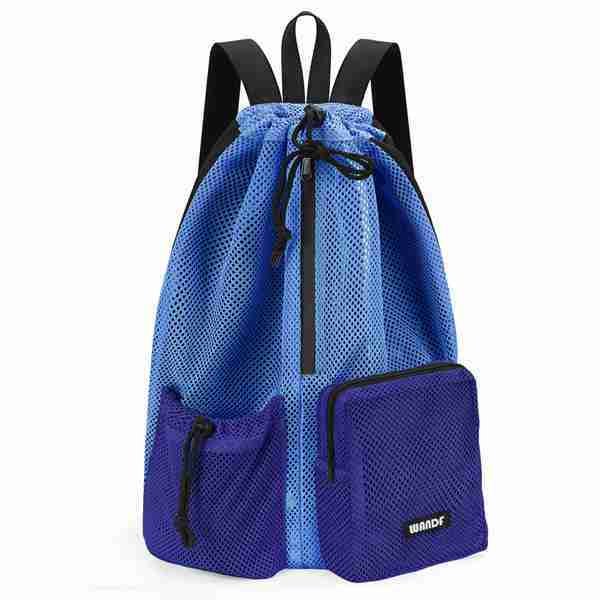

Based in Guangdong, we support tote bags, travel bags, cooler bags, and more with structure recommendations designed for scale. Heavy totes prioritize handle anchoring and bottom reinforcement; travel styles focus on strap stress points and zipper strength; cooler bags focus on insulation thickness, lining selection, and anti-deformation packing.
| Bag Type | Typical Use | Recommended Fabrics | Key CTQs to Control |
|---|---|---|---|
| Canvas Tote Bags | retail, promo, grocery | canvas/cotton, RPET canvas | handle reinforcement, SPI, print alignment |
| Drawstring Bags | events, gyms, giveaways | polyester, nylon, RPET | cord quality, grommet strength, seam finish |
| Shopping Bags | retail carry | non-woven, PP-laminated, polyester | load capacity, bottom strength, carton packing |
| Backpacks (fabric) | school, travel, work | nylon, polyester, Oxford | strap bartacks, zipper cycles, panel symmetry |
| Cooler Bags | food delivery, outdoor | polyester and PEVA lining, foam | insulation thickness, lining seams, leak risk |
| Garment/Accessory Pouches | kits, cosmetics, storage | canvas, polyester, velvet options | zipper smoothness, edge binding, logo clarity |


Choosing Fabric for Performance and Cost
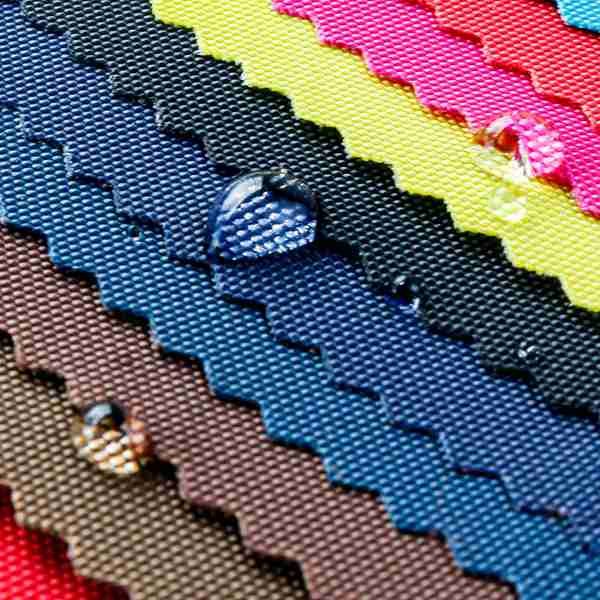
Material selection is where custom fabric bag programs become predictable—or turn into disagreements. Fabric names like “canvas,” “polyester,” “nylon,” or “RPET” are only categories. Bulk consistency depends on the spec behind the name: composition, weave, GSM/denier, coating type, finishing, color control method, and batch stability. Two “600D polyester” fabrics can perform very differently in abrasion resistance, stiffness, print clarity, and odor risk—especially costly when sourcing overseas.
A reliable manufacturer should match materials to a use-case stress map: target load, carry method, frequency, and environment (humidity, UV, cleaning, food contact). Promotional totes prioritize cost and branding; retail reuse needs abrasion resistance and stronger handle anchors; travel styles need tear strength and hardware durability; cooler bags need odor-resistant linings and stable insulation.
Choose in two layers: material category and detailed spec. Skipping the second invites substitutions that look similar but wear faster, print poorly, or deform in cartons. Fabric should also fit branding compatibility, packaging, shipping, and compliance needs.


Fabric Bag Construction and Reinforcement Design
In fabric bag manufacturing, “quality” is engineering, not a feeling. Most bulk failures are predictable results of weak construction choices—handle tearing, seam popping, corner abrasion, zipper detachment, or deformation. A stronger approach is to treat construction as a controlled design system from the start, especially for overseas sourcing where rework is costly.
Durability starts with the load path: how weight transfers from contents to panels and into handles or straps. If the load path isn’t defined, stress concentrates and failures repeat. Common risk zones include handle roots on totes, strap anchors on backpacks, and zipper ends and strap attachments on travel bags. These issues are reduced with reinforcement logic: extra layers at stress points, correct stitch patterns, and appropriate seam finishing.
Control requires measurable CTQs, not vague terms. Specify SPI, seam allowance, bartack position and count, reinforcement patch size and material, box-X dimensions, binding width, and workmanship tolerances. Documented CTQs allow consistent in-process checks and objective final verification. Construction also interacts with branding and shipping—embroidery puckering, print cracking, visible reinforcements, and crease risk—so it should be designed as one system.
Fabric Bag Branding: Cost and Durability
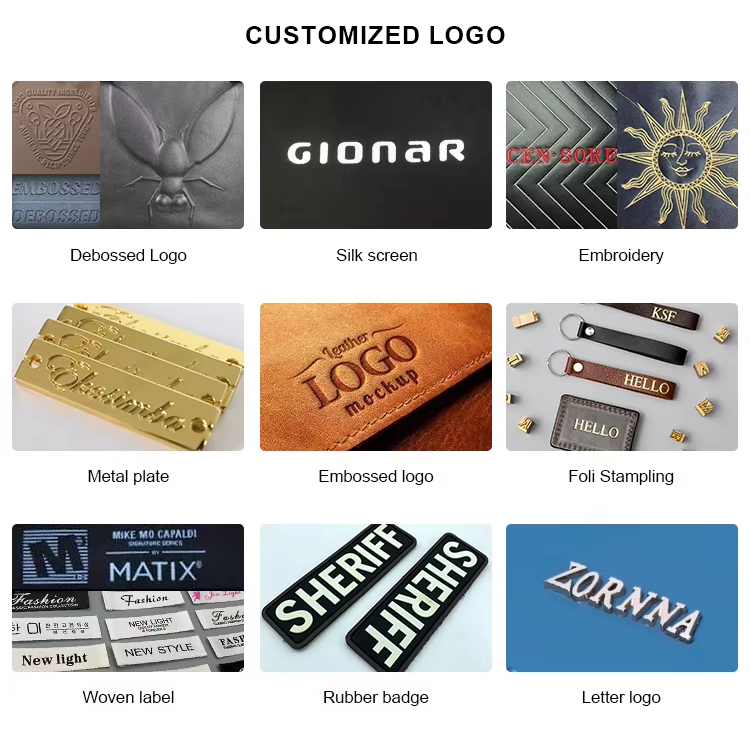
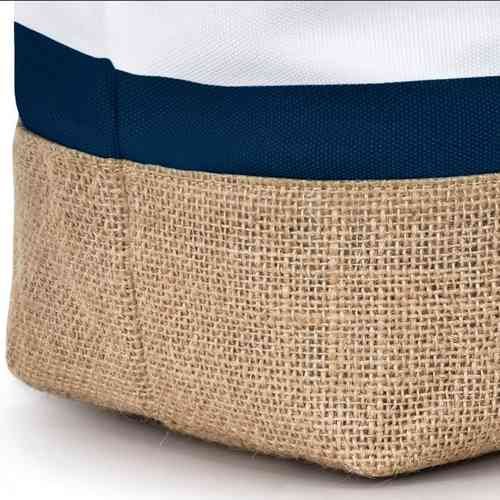
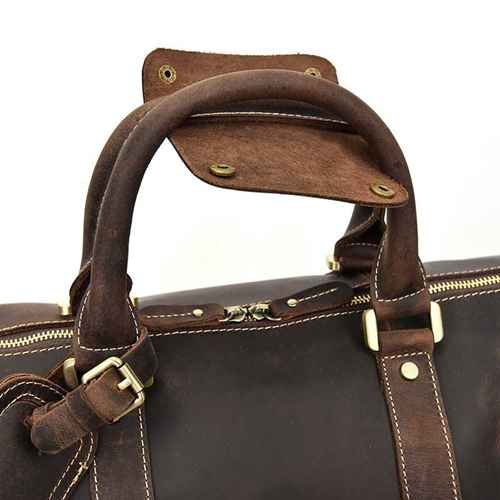
Branding is often the main reason custom fabric bags are chosen, but it can also introduce production risk because it adds processes, suppliers, and acceptance criteria. A logo method must match the fabric, use case, lifecycle, and channel requirements. Results can drift in bulk if ink curing, heat settings, embroidery density, or patch adhesion isn’t controlled—especially costly in overseas sourcing.
Treat branding as a controlled sub-BOM with measurable CTQs: ink type, mesh count, transfer film, thread specs, patch base and adhesive, label density, and attachment method. Control color with Pantone or approved swatches, and lock placement with reference points and tolerances. Pre-production approvals (print strike-offs, sew-outs, patch and label proofs) keep branding repeatable.
Sampling Workflow: Tech Pack to PPS
Many overseas fabric bag programs “fail late”: the sample is approved, then bulk arrives with a different feel, fit, logo placement, or finishing. This sample-to-bulk deviation is costly because it appears at the end—delays, rework, freight changes, and returns. The root cause is usually uncontrolled sampling.
Protect bulk with a repeatable system: a measurable tech pack, a strict revision log, a labeled golden sample, and a PPS (pre-production sample) built with production-intent materials and processes. Define key CTQs early (logo placement tolerance, reinforcement points, zipper function, strap strength, anti-deformation packing) so sampling becomes a manufacturing rehearsal and bulk stays consistent.
Recommended Sampling Workflow :
RFQ freeze: confirm bag type, use case, target quantity, and packaging channel.
Tech pack: define dimensions and tolerances, structure, materials, branding, and packing rules.
Sample V1: validate structure feasibility and logo placement.
Revision log: document every change and version (V1 → V2 → V3).
Golden sample: label and archive the final approved sample as the production reference.
PPS approval: confirm production-intent materials, workmanship standards, and packing method.
Bulk start: run first-piece approval against the golden sample and tech pack before scaling output.
Fabric Bag QC: IQC, IPQC, PSI, AQL, and CTQ
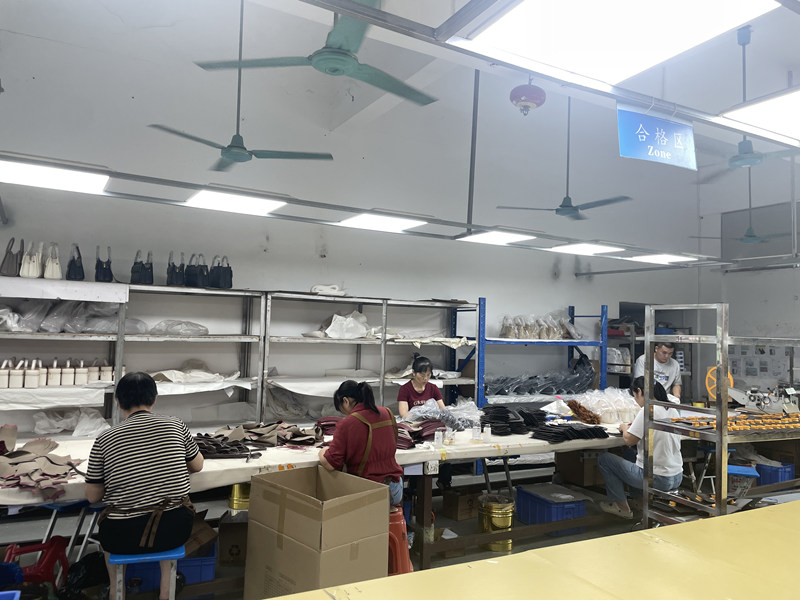
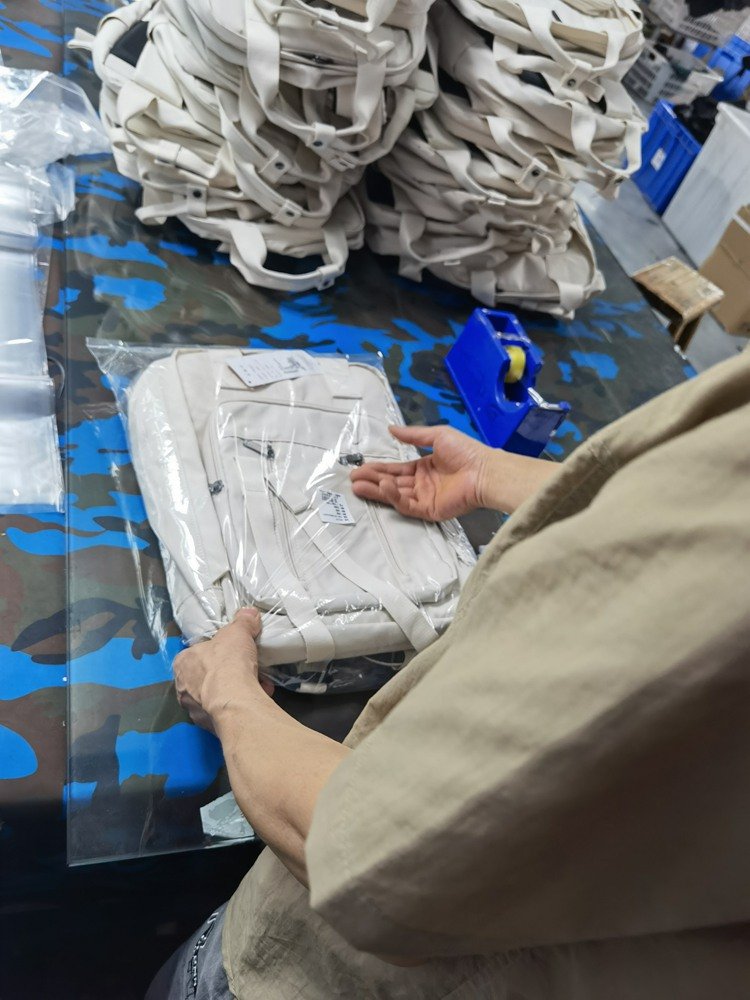
Overseas quality control works best when planned as a system, not treated as a final-step reaction. Fabric bag defects are usually created in three places: materials, production, and packing—so control should follow the same chain: IQC, IPQC, and PSI. IQC verifies incoming materials against BOM codes and approved swatches (fabric GSM, coating, shade, zipper models, webbing thickness, foam density, hardware finish). IPQC checks CTQs on the line (seam allowance, SPI, reinforcement points, logo placement, zipper-end finishing, strap anchoring). PSI confirms AQL pass, SKU counts, labels, carton marks, and anti-deformation packing before shipment.
Fabric Bag Packaging: Deformation and Odor Control
Packaging should be treated as part of fabric bag quality, not an afterthought. A well-made bag can arrive unacceptable if it’s folded incorrectly, over-compressed, sealed too early, or shipped in weak cartons. Control the main risks with defined packaging CTQs: deformation (inner supports, correct folding, carton dimensions and stacking strength), odor/moisture (curing and ventilation time, appropriate polybags, desiccants when needed), and warehouse compliance (barcode placement, carton marks, SKU separation, polybag warnings, country-of-origin marks). A documented packing spec and first-carton photo approval reduce disputes and returns.
| Risk | Cause | Prevention |
|---|---|---|
| Deformation | over-compression | inner support and correct carton size |
| Odor | sealed too early | curing time and ventilation control |
| Mildew | trapped moisture | desiccant and packing timing |
| Rejection | wrong labels | barcode and carton mark SOP |
Fabric Bag MOQ: Small vs Bulk Pricing

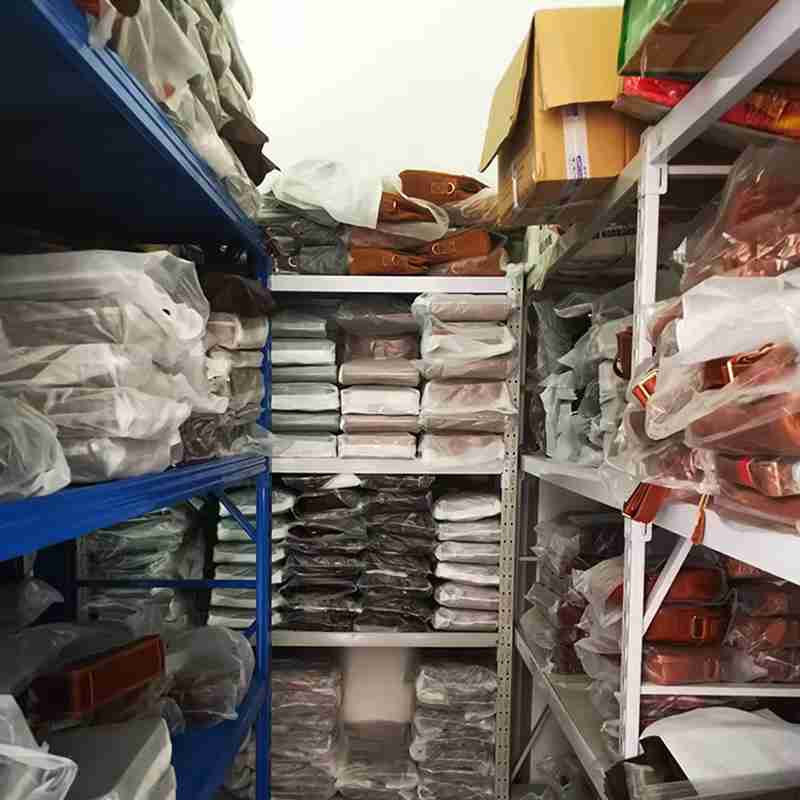
MOQ is often misunderstood as an arbitrary factory rule. In reality, it’s driven by fixed costs that don’t scale down smoothly: pattern and sampling work, material sourcing, line setup, printing screens or embroidery files, QC preparation, and packaging setup. Small orders carry higher unit cost because these steps are spread across fewer pieces. MOQ and pricing also rise with more SKUs and deeper customization (custom zippers, labels, hangtags, barcodes, retail packs). To plan bulk savings, standardize shared components, lock one reference SKU first, and keep the BOM stable—reorders become cheaper and more predictable.
| Item | Small Order (Pilot) | Bulk Order |
|---|---|---|
| Unit Price | higher | lower |
| Material Cost | higher per unit | better purchasing power |
| Production Efficiency | slower setup | faster throughput |
| QC Cost per Unit | higher | lower |
| Risk Exposure | lower cash risk | higher but more stable |
Fabric Bag Lead Time Control Points
Lead time is a major risk in overseas fabric bag sourcing because it’s not one date—it’s multiple dependent stages. A realistic timeline should be managed based on bag type, materials, branding methods, and packaging complexity. Key control points include material readiness (stock vs custom, lab dips, dyeing, coatings and curing), sampling and PPS approval (clear CTQs, a revision log, and firm approval gates), and line booking (confirmed production window with weekly progress updates). QC and packing also impact timing, especially when IPQC finds rework or when barcodes, hangtags, and carton marks require verification. Finally, align factory completion with shipping booking cutoffs to prevent rollovers.
Fabric Bag Compliance by Market
Compliance in fabric bag sourcing is a process, not a stack of certificates. Each market has different chemical, labeling, and safety requirements, and ignoring them during material selection can lead to customs holds, retailer rejection, or post-sale claims. In the EU, REACH focuses on restricted substances in fabrics, coatings, inks, and metal parts. In the US, CPSIA and Prop 65 may apply depending on product type, materials, and intended users, and some retailers add their own standards. Plan testing early—at material approval or PPS—and define what is tested: fabric, prints, coatings, accessories, and sometimes packaging. Labeling matters too: origin marks, fiber content, care labels, and polybag warnings where required.

Error-Free Mixed Orders and Multi-SKUs
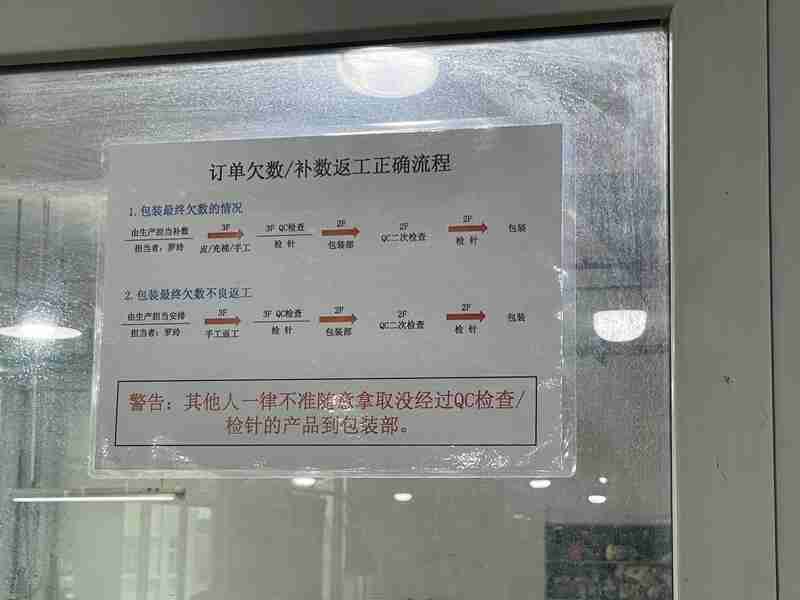
Mixed orders are common in real-world sourcing: different colors, sizes, or styles shipped together to optimize freight or support marketing launches. However, mixed orders multiply risk. Without a system, errors appear: wrong color in the wrong carton, mixed SKUs without labels, missing barcodes, or incorrect packing lists. These errors are not production failures—they are system failures.
A professional fabric bag manufacturer manages mixed orders through SKU discipline: clear SKU codes, color/size matrices, packing logic, and carton marking rules. Buyers should expect a mixed-order plan before bulk starts, not after packing begins.
| Risk | Control Method |
|---|---|
| SKU mix-up | SKU codes and color matrix |
| Wrong cartons | carton mark SOP |
| Missing labels | pre-packing checklist |
| Inventory errors | packing list by SKU |

Why Brands Choose Jundong Fabric Bags

When evaluating overseas fabric bag manufacturers, the key question is not who promises the lowest MOQ, but who can keep results stable when complexity appears: mixed SKUs, multiple logo methods, packaging compliance, deadline pressure, and reorder consistency. Jundong operates as a process-driven OEM/ODM partner in Guangdong, focused on risk controls that make bulk repeatable: spec discipline, material traceability, sampling with revision logs, PPS approval gates, CTQ-based IQC/IPQC/PSI, and documented packing and labeling rules. We support multiple fabric systems and branding methods, then lock them into a controlled BOM and approval workflow so quality stays consistent across bulk and reorders.
Start Fabric Bag Project: RFQ and Next Steps
Procurement teams usually fall into three stages: early planning (concept and target price, specs not fixed), sampling (need a sample route that protects bulk consistency), and bulk (need stable lead time, QC control, and packaging compliance). A practical inquiry route should support all three. Early planning benefits from material and structure recommendations with realistic cost impact. Sampling requires a tech pack checklist and PPS plan. Bulk needs a defined QC and packing plan with shipment-readiness checks.
For faster response, send a short RFQ pack: bag type, use case, target size, quantity, fabric preference, branding method, and packaging channel. Email: info@jundongfactory.com.
Make A Sample First?
See your idea come to life before mass production.
At Jundong Factory, we offer free design mockups and custom samples to ensure every detail is perfect — from material and color to logo placement and stitching.
Start your project with confidence today: info@jundongfactory.com.
Fabric Bags Manufacture — FAQs
What is the best fabric for custom tote bags: canvas, cotton, or polyester?
The “best” fabric depends on use case + cost target + branding method, so the safest choice is the one you can specify and repeat (GSM/denier, finishing, and color control).
For retail or premium reusable totes, canvas/cotton often gives a natural look and stable feel, but you must control GSM, shrinkage, and stain resistance. For promotional totes, polyester can hit a lower unit cost with stable supply, but you must define denier, coating/finish, and printing compatibility to avoid odor or ink bleeding. If your logo relies on sharp edges, smooth polyester or tight-weave canvas performs better than loose weaves. For heavy loads, focus on construction: handle reinforcement (box-X + bartacks) matters as much as fabric.
How do I specify fabric correctly in an RFQ to avoid quality drift?
Specify fabric using measurable parameters—not names—so the factory cannot “interpret” your request.
A good RFQ fabric line should include composition (e.g., cotton 100% / RPET 100%), weight (GSM) or denier, weave type (plain/twill/Oxford), coating/finish (PU/TPU/none), and color control method (Pantone + lab dip when needed). Also add performance CTQs relevant to your market: colorfastness, abrasion, odor risk, and stiffness/crease control. If you only write “canvas” or “600D polyester,” suppliers may quote different internal standards, leading to inconsistent handfeel and printing results.
RPET fabric bags: what should I check to ensure consistent eco quality?
For RPET bags, consistency comes from yarn quality + finishing control + traceable specs, not from the word “RPET.”
Ask for RPET content (%), GSM/denier, weave, and finishing details, and confirm whether the supplier can provide basic traceability documents when required. RPET can vary more than virgin polyester if yarn sources change, so color consistency and handfeel can drift across batches. Control this by requiring approved color standards, retention swatches per batch, and an agreed tolerance approach. If the bag is retail-facing, confirm printing and odor behavior—some finishes trap odor if sealed too early.
What are common failure points in fabric tote bags, and how do you prevent them?
The most common failures are handle root tearing and bottom corner abrasion, and prevention is structural: reinforcement + seam finish + correct fabric spec.
Tote handles fail because lifting force concentrates at the handle base. Prevention includes reinforcement patches, box-X stitching, and bartacks, plus adequate seam allowance and thread strength. Bottom corners fail due to repeated contact and abrasion; add binding, extra layers, or a reinforced bottom panel. For heavier loads, consider webbing handles that run under the bag (load distribution).
What logo method lasts longest on fabric bags for repeated use?
For long-term reuse, embroidery, woven labels, and stitched patches typically last longer than large-area prints, but the best method depends on fabric and use conditions.
Embroidery is durable but can pucker thin fabrics; you must define backing and stitch density. Woven labels provide stable private labeling with low risk when sewn correctly. Rubber/TPU patches are strong when stitched and supported, but glue-only patches can peel in humidity. Screen printing can last well on stable fabrics with correct curing, but heavy flex zones may crack over time.
How do you set MOQ for fabric bags, and can I start with a pilot order?
MOQ is driven by fixed setup steps (materials, printing/embroidery setup, QC, packing), so pilot orders are possible but unit cost will be higher.
For a pilot order, we recommend keeping shared components consistent (same base fabric and webbing) and limiting SKU complexity. You still need full controls—tech pack, PPS, and QC gates—because skipping steps increases bulk risk.
What should be included in a tech pack for fabric bag OEM/ODM projects?
A good tech pack defines dimensions + tolerance, construction CTQs, BOM materials, branding rules, and packaging requirements—so bulk is measurable.
Include flat measurements, seam allowance, SPI, reinforcement details (bartacks, box-X, patch size), zipper/hardware models, fabric GSM/denier and finish, and logo placement measured from reference seams. Add packaging: polybag rules, barcode location, carton marks, and qty per carton.
How do you prevent odor issues in coated or printed fabric bags?
Odor prevention is operational: allow curing/ventilation time, control packaging sealing, and verify materials in IQC.
Many odor complaints come from sealing bags too early after printing/coating. For sea freight, long transit and temperature changes amplify the issue. We recommend setting a curing window, using appropriate polybag specs, and applying desiccants when needed. Also verify coating materials and adhesives in IQC to reduce risk.
How do you control color consistency for fabric bags across bulk and reorders?
Color consistency is controlled by a defined standard + batch discipline, not by “matching by eye.”
For overseas fabric bag programs, color drift usually comes from fabric dye lot changes, different finishing processes, or inconsistent print ink mixing. The practical control method is: lock a color standard (Pantone or approved swatch), confirm lab dip when needed, keep retention swatches for each bulk batch, and define tolerance rules (what is acceptable variation under which light conditions). For multi-SKU programs, align all SKUs to the same color reference and confirm whether lining/webbing/zipper tape must match exactly or only “close match.”
What is “GSM” and why does it matter for canvas and cotton fabric bags?
GSM (grams per square meter) is the most direct indicator of fabric weight and affects handfeel, durability, printing results, and cost.
For canvas/cotton tote bags, GSM changes how the bag holds shape and how it performs under load. Higher GSM usually increases stiffness and perceived quality, but it may also increase shipping weight and cost. Lower GSM may feel softer and cheaper but can cause transparency, stretching, and faster wear at stress points. GSM alone is not enough; weave tightness and finishing also matter, but GSM is the easiest spec for buyers to lock in RFQs and compare suppliers.
How do you verify handle strength for heavy-duty fabric tote bags?
Handle strength is verified by structure specs + stress-point inspection, not by “it feels strong.”
For heavy-duty totes, the risk is concentrated at the handle root. A robust design includes reinforcement patches, box-X stitching, bartacks, correct seam allowance, and webbing spec (width/thickness). Verification can include a simple load test standard agreed by both sides (e.g., target load held for X minutes) plus CTQ photo evidence of reinforcement.
What packaging details reduce returns for fabric bags shipped by sea?
Returns drop when packaging prevents deformation and moisture risk: correct folding, inner support, carton strength, and desiccants when needed.
Structured bags may require insert cards or air bags to maintain shape. Carton dimensions must avoid over-compression; weight limits protect stacking strength. For humid routes, a sealing strategy plus desiccants reduces mildew risk. Also confirm curing time after printing/coating before sealing polybags to reduce odor.
Everything You Need to Know Before Customizing Your Bags
Fabric bag sourcing decisions are rarely based on appearance alone. For procurement teams, effective evaluation depends on clear answers around MOQ vs. bulk pricing, lead time, load capacity, material specification control, structural layout feasibility, reinforcement standards, branding method stability, packing logic, and repeat-order consistency. This FAQ section is designed to address these operational questions upfront, helping you assess supplier fit quickly while reducing avoidable back-and-forth.
We recommend structuring FAQs around real procurement triggers: what information is required to start sampling, how to prevent sample-to-bulk drift, how to control material and color consistency across lots, how to align construction and reinforcement with real use conditions, how to plan multi-SKU programs (sizes, colorways, mixed trims), and which QC checkpoints protect long-term durability and repeatability. When written clearly, these FAQs also support long-tail search intent such as “fabric bag MOQ,” “custom tote bag manufacturer,” “canvas bag factory,” or “promotional bags wholesale supplier.”
For a quick evaluation, share your bag type, use case, target size, target load, quantity plan, branding method, and packaging channel. Our team will review your inputs and provide structure recommendations, material system options (fabric, lining, reinforcement, webbing, hardware), and a realistic development route to support your fabric bag program from sampling to stable repeat production.
