 Skip to content
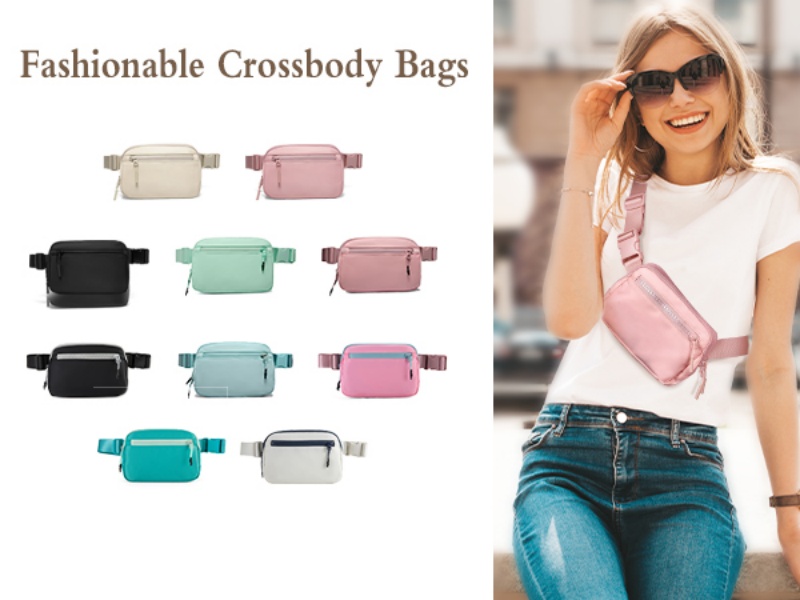
Fashion meets function in one of the most versatile accessories ever made — the crossbody bag. From city commuters to global travelers, everyone seems to own one. But what exactly makes it different from a regular shoulder bag or tote? And why has it become such a must-have piece for both men and women in modern wardrobes?
A crossbody bag is a style of bag designed with a long adjustable strap, worn diagonally across the body for comfort, hands-free movement, and security. It typically features a compact shape, zippered compartments, and durable materials like leather, nylon, or canvas, making it ideal for daily use, travel, or lifestyle branding.
This simple definition hides a complex world of craftsmanship, materials, and cultural meaning. Over the past decade, the crossbody has evolved from a purely functional messenger bag to a style statement that bridges gender, fashion, and practicality. And for global brands looking to create the next hit design, working with an experienced OEM factory like Jundong ensures each crossbody captures both beauty and performance.
Let’s unpack the world of crossbody bags — what they are, how people use them, and how manufacturers like Jundong bring them to life.
What Is a Crossbody Bag? (Definition & Key Features)

A crossbody bag is a hands-free style of bag with a long adjustable strap designed to be worn diagonally across the body. Unlike shoulder bags, it distributes weight evenly and allows easy access to items while moving. A good crossbody bag includes features like secure zippers, adjustable straps, internal pockets, and lightweight, durable materials such as canvas, nylon, or leather.
The term “crossbody” describes how the bag is worn, not necessarily what it looks like. It’s defined by its diagonal strap, running from one shoulder to the opposite hip. This simple design makes it one of the most ergonomic and versatile bag types in existence.
What Makes It Different from Shoulder or Tote Bags
- Strap length: Longer, adjustable straps give mobility.
- Weight distribution: Crossbody designs prevent shoulder strain.
- Accessibility: Items are easier to reach while on the go.
Which Design Features Are Typical in a Good Crossbody Bag
- Adjustable or detachable straps
- Zipper or magnetic closure for security
- Padded interior for electronics
- Hidden anti-theft pockets
- Lightweight but durable materials
| Feature | Benefit |
|---|---|
| Adjustable Strap | Comfort and universal fit |
| Multiple Compartments | Organized storage |
| Secure Zipper Closure | Theft protection |
| Reinforced Stitching | Durability |
| Lightweight Fabric | Easy daily wear |
Which Materials Are Commonly Used
Most OEM crossbody bags are made from:
- Canvas or Cotton: Casual, breathable, and affordable.
- Nylon or Polyester: Lightweight and water-resistant.
- Leather: Luxurious and long-lasting.
- rPET or Recycled Fabrics: Sustainable modern option.
Factories like Jundong often combine materials — for example, nylon with PU leather trim — to achieve balance between cost, strength, and design appeal.
What Are Crossbody Bags Used For?

Crossbody bags are used for carrying daily essentials hands-free, offering comfort, security, and convenience. Consumers use them for commuting, travel, shopping, sports, and casual outings. Their close-to-body design minimizes theft risk and evenly distributes weight, making them both practical and fashionable for men and women.
How Do Consumers Use Crossbody Bags — Use Cases and Benefits
Crossbody bags have a purpose far beyond fashion. They’re engineered for lifestyle efficiency:
- Commuters use them for phones, wallets, and chargers.
- Travelers prefer them for passports and boarding passes.
- Parents use them as quick-access mini organizers.
- Outdoor users rely on waterproof crossbody bags for hiking or cycling.
Benefits include:
- Hands-free convenience
- Improved safety (harder for thieves to snatch)
- Better posture and balanced weight
- Stylish versatility
Safety & Functionality
The diagonal design keeps the bag secure against your torso. Some OEM styles — like Jundong’s anti-theft crossbody — integrate hidden zippers, lockable pulls, and slash-proof straps.
Fashion & Identity
Crossbody bags have become gender-neutral icons. While once considered feminine, minimalist designs and neutral tones now dominate men’s collections too. They are both practical accessories and personal branding tools — a visible part of lifestyle expression.
How Do You Wear a Crossbody Bag Correctly?
Wear a crossbody bag diagonally across your body, with the strap resting on one shoulder and the bag positioned on the opposite hip. Adjust the strap so it sits comfortably at waist level for easy access and balance. The bag should feel snug against your body without restricting movement.
There’s no single “right” way to wear a crossbody bag, but comfort and balance matter most.
Classic vs. Trendy Styles
- Traditional cross-body: Strap on one shoulder, bag near hip.
- Front sling style: Bag across chest for streetwear looks.
- Back sling: Popular among cyclists and travelers.
How to Adjust the Strap
The key is ergonomics. The strap should allow movement without pulling on your shoulder.
For OEM design, Jundong uses adjustable metal sliders or elastic webbing for universal fit.
Do Men and Women Wear Them Differently?
Yes and no. While women often use them as statement pieces, men prefer minimalist, functional styles. Many brands now develop unisex crossbody designs, and factories like Jundong supply both categories with equal precision.
What Are the Most Popular Types of Crossbody Bags?
Popular crossbody bag types include mini everyday bags, messenger bags, travel crossbodies, luxury leather styles, and sporty outdoor designs. Each caters to different users — from professionals to travelers — using materials like leather, nylon, and canvas to match function and style.
Top Categories
| Type | User Group | Usage | Material |
|---|---|---|---|
| Mini Crossbody | Urban consumers | Light daily carry | PU / Canvas |
| Messenger | Professionals / Students | Work essentials | Nylon / Oxford |
| Travel | Tourists | Passport / valuables | Anti-theft Polyester |
| Outdoor | Sports users | Active movement | Waterproof Nylon |
| Luxury | Fashion brands | Premium retail | Genuine Leather |
Why These Categories Matter
Each type reflects a specific lifestyle segment. OEM factories like Jundong design models that balance both aesthetic and performance, ensuring function meets fashion.
For example, Jundong’s EVA-molded outdoor crossbody combines impact resistance with comfort padding — ideal for adventure gear brands.
Which Materials & Features Define a High-Quality Crossbody Bag?

A high-quality crossbody bag uses strong yet lightweight materials like leather, nylon, or rPET, combined with precise stitching, smooth zippers, reinforced straps, and ergonomic design. Key features include durability, waterproofing, secure closures, and well-organized compartments.
Best Fabrics
- Leather: Premium durability, classic appearance.
- Nylon / Oxford: Water-resistant and versatile.
- Polyester: Cost-effective and easy to print.
- rPET: Recycled, eco-friendly, trending among sustainable brands.
Hardware and Structure
The bag’s durability depends heavily on zippers, stitching, and buckles.
Factories like Jundong perform quality checks such as:
- 5,000+ zipper cycle tests
- 10 kg strap load testing
- Waterproof spray resistance trials
Eco Trends
Sustainability now drives many brand decisions. Jundong’s rPET crossbody line — made from recycled plastic bottles — meets European and American eco-certification standards while maintaining style and strength.
Which Design Features Reflect Quality
RFID pockets, adjustable straps, magnetic closures, and anti-scratch coatings are no longer optional — they define perceived value in the marketplace.
How Does OEM / ODM Manufacturing Work for Crossbody Bags?
OEM/ODM manufacturing for crossbody bags involves concept design, sampling, material selection, and full-scale production. Partnering with experienced factories like Jundong allows brands to customize size, materials, logo, and hardware while maintaining consistent quality and competitive pricing.
The OEM Process
- Concept & Design: Sketches or CAD models created with brand input.
- Sampling: Prototype ready within 5–7 days.
- Material Sourcing: Verified suppliers for leather, nylon, or canvas.
- Mass Production: Automated cutting, sewing, and QC testing.
- Global Shipping: Flexible export logistics.
| OEM Stage | Lead Time | Service |
|---|---|---|
| Sampling | 7 days | Free design & prototype |
| Production | 20–25 days | Low MOQ (100 pcs) |
| Branding | Custom logo, labels, packaging | |
| QC Testing | Handle strength, zipper cycle, waterproof check |
Customization Possibilities
Jundong offers:
- Printing: screen, heat-transfer, or digital sublimation.
- Hardware: matte, brushed, or gold-plated metal.
- Straps: cotton, webbing, or PU leather.
OEM partnerships help small and medium brands reduce development costs while scaling globally.
What Should Buyers and Brands Consider When Choosing Crossbody Bags?
Buyers should prioritize comfort, durability, and style, while brands must focus on material quality, production accuracy, and target audience alignment. Partnering with OEM experts like Jundong ensures your crossbody bag meets market expectations for both function and fashion.
For Buyers
- Choose breathable, lightweight designs for daily use.
- Test strap comfort and adjustability.
- Ensure zipper access aligns with dominant hand (user ergonomics).
For Brands
- Align design with audience (youth, travel, luxury).
- Choose sustainable materials to appeal to eco-conscious buyers.
- Test packaging and retail presentation for brand consistency.
How Should a Brand or Factory Market and Position a Crossbody Bag
- Function-first strategy: Emphasize anti-theft, waterproof, or travel convenience.
- Lifestyle branding: Use storytelling in imagery (urban, adventure, luxury).
- Sustainability narrative: Showcase eco-material sourcing.
- Digital marketing: Leverage influencer or short-form video content to reach younger audiences.
How Jundong Helps Global Brands
Jundong provides end-to-end brand support — from free design mockups to custom labeling and eco-certification.
Their 20+ years of manufacturing experience help brands position crossbody lines competitively in retail, wholesale, and e-commerce markets.
Conclusion: Crossbody Bags Connect Style and Function
The crossbody bag isn’t just a trend — it’s a symbol of modern mobility and design intelligence.
Consumers love it because it’s practical and comfortable.
Brands love it because it offers endless creativity and market appeal.
If you’re a brand, importer, or startup looking to launch your next line of custom crossbody bags,
👉 Contact Jundong today for free design consultation, low-MOQ production, and fast global delivery.
From materials to marketing — Jundong helps you create bags that carry your brand forward.