 Skip to content
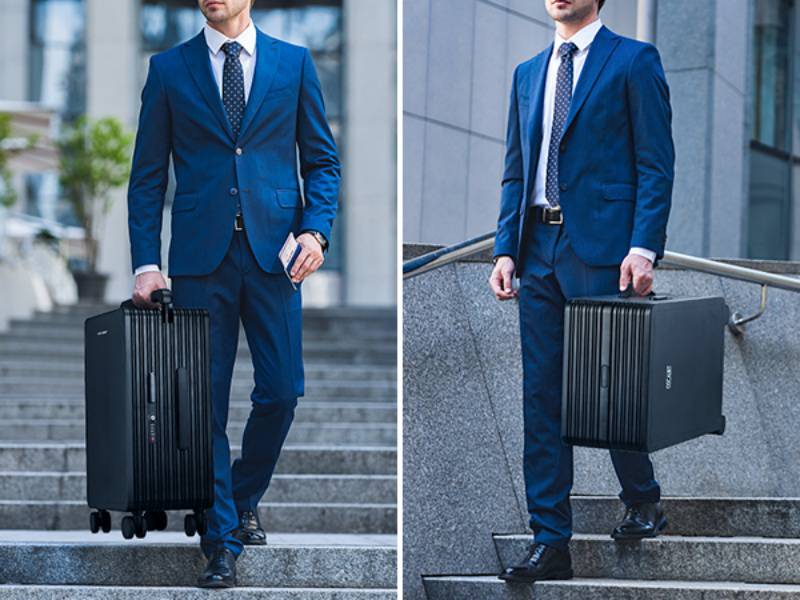
Most travelers have heard terms like “checked baggage,” “carry-on,” and “personal item.” But when airlines say “hold bag,” it can sound confusing — is it different from regular luggage? Whether you’re planning a trip or developing a new line of travel products, understanding what a hold bag actually is can save you stress, money, and even damage claims.
A hold bag is luggage that you check in at the airport to be stored in the aircraft’s cargo hold. It’s typically larger and heavier than cabin luggage, with airline limits usually around 23 kg (50 lbs) and a combined size not exceeding 158 cm (62 inches).
This simple definition hides a fascinating logistics process and strict design standards. Airlines, travelers, and OEM manufacturers all play roles in ensuring that every hold bag — from the moment it’s tagged to when it’s unloaded — meets international safety and durability requirements.
So, what makes a hold bag different? Why do airline rules vary so much? And how can brands work with manufacturers like Jundong to design airline-approved luggage that balances quality, weight, and cost?
Let’s unpack it step by step — from definition and rules to how your bag actually travels under the plane.
What Is a Hold Bag? (Definition & Difference from Carry-On)

A hold bag is checked-in luggage stored in an airplane’s cargo hold, separate from cabin baggage. It’s usually larger, heavier, and not accessible during the flight. In British English, “hold bag” means the same as “checked luggage” in American English. Passengers hand it over at check-in, and it’s handled by ground staff until collection at the destination’s baggage claim area.
Airlines classify luggage by where it’s kept during the flight.
- Cabin baggage: stays with you in the overhead compartment.
- Hold baggage: stored below the cabin, in the pressurized cargo hold.
In the UK and Europe, “hold bag” is the standard term. In the U.S. or Canada, the same item is simply “checked luggage.”
When you hand over your bag at check-in, it’s tagged, weighed, and loaded into the plane’s hold by automated systems and ground crew. Once the flight lands, it’s retrieved through conveyor systems to baggage claim.
While this process seems simple, the design of a hold bag must meet a series of hidden standards — strength, material resistance, and size — because baggage handling involves intense pressure, rough conveyor belts, and high stacking loads.
For OEM brands or private labels, these details matter. Manufacturers like Jundong must ensure every zipper, wheel, and handle can survive international logistics systems and airline handling — from Beijing to Boston.
What Size and Weight Are Allowed for Hold Bags?
Most airlines allow hold bags weighing up to 23 kg (50 lbs) with total linear dimensions (length + width + height) under 158 cm (62 inches). Premium tickets or frequent flyer status may increase these limits. Overweight or oversized bags usually incur extra fees. Always confirm your airline’s baggage policy before traveling.
Every airline sets slightly different baggage policies, but most follow a similar structure based on IATA (International Air Transport Association) guidelines.
| Airline | Max Weight | Max Size (L+W+H) | Notes |
|---|---|---|---|
| Emirates | 23 kg / 50 lbs | 158 cm / 62 in | Economy limit |
| British Airways | 23 kg / 51 lbs | 158 cm | 2 bags for Premium tickets |
| Ryanair | 20 kg / 44 lbs | 119 cm | Extra fee required |
| Delta | 23 kg / 50 lbs | 157 cm | 2 bags on international routes |
| Air France | 23–32 kg | 158 cm | Business Class up to 32 kg |
How to Measure a Hold Bag Correctly
Measure length + width + height, including wheels and handles.
Manufacturers like Jundong follow this formula precisely during the design phase to ensure their OEM luggage meets airline limits — reducing the risk of “oversized” rejections.
Material & Design Choices
Lightweight materials like polyester, EVA, and ABS plastic dominate the market.
Modern hold bags also integrate retractable handles, corner guards, and anti-scratch coatings — essential for international travel.
Tips for Travelers and Brands
- Travelers: weigh your bag before heading to the airport to avoid excess charges.
- Brands: prioritize lightweight reinforcement; a 300g saving in fabric can equal thousands in logistics cost reduction.
What Can You Pack in a Hold Bag? (And What You Can’t)

You can pack clothes, shoes, toiletries, and personal items in a hold bag. However, you cannot include lithium batteries, flammable materials, aerosols, or liquids over 100ml without declaration. Always follow airline and customs regulations to avoid delays or confiscations.
Hold bags are designed for non-restricted personal belongings — but airline and government regulations determine what qualifies as “safe.”
Allowed Items
- Clothing, footwear, and accessories
- Non-flammable toiletries (perfume, shampoo, lotion)
- Books, toys, and non-electronic tools
- Packaged food (non-liquid)
Prohibited Items
- Spare lithium-ion batteries or power banks
- Gas canisters, lighters, and matches
- Large amounts of alcohol or aerosol sprays
- Weapons, ammunition, or sharp industrial tools
Customs and Security Checks
Each hold bag goes through explosive detection and X-ray scanning before loading.
Airports now use computed tomography (CT) scanners similar to medical imaging to identify hidden threats.
Jundong’s Role
OEM luggage manufacturers like Jundong integrate TSA-approved locks, fireproof linings, and anti-theft zippers to comply with global aviation safety standards — ensuring travel bags meet both regulatory and consumer trust needs.
How Do Airlines Handle and Store Hold Bags?
After check-in, hold bags are tagged, scanned, sorted, and loaded into an airplane’s cargo hold. Ground crews use automated conveyors and RFID tracking to manage logistics. After landing, bags are unloaded and sent to baggage claim. Proper design and reinforcement ensure bags survive pressure, stacking, and rough handling.
The journey of your hold bag is more complex than most passengers imagine.
From Check-In to Aircraft Hold
- Tagging: each bag receives a unique barcode or RFID chip.
- Scanning: security systems verify destination and flight number.
- Sorting: automated conveyors direct bags to the correct aircraft.
- Loading: handlers stack and secure bags in the pressurized hold.
- Transport: after landing, ground systems reverse the process to deliver at baggage claim.
Hold Bag Logistics and Handling
Modern airports manage thousands of bags per hour. Systems like RFID reduce lost luggage rates by up to 25%.
Manufacturers must anticipate the physical stress of this system — conveyors, stacking up to 20 bags high, and sudden drops.
Why Durability Matters
This is where OEM quality shines. Jundong performs impact tests, handle fatigue testing, and wheel durability checks to ensure that each custom-made hold bag can handle years of travel wear.
What Are the Typical Fees or Policies for Hold Bags?
Airline hold bag fees vary by carrier and ticket type. Economy travelers may pay $30–$75 per bag, while premium tickets include one or two free bags. Exceeding weight or size limits usually incurs extra charges. Always check your airline’s policy before booking.
Common Baggage Fees (Economy Class)
| Region | Average Fee (1st Bag) | Overweight Fee |
|---|---|---|
| North America | $35–$60 | $100–$200 |
| Europe | €25–€50 | €75–€150 |
| Asia-Pacific | $20–$40 | $60–$100 |
The rise of budget airlines has reshaped baggage design trends.
Lightweight, compact luggage is now in higher demand.
Impact on Manufacturing
Jundong has responded to this trend by developing ultra-light OEM hold bags — made from polyester with aluminum handles that reduce shipping and airline fees.
The focus: strong, stylish, and compliant with budget-airline size rules.
Which Types of Hold Bags Are Popular for Travelers?

Popular hold bags include hard-shell suitcases, soft-shell duffels, and hybrid designs. Hard cases offer protection for electronics and fragile goods, while soft bags provide flexibility and extra space. Travelers choose based on trip type and airline restrictions.
Soft-Shell vs. Hard-Shell
| Type | Pros | Cons |
|---|---|---|
| Hard-Shell (ABS, PC) | Strong impact resistance | Less expandable |
| Soft-Shell (Nylon, Polyester) | Lightweight & flexible | More prone to tearing |
Trolley vs. Duffel
Trolley bags dominate business and long-haul travel, while duffels are preferred for flexible, leisure travel.
Hybrid bags — semi-hard EVA construction — offer the best of both worlds.
Jundong Customization Options
- Material: ABS, Oxford, EVA, or Canvas
- Printing: heat transfer, embroidery, silk screen
- Accessories: 360° spinner wheels, telescopic handles
- MOQ: as low as 100 pieces with free sampling
How Can OEM / ODM Brands Develop Custom Hold Bags?
Brands developing custom hold bags should follow airline size limits, choose durable materials, and ensure compliance with global safety standards. Working with experienced OEM factories like Jundong ensures accurate sampling, fast delivery, and reliable quality control.
Design Parameters for OEM Luggage
- Max size: 158 cm (62 in)
- Weight: under 23 kg (50 lbs)
- Handle load: 250N tensile strength
- Zipper endurance: 5,000+ open/close cycles
Jundong’s OEM/ODM Process
- Design – Free sketch or CAD model
- Sampling – Prototype within 7–10 days
- Testing – Drop, zipper, and waterproof testing
- Production – Fast lead time with QC
- Export – Global shipping and compliance documentation
Tips for Brands
- Avoid oversized prototypes
- Choose reinforced yet lightweight fabrics
- Label clearly for airline scanning
- Partner with a factory that provides custom logo, lining, and packaging services
Are Smart or Tech-Integrated Hold Bags Allowed on Flights?
Smart luggage with built-in batteries must have removable power units to be accepted by airlines. Integrated GPS and USB ports are allowed if the battery can be detached during check-in or cabin use.
Tech-enhanced bags are a major trend — but safety rules apply.
Airlines ban non-removable lithium batteries due to fire risks.
Jundong produces smart hold bags with detachable battery modules, GPS tracking, and USB ports, compliant with international aviation standards (IATA & TSA).
Conclusion: Traveling Light, Designing Smart — The Future of Hold Bags
The hold bag may be stored under the plane, but it carries more than just belongings — it reflects trust in design, handling, and safety.
From the traveler’s perspective, it’s about smooth journeys.
From the brand’s perspective, it’s about building a product that survives those journeys flawlessly.
Jundong, with over 20 years of OEM/ODM experience, combines precision, craftsmanship, and compliance to deliver custom hold bags trusted by travel brands worldwide.
Whether you’re a small importer or an international label —
👉 Contact Jundong today for free design consultation, quick sampling, and durable custom manufacturing.
Let’s make your next “hold bag” the one that travelers remember for all the right reasons.