 Skip to content
Custom Medical Bags Manufacturer
Medical bags are not “regular bags with a logo.” They carry medical devices, consumables, and sometimes temperature-sensitive or contamination-sensitive items. That means buyers care about structure, hygiene-friendly materials, compartment logic, and reliable repeat production—especially when orders must be consistent across teams, regions, or tender programs.
As a manufacturer based in Guangdong, China, we support B2B buyers with end-to-end development: from bag type selection and internal layout planning to sampling, bulk production, inspection, and export-ready packing. The goal is simple: a medical bag that performs in real use, looks professional, and stays consistent in reorders.
Who We Build Medical Bags For
Designed around real workflows, not generic styling
Different buyers define “medical bag” differently. Emergency responders need fast access, clear compartment logic, and reinforced carry points for high-pressure use. Clinics need organized storage, easy cleaning, and professional branding that fits daily workflows. Medical device brands need custom-fit protection with precise compartments to secure sensitive equipment during transport.
Understanding the use case early reduces costly revisions later and helps buyers choose the right structure, material, and packing standard for their target market, distribution model, and long-term reorder planning.


Custom Medical Bag Types We Manufacture
A reliable medical bag manufacturer should support multiple bag formats, because medical workflows vary by role and environment. Some applications require soft, lightweight carry for mobility, while others demand structured protection for devices and sensitive supplies. We develop medical bags that balance access speed, organized storage, and long-term durability, while keeping specifications stable for repeatable bulk production and reorders.
Our capabilities cover a full range of formats, including First Aid Bags, Trauma Bags, and EMS Backpacks for emergency response; Nurse Organizer Bags and Clinic Supply Bags for daily clinical use; Medical Device Carry Cases with structured protection; cooler-style medical transport bags when insulation is required; and modular kit pouch and insert systems designed for standardized medical programs.
Custom PU Medical Bag
Custom Clinic Medical Bag
Custom Nylon Medical Bag
Custom Travel Medical Bag
Custom Surgical Medical Bag
Custom Leather Medical Bag
Custom Durable Medical Bag
Custom Portable Medical Bag
Custom Pediatric Medical Bag
Custom Hospital Medical Bag
Custom Expandable Medical Bag
Custom Pharmacy Medical Bag

Outdoor Emergency Medical Trauma Bag

Custom Nurse Medical Bag

Custom Emergency Medical Storage Case

Medical Emergency Backpack

Waterproof Medical Emergency Waist Bag

Custom Medical Travel Car Medical Bag
Structure Engineering for Medical Bag Performance
In medical use, structure failures show up quickly: zipper stress, handle tear, panel deformation, and messy access during urgent moments or high-pressure situations. We engineer structure around real stress scenarios—reinforced seams, handle anchoring, padding zones, and compartment walls—so the bag holds shape, protects contents, and maintains functional integrity. Structure planning also improves repeatability in bulk production, reduces operator variation, and ensures consistent performance across multiple batches and designs.

Materials Chosen for Cleanability and Daily Wear

Medical bags are handled frequently and may be exposed to spills, friction, abrasion, and repeated cleaning in high-use environments. Material selection should prioritize surface maintenance, abrasion resistance, water/dirt repellence, and long-term appearance retention. We support custom development using fabric, PU, PVC, neoprene, and leather options (genuine or synthetic when required), and we guide buyers in choosing materials that precisely match their market expectations, daily usage frequency, environmental conditions, and reorder consistency.
Compartment Layout Built for Fast Access
A medical bag is ultimately judged by how quickly users can locate essential items. Poor internal layouts lead to wasted time, messy refills, cross-contamination risks, and potential damage to delicate items. We design internal compartment systems based on item size, usage frequency, and workflow patterns, incorporating elastic loops, mesh pockets, clear windows, removable pouches, and optional modular inserts. For B2B programs, a consistent layout improves training efficiency, restocking speed, and operational reliability across multiple teams and locations.

Branding and Identification for Medical Teams

Medical bags often require identification features more than traditional marketing elements. Buyers may need team labels, department coding, emergency ID panels, and consistent placement across hundreds or thousands of units. We help align branding with material compatibility, durability, and real wear conditions, then implement precise placement, standardized printing, and repeatability controls in bulk production to ensure every unit maintains visual consistency, professional appearance, and functional clarity across all batches.
QC Checkpoints for Medical Bag Orders
Medical bags must perform reliably under daily use: zippers must run smoothly, compartments must maintain shape, seams must resist load and wear, and inserts must fit precisely. Our QC approach combines incoming material checks, in-process verification, and final inspections. With a dedicated QC team (your profile indicates 80 skilled quality inspectors) and multiple inspection steps, we emphasize functional consistency, defect prevention, durability testing, and batch uniformity—critical for program orders, bulk reorders, and maintaining long-term customer confidence.

Packaging for Clinics, Retail, and Program Distribution

For medical procurement, packaging is an integral part of operational efficiency and supply chain management. Individual polybags, labeled pouches, carton markings, and kit-level packing plans help reduce receiving errors, minimize misplacement, and accelerate distribution. We support custom packaging options, including polybags, hangtags/labels, branded inserts, and specialty containers when required—ensuring packaging integrity, alignment with QC protocols, shipment readiness, and consistent presentation across bulk orders and program shipments.
Effective Production Process From Sample to Bulk
B2B buyers highly value predictability and operational transparency. A clear production process helps align sampling, bulk production, multi-stage inspection, and shipping windows, which is especially critical for time-sensitive medical programs and high-volume orders. Our workflow typically follows a structured sequence: requirement review → materials confirmation → sampling → pre-production alignment → bulk production → multi-stage inspection → packing → shipment, ensuring process consistency, on-time delivery, quality assurance, and reorder reliability. This systematic approach reduces late surprises, production errors, and supports stable, repeatable reorders for program buyers.

International Certifications & Compliance Readiness
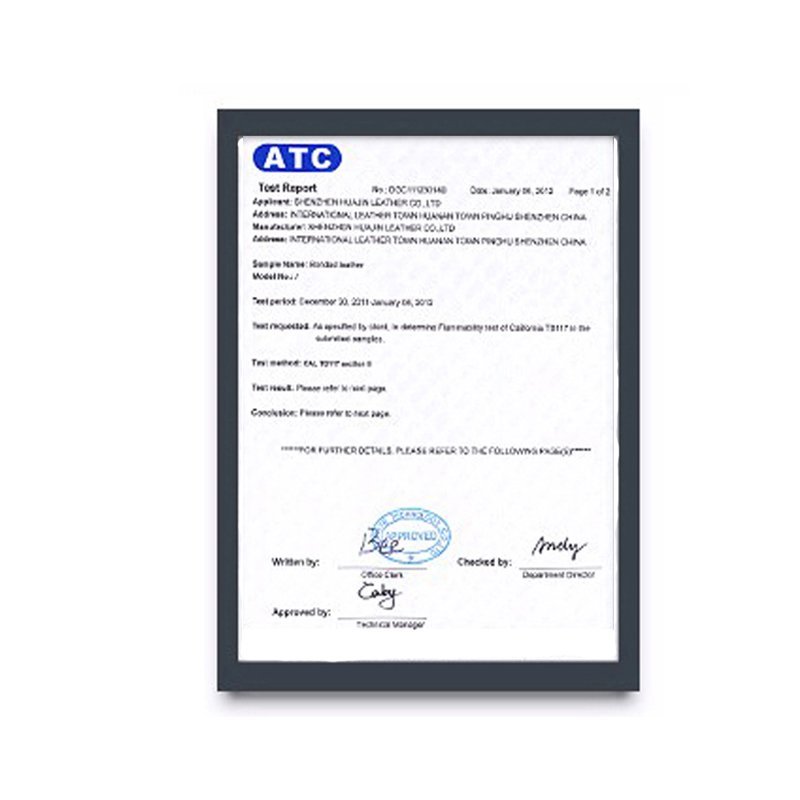
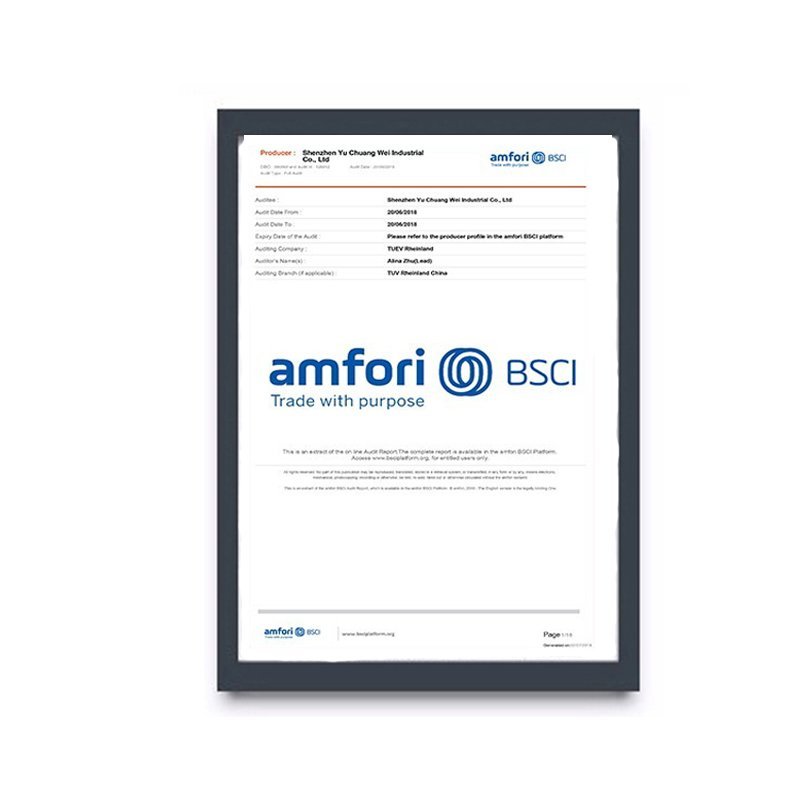
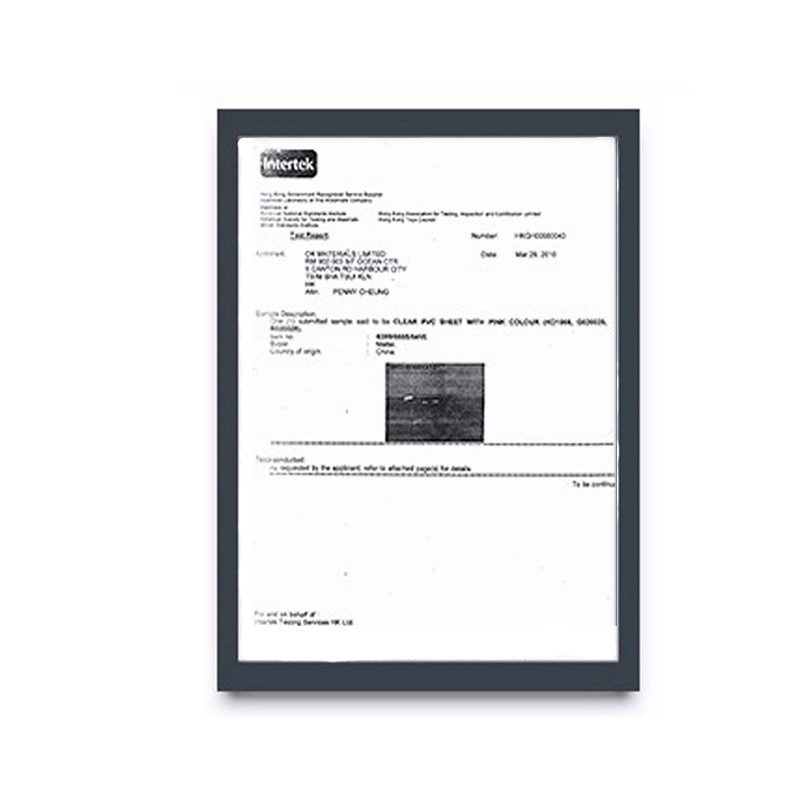
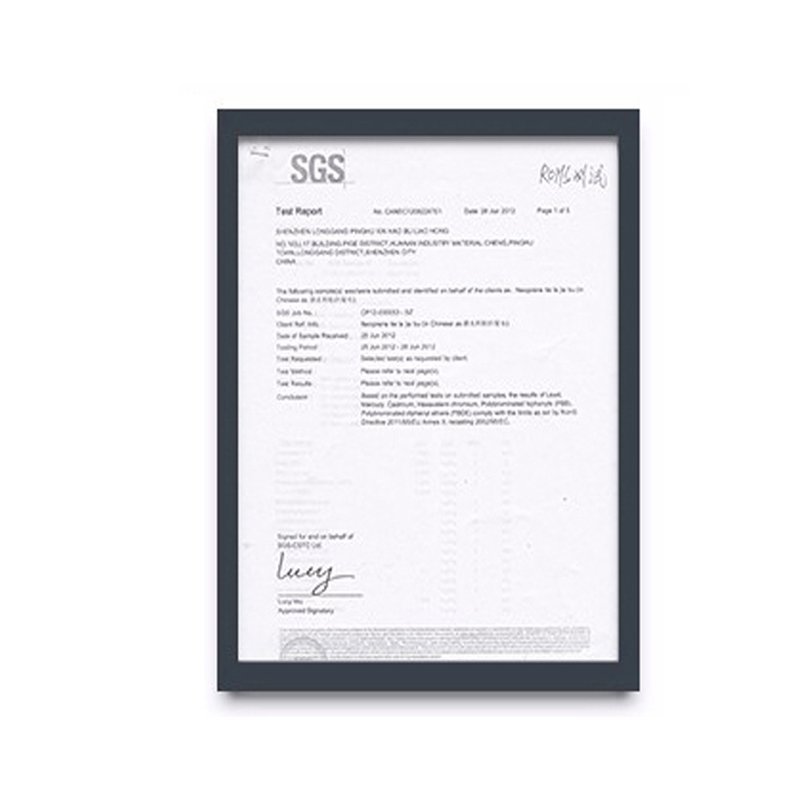
Medical procurement often requires supplier qualification, documented standards, and compliance verification. Relevant certifications and regulatory readiness support buyer due diligence, vendor onboarding, program tender compliance, and risk mitigation. If you plan to display certifications on this page, place them here with concise descriptions that clearly explain their relevance to buyers, especially regarding production management, quality systems, audit cooperation, safety assurance, and continuous improvement practices. This ensures buyers can quickly verify supplier credibility and alignment with industry standards.


Trusted by Global Buyers
Brand cooperation is not just a logo wall—it demonstrates that a manufacturer can maintain stable specifications, meet strict timelines, and support consistent repeat orders. When displaying cooperating brands, include concise captions that emphasize capability, such as program management, fast sampling, QC discipline, packaging execution, process reliability, and cross-team coordination, so the section communicates practical manufacturing competence, operational efficiency, and trustworthiness rather than mere promotional imagery.























Start with a Practical Specification Review

To move faster, buyers don’t need a long meeting—they need a concise, actionable starting package. Provide your bag type, intended use case, detailed item list for internal layout, quantity/SKUs, target market, and branding requirements. We’ll respond with a practical, step-by-step plan covering material recommendations, structural design considerations, insert and compartment strategies, QC checkpoints, packaging solutions, and a realistic production timeline. The more specific and detailed your inputs, the fewer iterations and revisions will be required, saving both time and resources.
Make A Sample First?
See your idea come to life before mass production.
At Jundong Factory, we offer free design mockups and custom samples to ensure every detail is perfect — from material and color to logo placement and stitching.
Start your project with confidence today: info@jundongfactory.com.
Custom Medical Bags Manufacturer FAQs
What types of medical bags can you manufacture for OEM/ODM projects?
We manufacture a wide range of custom medical bags based on real workflows and carry conditions—not just product names. Common formats include first aid bags, trauma bags, EMS backpacks, nurse organizer bags, clinic supply totes, and medical device carrying cases with added structure and protection. For program-based purchasing, we also support modular medical kits where multiple pouches, dividers, and inserts are standardized and packed as a complete set.
What matters most is the use scenario and the load profile: how often the bag is opened, whether one-hand access is required, what must stay upright, and which items need impact protection. Based on these inputs, we propose the right architecture—opening style, partition strategy, reinforcement points, and optional inserts such as foam / EVA / stiffeners.
If you already have reference photos, target dimensions, and an interior item list, sampling becomes faster with fewer revisions. The strongest results come when bag type selection is aligned with compartment logic, cleanability, and reorder consistency from day one.
Which materials are best for medical bags that need frequent cleaning?
For medical use, material selection is driven by cleanability, abrasion resistance, and long-term appearance stability. Many buyers prefer surfaces that are easier to wipe and less likely to trap dust. Common options include coated textiles and selected PU/PVC-based surface materials, depending on the target market’s expectations. In some designs, neoprene can add cushioning and water resistance, but the best choice depends on your workflow and environment.
We usually recommend selecting materials from the outside in: start with the outer shell (wipe performance and scuff resistance), then the lining (visibility and cleaning practicality), then reinforce high-wear zones (base panel, corners, handle/strap anchors). For outdoor EMS use, prioritize tear resistance and base reinforcement. For clinic environments, prioritize organized lining, stable structure, and a professional look.
Equally important is reorder stability. Some materials look similar but vary by batch, which can cause visible differences across programs. We help choose materials with more stable sourcing to keep bulk orders and reorders aligned.
Can you design the internal compartment layout based on our item list?
Yes. For medical bags, the interior layout is often the most valuable and most used part of the product. If you provide an item list (names, approximate dimensions, quantities, and usage frequency), we can propose a compartment system that supports fast access and clean replenishment. Typical structures include elastic loops for tools/vials, mesh zip pockets for consumables, clear windows for quick identification, and removable pouches for modular kits.
We design around real usage: what must be accessed first, what requires impact protection, and what must remain upright or separated. Sharp or rigid items may need isolation and padding; liquids or fragile items may need dedicated zones to reduce collision. We also plan for restocking—layouts that are “neat once” but hard to refill become chaotic quickly.
For bulk consistency, we define key compartment dimensions and sewing tolerances so the interior does not drift across production lines or batches—helping your kit remain standardized.
How do you ensure the bag structure won’t deform under load over time?
Deformation typically comes from three causes: insufficient support, weak load-transfer points, and materials that collapse under repeated stress. We solve this through structural engineering, not simply “thicker fabric.” First, we map the load path—how weight transfers to the base, side panels, handles, and straps. Then we reinforce key anchor areas (handle bases, strap joints, bottom corners) with the right stitching patterns and support layers.
Second, we stabilize shape using stiffeners, foam, or structured inserts where needed. A heavier EMS backpack may require a stronger back panel and reinforced base. A clinic tote may need internal walls or a stiffened bottom to keep compartments upright.
Third, we align reinforcement with real opening behavior. Large openings can stress zipper lines if unsupported. We use reinforcement tapes and controlled seam construction to reduce zipper distortion. QC checks focus on function (opening smoothness, anchor security, compartment stability), not appearance only.
Can you add insulation for temperature-sensitive medical supplies?
Yes, we can develop bags with insulation systems, but the correct solution depends on target temperature range, duration, and transport method. Insulation is not only a thicker layer—it involves the full system: insulation material selection, seam design, zipper/opening sealing, internal organization, and space planning for ice packs/gel packs.
For short-duration clinic transport, moderate insulation and organized compartments may be sufficient. For longer transport or outdoor use, stronger insulation and careful seam planning are needed to reduce heat exchange at edges and openings. We can also separate temperature-sensitive items from hard tools to reduce collision and improve stability.
To avoid mismatch, buyers should define performance goals clearly: target temperature band, ambient conditions, open/close frequency, and required internal volume. We recommend confirming insulation performance during sampling with practical loading and fit checks.
What customization options are most common for medical bags?
Medical bag customization is typically function-first. The most common requests include interior layout changes (elastic loops, dividers, removable pouches), access design (wide-open lids, fast-access pockets), identification features (ID windows, department labels), and durability upgrades (reinforced handles, protected bases).
Branding is usually for professional identification: logo, team name, reflective marking where required, and standardized placement across SKUs. Material choices are also major—balancing wipe-clean surfaces, durability, and target cost. For programs, packaging is often part of the customization: SKU labeling, kit grouping, and carton marking for smooth receiving.
To keep development efficient, we recommend prioritizing: (1) interior layout, (2) reinforcement structure, (3) material system, then (4) branding and packaging. Once these are locked, sampling and mass production become more predictable, and reorders stay consistent.
How do you control zipper and hardware reliability for medical use?
Can you add reflective elements and ID labeling for emergency response teams?
Yes. We can integrate reflective elements, ID panels, name-card windows, and color-coded zones for fast identification. Placement planning is critical: reflective strips should enhance visibility without interfering with access points, seams, or high-wear areas. ID panels must remain readable and stable after repeated handling.
We recommend defining the identification system early: what must be visible at night, what requires department coding, and what is user-specific (name tags) vs program-specific (team/region). Early alignment avoids late-stage changes that affect production and packing.
For multi-SKU programs, we control placement with reference points and tolerances to keep units consistent. Packaging can also support distribution by labeling each unit by SKU/team code to reduce receiving errors.
What QC checkpoints are most important for medical bags?
Medical bag QC should prioritize function and repeatability. Key checkpoints include incoming inspection of fabrics/coatings, zippers, and hardware; in-process checks at reinforcement areas (handle/strap anchors, base corners); and final inspection verifying opening smoothness, compartment integrity, and packing readiness.
For medical interiors, QC must also confirm loop tension, pocket alignment, divider stability, and insert fit (foam/EVA). These directly impact usability and kit standardization. Consistency is another core target—size and placement tolerances should be checked to prevent drift across lines or batches.
Buyer-friendly QC table:
| QC Area: What | t to Check | Why It Matters |
|---|---|---|
| Load Points | handle/strap anchoring, base corners | prevents tearing under load |
| Access | zipper smoothness, corner stress | reduces field failures |
| Layout | pockets/loops alignment, divider stability | supports fast use & replenishment |
| Consistency | placement tolerance, size checks | protects reorders & programs |
What is your MOQ and lead time for custom medical bags?
MOQ and lead time depend on complexity, materials, logo method, and whether inserts or kit packing is required. Medical bags often involve structured compartments and reinforcement, which adds steps in sampling and production. We support small-batch orders for development and testing, but the trade-off is real: small quantities still require full production processes (patterning, cutting, sewing, QC, packing), and material costs are typically higher at low volume—so the in-unit price is higher.
For bulk orders, pricing becomes more competitive because material purchasing is more efficient, and production teams become more proficient on the specific design, improving efficiency and consistency. Lead time also stabilizes once the structure and material system are locked.
For accurate evaluation, share target quantity, SKU count, material preference, and functional requirements (insulation, inserts, reflective, labeling). You can also email basic specs to info@jundongfactory.com for a fast review.
How do you keep medical bag orders consistent for reorders and multi-location programs?
Consistency depends on three layers: spec control, material stability, and process checkpoints. First, we lock key specifications—overall dimensions, compartment measurements, reinforcement locations, logo placement references, and packing method—then document them so production and QC follow the same standard.
Second, we plan for material stability. Medical programs often require the same look/feel across multiple shipments, so we choose materials with more stable sourcing and define acceptable tolerances to reduce batch variation.
Third, we prevent drift with checkpoints: pre-production confirmation, in-process checks at critical points (load seams, zipper installation, layout assembly), and final inspection verifying function and appearance. This reduces disputes and helps procurement teams manage programs smoothly.
What information should buyers prepare before starting a medical bag customization project?
To avoid slow sampling and repeated revisions, buyers should prepare a clear input package. Start with use case and bag type: EMS response, clinic supplies, device carry, or program kit. Then provide an interior item list (items, approximate sizes, quantities, and which need protection or separation).
Next, define performance requirements: expected load, opening frequency, cleaning expectations, and whether insulation or reflective ID is needed. Add branding direction (logo files if available) and packaging requirements (unit packing, kit grouping, SKU labels). Finally, share the target quantity, SKUs, and target market so material choices and compliance planning match your program.
With these inputs, we can propose a practical plan: structure, layout, materials, QC checkpoints, packing, and a realistic timeline—improving bulk consistency from the beginning.
Everything You Need to Know Before Customizing Your Bags
Buyers don’t need generic promises—they require clear, actionable answers that reduce risk before placing an OEM/ODM order. These FAQs focus on critical questions that influence real procurement decisions, including how to prepare accurate quotations, avoid sample-to-bulk deviations, what factors affect MOQ and lead time, and how packaging, certifications, and compliance standards impact shipment success. Use this as a practical checklist to compare manufacturing partners objectively, assess capabilities, and streamline supplier evaluation processes.