 Skip to content
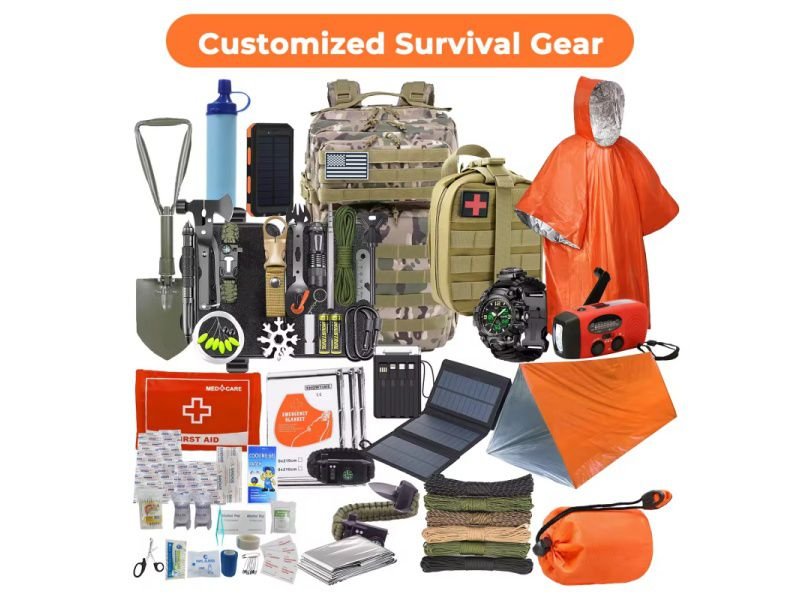
In unpredictable times, preparedness isn’t paranoia — it’s protection. A sudden storm, blackout, or evacuation can happen anywhere, and when it does, the “bug out bag” becomes the most practical insurance policy you can carry. It’s not just about survival — it’s about independence and readiness. For brands, tactical suppliers, or outdoor gear startups, understanding what goes inside a bug out bag is the first step toward designing a product that actually saves lives — and sells.
A bug out bag is a compact, ready-to-grab emergency pack containing all the essential gear and supplies needed to survive for at least 72 hours during an evacuation or disaster scenario. It typically includes water, food, shelter, medical supplies, tools, and communication devices, organized for quick access and durability.
Whether you’re a government contractor or an outdoor brand planning your next product line, the “bug out bag” has evolved into both a consumer necessity and a lucrative category in the survival-gear market. By the end of this article, you’ll understand not just what to include, but how Jundong — one of China’s leading OEM/ODM bag factories — helps global brands design, test, and mass-produce professional bug-out kits that meet real-world performance standards.
Let’s unpack it.
What Is a Bug Out Bag? Definition & Purpose

A bug out bag is an emergency survival kit designed to sustain an individual for at least 72 hours during crises such as natural disasters, wars, or evacuations. It contains critical gear for water, food, shelter, and medical care, packed in a durable, easy-to-carry bag for fast deployment.
The term “bug out” originated from military slang — meaning to “leave quickly under emergency conditions.” Over time, it evolved into a civilian preparedness concept: a portable survival system that enables someone to react instantly when disaster strikes.
Why it matters:
- In 2024 alone, over 380 natural disasters displaced more than 90 million people worldwide (UNDRR Data Report 2025).
- The average evacuation window during floods or wildfires is under 30 minutes — not enough time to gather supplies from scratch.
That’s why brands and manufacturers have started offering pre-assembled bug out bags, making readiness accessible even for consumers with no survival training.
A high-quality bug out bag is:
- *Comprehensive — ** covers all basic survival categories.
- *Portable — ** light enough for fast movement.
- *Durable — ** built from abrasion-resistant, waterproof materials.
- *Organized — ** gear stored in labeled compartments for speed.
Factories like Jundong combine survival-logic layouts with industrial craftsmanship, ensuring every stitch, zipper, and pocket serves a life-saving purpose.
Which Core Categories Should a Bug Out Bag Cover?
Every bug out bag should include essentials from seven core categories: water, food, shelter, first aid, tools, clothing, hygiene, and communication. Covering these ensures survival, comfort, and adaptability across multiple emergency scenarios.
Every effective survival kit starts with structure. Instead of randomly packing items, professional designers and OEM suppliers classify contents into core survival categories — making packing modular and easy to reproduce at factory scale.
| Category | Purpose | Typical Items |
|---|---|---|
| Water & Hydration | Prevent dehydration | Bottles, filters, purification tablets |
| Food & Nutrition | Maintain energy | MREs, bars, stove, utensils |
| Shelter & Protection | Shield from weather | Poncho, tarp, sleeping bag |
| First Aid & Medical | Treat injuries | Bandages, painkillers, meds |
| Tools & Navigation | Support survival tasks | Knife, compass, radio, rope |
| Clothing & Personal Items | Comfort, insulation | Gloves, socks, rain gear |
| Hygiene & Sanitation | Prevent infection | Wipes, soap, toothbrush |
Each category is modular — meaning an OEM partner like Jundong can tailor each “kit” according to the end-use market: civilian, tactical, government tender, or outdoor retail.
Factories pre-sort categories for packaging efficiency and ensure consistent quality across large production runs.
What Specific Items Should Be Included in a Bug Out Bag? (Per Category)
A standard bug out bag includes water filtration tools, ready-to-eat food, shelter materials, a first aid kit, navigation tools, lighting, multi-tools, spare clothing, and hygiene items. Each is chosen for portability, durability, and redundancy.
Factories and brands follow a tiered packing logic — balancing completeness with carry weight.
1. Water & Hydration
- 2 × 1 L collapsible bottles
- Straw filter or pump filter
- 10–20 purification tablets
- Refill pouch / hydration bladder
2. Food & Nutrition
- MREs (Meals Ready-to-Eat)
- Protein bars × 6
- Portable stove + fuel tablet
- Lightweight cookware
3. Shelter & Protection
- Emergency blanket
- Compact tent / tarp
- Rope (10 m) & carabiners
- Insect net or poncho
4. First Aid & Medical
- Full first-aid kit
- Gauze, tape, antiseptic wipes
- Scissors, tweezers, gloves
- Prescription meds pocket
5. Tools & Navigation
- Multi-tool knife
- Compass & whistle
- Flashlight (solar / battery)
- Hand-crank radio
6. Personal Items & Clothing
- Quick-dry shirt, socks, gloves
- Hat, scarf, compact jacket
- ID copies, cash, pen
- Dust mask & earplugs
7. Hygiene & Sanitation
- Wet wipes, soap sheets
- Toothbrush, small towel
- Waste bags & toilet paper
- Feminine hygiene items
Are There Situational or Environment-Specific Items You Might Need?
Different environments require customization — exactly where OEM expertise matters.
- Cold climates: thermal blanket, chemical heaters, insulated gloves.
- Tropical regions: insect repellent, sunblock, quick-dry fabric.
- Urban settings: pry bar, N95 mask, portable charger.
- Arid zones: extra water pouches, desert scarf, electrolytes.
Jundong’s advantage: multi-variant production. The factory builds separate “modules” per environment — allowing global buyers to choose Urban, Arctic, or Tropical versions without changing the main design.
How Do You Choose the Right Bag & Manage Weight?

The ideal bug out bag weighs 15–20 % of body weight and offers 35–55 L capacity. Choose waterproof, reinforced materials, balanced compartments, and padded straps for comfort over long distances.
The bag itself determines whether the gear helps or hinders. A perfectly packed 72-hour kit is useless if the backpack fails after a day.
Factory Tip Table — Recommended Specifications
| Feature | Ideal Range / Material | Factory Note |
|---|---|---|
| Capacity | 35 – 55 L (72 hr) | Jundong OEM size range |
| Weight Limit | 15 – 20 % of user body weight | Maintain comfort & mobility |
| Fabric | 600D Oxford / Nylon / Cordura | Waterproof + tear resistant |
| Straps & Padding | S-curve, breathable mesh | Prevent back strain |
| Frame | Internal frame or molle panel | Balance load distribution |
| Redundancy | Duplication of critical gear only | Avoid excess weight |
How Much Weight, Volume, and Redundancy Should You Aim For?
OEM planners must balance safety vs. efficiency:
- Weight: limit total to ~10–12 kg for average adult use.
- Volume: keep under 50 L for tactical mobility.
- Redundancy: duplicate only essentials (knife, fire, water filter).
Pro Tip: During Jundong’s prototype stage, engineers simulate 15 km trek tests to verify strap strength, zipper fatigue, and weight comfort before approving mass production.
What Are Common Mistakes or Pitfalls in Packing a Bug Out Bag?
Overpacking, poor weight balance, expired supplies, and lack of testing are common bug out bag mistakes. Regular inspection and minimalist design ensure functionality during real emergencies.
- Overpacking vs Underpacking — Consumers often add too much gear, ignoring ergonomics. Factories must design weight-balanced layouts to prevent buyer dissatisfaction.
- Neglecting Maintenance — Food and batteries expire; smart OEM packaging includes labeled expiry icons.
- Ignoring Comfort Testing — Padding, airflow, and strap width must match load.
- Relying on Electronics Alone — Include manual backups (firesteel, compass).
- No User Education — Many buyers never test their bag; brands should include printed or QR-code manuals (Jundong offers multilingual inserts).
Manufacturers like Jundong help prevent these errors by providing pre-assembled, user-tested prototypes for brand approval before large orders proceed.
Which Variants or Special Use Cases Should You Consider?
Bug out bags vary by scenario: urban, wilderness, vehicle, family, or tactical. Each version adapts materials, size, and contents to meet specific environmental and user needs.
Urban vs Wilderness Models
Urban bags prioritize discreet looks, anti-theft zippers, and compact layouts.
Wilderness models use rugged MOLLE systems, hydration access, and external tool loops.
Vehicle / Home Based Kits
Larger 60 – 80 L bags for car trunks or shelters; may include power banks, radios, and blankets.
Climate-Specific Adaptations
From waterproof coatings for tropical rain to insulated liners for alpine cold, Jundong tailors fabrics to regional demands.
Custom Designs for Niche Buyers
Corporate safety kits, government tender packs, or defense-grade tactical sets.
Jundong provides OEM/ODM full-stack services — fabric selection, patterning, modular interior layouts, labeling, and packaging.
How Do You Maintain, Update & Test Your Bug Out Bag?

Check and refresh bug out bag contents every 6–12 months. Replace expired food, rotate batteries, test all tools, and adapt items seasonally to maintain readiness.
Scheduled Checkups & Replacements
Factories supplying pre-filled bags often recommend shelf-life labels and QR tracking. For private-label clients, Jundong adds product data cards for easy audit cycles.
Seasonal Rotation & Adaptation
Summer kits swap in lighter clothing and hydration salts; winter kits replace them with hand warmers and thermal layers. Jundong offers custom SKU bundles to help retailers rotate inventory by season.
Practice & Field Testing
Brand reputation depends on real-world proof. Jundong’s QC team conducts drop tests, zipper cycles (10 000+ times), and outdoor trials to ensure every bag passes survival-grade durability.
Storage Tips & Accessibility
End-users are encouraged to keep bags in cars, offices, or doorways. OEMs can print “placement instructions” onto hangtags — small detail, big user value.
How Should a Factory / OEM / ODM Approach Custom ‘Bug Out Bag’ Development?
Building a high-value survival bag line involves four key manufacturing steps:
- Concept & Market Research — Identify target regions (urban vs tactical buyers).
- Design & Material Selection — Choose water-resistant fabrics (e.g., 1680D polyester, Cordura nylon) with military-grade stitching.
- Prototype & Testing — Conduct full environmental and fatigue tests.
- Mass Production & Branding — Integrate custom logo, packaging, and documentation.
| OEM Stage | Factory Task | Output |
|---|---|---|
| Design Draft | CAD + mockup + tech pack | Sample Approval |
| Material Sourcing | Fabric, webbing, hardware | BOM Finalization |
| Pilot Run | 10–50 units QC checked | Client Feedback |
| Mass Production | 500–10 000 pcs | Export Ready |
Jundong’s OEM clients span outdoor brands, defense suppliers, and corporate safety distributors, all benefiting from integrated design-to-delivery service.
Conclusion — Partner with Jundong to Build Your Own Bug Out Bag Line
Bug out bags are no longer niche prepper gear — they’re mainstream necessities. From natural disasters to government safety programs, global demand keeps rising.
For factories and private labels, this is a market ready for innovation.
Jundong, with over 20 years of experience in bag design + OEM production, helps brands:
- Develop custom bug out bags from concept to export-ready product.
- Offer low MOQ starting from 100 pcs for new buyers.
- Provide free design support and fast sampling.
- Guarantee durable materials and tested performance.
If you’re planning your next outdoor, tactical, or emergency-supply product line —
👉 Contact Jundong today for a free quote or design consultation.
Let’s build survival gear that not only looks professional — but truly saves lives.