 Skip to content
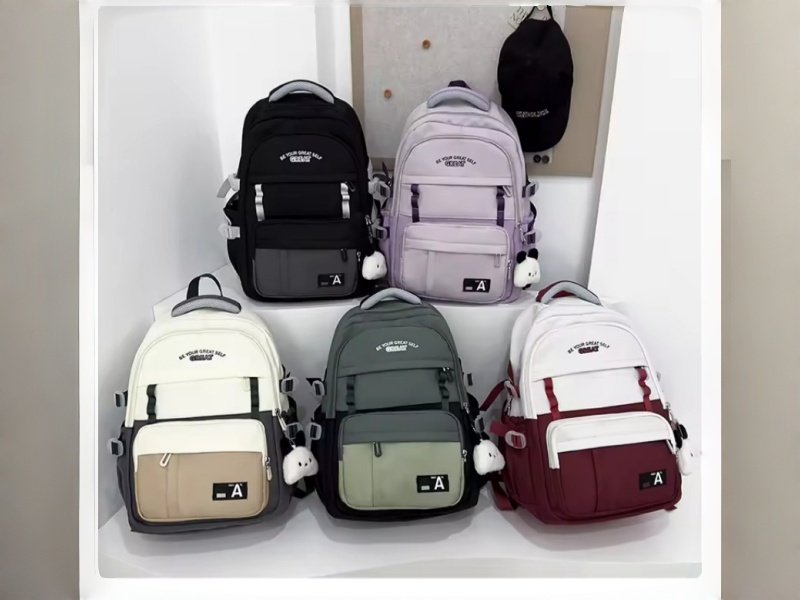
Backpacks feel so normal today that it’s easy to forget they are the result of thousands of years of human problem-solving. Students throw them over one shoulder. Travelers rely on them in airports. Workers carry tools, laptops, or safety gear inside them. But the question keeps appearing in Google searches for a reason: when were backpacks invented, and how did they become part of daily life?
The short answer is that backpacks did not suddenly appear in a factory or a classroom. They grew out of survival needs. Early humans needed a way to carry food, tools, and supplies while keeping their hands free. Over time, that basic idea changed shape, materials, and purpose. From prehistoric frames made of wood to school backpacks in the 1970s, every stage reflects how people lived, worked, studied, and traveled at that moment in history.
Backpacks were first invented in prehistoric times as hands-free carrying tools made from wood, leather, and natural fibers. The earliest physical evidence dates back over 5,000 years. Modern backpacks developed gradually through military, outdoor, and educational use, becoming common among students in the late 1960s and 1970s. Today’s backpacks reflect advances in materials, ergonomics, and lifestyle needs.
Imagine a hunter crossing rough terrain thousands of years ago. No zippers. No padded straps. Just a simple frame and a bundle of supplies tied together. That basic idea never disappeared. It just kept adapting. And that story is where the real value lies.
What Is a Backpack and Why Does It Matter?
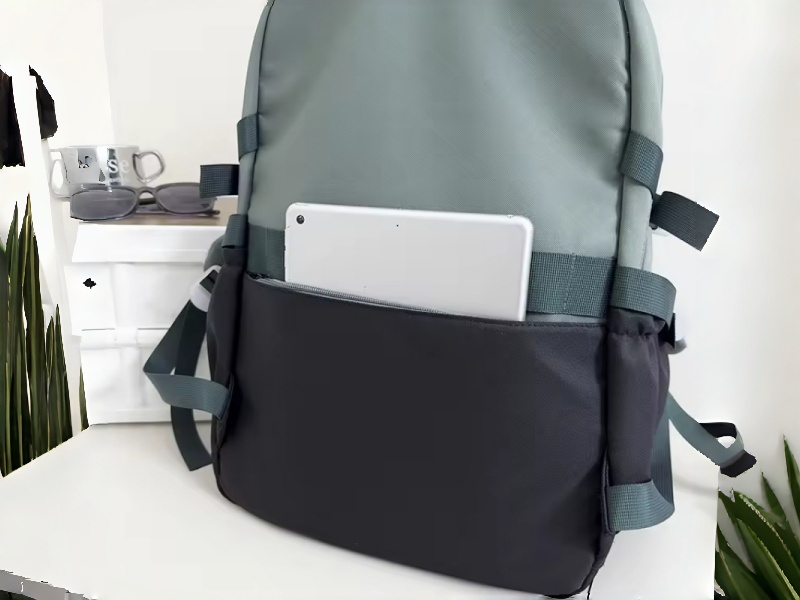
A backpack is a bag designed to be carried on the back using shoulder straps, allowing weight to be distributed evenly while keeping the hands free. It matters because it supports mobility, efficiency, and comfort in daily life, from education and work to travel and outdoor activities.
At its core, a backpack solves a simple problem: how to carry more without slowing down. Unlike hand-held bags, backpacks balance weight across the shoulders and torso. This reduces fatigue and improves movement. That principle explains why backpacks appear in so many areas of life.
In early societies, backpacks were about survival. Hunters needed to transport food. Gatherers needed to carry tools and materials. Soldiers needed to move supplies while remaining mobile. In each case, carrying capacity meant endurance and success.
As societies became more structured, backpacks took on new roles. When formal education expanded, students faced a new challenge: transporting books and supplies daily. When travel became more common, people needed compact, wearable luggage. When work environments diversified, professionals needed organized storage for tools, devices, and equipment.
The backpack’s importance also comes from how adaptable it is. A single design concept can serve many uses. With small changes in size, structure, or material, a backpack can become a school bag, a hiking pack, a tactical bag, or a business laptop bag.
From a manufacturing point of view, backpacks also reflect economic and technological shifts. New materials lead to lighter weight. Better stitching improves durability. Ergonomic design reduces injury. Each improvement responds directly to how people live at that time.
That’s why understanding the history of backpacks is not just academic. It shows how everyday products evolve alongside human needs.
When Were Backpacks First Invented?
Backpacks were first invented in prehistoric times, with evidence suggesting humans used framed carrying systems over 5,000 years ago. The earliest known example is associated with ancient alpine travelers who used wooden frames and leather straps to transport supplies.
The first backpacks were not called backpacks. They had no standardized shape or name. They were tools, created out of necessity. Archaeological findings show that early humans used frames made from wood, tied together with animal hide or plant fibers, to carry loads across long distances.
One of the most well-known discoveries supporting this comes from a prehistoric traveler found preserved in ice. Alongside tools and clothing, researchers identified a wooden frame believed to function as a carrying system. This structure allowed weight to rest against the back while being secured by straps. In practical terms, it worked like a backpack.
These early designs were heavy and uncomfortable by modern standards. There was no padding. Weight distribution was rough. But the core idea was already there: load close to the body, supported by the shoulders.
As societies advanced, so did carrying methods. Nomadic groups refined packs for migration. Traders adapted designs for transporting goods. Soldiers developed versions suitable for marching long distances. Each group adjusted the design based on terrain, load, and duration of use.
It is important to note that backpacks did not develop in isolation. They evolved alongside clothing, tools, and transportation. When humans traveled more, backpacks improved. When materials became stronger, packs became more reliable.
The invention of the backpack was not a single moment. It was a gradual process shaped by human movement, survival, and adaptation over thousands of years.
How Did Backpacks Evolve Over Time?
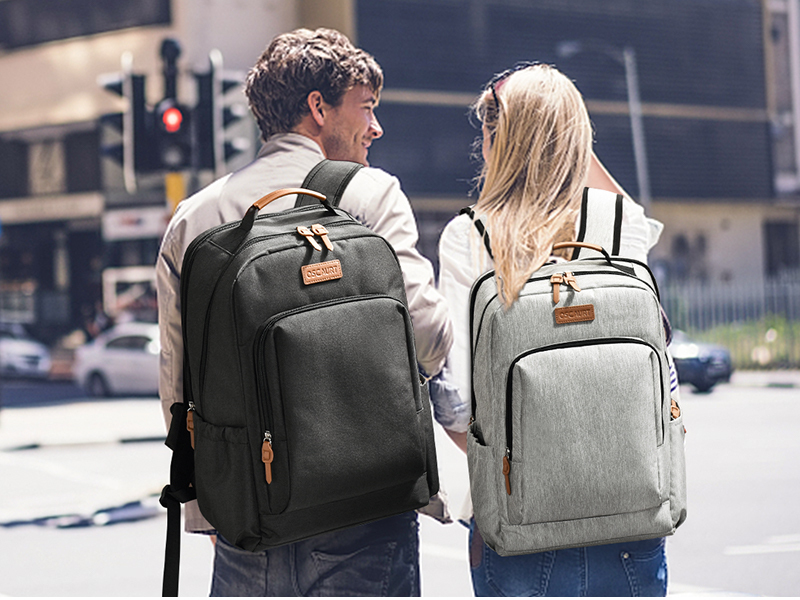
Backpacks evolved from primitive wooden frames into modern ergonomic designs through military use, outdoor exploration, and education. Major changes occurred during the 20th century, especially when students and youth culture adopted backpacks in the 1960s and 1970s.
For centuries, backpacks remained specialized tools. They were mainly used by soldiers, hunters, and explorers. Everyday civilians relied on baskets, sacks, or hand-carried bags. This changed slowly.
Before the 20th century, most schoolchildren used book straps or satchels. Books were tied together with leather straps and carried by hand. This worked when book loads were small. As education expanded and textbooks became heavier, this system became less practical.
The early 20th century saw backpacks used more widely in military and outdoor settings. Soldiers needed standardized gear. Mountaineers needed packs that could carry food, rope, and equipment over long distances. These demands led to improvements in frame design, strap placement, and load balance.
The turning point came after World War II. Several factors came together:
- Mass education expanded rapidly
- Youth culture grew stronger
- Outdoor recreation became popular
- Synthetic materials became available
By the 1960s, backpacks began appearing among students, but adoption was slow. Many children still used traditional book carriers. Schools did not yet require backpacks, and designs were basic.
In the 1970s, everything changed. Nylon fabrics made backpacks lighter and cheaper. Zippers improved access. Padded straps increased comfort. At the same time, students carried more books and supplies. Backpacks became practical, not just optional.
Cultural influence mattered too. Outdoor brands popularized backpacks through hiking and camping. Students adopted these designs for school use. What started as functional gear became part of everyday life.
From that point on, backpacks spread quickly across age groups and regions. By the 1980s and 1990s, backpacks were standard for students worldwide.
Which Materials Were Used for Backpacks Then and Now?
Early backpacks used natural materials like wood, leather, and canvas. Modern backpacks rely on synthetic fabrics such as nylon and polyester for durability, lighter weight, and water resistance.
Material choice has always shaped backpack design. In early history, people used what was available locally. Wood provided structure. Animal hide provided strength. Plant fibers provided flexibility. These materials were durable but heavy.
Canvas became popular in later centuries. It was strong and relatively affordable. Many early military and travel packs used canvas combined with leather straps. While reliable, these packs absorbed water and added weight when wet.
The introduction of synthetic materials changed everything. Nylon, developed in the mid-20th century, was lighter, stronger, and more resistant to moisture. Polyester followed with similar advantages. These materials allowed backpacks to become more comfortable and affordable at scale.
Modern backpacks often combine multiple materials:
| Material | Purpose |
|---|---|
| Nylon / Polyester | Lightweight shell |
| EVA or foam padding | Comfort and protection |
| Mesh fabrics | Breathability |
| Reinforced webbing | Load-bearing strength |
Material selection now depends on use. A school backpack prioritizes weight and cost. A tactical bag prioritizes strength. A travel backpack balances durability and appearance.
From a buyer’s perspective, material choice directly affects lifespan, comfort, and performance. That’s why customization options matter so much in modern backpack manufacturing.
What Are the Main Types of Backpacks Today?
Modern backpacks include school backpacks, travel backpacks, tactical backpacks, laptop backpacks, and specialty bags designed for specific industries or activities.
Today’s backpack market is highly segmented. One design no longer fits all needs. Instead, backpacks are built around use scenarios.
School backpacks focus on capacity and comfort. Travel backpacks emphasize organization and portability. Tactical backpacks prioritize structure and durability. Business backpacks focus on appearance and device protection.
Each type reflects how backpacks have moved from survival tools to lifestyle products. Buyers now expect features like padded laptop compartments, anti-theft pockets, and ergonomic support.
Customization plays a growing role. Brands want unique shapes, colors, logos, and internal layouts. End users want bags that fit their habits, not generic designs.
This shift explains why manufacturers with design capability, material knowledge, and production flexibility are increasingly valued by global buyers.
How Have Backpacks Influenced Lifestyle and Travel?
Backpacks support modern mobility by enabling hands-free travel, organized storage, and daily convenience for students, professionals, and travelers.
Backpacks shape how people move through the world. Students walk longer distances. Travelers move faster through airports. Workers carry tools without strain. These everyday benefits add up.
Backpacks also influence fashion and identity. A backpack can signal lifestyle, profession, or values. Minimalist designs suggest urban use. Rugged designs suggest outdoor activity. Branded backpacks promote companies, schools, and teams.
Travel culture especially depends on backpacks. Budget travelers, digital nomads, and commuters rely on compact, wearable storage. Airlines’ carry-on limits further increase backpack use.
As life becomes more mobile, backpacks become more central. They are no longer accessories. They are daily equipment.
Do Backpacks Continue to Change in the Future?
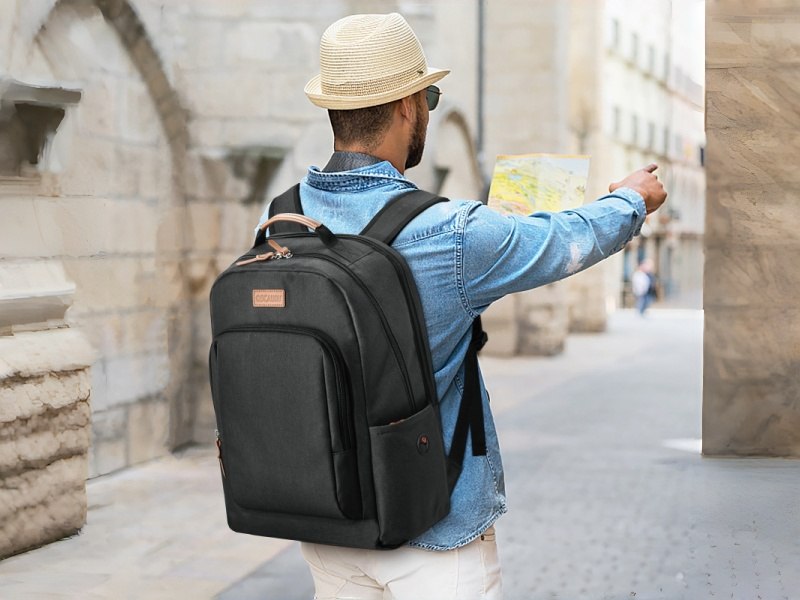
Yes. Backpacks continue to evolve through ergonomic design, smart features, sustainable materials, and customization driven by brand and consumer demand.
Future backpacks will reflect modern priorities. Comfort remains key. Health awareness pushes better weight distribution and posture support. Technology integration adds charging ports and tracking features. Sustainability drives material innovation.
Customization is one of the strongest trends. Brands want control over design. Buyers want differentiation. Manufacturers capable of OEM and ODM production play a central role in this evolution.
The backpack’s story is not finished. Like it always has, it will continue adapting to how people live, work, and move.
Looking for Custom Backpacks? Work With Jundong
Backpacks started as survival tools. Today, they are business opportunities, brand carriers, and daily essentials.
If you are sourcing custom backpacks, private label bags, or OEM/ODM backpack solutions, Jundong offers over 20 years of experience in bag design and manufacturing. From material selection and structural development to sampling and mass production, our team supports global buyers with flexible MOQ, fast sampling, and consistent quality.
Reach out to Jundong to discuss your backpack project and get a tailored quotation that fits your market and brand needs.