 Skip to content
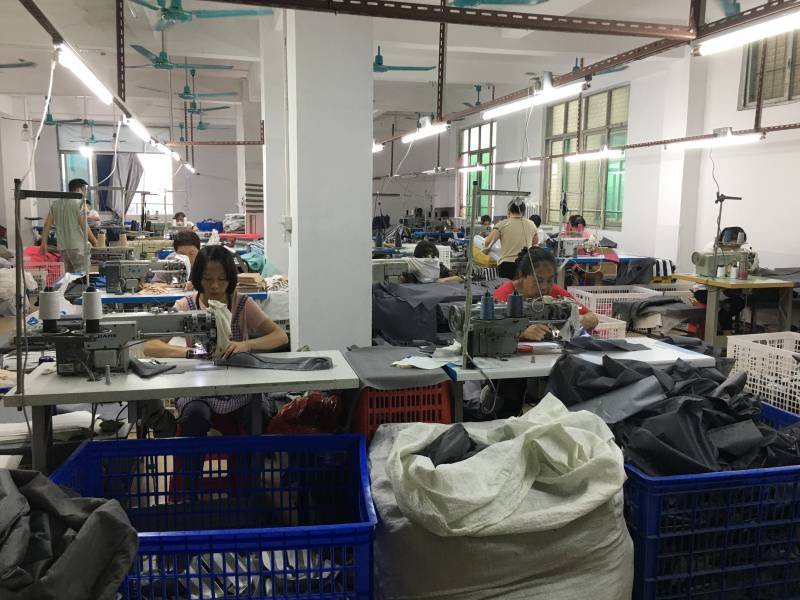
Mass production lead time is one of the most misunderstood topics in the global sourcing world. Buyers often assume factories simply “sew faster” or “allocate more people” when they want an urgent shipment. But every factory—especially those manufacturing customized bags, luggage, and lifestyle accessories—operates within a complex chain of dependencies. Small changes in materials, design, or approvals can make the difference between a smooth 25-day lead time and a 65-day delay that impacts an entire retail season.
And here’s the truth many first-time buyers don’t know: lead time is not decided by one single factor. It is shaped by materials, scheduling, design complexity, QC requirements, order quantity, factory capacity, logistics, and even the buyer’s own communication efficiency.
Mass production lead time is affected by material availability, design complexity, factory scheduling, quality-control steps, order volume, and logistics factors. Delays happen when materials are customized, when designs require multiple revisions, or when factories face capacity limits or peak-season workloads. To reduce lead time, buyers should finalize specifications early, choose available materials, streamline approvals, and work closely with a reliable manufacturing partner.
To illustrate this, imagine two brands ordering the “same bag” from the same factory. One confirms details early, uses in-stock materials, and approves samples quickly. The other changes colors twice, switches the zipper specification after sampling, and takes five days between each feedback round. Even if both customers placed orders on the same day, their lead times will be dramatically different—even if the factory did everything right.
This article breaks down each factor in detail, giving global buyers a practical, transparent view of what actually affects lead time and how to manage it when working with a professional factory like Jundong, which has more than 20 years of experience producing custom bags for small retailers and premium brands worldwide.
What does “mass production lead time” mean?

Mass production lead time refers to the total time required to produce a buyer’s bulk order—from design confirmation and material sourcing to cutting, sewing, QC, packing, and shipping. It includes every step needed before finished goods leave the factory. Lead time varies based on materials, production complexity, factory workload, and buyer responsiveness.
Mass production lead time is not a single-time measurement. It is a timeline made up of multiple interconnected stages. For custom bags—tote bags, backpacks, travel bags, cooler bags, drawstring bags, makeup bags, EVA bags, leather goods, fireproof bags, and more—lead time can vary significantly based on the type of customization requested.
In simple terms, it’s the answer to the question buyers always ask: “How long will my bulk order take?” But the real explanation requires looking at what’s included in that timeline.
Key Elements of Production Lead Time
| Phase | Description | Typical Time Range |
|---|---|---|
| Material Sourcing | Fabrics, zippers, buckles, webbing, trims, custom labels | 5–20 days |
| Cutting & Preparation | Cutting fabrics, preparing materials, printing logos | 3–7 days |
| Sewing & Assembly | Stitching, joining layers, adding pockets | 10–25 days |
| Quality Control | Inspections, corrections, compliance testing | 3–10 days |
| Packing & Carton Prep | Folding, inserting labels, polybags, cartons | 1–3 days |
| Shipping & Logistics | Air, sea, express | 3–35 days depending on method |
These steps stack together. If any stage faces delays—such as material stock-outs, unclear design requirements, color adjustments, or mismatch between the buyer’s Pantone color and fabric availability—the entire timeline moves.
Why Bag Manufacturing Lead Time Is Unique
Bags involve more components than clothing. A simple backpack may require:
- Main fabric
- Lining
- Webbing straps
- Zippers
- Pullers
- Buckles
- Piping
- Foam or EVA
- Label or patch
- Logo printing or embroidery
Each component affects time. If just one supplier delays one item, the factory cannot start cutting.
A Buyer-Centric Perspective
From a buyer viewpoint, long lead time equals:
- Missed marketing schedule
- Out-of-stock periods
- Unprepared retail seasons
- Slower product testing feedback
- Delayed cash flow
Understanding the meaning behind lead time helps buyers make better planning decisions—especially for seasonal products like beach bags, school backpacks, travel bags, and lifestyle accessories.
What role does raw-material sourcing & availability play?

Material sourcing heavily influences lead time because most delays originate before production even begins. Custom fabrics, special colors, unique hardware, or low-MOQ materials take longer to source. Factories can only start bulk production when every required material is ready.
Material sourcing is often the single biggest contributor to production delays. For factories like Jundong that manufacture diverse categories—tote bags, travel bags, EVA bags, tactical bags, clear bags, leather goods—the material combinations vary widely, creating both opportunity and risk.
How Material Differences Affect Lead Time
Different materials have different procurement timelines. For example:
| Material Type | Lead Time | Notes |
|---|---|---|
| Canvas / Cotton | 3–7 days | Fast, widely available |
| Polyester (Oxford, Nylon) | 3–10 days | Depends on color |
| RPET Recycled Fabric | 10–25 days | Certification adds time |
| PVC / Clear TPU | 7–15 days | Thickness customization increases time |
| Leather / PU Leather | 10–30 days | Color matching is slow |
| Fireproof Material | 15–35 days | Compliance testing required |
| EVA Sheets | 7–20 days | Size & density selection impacts time |
When materials are in stock, factories can start cutting quickly. When materials are customized, lead time instantly increases.
Why Material Availability Creates Delays
Common causes:
- Supplier MOQs not met for special colors
- Pantone colors requiring dyeing
- Hardware components (buckles, zippers) being out of stock
- Raw material supply shortages in peak season
- Eco-friendly materials requiring certification documents
A single delay can cascade; even if 9 out of 10 materials arrive on time, production cannot start.
How Buyers Can Reduce Lead Time
- Choose in-stock materials
- Avoid unique Pantone colors unless necessary
- Approve fabric swatches early
- Allow factories flexibility in alternative material options
- Confirm hardware choices before sample stage
Experienced factories like Jundong keep stock materials, enabling faster production for common styles such as tote bags, backpacks, travel bags, and cooler bags.
How does design complexity and customization affect lead time?
Design complexity increases lead time because every additional pocket, layer, logo, or functional feature requires more cutting, sewing, and quality checks. Customization—especially mixed materials, special printing, EVA molding, or fireproof structure—lengthens preparation and production.
Design directly determines how long a bag takes to produce. A simple one-layer tote uses fewer steps and materials, while a technical travel backpack may require over 40 separate components and 25–50 sewing steps.
How Complexity Impacts Lead Time
Consider two examples:
| Style | Components | Approx. Lead Time |
|---|---|---|
| Simple Cotton Tote Bag | 3–5 | 15–20 days |
| Travel Backpack with Pockets | 20–40 | 30–45 days |
| Fireproof Bag with Layers | 3–6 layers | 25–40 days |
| EVA Molded Bag | Mold required | 30–60 days |
Complexity doesn’t just affect sewing—it impacts:
- Cutting layout
- Foam/EVA preparation
- Hardware installation
- Reinforced stitching
- Logo positioning
- QC checkpoints
More details = more time.
Customization That Slows Production
- Mixed materials (Canvas + Leather, EVA + Oxford)
- Special-shaped pockets
- Heavy padding
- Waterproof zippers
- Embossed or debossed leather patches
- Multi-color printing
- Transparent TPU panels
- Fireproof internal layers
Each customization step involves its own timeline and supplier chain.
How to Reduce Design-Related Lead Time
Buyers who want faster production can:
- Approve tech packs early
- Minimize last-minute design changes
- Use existing factory patterns
- Avoid unnecessary multi-color logos
- Keep complicated pockets to a minimum
- Avoid rare hardware shapes or custom-molded parts
Factories like Jundong can also suggest design optimization, making the product easier to produce without sacrificing appearance or function.
Which production-capacity and factory scheduling factors matter?

Factory capacity affects lead time because machines, workers, and sewing lines are limited. If the factory is in peak season or fully booked, orders must wait for a production slot. Scheduling, machine setup, and workforce availability all influence delivery time.
Even when materials and design are ready, production cannot start until the factory assigns a slot. Production lines must be scheduled carefully to avoid overlap, especially when handling multiple bag categories.
Why Factory Capacity Matters
Factories operate like airports—many flights, limited runways.
Constraints include:
- Number of sewing lines
- Worker skill levels
- Machine availability (EVA machines, hot press machines, pattern sewing)
- Cutting room load
- Multiple clients sharing capacity
When demand is high—back-to-school season, summer for beach bags, holiday season for gift bags—lead times naturally stretch.
Scheduling & Changeover Time
It takes time to:
- Change machine threads
- Adjust patterns
- Switch materials
- Prepare new molds or embossing plates
- Reconfigure printing machines
These “setup costs” are significant in bag manufacturing.
How Buyers Influence Scheduling
Fast buyers get fast production.
Factories prioritize customers who:
- Confirm designs quickly
- Do not change details mid-way
- Pay deposits on time
- Provide clear order details
Slow confirmations push your order behind others.
Strategies to Reduce Scheduling Delays
- Place orders early in the season
- Avoid national holidays (China’s Golden Week & CNY especially)
- Combine multiple SKUs into one production run
- Ask factory for predicted peak-season timelines
Jundong, with over 20 years of production experience, manages scheduling efficiently, especially for repeat customers.
What impact do quality control and approval processes have?
QC and approval steps affect lead time because sample revisions, quality inspections, testing, and rework take time. The more changes buyers request, the longer mass production begins or finishes.
Quality control is non-negotiable, especially for international B2B buyers. But QC requires time—and when done properly, it is the difference between a 2% defect rate and a 10% defect rate.
Key QC Steps
- Material inspection
- Cutting accuracy check
- Stitching consistency
- Functional tests (zippers, buckles, straps)
- Logo accuracy
- Drop tests (for luggage)
- Final AQL inspection
If issues appear, rework is required—adding days.
Approvals That Affect Lead Time
- Sample approval
- Color approval
- Fabric swatch confirmation
- Logo artwork confirmation
- Packaging approval
If the buyer delays feedback or asks for multiple revisions, production pauses.
Testing Requirements That Add Time
Certain categories require extra steps:
| Bag Type | Additional QC Needs |
|---|---|
| Fireproof Bags | Heat resistance test |
| EVA Cases | Mold sample confirmation |
| Leather Goods | Surface stress test |
| Clear PVC Bags | Tensile & tear test |
How Buyers Can Reduce QC Delays
- Give fast feedback
- Approve necessary samples only
- Avoid unnecessary design revisions
- Request pre-production photos for faster confirmation
Jundong has a dedicated QC team that ensures stable quality while keeping lead time controlled.
How do logistics and external factors affect delivery time?
Logistics significantly affect lead time because transportation delays, port congestion, customs checks, and carrier disruptions can slow down delivery. Even when production is finished, external factors can extend total lead time by days or weeks.
Logistics is the final stage, yet often the most unpredictable. Even perfect production planning cannot control weather, customs, or carrier delays.
Shipping Method Comparison
| Method | Speed | Cost | Notes |
|---|---|---|---|
| Express (DHL/UPS) | 3–7 days | High | Best for samples |
| Air Freight | 7–15 days | Medium | Good for high-value goods |
| Sea Freight | 20–45 days | Low | Best for bulk |
| Rail Freight | 12–30 days | Medium | For EU deliveries |
External conditions impact all these.
Common Logistics Delays
- Port congestion
- Customs backlog
- Container shortages
- Storms or bad weather
- Political disruptions
- Incorrect shipping documents
Reducing Logistics Lead Time
Buyers can help by:
- Confirming packaging requirements early
- Choosing faster shipping methods for urgent orders
- Allowing factories to handle documentation
- Avoiding shipment around major holidays
- Considering buffer times for retail season launches
With Jundong, buyers receive help coordinating logistics, choosing the fastest method for their budget, and avoiding preventable delays.
What can you do to control and reduce lead time when ordering custom bags?
Buyers can reduce lead time by finalizing designs early, selecting in-stock materials, giving fast approvals, avoiding excessive revisions, and partnering with a reliable factory with strong capacity and quality control systems.
Buyers play a major role in shaping production speed. The more organized the buyer is, the shorter the factory lead time becomes.
Key Actions Buyers Can Take
- Confirm tech packs early
- Use available materials
- Provide correct logo files
- Approve samples quickly
- Avoid unnecessary modifications
- Place orders earlier in the season
Buyer Behavior That Slows Lead Time
| Behavior | Resulting Delay |
|---|---|
| Slow email replies | Production queues move forward |
| Last-minute changes | Rework needed |
| Changing Pantone colors | Material re-dyeing |
| Wrong logo file format | Reprinting delays |
| No shipping plan | Packing delays |
Why the Right Factory Matters
A professional factory like Jundong can:
- Pre-check your design
- Suggest faster materials
- Offer alternative hardware
- Provide pre-production photos
- Maintain internal QC to avoid rework
- Help manage logistics
This partnership approach significantly reduces overall lead time.
How does order quantity (MOQ) and production planning influence lead time?
Order quantity affects lead time because large orders require more materials, more sewing time, and more QC steps. Smaller orders may be faster but not always—sometimes small orders wait for material or production batch availability.
Order quantity impacts every part of the production timeline.
Why Large Orders Take Longer
- More fabric cutting
- More components to prepare
- More stitching hours
- More QC inspections
- More cartons to pack
Factories must allocate additional workers and machines to handle larger volumes.
Are Small Orders Always Faster?
Not always.
Reasons small orders sometimes delay:
- Material suppliers require MOQ
- Factories batch small orders together
- Cutting machines prefer large layouts
- Worker scheduling may prioritize larger orders
So “small order = fast order” is a myth.
Why Repeat Orders Are Faster
Repeat orders skip:
- Pattern making
- Sample creation
- Material testing
- QC standard verification
- Printing mold preparation
This reduces lead time by 20–50%.
Conclusion
Mass production lead time is shaped by materials, design complexity, factory capacity, quality-control processes, logistics, and order quantity. Buyers who understand this system can plan better, avoid costly delays, and bring their products to market faster.
If you are looking for a reliable manufacturing partner to produce custom bags, lifestyle bags, backpacks, travel bags, cooler bags, EVA cases, leather goods, fireproof bags, or private-label products, Jundong can support your project with:
- 20+ years manufacturing experience
- Fast sampling
- Low MOQ customization
- Free design service
- Short lead times
- Global shipping support
➡ Contact Jundong today to start your custom project and get a fast quotation.