 Skip to content
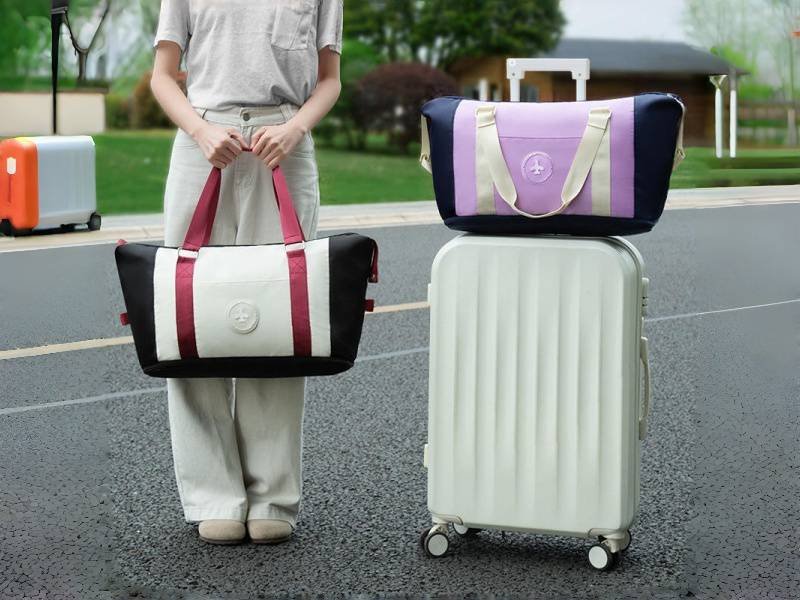
Ever been that traveler at airport security, hurriedly unpacking liquids or electronics because of confusing rules? You’re not alone. Understanding what’s allowed in your carry-on bag can save you time, stress, and even money. With airlines tightening restrictions and travelers packing smarter, knowing these details isn’t just convenient—it’s essential.
Different airlines and countries have unique rules about what you can bring onboard. Liquids, electronics, toiletries, and even snacks fall under specific size and packaging regulations. Add to that varying carry-on size limits across the U.S., Europe, and Asia, and travel preparation becomes a game of precision.
You can bring liquids in containers up to 100ml (3.4oz), electronics like laptops, clothes, and toiletries in your carry-on bag. However, sharp objects, large liquids, and flammable items are prohibited. Most airlines allow carry-on bags around 22×14×9 inches (56×36×23cm), weighing 7–10kg. Always check your airline’s exact policy before flying to avoid last-minute issues.
Today’s travelers value flexibility, minimalism, and safety—and brands designing carry-on bags need to meet those expectations. Let’s break down everything from TSA-approved items to international size limits, and finally, how manufacturers like Jundong help brands create compliant, lightweight carry-on solutions.
What Is a Carry-On Bag and Why Does It Matter?
A carry-on bag is small luggage that passengers take into the aircraft cabin. It must fit the airline’s size and weight limits, usually 22×14×9 inches and 7–10kg. Personal items—like purses, backpacks, or laptop bags—are smaller and stored under the seat. Carry-ons let travelers keep essentials close and avoid checked-bag fees.
What Is a “Carry-On Bag” and Which Items Count as Personal vs. Carry-On?
A carry-on refers to the suitcase or backpack stored in the overhead bin, while a personal item fits under the seat in front of you. Most airlines allow one of each.
| Category | Size Limit | Storage Location | Common Examples |
|---|---|---|---|
| Carry-On | 22×14×9 in (56×36×23 cm) | Overhead bin | Small suitcase, duffel, roller bag |
| Personal Item | 18×14×8 in (45×35×20 cm) | Under seat | Handbag, laptop, backpack |
Why Carry-On Travel Matters
Carry-ons are more than just convenience. They help travelers:
Avoid checked-bag fees, saving $30–$100 per trip.
Save time, skipping baggage claim lines.
Reduce risk, since essentials stay with the traveler.
For frequent flyers and business travelers, using compact, organized carry-ons boosts efficiency—and makes high-quality lightweight luggage a necessity.
What Items Are Allowed in a Carry-On Bag?

TSA and most airlines allow liquids in containers up to 100ml (3.4oz), packed in one clear quart-size bag. Passengers can carry electronics, medications, baby supplies, snacks, and clothes. However, full-size aerosols, sharp objects, and flammable liquids are restricted.
TSA’s 3-1-1 Rule for Liquids
Each traveler can carry:
Containers ≤ 100ml (3.4oz)
All containers fit inside 1 clear quart-size bag
1 bag per person
Examples: shampoo, perfume, lotion, toothpaste. Anything larger must go in checked baggage.
Medications and Baby Items
Prescription medicine, formula, and breast milk are exceptions—they can exceed 100ml but must be declared at screening.
Food and Snacks
Solid foods (sandwiches, chips, fruits) are fine. Liquids like yogurt or soup are not.
Electronics
Laptops, cameras, and power banks (under 100Wh) are allowed but must be screened separately.
| Category | Allowed | Notes |
|---|---|---|
| Liquids (under 100ml) | ✅ | Must be in clear bag |
| Laptop/Tablet | ✅ | Remove at security |
| Food (solid) | ✅ | Subject to customs limits |
| Batteries (≤100Wh) | ✅ | Hand-carry only |
| Aerosols >100ml | ❌ | Prohibited |
Understanding these distinctions helps avoid awkward unpacking moments at TSA checkpoints.
Which Items Are Not Allowed in a Carry-On Bag?
Prohibited carry-on items include sharp tools, large liquids, flammable products, and certain batteries. Items like knives, scissors with blades over 4 inches, lighter fluid, or self-defense sprays must go in checked bags or are banned entirely.
Commonly Prohibited Items
Weapons: knives, box cutters, guns (including replicas).
Chemicals: bleach, paint, fuel, aerosols over 100ml.
Tools: wrenches, drills, hammers, or any object that could cause injury.
Sports gear: bats, ski poles, golf clubs.
Country-Specific Differences
U.S. (TSA): strict on liquids and sharp tools.
EU: similar but allows small knitting needles.
China: bans lithium batteries over 100Wh and power banks without label.
Quick Tip
Pack sharp or heavy tools in checked baggage. For business travelers, opt for multi-tools without blades or detachable handles.
| Item Type | Allowed? | Notes |
|---|---|---|
| Scissors (under 4″) | ✅ | Must be under 4 inches |
| Knife | ❌ | Banned |
| Aerosol (under 100ml) | ✅ | Limited quantities |
| Power bank >100Wh | ❌ | Not allowed on aircraft |
How Do Airlines and Security Agencies Enforce Carry-On Rules?
Carry-on rules vary by airline and country. TSA (U.S.), EASA (Europe), and CAAC (China) enforce similar but region-specific policies. Travelers should always check their airline’s website before flying to confirm size and item restrictions.
How Carry-On Rules Vary by Country or Airline
Different agencies govern security worldwide:
TSA (U.S.) – 3-1-1 liquids rule, electronics screening.
EASA (Europe) – same liquid rules, but flexible on power banks.
CAAC (China) – bans large lithium batteries and portable fans.
| Region | Liquids Policy | Electronics Rules | Key Difference |
|---|---|---|---|
| U.S. | 100ml max | Remove laptops | Strictest |
| EU | 100ml max | Remove large electronics | Slightly lenient |
| China | 100ml max | Power banks restricted | Label required |
How to Check for Your Flight
Visit your airline’s “Baggage” or “Travel Info” page.
Search keywords: “carry-on size” or “TSA-approved items.”
Apps like TripIt or AirlineCheck provide real-time baggage alerts.
Real Traveler Tip
If connecting flights involve multiple airlines (e.g., U.S. + EU), follow the strictest rule to avoid repacking during transfer.
How Should You Pack a Carry-On Bag Effectively?

Pack smart by layering items for easy security checks. Place electronics and liquids on top, soft items below. Roll clothes, use compression cubes, and choose lightweight luggage to stay under the weight limit.
Packing Strategies
- Layer logically: Liquids and electronics accessible on top.
- Roll, don’t fold: Saves 30% more space.
- Use compression cubes: Keeps categories separate and wrinkle-free.
- Weigh before leaving home: Aim for 1–2 kg under the limit.
Lightweight Materials Matter
Bag materials drastically affect weight capacity.
| Material | Avg. Weight | Durability | Benefit |
|---|---|---|---|
| EVA Foam | 2.8 kg | ★★★★☆ | Lightest, waterproof |
| Nylon | 3.2 kg | ★★★★☆ | Flexible and strong |
| Polycarbonate | 4.5 kg | ★★★★★ | Durable but heavier |
A well-designed bag can save you from overweight fees and physical strain—especially for frequent flyers.
Factories like Jundong specialize in OEM lightweight carry-on bags using EVA and high-density nylon, balancing durability with comfort.
Do Airlines Have Different Carry-On Size and Weight Limits?
Yes. Most airlines limit carry-ons to 22×14×9 inches (56×36×23cm) and 7–10kg (15–22 lbs). Budget airlines often enforce stricter limits and charge extra for oversized bags. Always confirm dimensions before traveling.
| Airline | Size Limit | Weight Limit | Notes |
|---|---|---|---|
| American / Delta | 22×14×9 in | No strict weight | U.S. domestic flights |
| Emirates / Qatar | 55×38×20 cm | 7 kg | Enforced at gate |
| Ryanair / AirAsia | 40×25×20 cm | 7 kg | Budget airline |
| Lufthansa / ANA | 55×40×23 cm | 8–10 kg | Strict checks |
For global travelers, the best strategy is to pick a universally accepted carry-on size—something within 21.5×14×8.5 inches.
If you’re sourcing bags for retail or branding, ensure designs fit within these international standards.
That’s where Jundong’s OEM customization comes in—offering molds and materials already compliant with major airline restrictions.
What Should Buyers and Brand Owners Know About Carry-On Design (B2B Insight)?
Bag manufacturers must meet airline compliance and traveler comfort. Jundong provides OEM and ODM carry-on bags with lightweight materials, TSA-approved designs, and customizable branding to suit international travel markets.
Manufacturing Standards
Quality carry-on bags undergo:
Handle stress tests: withstand 25 kg pull.
Zipper cycle tests: 5,000+ openings.
Wheel endurance: 20 km rolling load test.
Design Features Travelers Value
Expandable compartments
TSA lock systems
Waterproof interiors
Ergonomic handles
Jundong’s OEM/ODM Advantage
With over 20 years of bag manufacturing, Jundong offers:
Free design & prototype in 5–7 days
Low MOQ starting from 100 pcs
Custom logo printing & labeling
Lightweight EVA or nylon materials for global markets
By merging style with compliance, Jundong helps brands deliver travel bags that pass airline standards while attracting retail buyers worldwide.
Final Thoughts — Travel Smart, Design Smarter with Jundong
Packing the perfect carry-on isn’t just about following TSA rules—it’s about confidence.
Travelers want freedom, function, and style. Brands want products that sell easily in global markets.
Jundong, with decades of manufacturing experience, bridges those needs.
From OEM airline-approved luggage to private-label EVA carry-ons, we help your business grow with durable, stylish, and regulation-ready products.
👉 Contact Jundong today to discuss your next custom carry-on or travel bag project.
Whether you’re building a brand or expanding retail lines, we’ll help you design luggage travelers actually love to carry.