 Skip to content
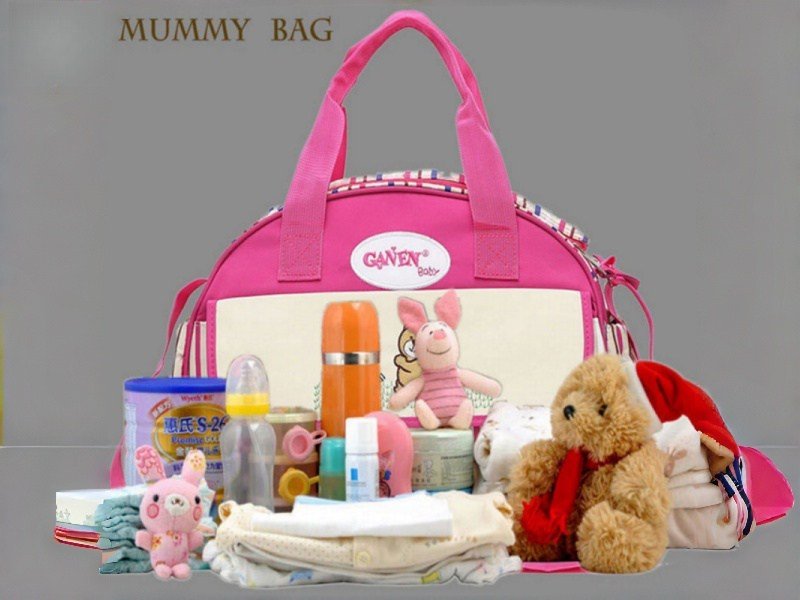
Becoming a parent or launching a baby-product brand has one thing in common—everyone is searching for the “perfect” diaper bag. It’s not just a piece of gear; it’s a survival kit for parents on the move. Choosing the right design isn’t about looks alone but about function, comfort, and daily practicality.
The best diaper bags combine smart organization, comfortable carrying, durable and easy-clean materials, and versatile design such as backpack or tote styles. For brands or retailers, the best bags also offer customization—fabric, logo, and layout—through experienced OEM/ODM manufacturers like Jundong Factory.
Now picture this: a new mom juggling bottles, wipes, and her phone with one hand, while holding her baby with the other. The wrong bag can turn that moment into chaos—but the right bag, built with practical design and quality materials, can make life smoother. That’s why understanding how diaper bags work, what parents truly need, and how brands can build smarter, customizable versions is key.
Let’s explore everything—from functionality and price, to global trends and manufacturing insights—to help you pick (or produce) the best diaper bags for 2025.
What Is a “Good” Diaper Bag and Which Features Really Matter?

A good diaper bag balances organization, comfort, and capacity. It should include multiple compartments, waterproof interiors, strong zippers, padded straps, and insulated bottle holders. Beyond looks, usability defines quality—parents value comfort, accessibility, and lightweight durability far more than decoration.
Do Organizational Features, Capacity and User Comfort Truly Matter?
Yes—massively. Parents carry diapers, bottles, wipes, snacks, toys, and sometimes laptops. The wrong layout or poor strap design can ruin usability. In fact, surveys by baby-gear retailers show 72 % of parents rank “compartment organization” as the top factor when choosing a diaper bag, followed by “comfort” and “easy cleaning.”
Dive Deeper: Why These Features Make or Break a Bag
- Organization saves sanity. Internal pockets and separators stop everything from tumbling into one messy heap. A well-structured diaper bag usually features 10–15 pockets: insulated bottle sections, quick-grab wipe slots, hidden phone pockets, and waterproof liners for clothes or diapers.
- Capacity equals convenience. The sweet spot is 20 – 30 liters for daily use, and up to 40 liters for travel. Smaller bags frustrate parents; oversized ones become heavy and bulky. Adjustable compartments allow better space management.
- Comfort encourages usage. Padded back panels, wide shoulder straps, and breathable fabrics prevent shoulder fatigue during long days. Even load distribution is crucial—especially for backpack-style diaper bags.
- Ergonomic details = loyal customers. Parents remember comfort. The more comfortable a bag feels, the more likely they’ll recommend it. For brands, this means better reviews and organic marketing.
Which Diaper Bag Styles Are Most Popular Right Now and Why?

Backpack-style diaper bags dominate current markets thanks to their hands-free design and unisex look. Tote and convertible styles follow closely for their fashion appeal and versatility. Eco-friendly and minimalist designs are rapidly rising, driven by sustainability and social-media aesthetics.
Are There Emerging Trends in Diaper Bag Types, and How Can Brands Capitalize?
Absolutely. Diaper bag trends mirror lifestyle shifts—parents want fashion-meets-function products.
Dive Deeper: 2025 Trend Overview
- Gender-neutral minimalism. Beige, gray, olive, and black tones replace cartoonish prints. These appeal to modern dads and style-conscious moms.
- Convertible & multi-use designs. Backpack ⇄ tote ⇄ shoulder bag hybrids dominate retail lists. A single bag serving both daily errands and weekend travel saves buyers money and boosts brand perception.
- Eco-friendly materials. Recycled RPET polyester, organic cotton, and vegan PU leather are in demand. According to Allied Market Research, sustainable diaper bag sales are growing at > 10 % annually.
- Smart and tech-integrated bags. USB charging ports, anti-theft pockets, and stroller hooks appeal to tech-savvy parents.
- Brand opportunity. Brands can capitalize by launching limited color collections, influencer collaborations, and OEM customization partnerships. Small runs with varied color palettes attract boutique resellers.
Style Comparison Table
| Type | Buyer Profile | Key Benefit | Market Demand (2025) |
|---|---|---|---|
| Backpack | Modern, unisex | Hands-free comfort | ⭐⭐⭐⭐ |
| Tote | Fashion-driven moms | Stylish yet spacious | ⭐⭐⭐ |
| Convertible | Travelers | Multi-function use | ⭐⭐⭐ |
| Messenger | Dads, commuters | Compact simplicity | ⭐⭐ |
| Eco Bag | Eco buyers | Sustainable branding | ⭐⭐⭐⭐ |
How Much Does a Decent Diaper Bag Cost and What Drives the Price?
A decent diaper bag costs $10 – $25 wholesale or $40 – $150 retail, depending on material, size, and brand. Price is driven by fabric type, construction quality, hardware, brand customization, and order quantity.
How Do Material and Construction Impact Quality and Sourcing of Diaper Bags?
They define everything—durability, appearance, cleanability, and even sourcing ethics.
What Buyers Need to Know
- Material hierarchy
- Oxford Polyester (600D–900D): Durable, waterproof, cost-effective.
- Nylon: Lightweight and tear-resistant, premium feel.
- PU Leather: Stylish, wipe-clean surface, mid-premium price.
- Canvas: Eco aesthetic, sturdy but heavier.
- RPET Fabric: Made from recycled plastic bottles—environmentally friendly and trending upward.
- Construction matters Strong stitching, double-layer reinforcement, smooth YKK zippers, and water-repellent coatings extend lifespan. Cheap stitching or weak handles are the top causes of returns.
- Hardware & details
- Metal vs plastic buckles (metal lasts 5× longer).
- Padded liners for structure.
- Sealed seams for waterproofing.
- Cost structure
| Component | Cost Share (%) | Example Impact |
|---|---|---|
| Fabric & Lining | 40 | Material quality defines perception |
| Hardware & Zippers | 20 | Durability, premium touch |
| Labor & Stitching | 25 | Craft precision |
| Packaging & Branding | 10 | Retail presentation |
| Overhead | 5 | Logistics, QC |
- Sourcing tip for buyers Partner directly with factories experienced in multiple fabric types (like Jundong) to control both cost and quality. A multi-material supplier reduces MOQ conflicts and accelerates sampling.
Typical Price Ranges
| Tier | Fabric Type | Target Market | Unit Price (USD) | MOQ |
|---|---|---|---|---|
| Entry | Basic Polyester | Supermarkets / Online Retail | $5 – 8 | 500 pcs |
| Mid | PU Leather / Canvas | Boutique Brands | $9 – 15 | 300 pcs |
| Premium | Nylon / RPET + Accessories | High-end Private Label | $16 – 25 | 200 pcs |
Are Custom Diaper Bags (OEM/ODM/Private Label) a Smart Offering for Brands?

Yes. Custom diaper bags let brands differentiate with unique design, fabric, and logo placement. OEM/ODM partnerships offer flexibility, low MOQ, and fast sampling—ideal for startups and boutique retailers looking to scale efficiently.
Why Customization Wins
- Brand differentiation A signature diaper bag design enhances brand loyalty. Offer color palettes or patterns exclusive to your store.
- Low MOQ + quick iteration Jundong Factory offers MOQ as low as 100 pcs and sample turnaround in 5–7 days—perfect for pilot launches or seasonal collections.
- Design flexibility Choose fabrics (canvas, nylon, leather, EVA), hardware finishes, stitching color, and custom logo techniques: embroidery, embossing, rubber patch, or metal plate.
- Case example A U.K. baby brand launched its first 300-piece RPET diaper backpack line with Jundong. The order sold out online in 8 weeks—proof that sustainable customization sells.
- Free design support & QC assurance Experienced OEM partners provide CAD sketches, 3D renderings, and full QC before shipment—critical for new entrants lacking in-house design teams.
How to Choose the Right Diaper Bag Manufacturer or Supplier?
The right manufacturer offers transparent pricing, low MOQ, quality control, fast sampling, and reliable communication. Prioritize factories with proven experience, certifications (ISO/BSCI), and diverse fabric sourcing—like Jundong Factory in China.
Smart Supplier Vetting
- Checklist for Buyers
- MOQ and flexibility for new projects.
- Sample and lead time (target: 5–7 days for sample, 25–35 days for production).
- Material certifications (SGS, REACH).
- Communication clarity—prompt email replies indicate reliability.
- Why experience matters With 20 + years in R&D and manufacturing, Jundong reduces risk—offering consistent quality across Tote, Backpack, Cooler and Lifestyle bag categories.
- Integrated production flow Design → Material selection → Sampling → Mass production → QC → Packaging → Shipping. Buyers benefit from unified responsibility—no middlemen.
- Global logistics support Air, sea, and express shipping options, with after-sales service for customs documentation and insurance.
- Factory advantage summary
| Factor | Jundong Factory Capability |
|---|---|
| Experience | 20 + Years of OEM/ODM bags |
| MOQ | 100 pcs per style |
| Sample Lead Time | 5–7 Days |
| Design Support | Free Design + CAD/3D Render |
| Certifications | BSCI, ISO, SGS |
| Shipping Network | Global Export 50 + Countries |
FAQ: Common Questions About Diaper Bags and Custom Production
Q1. What makes one diaper bag better than another?
Build quality, smart layout, and easy-clean fabrics. Parents judge within a week of use.
Q2. Which materials are easiest to clean?
PU leather and Oxford polyester—wipe-clean, waterproof, stain-resistant.
Q3. Do parents prefer backpacks or totes?
70 % prefer backpacks for hands-free convenience (BabyCenter survey 2024).
Q4. What’s the usual MOQ for custom diaper bags?
Between 100–300 pcs depending on material and complexity.
Q5. Can I get a free sample before ordering bulk?
Yes—Jundong offers free samples after design approval.
Q6. How long is production?
Typically 25–35 days for bulk, depending on materials and quantity.
Q7. Do you support sustainable fabrics?
Absolutely—RPET, organic cotton, and recycled nylon options available.
Final Call to Action
From the parent juggling bottles to the entrepreneur launching a baby-gear brand, the best diaper bag is the one that blends organization, comfort, and craftsmanship. If you’re a brand, wholesaler, or retailer, the opportunity lies in customization—bags that reflect your customers’ lifestyle and your brand identity.
Jundong Factory has spent over 20 years perfecting that balance.
✅ 100 % quality guarantee
✅ Low MOQ (100 pcs)
✅ Free design & sampling
✅ Fast production lead time
✅ Global shipping