 Skip to content
What Materials Are Backpacks Suitable For?
Choosing the right material for a backpack is one of the most important decisions buyers and brands make. Whether you’re selecting a school backpack for daily carry, a travel pack built for long trips, a sports bag designed for sweat and movement, or a tactical bag engineered for extreme durability, the fabric determines almost everything: strength, comfort, waterproof performance, abrasion resistance, price, and long-term reliability. With so many materials available—nylon, polyester, canvas, oxford, neoprene, RPET, ballistic nylon, Cordura—buyers often ask the same question on Google: What materials are backpacks suitable for? And brands sourcing custom backpacks from manufacturers want to know which fabrics best match their market positioning.
Backpacks are exposed to constant friction, repeated pulling, moisture, sweat, UV exposure, and heavy loads. A weak material can tear, fade, or deform quickly, while a strong one can last years. That is why choosing the right material is essential for both function and customer satisfaction.
Backpacks are suitable for materials such as nylon, polyester, canvas, oxford cloth, neoprene, EVA, TPU-coated fabrics, and recycled RPET. The best material depends on usage: nylon is strong and abrasion-resistant, polyester is affordable and colorfast, canvas is durable and stylish, and TPU-coated fabrics offer excellent waterproof performance. Premium options like ballistic nylon and Cordura provide maximum strength for outdoor or tactical backpacks.
Material choice defines quality. It influences comfort, durability, branding options, and the overall experience the user has with the backpack. The following sections break down each factor in detail.
What fabrics are most commonly used for high-quality backpacks?
The most common backpack materials include nylon, polyester, canvas, oxford cloth, neoprene, and coated fabrics such as TPU or PVC. Nylon offers excellent strength and abrasion resistance, polyester provides good durability at a lower cost, canvas delivers classic toughness, and coated fabrics enhance waterproof performance. The strongest materials are ballistic nylon and Cordura.
High-quality backpacks rely on fabrics engineered to handle weight, friction, and daily wear. Each material behaves differently, making some better suited for travel or sports use, while others excel in fashion or lifestyle applications.
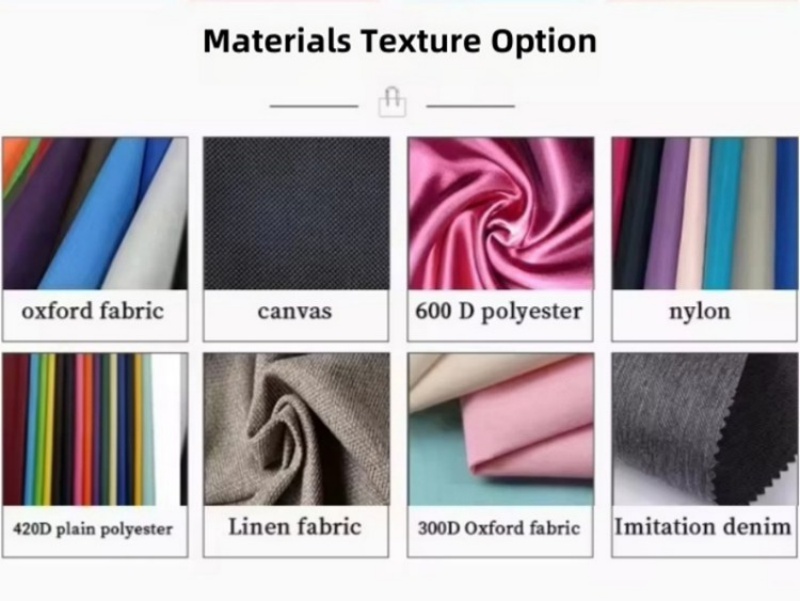
Nylon is widely regarded as one of the best materials for backpacks. It is strong, flexible, abrasion-resistant, and holds up well under heavy loads. Variants like ripstop nylon prevent small tears from spreading, and high-denier nylon (600D–1680D) boosts durability further. Nylon is commonly used in travel bags, outdoor backpacks, and performance-oriented products.
Polyester is another top choice. It is lighter than nylon, retains color exceptionally well, and offers good resistance to UV fading. While polyester is slightly less abrasion-resistant, modern high-denier polyester (600D–1200D) performs well for school, office, and promotional backpacks. It is also cost-effective, making it ideal for large-volume private-label production.
Canvas is known for its rugged strength. Typically made from cotton or blended fibers, canvas backpacks are durable and stylish, making them popular for lifestyle brands. However, canvas is heavier and absorbs water unless coated, so it is less suitable for rain-heavy environments.
Oxford cloth, usually nylon or polyester-based, has a smooth structure and balanced strength. It is widely used in mid-range backpacks because it combines durability and affordability. Waterproof PU or TPU coatings enhance its performance.
Neoprene provides shock absorption and water resistance. While less abrasion-resistant, neoprene is perfect for sports or fashion backpacks due to its soft structure and premium look.
Coated fabrics such as PVC, PU, and TPU-backed materials enhance waterproof capability. TPU coatings provide better flexibility and long-term resistance compared to PVC.
Ballistic nylon and Cordura represent the strongest materials used in high-end, tactical, or professional backpacks. Both resist tearing, friction, and heavy loads better than standard fabrics.
Below is a comparison table:
| Material | Durability | Water Resistance | Weight | Cost | Best For |
|---|---|---|---|---|---|
| Nylon | Excellent | Good | Medium | Medium | Travel, outdoor |
| Polyester | Good | Good | Light | Low | School, office |
| Canvas | Excellent | Low–Medium | Heavy | Medium | Lifestyle, fashion |
| Neoprene | Medium | Excellent | Medium | Medium–High | Sports |
| Cordura | Very High | Good | Medium | High | Tactical |
| Ballistic Nylon | Very High | Good | Heavy | High | Professional gear |
What is the best material for a backpack?
Nylon, polyester, and canvas are the most popular overall, while Cordura and ballistic nylon offer the highest strength for premium or tactical use.
What is the strongest material for bags?
Ballistic nylon and Cordura are considered the strongest due to exceptional abrasion resistance and tear strength.
How do backpack materials affect durability, strength, and long-term performance?
Backpack durability depends on material strength, denier count, weave density, and coating. High-denier nylon and polyester resist abrasion, tearing, and wear. Ripstop patterns prevent tears from spreading, while coatings like PU or TPU enhance water resistance and longevity. Premium materials like Cordura or ballistic nylon offer the highest durability for outdoor and tactical use.
Durability is not based on material alone—its construction, yarn thickness, and weave structure all influence long-term performance.
Denier (D) is a key measurement. Higher denier equals thicker yarns and stronger fabric. For example:
- 300D polyester = lightweight daily use
- 600D polyester = school and travel use
- 1680D ballistic nylon = heavy-duty tactical use
Weave density impacts strength. Tight weaves resist punctures and tearing better. Dense weaves also improve waterproof performance when paired with coatings.
Ripstop fabrics incorporate a grid of thicker threads that prevent small cuts from spreading. This is ideal for outdoor backpacks.
Coatings and laminations significantly affect performance:
- PU (polyurethane) adds flexibility and water-resistance
- TPU (thermoplastic polyurethane) adds strong waterproofing and durability
- PVC coats are waterproof but less eco-friendly and heavier
Below is a durability comparison:
| Property | Nylon | Polyester | Canvas | Cordura | Ballistic Nylon |
|---|---|---|---|---|---|
| Abrasion Resistance | High | Medium | High | Very High | Very High |
| Tear Strength | High | Medium | High | Very High | Very High |
| UV Resistance | Medium | High | Medium | High | High |
| Moisture Resistance | Good | Good | Lower | Good | Good |
Material performance changes depending on intended use. Outdoor users prioritize abrasion resistance, while office users care more about weight and colorfastness. Tactical users require extreme durability, making Cordura or ballistic nylon ideal.
Which materials are suitable for different backpack applications?
Different backpack uses require different materials. Sports backpacks typically use polyester, nylon, neoprene, and mesh. Travel backpacks use high-denier nylon or polyester, while school and laptop backpacks rely on polyester or oxford cloth. Tactical and outdoor backpacks use Cordura or ballistic nylon for maximum strength.
Backpack purpose determines which material performs best.
Sports backpacks need breathability, flexibility, and water resistance. Polyester and nylon are lightweight and dry quickly. Neoprene works well for shock absorption and moisture protection, while mesh fabric aids ventilation.
Travel backpacks require strong, abrasion-resistant materials. High-denier nylon or polyester (600D–1200D) is ideal. TPU-coated fabrics enhance water resistance for unpredictable weather.
School or office backpacks prioritize structure, organization, and comfort. Polyester or oxford cloth offers balance between durability and colorfastness. Laptop compartments require padded foam panels and soft linings.
Outdoor, tactical, or hiking backpacks demand the strongest fabrics. Cordura or ballistic nylon resist sharp rocks, branches, and friction from heavy gear.
Lifestyle and fashion backpacks use canvas, neoprene, leather, or cotton blends. These materials emphasize aesthetics and brand appeal.
Below is a usage table:
| Backpack Use | Recommended Material |
|---|---|
| Sports | Polyester, nylon, neoprene, mesh |
| Travel | High-denier nylon or polyester |
| School/Office | Polyester, oxford |
| Hiking/Tactical | Cordura, ballistic nylon |
| Lifestyle/Fashion | Canvas, neoprene, leather |
What material is used for sports backpacks?
Sports backpacks commonly use polyester, nylon, neoprene, and mesh for breathability and quick drying.
Is waterproof, water-resistant, or weatherproof material necessary for backpacks?
Waterproof materials like TPU-coated nylon or PVC keep contents dry in heavy rain. Water-resistant materials like polyester or coated canvas protect against splashes. Weatherproof fabrics combine water resistance, abrasion resistance, and UV protection for outdoor use. The level of protection needed depends on the backpack’s purpose.
Water resistance level depends on intended use.
Waterproof fabrics such as TPU-laminated nylon prevent water penetration entirely. These are ideal for outdoor exploration, commuting in heavy rain, or marine activities.
Water-resistant fabrics like coated polyester or canvas offer moderate protection. They resist splashes and light rain but not prolonged exposure.
Weatherproof materials combine multiple strengths:
- UV resistance
- Moisture resistance
- Abrasion resistance
- Structural stability
Buyers should evaluate whether their usage demands full waterproofing or moderate water resistance.
How do sustainability trends affect backpack material choices?
Sustainable backpack materials include RPET (recycled polyester), recycled nylon, and organic canvas. These eco-friendly fabrics offer good durability and appeal to environmentally conscious buyers. Modern recycled materials perform similarly to traditional fabrics.
Sustainability plays a growing role in material selection. RPET, made from recycled plastic bottles, offers durability and reduces environmental impact. Recycled nylon provides nearly the same strength as new nylon.
Brands are increasingly adopting eco-friendly materials due to consumer demand. These materials support strong marketing advantages and help brands differentiate in competitive markets.
How can brands choose the right material for custom OEM/ODM backpacks?
Brands should consider durability, weight, cost, waterproof needs, and branding methods when choosing materials. OEM/ODM manufacturers guide material selection, provide samples, and recommend fabrics based on intended use and target market. High-quality custom backpacks often combine multiple materials for optimal performance.
Choosing the right material requires balancing performance, cost, aesthetics, and brand purpose. Key factors include:
- Durability needs
- Waterproof or weatherproof requirements
- Target customer lifestyle
- Design elements and logo placement
- Cost considerations
Factories like Jundong help brands evaluate fabric swatches, test materials, and create prototypes using different combinations. This personalized development process ensures the final product meets both functional and aesthetic expectations.
Conclusion
Choosing the right material determines a backpack’s strength, comfort, waterproof ability, and long-term performance. Whether you’re designing a sports backpack, travel bag, or tactical gear, each material offers unique advantages. By understanding their differences, brands can build backpacks that last longer, feel better, and match customer expectations.
Jundong, with more than 20 years of OEM/ODM experience, offers expert material guidance, fast sampling, low MOQ customization, and full private-label support. If you want to develop high-quality backpacks tailored to your brand’s needs, you can contact Jundong today to begin your custom backpack project.
When people talk about tote bags, two materials usually come to mind: cotton and canvas. Both are natural fabrics, widely used in eco-friendly bags, but they serve different purposes. If you’re a retailer, promotional buyer, or fashion brand, choosing the right material can impact customer satisfaction, product durability, and your brand’s image.
Choosing between cotton and canvas tote bags can be tricky, especially when you’re looking for the right balance between durability, style, and functionality. Here’s a closer look at how these two materials compare across key aspects:
| Comparison Factor | Cotton Bag | Canvas Bag |
|---|---|---|
| Material | Soft, breathable, eco-friendly, biodegradable | Durable, water-resistant, often a cotton-polyester blend |
| Thickness | Lightweight, 5-8 oz per square yard (136-272 g/m²) | Heavier, 10-12 oz per square yard (340-408 g/m²) |
| Usage | Best for light daily use, shopping, and casual outings | Ideal for heavy loads, travel, gym, and groceries |
| Printing | Simple designs, lightweight prints | Suitable for large, intricate prints |
| Cost | Cheaper, ideal for bulk production | More expensive due to thicker material |
| Strength | Weaker, not suitable for heavy use | Stronger, more durable for long-term use |
| Texture | Soft, may show cotton seeds | Stiff, tightly woven, no visible seeds |
| Weaving Method | Plain or twill weave | Mostly plain weave, sometimes basket weave |
The main difference between a cotton tote bag and a canvas tote bag lies in fabric thickness and durability. Cotton tote bags are lighter, softer, and ideal for casual or promotional use. Canvas tote bags are heavier, sturdier, and designed to carry heavier items while offering a premium look. Cotton suits low-cost bulk orders, while canvas fits brands seeking long-lasting, high-value products.
Think about it this way: A cotton tote feels like your everyday T-shirt—comfortable and casual. A canvas tote feels more like your denim jeans—durable and stylish. Once, a client told us their cotton totes were perfect for giveaways at a trade show, but for their VIP customers, they switched to canvas, and those bags became a walking billboard for years. That’s the difference we’ll explore in detail below.
What materials make cotton tote bags and canvas tote bags different?
Cotton tote bags use lightweight, single-ply cotton, while canvas tote bags are made from tightly woven cotton or cotton blends, giving them a thicker, stronger texture.
Cotton fabric is one of the most widely used textiles globally. It is spun into thin threads and woven into a soft, breathable material. Tote bags made from cotton typically weigh between 100–150 GSM (grams per square meter), making them lightweight and cost-effective.
Canvas, on the other hand, is technically also cotton but woven differently. It uses a plain weave with thicker threads, usually in the 250–400 GSM range. This denser construction gives canvas its durability and rigidity. In some cases, polyester or linen blends are added for extra structure.
| Material | Average GSM | Texture | Common Use |
|---|---|---|---|
| Cotton | 100–150 | Soft, thin, breathable | Promotional totes, daily use |
| Canvas | 250–400 | Thick, stiff, durable | Shopping, fashion, premium branding |
So while both share a natural origin, their weaving process defines the difference. Cotton is smooth and flexible; canvas is rugged and enduring.
How do cotton and canvas tote bags differ in durability and weight-bearing capacity?
Cotton totes are best for carrying light items like groceries or small accessories. Canvas totes can handle heavier loads such as books, laptops, or multiple products, thanks to their higher GSM and denser weave.
Durability is where the canvas tote bag shines. A standard cotton tote may last through 50–70 washes before fraying, while a well-constructed canvas tote can endure 200+ uses without losing shape.
Weight test data (approx.):
Cotton tote bag (140 GSM): Holds 4–5 kg comfortably
Canvas tote bag (320 GSM): Holds 10–12 kg without tearing
This difference matters in practical use. For instance, a bookstore might choose canvas bags because customers often carry multiple hardcovers, while a clothing brand might choose cotton totes for lighter garments.
What are the disadvantages of a canvas tote bag?
Despite its strength, canvas isn’t perfect.
Heavier weight: Customers sometimes complain canvas bags feel bulky when empty.
Higher cost: On average, canvas tote bags cost 30–40% more than cotton, making them less suitable for mass giveaways.
Care: The thick weave takes longer to dry after washing.
So while canvas offers strength, it may not always be the best fit if budget or convenience is your priority.
Which material offers better printability and customization?
Cotton offers a smoother surface for screen printing and heat transfer, while canvas is better for embroidery, stamping, and creating a textured premium look.
Printing is key for branding. Cotton’s fine weave makes it excellent for detailed multi-color designs. For example, promotional companies often choose cotton totes for logo visibility at trade shows.
Canvas, however, gives a “rustic” appeal. Its slightly rough surface enhances embroidered designs, debossed logos, or leather patches. Luxury brands often prefer canvas because the texture adds depth to minimalistic designs.
At Jundong, we frequently advise startups to go with cotton for low-cost campaigns, while high-end fashion labels opt for canvas, particularly when combining with extras like zipper closures, lining, or leather handles.
How do care instructions and longevity compare between the two materials?
Cotton tote bags can usually be machine washed but may shrink or lose shape over time, while canvas bags are more durable but require hand washing or spot cleaning.
Cotton bags are easy to wash, much like a T-shirt. However, after several washes, colors may fade, and the fabric can stretch.
Canvas requires more effort. Because of its dense weave, full machine washing can weaken fibers or distort the bag’s shape. Many brands recommend spot cleaning or hand washing with cold water.
The tradeoff: Cotton is easier for casual users, but canvas rewards customers who care for their products properly with a longer lifespan.
Do cotton or canvas tote bags offer better eco-friendliness and total cost-effectiveness?
Cotton bags are cheaper upfront but wear out faster, while canvas bags cost more but last longer, reducing replacement frequency and overall waste.
From an environmental standpoint, both are reusable alternatives to plastic. However, studies show that a cotton tote needs to be reused at least 50 times to offset production impact, while canvas, with its longer lifespan, can be reused 200–300 times, making it more sustainable in the long run.
Cost Comparison (per unit in bulk 1000 pcs):
| Bag Type | Avg. Cost | Lifespan | Cost Per Use |
|---|---|---|---|
| Cotton Tote | $0.80–1.20 | 50 uses | $0.02/use |
| Canvas Tote | $1.50–2.00 | 200 uses | $0.007/use |
For promotional events with large distribution, cotton makes sense. For premium retail, canvas offers better ROI.
Which tote bag material should you choose for your brand or customer needs?
Choose cotton totes for giveaways, promotional campaigns, or lightweight daily use. Choose canvas totes for retail products, premium branding, and heavy-duty purposes.
The final choice depends on your audience:
Promotional giveaways → Cotton bags: affordable, easy to print, distribute in bulk.
Retail branding → Canvas bags: premium feel, long lifespan, higher perceived value.
Eco campaigns → Both work, but canvas maximizes sustainability.
Jundong offers both cotton and canvas tote bags with OEM & ODM customization, free design services, and low MOQ options. That means whether you need 500 cotton totes for an event or 10,000 canvas totes with embroidered logos for a fashion line, we can deliver quickly with guaranteed quality.
Let's work together
With over 10 years of OEM/ODM bag industry experience, I would be happy to share with you the valuable knowledge related to leather products from the perspective of a leading supplier in China.

Factory catalogue
Latest blogs


Make A Sample First?
If you have your own artwork, logo design files, or just an idea, please provide details about your project requirements, including preferred fabric, color, and customization options, we’re excited to assist you in bringing your custom bag designs to life through our sample production process.