 Skip to content
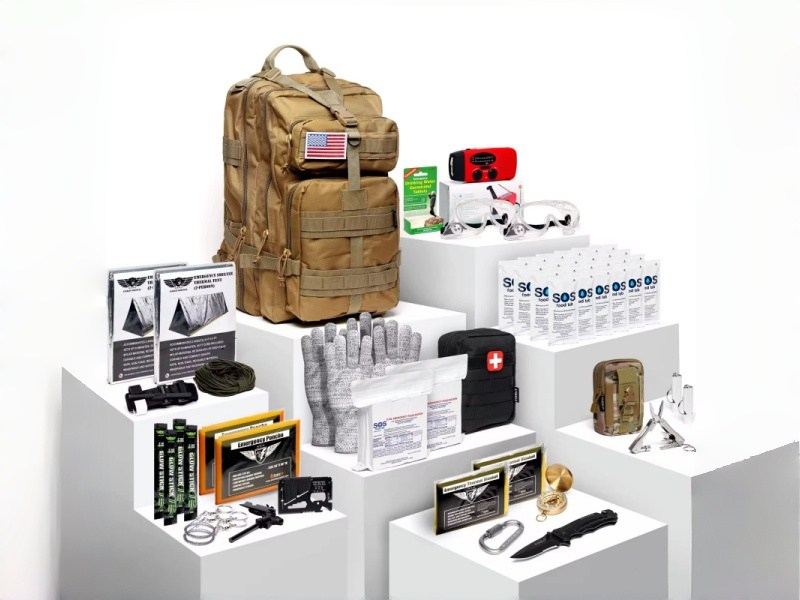
In an unpredictable world, being prepared is no longer a hobby for preppers — it’s smart common sense. From hurricanes and wildfires to sudden blackouts or evacuations, emergencies strike when you least expect them. That’s why the bug out bag has become a must-have for anyone who values safety and readiness.
So, what exactly is a bug out bag? It’s a pre-packed emergency backpack designed to keep you alive and self-sufficient for at least 72 hours, often referred to as a “go bag” or “survival kit.”
A bug out bag is a portable emergency kit containing essential items such as food, water, shelter, first aid, and tools — designed to sustain a person for at least 72 hours in a crisis. The goal is to “bug out” quickly and survive independently until reaching safety.
Imagine the first few hours after a sudden evacuation — the power’s out, the roads are crowded, and the clock is ticking. Those with a well-packed bug out bag can move swiftly, while others scramble to gather supplies. That difference in preparation can determine safety or struggle.
Let’s break down everything you need to know about building, choosing, and customizing the ideal bug out bag — whether you’re a survival enthusiast, an outdoor retailer, or a brand looking for OEM tactical solutions.
What Should Be in a Bug Out Bag?

A bug out bag should include food, water, first aid, clothing, shelter, tools, lighting, and important documents — enough to survive for 72 hours. Pack compact, lightweight, and multi-functional items to balance readiness and portability.
The “72-hour rule” is the standard for most emergency planners. This window represents the critical time before rescue or recovery services reach affected areas.
Essential Bug Out Bag Items
Here’s what most experts consider non-negotiable:
Water & Purification: Bottles, purification tablets, or filters
Food: Energy bars, freeze-dried meals, utensils
First Aid Kit: Bandages, antiseptics, medicines
Shelter: Tent, tarp, sleeping bag
Tools: Knife, multitool, firestarter, flashlight
Navigation: Compass, maps, whistle
Communication: Radio or power bank
How to Organize Survival Gear by Priority
Divide your bag into three layers:
- Immediate access items: knife, flashlight, ID, energy snacks
- Core survival gear: food, water, shelter
- Long-term items: change of clothes, hygiene kits
Are There Any Special Considerations for Packing a Bug Out Bag?
Weather: Cold regions need blankets; humid climates require waterproof pouches
Weight balance: Keep heavy gear close to your back
Redundancy control: Carry backup batteries, but not duplicate items
Accessibility: Place urgent-use gear at the top or outer pockets
| Category | Essential Items | Packing Tips |
|---|---|---|
| Food & Water | Energy bars, filters | Store near center for balance |
| Tools | Knife, multitool | Secure in side compartments |
| Shelter | Tent, blanket | Roll to bottom for structure |
| First Aid | Compact kit | Keep accessible at top |
| Documents | IDs, cash | Seal in waterproof bag |
A well-organized bug out bag means fewer delays, less panic, and a better chance of adapting to fast-changing situations.
What Type of Bag Works Best as a Bug Out Bag?

The best bug out bag is a durable tactical backpack or duffel made from waterproof nylon or polyester, with 30–60L capacity, MOLLE webbing, and padded straps for comfort and storage flexibility.
Not every backpack qualifies as a true bug out bag. The right one must balance capacity, comfort, and durability under pressure.
How to Choose the Right Bag for Your Bug Out Kit
A proper bug out bag should be:
30–60L capacity for a 3-day supply
Equipped with adjustable straps and sternum support
Waterproof or water-resistant
Designed with multiple compartments for easy access
| Size Range | Use Duration | Ideal User |
|---|---|---|
| 20–30L | 24 hours | Solo evac or urban use |
| 40–50L | 48–72 hours | Standard survival setup |
| 60L+ | 4+ days | Families or group missions |
Which Size and Capacity Are Ideal for a Bug Out Bag?
A 40–50L tactical backpack suits most scenarios. It’s large enough for food and shelter yet compact for mobility. Military-grade designs use 600D or 900D nylon, offering excellent abrasion resistance.
What Fabrics Are Best — Nylon, Canvas, or Fireproof Materials?
Nylon (600D–1000D): Lightweight, durable, water-resistant
Polyester: Affordable, easy to clean
Canvas: Vintage look, good for light gear
Fireproof or TPU-coated fabrics: Ideal for harsh conditions
How Jundong’s Tactical and Survival Bags Are Designed for Durability
At Jundong, tactical bags use:
Reinforced double stitching
Breathable back padding
MOLLE-compatible webbing
Water-repellent coatings
Customizable pockets for survival or rescue operations
This design not only enhances field performance but also meets OEM customization needs for brands and distributors worldwide.
How Do You Build and Maintain a Bug Out Bag?

Build a bug out bag by organizing essentials for 72 hours and reviewing it every 6–12 months. Replace expired food or batteries and adjust contents for seasonal or environmental changes.
A bug out bag isn’t a “set it and forget it” kit — it evolves with your life and location.
How to Pack Strategically for Weight and Access
Place heavy items near your back for balance
Store soft items (clothes, blankets) at the bottom
Keep quick-grab tools like a flashlight in outer pockets
Distribute weight evenly to prevent back strain
Do You Need Separate Bags for Each Family Member?
Yes. Each person’s needs vary — children require smaller kits, and adults may carry group supplies. A modular system of linked pouches ensures flexibility.
How Often Should You Check and Replace Supplies?
Every 6 months, inspect:
Food & medicine expiration dates
Battery performance
Fabric and zipper condition
Updated emergency contacts or maps
Proper maintenance ensures reliability in real emergencies.
Are There Different Types of Bug Out Bags?
There are three main bug out bag types — urban, wilderness, and vehicle. Each is tailored for specific scenarios, from city evacuations to off-grid survival or car-based escapes.
Bug out bags differ depending on where and how you’ll use them.
What Are the Main Categories — Urban, Wilderness, and Vehicle Bug Out Bags?
| Type | Purpose | Key Features |
|---|---|---|
| Urban | Evacuate from cities | Compact, stealthy design |
| Wilderness | Remote escape | Heavy-duty, waterproof, larger |
| Vehicle | Stored in cars | Fireproof, tool compartments |
Which Types of Bug Out Bags Are Best for Different Scenarios?
Urban: Light and discreet; fits under desks or in offices.
Wilderness: Rugged materials and weatherproof zippers.
Vehicle: Holds repair kits, extra fuel, and blankets.
How Do Tactical, Fireproof, and Waterproof Versions Differ?
Tactical bags: Built for durability, MOLLE system, military-grade fabric.
Fireproof bags: Protect documents and electronics during disasters.
Waterproof bags: Essential for floods, marine evacuation, or heavy rain.
What Features Define a Quality Bug Out Bag?
A quality bug out bag includes waterproof materials, reinforced stitching, padded straps, multiple compartments, MOLLE webbing, and ergonomic design for comfort and load stability.
The difference between a casual backpack and a true bug out bag lies in performance.
What Features Make a Bag Truly “Tactical”?
MOLLE webbing for modular attachments
Compression straps for compact packing
Hydration tube ports
Double-stitched seams
How Capacity and Weight Distribution Affect Comfort
Improper load balance can cause fatigue and shoulder pain.
A padded hip belt and ventilated back panel reduce stress during long treks.
Why OEM Customization Matters for Military, Rescue, and Outdoor Brands
Customization helps adapt tactical gear to the end user.
At Jundong, clients can specify:
Fabric density (600D/900D/1200D)
Webbing strength
Color camo pattern
Pocket placement
Reinforcement zones
Jundong’s OEM tactical bags are already serving global rescue teams, outdoor retailers, and defense suppliers.
How to Customize or Source Bug Out Bags from Jundong

Jundong offers OEM and ODM manufacturing for tactical and survival bags with custom fabrics, MOLLE systems, and logos. Low MOQ, free design, and fast sampling available.
Jundong Factory has over 20 years of experience producing professional-grade bags for survival, outdoor, and defense use.
Custom Design Options
Choose from nylon, polyester, fireproof, or waterproof fabrics
Select MOLLE layout and strap configuration
Add company logos or custom labels
Request 3D prototypes before mass production
Which Markets Benefit Most from Bug Out Bag OEM Orders
| Industry | Use Case |
|---|---|
| Tactical & Military | Field operations, supply kits |
| Outdoor Retailers | Survival gear lines |
| Emergency Services | Disaster response equipment |
| Private Label Brands | Customized consumer survival kits |
Why Jundong’s OEM/ODM Process Is Ideal
| Service | Details |
|---|---|
| Free Design Support | CAD + sample visualization |
| Low MOQ | Starting at 100 pcs |
| Fast Sampling | 7–10 days |
| Material Options | Nylon, canvas, EVA, TPU |
| Export Expertise | 20+ years of global trade |
By combining military-grade materials and brand-level customization, Jundong helps clients create durable, profitable survival bag lines.
FAQ Section
Q1: What does “bug out” mean in survival terms?
It means to quickly evacuate from danger with essential gear.
Q2: How heavy should a bug out bag be?
Ideally, 15–25 lbs (7–12 kg) — no more than 20% of your body weight.
Q3: Is a bug out bag the same as a go bag?
Similar, but a bug out bag is built for longer survival (up to 72 hours).
Q4: What’s the best material for a bug out bag?
Nylon or polyester — lightweight, waterproof, and rugged.
Q5: Can Jundong manufacture custom bug out bags?
Yes — Jundong offers OEM/ODM survival and tactical bags with branding, low MOQ, and free sampling.
Final Call to Action
Emergencies don’t wait — and neither should you. Whether you’re preparing your own kit or supplying survival gear for others, the right bug out bag can literally save lives.
With 20+ years of manufacturing experience, Jundong Factory specializes in:
✅ Tactical and survival backpacks
✅ Fireproof and waterproof emergency bags
✅ OEM/ODM customization with brand logo printing
✅ Free design and sampling, fast delivery, and strict QC
📩 Contact Jundong today to start your custom bug out bag project — designed for survival, built for resilience, and tailored to your brand.