 Skip to content
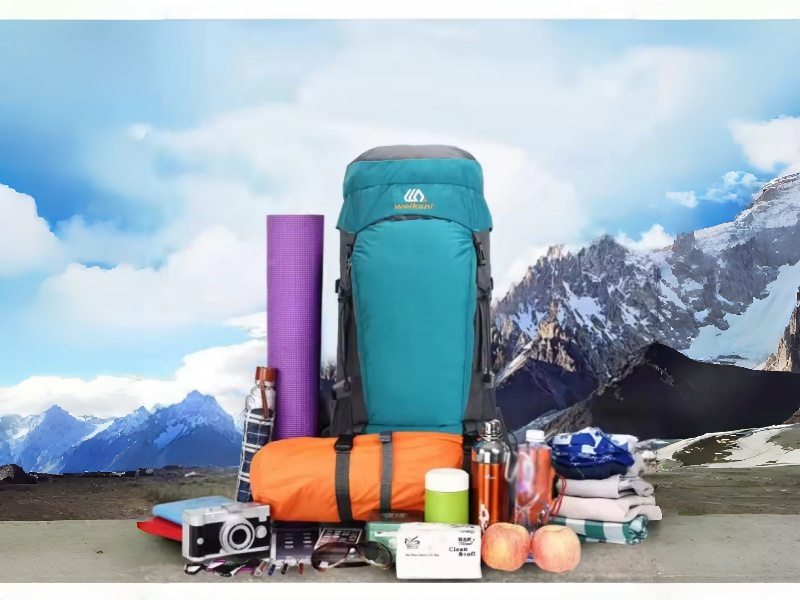
If you’ve ever set off on a hike or a multi-day trek, you know that your backpack can make or break the journey. Too heavy, and you’re drained by mile two. Too light, and you’ll wish you had packed that rain jacket when the storm hits. Equipping an adventure backpack isn’t just about what you bring—it’s how you bring it.
To equip an adventure backpack, start by choosing the right size and fabric for your trip, then organize essential gear—shelter, food, navigation, and first-aid—based on accessibility and weight balance. Use modular pouches for organization, adjust the fit to your body, and maintain your pack regularly. Custom-made backpacks, designed with durable fabrics and smart compartments, ensure comfort and reliability on any adventure.
Here’s the truth: experienced hikers don’t just “pack”; they engineer their backpacks. Every zipper, strap, and compartment serves a purpose. In this article, we’ll break down how to set up your adventure backpack step by step—from choosing fabrics to balancing load weight—and why custom manufacturing (like Jundong’s OEM/ODM backpacks) can transform your gear from ordinary to expedition-ready.
What Is an Adventure Backpack and Why Does It Matter?
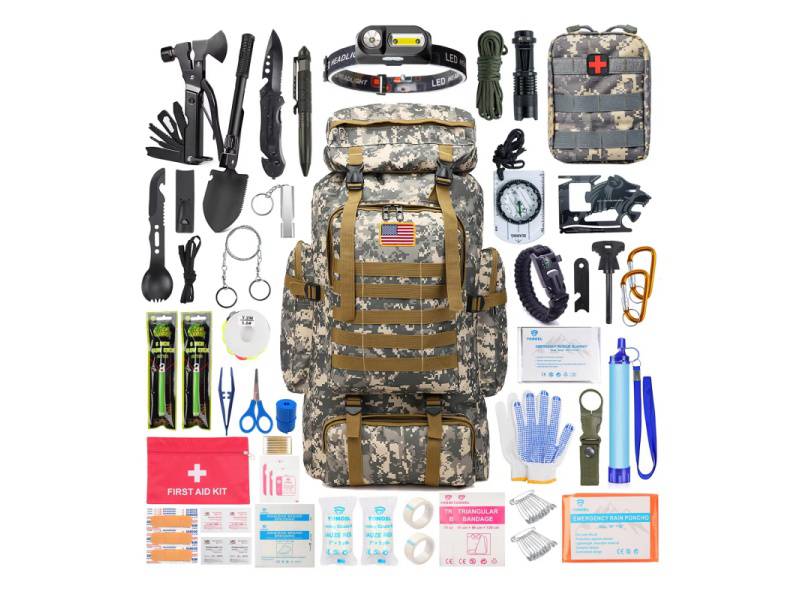
An adventure backpack is a durable, ergonomic pack designed for hiking, trekking, and outdoor expeditions. Unlike everyday backpacks, it’s built for performance—balancing load, providing weather protection, and offering attachment systems for gear. A well-equipped adventure pack improves mobility, reduces fatigue, and enhances safety on the trail
Adventure backpacks range from 30L to 80L capacity, depending on the activity. Their structure typically includes:
Padded shoulder straps for comfort
Hip belts to transfer weight from shoulders to hips
Compression straps for stability
Hydration sleeves and loops for bottles and trekking poles
| Backpack Type | Typical Capacity | Ideal For | Key Features |
|---|---|---|---|
| Daypack | 20–35 L | Day hikes, city adventure | Lightweight, breathable back panel |
| Trekking Pack | 45–65 L | Multi-day hiking | Frame support, load balance system |
| Expedition Pack | 70 L+ | Long expeditions | Weatherproof fabric, modular pockets |
A well-structured adventure backpack minimizes muscle strain and maximizes endurance. Hikers who use fitted backpacks report 25% less back pain and 15% longer stamina (Outdoor Gear Survey 2024).
That’s why a good backpack isn’t an accessory—it’s survival gear.
Which Factors Should You Consider Before Equipping Your Adventure Backpack?
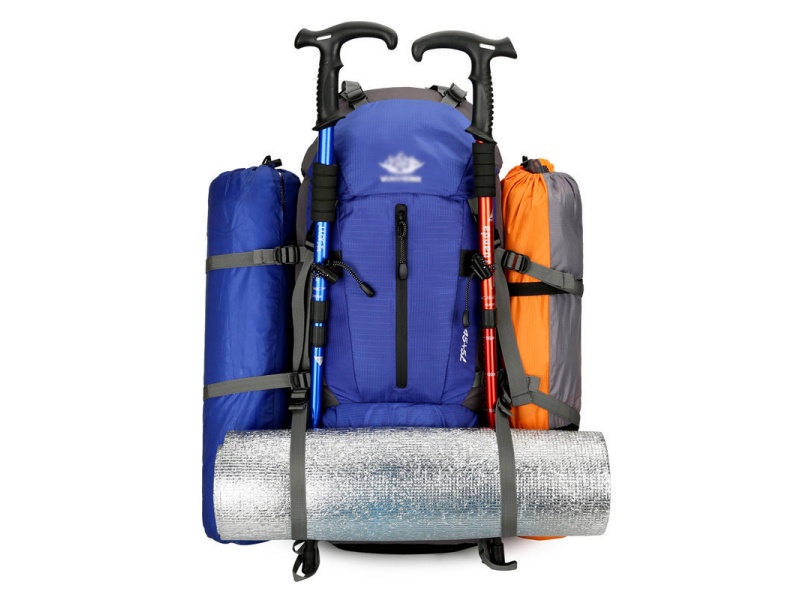
Before equipping your adventure backpack, consider trip length, terrain, climate, and carrying capacity. Choose quality materials, water-resistant coatings, and ergonomic design for comfort. Fabric type, construction, and custom options from manufacturers like Jundong can drastically improve durability and fit.
Trip Length, Terrain, and Weather Conditions
Short weekend hikes demand light packs; alpine or desert treks need extra insulation or hydration.
| Trip Type | Duration | Recommended Pack | Key Add-Ons |
|---|---|---|---|
| Weekend | 1–3 days | 30–40 L | Rain cover, hydration pouch |
| Weeklong | 4–7 days | 50–65 L | Sleeping bag straps, waist support |
| Expedition | 8 + days | 70 L + | Frame system, weatherproof fabric |
Capacity, Weight Distribution, and Design
The golden rule: your full pack weight should not exceed 20–25% of your body weight. Heavy items go near your spine; light ones at the top.
Do Fabric Choice, Build Quality, and Manufacturing Custom-Options Make a Difference?
Absolutely.
The right fabric and build quality decide your backpack’s lifespan and comfort. For example:
| Fabric | Weight | Waterproof | Durability | Common Use |
|---|---|---|---|---|
| Oxford | Medium | Moderate | Strong | Versatile, outdoor |
| Nylon (Ripstop) | Light | High | Tear-resistant | Hiking, military |
| TPU-Coated | Medium | Excellent | Flexible | Waterproof gear |
| RPET | Light | Moderate | Eco-friendly | Sustainable outdoor bags |
| Canvas | Heavy | Low | Vintage aesthetic | Lifestyle + travel |
Manufacturers like Jundong enhance durability by reinforcing stitching points, adding anti-rust zippers, and offering custom waterproof coatings.
Custom options—like logo embossing, tactical MOLLE webbing, or detachable pouches—allow buyers to tailor packs for brand identity or performance use.
How Do You Pack and Equip Your Adventure Backpack for Optimal Performance?
Pack heavy items close to your back, lighter items at the top, and keep essentials within reach. Organize by frequency of use, secure balance with compression straps, and tailor contents based on adventure type. Use modular pouches or detachable bags to stay flexible on the trail.
Understanding the Core Packing System (“The Ten Essentials”)
Every serious adventurer includes these:
- Navigation (GPS/Map/Compass)
- Hydration
- Nutrition
- Shelter (tent/tarp)
- Insulation (layers)
- Illumination
- First-aid kit
- Repair kit
- Sun protection
- Emergency signaling
Weight Distribution and Accessibility
Bottom: sleeping gear and clothes
Center (near spine): heavy food and water
Top: quick-access items (jacket, snacks)
Side pockets: small gear, bottles
How Do You Tailor Your Backpack Content and Design to the Specific Type of Adventure You’re Going On?

Mountain expedition: focus on insulation, crampon attachments, weatherproof zippers.
Desert trekking: prioritize ventilation, hydration, and UV-proof coatings.
Jungle exploration: quick-dry fabrics, insect-proof mesh, waterproof lining.
Urban adventure: modular organization, anti-theft pockets, stylish finish.
This is where custom design meets function—Jundong helps brands develop backpacks optimized for each terrain.
Modular Packing for Flexibility
Multi-bag systems (main pack + detachable daypack + belt pouch) are trending.
They allow you to adapt without unpacking everything—a practical feature increasingly demanded by outdoor brands in 2025.
Do Hybrid Gear Strategies Make Sense, and Which Gear Choices Fit Different Adventures?
Hybrid strategies combine multiple packs—main backpack, belt bag, and daypack—to improve organization and flexibility. For example, a hiker might use a main pack for camp gear and a detachable bag for daily excursions.
Hybrid gear setups have become the backbone of modern adventure travel.
Instead of carrying everything in one bulky pack, professionals mix and match:
Main Pack (60 L) for base gear
Daypack (20 L) for daily hikes
Waist or Belt Bag for essentials and navigation tools
Manufacturers like Jundong now offer coordinated modular sets using consistent materials and branding—ideal for retailers selling multi-bag collections under one SKU.
How Can Travellers Choose the Right Backpack Style—And How Can a Custom Bag Manufacturer Like Jundong Leverage This?
Choose backpack style based on comfort, capacity, and activity. Look for ergonomic design, durable fabrics, and rain resistance. Manufacturers like Jundong provide custom OEM/ODM backpacks tailored for brands targeting outdoor or lifestyle markets.
Key Criteria for Choosing the Right Backpack Style
Size & Fit: match torso length and shoulder width
Breathability: mesh back panels prevent sweat buildup
Weatherproofing: TPU coating or rain covers
Aesthetic Design: branding and consumer appeal
Matching Styles to Use Cases
| Adventure Type | Recommended Bag | Capacity | Material |
|---|---|---|---|
| Day Hike | Compact Backpack | 20–30 L | Nylon / RPET |
| Weeklong Trek | Trekking Pack | 50–65 L | Oxford / TPU |
| Expedition | Expedition Pack | 70 L + | EVA / Nylon |
| Lifestyle + Outdoor | Hybrid Pack | 35–45 L | Canvas / RPET |
Jundong’s OEM/ODM Advantage
With 20 + years of production experience, Jundong specializes in:
Low MOQ custom orders
Free design and sampling
Rapid prototyping (7–10 days)
Private label production
Brands can launch outdoor lines faster—without heavy investment.
Are There Best Practices for Final Packing, Fit Adjustment, and Maintenance of the Adventure Backpack to Ensure Optimal Performance?
Before departure, test your pack’s weight balance, adjust the straps to fit your torso, and perform routine maintenance after each trip. Proper cleaning, drying, and storage extend lifespan and preserve comfort.
Final Packing Tips
Perform a “shake test”: the bag should stay upright and balanced.
Use compression sacks for clothes.
Weigh the pack—ideal load ≤ 25% of body weight.
Fit Adjustment
- Tighten hip belt first (it bears 70% of the load).
- Adjust shoulder straps next.
- Use sternum strap to stabilize.
- Fine-tune load lifters while walking.
Maintenance for Longevity
| Task | Frequency | Purpose |
|---|---|---|
| Clean after each trip | Every use | Remove dirt, salt, bacteria |
| Re-waterproof coating | Every 6 months | Maintain fabric integrity |
| Lubricate zippers | Quarterly | Prevent jams |
| Store dry and cool | Always | Avoid mold and odors |
How Customizable Features Simplify Maintenance
Detachable liners, waterproof coatings, and replaceable zippers make upkeep easy—features that Jundong integrates into its adventure packs by request.
What Future Trends and Innovations Should Pack Manufacturers and Adventurers Be Aware Of?
Future adventure backpacks will emphasize sustainability, smart features, and cross-functional design. Expect eco-materials like RPET and integrated tracking or charging systems.
Eco-Friendly Evolution: 60% of new outdoor packs in 2025 use recycled fabrics.
Smart Technology: Built-in GPS tracking, USB ports, and anti-theft sensors.
Lifestyle Integration: Backpacks that move from mountain to metro seamlessly.
Jundong’s Response: Continuous innovation in materials (RPET, vegan leather), faster sampling, and flexible OEM customization.
Conclusion
Equipping your adventure backpack isn’t about filling space—it’s about designing efficiency.
From fabric selection to weight balance, every detail impacts how far and comfortably you travel.
And behind every great backpack is great manufacturing.
At Jundong, we help global brands and retailers design adventure backpacks that blend performance, comfort, and style.
✅ Free Design ✅ Low MOQ ✅ Fast Sampling ✅ Private Label OEM/ODM
👉 Contact Jundong today to create your custom adventure backpack collection—crafted for durability, optimized for exploration, and built for your brand.